Practical tools to support biblical rest, Sabbath rhythms, and guilt-free self-care.
A few summers ago, Lisa had just watched her last child pack up for college. At the same time she had her next decade neatly planned out: more time for ministry at church, mentoring younger women, keeping an immaculate home, and maybe finally launching that small business idea.
Lisa hoped this season would be her most fruitful one, where she poured out wisdom and hospitality for God like never before.
Unfortunately, Lisa was very practiced at striving and very inexperienced at resting. She wasn’t clued up on how her changing midlife body needed slower rhythms, she wasn’t aware of how deeply God cared about her emotional limits, and she couldn’t say no or ask for help.
In fact, she was so worn down she’d been gently warned by her doctor about high blood pressure and chronic exhaustion from skipping rest and sleep.
Lisa had a new volunteer role lined up at church to lead a weekly Bible study, and after that she was planning to launch an online shop to bring in extra income.
It was a vague plan, the specifics of how exactly she was going to sustain that pace, care for aging parents, and keep her marriage strong sat in a fog she tried not to think about.
Lisa never considered that learning to rest as worship would take her much further than constant overcommitment, let alone open a deeper, quieter walk with Jesus that touched her home, work, and health.
After a few frantic months of saying yes to everything, it was finally clear something had to change.
All Lisa needed was permission to stop, tools to rest without guilt, and a few simple supports in her daily life.
However, she got something better. She started with a new devotional, a simple weighted blanket, and a practice of Sabbath afternoons in her favorite chair.
This involved tears, some awkward conversations where she said no, and a lot of honest prayer where she told God she didn’t know how to slow down.
So her days began to soften and stretch with real pauses that renewed her instead of quick escapes that left her numb.
On one of those quiet afternoons, her adult daughter stopped by, curled up beside her, and said, “You’re different now. Calmer. I like being with you like this.” It was a small, holy moment Lisa hadn’t even known to ask for.
Rest for Christian women in midlife isn’t laziness. It’s obedience and stewardship.
God invites you to rhythms of Sabbath, quiet, and refreshment so that you can keep walking with him over the long haul instead of burning out halfway through.
Many women feel torn because teaching on sacrificial service is familiar, while teaching on biblical rest can feel uncomfortable or even selfish. Yet Scripture and wise Christian voices describe self-care as faithful stewardship of your body and soul, not indulgent escape.
The list below focuses on practical tools available on Amazon US that can help you rest without guilt while keeping your heart centered on Christ. These products range from spiritual foundations like devotionals and Bibles to physical supports like sleep aids and comfort items.
Each one can play a role in creating a sustainable rhythm of rest in your life.
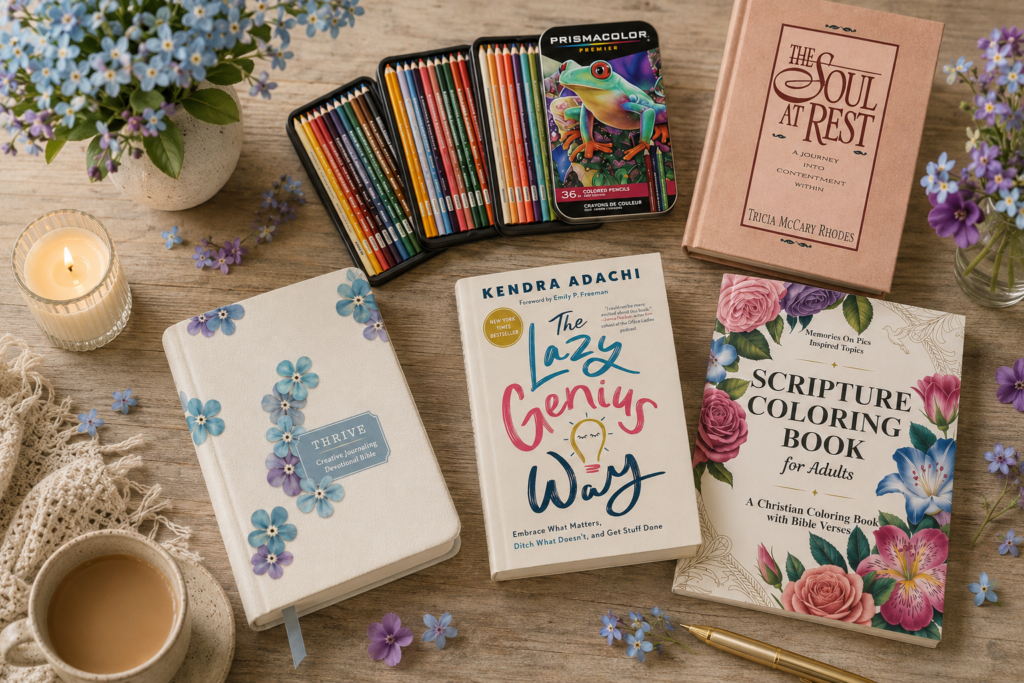
1. “The Soul at Rest” by Tricia McCary Rhodes
This 40-day guided experience of prayer gently teaches you to slow down and be present with God. Many women can sit on the couch, but their minds never stop racing through mental to-do lists.
This book walks you step by step into quiet, reflective prayer and introduces classic spiritual practices that help both your nervous system and your spirit settle in God’s presence.

2. NLT Thrive Creative Journaling Devotional Bible
A devotional journaling Bible designed specifically for women, with wide margins, devotionals, and space for artwork. Daily time in the Word is the core of biblical self-care, and a journaling Bible gives you permission to linger instead of rushing through.
Writing or drawing in the margins slows your thoughts and helps your heart receive as opposed to perform.

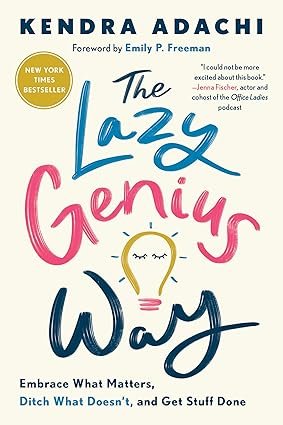
3. “The Lazy Genius Way” by Kendra Adachi
While not specifically a Christian book, this title is widely recommended by Christian women for learning to focus on what truly matters so you can drop the rest. A big source of rest guilt is feeling like everything must be done perfectly before you’re allowed to pause.
This book helps you decide what to care about and what to let be good enough, which frees up time and emotional energy for real rest.
4. “Sacred Rest” by Dr. Saundra Dalton-Smith
A Christian physician’s look at seven types of rest: physical, mental, emotional, spiritual, social, sensory, and creative. Hormonal shifts, changing roles, and aging parents often drain every category of rest at once in midlife.
This book helps you name what kind of tired you are, so you can seek the right kind of restoration instead of numbing with screens or busyness.

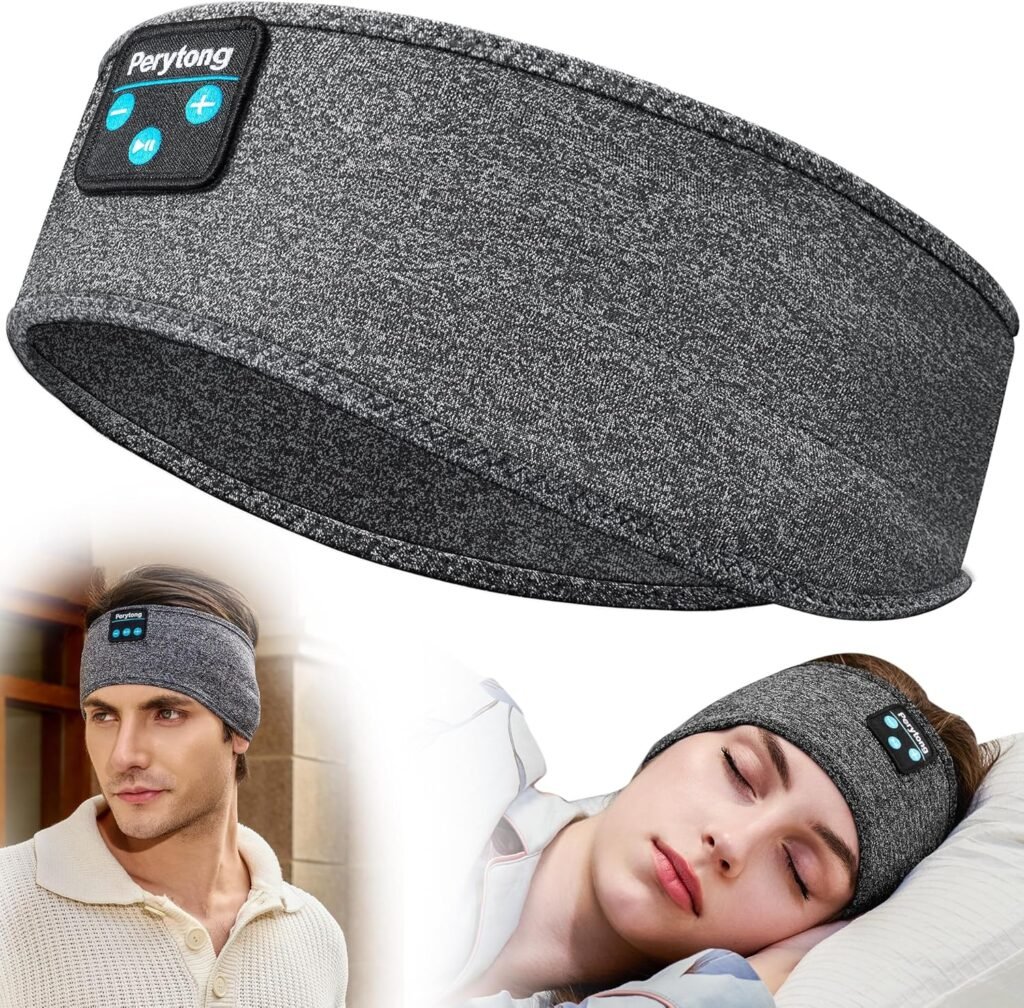
5. Perytong Sleep Headphones Bluetooth Headband
Sleep in midlife often becomes fragile because of hormonal changes and stress. This soft headband contains flat Bluetooth speakers that let you listen to Scripture, worship music, or faith-based podcasts while lying in bed without uncomfortable earbuds.
Gentle, Christ-centered audio can help you wind down without staring at a bright screen before sleep.
6. Blue Light Blocking Glasses
Many Christian self-care writers mention reducing evening screen exposure to protect sleep. A simple pair of blue light blocking glasses worn two hours before bed can help signal your body that it’s time to wind down.
Adequate sleep is a way to honor your body as a temple of the Holy Spirit and prevents anxiety spikes and emotional fragility that often show up as irritability with loved ones.

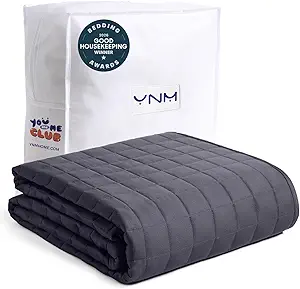
7. YnM Weighted Blanket (12-15 lb)
Weighted blankets help calm an overactive nervous system and support deeper rest. Many women feel guilty about lying down during the day, but a weighted blanket can turn rest into an intentional 20-minute nervous system reset as opposed to an aimless collapse.
Deep pressure can help quiet racing thoughts while you pray or meditate on Scripture.
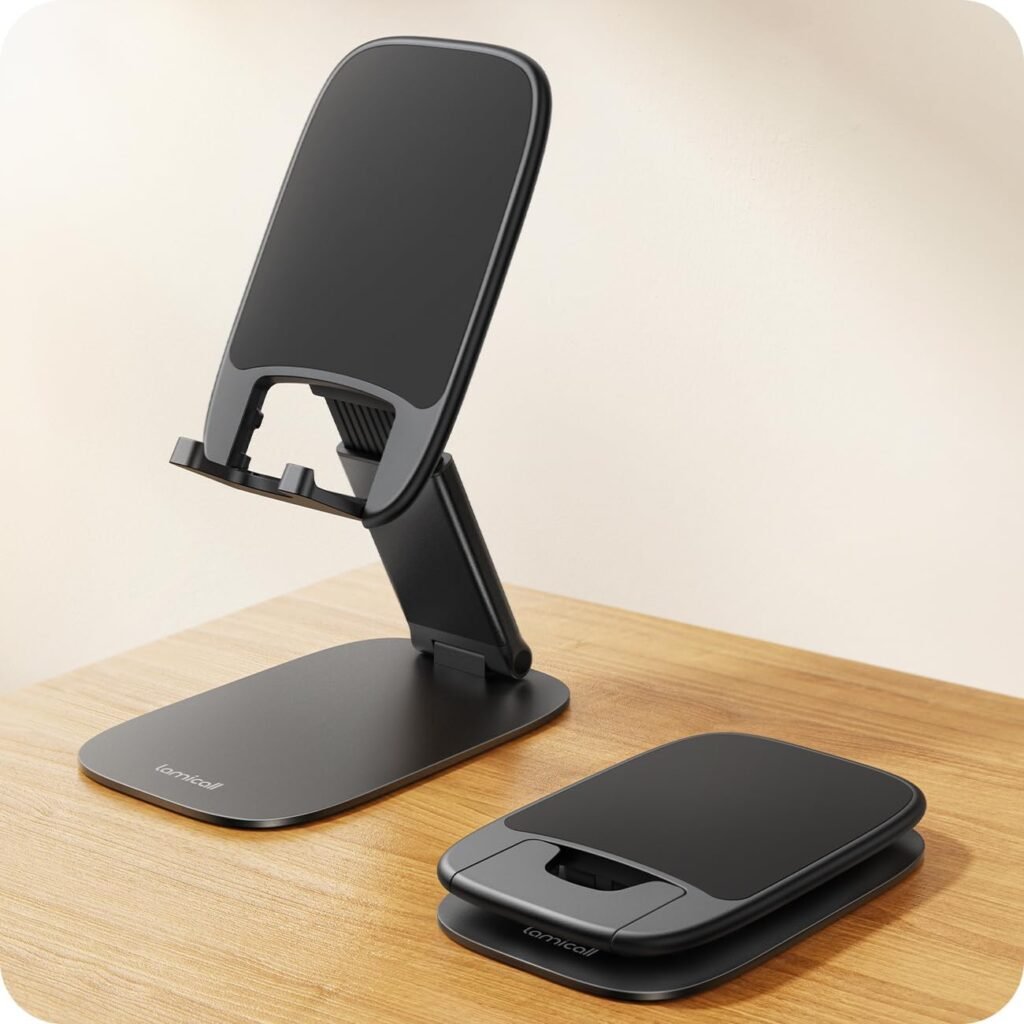
8. Lamicall Adjustable Phone Stand
Pair this with the Abide Christian meditation app or similar Scripture-based meditation resources. The stand keeps your phone out of your hands and at a distance so you’re less likely to start scrolling through everything else.
When you feel anxious or exhausted, dock your phone, open a Scripture meditation, and sit back with your hands open on your lap.
Treat this 10-15 minutes as a meeting with God.
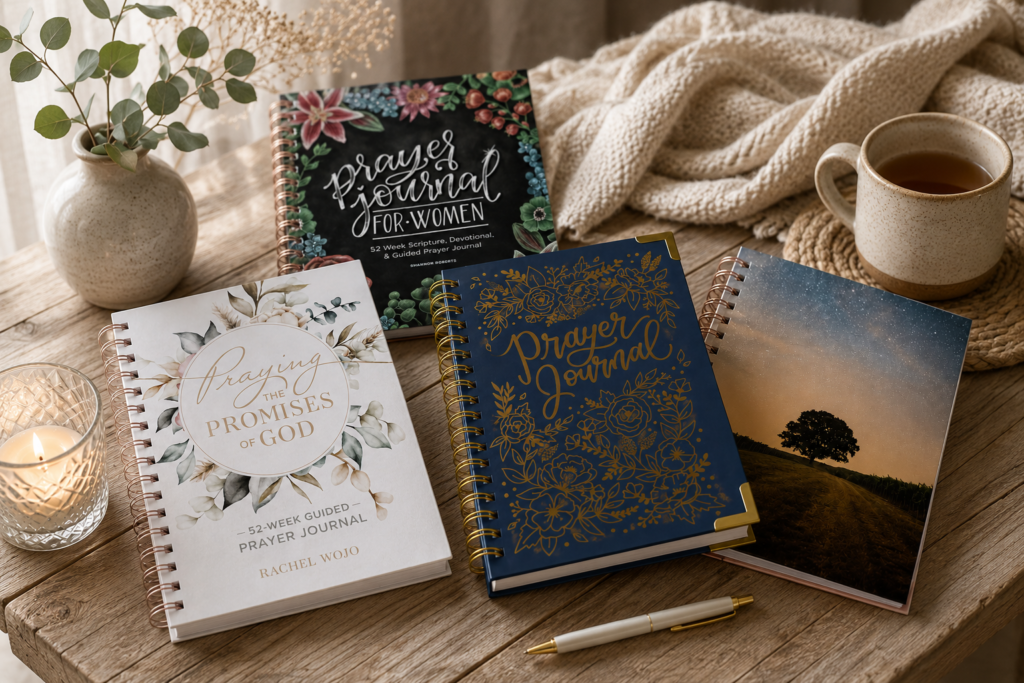
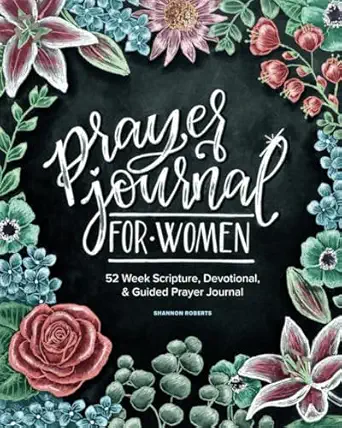
9. 52-Week Guided Christian Prayer Journal
Writing slows your internal pace and pulls hidden guilt to the surface so you can bring it to God as opposed to letting it quietly drive you. A guided format keeps you from staring at a blank page and giving up.
Use one page whenever you feel anxious, resentful, or exhausted, and end by writing a short prayer asking God to help you receive his rest.
13. Insulated Water Bottle with Scripture Verse (32 oz)
Most Christian wellness teachers mention hydration as part of stewarding your body well. Dehydration can worsen fatigue, brain fog, and anxiety, which makes rest feel impossible.
Having one appealing bottle by your chair or bed encourages gentle sipping throughout the day.
Some bottles come with Bible verses printed on them as gentle reminders.
Search on Amazon: “Christian water bottle Bible verse 32 oz” or “Hydro Flask 32 oz wide mouth”
14. LectroFan White Noise Machine
If you live in a noisy house or neighborhood, constant sound can keep your nervous system on high alert even when you try to rest. Many women begin waking more easily at night in their 40s and 50s.
A steady, gentle sound gives your body a permission signal that it’s safe to relax.
Use it for both naps and nighttime sleep.
Search on Amazon: “LectroFan white noise machine”
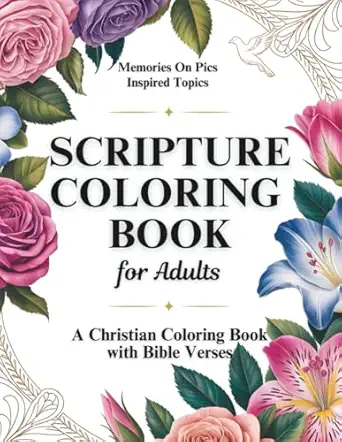
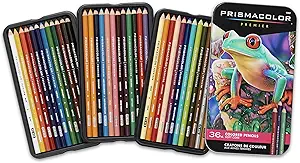
15. Christian Adult Coloring Book with Prismacolor Pencils
Creative rest is one of the rest types many women neglect. A Scripture-based adult coloring book can give your mind a gentle, focused break.
Coloring engages your hands and eyes just enough to calm swirling thoughts, while Scripture on the page keeps the time Christ-centered. This type of rest works well when you feel too restless to read but don’t want to default to scrolling.
My top recommendation and why it matters
From all these tools, the product I’d recommend first is “The Soul at Rest” by Tricia McCary Rhodes paired with any simple journal you already have or can pick up.
Here’s why that combination stands above the rest.
Rest without guilt isn’t mainly a spa problem or a sleep problem. It’s a discipleship and identity problem.
You learn to rest when you deeply believe that God delights in you, not just in your productivity.
Many Christian women in midlife have spent decades proving their worth through service, and that pattern doesn’t break with a single bubble bath or weighted blanket.
A 40-day guided experience in prayer and stillness helps retrain both your heart and nervous system to receive as opposed to constantly perform. The book introduces ancient spiritual practices in accessible language and leads you through short, manageable sessions that build on each other.
You’re not just learning to sit still.
You’re learning to be with God in a way that doesn’t need you to produce, fix, or accomplish anything.
The other products on this list are genuinely helpful. A weighted blanket can calm your body.
Blue light glasses can improve your sleep.
A diffuser can create a peaceful environment. But those tools serve you best when your inner beliefs about rest start shifting toward what Scripture actually says.
If you still believe deep down that rest is selfish or that you have to earn downtime through perfect performance, no amount of lavender oil will touch the guilt you feel.
Start with “The Soul at Rest.” Block 20 minutes a day on your calendar three to five days a week. Tell God honestly in your journal that you don’t know how to rest but you want to learn.
Work through one reading at a time, very slowly.
Let this be your foundation. As you go, you can add other supports like a phone stand for Scripture meditation, a prayer journal for processing what surfaces, or a yoga mat for gentle movement that honors your changing body.
You don’t have to earn rest. In Christ, rest is both a gift and a command, given for your good and for the good of those you love.
When you begin to rest without guilt, something shifts in your home, your relationships, and your walk with God.
You become more present, more patient, and more able to serve from a place of overflow as opposed to depletion.
If you’re ready to take that first step, search for “The Soul at Rest Tricia McCary Rhodes” on Amazon US today. Pick up a simple lined notebook.
Open your calendar and block those 20 minutes.
You won’t regret choosing to obey God’s invitation to rest.
Frequently Asked Questions
Is self-care even biblical, or is it just a trendy word for selfishness?
Christian writers often talk about biblical self-care as stewardship of what God entrusted to you, including your body, mind, and spirit. Scripture calls your body a temple of the Holy Spirit and instructs you to glorify God in your body.
That includes sleep, nourishment, and emotional limits.
Rest allows you to serve faithfully over decades instead of burning out. A helpful mindset is to ask whether a habit will help you love God and others over the long term.
Nourishing meals, sleep, Sabbath, medical care, light exercise, and unhurried time with God usually fit that picture.
How do I stop feeling guilty when I rest while others are still working?
Guilt often comes from unspoken rules you absorbed growing up or from church cultures that emphasize busyness over abiding. Scripture shows God resting on the seventh day and commanding Sabbath for his people.
Jesus regularly withdrew from crowds to be alone with the Father, even when there was still more work to do.
Start by naming the rule out loud in your journal, such as “I believe I must finish everything before I can rest.” Then compare it with Scripture that invites rest, like Matthew 11:28-30. Ask God to help you replace the old rule with a new one, like “I can rest because God is still working.” Begin with very small, scheduled rests so it feels like obedience to a plan as opposed to random slacking.
My body is changing in midlife. How does that affect rest, and what can I do?
Hormonal shifts in perimenopause and menopause affect sleep cycles, temperature regulation, and mood. You might wake more often at night, have hot flashes, or feel more anxious.
That doesn’t mean you’re failing at rest.
It means your body needs different care. Talk to your doctor about sleep difficulties and midlife symptoms.
Create a consistent bedtime routine with lower light, blue light glasses, and calming audio such as Scripture meditation.
Use practical tools like a fan, moisture-wicking sleepwear, and a noise machine if needed. Be gentle with yourself on days after poor sleep because your capacity will be lower. You honor God when you accept the season you’re in and adapt your habits.
How can I practice Sabbath when I still have a house to run and people to care for?
Many Christian teachers recommend starting with the spirit of Sabbath even if a full 24-hour day feels impossible. The goal is a regular window of time that is qualitatively different: worshipful, unhurried, and free from have-to tasks when possible.
Choose a four to six hour block weekly, such as Sunday afternoon.
Prepare meals and laundry ahead of time as much as you can. Decide what you will not do during that window: no email, no online shopping, no catching up on chores.
Fill it with low-effort joy like a nap, a slow walk, Scripture, coloring, music, or time with loved ones.
Over time, ask God if and how you can expand that window.
What if resting leaves me face to face with emotions I’ve been avoiding?
This is very common. When you slow down, unprocessed grief, anger, or fear can surface.
That doesn’t mean rest is wrong.
It often means God is inviting deeper healing. Keep a journal nearby and write honestly about what comes up, as if you were writing a letter to God.
Bring one trusted friend, mentor, or counselor into what you’re discovering.
Remind yourself that you can take breaks from heavy processing because rest can also include joy, humor, and beauty. If the feelings are overwhelming or tied to trauma, Christian counseling is a wise form of stewardship.
How do I rest when I’m caring for aging parents, grown children, and maybe grandchildren?
This season can feel like being sandwiched between demands from both older and younger generations. Guilt often whispers that any time you’re not actively helping someone is selfish.
Embrace micro-rests like five minutes of slow breathing, a quick gratitude walk in your yard, or one worship song with your eyes closed. Schedule help where possible, even in small increments, such as a neighbor sitting with your parent for one afternoon or trading childcare with a friend.
Practice saying a simple, honest no when a ask would crush you that week. Rest often begins with boundaries.
Integrate rest into care by listening to Scripture together with a parent, coloring with a grandchild, or taking them on a slow walk outdoors.
You are finite, and recognizing limits is not unloving.
Are these products really necessary, or can I rest without buying anything?
You absolutely can rest without buying a single product. Rest is first and foremost a posture of the heart and a choice to obey God’s invitation to Sabbath.
These products are simply tools that can make rest more accessible or comfortable, especially if you’re fighting years of ingrained guilt or struggling with midlife body changes that affect sleep.
Think of them as supports, not requirements. If a weighted blanket helps you take that guilt-free nap, it’s done its job.
If a devotional book helps you learn to sit still with God, it’s worth the investment.
But the most important thing is your willingness to believe that rest is biblical and to carve out time for it, with or without any purchases.
Find out our Recommended products in Creating Your Quiet Prayer Space; visit: https://illuminatedresources.com/creating-your-quiet-prayer-space-10-essential-products-for-christian-women-in-midlife/