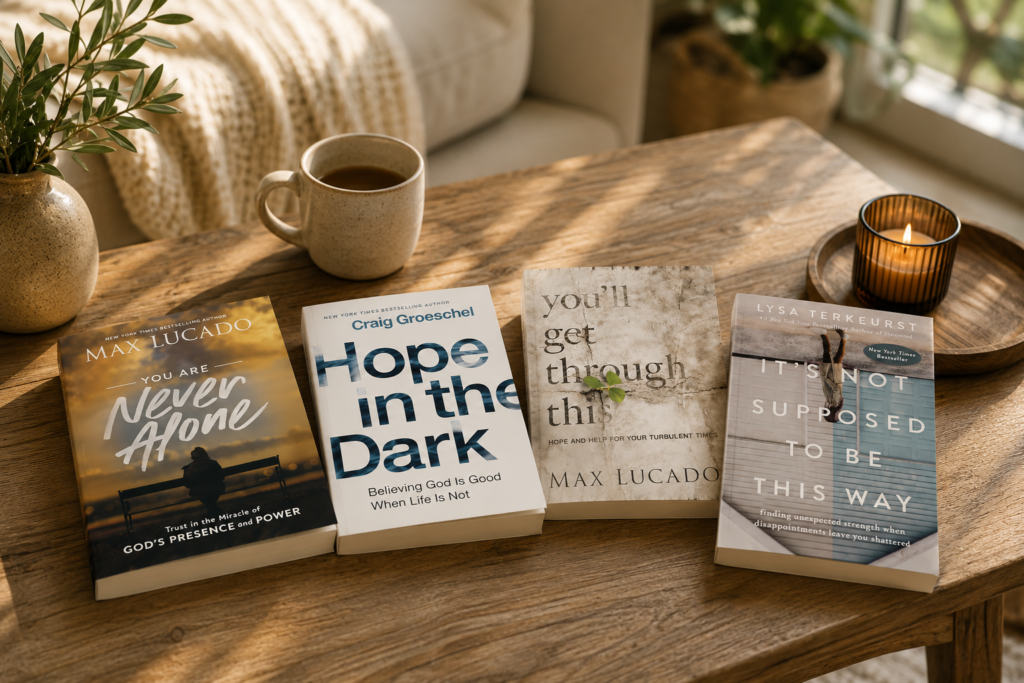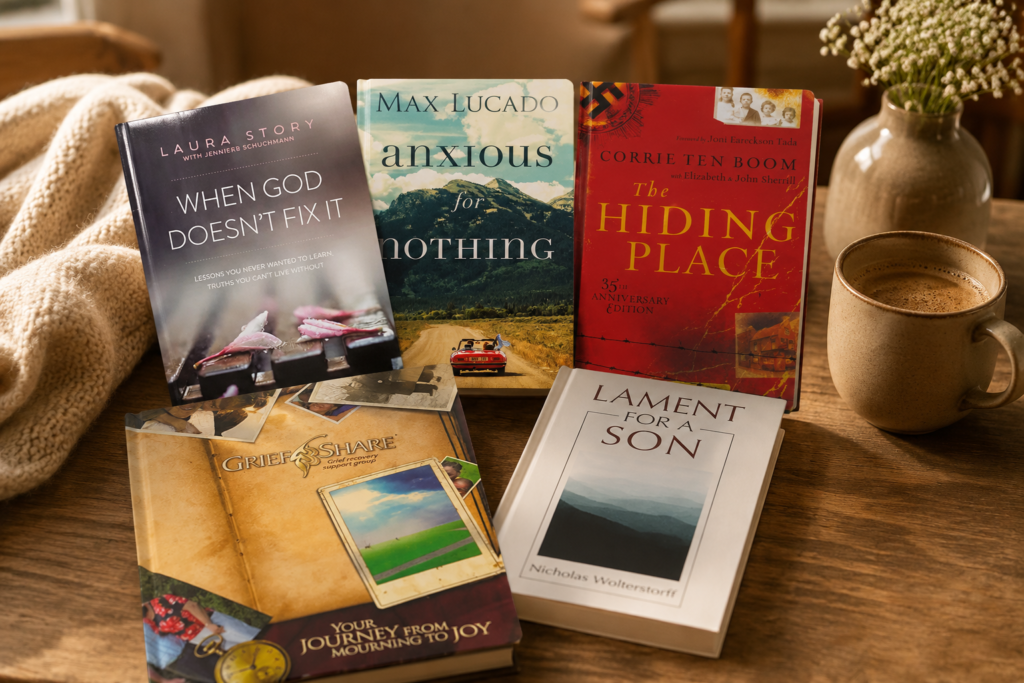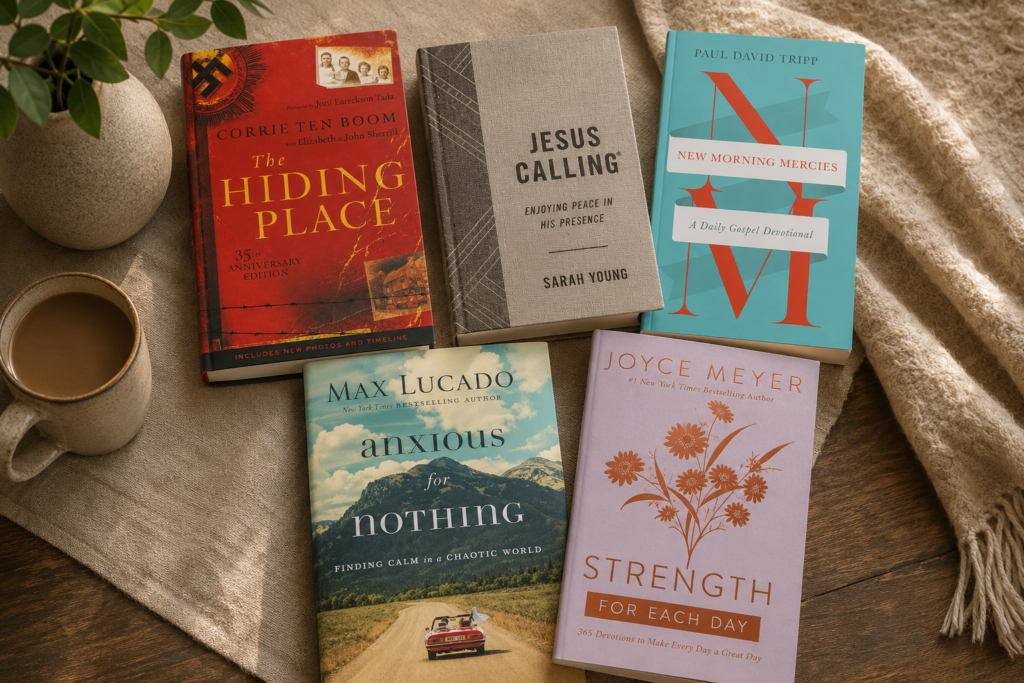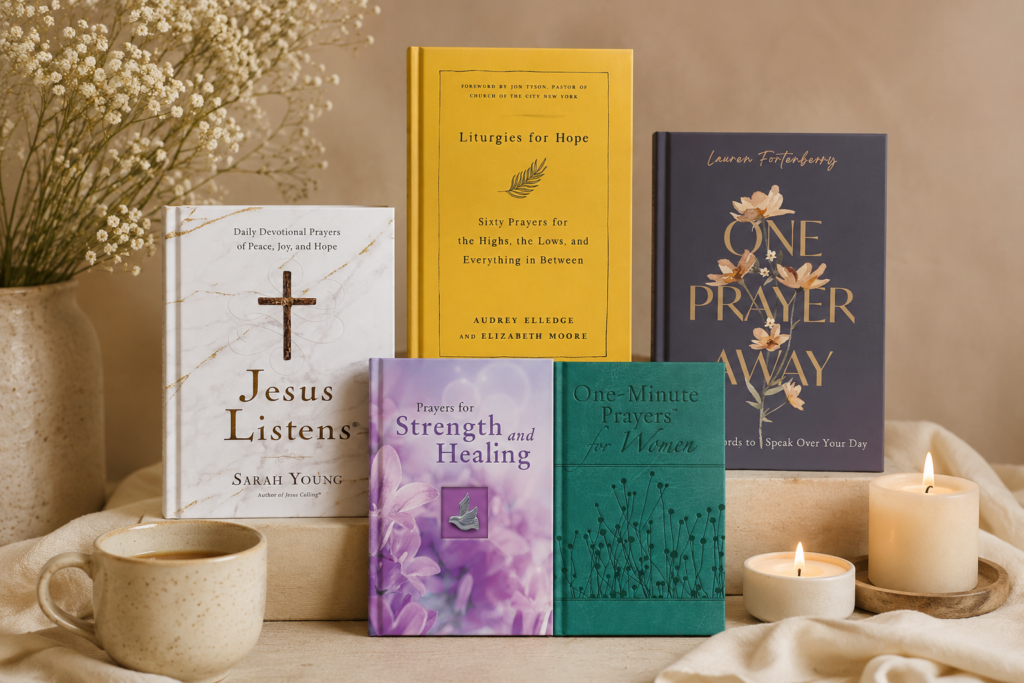
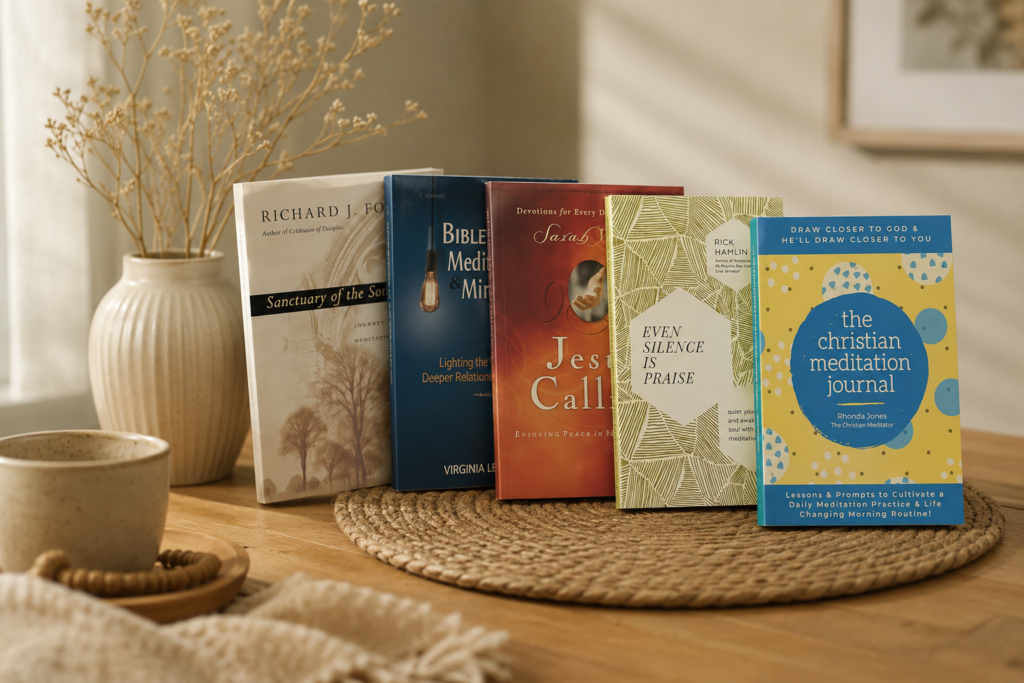
When midlife brings hormonal shifts, caregiving fatigue, or a deep soul hunger for something quieter, you might find yourself longing for tangible supports that help you actually settle into God’s presence. These products range from thoughtfully written Christian meditation guides and devotionals to sensory tools like candles, blankets, and journals that signal to your nervous system that it’s safe to slow down.
The key differences among these recommendations lie in their purpose: some teach you how to practice stillness and Christian mindfulness, others provide structure for your quiet time through prompts and reflections, and still others create physical cues that help your body recognize “this is rest time.”
What makes these particular products suitable for midlife is their understanding that you’re not looking for another task or program to master. Instead, they honor the reality that your body, mind, and spirit are asking for margin, presence, and deeper connection with God during a season that can feel disorienting and exhausting.
Many mix nervous system awareness, thank the challenges of fluctuating hormones and racing thoughts, and guide you toward sustainable practices as opposed to aspirational perfection.
Products to Anchor Your Practice of Stillness
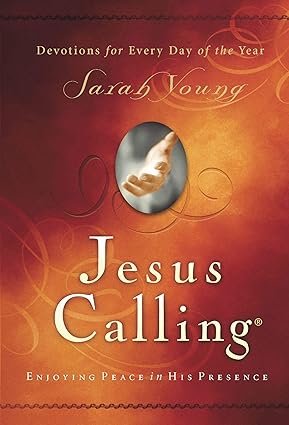
1. Jesus Calling: Enjoying Peace in His Presence by Sarah Young
This beloved devotional has sold millions of copies because it offers exactly what frazzled midlife hearts need: short, Scripture-infused readings written as though Jesus is speaking directly to you. Each entry takes less than five minutes to read, making it perfect for early mornings or stolen moments during a hectic afternoon.
The language is tender and reassuring, which helps when you feel spiritually numb or too tired for intensive Bible study.
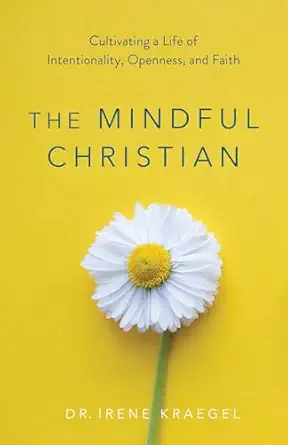
2. The Mindful Christian: Cultivating a Life of Presence by Dr. Irene Kraegel
Written by a Christian psychologist, this book explains mindfulness in accessible language while keeping it rooted in biblical faith. You’ll learn practical exercises for noticing your thoughts without judgment, staying present to God in everyday moments, and calming your nervous system through grounding practices.
This resource is especially valuable if you’ve felt skeptical about mindfulness but are curious about how it can deepen your walk with Christ.
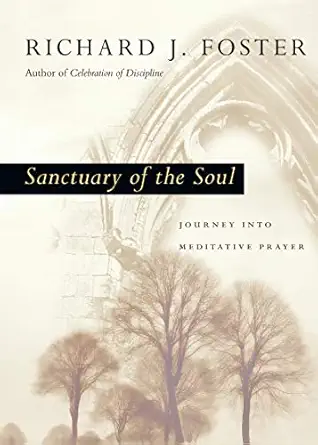
3. Sanctuary of the Soul: Journey into Meditative Prayer by Richard Foster
Richard Foster guides you gently into the practice of meditative prayer with warmth and wisdom drawn from Christian contemplative tradition. The book feels like a patient mentor walking beside you, explaining what meditative prayer looks like and why it matters for your spiritual life.
If you’re new to contemplation but hungry for something deeper than quick devotionals, this resource will feel like coming home.
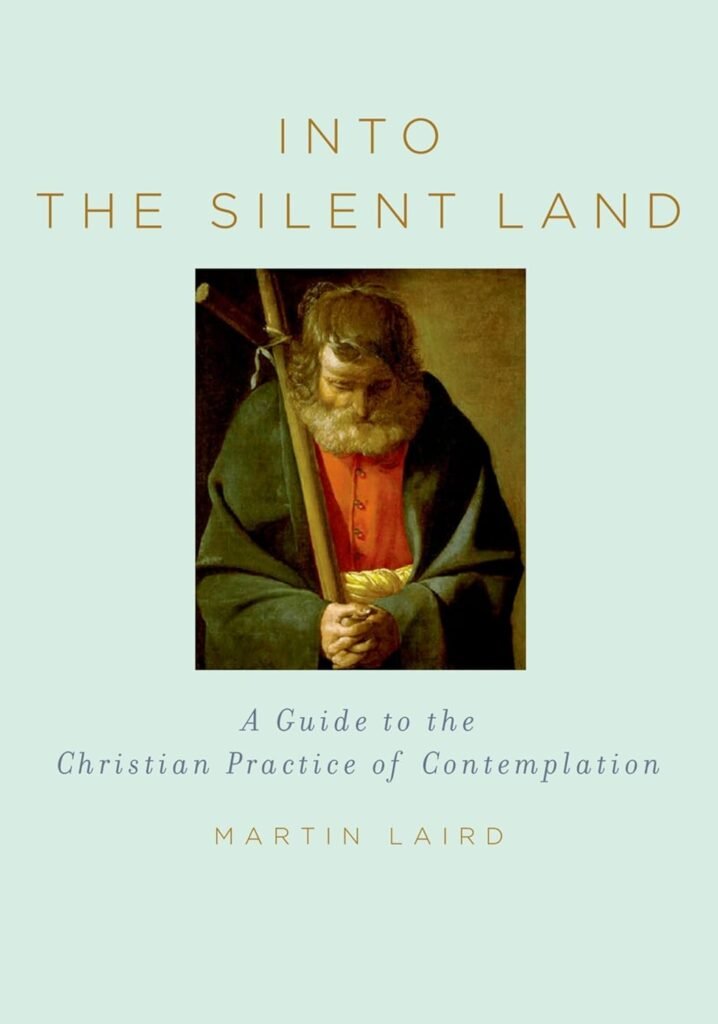
4. Into the Silent Land: A Guide to the Christian Practice of Contemplation by Martin Laird
Martin Laird offers a clear, compassionate invitation into silence and contemplative prayer. He explains what happens in your mind and heart when you sit quietly with God, and more importantly, how to respond when distractions and restlessness arise.
Midlife often brings intense inner noise, and this book helps you meet that noise with grace instead of frustration, showing you that stillness is a practice, not a performance.
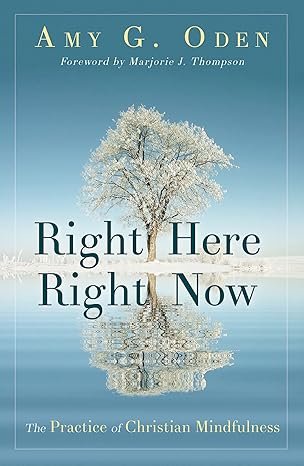
5. Right Here, Right Now: The Practice of Christian Mindfulness by Amy Oden
Amy Oden focuses on being present to God in ordinary moments like folding laundry or walking to your car. The book is highly practical, with simple exercises you can weave into your existing routines without carving out an extra hour.
If the idea of a formal quiet time feels overwhelming, this resource helps you find out about how stillness can happen in the midst of your regular day.
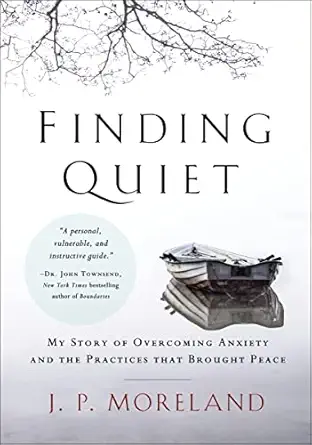
6. Finding Quiet: My Story of Overcoming Anxiety and the Practices That Brought Peace by J.P. Moreland
Philosopher J.P. Moreland shares his personal move through debilitating anxiety and the Christian contemplative practices that helped him heal.
The mix of vulnerable storytelling and step-by-step guidance is deeply reassuring if you struggle with anxiety, racing thoughts, or physical tension.
He shows how habits of stillness can be powerful, God-honoring ways to calm an overactive nervous system.
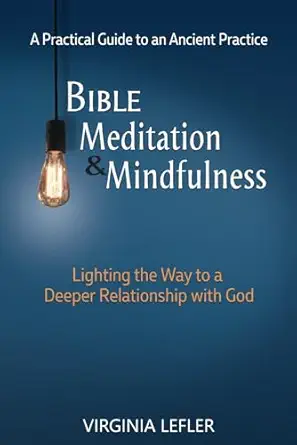
7. Biblical Meditation & Mindfulness: A Practical Guide to an Ancient Practice by Virginia Lefler
This straightforward guide breaks down biblical meditation and Christian mindfulness into clear, doable steps. You learn specific ways to ponder Scripture, breathe with a verse, and stay present with God throughout your day.
It’s ideal if you want concrete how-to instructions without wading through complex theology or dense spiritual language.
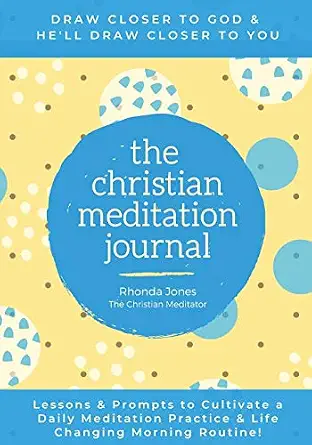
8. Christian Meditation Journal: Create a Transformative Meditation Practice by Rhonda Jones
This structured journal helps you build a simple, consistent rhythm of Christian meditation. There are prompts for Scripture reflection, gratitude, prayer intentions, and space to record what God is highlighting.
Journaling deepens contemplative practice by helping you notice patterns and clarify what you’re hearing from God.
This journal provides gentle guidance so you’re not staring at a blank page wondering what to write.
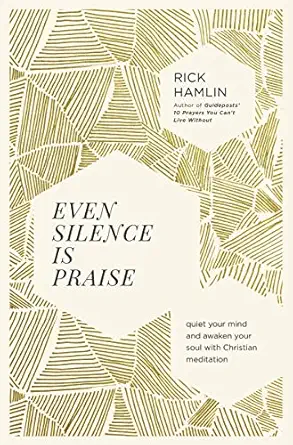
9. Even Silence Is Praise: Quiet Your Mind and Awaken Your Soul with Christian Meditation by Rick Hamlin
Rick Hamlin offers accessible stories and practices that show how silence itself can become an act of worship. If you grew up equating spirituality with activity and noise, this book helps you reframe silence as a form of love toward God.
The tone is comforting and down to earth, which suits a midlife reader navigating new questions about purpose and pace.
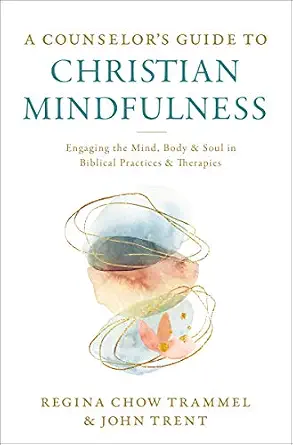
10. A Counselor’s Guide to Christian Mindfulness by Regina Chow Trammel and John Trent
Although written for counselors, this resource is incredibly helpful for everyday readers because it combines psychology, nervous system science, and Christian mindfulness in clear language. You gain a better understanding of why your body reacts the way it does to stress and how gentle spiritual practices can support real healing.
The content validates what you’re experiencing in your body and offers compassionate, science-backed approaches.
Frequently Asked Questions
Is mindfulness really okay for Christians?
Many Christian leaders, counselors, and spiritual directors affirm that mindfulness can be compatible with biblical faith when it’s rooted in Scripture and focused on connecting with God. In this context, mindfulness simply means paying deliberate attention to the present moment, including your thoughts and feelings, while remaining open to God’s presence.
It’s not about emptying your mind or adopting beliefs from another religion.
It’s about clearing mental noise so you can be more aware of God, truth, and the reality of this moment.
How is Christian mindfulness different from secular mindfulness?
Secular mindfulness usually emphasizes awareness and nonjudgmental observation of the present moment, often for stress reduction or improved focus. Christian mindfulness includes those elements but adds a relational center: you are present to God as well as to your own body and mind.
You might pair breathing with a Scripture verse, invite the Holy Spirit to guide your awareness, or let your noticing lead naturally into prayer, confession, or gratitude.
The focus is not on mastering a technique. The focus is on nurturing your relationship with God.
I feel guilty when I rest. How do I embrace stillness without feeling lazy?
Many women carry deep scripts about constant productivity and service, especially in midlife when so many people depend on you. Stillness can feel selfish or indulgent.
Yet Christian retreat traditions and spiritual directors emphasize that silence and rest are essential for spiritual renewal and for truly hearing God’s voice.
Seeing stillness as an act of obedience as opposed to a luxury can ease guilt. When you pause, you are trusting that God is God and you are not, and that your worth is found in Christ, not in endless activity.
The practical help is to set clear, modest boundaries: for example, 20 minutes of stillness each day or one quiet morning each month. Naming it as “time with God” and using simple tools like a devotional or guided meditation can reassure your mind that this is purposeful spiritual practice, not aimless laziness.
What does a simple at-home retreat look like in midlife?
Many women’s retreats blend guided reflections, prayer, journaling, nature walks, and silence. You can mirror this at home by choosing a half-day where you stay offline, creating a cozy corner with your candle, blanket, Bible, and a Christian meditation resource.
Spend time reading, journaling, and sitting in quiet without an agenda.
Take a slow walk outdoors, noticing God’s presence in creation. End with a simple breath prayer and a short note about what you sensed God inviting you toward.
You don’t need perfection or a packed schedule.
Retreat is about unhurried presence, not content volume.
How can I practice stillness if my hormones are all over the place and I can’t sit still?
Midlife and menopause often bring anxiety, restlessness, hot flashes, and sleep disruption. Long periods of silent sitting may feel impossible.
Short, body-friendly practices are more realistic.
Try three to five minute breath prayers during hot flashes or anxiety spikes, using phrases like “God is here” or “Peace, be still.” Practice gentle stretching or walking while listening to a short Christian meditation or a Psalm. Use grounding exercises that engage your senses: notice what you see, hear, smell, and feel to anchor you in the present moment.
Over time, these small practices calm your nervous system enough that longer stillness becomes easier.
What if stillness brings up grief, regret, or old pain?
Silence often reveals what busyness has been keeping at bay. Midlife can surface grief about changing roles, lost opportunities, strained relationships, or disappointments.
Christian contemplative guides thank that stillness can be both comforting and confronting.
When difficult emotions arise, name them honestly before God. Write them in your journal without editing.
Use a simple breath prayer like “Lord, have mercy” or “You are with me.” Consider sharing recurring themes with a trusted friend, mentor, or counselor, especially one familiar with Christian mindfulness.
Pain that surfaces in stillness is not a sign you’re doing it wrong. It can be an invitation to healing.
How long should I practice stillness each day?
Start small. Even 10 to 15 minutes daily is enough to begin noticing a difference in your nervous system, your prayers, and your sense of God’s presence.
Consistency matters more than duration.
Practicing at the same time each day, using the same simple ritual like lighting a candle, helps your body and mind settle more quickly. As the practice becomes familiar, you may naturally extend your time.
But there’s no rule that says longer is better.
Listen to your body, your season, and what God seems to be inviting you into right now.
Your season of stillness is not wasted time. It’s part of God’s long, loving work of shaping your second half of life into something spacious, joyful, and deeply rooted. One book, one candle, one journal, one quiet breath can become the beginning of a new way of living with Him.
Find out our Recommended Evening Reflection: Calm Your Mind; visit: https://illuminatedresources.com/evening-reflection-calm-your-mind/