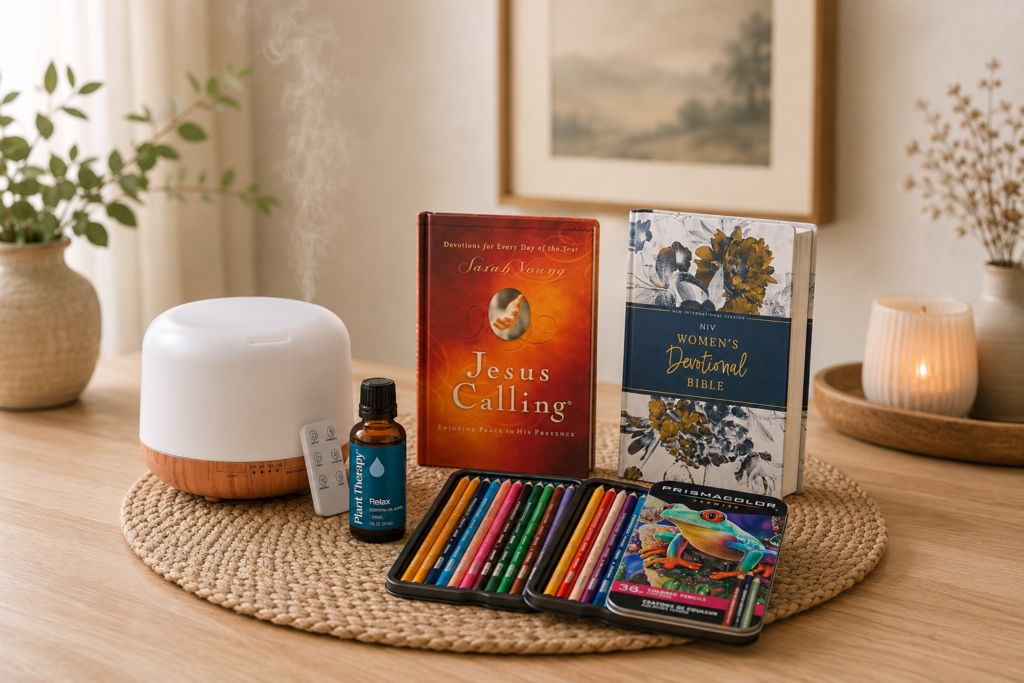
It’s so overwhelming when midlife stress causes your shoulders to tense up before you even finish your morning coffee. However, if you build small faith-centered routines using simple tools that bring you back to Scripture and prayer, you’ll notice your anxious thoughts quiet down and your heart feels more anchored, even on the hardest days.
Coping habits rarely address the root need, so you stay restless. If I were to estimate how long most women scroll their phones to “relax,” I’d say at least 30 minutes daily, and that assumes the scrolling actually helps you unwind.
It usually just adds more mental clutter.
Have you ever noticed that checking your phone feels easier than sitting still to pray? Your brain has been trained to seek quick dopamine hits from notifications, likes, and new information.
That’s why slowing down to read your Bible or journal can feel strangely difficult at first.
Even five minutes of silence can make your mind race faster.
But when you pair faith practices with physical tools that calm your nervous system, something shifts. Your body relaxes, which makes it easier for your mind to focus on God’s word.
You start to crave that quiet time instead of avoiding it.
And it can be more difficult for you if you’re juggling aging parents, hormonal changes, or grown children who still need you, because your stress has real, complex sources. But these faith-focused products can give you practical entry points back to peace.
Faith-Focused Stress Relief Products
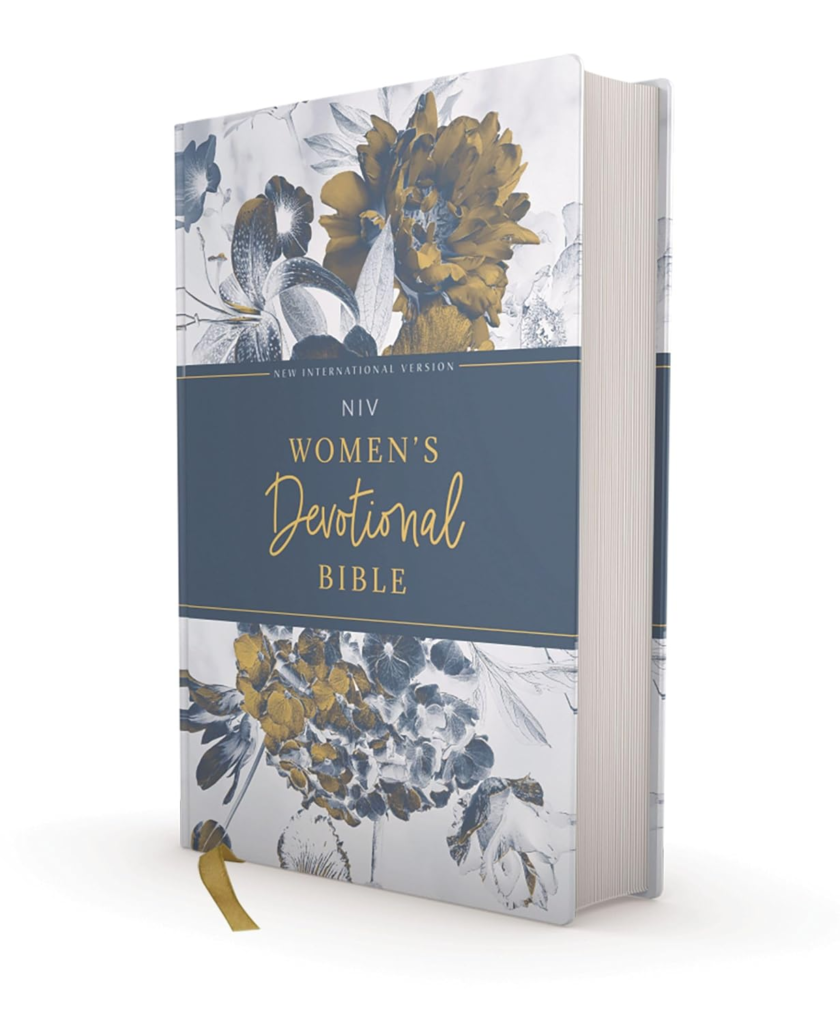
1. NIV Women’s Devotional Bible
This Bible was created specifically with women in mind. It includes short daily devotionals woven right into the Scripture text, so you don’t have to flip between books or wonder what to read next.
The reflections connect biblical truth to real struggles like worry, identity shifts, and major life transitions.
When your mind feels scattered, you can open to any day’s reading and let it set the tone for your morning. The devotionals are brief enough to finish with your coffee but substantial enough to carry with you through the afternoon.
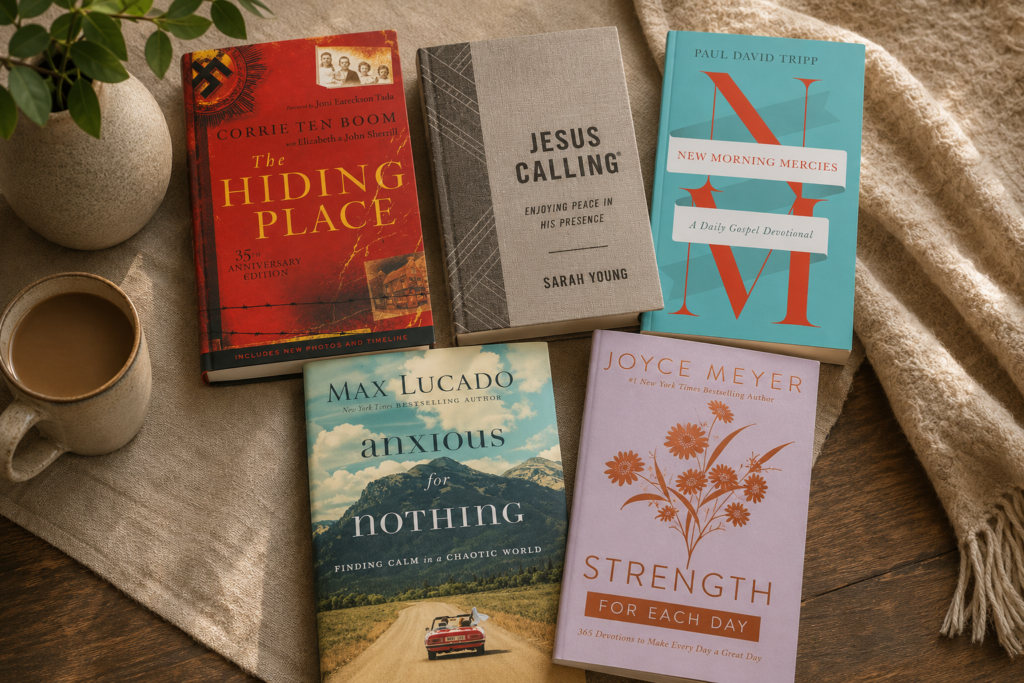
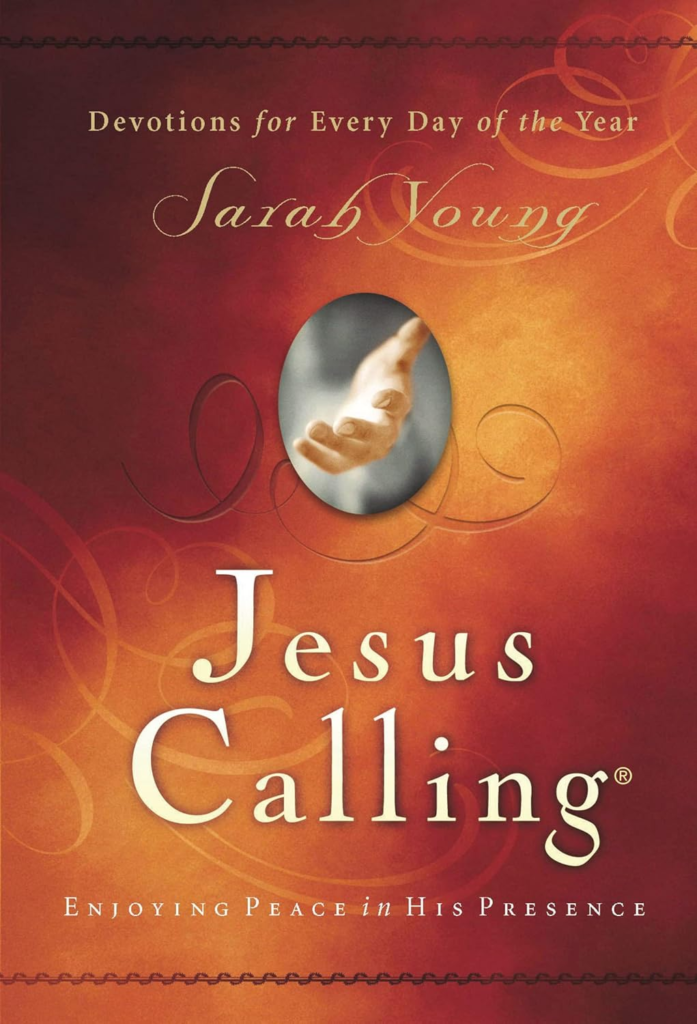
2. “Jesus Calling” by Sarah Young
Sarah Young’s devotional has become a classic for good reason. Each entry is written as if Jesus is speaking directly to you, offering comfort and reminding you of His presence.
The readings are Scripture-based and short, which works well when your attention span feels fragmented.
You can keep this on your nightstand and read one page before bed. A single phrase often sticks with you and becomes a quiet anchor during stressful moments the next day.
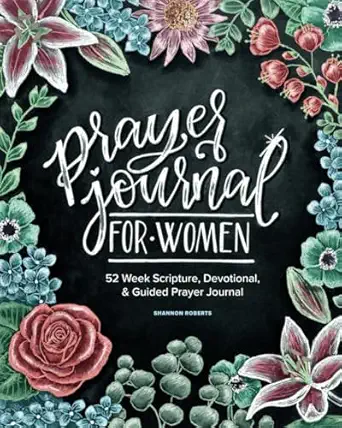
3. Prayer Journal for Women: 52 Week Scripture, Devotional & Guided Prayer Journal
Guided prayer journals give you prompts for gratitude, confession, requests, and answered prayers. This one includes weekly themes and space to track how God has been faithful over time.
Writing your prayers helps you slow down and untangle thoughts that feel jumbled. Later, when you flip back through old entries, you’ll see patterns of God’s provision that you might have forgotten. That record becomes a source of hope during harder weeks.
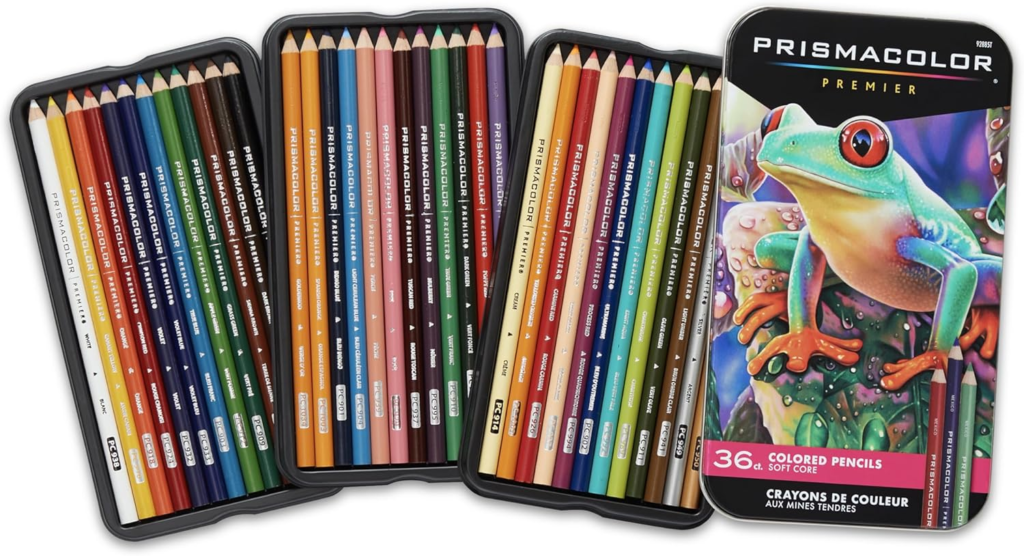
4. Prismacolor Premier Colored Pencils, Soft Core, 36-Count
If you plan to use coloring books or try Bible journaling, quality pencils make the experience much more enjoyable. These soft-core pencils glide smoothly and won’t tear thin pages.
They come in a range of colors that let you highlight different themes in your devotional time.
You can also use them to underline or decorate margins in a wide-margin Bible, turning your study time into a creative, meditative practice.
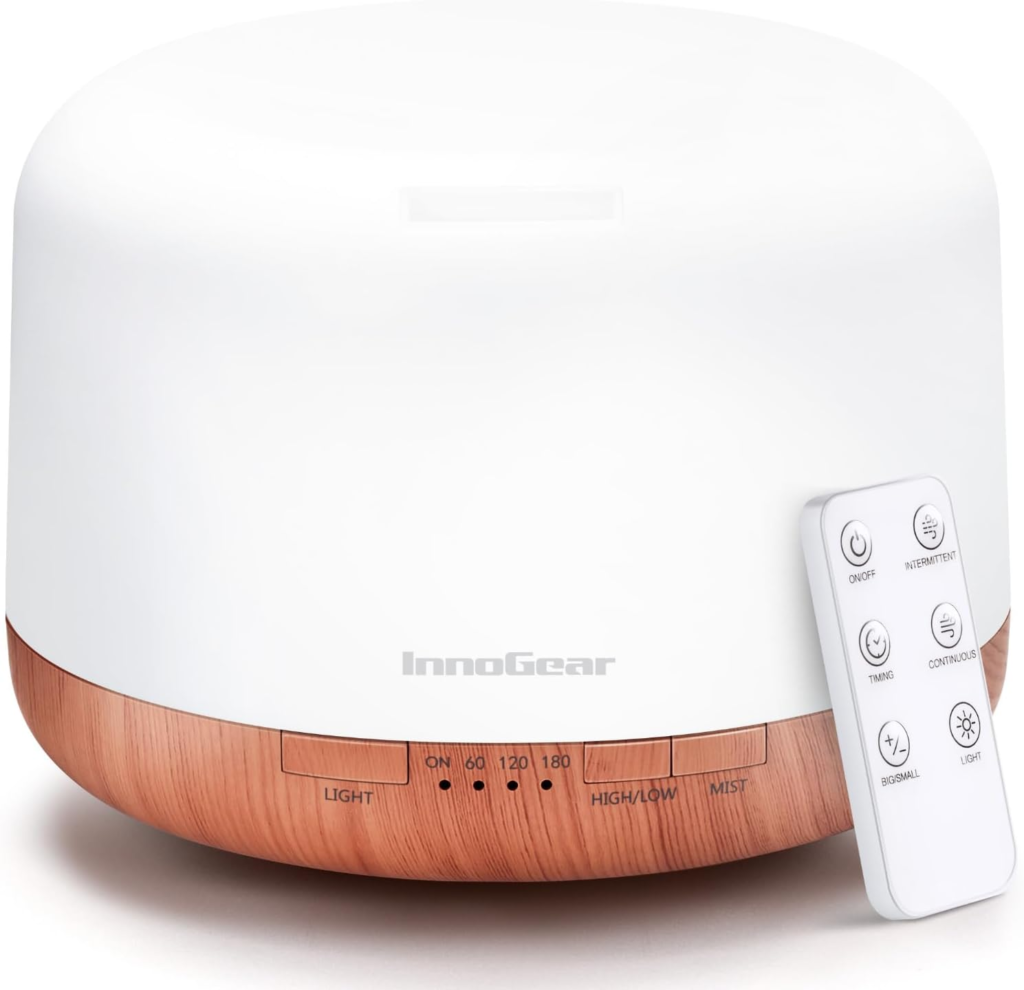
5. InnoGear Essential Oil Diffuser, 500ml
This ultrasonic diffuser releases a fine mist of water mixed with essential oils. Many models include soft, adjustable lighting that creates a peaceful atmosphere in your room.
Turning on your diffuser can become a cue for your brain that it’s time to pray or read Scripture. Pair it with a calming scent like lavender during your evening routine, and your body will start to associate that smell with rest and time with God.
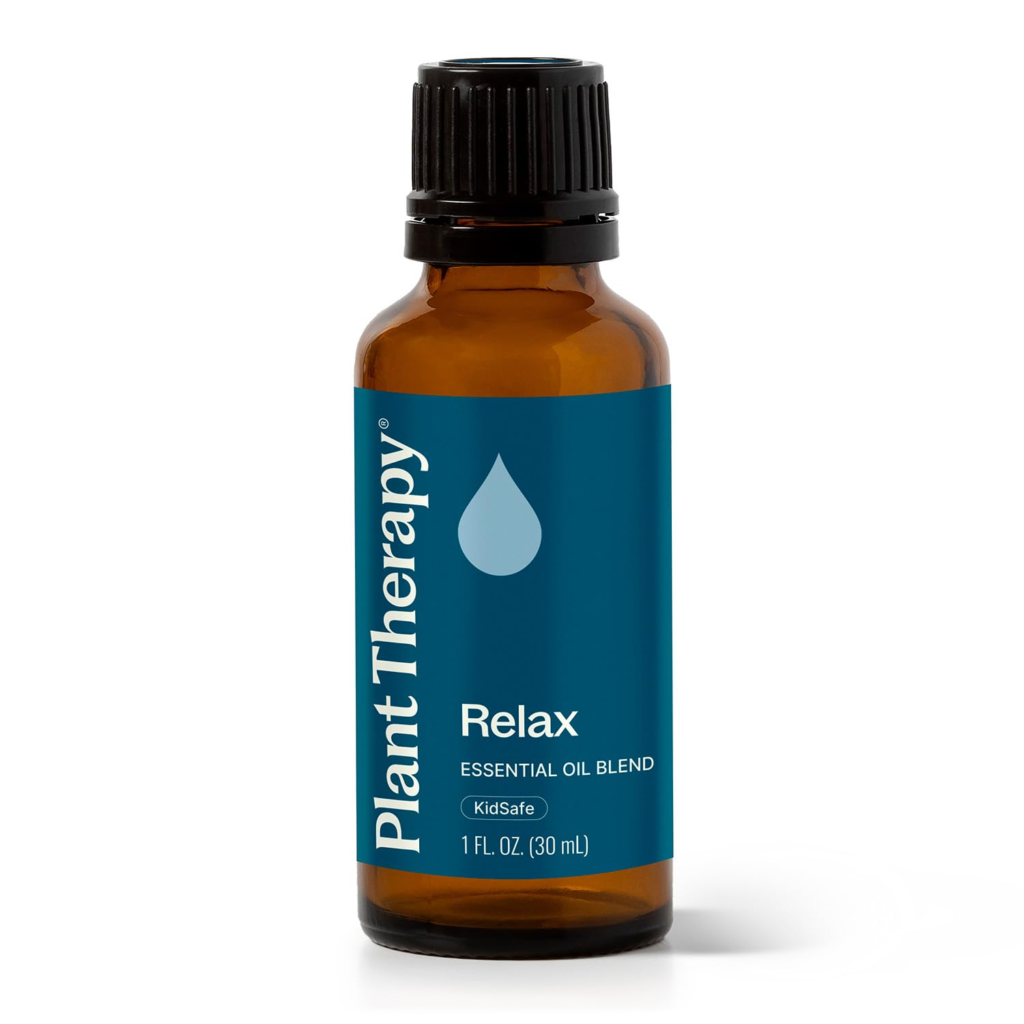
6. Plant Therapy “Relax” Essential Oil Blend
This pre-mixed blend focuses on relaxation and often includes lavender, chamomile, and other soothing oils. You add a few drops to your diffuser or mix it with a carrier oil for topical use.
Using the same scent during your quiet time with God can train your mind to settle more quickly. Over time, just smelling it will signal to your nervous system that it’s safe to slow down.
Note: If you have pets or sensitivities, check safety guidelines for each oil before use.
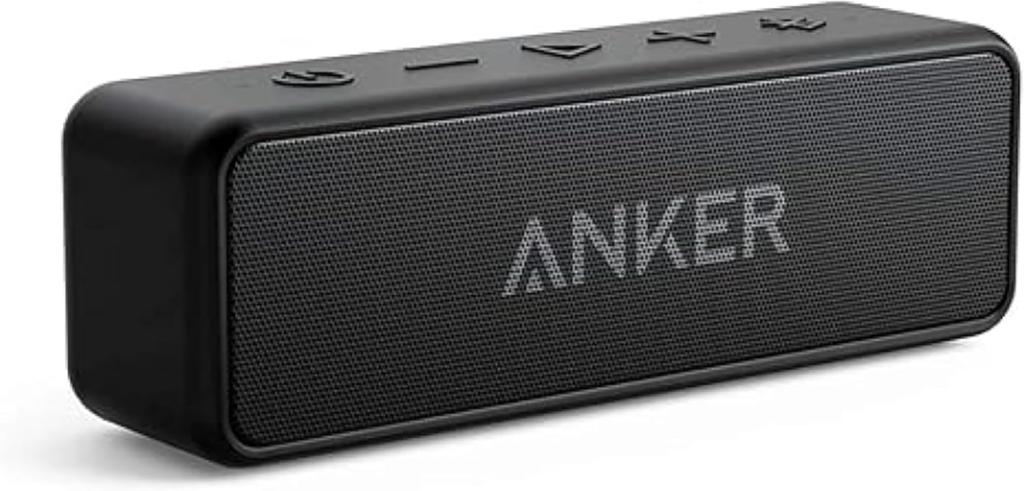
7. Anker Soundcore Bluetooth Speaker
A compact Bluetooth speaker connects to your phone and fills your space with worship music, sermons, or audio Bible. Better sound quality makes your devotional time feel more immersive and intentional.
Create a simple playlist of calming worship songs or hymns. Playing one or two during your morning routine can shift your mindset toward gratitude and trust before the day gets busy.
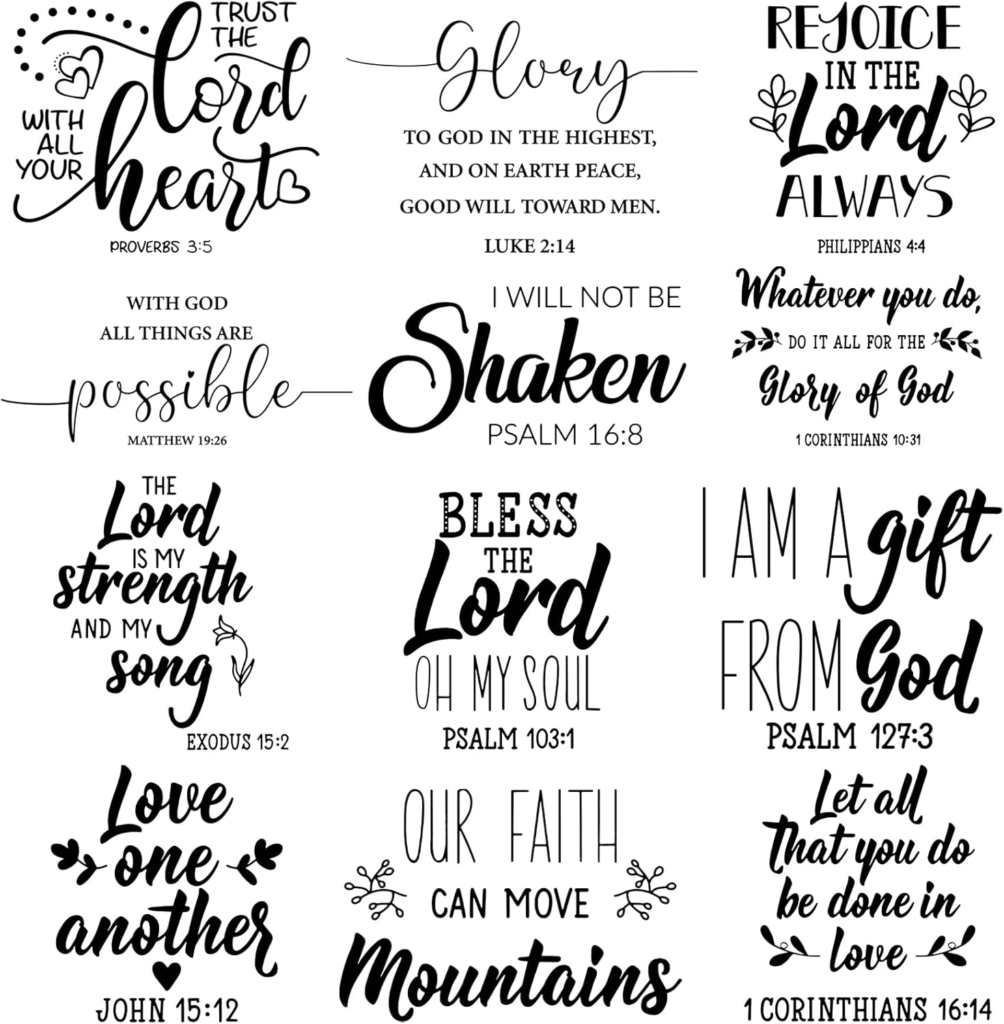
8. Christian Wall Decor Scripture Cards, 12 Pack
These printed Scripture cards can go on your walls, desk, or nightstand. Placing God’s word where you see it throughout the day offers quiet, steady reminders of His promises.
When you glance up from your laptop and see “Be still, and know that I am God,” it prompts you to take a slow breath and refocus. Small visual cues like this can interrupt stress spirals before they take over.
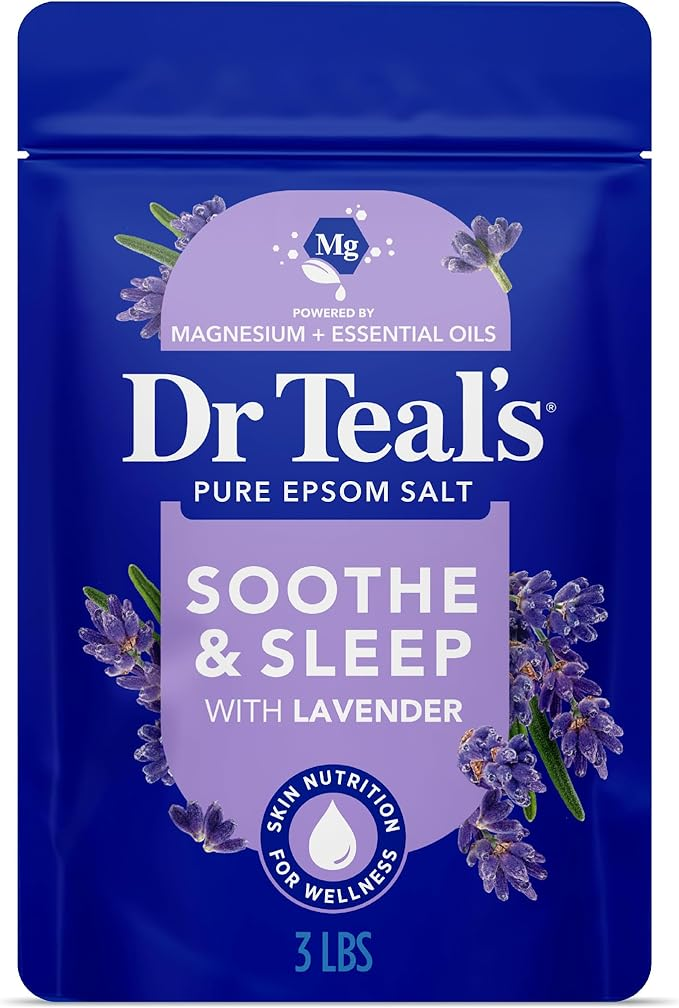
9. Dr Teal’s Epsom Salt Soaking Solution
Epsom salts can relax sore muscles and turn an ordinary bath into a calming retreat. Add some to warm water, light a candle, and play worship music while you soak.
You can also bring a devotional or Bible into the tub if you have a bath caddy. A 20-minute bath like this becomes a mini-spa experience that soothes both body and soul.
10. Royal Craft Wood Bathtub Caddy Tray
This adjustable bamboo tray sits across your bathtub and holds your book, phone, or tablet safely above the water. It makes it easy to read a devotional or listen to a sermon while you relax in the bath.
Pair it with the Epsom salts above, and you have a simple at-home retreat waiting for you whenever stress levels spike.

Conclusion: Building a Faith-Centered Rhythm
If you choose only one item from this list, the NIV Women’s Devotional Bible is the strongest starting point. Many tools can support stress relief, but Scripture and prayer remain the foundation of lasting peace.
A devotional Bible gives you God’s word alongside short reflections that speak directly into daily stress.
You can sit down for just five minutes, read a passage and a small devotional, and carry one truth into the rest of your day. That simple practice builds over time and becomes an anchor when life feels chaotic.
To use it well, choose a time of day that is usually quieter, like early morning or just before bed. Make it pleasant: wrap up in a soft throw, turn on a small lamp, keep a hot drink nearby. Open to the days devotional reading and read the Scripture first, then the reflection.
Underline any word or phrase that stands out, and pray a short, honest prayer: “Lord, you see how stressed I feel. Help me trust this promise today.”
To deepen the experience, pair your devotional Bible with a prayer journal or gratitude journal. Writing even a few lines helps you process what you read and turn it into conversation with God instead of just information.
Over time, these small, faithful choices add up.
Your days begin to feel less frantic and more anchored. Stress in midlife often comes from many directions at once, but you can walk through this season with a settled heart, rooted in the God who does not change.
Frequently Asked Questions
How can I tell if my stress is normal midlife stress or something more serious?
Many women experience increased stress in midlife because of hormonal changes, aging parents, grown children, financial pressures, and shifting identity. Feeling more tired or emotional than usual is common.
However, a few signs suggest you might need extra support: persistent sadness or anxiety most days for more than two weeks, trouble functioning in daily life like getting out of bed or going to work, panic attacks or severe mood swings, thoughts of self-harm, or heavy reliance on alcohol, food, or shopping to cope.
If you notice these patterns, consider talking with a doctor or Christian counselor. Faith and prayer matter deeply, and professional care can sit alongside them as a gift.
Is it unspiritual to use weighted blankets and essential oils for stress?
Supporting your body while seeking God is not unspiritual. You are a whole person, and your body, mind, and spirit affect one another.
If a weighted blanket or calming scent helps your nervous system settle so you can pray, read Scripture, or sleep more easily, it can be a wise and practical tool.
The key is where your ultimate trust rests. These things are supports, not saviors.
You can thank God for simple comforts while remembering that your deepest peace comes from Him.
I feel guilty taking time for myself. How do I justify using these products or practices?
Many women feel selfish when they rest or slow down, especially after years of putting others first. However, chronic stress eventually affects your health, mood, relationships, and ability to serve.
You can think of rest and stress relief as stewardship: caring for the body and mind God has given you so you can keep showing up with love and clarity.
Even Jesus took time away from crowds to pray and rest. Start small if guilt feels strong.
Take 10 minutes with your Bible and journal, or a 15-minute walk while listening to worship music.
Over time, remind yourself that this is not self-indulgence but obedience to a rhythm of work and rest that God Himself modeled.
What if devotional books feel too shallow when I am dealing with big problems?
When you face serious issues like illness, divorce, financial crisis, or grief, simple devotional readings can sometimes feel too light. In that case, try using the devotional as a starting point as opposed to the whole meal.
Let it point you to a Scripture, then read the full chapter in your Bible for deeper context.
You can also pair devotionals with more in-depth Bible study or solid Christian books on suffering, hope, or spiritual formation. Write an honest response in your journal if a reading feels too neat.
Tell God exactly what you think and feel.
He already knows your questions and welcomes them. Some devotionals address heavy topics more directly, so look for ones focused on grief, chronic illness, or midlife transition if that fits your situation.
How do I build a habit of quiet time when my schedule is unpredictable?
Irregular schedules are common in this season. Instead of aiming for perfection, think in terms of anchors and minimums.
Anchors are daily events that almost always happen, like wake-up time, lunchtime, or bedtime.
Attach a 5- to 10-minute quiet time to one of these, such as reading a devotional with your first cup of coffee. Minimums are the smallest version of your habit.
On a normal day, you might read a chapter and journal.
On a hectic day, your least might be a single verse on a Scripture card and a 30-second prayer. Keeping the bar low on hard days prevents the all-or-nothing pattern.
Using a basket or organizer to keep everything together saves time and makes it easier to start.
Are there specific Scriptures that help with midlife anxiety and transition?
Many people in this season find comfort in passages that speak about God’s constancy, guidance, and care through changing seasons. Consider Isaiah 46:4 for God’s promise to carry you even to old age and gray hairs, Psalm 23 for the Lord as your Shepherd who guides and restores, Philippians 4:6-7 for instructions to bring anxiety to God in prayer with the promise of His peace, 2 Corinthians 4:16-18 for encouragement that inward renewal continues even as the outer body ages, and Jeremiah 29:11-13 for assurance that God has plans for hope and a future when you seek Him.
You can mark these in your Bible with no-bleed highlighters or write them on affirmation cards.
Reading them slowly, out loud, and turning each one into a short prayer can bring steady comfort on anxious days.
What if I try these products and still feel overwhelmed?
These products are tools, not magic fixes. They make it easier to pause, breathe, and turn your attention back to God, but they work best as part of a broader rhythm of self-care, community, and spiritual practice.
If you try several items and still feel overwhelmed, it may be time to talk with a trusted friend, pastor, or counselor.
Sometimes stress has roots that need professional support or medical attention, especially if hormonal changes are involved. There is no shame in seeking help. God often works through the hands and wisdom of others.
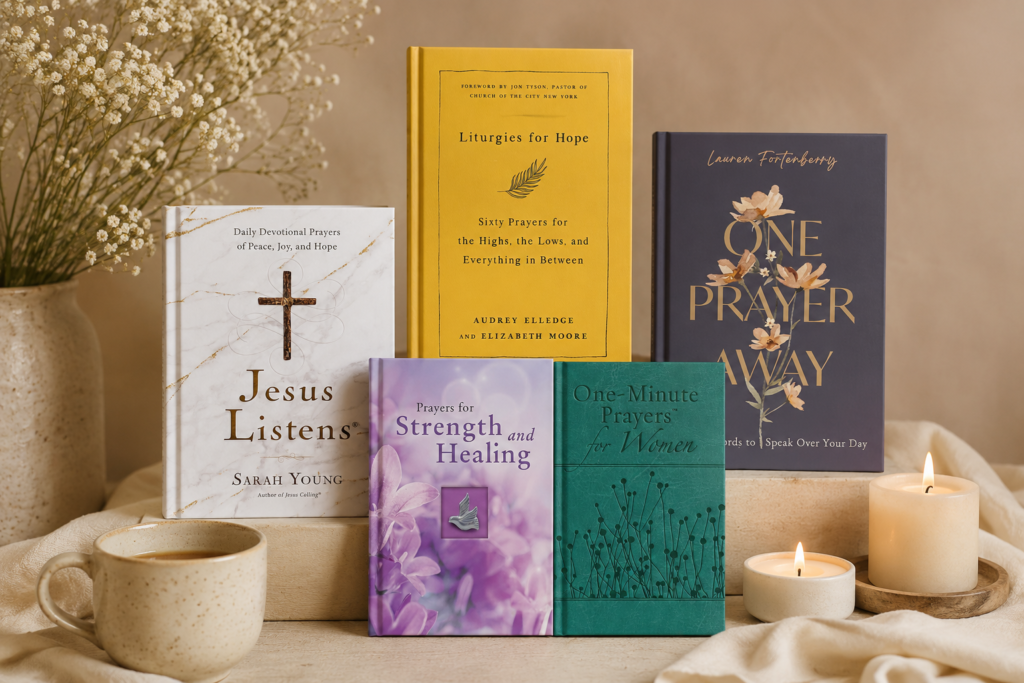
Find out our Recommended Prayerbooks for Daily Life + Stressful Seasons; visit: https://illuminatedresources.com/best-prayerbooks-for-daily-life-stressful-seasons-guided-prayers-liturgies-structured-worship/