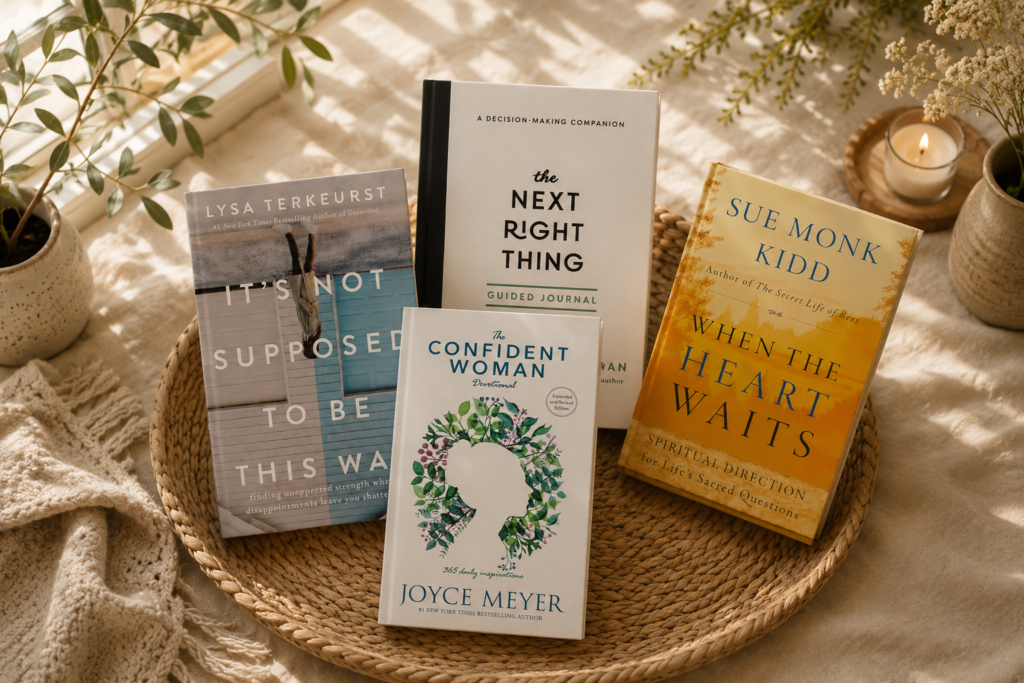
A few months ago, Sarah had just turned 47. At the same time, she had her next decade carefully mapped out.
Sarah hoped for a steady sense of purpose as her kids left home and her career continued on its predictable path.
Unfortunately, Sarah was struggling with feeling invisible and spiritually dry. She wasn’t equipped with tools to process the grief of aging, she wasn’t aware of how common midlife numbness actually is, and she couldn’t shake the guilt about her doubts or find words for her exhaustion.
In fact, she was so disconnected that she’d stopped attending her weekly Bible study group because she felt like a fraud sitting there pretending everything was fine.
Sarah had volunteered for more responsibilities at church lined up, thinking staying busy would help. After that, she was planning to just push through and wait for the feelings to pass.
It was a vague plan. The details of exactly how she was going to reconnect with God while feeling completely numb remained fuzzy.
Sarah never considered that a simple devotional book and a structured Bible reading plan would anchor her more deeply than any amount of busyness, let alone help her rediscover genuine joy in her faith.
After months of going through the motions and feeling spiritually hollow, it was finally time to admit she needed help.
All Sarah needed was one honest book and one daily rhythm that fit her real life.
However, she got something much richer than she expected.
This involved discovering resources written by women who had walked the same path, who refused to offer quick fixes, and who kept pointing her back to Scripture with compassion and truth.
So she rebuilt her spiritual life one small, sustainable habit at a time, without the pressure of perfection.
Within six months, Sarah had found her footing again but had started a small group for other midlife women using the same resources that had helped her find hope.
What makes midlife encouragement different
Midlife brings specific challenges that general Christian resources don’t always address directly. You’re dealing with changing bodies, shifting roles, adult children making their own choices, aging parents, career plateaus, and sometimes a creeping sense that you’ve become invisible.
These aren’t surface issues that a cheerful Bible verse on a coffee mug will fix. You need resources that tell the truth about disappointment, that give you permission to feel lost while still pointing you toward God, and that offer practical daily rhythms when your emotions are too unreliable to guide you.
The products below range from structured Bible studies to gentle devotionals, from guided journals to small tangible reminders you can wear or light. Some will help you get back into Scripture in a manageable way.
Others will give you language for feelings you’ve been afraid to name.
A few will simply create small moments throughout your day that remind you that you’re seen, loved, and held by God regardless of how you feel.
Best Faith-Based Products for Midlife Women
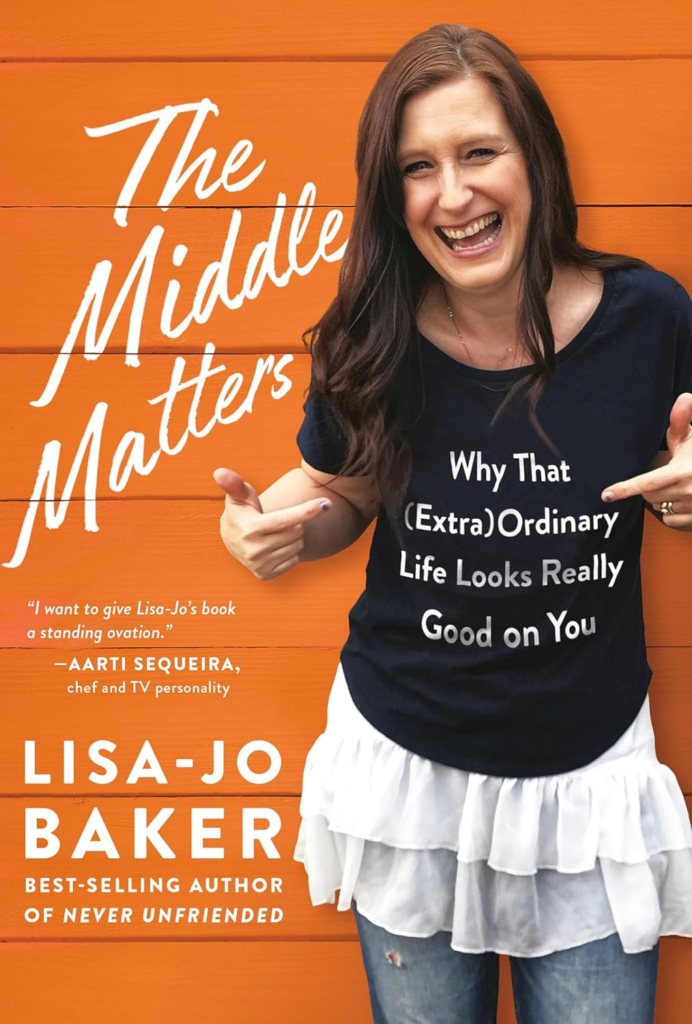
1. The Middle Matters: Why That (Extra)Ordinary Life Looks Really Good on You
By Lisa-Jo Baker
This book reads like coffee with your most honest friend. Lisa-Jo writes about aging bodies, repetitive days, marriage ruts, and the fear that your life is too small to matter.
She weaves humor and Scripture together in a way that makes you feel less alone and more loved exactly where you are.
If you’re wondering whether you missed your chance at a big purpose, this book will gently redirect your eyes to the profound meaning hidden in ordinary midlife.
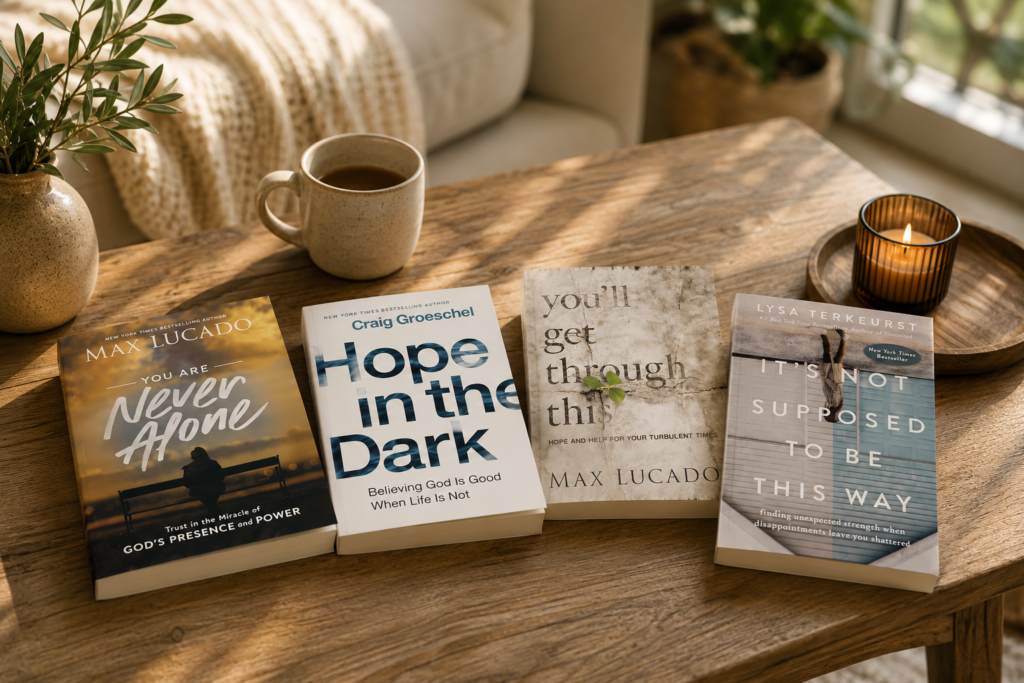
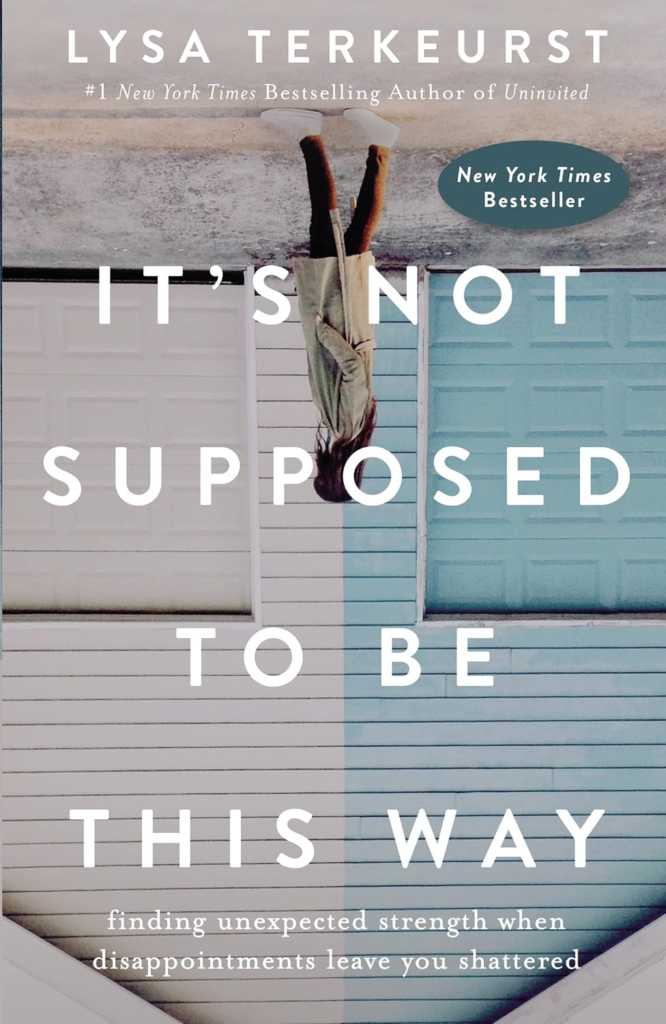
2. It’s Not Supposed to Be This Way: Finding Unexpected Strength When Disappointments Leave You Shattered
By Lysa TerKeurst
Midlife often delivers disappointments you never planned for: health diagnoses, broken relationships, financial setbacks. Lysa TerKeurst invites you to look honestly at disappointment without minimizing it, and then shows you how to meet God right inside the mess.
The book is deeply rooted in Scripture with practical application that works well for personal reading or small group discussion.
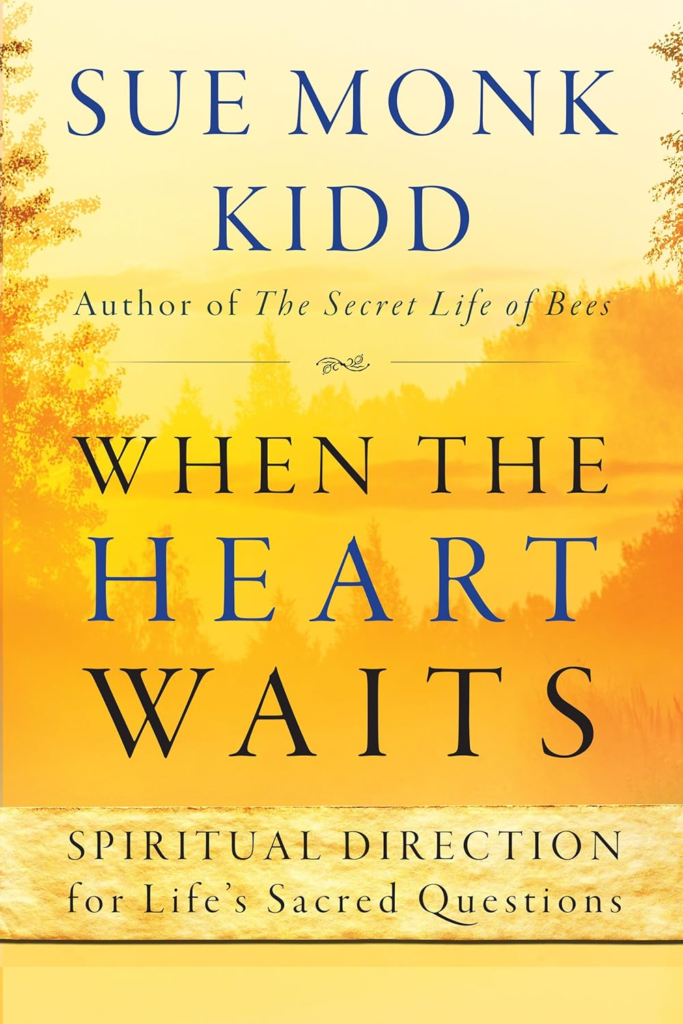
3. When the Heart Waits: Spiritual Direction for Life’s Sacred Questions
By Sue Monk Kidd
This classic speaks directly to holy restlessness. Sue Monk Kidd describes midlife as a cocoon season as opposed to a failure, exploring what it means to wait with God instead of rushing to fix everything.
The tone is reflective and contemplative, ideal if you’re spiritually disoriented but hungry for depth beyond surface-level inspiration.
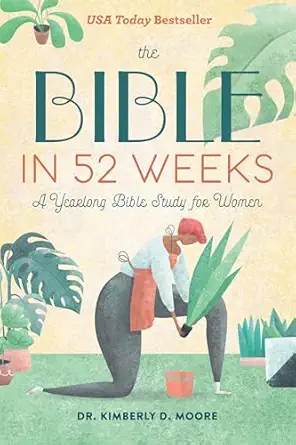
4. The Bible in 52 Weeks: A Yearlong Bible Study for Women
By Dr. Kimberly D. Moore
If you want structure without pressure, this weekly Bible study gives you manageable portions. Each week includes a passage, reflection, and simple questions you can finish alongside your full life.
The one-week-at-a-time format is forgiving if you fall behind, and it works well solo or with a friend.
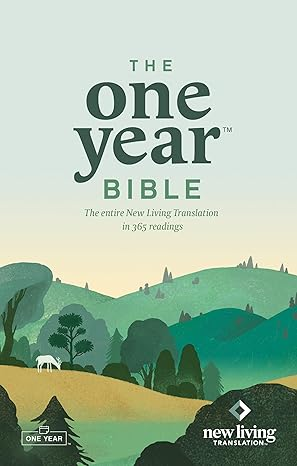
5. The One Year Bible
This format breaks Scripture into daily readings from the Old Testament, New Testament, Psalms, and Proverbs. It removes decision fatigue and keeps you rooted in the whole biblical story instead of circling the same comfortable passages.
When your emotions are unreliable, this steady backbone habit keeps you anchored.
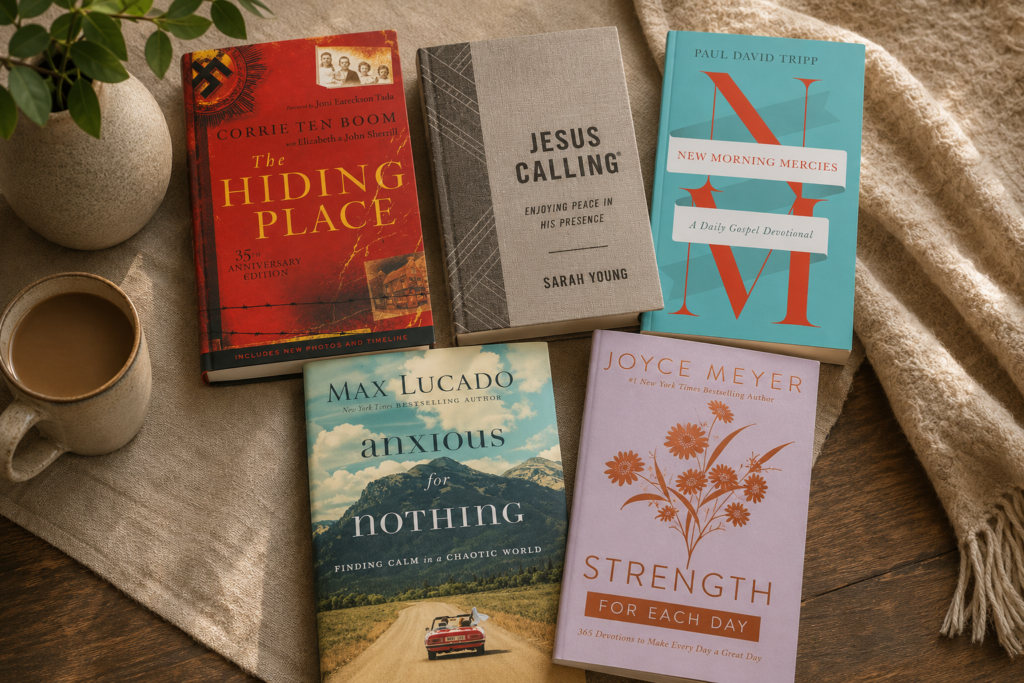
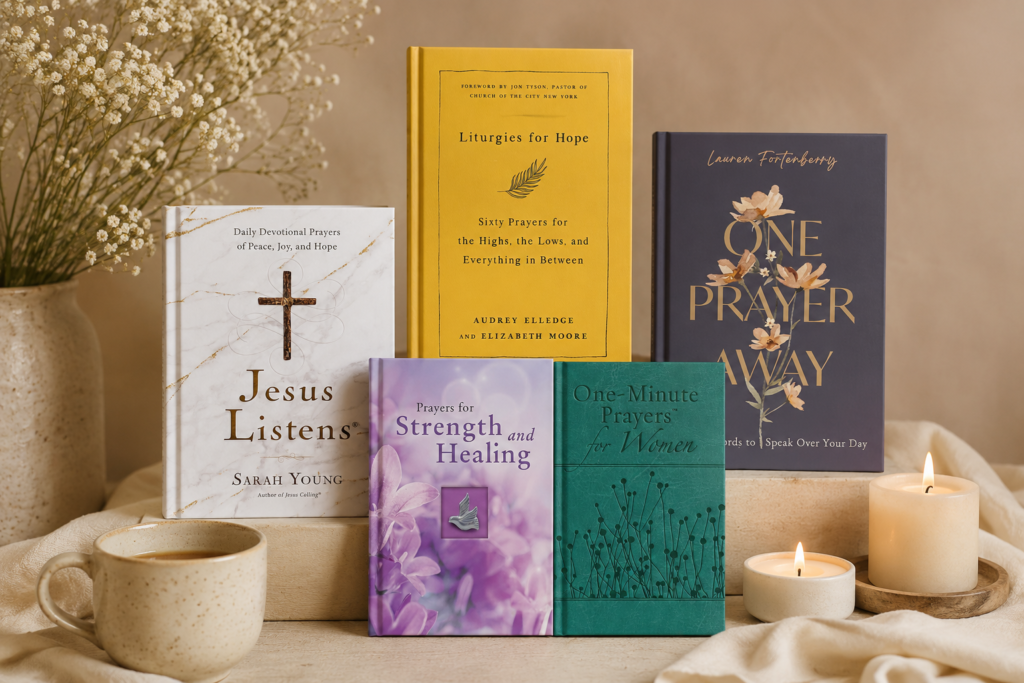
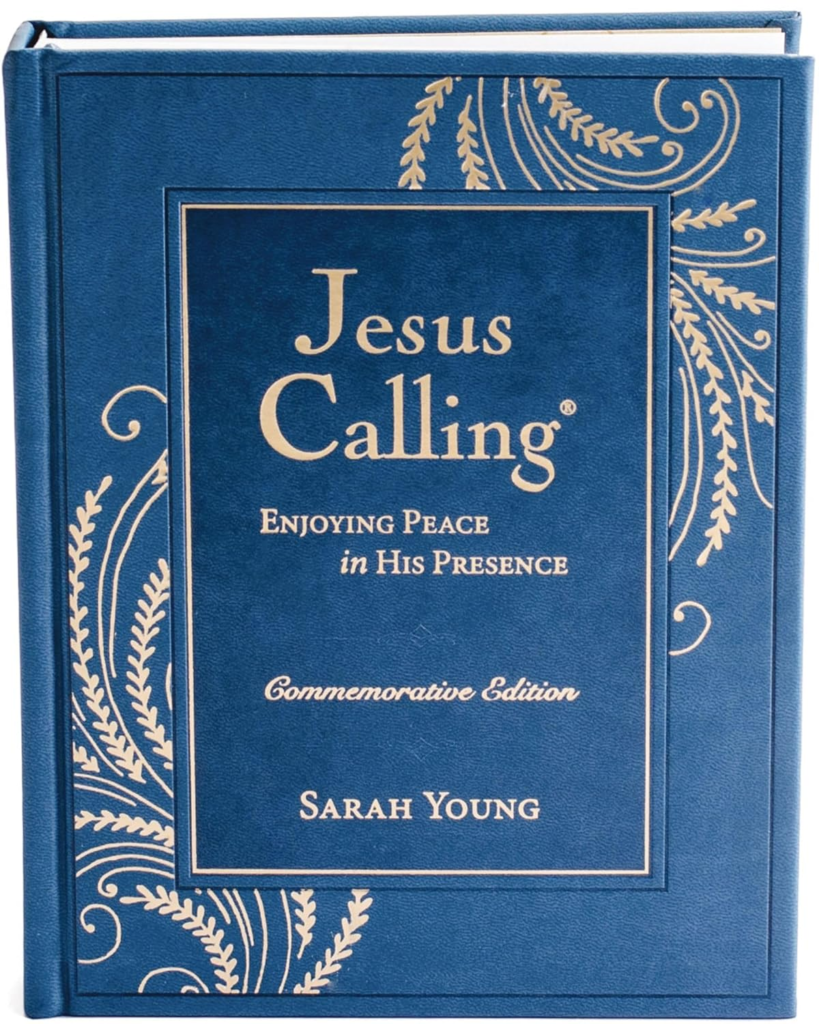
6. Jesus Calling
By Sarah Young
These short daily devotionals are written as if Jesus is speaking directly to you. They’re especially comforting on anxious or lonely days.
Each reading includes Scripture references so you can open your Bible and read the full context.
Many women keep this on their nightstand and read it in under two minutes while coffee brews.
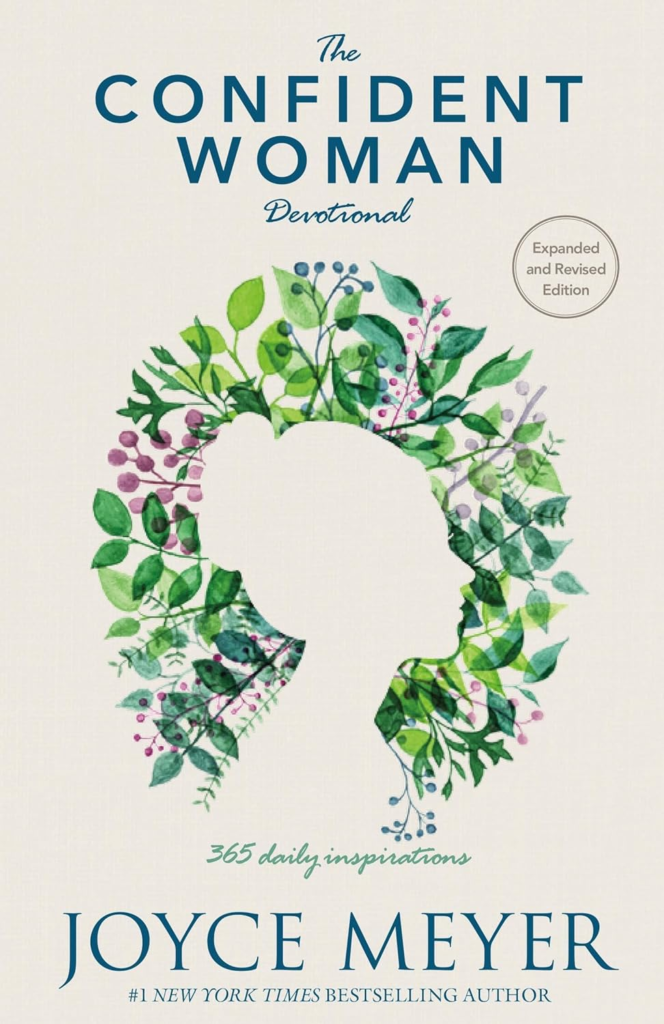
7. The Confident Woman Devotional: 365 Daily Inspirations
By Joyce Meyer
Joyce Meyer writes directly about fear, comparison, guilt, and people-pleasing, which often spike in midlife as roles shift. This daily devotional focuses on confidence and identity in Christ. Readings are short and straightforward, with a verse and simple takeaway you can carry through your day.
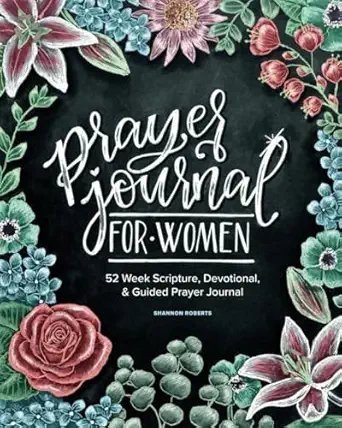
8. Prayer Journal for Women: 52 Week Scripture, Devotional & Guided Prayer Journal
By Shannon Roberts & Paige Tate & Co.
To write your prayers but feel stuck, this guided journal offers gentle prompts. Each week includes a verse, short reflection, and space for prayer, gratitude, and how you see God working.
Looking back through pages over months lets you literally see prayers answered or reframed in ways you couldn’t have predicted.
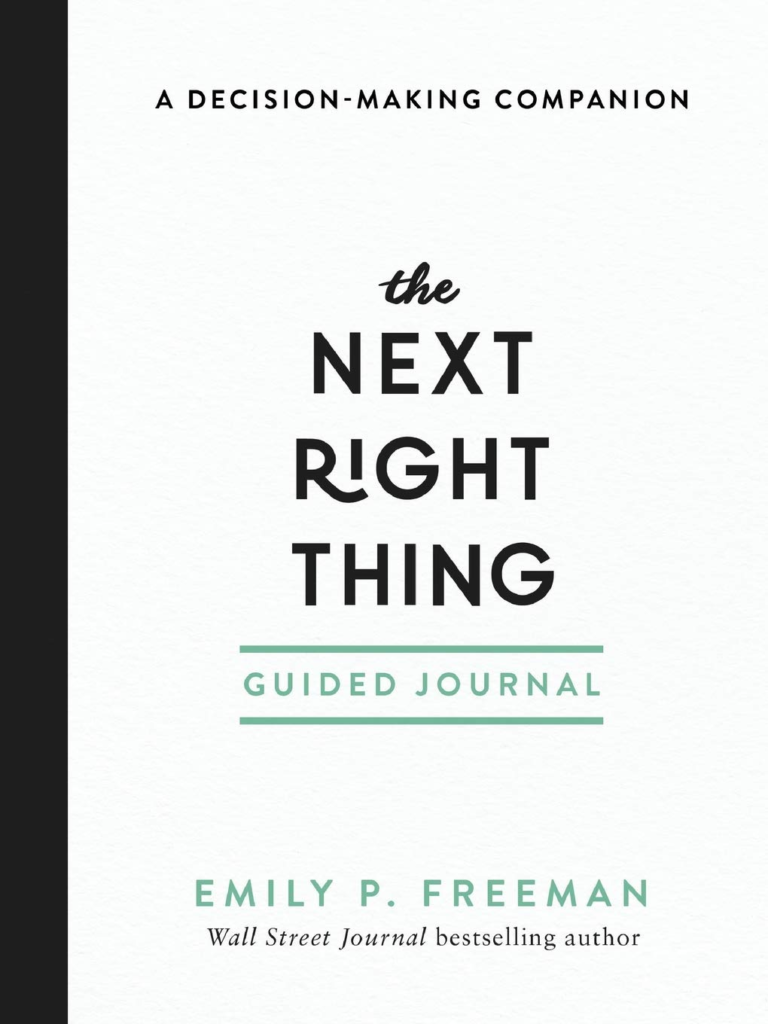
9. The Next Right Thing Guided Journal
By Emily P. Freeman
Midlife includes countless decisions and “what now” questions. This guided journal is built around one freeing idea: you only need to take the next right step, not solve your entire life by Thursday.
It offers reflection pages and gentle questions that help you listen to God and your own soul instead of only reacting to external pressure.
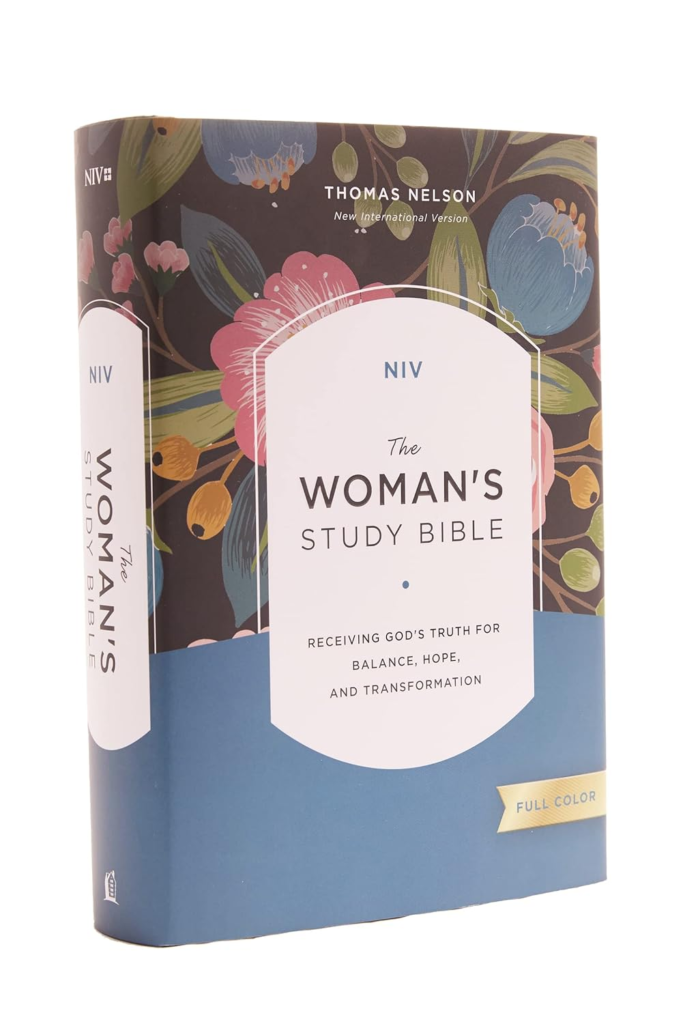
10. NIV Women’s Study Bible
A good study Bible acts like a mentor beside you. This edition includes notes, character profiles of women in Scripture, and articles connecting ancient text to modern life.
This is especially helpful if you feel rusty in Bible reading and want context without having to research everything separately.
Choosing what fits your season
You don’t need every resource on this list. A few well-chosen tools you actually use will serve you better than a shelf full of untouched books.
If you want one standout favorite from this list, The Middle Matters by Lisa-Jo Baker pairs especially well with midlife. It’s honest without being heavy, funny without being shallow, and continually points you back to how deeply loved you are in the ordinary middle of your real life.
It reads quickly, yet the stories and images linger and shift how you see yourself and your season.
A simple way to begin: pick one core Scripture habit like a Study Bible or The Bible in 52 Weeks. Add one daily touchpoint such as Jesus Calling or a Prayer Journal.
Choose one encouragement book that sounds like your situation, whether that’s disappointment, anxiety, or wrestling with aging.
If you’re choosing a single product to start with today, let The Bible in 52 Weeks be your anchor. This structured approach keeps you in Scripture itself as opposed to only in commentary, and that’s where long-lasting encouragement grows.
Once you have that foundation, you can layer in lighter touches like Scripture cards or a cross necklace that quietly remind you throughout the day of what you read in the morning.
Order one thing today. Put it where you actually sit most days.
Invite God into your midlife story one small reading at a time.
Frequently Asked Questions
How do I rebuild my faith when I feel numb or cynical in midlife?
Numbness is incredibly common in midlife. There’s usually grief, fatigue, and disappointment underneath it.
Instead of forcing a big emotional experience, start with honest prayers like “God, I’m here, but I don’t feel anything. Please meet me anyway.” Pair that honesty with small, regular inputs.
A manageable Bible plan and a short daily devotional keep your heart in contact with truth even when feelings lag behind. Over time, warmth and curiosity often return in gentle, surprising ways.
I’m overwhelmed by responsibilities. How do I make time for spiritual practices?
Think in tiny, realistic pockets. Keep a devotion by your coffee machine and read while the coffee brews.
Put a Scripture card on your bathroom mirror and read it aloud while brushing your teeth.
Listen to an audio Bible while driving or walking. You’re not aiming for a long, perfect quiet time.
You’re aiming for repeated moments of turning toward God amid whatever your real life looks like right now.
What if simple devotionals feel too shallow for my big questions?
If you’re carrying deeper theological or existential questions, devotionals alone might feel thin. That’s where reflective books like When the Heart Waits, Gentle and Lowly, or Rhythms of Renewal can help. They take more time to read but speak directly to doubt, pain, and longing in thoughtful, biblical ways.
Keep a guided journal nearby to write down big questions and talk with God about them on paper instead of only in your head.
How do I deal with feeling invisible as I age?
Scripture consistently describes beauty in terms of character, wisdom, and likeness to Christ. That truth doesn’t erase the shock of aging, but it gives you a different measuring stick.
Books like Aging with Grace and The Middle Matters help you gently name your grief about aging while rediscovering the goodness of your current season.
Curate your social media to highlight real, diverse women. Wear pieces that make you feel comfortable.
Keep a cross necklace as a tangible reminder of your identity in Christ.
My adult children or family members are struggling. How can I stay encouraged while worrying about them?
Midlife often includes heavy concern for others. It helps to distinguish between what’s yours to carry and what’s God’s.
A prayer journal acts as a place to put your worries.
You write names and situations, pray over them, and symbolically hand them back to God every day. Scripture cards about God’s sovereignty and faithfulness remind you that God is working even when you can’t see it.
Books like It’s Not Supposed to Be This Way give language and comfort when circumstances don’t change quickly.
What if my church doesn’t offer midlife-specific support?
Not every church has specific midlife ministries, and that can feel isolating. Personal resources become even more important in that case.
Consider starting a tiny, unofficial group with two or three peers in a similar season.
Pick one book from this list like The Middle Matters or Rhythms of Renewal and meet monthly at a coffee shop or online to talk about a few chapters. You’re allowed to create the kind of spiritual support you wish existed, even in a small, simple way.
How do I choose between all these options without wasting money?
Start by asking two questions: What’s my biggest ache right now (disappointment, anxiety, decisions, aging, spiritual dryness)? How do I naturally take in encouragement (reading, listening, writing, visual reminders)?
Then match your answers.
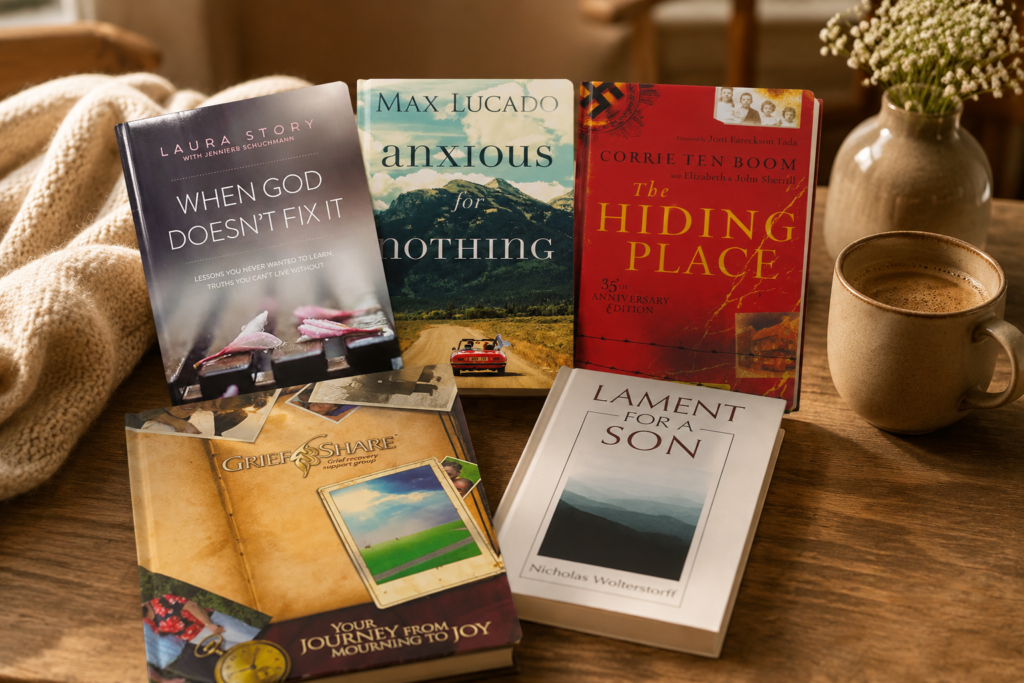
For disappointment, try It’s Not Supposed to Be This Way or Gentle and Lowly. For anxiety, try Get Out of Your Head or an audio Bible.
For feeling invisible, try The Middle Matters or Aging with Grace.
Begin with one main book and one small daily tool. Use them for at least 30 days before adding more.
Your goal isn’t to collect resources.
Your goal is to slowly let God meet you right in the middle of your beautiful, complicated midlife story.
Find out our Recommended Uplifting Books for the Woman Who Feels Worn Down; visit: https://illuminatedresources.com/best-uplifting-books-for-the-woman-who-feels-worn-down-daily-encouragement-resilience/