A common mistake many women make is assuming that rest and boundaries mean weakness or selfishness. However, if you can see your limits as God-given rather than character flaws, you open space for His grace to actually reach the exhausted places in your life.
You might avoid slowing down because you fear disappointing others or falling behind. That approach only leads to burnout, resentment, and a faith that feels more like performance than partnership with Jesus.
Instead, you can build small rhythms of rest and truth into your daily life, which quickly creates both renewed peace and deeper connection with God.
In this article, you’ll find Christian resources from Amazon US that have helped countless overwhelmed women lay their burdens down and learn to abide instead of strive.
This collection includes devotionals, Scripture tools, guided journals, and practical resources rooted in biblical truth. After you browse through these options, ask yourself: do you have what you need to meet God in the middle of your actual life, not just the life you wish you had?
Women who feel stretched too thin often say they could never carve out time for one more thing. They’re wrong.
You can separate guilt from rest.
The tools below help whether you’re drowning in tasks or emotionally depleted from caring for everyone else. The core benefit is proven across thousands of reviews: these resources meet you where you are and gently point you back to Jesus without adding more pressure.
Often, the clarity from just one devotional entry can reshape your entire day. Sometimes, far better.
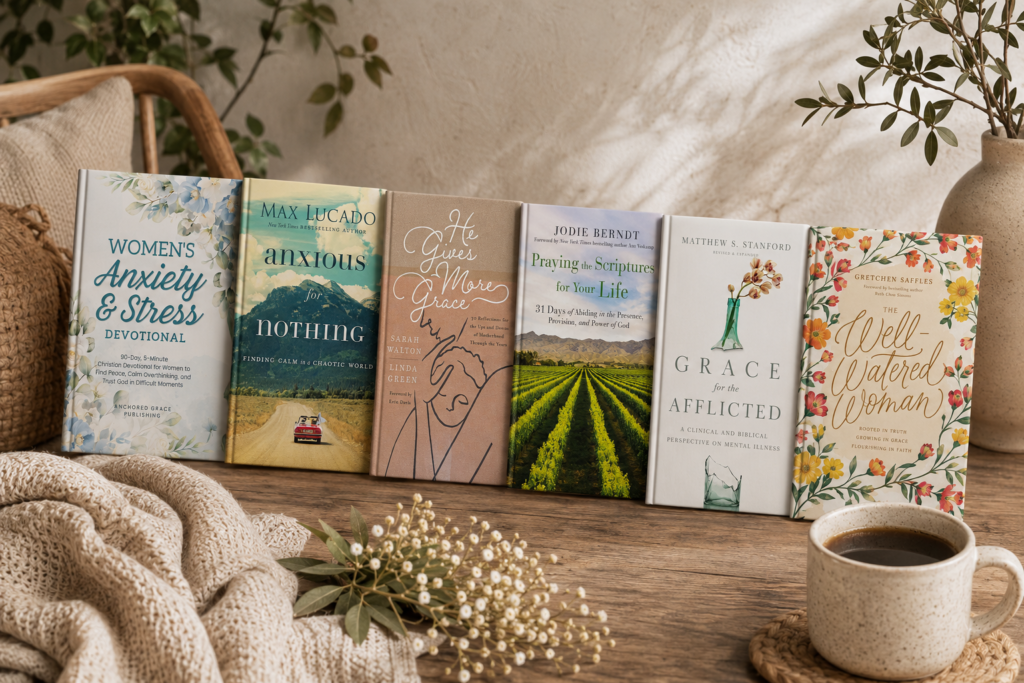
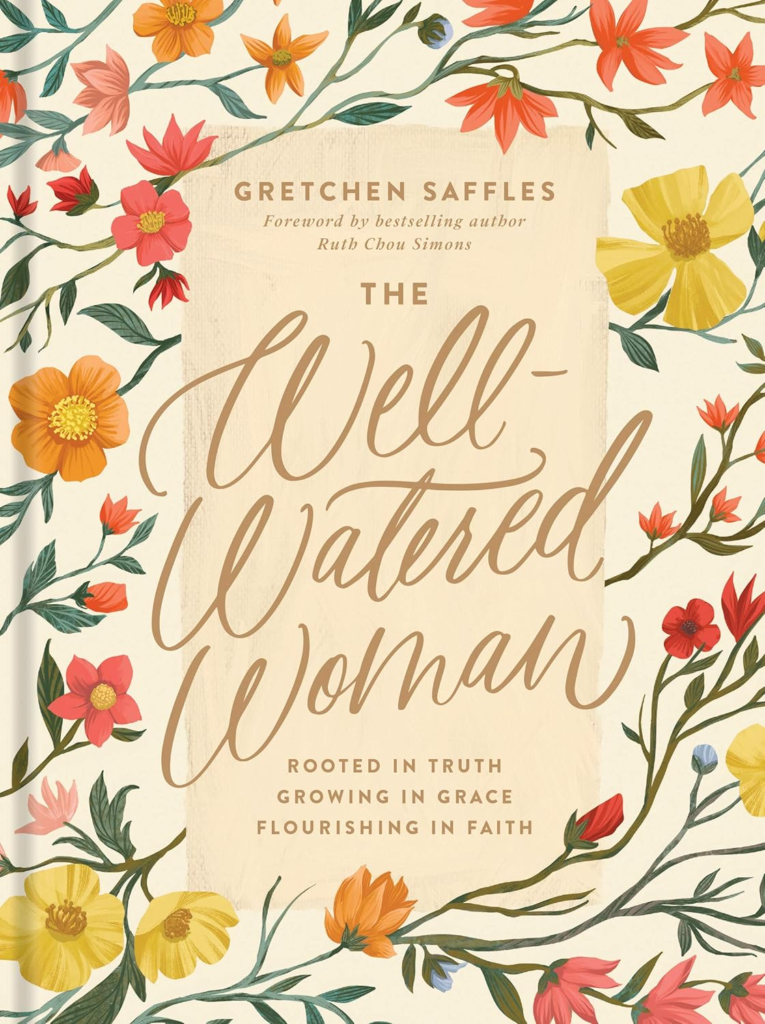
1. The Well-Watered Woman by Gretchen Saffles
This book addresses the gap between doing all the Christian activities and actually drinking deeply from God’s Word. Saffles writes directly to women who feel spiritually dry and performance-driven, offering sustainable rhythms focused on Jesus rather than self-improvement.
The tone is gentle, practical, and doesn’t assume you have hours of free time.
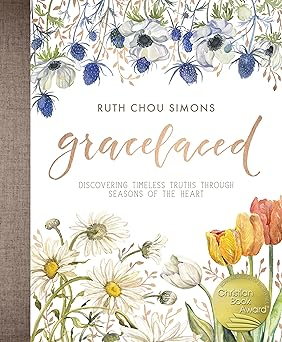
2. GraceLaced: Discovering Timeless Truths Through Seasons of the Heart by Ruth Chou Simons
This gorgeously illustrated devotional walks through different seasons of the heart with Scripture-centered reflections and hand-painted artwork. Each entry is short and visually beautiful, perfect when you feel dried out and need gentle doses of truth without overwhelming chapters.
The combination of art and Scripture creates space to breathe and remember God’s faithfulness.
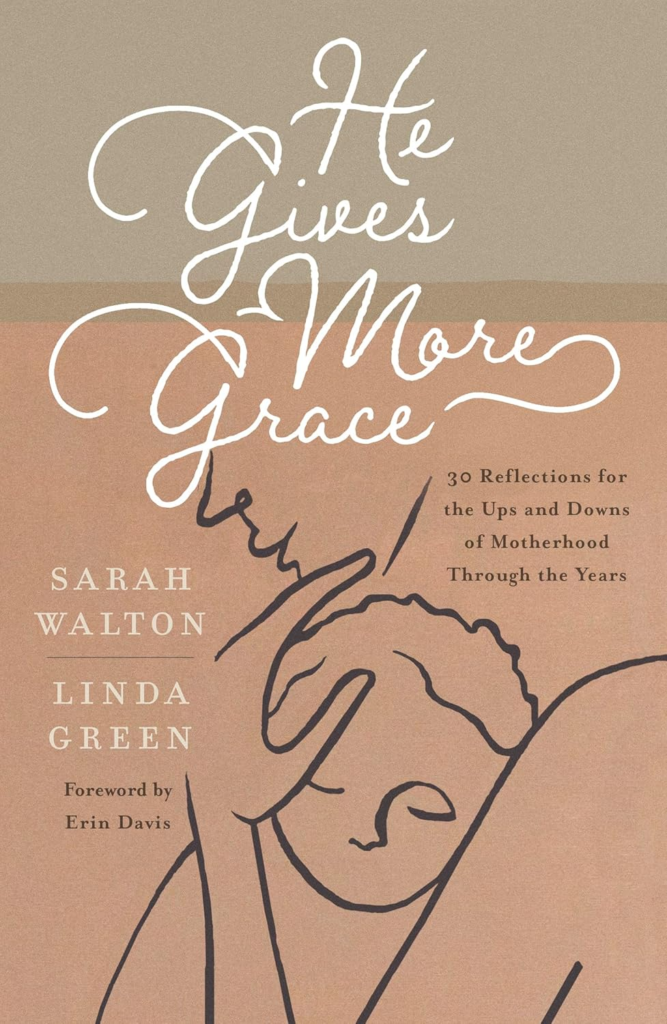
3. He Gives More Grace: 30 Reflections for Your Mom-Life by Linda Green & Sarah Walton
Written by a mother-daughter team specifically for moms walking through fatigue, discouragement, and unmet expectations. Each of the 30 readings is short but rich, with reflection questions that help you process your own story.
This devotional meets you in the trenches of real motherhood, including seasons of illness, transition, or family stress.
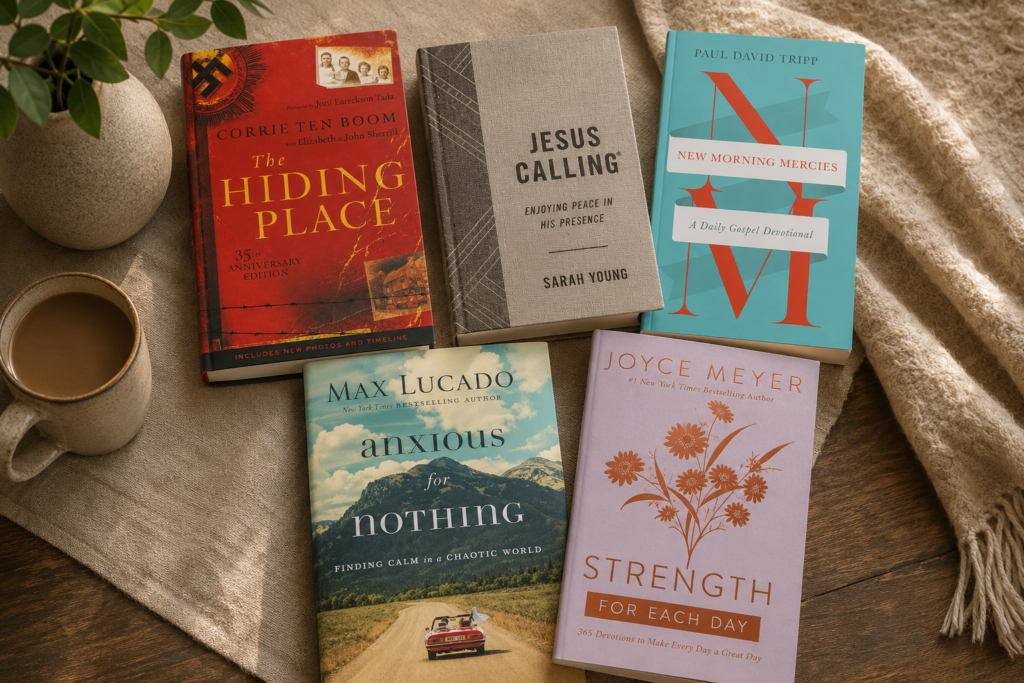
4. Anxious for Nothing: Finding Calm in a Chaotic World by Max Lucado
If anxiety sits underneath your exhaustion, this book walks through Philippians 4 and offers a path from panic toward prayer and peace. Lucado uses simple stories and strong biblical encouragement with practical steps that work even when your schedule feels impossible.
This is especially helpful when your mind races with worst-case scenarios and you struggle to sleep.

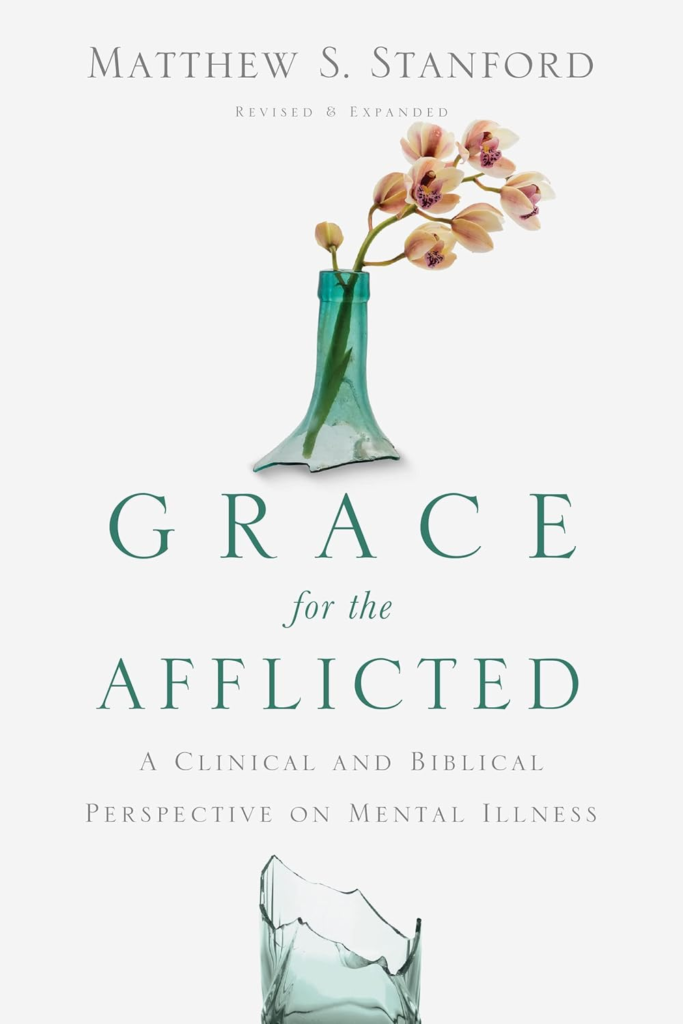
5. Grace for the Afflicted: A Clinical and Biblical Perspective on Mental Illness by Matthew S. Stanford
This book explains anxiety, depression, bipolar disorder, and other conditions from both clinical and biblical perspectives. It reminds you that needing help is not a failure of faith and that God’s grace extends to every part of your health.
The approach is compassionate and informed, perfect for anyone who suspects their burden includes mental health struggles.
6. Women’s Anxiety & Stress Devotional
Several devotionals on Amazon target women dealing with anxiety and stress specifically. These usually mix Scripture, journaling prompts, and short prayers designed for busy days and overwhelmed minds.
Look for options with high ratings and reviews from women in similar seasons.
Most offer a 5-minute daily reset with God.

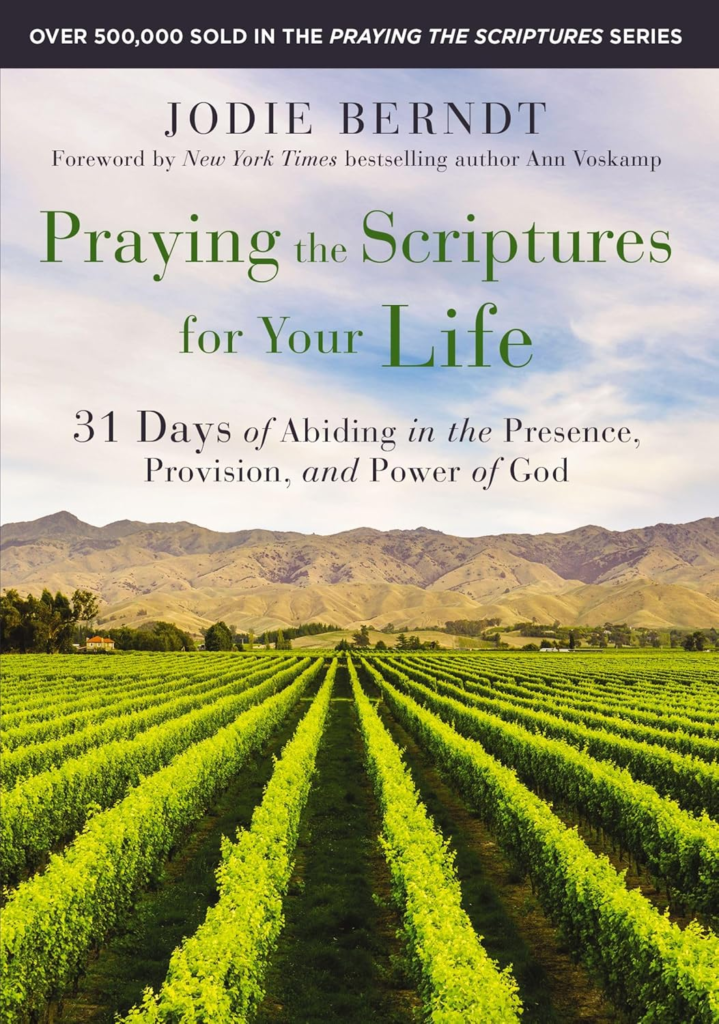
7. Praying the Scriptures for Your Life by Jodie Berndt
This book helps you pray God’s Word over your everyday life including your schedule, decisions, emotions, and relationships. When you feel too tired or scattered to generate original prayers, you can borrow biblical language and anchor your heart in truth.
The structure makes prayer accessible even on your hardest days.
8. Extravagant Grace: God’s Glory Displayed in Our Weakness by Barbara Duguid
Duguid explores how God uses ongoing weakness and struggle to grow us instead of expecting instant perfection. This book is deeply encouraging when you feel like the only one who still isn’t “together” spiritually.
The message centers on grace meeting you in your actual struggle, not just your best moments.

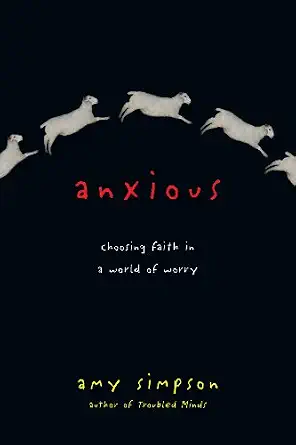
9. Anxious: Choosing Faith in a World of Worry by Amy Simpson
Simpson combines Christian theology and mental health insight to help you navigate anxiety. The tone is practical and compassionate, especially if you feel guilty for being anxious despite following Jesus.
This book validates your experience while pointing you toward biblical truth and practical tools for managing worry.
10. Surrendered: Letting Go and Living Like Jesus by Barb Roose
This book walks through what it means to surrender daily burdens, plans, and control to God. It speaks especially to women who try to manage everything and feel anxious when life slips out of their grip.
The video study and workbook options make this great for group or individual use.

My Top Pick & How to Get Started
If I had to choose just one resource from this list for the woman carrying too much, it would be The Well-Watered Woman by Gretchen Saffles. This book speaks directly into the heart of striving, spiritual dryness, and busyness.
It gently leads you into rhythms rooted in God’s Word instead of your own willpower without assuming you have long chunks of quiet time or shaming you for being tired.
For most impact, pair it with Scripture meditation cards and a simple anxiety devotional. That combination gives you a grounding message about grace and identity in Christ, tiny daily doses for hard days, and portable truth for when your mind starts racing.
You don’t need a complicated plan to use these resources. Start with one book or devotional and set a 10-minute daily appointment with God at a time that already exists in your schedule.
Keep everything in one basket or tote so you don’t waste energy gathering materials.
After reading each day, ask one simple question: “Lord, what are you inviting me to let go of today?” Write down whatever comes to mind, whether it’s a fear, expectation, or task that isn’t yours.
If even that feels overwhelming, cut it in half. Read one page.
Sit with one verse.
Whisper one prayer. Grace meets you where you are, not where you think you should be.
These resources exist to help you hear God’s voice above all the others, even if only for ten quiet minutes each day.
Over time, those minutes reshape how you carry every other part of your life.
Frequently Asked Questions
Is it unspiritual to feel overwhelmed, anxious, or depressed?
Feeling overwhelmed or depressed is not a sign of weak faith. Believers throughout Scripture experienced deep distress, including Elijah, David, and Paul.
Your emotional state doesn’t cancel God’s love or His work in you.
Grace means your standing with God is based on Christ, not on whether you feel peaceful. Emotional or mental suffering may call for prayer, community, counseling, or medication, but none of these negate your faith.
How do I know what God actually wants me to carry and what I should release?
Biblically, there’s a difference between burdens (like boulders that need shared support) and loads (like backpacks that are each person’s daily responsibilities). When you try to carry other people’s boulders by yourself, you end up crushed. Prayerfully ask: Is this long-term or short-term help?
Could this person do this in a healthy way with support instead of rescue?
Will my involvement make them overly dependent on me instead of God? Trust the Holy Spirit to guide you as you stay close to Him in Scripture and prayer.
How do I make time for God when I already feel too busy?
When you say you’re too busy for God’s Word, prayer, and fellowship, you’re saying you’re too busy for grace in your daily life. That’s not a scolding but an invitation to rethink what really matters.
Start very small: listen to an audio Bible while driving, read one Psalm at breakfast, or post a Scripture card at your sink and pray it while washing dishes.
Time with God doesn’t need long, quiet, perfectly structured sessions. It can be regular, simple moments where you intentionally open your heart to Him.
How do I stop people-pleasing and carrying everyone’s expectations?
The path out of people-pleasing involves letting Scripture define who you are in Christ, learning to say no without overexplaining, and asking yourself whether you’re doing something out of love for God or fear of people. Books that focus on surrender, identity, and courage in Christ can be especially helpful.
Practice setting one small boundary and notice that God’s love doesn’t decrease when you stop performing for others.
Can I seek counseling or medication and still be trusting God?
Yes. Therapy and medication, when needed, are not signs of unbelief but tools that support healing.
Depression, anxiety, and other conditions have physical, emotional, and spiritual dimensions.
Addressing the physical or emotional aspects through medical or therapeutic help doesn’t replace prayer but works alongside it. Christian counselors and psychiatrists can help you discern what’s wise in your specific situation.
What if I feel like a burden to others when I’m the one struggling?
Scripture shows that the body of Christ is designed to share burdens. You’re invited to both give and receive help.
Allowing others to carry part of your load can actually strengthen them as they walk in obedience and love.
It gives them a chance to live out the command to bear one another’s burdens. You are not too much for God or for the community He’s placed around you.
How can I tell if I’m caring for others in a healthy way or over-caring?
Over-caring can look like love but often reflects control or self-reliance rather than trust in God. If you feel constantly anxious about others, resentful, or exhausted, it may signal you’re carrying more than God asked you to carry.
Healthy care acknowledges your limits, entrusts others to God, and respects their responsibility for their own choices.
Learn to ask, “Lord, what is mine here, and what is Yours?” and let that question guide your yes and no.
Find out our Recommended Christian Books for Burnout; visit: https://illuminatedresources.com/20-best-christian-books-for-burnout-restore-your-soul-and-find-renewed-strength/