
A few years ago, Jennifer had just gone through a major promotion at her marketing firm. Yet at the same time, she had her volunteer commitments at church all mapped out for the next six months.
Jennifer hoped to finally feel like she was making a real difference in both worlds.
Unfortunately, Jennifer was very poor at recognizing her own limits. She wasn’t clued up on setting boundaries, she wasn’t aware of the warning signs her body kept sending, and she couldn’t say no to asks or delegate tasks when things piled up.
In fact, she was so exhausted she’d been gently confronted by her small group leader for snapping at a new member during a planning meeting.
Jennifer had a weekend retreat lined up at her church to help with the youth ministry, and after that, she was planning to take on coordinating the fall outreach program.
It was a vague plan, but the specifics of how exactly she was going to maintain her energy and spiritual health weren’t even on her radar.
Jennifer never considered that picking up a single book on burnout would take her much further than another productivity planner, let alone help her completely restructure her relationship with rest and God.
After months of pushing through fatigue and spiritual dryness, it was finally her doctor who named what she was experiencing: burnout.
All Jennifer needed was someone to tell her it was okay to stop.
However, she got something better than permission. She discovered a whole community of Christian authors who had walked through burnout themselves and found biblical pathways back to wholeness.
This involved reading late into quiet evenings, journaling through Scripture passages on rest, and slowly learning that Sabbath wasn’t laziness but obedience.
So over the next eight months, Jennifer rebuilt her life around rhythms of grace rather than grinding productivity.
She also found herself mentoring three other women in her church who were headed toward the same wall she’d hit, sharing the books that had saved her from finish collapse.
What Makes These Christian Books Different
Christian books on burnout do something secular self-help can’t quite manage. They address the spiritual dimension of exhaustion, the part where you feel disconnected from God, guilty about resting, or ashamed that you can’t keep all the plates spinning.
These books root their advice in Scripture, showing you that rest isn’t a reward for finishing everything but a command woven into creation itself.
The authors on this list have walked through ministry burnout, parenting exhaustion, and workplace overwhelm. They write with the authority of experience and the gentleness of people who know how fragile you feel right now.
You’ll find practical tools alongside theological truth, daily exercises next to deep biblical exposition.
Whether you need permission to slow down or a roadmap for rebuilding healthy rhythms, these books meet you where the coffee stops working and the to-do list never ends.
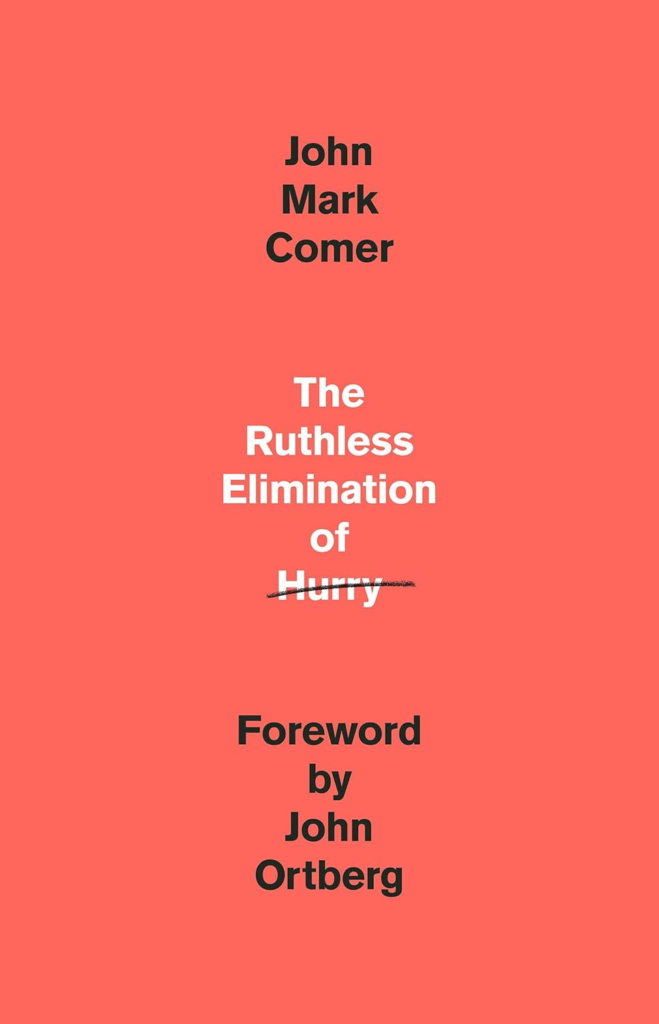
1. The Ruthless Elimination of Hurry by John Mark Comer
John Mark Comer writes from the center of his own burnout story as a pastor in Portland who nearly destroyed his health chasing growth. He takes Jesus’ unhurried pace through the Gospels and shows how practices like Sabbath, silence, and slowing your actual walking speed can rewire an overloaded nervous system.
The book combines neuroscience research on stress with ancient spiritual disciplines, making it both practical and profound.
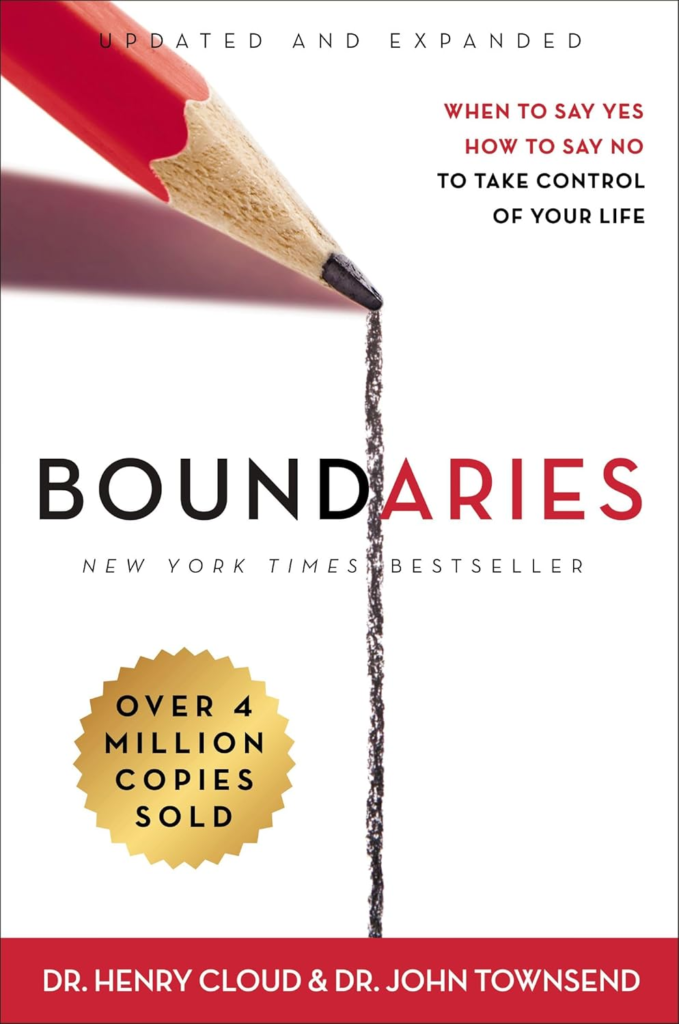
2. Boundaries: When to Say Yes, How to Say No to Take Control of Your Life by Henry Cloud and John Townsend
Cloud and Townsend wrote the definitive Christian guide to setting limits that protect your time, energy, and relationship with God. They use Scripture to show why boundaries aren’t selfish but essential, with examples of people who burned out from caretaking, ministry overcommitment, and inability to disappoint others.
The chapters on myths about boundaries directly address the guilt many believers feel when they start protecting their capacity.
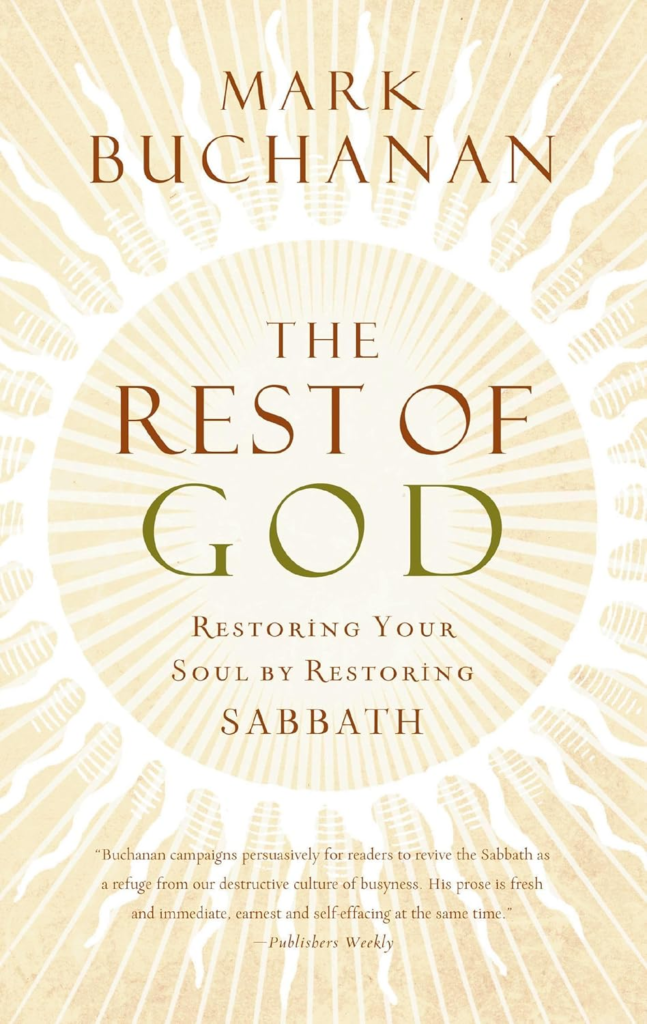
3. The Rest of God: Restoring Your Soul by Restoring Sabbath by Mark Buchanan
Buchanan reclaims Sabbath from legalism and shows it as God’s prescription for burnout prevention. He weaves stories from Exodus with his own experiences of learning to stop, exploring what it means to rest when work feels undone.
The book includes practical steps for creating a Sabbath practice that fits your life, whether you work Sundays or have young children who don’t understand the concept of “off duty.”
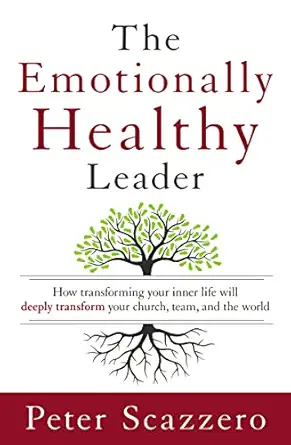
4. The Emotionally Healthy Leader by Peter Scazzero
Scazzero targets leaders in ministry, nonprofits, and anywhere people depend on you, showing how emotional and spiritual health directly prevent burnout. He introduces six leadership principles that force you to slow down, including “slowing down to lead with integrity” and “practicing Sabbath delight.” The book is built on the premise that you can’t lead others to places you haven’t been yourself.
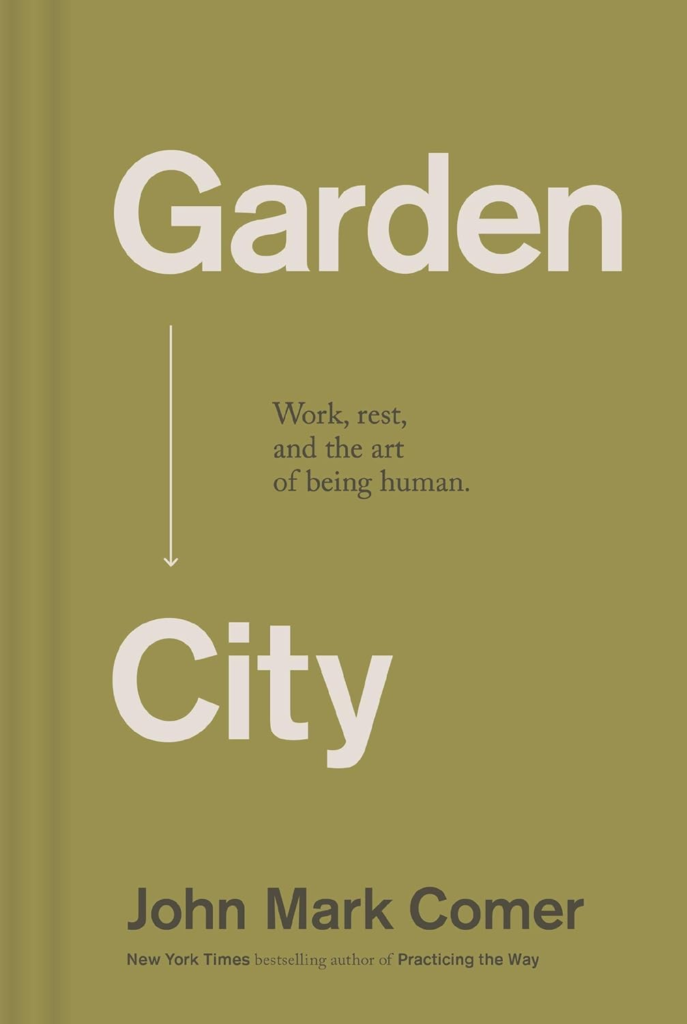
5. Garden City: Work, Rest, and the Art of Being Human by John Mark Comer
Before Comer wrote about eliminating hurry, he explored God’s design for work and rest through the lens of Genesis 1-2. This book shows how work was meant to be fulfilling rather than exhausting, and how rest finishes rather than interrupts productivity.
You’ll find theological depth on what it means to be human in God’s image, with practical application for restructuring your weekly rhythms.
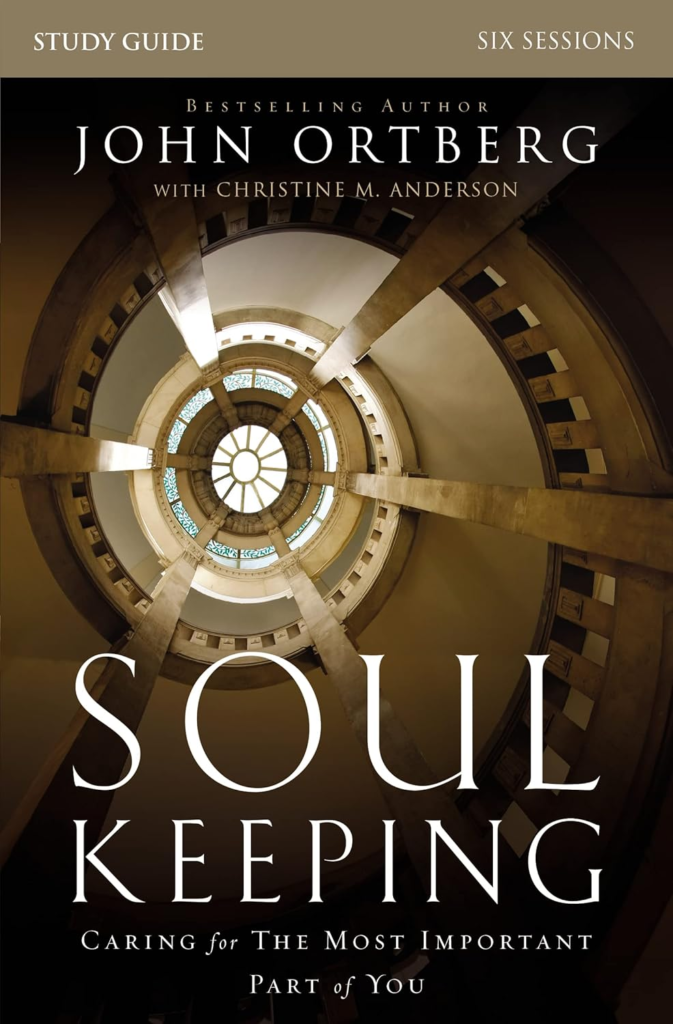
6. Soul Keeping: Caring for the Most Important Part of You by John Ortberg
Ortberg brings humor and depth to the question of what happens to your soul when life moves too fast. Drawing on Dallas Willard’s teaching, he shows how performance-driven living damages the core of who you are.
The book walks through what the soul actually is, what it needs to thrive, and what you’re doing that’s slowly killing it.
Short chapters make it accessible when concentration is hard.
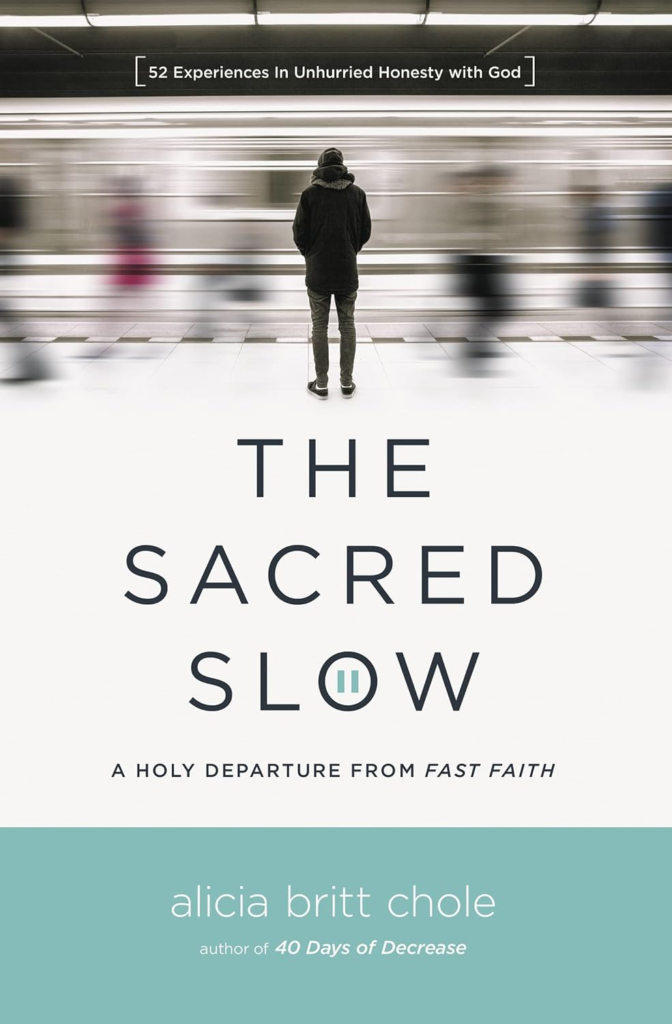
7. Sacred Slow: A Holy Departure from Fast Faith by Alicia Britt Chole
Chole offers a 40-week progress through spiritual formation practices designed to counter burnout at the soul level. Each week includes reflection questions, Scripture meditation, and practical exercises drawn from Psalms and contemplative tradition.
The book is structured for people who can only give 15 minutes a day but need deep change, not surface adjustments.
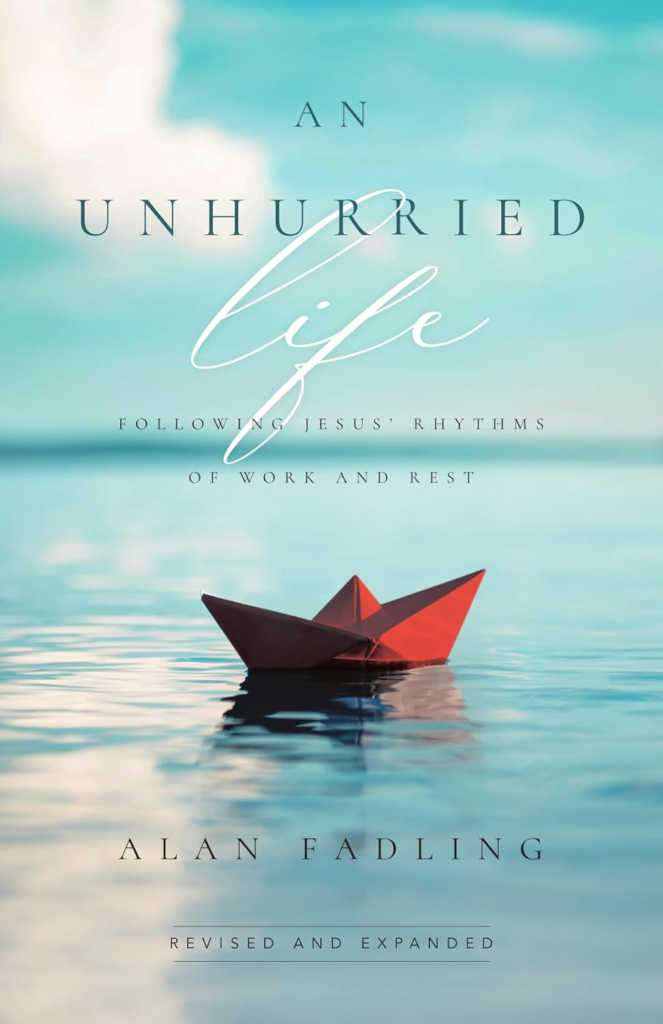
8. An Unhurried Life: Following Jesus’ Rhythms of Work and Rest by Alan Fadling
Fadling examines how Jesus balanced intense ministry with regular withdrawal, showing patterns you can adapt to modern life. He introduces concepts like “unhurried time with God” and “unhurried work” with coaching questions that help you apply these rhythms practically.
The book addresses both chronic stress and acute burnout, making it useful whether you’re preventing or recovering.
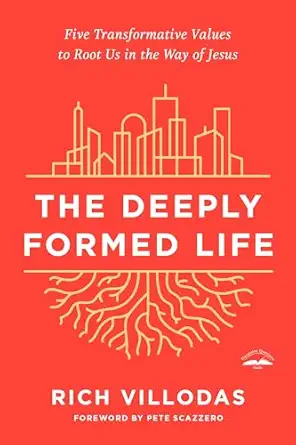
9. The Deeply Formed Life by Rich Villodas
Villodas writes from his experience leading a diverse urban church, addressing rest as one of five marks of spiritual maturity. His chapter on contemplative rhythms directly confronts hustle culture with practices like silence, solitude, and Sabbath.
The book includes stories from his congregation that show these principles working in real lives with real constraints.
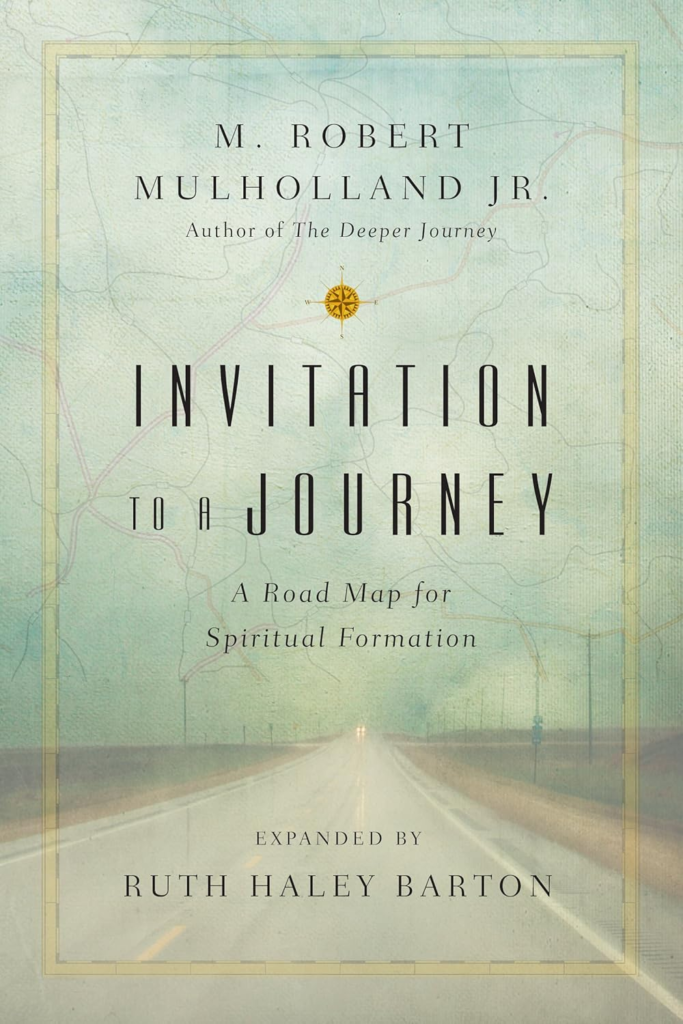
10. Invitation to a Journey: A Road Map for Spiritual Formation by M. Robert Mulholland Jr.
Mulholland provides a theological framework for understanding spiritual formation as a lifelong process, which directly counters the achievement mindset that fuels burnout. He shows how contemplative practices and attentiveness to God create sustainable spiritual vitality.
The book is thoughtful and slower-paced, perfect for readers who need depth more than quick fixes.
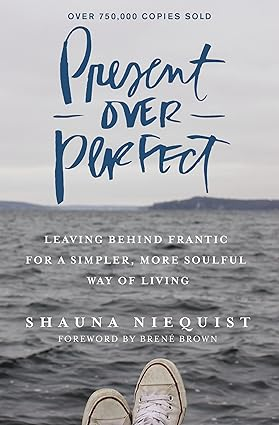
11. Present Over Perfect by Shauna Niequist
Niequist chronicles her own experiences from performance-driven ministry life to a more grounded existence focused on presence. She writes with vulnerability about what she lost by pushing too hard and what she gained by choosing connection over achievement.
Each chapter feels like a conversation with a friend who understands the pressure to keep proving yourself.
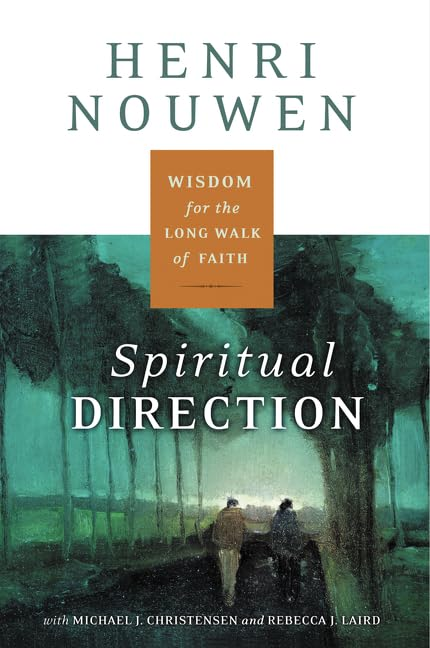
12. Spiritual Direction: Wisdom for the Long Walk of Faith by Henri J.M. Nouwen
Nouwen’s collected wisdom addresses vocational burnout and the exhaustion that comes from trying to find identity in accomplishment. His gentle, contemplative approach helps you discern God’s voice amid competing demands.
The book is arranged in short sections that work well for daily reading when your mind is too tired for long chapters.
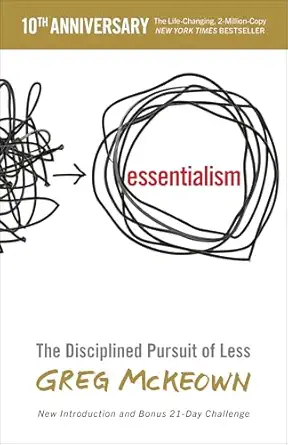
13. Essentialism: The Disciplined Pursuit of Less by Greg McKeown
While not written from an explicitly Christian perspective, McKeown’s framework aligns beautifully with Jesus’ focused ministry and teaching on seeking first the kingdom. The book provides tools for eliminating non-essential commitments and protecting space for what truly matters.
Many Christian readers pair it with Scripture on discernment for a powerful combo against burnout.
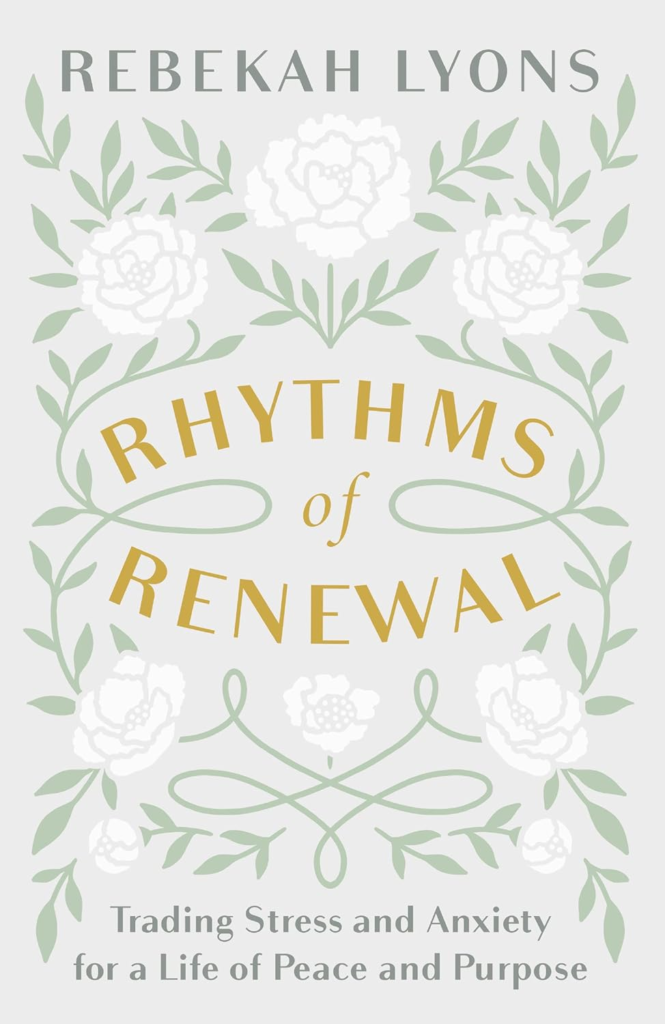
14. Rhythms of Renewal by Rebekah Lyons
Lyons writes about her own anxiety and burnout recovery, introducing four rhythms: rest, restore, connect, and create. She grounds each rhythm in Scripture and provides practical starting points for people overwhelmed by where to begin. The book speaks particularly to women juggling multiple roles who feel guilty about self-care.
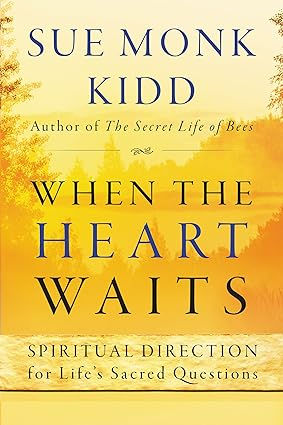
15. When the Heart Waits by Sue Monk Kidd
Kidd explores waiting as a spiritual practice, addressing the burnout that comes from forcing outcomes and constant striving. She draws on contemplative Christian tradition and nature metaphors to show how growth needs fallow periods.
The book offers permission to stop producing and just be, trusting God with the timeline.
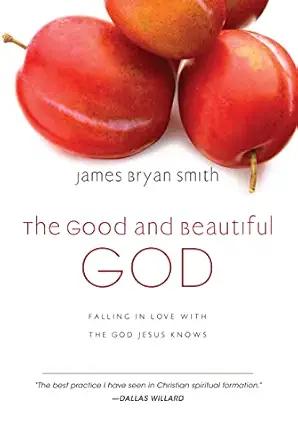
16. The Good and Beautiful God by James Bryan Smith
Smith’s first book in the Apprentice Series addresses false narratives about God that drive exhausting performance, replacing them with Jesus’ view of a good and beautiful Father. When you believe God is disappointed or keeping score, burnout becomes inevitable.
This book gently rewires those beliefs through Scripture and reflection exercises.
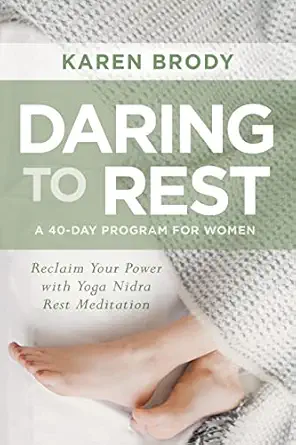
17. Daring to Rest by Karen Brody
Brody created a 40-day program specifically for exhausted women, combining yoga nidra meditation with rest practices. While not exclusively Christian, many believers incorporate it alongside prayer and Scripture reading for physical and nervous system recovery from burnout.
The program is short enough to maintain when energy is low.
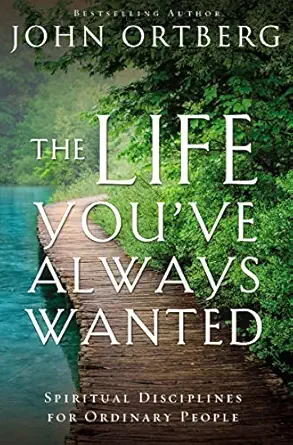
18. The Life You’ve Always Wanted by John Ortberg
Ortberg makes spiritual disciplines accessible and joyful rather than another obligation on your list. He shows how practices like solitude, Sabbath, and slowing down actually restore energy instead of depleting it.
The book reframes discipline from performance to relationship, which changes everything about how you approach rest.
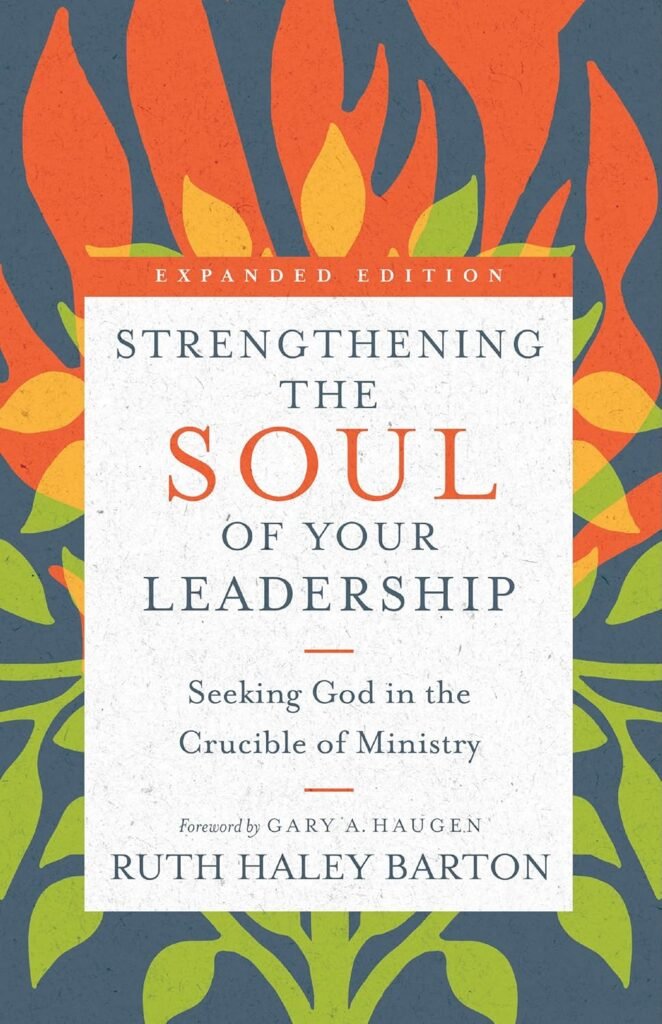
19. Strengthening the Soul of Your Leadership by Ruth Haley Barton
Barton addresses leadership burnout specifically, showing how to lead from a place of spiritual abundance rather than depletion. She includes assessments for recognizing exhaustion stages and practices for recovery.
The book is honest about the cost of leadership and realistic about what it takes to sustain it long-term.
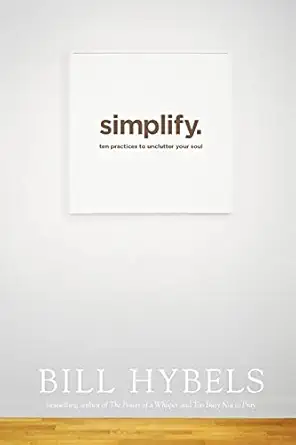
20. Simplify by Bill Hybels
Hybels outlines ten disciplines for uncomplicated living, addressing the relational, financial, and schedule chaos that leads to burnout. He writes from experience building and leading a megachurch, with practical wisdom on saying no and protecting priorities.
Each chapter ends with action steps you can apply immediately.
Frequently Asked Questions
What’s the difference between regular tiredness and burnout?
Regular tiredness improves with a good night’s sleep or a weekend off. Burnout is a state of physical, emotional, and spiritual exhaustion that sleep alone won’t fix.
You wake up tired, feel cynical about things you used to care about, and notice your effectiveness dropping despite working harder.
The World Health Organization classifies burnout as an occupational phenomenon involving three dimensions: exhaustion, mental distance from your job, and reduced professional efficacy. For Christians, burnout often includes a fourth dimension: spiritual dryness and disconnection from God.
Books like The Rest of God help you recognize these deeper symptoms and address root causes rather than just managing surface exhaustion.
Can Christians really experience burnout if they’re serving God?
Absolutely, and ministry settings are particularly prone to burnout because the need never stops and guilt makes boundaries feel selfish. Elijah provides a biblical example in 1 Kings 19, where after his triumph on Mount Carmel he crashed so hard he wanted to die.
God’s response wasn’t rebuke but rest, food, and gentle care.
Jesus himself withdrew regularly from ministry to pray alone, modeling that even divine work needs human rest. The difference between faithful service and burnout-driven striving is often found in your motivation.
Are you serving from abundance or trying to earn worth?
Books like Boundaries help disentangle these motivations and show how limits actually protect your long-term effectiveness.
How long does recovery from burnout take?
Most experts suggest genuine burnout recovery takes three to six months least with consistent changes to your rhythms and workload. Peter Scazzero notes in The Emotionally Healthy Leader that the deeper your burnout, the longer recovery needs.
You can’t weekend-retreat your way out of years of depletion.
Start by implementing one Sabbath day per week where you completely unplug from work and obligations. Track your energy levels and emotional state weekly in a journal.
Many people see initial improvement in four to six weeks but need months for full restoration.
Pair rest with professional counseling if needed. Reddit threads in communities like r/Christianity consistently mention that recovery sped up significantly when people combined spiritual practices from these books with therapy.
Are there specific books for ministry leaders versus regular Christians?
Yes, though most burnout principles apply across contexts. The Emotionally Healthy Leader and Strengthening the Soul of Your Leadership specifically address unique pressures of ministry like vicarious trauma, 24/7 availability expectations, and spiritual attack.
These books include tools for leading boards, setting congregational boundaries, and protecting family time.
However, books like The Ruthless Elimination of Hurry and Soul Keeping work for anyone regardless of vocation. If you’re in ministry, start with Scazzero or Barton for targeted help, then branch into broader spiritual formation resources.
What if rest feels impossible with my current responsibilities?
This is the question that keeps most people trapped in burnout. Start by examining whether “impossible” means genuinely no options or “very difficult and requiring uncomfortable conversations.” Books like Essentialism help you audit where time actually goes versus where you think it goes.
Most people find hours per week on activities that don’t align with their core values.
For unavoidable responsibilities like caring for young children or aging parents, look for micro-practices: five minutes of silence before everyone wakes up, a Sabbath hour instead of a full day, saying no to one new ask this month. Rhythms of Renewal specializes in tiny sustainable changes that compound over time.
Also consider whether pride is making rest feel impossible.
Can you ask for help, lower standards in some areas, or let something fail? Sometimes burnout breaks when we finally admit we’re not indispensable.
Do these books address burnout from parenting or caregiving?
Several do, particularly Present Over Perfect by Shauna Niequist and Daring to Rest by Karen Brody, which were written with mothers specifically in mind. Boundaries includes substantial content on family systems and caretaker fatigue.
The challenge with parenting burnout is that you can’t quit or take extended leave, so solutions focus on stealing moments for soul care, building support networks, and releasing perfectionism.
Look for books emphasizing grace and small practices rather than adding more to your plate. Niequist’s vulnerability about choosing presence over perfect Pinterest motherhood resonates deeply with exhausted parents.
What if I’ve tried rest and it didn’t help?
If you’ve taken vacation or slept more but still feel burned out, the issue likely goes deeper than physical exhaustion. You might need to address spiritual questions about identity, worth, and where you’re trying to find life apart from God.
Books like Soul Keeping and The Good and Beautiful God examine these foundational beliefs.
Rest also needs actually stopping, not just changing locations. If you took vacation but answered emails and worried about work, your nervous system never downshifted. Try practicing what Comer calls “Sabbath” versus just “day off.” Some burnout also has medical components like depression, thyroid issues, or sleep disorders that need professional treatment alongside spiritual practices.
Don’t spiritualize what might need medical attention.
Find out our Recommended Low-Homework Bible Studies for Busy Seasons; visit: https://illuminatedresources.com/low-homework-bible-studies-for-busy-seasons-structure-without-intimidation/