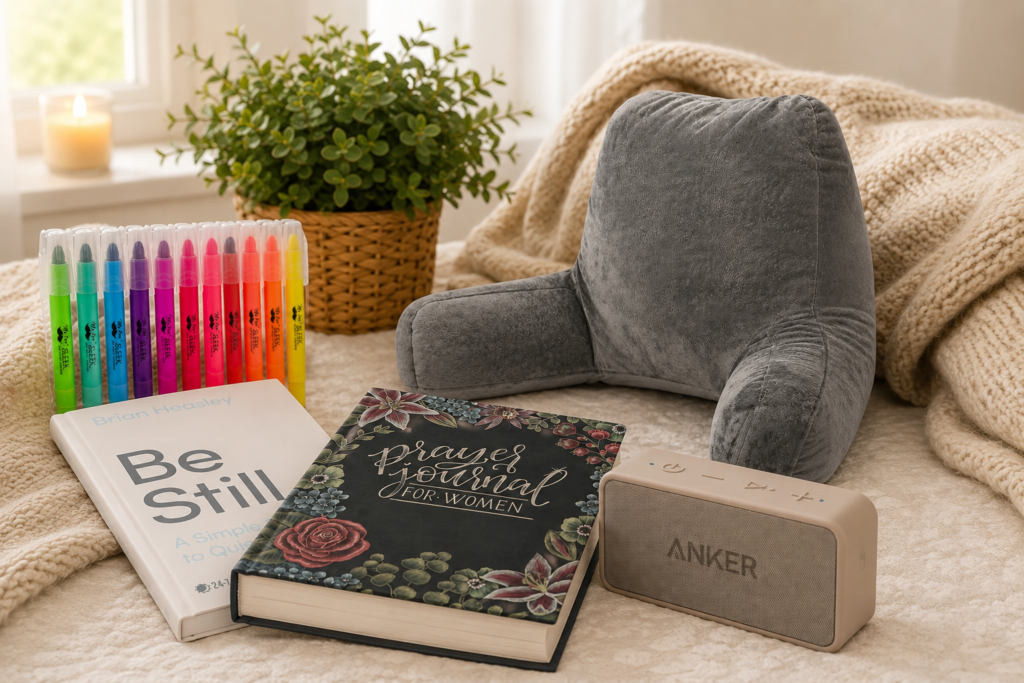
Most people look at their anxiety and restlessness and think, “I just need to pray more and read my Bible. That will fix everything.”
This may sound simple, but building lasting emotional peace is more complicated than it appears.
Yes, there are always moments when a worship song or a powerful verse brings instant calm, but those feelings fade quickly.
As long as you rely only on fleeting emotional highs, your efforts to find peace will fall short because your habits have not caught up with your intentions.
But if you shift from chasing peaceful moments to building peaceful rhythms, you will see that the most effective way to cultivate emotional rest is to create an environment and routine that consistently draws you back to God.
Developing small, steady Christian habits is one of the most important things you can do to train your mind and heart toward lasting peace instead of temporary relief. When you pair those habits with simple tools that remove friction and create space for connection with God, the change compounds over time.
You do not need expensive gadgets or complicated systems. You need a few well-chosen products that support the practices you are already trying to build, like daily Scripture reading, honest prayer, worship, rest, and reflection.
If you can develop this kind of intentional structure, it will allow you to move past blaming your circumstances as the sole reason for your stress, and instead take ownership of the habits that shape your inner world.
Even if your life feels chaotic right now, you can learn to create pockets of stillness that anchor you, which will neutralize the hold that worry and distraction have over you, so you can respond to stress with more grace and less panic.
That being said, progress takes time. The goal is not perfection but consistency, one small habit at a time.
Christian Habits & Helpful Products That Encourage Emotional Peace
These products are not magic fixes. They are practical tools that make it easier to show up for prayer, Scripture, worship, and rest when life gets loud.
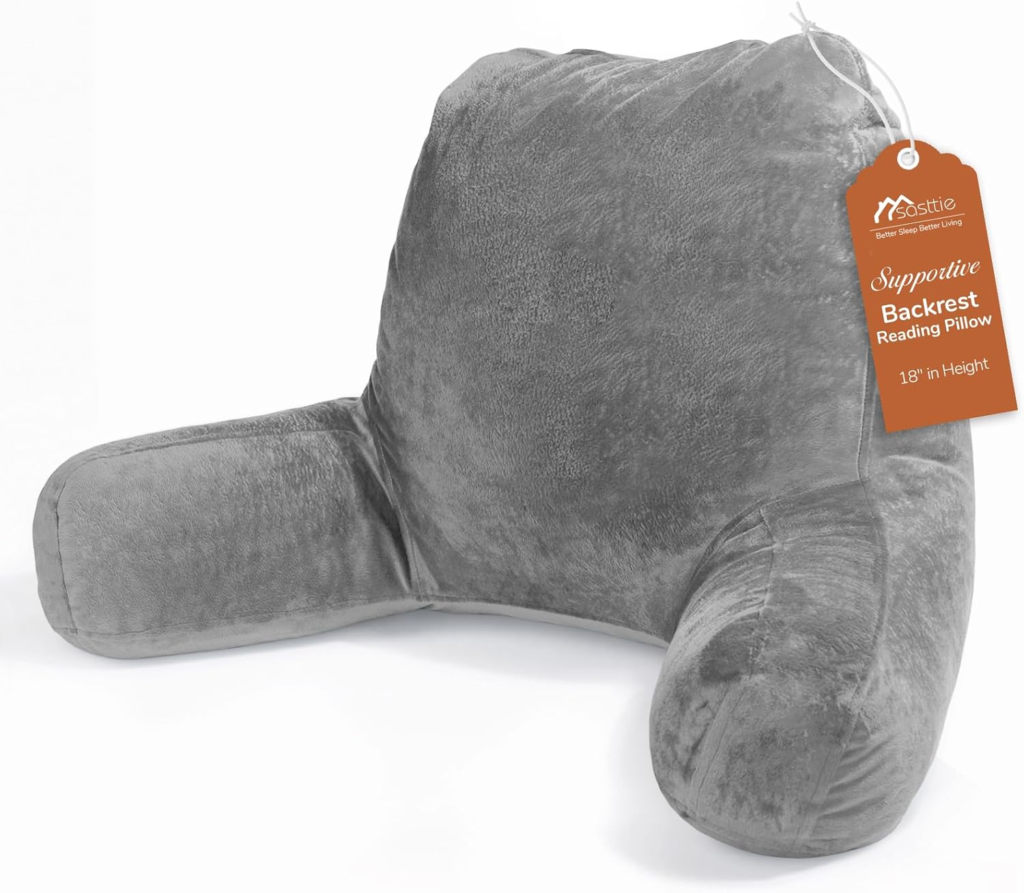
1. Sasttie Reading Pillows
This backrest pillow with arms turns any chair or bed into a dedicated quiet time spot. It supports your back and arms so you can sit comfortably while reading your Bible or journaling without constantly shifting positions.
When you have a consistent, comfortable place to meet with God each day, your mind begins to associate that space with stillness and prayer.
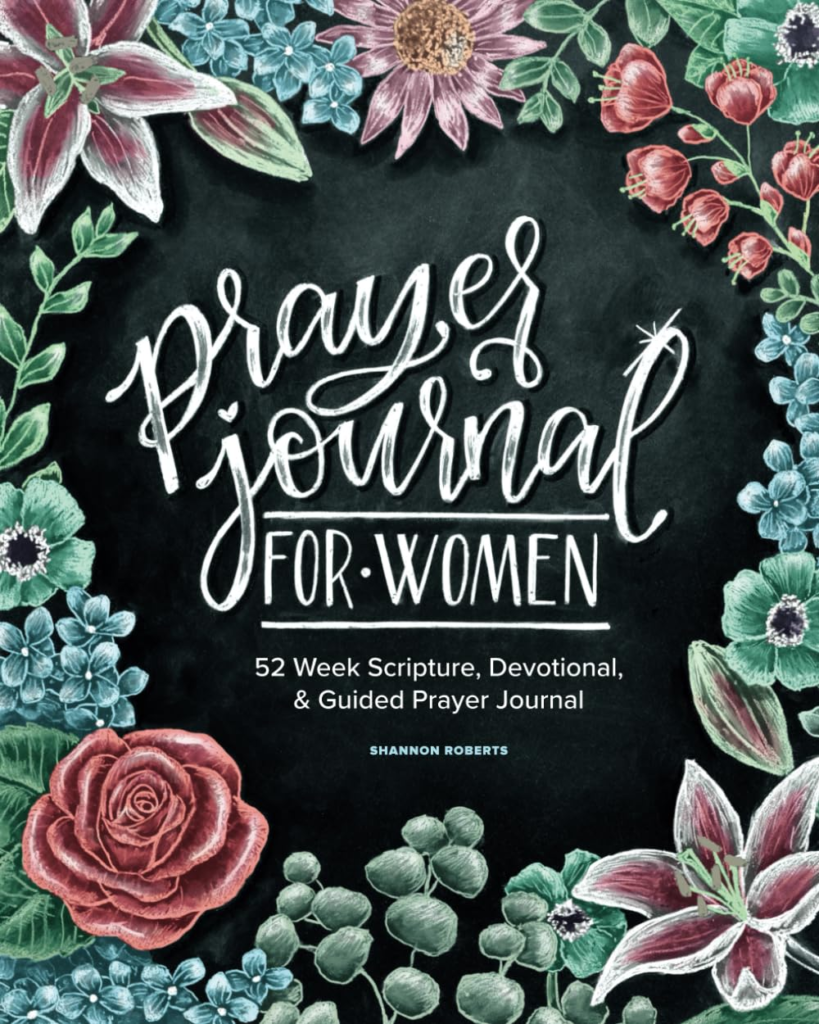
2. Prayer Journal for Women: 52 Week Scripture, Devotional & Guided Prayer Journal
This guided journal provides prompts, spaces for gratitude, and Scripture verses to help you process your thoughts and prayers on paper. Writing your worries and thankfulness each day empties the mental clutter that fuels anxiety and gives you a record of God’s faithfulness to look back on during hard seasons.
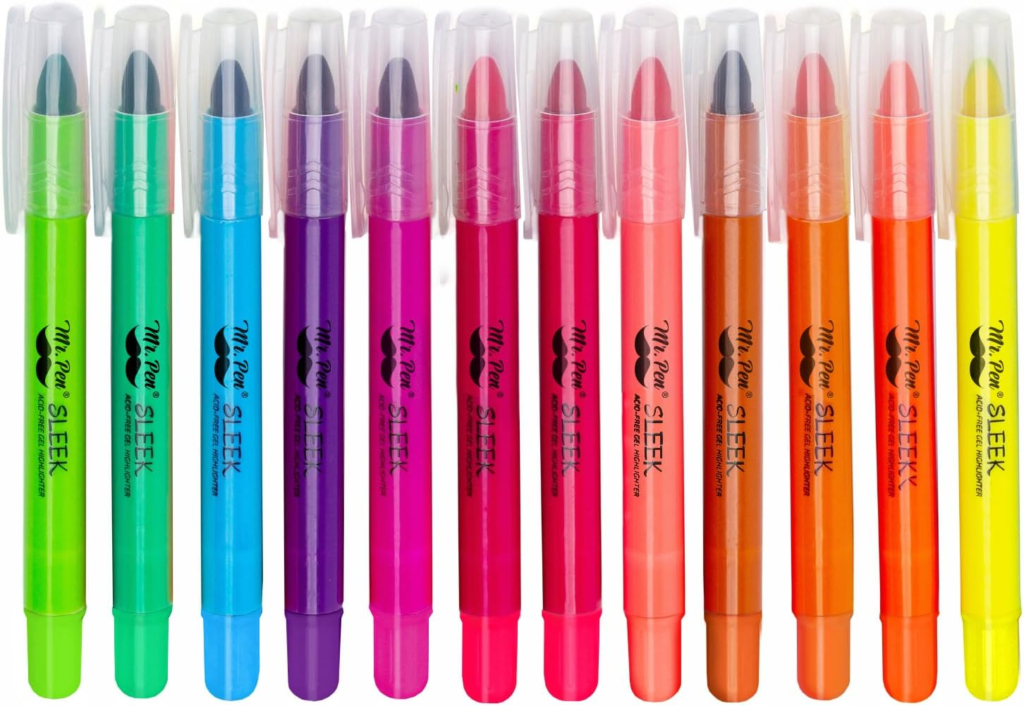
3. Mr. Pen No Bleed Bible Highlighters
These gel highlighters are designed specifically for thin Bible pages and come in soft colors that keep your text readable. Highlighting and memorizing verses about peace, anxiety, and identity in Christ gives you a mental toolkit to draw from when your thoughts start to spiral.
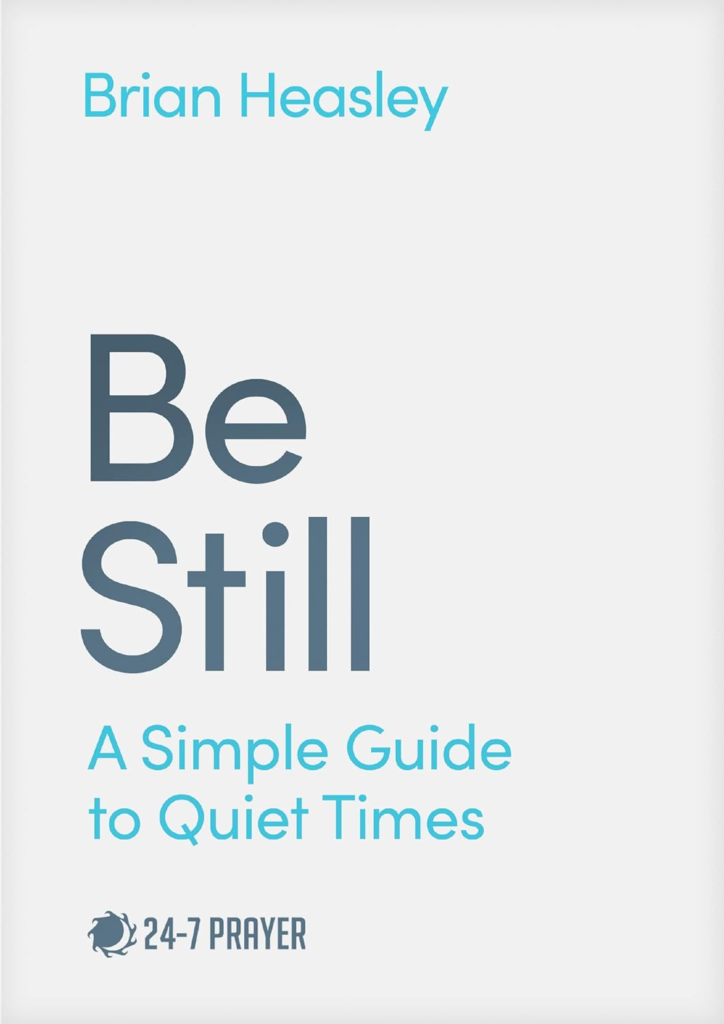
4. “Be Still: A Simple Guide to Quiet Times” by Brian Heasley
This book offers practical, gentle teaching about slowing down and being present with God. It introduces simple contemplative practices like breath prayer that pair slow breathing with a Jesus-centered phrase, which calms both your body and your mind during stressful moments.
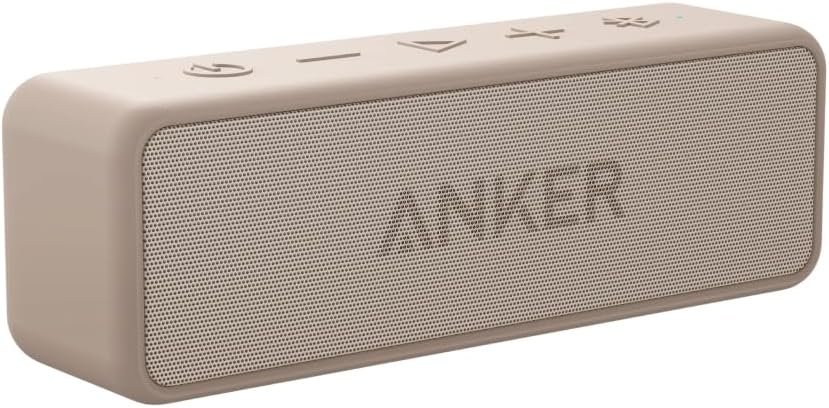
5. Anker Soundcore Bluetooth Speaker
A small, affordable speaker with clear sound and long battery life makes it easy to fill your home with worship music while you go about everyday tasks. Playing truth-filled songs about God’s character can realign your emotions when they feel scattered or heavy, turning routine chores into moments of worship.
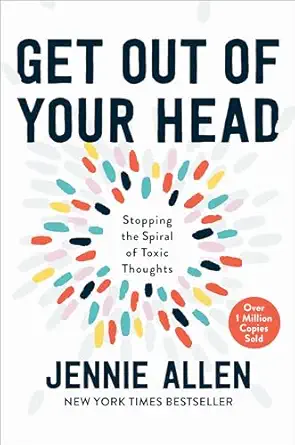
6. “Get Out of Your Head: Stopping the Spiral of Toxic Thoughts” by Jennie Allen
This book connects modern thought patterns with biblical truth and focuses on how to interrupt negative mental spirals. Many emotional storms begin in your thoughts, and learning to replace harsh inner self-talk with Scripture-based truth can significantly reduce shame and anxiety.
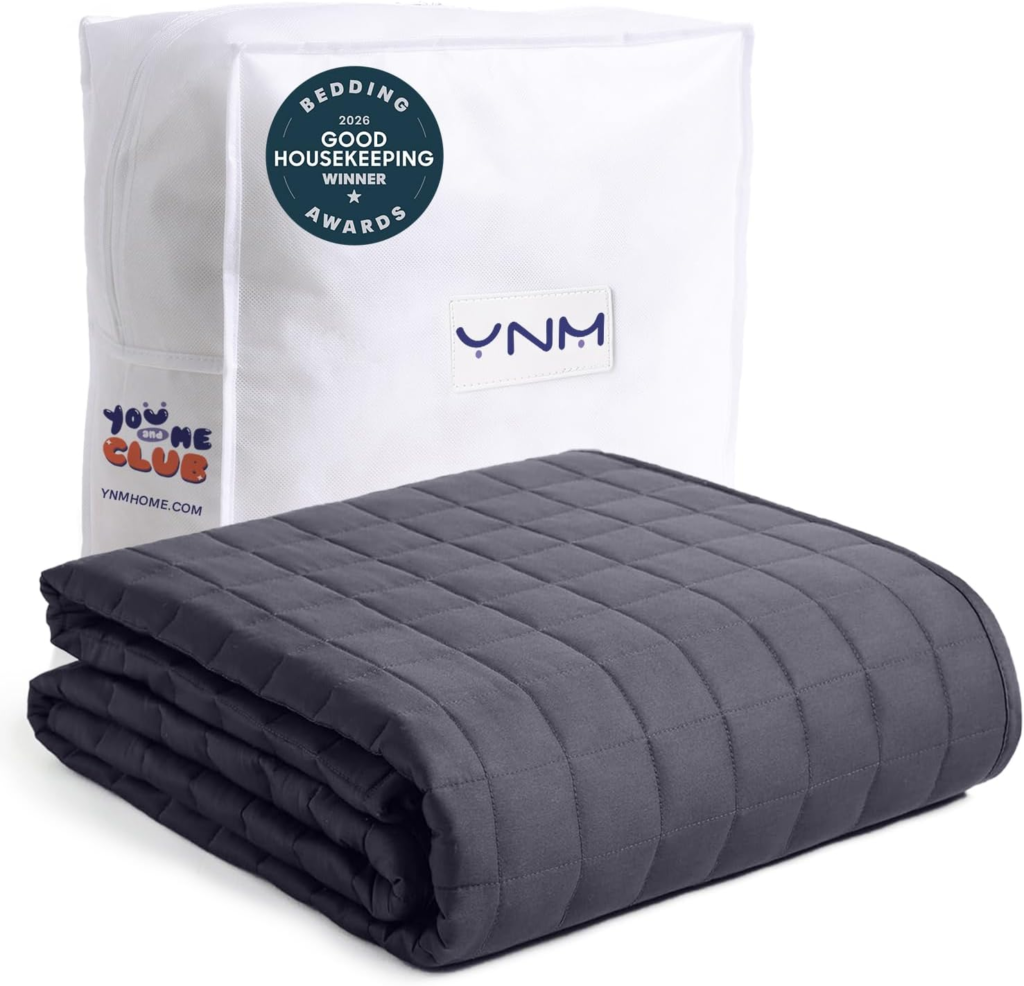
7. YnM Weighted Blanket (15 lb)
Gentle pressure from a weighted blanket can signal safety to your nervous system, helping your body calm down when emotions feel intense. Using this during prayer or Scripture reading creates a grounding physical experience that supports deeper reflection instead of distraction.
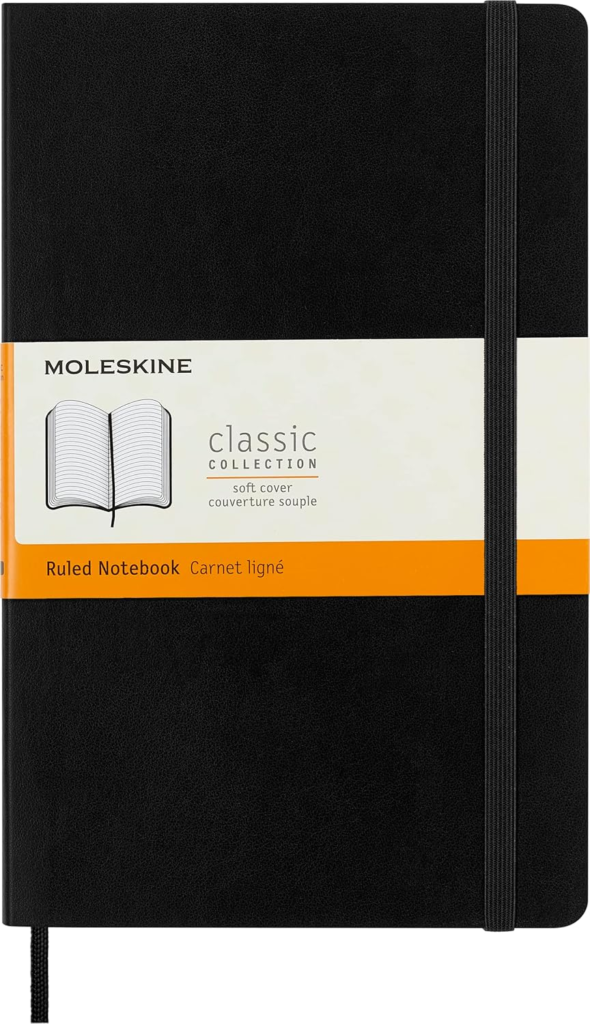
8. Moleskine Classic Notebook, Ruled, Large
A simple, durable journal for quick emotional check-ins throughout the day. Many people live on emotional autopilot and do not notice rising frustration or sadness until it explodes.
Regular check-ins help you bring feelings to God early, before they become overwhelming.
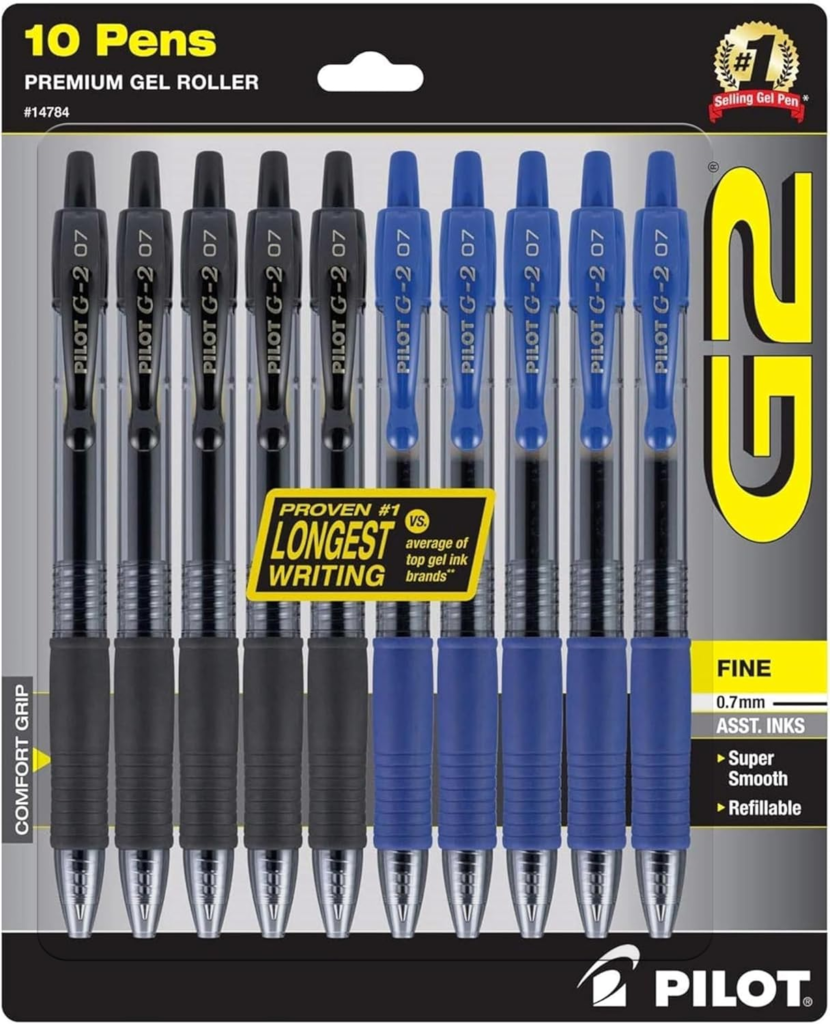
9. Pilot G2 Retractable Gel Pens
Smooth-writing pens make journaling feel pleasant instead of scratchy and frustrating. When writing feels efficient, you are more likely to stick with the habit of recording prayers, emotions, and gratitude.
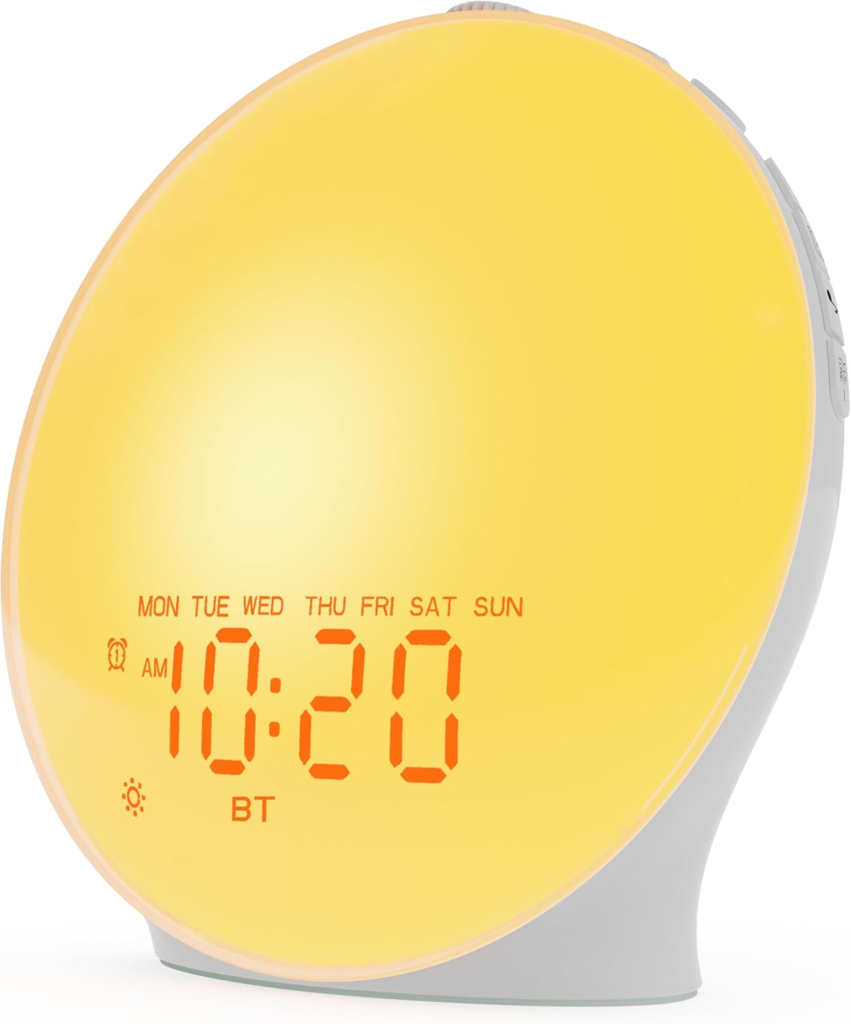
10. JALL Sunrise Alarm Clock
This alarm gradually brightens like a sunrise and includes soothing sounds, which supports gentler wake-ups that reduce morning stress spikes. Constant fatigue makes every emotion feel heavier, and quality sleep is as much a spiritual issue as a physical one.
Protecting rest helps your mind believe truth and regulate emotion.
Conclusion: Start with the Prayer Journal
All of these tools can support your path toward emotional peace, but if you only choose one place to start, the Prayer Journal for Women: 52 Week Scripture, Devotional & Guided Prayer Journal stands out as the most transformative.
Writing your prayers and emotions slows your racing thoughts, helps you notice patterns in your reactions, gives you a record of answered prayers that builds faith, and makes it easier to be honest with God instead of pretending everything is fine. The guided format is especially helpful on days when you feel numb, stressed, or disconnected, because you can simply follow the prompts instead of inventing your own structure.
Emotional peace does not usually arrive in one huge breakthrough. It grows through hundreds of quiet, faithful, ordinary moments where you show up and bring your real self to God.
A prayer journal creates space for exactly that kind of consistency.
If you feel ready, order the journal and a pen you enjoy writing with. Set a five-minute daily appointment with God.
Show up, even if you feel nothing at first.
Write honestly and simply, with no pressure to find the “right words.” Over months, you will likely start to notice that your first reaction to stress is not always panic. You will pause more.
You will bring more to God instead of stuffing it down or numbing out.
Pick up that journal, choose one time of day, and let that be your first small step toward a more peaceful, Christ-centered inner life.
Frequently Asked Questions
What Christian habits actually help with anxiety and are a lot more influential than spiritual performance?
The habits that tend to impact anxiety the most are regular Scripture intake focused on God’s character and promises, honest and frequent prayer that does not have to be formal or polished, emotional awareness where you name what you feel and bring it to God instead of ignoring it, embodied practices like slow breathing or using a weighted blanket while you pray, healthy rhythms of rest including sleep and breaks from screens, and supportive community even if it is just one trusted friend. The products in this list simply support those deeper habits by giving structure, reminders, or physical comfort that make it easier to live them out.
How do I know if I need professional counseling in addition to spiritual habits?
Habits and tools are very helpful, but they do not replace professional care. Consider talking to a Christian counselor or therapist if you notice anxiety or depression that is intense, long-lasting, or disrupting your ability to function, sleep or appetite or energy changes you cannot explain, persistent thoughts of self-harm or hopelessness, trauma memories or panic attacks that feel overwhelming, or struggles in your relationships that feel stuck even with prayer.
Spiritual practices and therapy can work together very well.
Seeing a counselor is not a lack of faith but a wise way of stewarding the mind and body God gave you.
Is it okay to buy products to support my spiritual life, or is that consumerism?
The products themselves are neutral. They can either be helpful tools or unhelpful distractions.
A few questions can guide you.
Does this item genuinely make it easier for me to seek God and live in peace? Am I buying it to avoid dealing with something deeper, or to support a habit I am already committed to?
Can I afford it without neglecting more basic responsibilities?
If your heart is to use a tool to serve a habit like using a journal to support daily prayer, then it can be a wise investment. If money is tight, many of these habits can be practiced with items you already have, like a simple notebook, free worship playlists, or a regular Bible.
I start habits and then quit. How can I stay consistent with these practices?
Consistency usually grows when you start tiny, with one verse or one song or one minute of prayer being enough. Attach habits to something you already do, like opening your journal after brushing your teeth at night.
Reduce friction by keeping your Bible, journal, and pen together in your quiet time spot.
Expect imperfection, because missing a day or a week does not mean you failed. Simply begin again. Invite accountability by asking a friend to check in with you, or send each other a photo of your open Bible or journal a few times a week. Habits are about direction, not perfection.
Small, repeated choices change more than big, short-lived efforts.
Which product is best if my schedule is very busy and unpredictable?
If your schedule is chaotic, flexible tools work best, especially audio resources and visual reminders. The ESV Hear the Word Audio Bible is especially helpful because you can listen while commuting, cleaning, or caring for children.
Scripture cards in a tin let you read one verse at a time, even on the go, and you can tuck a card into your bag.
Pair those with a very simple habit of one verse and one short prayer each day. Over time, that still adds up even when life feels overwhelming.
What if I feel emotionally numb and do not sense God, even when I use these tools?
Emotional numbness is common, especially after prolonged stress, grief, or anxiety. A few gentle steps can help.
Keep showing up in small ways, even if you feel nothing, because faithfulness often comes before feelings.
Use body-based grounding like a weighted blanket, slow breathing, or a warm drink as you pray, because bringing your body into the process can thaw emotional frost over time. Be honest with God about the numbness instead of pretending it is not there.
Prayers like “Lord, I want to want you” are real prayers.
Reach out to others for support, because sometimes another person’s faith carries you in seasons when you feel flat. Spiritual habits are not about forcing certain emotions.
They are about staying close to God in whatever emotional state you are in, trusting that he is near even when you do not sense it.
Can I use these habits and products if I struggle with depression or trauma?
Yes, but they should complement professional care, not replace it. Gentle habits like journaling, Scripture listening, worship music, and physical grounding can support your healing process, but they work best alongside therapy or counseling when you are dealing with clinical depression or unresolved trauma.
Be patient with yourself and do not force habits that feel triggering or overwhelming.
Start with the smallest, simplest practices and build slowly. If certain spiritual disciplines bring up painful emotions or memories, talk to a counselor who can help you process those experiences safely.
Find out our Recommended Christian Books for Better Rest and Faith-Based Night Routines; visit: https://illuminatedresources.com/10-christian-books-for-better-rest-and-faith-based-night-routines/