How to find practical support and spiritual grounding when your body and emotions feel unpredictable
Menopause and midlife changes regularly happen to all women, yet the experience can feel surprisingly isolating. Your body shifts in ways that affect sleep, mood, temperature regulation, and even how you process emotion and stress.
Churches often provide strong teaching for younger families but stay silent about perimenopause, menopause, and the years that follow.
This silence can make you feel invisible right when you need support most.
The products and resources in this list address two needs at once: caring for your changing body while nourishing your faith. Some are explicitly Christian books, devotionals, and study tools that help you see God’s presence in the middle of hot flushes, grief, and uncertainty.
Others are practical aids like cooling pillows, supplements, and sleep support that pair well with prayer, Scripture reading, and honest conversation with trusted friends.
When you mix both types of help, you build a daily rhythm that keeps you cooler, more rested, and more rooted in God’s love through a season that can otherwise feel overwhelming.
Products That Offer Christian Encouragement and Practical Help During Menopause
These resources blend spiritual encouragement with real-world solutions. You will find books that speak directly to menopause through a biblical lens, devotionals that anchor you in truth when emotions swing, and practical products that address the physical symptoms that disrupt your day.
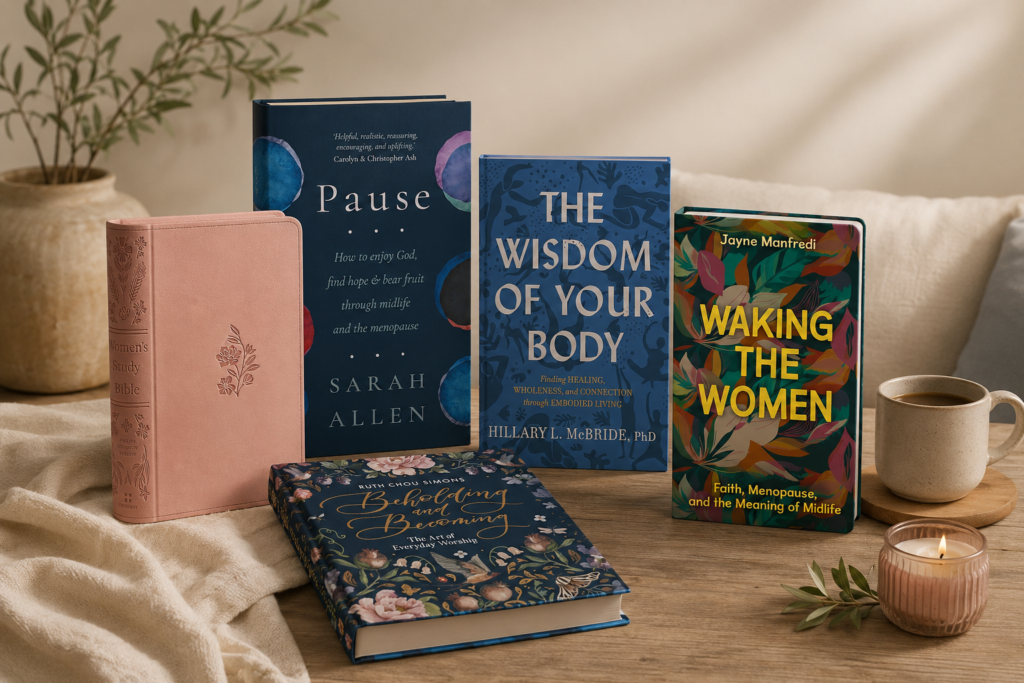
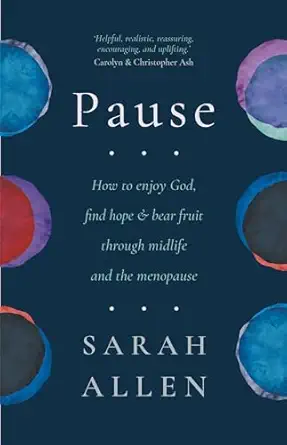
1. Pause: How to Enjoy God, Find Hope & Bear Fruit Through Midlife and the Menopause by Sarah Allen
Sarah Allen writes directly to women in menopause and connects symptoms like brain fog, hot flushes, and grief with passages of Scripture. She draws heavily from the Psalms and other biblical stories of waiting, change, and hope.
The book treats menopause as a legitimate life transition that deserves care, prayer, and community support instead of embarrassment or silence.
Many readers describe it as sitting down with a wise older sister who has walked this road and still loves Jesus deeply.
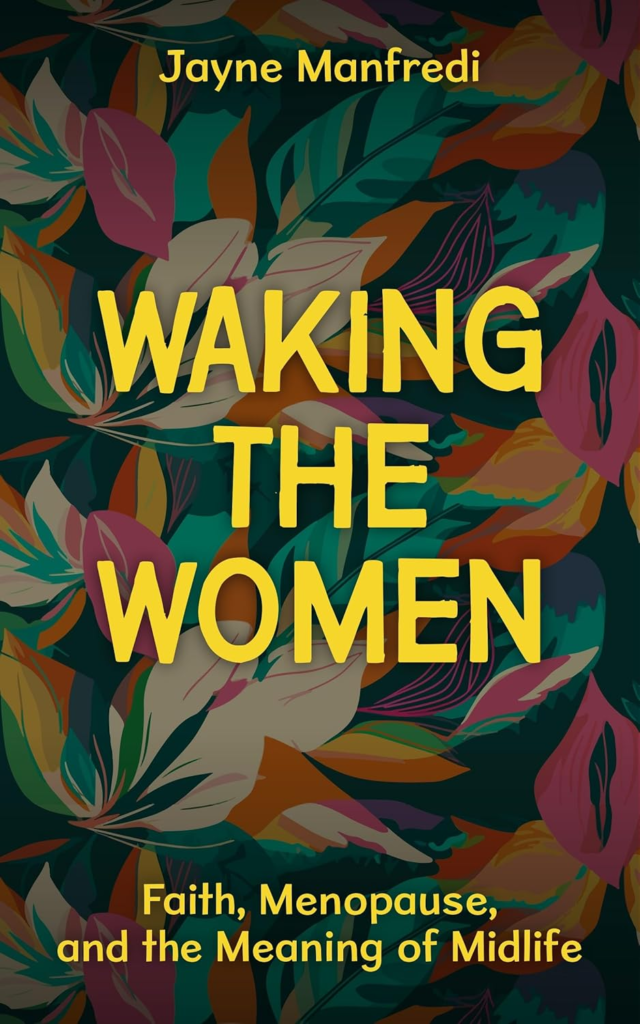
2. Waking the Women: Faith, Menopause and the Meaning of Midlife by Jayne Manfredi
Jayne Manfredi blends personal story, theology, and cultural commentary to explore how churches can better see and honor women in midlife. She writes honestly about anger, invisibility, changing bodies, and calling with humor and grace.
This book is especially helpful if you feel overlooked in your church or wonder whether your gifts still matter.
Manfredi points again and again to God’s faithfulness through shifting seasons.
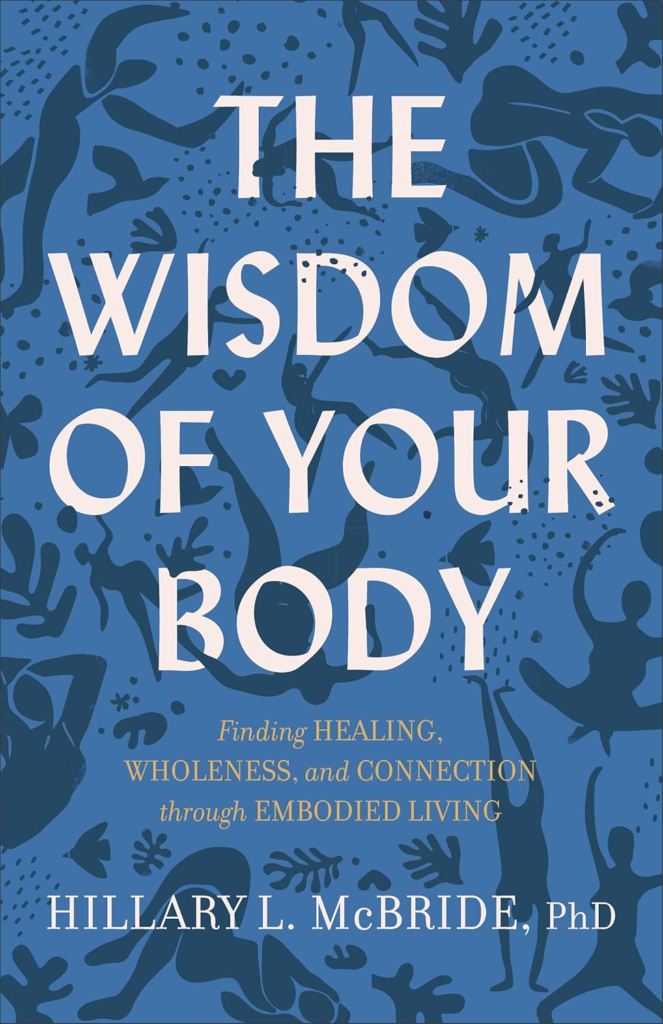
3. The Wisdom of Your Body by Hillary McBride
This is not menopause-specific, yet it offers a deeply Christian approach to reconnecting with your body. Hillary McBride helps you notice sensations, pain, and fatigue with curiosity instead of shame.
This can be a turning point when symptoms feel confusing or when you have spent years disconnecting from your physical experience.
The book pairs well with slower daily prayer, gentle walks, or an evening routine that includes stretching and rest.
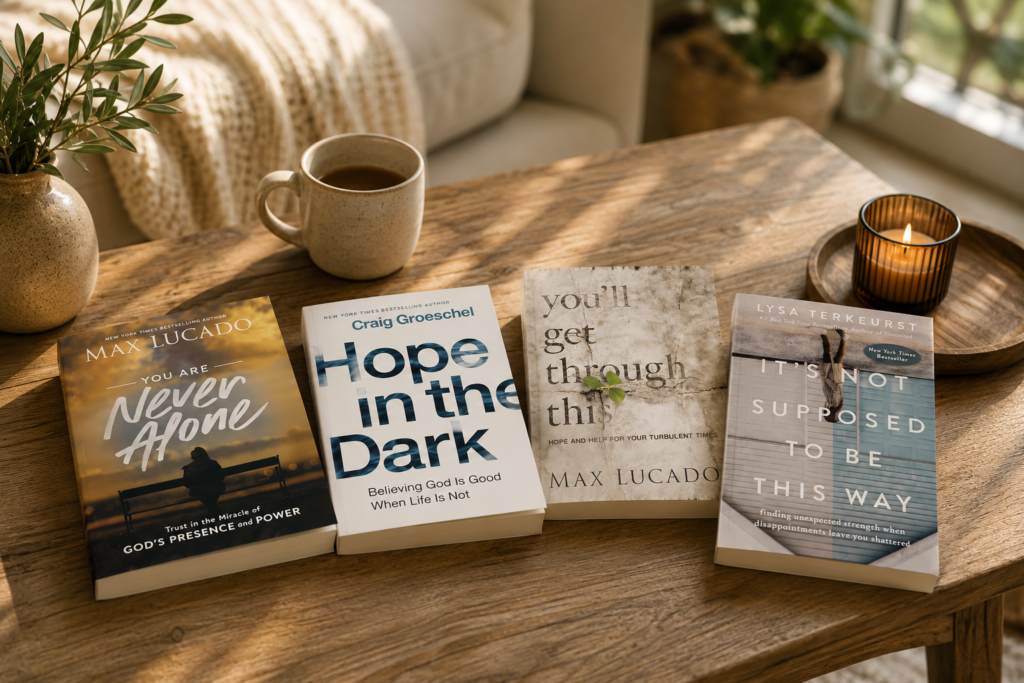
4. It’s Not Supposed to Be This Way by Lysa TerKeurst
Lysa TerKeurst writes about disappointment, loss, and unmet expectations through real struggles in her own life. Many find this book especially comforting during midlife when the life imagined looks very different from the life being lived. TerKeurst keeps pointing your heart back to God’s character when circumstances feel shaky.
The book offers hope without minimizing pain.

5. The Soul of a Woman by Isabel Allende
Isabel Allende reflects on growing older as a woman, pursuing want, and reclaiming agency. This is not an explicitly Christian book, yet many Christian women appreciate its honesty about aging, passion, and purpose.
If you pair this with prayerful journaling or conversation with a trusted friend, it can help you name hopes and callings that still matter in the second half of life.

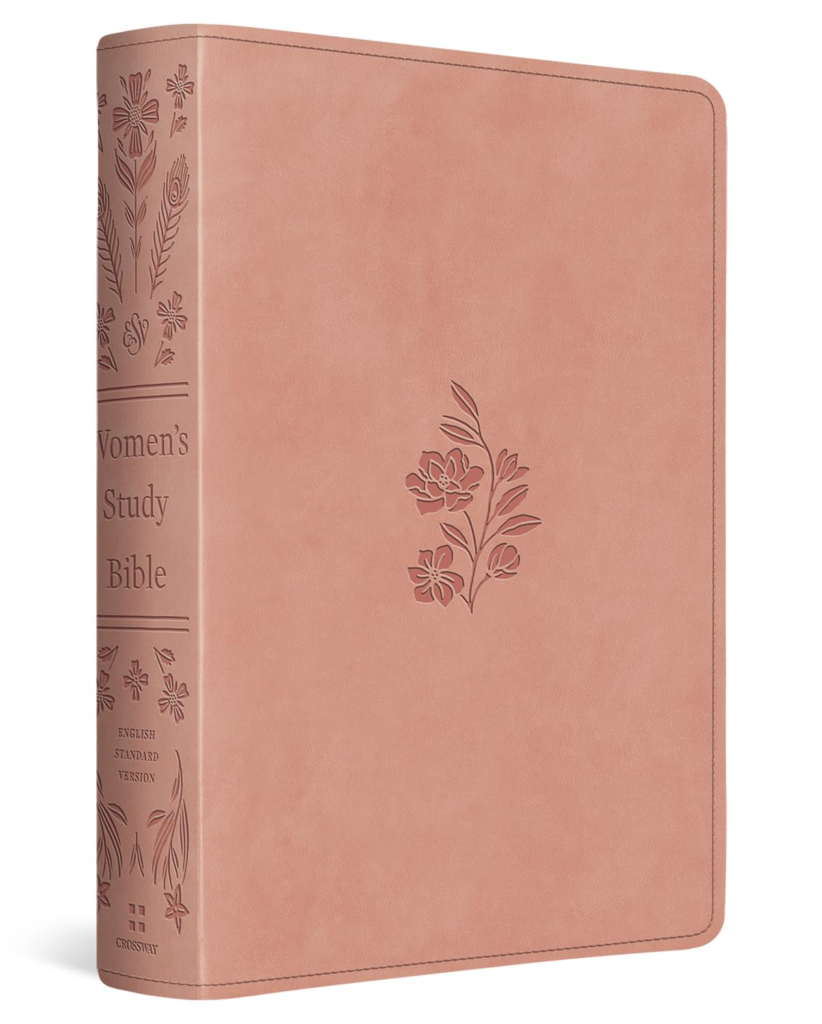
6. ESV Women’s Study Bible
A good study Bible becomes a steady anchor when emotions feel unpredictable. The ESV Women’s Study Bible includes notes, character profiles, and thematic articles that touch on seasons of change, suffering, and calling.
Using it for ten or fifteen minutes each morning can frame your day in truth before symptoms start to crowd your mind.
Choose your preferred translation if ESV is not your usual version.
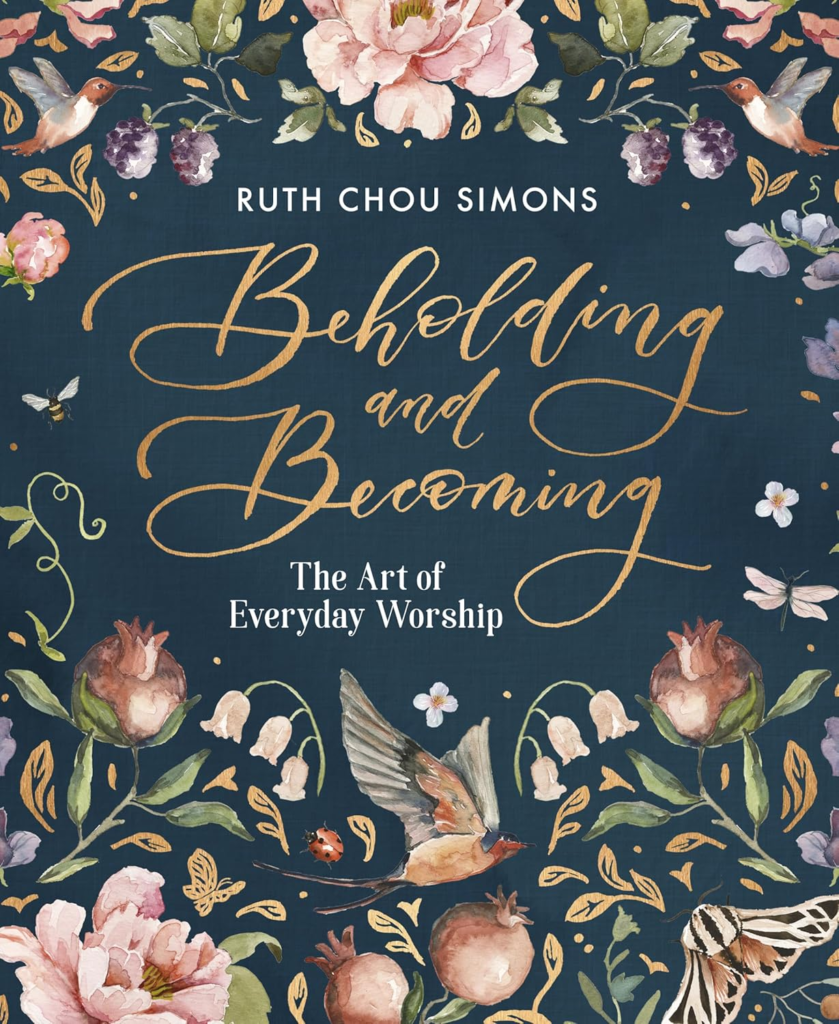
7. Beholding and Becoming: The Art of Everyday Worship by Ruth Chou Simons
Ruth Chou Simons created a beautifully illustrated devotional that helps you see worship in everyday routines. She takes small moments like washing dishes, walking, or folding laundry and connects them to Scripture and God’s grace.
During menopause, life can feel very ordinary and sometimes frustrating.
This book eases that feeling of being stuck by showing how God meets you in the middle of regular tasks.
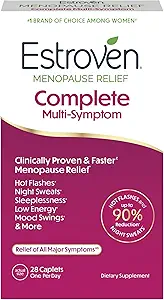
8. Estroven Complete Multi-Symptom Menopause Relief (Supplement)
Estroven is a widely used, non-prescription supplement that contains plant-based ingredients to help with hot flushes, night sweats, and mood swings. Many find that it takes several weeks of daily use to notice changes.
When combined with better sleep habits, stress reduction, and prayer, it can lower the intensity of symptoms.
Always check with your healthcare provider before starting any supplement, especially if you use other medications or have health conditions.
9. Nature Made Melatonin 3 mg Gummies (Gentle Sleep Support)
Sleep disruption is one of the most exhausting parts of perimenopause. A low-dose melatonin gummy, used occasionally and with medical approval, can help reset your sleep window on particularly difficult nights.
You can take it as part of a wind-down routine that includes prayer, light stretching, and putting your phone away.
Talk with your doctor first, especially if you have depression, take other sleep aids, or work rotating shifts.

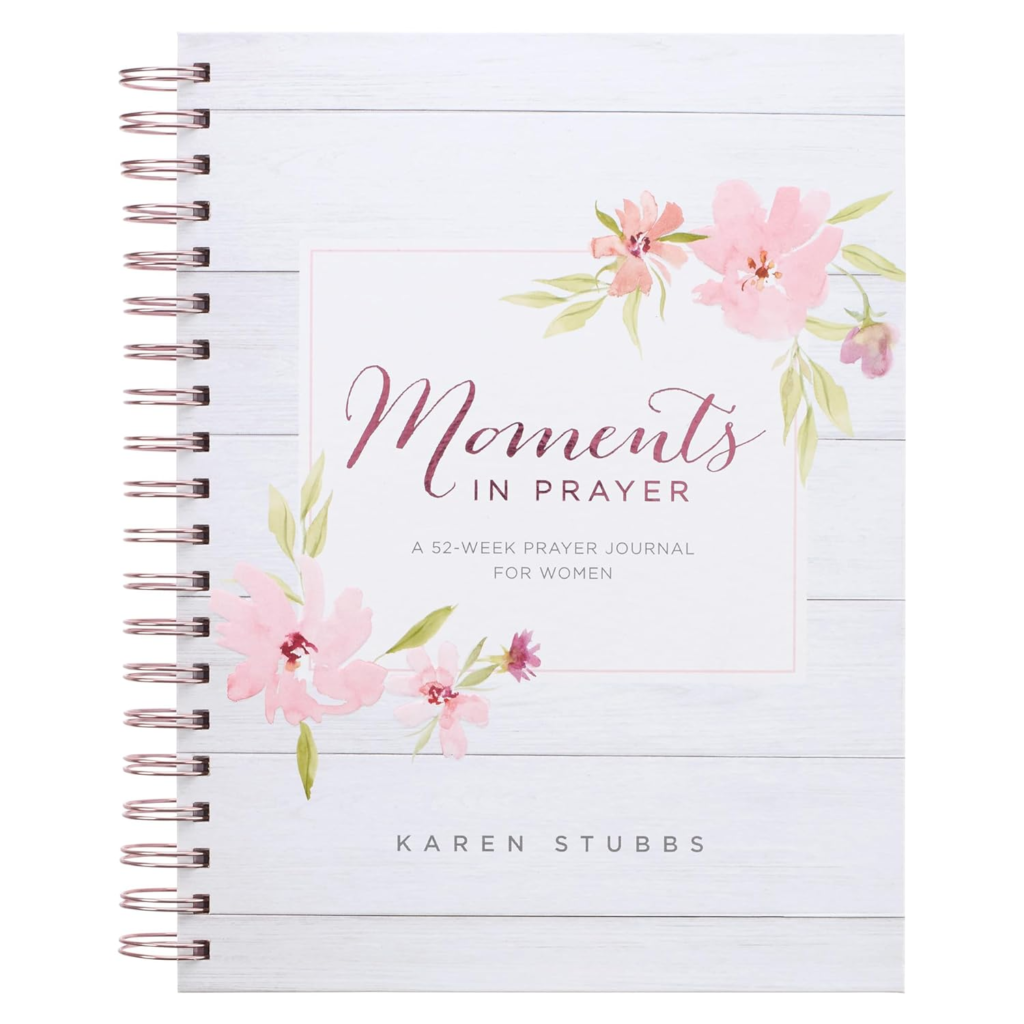
10. Prompted Prayer Journal for Women
A guided prayer journal gives you space to pour out worries, track symptoms, and note how you see God at work in small ways. Many options include daily prompts for gratitude, confession, and prayer requests, which keeps you from staring at a blank page when you feel tired. Over time, you can look back and see patterns in both symptoms and answered prayers.
Conclusion: Top Pick and How to Get Started
If you can choose only one resource from this list as a starting point, pick “Pause: How to Enjoy God, Find Hope & Bear Fruit Through Midlife and the Menopause” by Sarah Allen. This book focuses directly on menopause and midlife, speaks plainly about symptoms and emotions, and constantly points your heart toward God instead of toward self-improvement alone.
It treats this season with dignity and seriousness instead of embarrassment.
The book also recognizes that hot flushes, sadness, or irritability are not signs of weak faith but are real physical experiences that you can bring honestly to the Lord.
A reasonable way to begin is to pair that book with one or two practical aids that target your most distracting symptom. If sleep is your main struggle, start reading Pause in the early evening with a cup of calming tea, then use a cooling pillow or a light weighted blanket at night.
If public hot flushes cause stress, keep a cooling towel in your bag and plan a weekly time with your journal and Bible to talk with God about how you feel.
You do not need to fix everything at once. Choose one product that strengthens your faith and one that supports your body.
Let those two things work together for a month.
Notice where you feel a little more settled, a little less alone, and a little more hopeful.
If you are ready to take a next step, start with “Pause: How to Enjoy God, Find Hope & Bear Fruit Through Midlife and the Menopause” on Amazon US: https://amzn.to/4wEAALX
Set aside fifteen minutes a day with that book and your Bible. Over time, you build a rhythm that carries you through this season with more truth, more comfort, and more peace.
Frequently Asked Questions
Is it normal to feel distant from God during menopause?
Many people feel spiritually flat, numb, or more easily discouraged during perimenopause and menopause. Hormonal changes affect brain chemistry, which influences mood, motivation, and your ability to concentrate in prayer or Bible reading.
This can create a sense that God has stepped back, when in reality your inner landscape has simply shifted.
One practical approach is to shorten and simplify your spiritual practices instead of stopping them. Read a short devotional like New Morning Mercies or a single psalm instead of long chapters.
Use a prompted prayer journal when words feel stuck.
Talk to God honestly about how you feel, including irritability, sadness, or anger, and trust that these prayers are heard even when they do not feel spiritual.
How do I know if my symptoms are menopause or something spiritual?
Hot flushes, irregular periods, sleep disturbance, and brain fog are physical symptoms of hormonal change. These can intensify emotional patterns, such as anxiety or low mood, yet they are not spiritual failures.
Some Christian communities mislabel physical or psychological pain as purely spiritual, which can lead to unnecessary guilt.
Treat your body and soul as woven together. See your doctor to rule out thyroid issues, anemia, or other conditions that can mimic menopause.
Ask about blood tests and other markers.
At the same time, talk with a mature believer, pastor, or Christian counselor about your fears, anger, or grief. Prayer and medical care can stand together instead of replacing each other.
What if my church never talks about menopause or midlife at all?
Many churches have strong teaching for children, youth, newly married couples, and parents of young children but say very little about perimenopause, menopause, and the years that follow. This silence can make you feel invisible.
Start with one trusted leader or friend. Share that you are in perimenopause or menopause and finding it hard.
You do not need to teach a class right away.
Just break the silence with one safe person. You might give your pastor or women’s ministry leader a copy of Waking the Women or Pause and say you found it helpful.
Ask if they might consider reading it or making it available to others.
If there is openness, gather two or three others to read through a book together and pray.
How can I support my marriage during this season when my libido, mood, or energy are changing?
Menopause can bring vaginal dryness, pain with intercourse, lower libido, tiredness, and mood swings. All of this can affect closeness and communication in marriage.
The goal is not to force yourself to behave as if nothing changed but to walk through the changes in honesty and tenderness.
Share information with your spouse. Talk about what perimenopause is, what symptoms you experience, and how it affects you day to day.
Seek medical help and ask your doctor about local estrogen, lubricants, pelvic floor therapy, or hormone replacement if suitable.
Broaden your view of connection by focusing on holding hands, cuddling, shared hobbies, and prayer together. Some couples also find Christian marriage books helpful during this time.
Is hormone replacement therapy compatible with Christian faith?
Hormone replacement therapy is a medical treatment that can ease hot flushes, night sweats, bone loss, and other symptoms by supplementing hormones that naturally decline. Christian faith does not forbid using medicine that supports the body’s healing or comfort.
Many Christian women use HRT after thoughtful discussion with their doctors and after weighing risks and benefits.
The decision is personal and depends on your health history, family history, and symptom severity. You can pray for wisdom, seek counsel, and read trustworthy medical sources.
Using HRT does not signal weak faith.
It is one of many tools, along with prayer, Scripture, community, and lifestyle changes, that can support you in this season.
How can I cope with the anger and irritability that seem to appear out of nowhere?
Many experience sharp irritability or flashes of anger during perimenopause and menopause. This can be unsettling, especially if you have seen yourself as patient or calm.
Hormonal shifts affect the brain’s regulation of emotion, which can make small frustrations feel intense.
Name the feeling without shame. Say to yourself, “I am feeling strong anger right now,” instead of, “I am a terrible person.” When possible, pause before speaking.
Take ten slow breaths or walk into another room.
Use outlets like gentle exercise, journaling, or talking with a trusted friend to release pent-up feelings safely. Books like Waking the Women talk about anger as something you can bring to God instead of something you must hide.
If anger feels unmanageable, frequent, or out of proportion, speak to your doctor or a counselor.
How do I find a Christian counselor who understands menopause and midlife?
A counselor who respects your faith and understands midlife issues can be very helpful. Look for a licensed counselor or therapist who lists women’s issues, midlife transitions, or health-related anxiety as areas of focus.
Many directories let you filter by Christian or faith-based.
Ask your church if they have a list of recommended Christian counselors. Use online counseling directories and choose your faith background and specialty.
When you contact a therapist, ask directly whether they have experience with menopause, chronic symptoms, or midlife transitions.
In your first session, talk openly about how important your relationship with God is and what role you hope faith will play in your work together.
Find out our Recommended for Christian Women Facing Midlife Adversity; visit: https://illuminatedresources.com/20-faith-building-books-for-christian-women-facing-midlife-adversity/