
Here’s how these books can guide you through grief with faith, scripture, and gentle encouragement.
Grief touches everyone differently. Some people need daily structure to get through the fog of loss, while others want longer reflections they can sit with for weeks.
The devotionals in this list range from 28-day guides to year-long companions, each offering scripture, prayers, and personal stories from authors who understand what you’re going through.
The main differences come down to length and focus. Short-term devotionals (30-40 days) work well if you want intensive support during the rawest weeks after loss.
Year-long options give you a steady companion through all the “firsts” without your loved one.
Some books target specific losses like losing a spouse, child, or parent, while others address grief more broadly. You’ll also find varying styles: some include journaling prompts and reflection questions, others stick to readings and prayers.
Most blend personal testimony with biblical passages from Psalms, Job, Isaiah, and the Gospels.
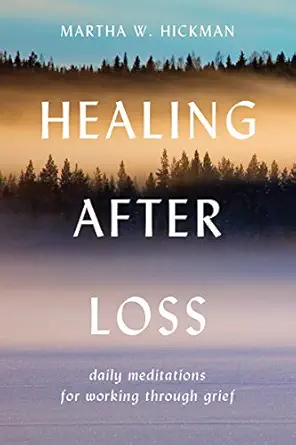
1. Healing After Loss: Daily Meditations for Working Through Grief by Martha W. Hickman
This classic delivers 365 short daily entries that blend quotes from poets, philosophers, and scripture with gentle reflections. Each page includes a meditation and prayer, validating every emotion from anger to tentative hope.
The tone stays accessible for people of all faith backgrounds while rooting in timeless spiritual truths.
Readers consistently mention turning to it every morning during their first year of grief, finding it meets them exactly where they are without pushing them forward too fast.
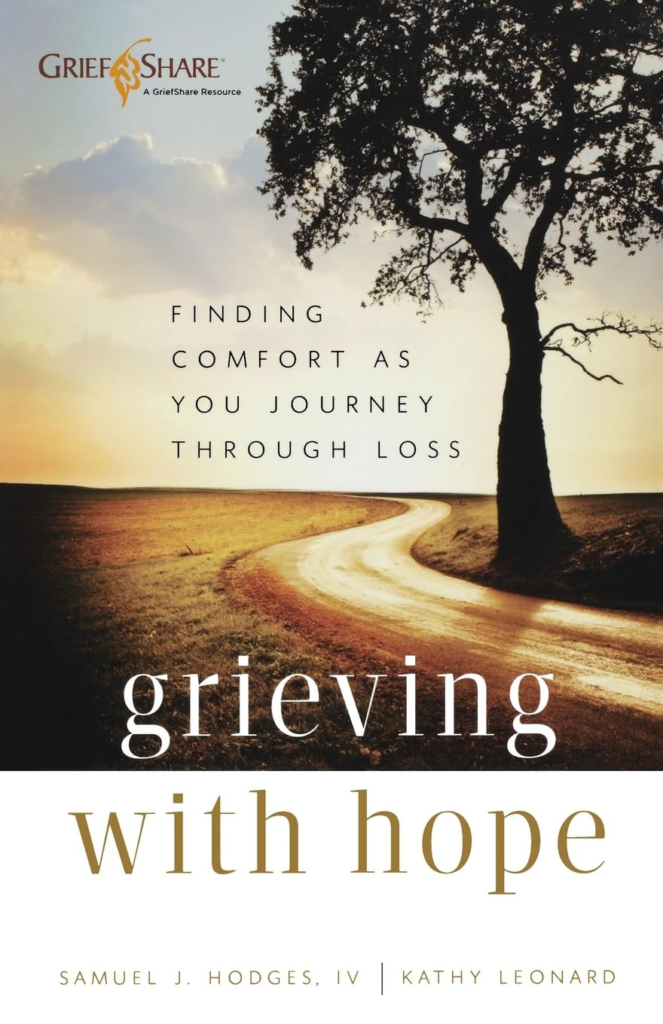
2. Grieving with Hope: Finding Comfort as You Mourn by Samuel J. Hodges
This 90-day devotional combines scripture from 2 Corinthians and Thessalonians with theological grounding in resurrection hope. Each entry includes a Bible passage, reflection, and prayer that addresses doubt, anger, and confusion alongside comfort.
The author writes from pastoral experience, offering both emotional support and doctrinal depth.
You get solid biblical teaching without platitudes, making it valuable if your faith feels shaky right now.
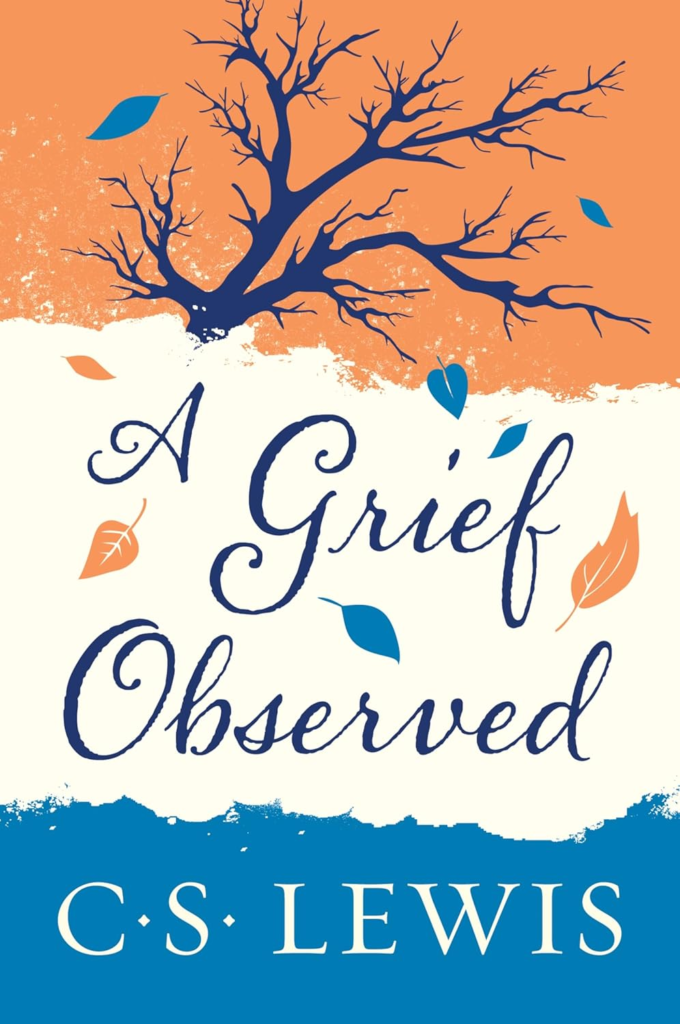
3. A Grief Observed by C.S. Lewis
Lewis wrote these raw journals after his wife Joy died from cancer. Reading his honest wrestling with God’s silence and his own anger gives permission to voice the hardest questions.
The book divides naturally into short sections you can read daily alongside Psalms.
Lewis never lands on easy answers, which makes his journey feel authentic. If you’re struggling with intellectual or spiritual doubt in grief, this becomes a companion who gets it.
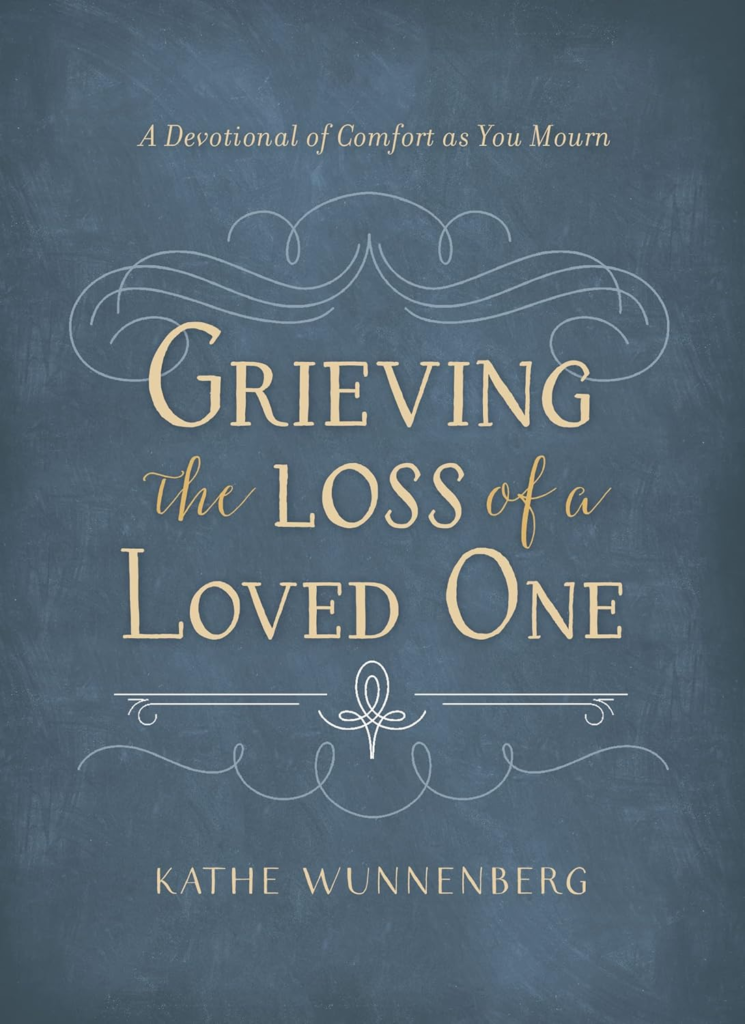
4. Grieving the Loss of a Loved One: A Devotional of Hope and Healing by Kathe Wunnenberg
Structured around the stages of grief, this 90-day devotional offers scripture, personal stories, and reflection questions. Wunnenberg shares her experience losing many family members, bringing both vulnerability and wisdom.
Each day ends with a prayer and journaling prompt, helping you process actively rather than just reading.
The book works well for any type of loss, with insights that translate across relationships.
5. Streams in the Desert by L.B. Cowman
Originally written during Cowman’s husband’s long illness and death, this 366-day classic has comforted grievers for over a century. Each entry pairs scripture with stories of faith tested by suffering, followed by poetry or hymn verses.
The language feels slightly formal but the timeless wisdom about God’s presence in desert seasons resonates deeply.
Many readers keep it on their nightstand for years, returning to favorite entries during hard anniversaries.

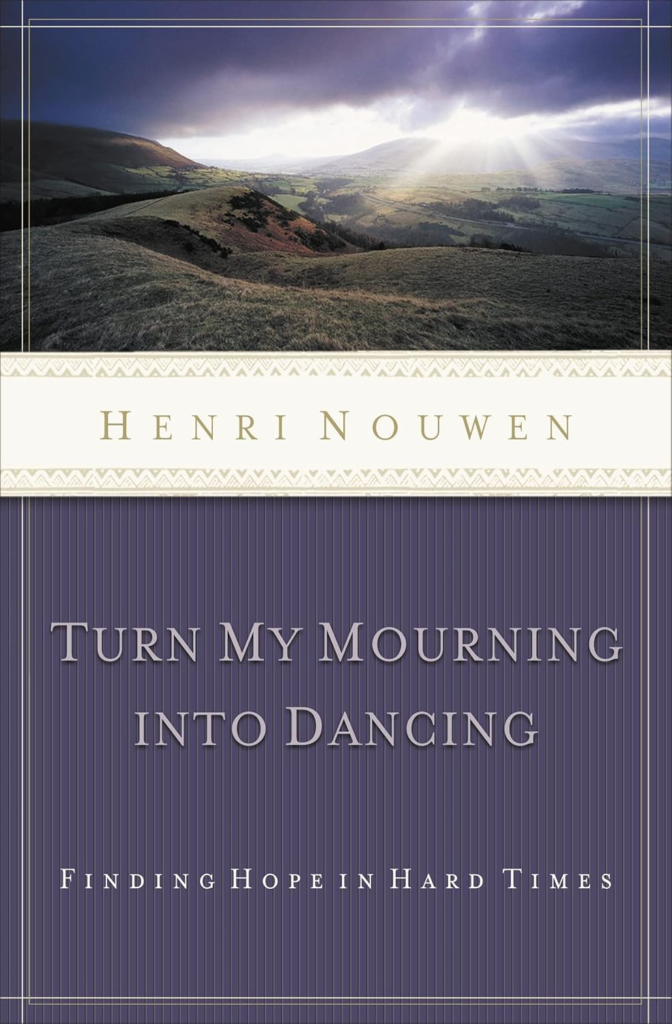
6. TURN MY MOURNING INTO DANCING by Henri J.M. Nouwen
Nouwen reflects on his own losses and the biblical journey from sorrow to joy. This shorter book (about 140 pages) divides into sections you can read as daily meditations over a month or absorb in longer sittings.
The contemplative style invites you to sit with grief rather than rush through it.
Nouwen’s gentle wisdom about finding God in brokenness offers depth without overwhelming you during mental fog.
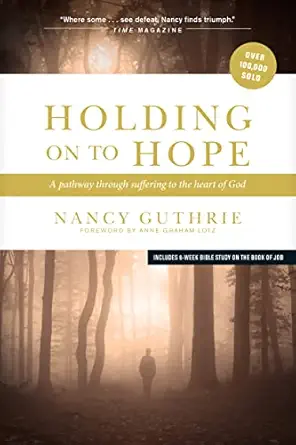
7. Holding On to Hope: A Pathway Through Suffering to the Heart of God by Nancy Guthrie
Guthrie lost two infant children and writes from that crucible. This book works as a 10-week study with daily readings exploring Job, the Psalms of lament, and New Testament promises.
Each week includes personal stories, biblical teaching, and reflection questions.
The content goes deeper theologically than many devotionals, helping you build a foundation under your faith when it feels like everything’s shaking. Strong choice for child loss or prolonged grief.
8. When Your Soul Aches: Hope and Help for Women Who Have Lost Their Husbands by Lois Mowday Rabey
This 40-day devotional speaks directly to widows, addressing the specific challenges of losing a spouse. Rabey combines scripture with practical wisdom about loneliness, decision-making, and identity shifts.
Each reading includes a prayer and thought to carry through the day.
The book acknowledges both the spiritual and practical dimensions of widowhood without making either feel more important than the other.

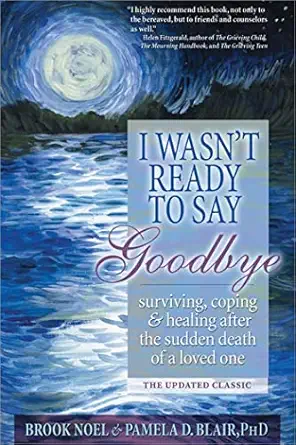
9. I Wasn’t Ready to Say Goodbye: Surviving, Coping and Healing After the Sudden Death of a Loved One by Brook Noel and Pamela D. Blair
While not strictly a Christian devotional, this grief companion includes spiritual reflections alongside practical coping strategies. The book addresses the unique trauma of sudden loss through short, manageable sections perfect for shock and brain fog.
Many readers use it alongside more scripture-focused devotionals, appreciating its validation of the physical and emotional symptoms of traumatic grief.
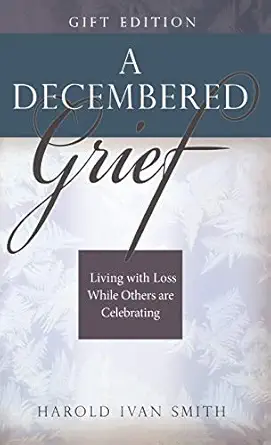
10. A Decembered Grief: Living with Loss While Others Are Celebrating by Harold Ivan Smith
This devotional addresses the specific pain of grieving during holidays and celebrations. While focused on December, the principles apply to birthdays, anniversaries, and other milestone days.
Smith offers 31 daily readings with scripture, stories, and practical suggestions for navigating celebrations when your heart is breaking.
Keep this one for returning to each year when the calendar brings fresh waves of grief.
Conclusion
After reviewing these devotionals, Healing After Loss by Martha W. Hickman stands out as the most helpful companion for the widest range of grievers.
The 365-day format gives you steady support through the entire first year when grief ambushes you repeatedly.
Each entry stays brief enough for foggy mornings but substantial enough to anchor your day. The ecumenical approach welcomes readers from various Christian traditions while the wisdom spans Scripture, poetry, and philosophy in ways that feel life-giving rather than preachy.
What makes this devotional exceptional is how it confirms every stage and emotion without rushing you toward “acceptance” or “moving on.” One day acknowledges rage, the next sits with loneliness, another celebrates tiny moments of relief. Hickman understands grief isn’t linear.
The quotes that open each meditation often articulate feelings you couldn’t name yourself, followed by gentle reflections that help you see God’s presence in the darkness.
You can start this devotional any day of the year, not just January 1st or immediately after loss. Many readers keep it for years, returning to favorite entries during anniversaries or fresh waves of grief.
The book becomes a trusted friend who shows up consistently, never demanding more than you can give.
If Healing After Loss resonates with what you need right now, order your copy and commit to reading one entry each morning with your coffee or tea. Mark passages that speak to you.
Write in the margins.
Let this book become part of your healing ritual. Consider ordering a second copy for a friend who’s grieving, sometimes the most meaningful gift is knowing someone else understands the long road ahead.
Your grief deserves companion support. These devotionals offer that through the authority of Scripture and the comfort of shared experience.
Start with one.
Give yourself permission to absorb wisdom slowly. Watch for small shifts as daily reading creates space for processing pain and discovering hope doesn’t mean forgetting your loved one, it means learning to carry both love and loss forward together.
Get Healing After Loss on Amazon here
Frequently Asked Questions
How soon after a loss should I start using a devotional?
Start whenever you feel ready. Some people find structure helpful immediately, using short daily readings as an anchor when everything feels chaotic.
Others need weeks or months before they can focus enough to read.
There’s no wrong timeline. If you pick up a devotional and it feels like too much, set it aside and try again later.
Many grief counselors suggest having one available even if you don’t use it right away, so it’s there when you need it.
The devotionals listed here work at any stage, early shock, middle processing, or years later when anniversary grief hits.
Can devotionals replace grief counseling or therapy?
Devotionals complement but don’t replace professional support. They offer spiritual comfort and biblical perspective, which matters deeply for many people.
But complicated grief, trauma, depression, or suicidal thoughts need trained mental health professionals.
Think of devotionals as one tool in your healing toolkit alongside counseling, support groups, trusted friends, and time. The best approach often combines spiritual resources with psychological support.
Several authors in this list, like Nancy Guthrie, specifically encourage readers to seek counseling alongside faith resources.
What if reading about God’s love makes me angry because He didn’t prevent my loss?
That anger is normal and even biblical. Books like Dark Clouds, Deep Mercy and A Grief Observed give permission to voice those hard feelings directly to God.
The Psalms themselves are full of people shouting accusations at God.
Authentic faith makes room for rage, confusion, and feeling betrayed. Devotionals that thank this reality (rather than offering only cheerful platitudes) help more than ones that skip past the darkness. Let yourself read C.S.
Lewis wrestling with whether God is a cosmic sadist.
Watch how the Psalmists scream at heaven. Honest anger often becomes the pathway back to trust, but rushing past it doesn’t help.
Do these devotionals work for sudden, traumatic loss versus expected death?
Both types of loss need support, but some devotionals address sudden death specifically. I Wasn’t Ready to Say Goodbye and similar books thank the unique trauma and shock of unexpected loss.
Expected death (like after long illness) carries different challenges around caregiver exhaustion, anticipatory grief, and sometimes guilt about feeling relief.
Most devotionals on this list work for both situations, but pay attention to descriptions noting focus on sudden loss or specific circumstances. The core scriptures about God’s comfort and presence apply universally, even though your specific experience of grief differs.
Can I use these if I’m not very religious or my faith is shaky right now?
Yes. Grief often shakes faith, even for deeply religious people.
Several books here (Healing After Loss, A Grief Observed) welcome doubters and questioners.
They don’t need you to pretend faith feels easy or God feels near. Start with devotionals that emphasize lament and honest questioning rather than only triumphant declarations.
You might also appreciate the ones drawing heavily from Psalms, since those ancient prayers include plenty of “Where are you, God?” and “Why have you abandoned me?” The biblical writers themselves sometimes felt faith waver.
Reading their struggles can help rebuild yours gradually.
Should I read straight through or skip around to entries that match how I’m feeling?
Either approach works. Sequential reading provides structure and covers the full range of grief experiences over time.
But some days you need a specific focus, loneliness, anger, fear about the future.
Most devotionals include topic indexes or tables of contents that let you jump to relevant entries. Many readers do both: follow the daily sequence generally and flip to specific topics when emotions surge.
Mark entries that particularly help so you can return to them.
Treat these books as resources to use flexibly rather than rigid assignments to finish.
How do I handle devotionals mentioning reuniting in heaven if I’m not sure my loved one was a Christian?
This question causes deep pain for many grievers. Unfortunately, there’s no simple devotional answer to the theological questions about salvation and eternity.
Some books address this directly with pastoral sensitivity, while others assume Christian faith in the deceased. If this is your situation, you might benefit from talking with a pastor or spiritual director who can explore your specific concerns and your tradition’s teaching on these matters.
Focus on devotionals emphasizing God’s mercy, justice, and love rather than ones heavily focused on reunion imagery. Remember that you don’t have to agree with every word to benefit from the comfort Scripture offers about God’s presence with you now in your grief.
Find out more of our Recommended Christian Grief Devotionals and Books; visit: https://illuminatedresources.com/best-christian-grief-devotionals-and-books-for-grief-ambiguous-loss-regret-and-reinvention-after-loss/