
A common mistake many Christian parents make is assuming that taking their teenager to church every Sunday and youth group on Wednesdays will automatically build lasting faith. However, if you can create intentional faith conversations in your everyday moments at home, you get teens who own their beliefs as opposed to just inherit them.
You might think this requires formal Bible study time or perfect theological knowledge on your part. Instead, the approach used in these carefully selected books focuses on building genuine relationships first, then layering in scriptural truth through natural discussions.
The wisdom inside comes from youth ministry veterans, Christian counselors, and parents who’ve walked this road before you.
After reading through these options, you’ll have specific tools to address everything from screen addiction to faith doubts to setting boundaries without damaging your connection. Some parents believe they need to have all the answers before starting deeper conversations with their teens.
That couldn’t be more wrong.
You can separate being the perfect parent from being the present parent your teen actually needs.
These books help whether you’re dealing with a compliant child entering adolescence or navigating full-blown teenage rebellion. The core principles of grace-based, gospel-centered parenting prove effective across all personality types and family situations.
Often, the relational breakthroughs from applying just one chapter can multiply what you gain from years of conventional discipline approaches.
Sometimes, far better.
The Books
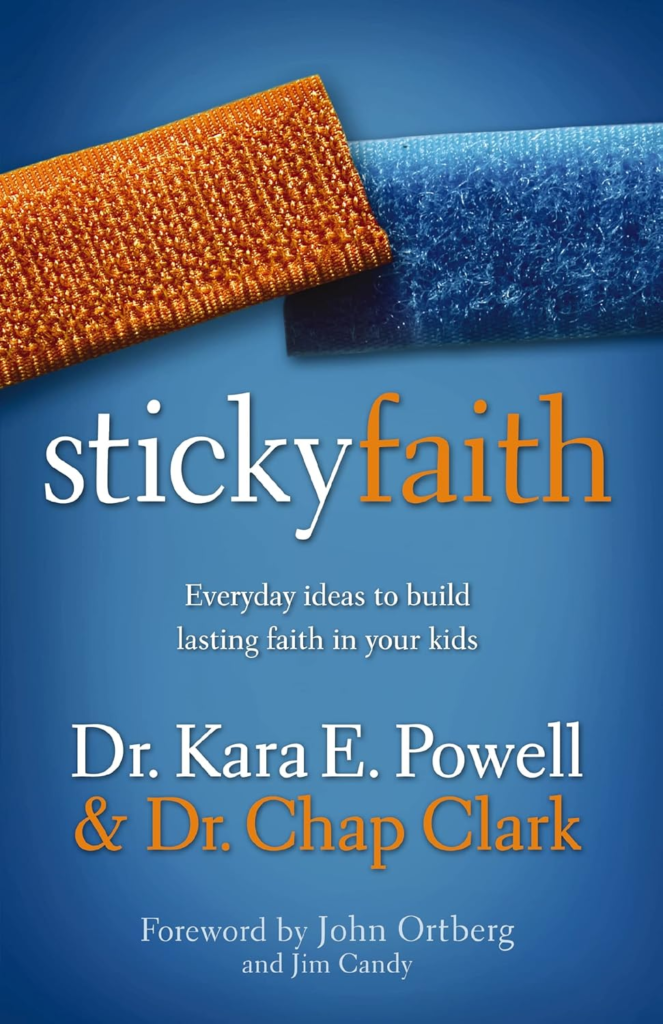
1. Sticky Faith: Everyday Ideas for Building Lasting Faith in Your Kids by Kara Powell and Chap Clark
Research from Fuller Youth Institute reveals that nearly half of Christian teens drift from their faith after high school. This book tackles that crisis head-on with data from surveys of thousands of teenagers and practical strategies you can apply today.
Powell and Clark explain how surface-level Christianity built only on youth group attendance crumbles under pressure.
They provide actionable steps like creating family faith rituals, asking better questions instead of giving lectures, and building intergenerational relationships at church. The approach moves beyond getting behavioral compliance to cultivating genuine spiritual maturity that lasts.
2. The 5 Love Languages of Teenagers by Gary Chapman
Chapman adapts his proven love languages framework specifically for the teenage years. Your teen might seem to reject every expression of love you offer, but that usually means you’re speaking the wrong language.
This book includes assessment tools to identify whether your teen receives love through words of affirmation, quality time, gifts, acts of service, or physical touch.
When you start communicating care in their native language, walls come down. The biblical foundation reminds you that love is a choice and an action, not just a feeling.
Families report dramatic improvements in their ability to connect even with the most distant teenagers.

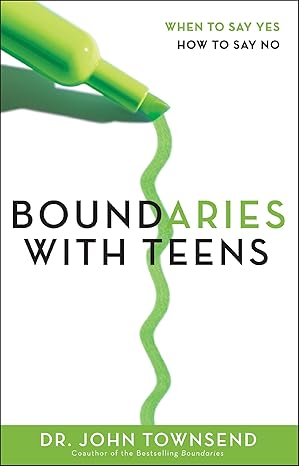
3. Boundaries with Teens: When to Say Yes, How to Say No by Dr. John Townsend
Setting suitable limits without crushing your teenager’s spirit requires wisdom many parents lack. Townsend brings his counseling expertise to common struggles like curfews, dating standards, technology use, and disrespectful behavior.
Each chapter tackles specific scenarios with biblical principles and practical scripts you can adapt. The book teaches you to enforce consequences with empathy as opposed to anger.
You learn when to hold firm and when flexibility shows grace. Parents struggling with either permissiveness or rigidity find a balanced path forward that prepares teens for responsible adulthood.
4. Parenting: 14 Gospel Principles That Can Radically Change Your Family by Paul David Tripp
Tripp shifts your perspective from managing behavior to shaping hearts. His 14 principles include identity, authority, mercy, process, and others that reframe daily parenting challenges.
Instead of seeing yourself as primarily a rule enforcer, you recognize your role as an ambassador representing Christ’s love.
The theology runs deep but stays accessible, helping you parent from gospel truth as opposed to cultural pressure or your own childhood wounds. Readers describe experiencing freedom from performance-based parenting and discovering joy in the messy process of raising kids who don’t have it all figured out yet.

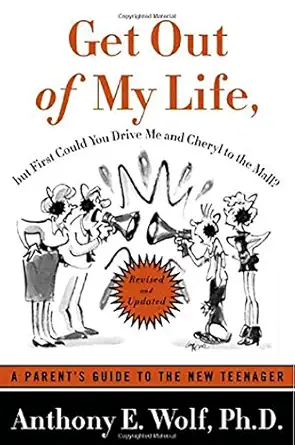
5. Get Out of My Life, but First Could You Drive Me and Cheryl to the Mall? By Anthony Wolf
Wolf combines humor with hard-won wisdom about teenage development. The title captures the contradiction of adolescence perfectly.
Your teen simultaneously pushes for independence while still needing you constantly.
This book explains the biological and psychological changes happening in the teenage brain that drive seemingly irrational behavior. While not exclusively Christian, the principles align with biblical wisdom about patience, understanding, and consistent love.
Parents appreciate the realistic scenarios and specific suggestions for handling everything from messy rooms to serious rule violations without destroying the relationship.
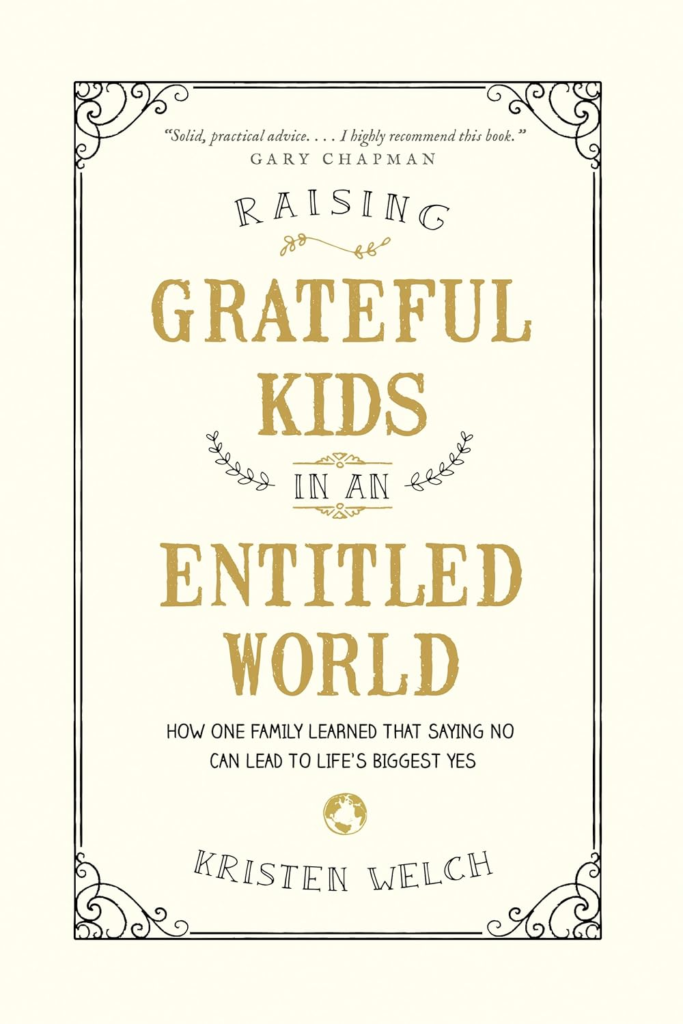
6. Raising Grateful Kids in an Entitled World by Kristen Welch
Modern consumer culture breeds entitlement in children who have access to everything. Welch shares her family’s pathway of intentionally fighting that tide with gratitude practices rooted in Scripture.
She talks the struggle of saying no when everyone else says yes, teaching kids to work for what they want, and exposing them to needs beyond their comfortable bubble.
Her vulnerable stories about her own mistakes and course corrections make this feel like advice from a trusted friend. Families who apply these principles report teens who genuinely appreciate what they have and develop servant hearts.
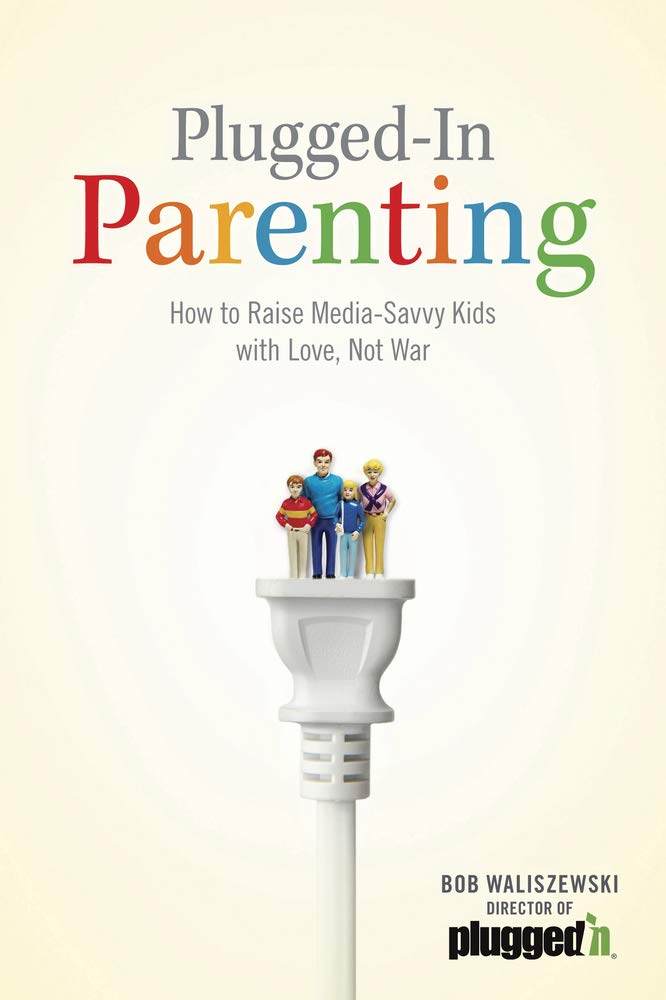
7. Plugged-In Parenting: How to Raise Media-Savvy Kids with Love, Not War by Bob Waliszewski
Waliszewski spent years reviewing movies, music, games, and shows for Focus on the Family’s Plugged In ministry. This book equips you to guide as opposed to simply ban media choices.
You learn to ask discerning questions about content that help teens assess entertainment through a biblical worldview.
The approach builds critical thinking skills instead of just compliance that disappears when they leave home. Specific tools include media contracts, recommended filtering software, and conversation starters tied to popular shows.
Parents find this dramatically reduces battles over screens while actually improving the quality of content their teens consume.
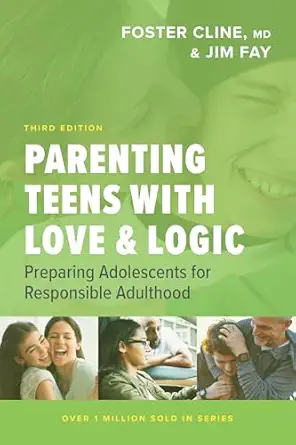
8. Parenting Teens with Love and Logic by Foster Cline and Jim Fay
The love and logic approach teaches through natural consequences as opposed to lectures. You set clear boundaries, offer choices within those boundaries, and then allow teens to experience the results of their decisions.
This biblical principle of reaping what you sow prepares kids for real-world responsibility.
Cline and Fay provide scripts for common situations so you can respond with empathy instead of anger when your teen makes poor choices. The method reduces power struggles because you’re not trying to control everything.
Instead, you create opportunities for learning that build competence and wisdom.
9. Your Teenager Is Not Crazy: Understanding Your Teen’s Brain Can Make You a Better Parent by Jeramy and Jerusha Clark
The Clarks unpack recent neuroscience about adolescent brain development through a Christian lens. When you understand that the prefrontal cortex governing impulse control and decision-making isn’t fully developed until the mid-twenties, teen behavior makes more sense.
The book explains how hormones, peer influence, and brain wiring combine to create the perfect storm of adolescence.
Rather than feeling like failures when your before compliant child becomes difficult, you gain compassion and realistic expectations. The practical strategies align with how God designed teenagers to grow, making your parenting more effective and less frustrating.

10. The DNA of Parent-Teen Relationships by Gary Smalley and Greg Smalley
This father-son collaboration brings both research and personal experience to strengthening family bonds. The Smalleys identify core elements of healthy relationships like honor, security, and meaningful communication.
They include assessment tools to assess your current relationship and specific strategies to improve weak areas.
The biblical foundation emphasizes that relationships require intentional effort and regular maintenance. Families who apply the suggested activities report moving from constant conflict to genuine friendship with their teenagers.

Frequently Asked Questions
What’s the single most important thing I can do to keep my teen’s faith strong?
Model authentic faith yourself as opposed to just enforcing religious behavior. Teens spot hypocrisy instantly and shut down when they see parents who talk about God on Sunday but live no differently than non-Christians the rest of the week.
Share your own struggles, doubts, and growth as opposed to pretending you have it all together.
Let them see you reading Scripture for guidance, praying about real decisions, and depending on God’s grace when you fail. Several books on this list, particularly Parenting by Paul David Tripp and Sticky Faith, emphasize that relationship quality matters more than program attendance when it comes to lasting faith.
How do I set boundaries around technology without constant fighting?
Start with collaborative conversations as opposed to dictating rules. Sit down with your teen and discuss specific concerns like sleep disruption, displaced family time, or inappropriate content.
Ask for their input on reasonable limits and consequences.
When teens help create the rules, they’re more likely to follow them. Plugged-In Parenting and Right Click both provide sample technology contracts you can adapt. Consider using accountability software that both of you can access as opposed to secret monitoring that damages trust.
Build in exceptions for special occasions so rules don’t feel arbitrary.
The key is making this about wisdom and self-control as opposed to your authority and their compliance.
My teenager won’t talk to me about anything important anymore. How do I rebuild connection?
Stop trying to have serious talks and instead create shared experiences without pressure to communicate. Go for walks, work on projects together, drive them places they need to go, or engage in activities they enjoy.
Conversation flows more naturally during side-by-side activities than face-to-face confrontations.
When they do open up, listen without immediately trying to fix, fix, or give advice. The DNA of Parent-Teen Relationships and Love Her Well both emphasize that connection comes before correction.
Sometimes you need to absorb months of relationship deposits before making any withdrawals in the form of difficult conversations.
Be patient and consistently available without being pushy.
How do I know if my teen’s behavior is normal adolescent stuff or something that needs professional help?
Warning signs that suggest you need outside help include dramatic personality changes that continue for weeks, withdrawal from all before enjoyed activities, extreme mood swings beyond typical teen moodiness, self-harm, substance use, suicidal thoughts, eating disorder behaviors, or complete refusal to follow any household rules. Trust your parental instinct when something feels seriously wrong.
Books like Your Teenager Is Not Crazy help you understand what’s developmentally normal, but they’re not substitutes for professional assessment when you’re concerned. Don’t hesitate to contact a Christian counselor who specializes in adolescents for an evaluation.
Early intervention prevents small issues from becoming major crises.
These books all sound great, but I don’t have time to read. What should I do?
Start with just 10 minutes before bed or during lunch break. Most chapters in these books run 10-15 pages, so you can finish one per week with minimal time investment.
Consider audiobook versions for your commute if you drive regularly.
Better yet, read one book with your spouse and discuss it together, dividing chapters between you if needed. Even implementing insights from a single chapter creates positive change. Boundaries with Teens works particularly well as a reference book you can grab when specific issues arise as opposed to reading cover to cover.
Focus on progress over perfection.
Reading one book this year puts you ahead of where you’d be reading none.
My teen is already in serious rebellion. Is it too late for these books to help?
These resources can still provide valuable guidance, but serious rebellion often requires extra support. Tough Guys and Drama Queens specifically addresses crisis situations and walking back from the edge of disaster.
Consider combining book wisdom with family counseling, involvement from church leaders, or for severe cases, consultation about specialized programs.
The principles of grace-based parenting, consistent boundaries, and pursuing relationship over control apply even in difficult situations. Many parents of prodigal teens report that backing off from intense control while maintaining steady love eventually creates openings for restored relationship.
Don’t give up hope.
The teen years aren’t over until they’re over, and stories of dramatic turnarounds happen regularly.
Should I try to get my teen to read any of these books with me?
Some teens will engage with parent-teen books designed for joint reading, while others resist anything that feels like forced improvement. The 5 Love Languages of Teenagers includes quizzes teens often find interesting because they reveal something about themselves.
You might share specific insights that resonated with you without asking them to read the whole book.
Try something like, “I was reading about teenage brain development and learned your prefrontal cortex won’t be fully developed until your mid-twenties. That actually made me understand some things better.” Casual sharing of helpful concepts works better than assigning reading as homework. Focus on changing your own responses first.
When teens notice you parenting differently, they become curious about why.
Find out our Recommended Christian Books for Women; visit: https://illuminatedresources.com/best-christian-books-for-women-where-to-start-amazon-category-tour-how-to-find-gems/