Real tools for building spiritual habits that stick, whether life feels calm or chaotic.
If your past experiences have taught you that connecting with God is inconsistent, hard to maintain, or only possible when life feels stable, you might unknowingly be choosing spiritual practices that reinforce those beliefs.
So how do you change this pattern? It starts with putting a stop to blaming busy schedules or difficult seasons.
You need to create simple, repeatable rhythms that work with your actual life, not some idealized version of it.
Your daily environment and the tools you keep within reach are key drivers of your spiritual consistency. They are basic elements that promote showing up, even when motivation feels thin. When you encounter a season that displays unpredictable stress, loss, or overwhelming busyness, does your anxiety increase, but your ability to hear God and your sense of spiritual groundedness also shift. The inconsistent nature of your circumstances triggers stress responses in you, making it harder to maintain practices during the moments you need them most.
The feeling of “needing to figure it all out first” creates a cycle that keeps you stuck.
This dynamic can lead to a difficult pattern that has little connection to genuine spiritual growth for your long-term walk with God.
The encouraging part is this: you can build steady spiritual habits with the right support. Physical tools matter more than you might think.
A good book within arm’s reach, a journal that feels pleasant to write in, or a comfortable space that signals “this is where I meet with God” can make the difference between giving up after three days and still showing up six months later.
This list includes 18 actual Amazon products that support abiding through every season. These aren’t just nice ideas.
They are practical resources you can order today and start using tomorrow, whether you’re navigating grief, transition, doubt, busyness, or simply wanting to go deeper.
Products for Abiding Through Every Season
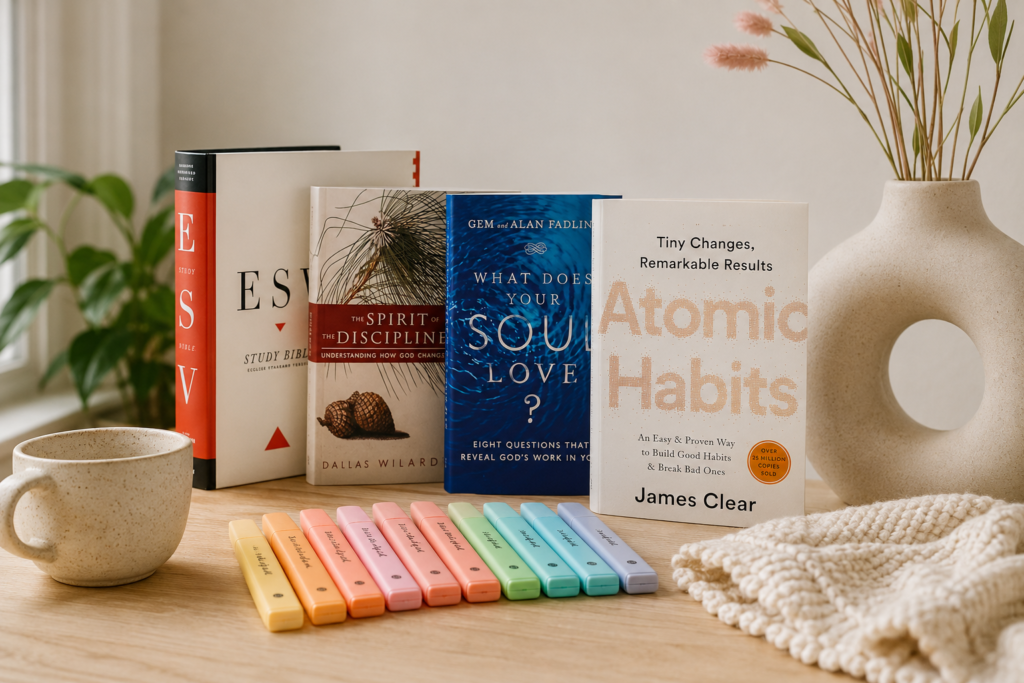
1. ESV Study Bible (Hardcover)
When your own understanding of Scripture feels shallow or confusing, a solid study Bible gives you depth. The ESV Study Bible includes thousands of notes, maps, timelines, and articles that connect ancient text to modern situations.
You can use it for daily reading, sermon follow-up, or when questions come up in conversations.
It’s particularly helpful during seasons of doubt or transition when you need more than surface-level answers.

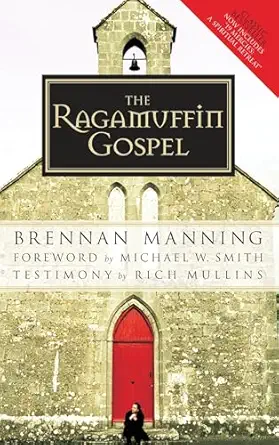
2. The Ragamuffin Gospel by Brennan Manning
This book speaks directly to anyone feeling worn out, ashamed, or spiritually inadequate. Manning writes about grace for tired, imperfect people in a way that feels honest as opposed to preachy.
You might keep it on your nightstand for the days when you need a reminder that God’s love is for you right now, not for some improved future version.
Many readers revisit it across different life stages and find new comfort each time.
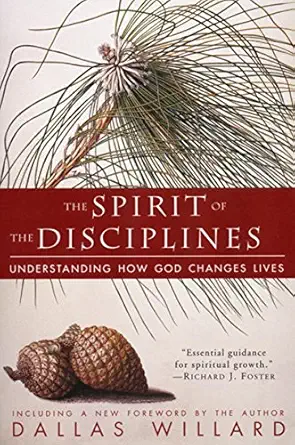
3. The Spirit of the Disciplines by Dallas Willard
To understand how spiritual practices actually reshape a life, this book provides a thoughtful framework. Willard explains disciplines like solitude, fasting, and service in everyday language, showing how they fit into modern routines.
You can use it to design a realistic “rule of life” that matches your current season as opposed to copying someone else’s ideal schedule.
4. Holy Noticing by Charles Stone
Abiding often comes down to noticing God in present moments. This book blends neuroscience, Scripture, and practical exercises to help you slow down and become aware.
It offers simple practices like breathing prayers and mindful pauses that fit into commutes, lunch breaks, or bedtime routines.
The exercises are short enough to feel doable when life gets intense.

5. What Does Your Soul Love? By Gem & Alan Fadling
This reflective guide is built around eight questions that help you notice what God is doing beneath the surface of your life. It covers themes like desire, resistance, vulnerability, and transformation.
You can take one question at a time over a month, journaling your responses and watching for patterns.
It works well when you sense God is doing something you can’t quite name yet.

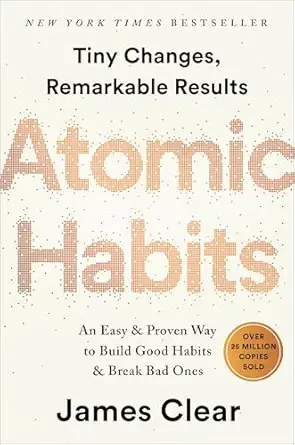
6. Atomic Habits by James Clear
This isn’t a Christian book, but it’s one of the clearest guides on building habits that stick. You can apply its principles directly to spiritual rhythms.
Set up a visible cue for prayer, make your Bible easier to reach than your phone, or break quiet time into tiny steps you can manage when exhausted. The framework translates beautifully to faith practices.
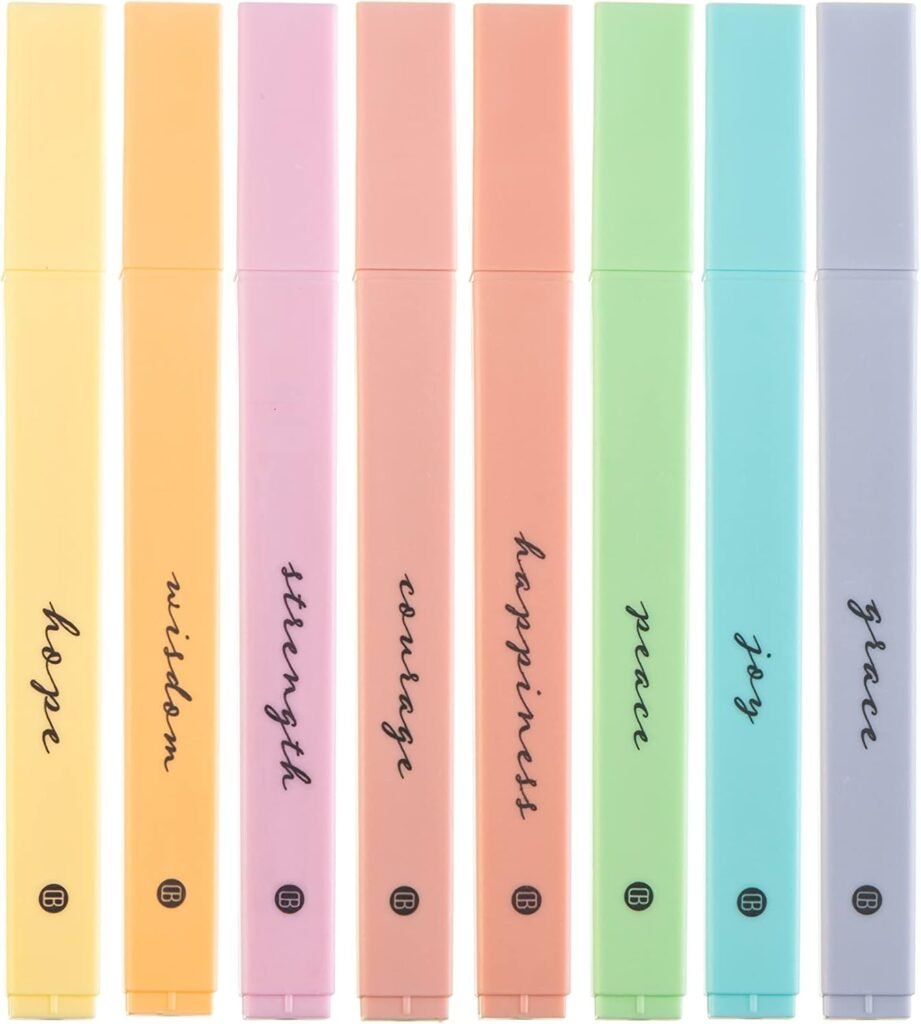
7. Bible Highlighters (No-Bleed, Pastel Set)
Gentle highlighters designed for thin Bible pages let you mark verses without damage. You can assign colors for different themes like God’s character, promises, commands, or prayers.
This gives your reading direction and helps you find comfort quickly when you need it.
Many Amazon kits come in soft tones specifically for Bible study.
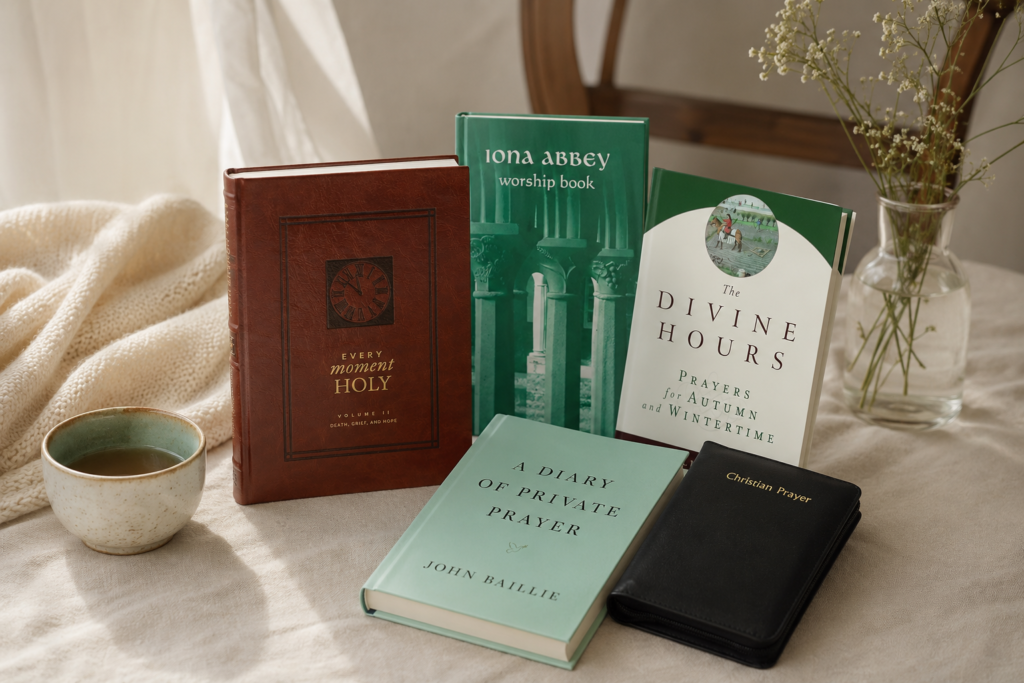
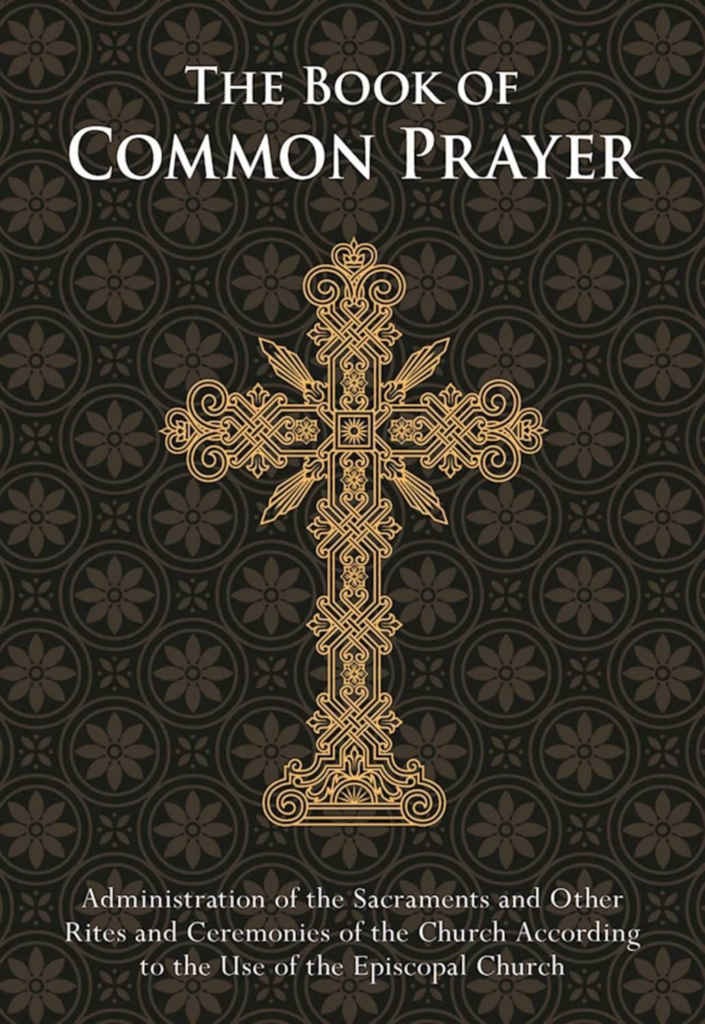
8. Liturgical Prayer Book
Set prayers can anchor you when your own words feel stuck. A liturgical prayer book offers morning, evening, and occasional prayers for everyday experiences including grief, work transitions, and celebration.
Keep it on your nightstand or kitchen table and use one short prayer daily.
The words can carry you until your heart catches up.
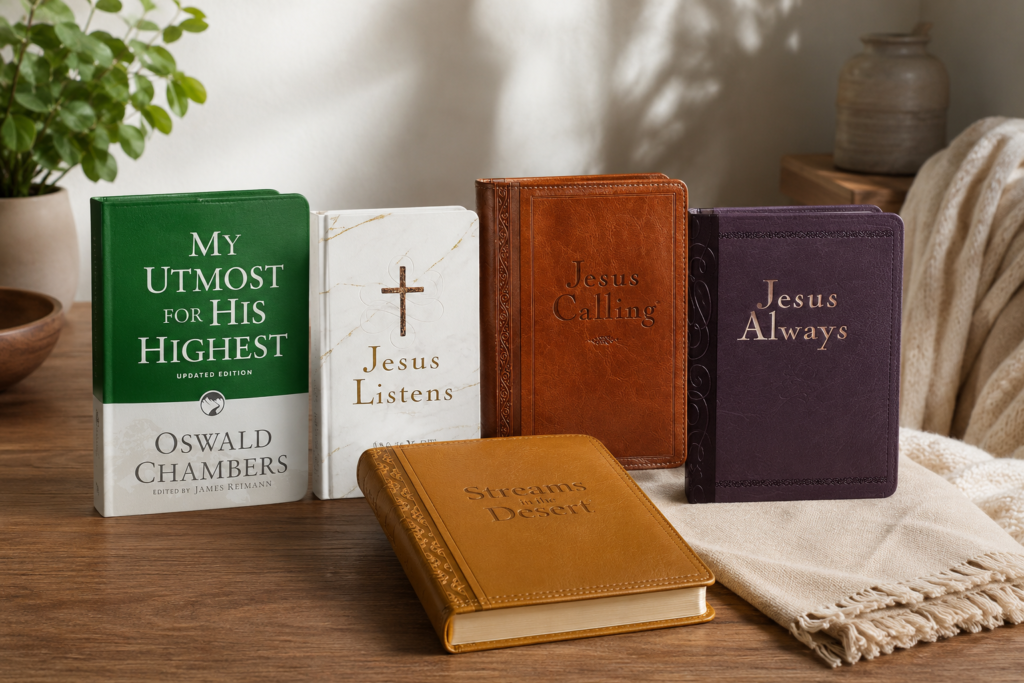
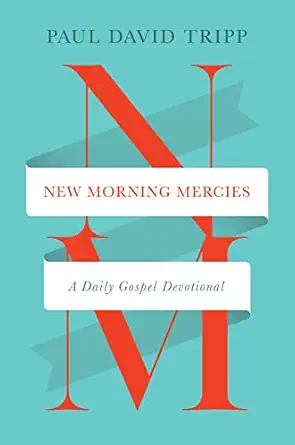
9. New Morning Mercies Daily Devotional
A one-page daily devotional helps when your capacity feels limited but you still want daily connection. New Morning Mercies provides a short reading, Scripture reference, and thought to carry into your day.
This can be your anchor on busy mornings or during seasons of sorrow when deep study feels too hard.
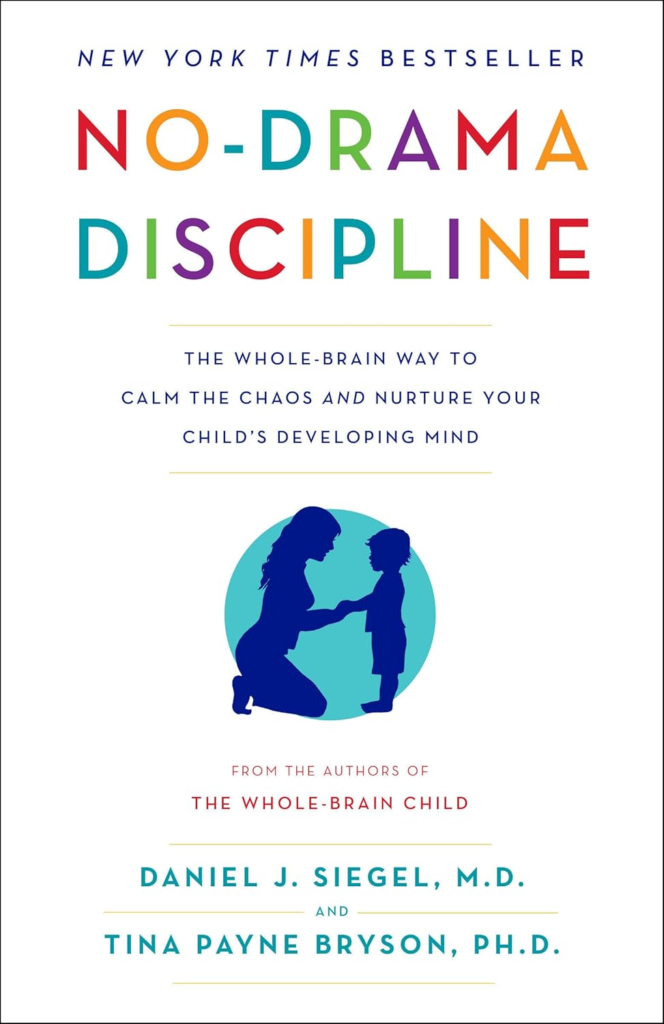
10. No-Drama Discipline by Siegel & Bryson
When your current season includes raising children, chaos at home can make abiding with God feel distant. This book offers a brain-based approach to calming storms and responding thoughtfully as opposed to reactively.
Using its tools lowers stress and conflict, which indirectly supports your ability to pray, listen, and maintain emotional resilience.
Frequently Asked Questions
How do I build spiritual habits that actually last longer than a few weeks?
People often start strong with new spiritual routines and fade quickly. Research on habit formation suggests that starting small, attaching a habit to an existing routine, and making it easy and satisfying dramatically increases the chance it will stick.
You can apply ideas from Atomic Habits to spiritual practices. Pick one very small practice, such as reading one verse or praying for two minutes.
Attach it to something you already do, like brushing your teeth or making coffee.
Keep your tools visible by placing your Bible or journal where you sit each morning. Celebrate small wins instead of waiting for perfection.
This approach respects your current season, whether busy or heavy, and let’s habits grow slowly as opposed to forcing a big jump that won’t last.
What helps most when my season includes grief or deep loss?
Grief is something you walk through with gentle support, not something you fix quickly. Emotional resilience research emphasizes acknowledging feelings, connecting with others, and giving yourself time.
Practically, you might use a simple journal to name what you feel each day. Create a small nightly ritual with soft light, a weighted blanket, and a short prayer from a liturgical book.
Read authors who write honestly about suffering and hope, such as Brennan Manning.
The goal is not to force yourself out of grief but to avoid isolation and numbness, so you can keep moving gently forward with God.
How can I stay close to God when life is extremely busy?
Busy seasons often require shrinking practices instead of abandoning them. Short, frequent touches with God are better than long ideal sessions you never reach.
Studies on mental toughness and emotional resilience highlight the value of brief daily mindfulness, healthy routines, and realistic thinking.
You can use a one-page devotional each morning for three to five minutes. Pray a short set prayer while walking from one place to another.
Keep Scripture visible in your workspace using sticky notes or a small card.
Practice one-minute breathing prayers during transitions. These tiny practices keep the relationship alive across busy days without demanding large blocks of time you don’t have.
What does emotional resilience have to do with abiding in God?
Emotional resilience is your ability to cope with stress, adapt to change, and recover from difficult experiences. Abiding in God through every season often involves meeting these experiences with honesty and trust instead of denial or avoidance.
When you work on resilience skills like naming your feelings, practicing self-compassion, building supportive relationships, and keeping healthy routines, you make it easier to notice God’s presence, hear Scripture, and respond to his invitations. Emotional resilience doesn’t replace faith.
It creates a healthier inner environment where faith can grow without being constantly derailed by overwhelm.
How can I involve my home environment in my spiritual life without making it feel forced?
Subtle, gentle cues can help your body recognize spiritual moments without feeling artificial. Research on wellness and resilience notes the role of physical space, rest, and calming routines.
You might use a salt lamp and diffuser to mark evening prayer time. Keep a Bible and journal in a basket by the couch.
Hang one simple verse in a place you often look.
Set aside one chair as your quiet place with a blanket and a small table. These small touches create a sense of sanctuary inside ordinary life as opposed to pushing faith into a separate, rigid corner that feels disconnected from real life.
What should I do when I feel spiritually numb or disconnected for a long stretch?
Numb seasons are common and often misunderstood. Emotional and spiritual resilience work points to a few helpful responses.
Stay gently engaged by keeping one tiny daily practice, such as a short psalm or a simple breath prayer, even when it feels dry.
Allow your feelings by using a journal to write honestly without trying to fix yourself immediately.
Lean on other people’s words through set prayers, liturgical books, or songs when your own words feel gone. Support your body through sleep, movement, and reduced digital noise to help your nervous system reset, which can slowly open space for spiritual sensitivity again. You’re not failing in your faith when you feel numb.
Often, God is quietly at work beneath the surface, and your job is simply to stay available.
How do I choose where to start with all these resources?
Instead of trying to use everything, match one or two tools to the season you’re now in.
If you feel burnt out or ashamed, start with The Ragamuffin Gospel and a simple journal. If you’re busy and scattered, pick a one-page devotional and Atomic Habits to adjust your rhythms.
If you’re grieving or anxious, mix a weighted blanket, a liturgical prayer book, and short daily journaling.
If you’re questioning or doubting, begin with Making Sense of God or Reasonable Faith alongside your Bible.
Order your chosen resource from Amazon, commit to using it in a simple way for one month, and let that month be an experiment in abiding as opposed to a test of your performance. You can always add more resources later as you uncover what actually helps.
Find out our Recommended Christian Resources to Grow Spiritually During Midlife; visit: https://illuminatedresources.com/christian-resources-to-grow-spiritually-during-midlife/