Here’s how journaling can deepen your spiritual practice, process midlife transitions, and reconnect you with your inner wisdom.
If your early experiences have taught you that spiritual growth is complicated, needs intense effort, or only happens through formal religious structures, you might unknowingly be avoiding the simple practices that could improve your midlife journey.
How do you change this pattern? It starts with picking up a pen and creating space for daily reflection through journaling.
Journaling is a key regulator of your emotional and spiritual processing, and it’s one of the most accessible tools that promote self-discovery and inner growth.
When you experience a midlife transition that shows uncertainty, confusion, or restlessness, does your anxiety increase, but your sense of purpose and clarity also reduce. The unpredictable nature of midlife changes triggers stress responses in your mind and body.
This produces scattered thinking during moments of transition, while the feeling of “needing to find answers immediately” creates overwhelm that blocks spiritual insight.
This cycle can lead to a disconnected relationship with your inner self that has little connection to genuine spiritual growth or lasting peace.
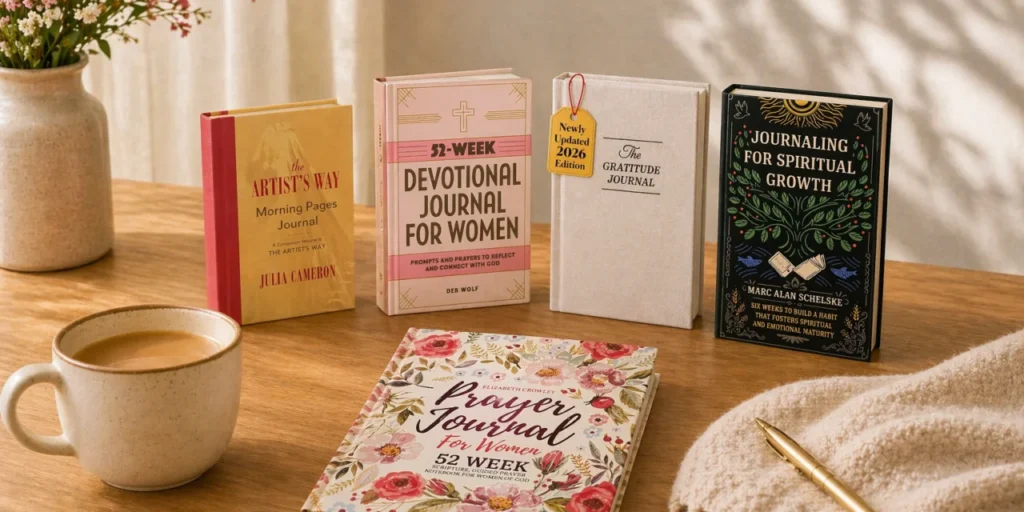
The journaling products below range from guided journals with daily prompts to blank notebooks for free-flowing thoughts, plus audiobooks and accessories that make the practice sustainable. You’ll find options for Christian faith-based reflection, Buddhist-inspired mindfulness, secular spiritual exploration, and everything in between.
Prices range from under $10 to around $40, with most products rated 4.5 stars or higher by thousands of users who credit journaling with reducing midlife anxiety, clarifying life purpose, and deepening their connection to something greater than themselves.
Whether you’re navigating empty nest syndrome, career changes, health challenges, or simply feeling called to explore your spiritual side more deeply, these tools turn abstract feelings into concrete insights you can build on.
Guided Journals for Daily Spiritual Practice
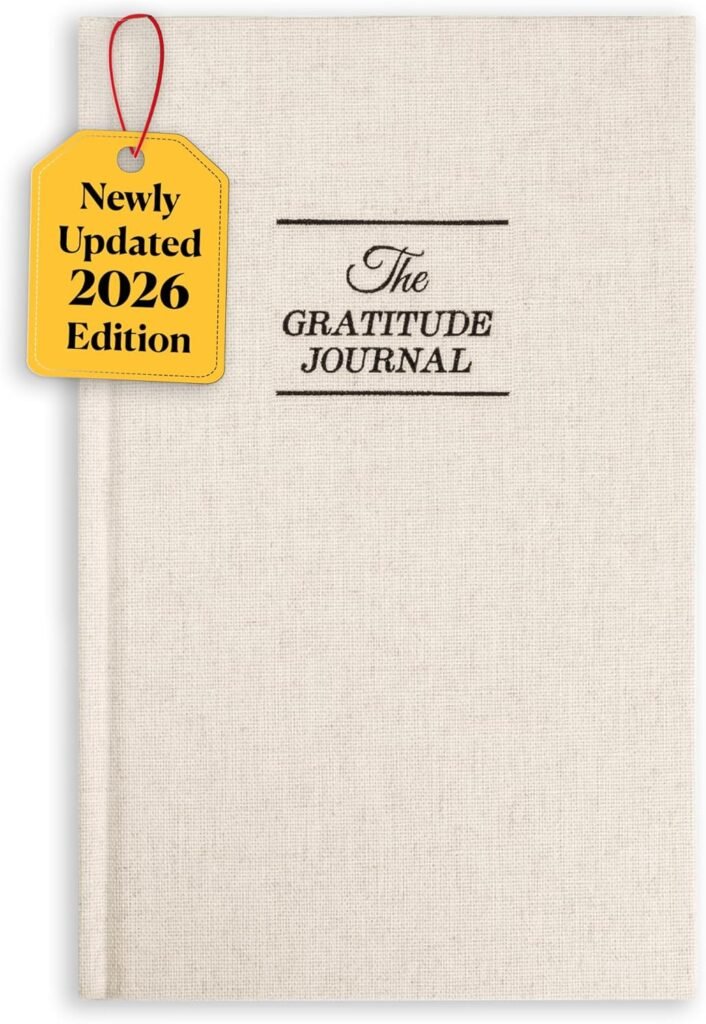
1. The Five Minute Journal
This structured journal gives you morning and evening prompts that take five minutes total. You start each day with gratitude and intention-setting, then end with reflection on what went well.
The format works especially well during busy midlife when you want spiritual connection without lengthy time commitments.
Thousands of reviews mention reduced anxiety and increased appreciation for daily life after just a few weeks of consistent use.
2. The Artist’s Way Morning Pages Journal
Companion to Julia Cameron’s creativity classic, this unlined journal is designed for “morning pages,” three pages of stream-of-consciousness writing done first thing each morning. The practice clears mental clutter and opens channels to spiritual insight and creative inspiration.
Many midlifers report that morning pages helped them rediscover passions they’d buried under years of responsibility.

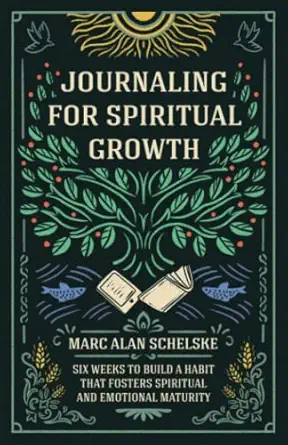
3. Journaling for Spiritual Growth by Marc Alan Schelske
Journaling for Spiritual Growth teaches you how to be present to your life and hear what the Spirit is doing within you. Through a gentle step-by-step process over six weeks, you’ll learn:
- Why diaries and goal tracking can’t transform us,
- What expectations undermine journaling’s effects,
- What mindsets and questions are most helpful for lasting growth,
- How structure can be a gentle friend,
- How to create a sustainable habit for your life and temperament.
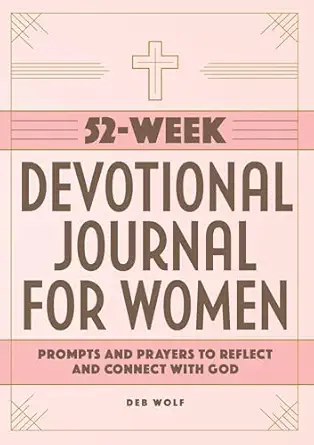
4. A Spiritual Growth Journal: 52 Weeks of Reflection and Guided Prompts
This undated journal provides weekly themes like patience, forgiveness, compassion, and trust, with daily prompts exploring each theme from different angles. The structure helps you go deeper into specific spiritual qualities as opposed to bouncing between random topics.
Users appreciate having a roadmap while still having freedom to respond authentically.
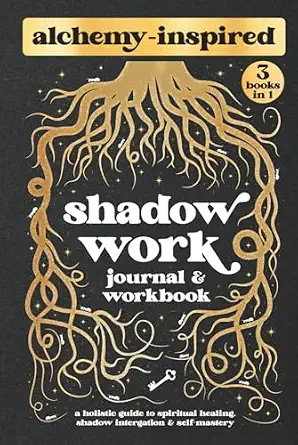
5. Shadow Work Journal and Workbook
Get the only Shadow Work Journal that uses the 3-Stage Alchemical Healing Method:
A soul-centered framework designed for complete emotional, spiritual and energetic transformation
This immersive 3-books-in-1 journey guides you beyond surface-level awareness and into full inner transformation. Each book centers on one stage of the alchemical process, and together leads you through a complete three-phase path of healing and integration
Prayer and Faith-Based Journals
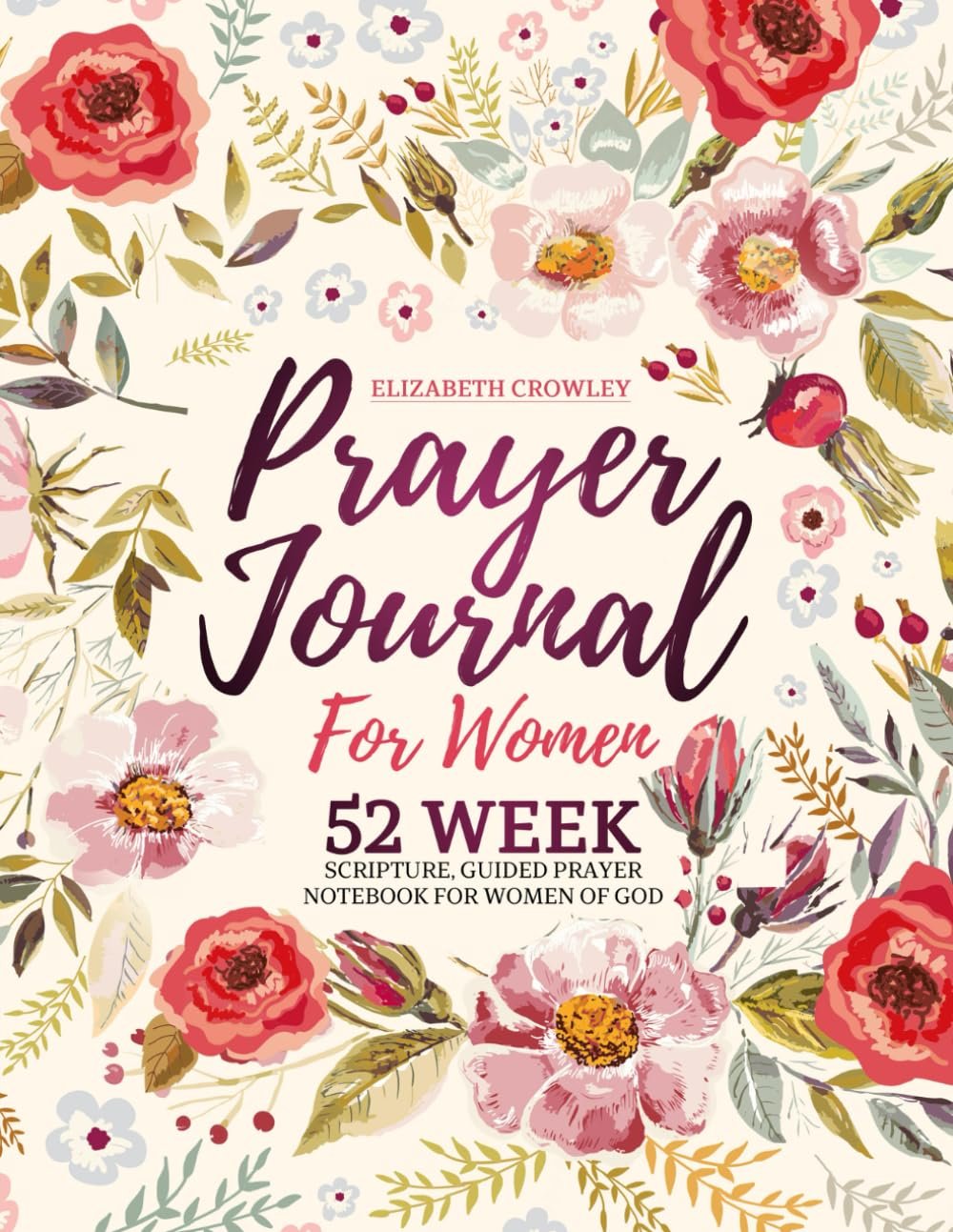
6. Prayer Journal for Women: 52-Week Scripture, Guided Prayer Notebook
This floral-designed journal provides weekly scripture verses with space to write prayers, track answers, and reflect on God’s movement in your life. The format builds faith by creating a visible record of answered prayers over time.
Reviewers mention how powerful it is to look back and see patterns they missed in the moment.
7. Lectio Divina Journal
Learn to pray with the Living Word of God using and ancient form of prayer with scripture called Lectio Divina! Record what you receive from the Lord in prayer so you can look back and see all the Lord has done! This journal includes a brief explanation of Lectio Divina, the steps for how to do it, and several journal pages with prompts you can use to record what you experience as you seek the Lord in His Living Word.

Blank Journals for Free-Form Spiritual Writing
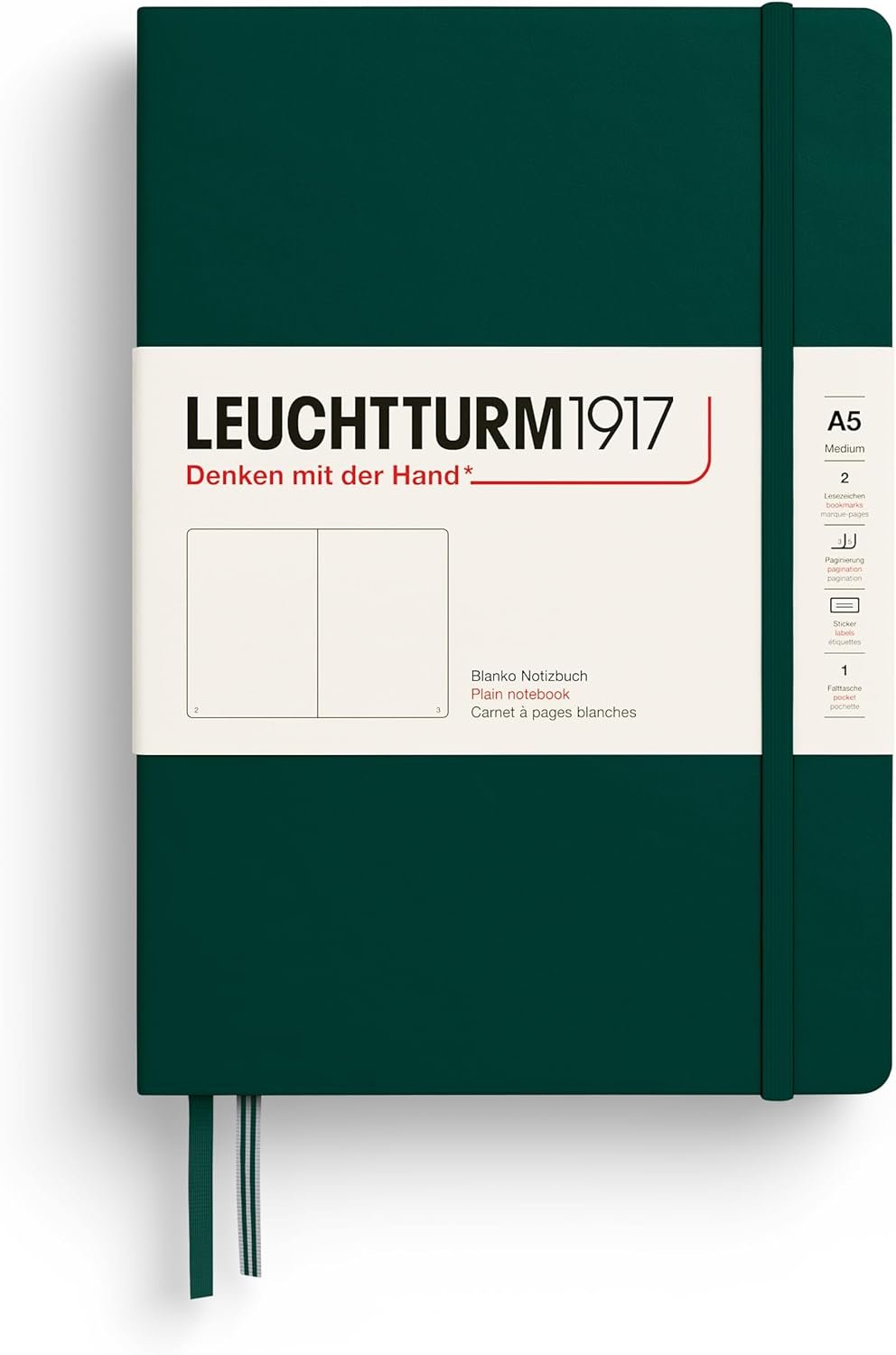
8. Leuchtturm1917 Hardcover Notebook (Medium A5)
This German-made notebook features numbered pages, a table of contents, and an elastic closure. The dot grid layout works for writing, sketching, or creating custom spiritual practice trackers.
The quality construction means it holds up to daily use over many months.
Many spiritual journalers appreciate having one trusted notebook that becomes a companion through an entire season of life.
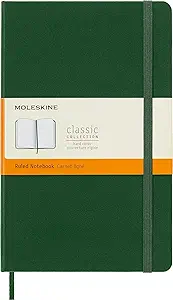
9. Moleskine Classic Notebook, Hard Cover
The legendary Moleskine notebook features acid-free paper that handles fountain pens beautifully, making the physical act of writing more pleasurable. Sometimes the sensory experience of quality paper and smooth ink flow enhances spiritual practice by grounding you in the present moment.
This is a blank canvas for whatever form your spiritual journaling takes.
My Top Pick and Why It Stands Out
From this collection, The Five Minute Journal is my strongest recommendation for most people navigating midlife spiritual growth.
Here’s why it works so well. Midlife brings competing demands on your time and attention.
You’re often balancing aging parents, launching young adults, career pressures, relationship changes, and your own health concerns.
The idea of adding another lengthy practice feels impossible, even when you genuinely want spiritual connection. The Five Minute Journal solves this by making the commitment manageable.
Five minutes is short enough that you can’t talk yourself out of it, but long enough to create meaningful reflection if you bring presence to it.
The structure also matters. Morning prompts set intention and cultivate gratitude before the day’s stress accumulates.
You’re asked what you’re grateful for, what would make today great, and a daily affirmation.
These questions orient your attention toward appreciation and possibility as opposed to anxiety about everything that needs doing. Evening prompts ask what amazing things happened and what could have made the day better.
This creates a habit of noticing goodness throughout the day because you know you’ll be recording it later, while the improvement question encourages growth without harsh self-criticism.
The consistency of the format builds a spiritual practice through repetition. You don’t waste energy deciding what to write about or worrying if you’re doing it right.
The prompts are simple enough that even on exhausted evenings you can finish them, which means the habit sticks.
Over weeks and months, you’ll notice patterns in what you’re grateful for, what makes days feel meaningful, and where you want to grow. This self-knowledge is the foundation of spiritual development.
Thousands of users report that this simple practice reduced anxiety, increased life satisfaction, and helped them feel more connected to purpose, exactly what midlife spiritual growth requires.
Start with The Five Minute Journal today and commit to 30 days. Set it on your nightstand so you see it first thing in the morning and last thing at night.
Keep a good pen with it so there’s no friction to starting.
You’ll likely notice shifts in perspective within the first week, and by the end of a month, you’ll have a sustainable spiritual practice that changes how you experience daily life. Your future self will thank you for this small daily investment in presence and gratitude.
Frequently Asked Questions
How long should I journal each day for spiritual growth?
Quality matters more than quantity. Five to 15 minutes of focused, honest reflection creates more spiritual growth than an hour of distracted writing.
Start with whatever feels sustainable, even if it’s just three sentences daily.
Consistency builds the habit, and once established, you’ll naturally expand the practice when you have insights that need more space.
What if I’m not religious? Can journaling still support spiritual growth?
Absolutely. Spiritual growth refers to developing your inner life, finding meaning and purpose, and connecting to something larger than your person concerns.
This happens through secular mindfulness practices, nature connection, creative expression, or simply deepening self-awareness.
Many of the journals listed, like The Five Minute Journal or The Artist’s Way, support spiritual development without requiring religious belief.
Should I use guided prompts or blank pages?
This depends on your personality and experience level. Guided prompts work well when you’re building the habit, feeling stuck, or wanting to explore specific themes like gratitude or shadow work.
Blank pages suit experienced journalers who know what they need to process or prefer free-form expression.
Many people use both: prompted journals for daily practice and blank notebooks for deeper dives when something significant emerges.
What do I do if journaling brings up painful emotions?
Journaling often surfaces feelings you’ve been avoiding, which is actually part of its spiritual value. Suppressed emotions block growth and connection.
That said, if you’re experiencing trauma symptoms or overwhelming distress, work with a therapist alongside your journaling practice.
They can help you process what emerges safely. For normal discomfort that comes with honest self-reflection, keep writing through it.
The act of naming difficult feelings often diminishes their power.
How do I make journaling a consistent habit?
Attach it to an existing routine. Write with morning coffee, during lunch breaks, or as part of your bedtime ritual.
Keep your journal in the same visible spot so you see it daily.
Start with a ridiculously small commitment like one sentence per day, then expand once the habit solidifies. Track your streak on a calendar for motivation.
Many people find that joining an online journaling community or accountability group helps maintain consistency.
Is it better to journal by hand or digitally?
Research suggests handwriting activates different brain regions than typing and may lead to deeper processing and memory formation. The slower pace of handwriting also creates space for reflection as you write.
That said, the best method is the one you’ll actually use.
If typing feels more natural or you have physical limitations that make handwriting difficult, digital journaling is completely valid. Some people use apps like Day One or Journey for convenience and backup.
What should I do with old journals?
This is deeply personal. Some people find spiritual value in periodically rereading old entries to recognize growth patterns and answered prayers.
Others feel that the value was in the writing process and prefer to destroy journals for privacy.
Some keep journals from significant life transitions but discard routine daily entries. Consider what serves your spiritual practice.
If keeping old journals creates anxiety about someone reading them, that anxiety might outweigh any benefit of preservation.
Find out our Recommended Pens for Bible Journaling; visit: https://illuminatedresources.com/best-pens-for-bible-journaling-no-bleed/