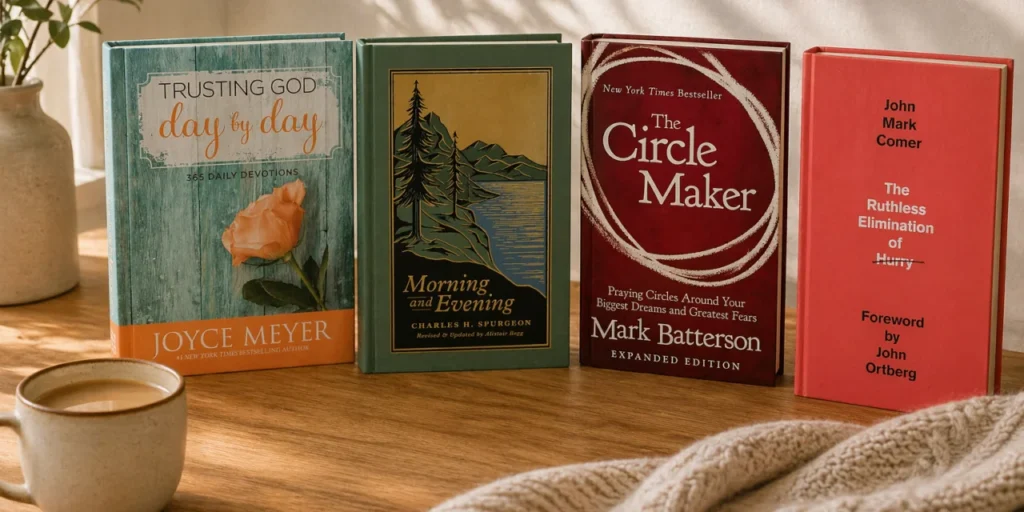
Here’s how devotionals, journals, and prayer tools can provide spiritual grounding during empty nest seasons, career changes, and health challenges.
Midlife arrives with changes that test your foundation. The house gets quieter when kids leave for college.
Your body shifts in ways that catch you off guard.
Career paths that once felt certain suddenly seem less defined. These transitions create space for questions about purpose, identity, and what comes next.
Faith-focused products offer practical support during these seasons. Devotionals provide daily touchpoints with Scripture when mornings feel overwhelming.
Journals create space to process emotions that surface during transitions.
Study guides help you take a closer look when surface-level faith no longer satisfies. Prayer tools establish rhythms when spiritual disciplines feel inconsistent.
The products below range from books addressing doubt and disappointment to accessories that support prayer practices, each selected for their relevance to common midlife experiences.
Devotionals and Daily Readers
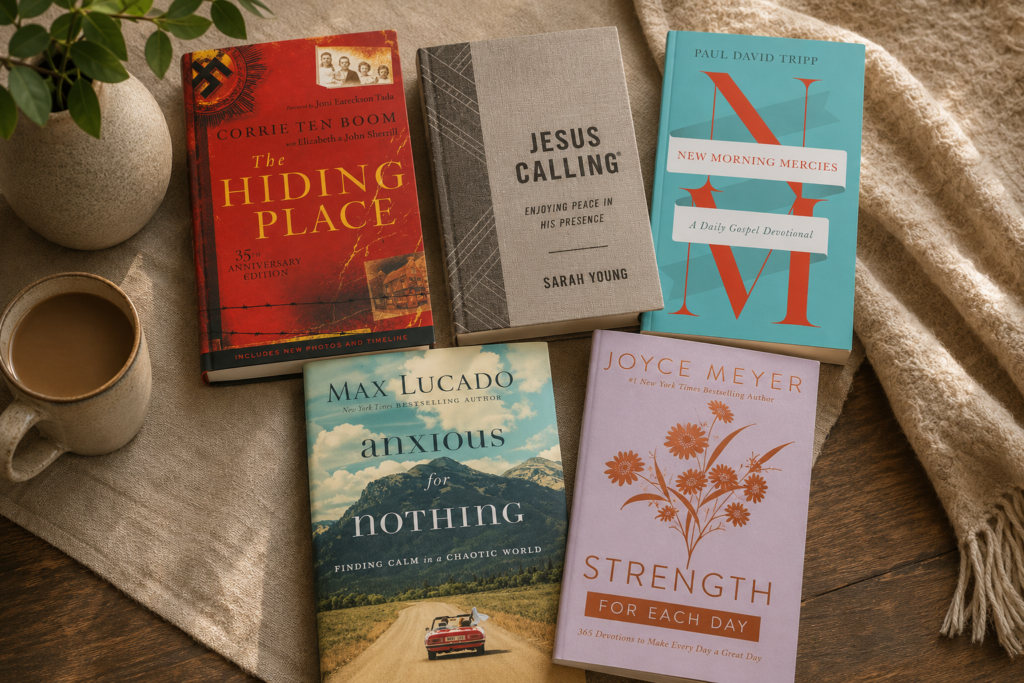
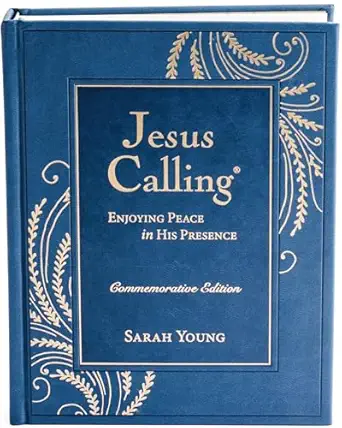
1. Jesus Calling by Sarah Young
Young’s devotional speaks directly to you in first-person as if Jesus is sharing daily encouragement. Each entry combines Scripture with gentle reminders of God’s presence, particularly helpful during seasons when you feel disconnected or overwhelmed. The format takes about five minutes per day, making it accessible even when midlife responsibilities pile up.
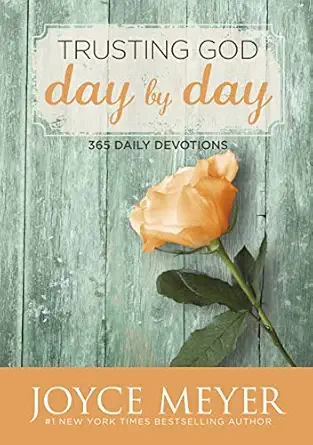
2. Trusting God Day by Day by Joyce Meyer
Meyer addresses worry and control issues that intensify during midlife uncertainties. Each daily reading includes practical applications for releasing anxiety about adult children, aging parents, or health concerns.
Her straightforward style cuts through spiritual jargon and speaks to real-life struggles.
3. Morning and Evening by Charles Spurgeon (Updated Edition)
This classic provides morning and evening readings that work well for establishing consistent spiritual rhythms. Spurgeon’s depth satisfies when you’re hungry for substance beyond quick devotional thoughts.
The updated language makes Victorian-era wisdom accessible for modern readers.

Books for Spiritual Growth
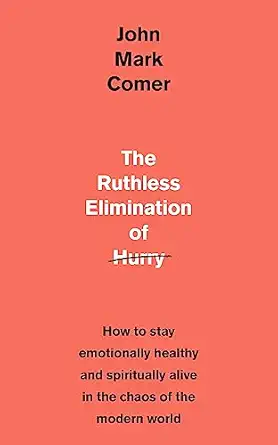
4. The Ruthless Elimination of Hurry by John Mark Comer
Comer examines how constant busyness drains spiritual vitality and offers practical steps toward a slower, more intentional life. This resonates during midlife when you realize decades of rushing haven’t produced the peace you expected. His exploration of Sabbath rest provides permission to step off the treadmill.
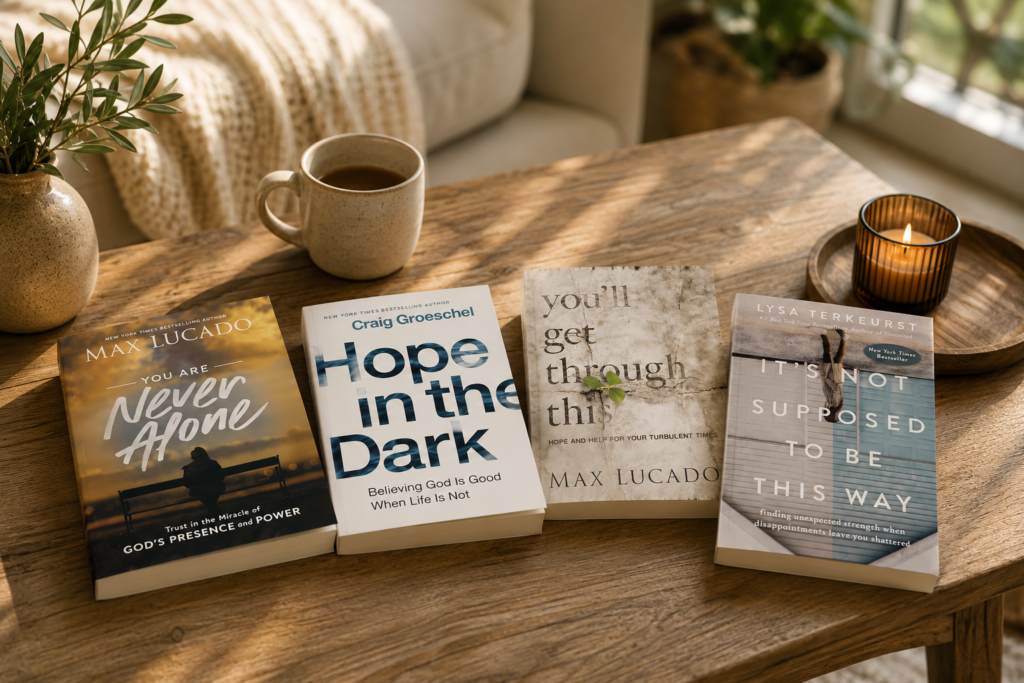
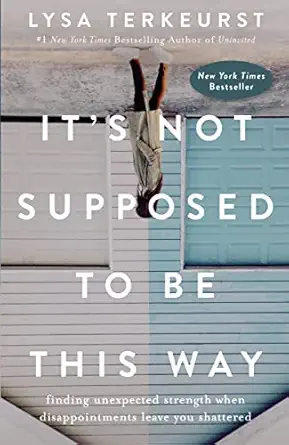
5. It’s Not Supposed to Be This Way by Lysa TerKeurst
TerKeurst writes about disappointment, betrayal, and shattered dreams with vulnerability that confirms your own pain. When midlife brings unexpected losses like divorce, job changes, or health diagnoses, this book confirms that grief is normal while pointing toward hope. Her personal stories create connection rather than offering platitudes.
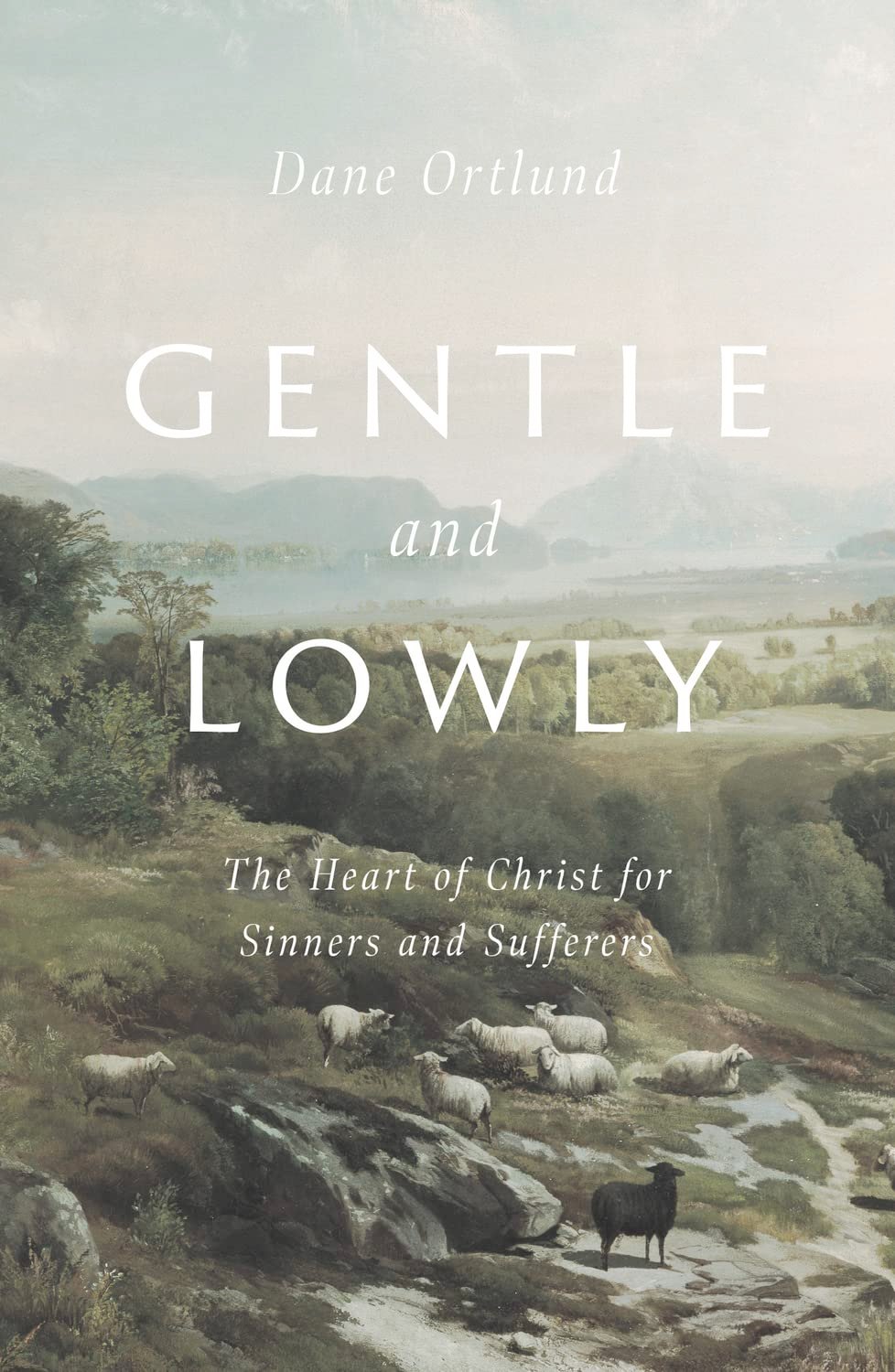
6. Gentle and Lowly by Dane Ortlund
Ortlund explores the heart of Jesus toward weary, struggling believers. Short chapters examine biblical passages that reveal Christ’s compassion, particularly meaningful when midlife brings exhaustion from caregiving, perimenopause, or emotional fatigue.
Readers consistently describe this book as deeply comforting during difficult seasons.
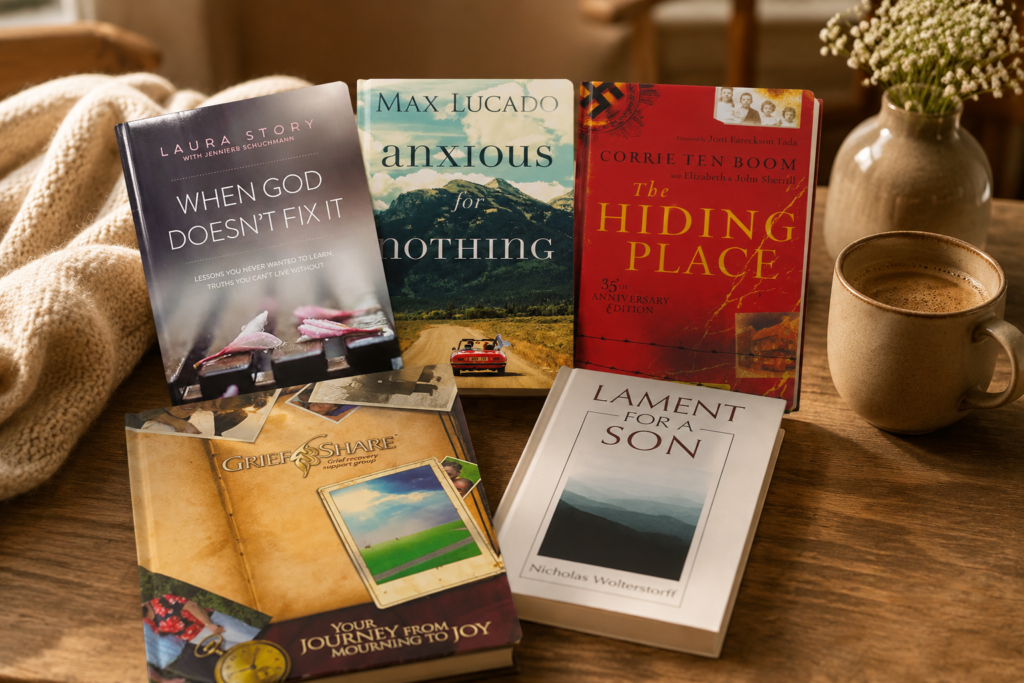
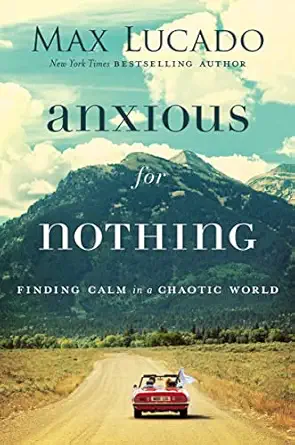
7. Anxious for Nothing by Max Lucado
Lucado unpacks Philippians 4:6-7 with practical strategies for managing anxiety through prayer and gratitude. The book includes reflection questions that help you identify specific worries about retirement, aging, or changing relationships, then guides you toward releasing them through biblical principles.
Bible Study Resources
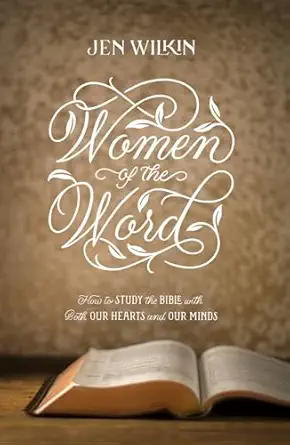
8. Women of the Word by Jen Wilkin
Wilkin teaches how to study Scripture comprehensively rather than just reading for daily inspiration. This matters during midlife when you’re ready to move beyond surface-level faith and develop deeper theological understanding.
The book includes practical methods for examining context, structure, and application.
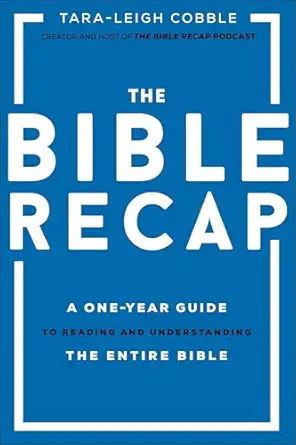
9. The Bible Recap by Tara-Leigh Cobble
Cobble’s one-year Bible reading plan includes daily summaries that help you understand the big picture of Scripture. Each day’s reading takes about 20 minutes total, manageable when you’re balancing work, family, and other responsibilities.
The companion book reinforces themes and provides “God shots” highlighting His character.
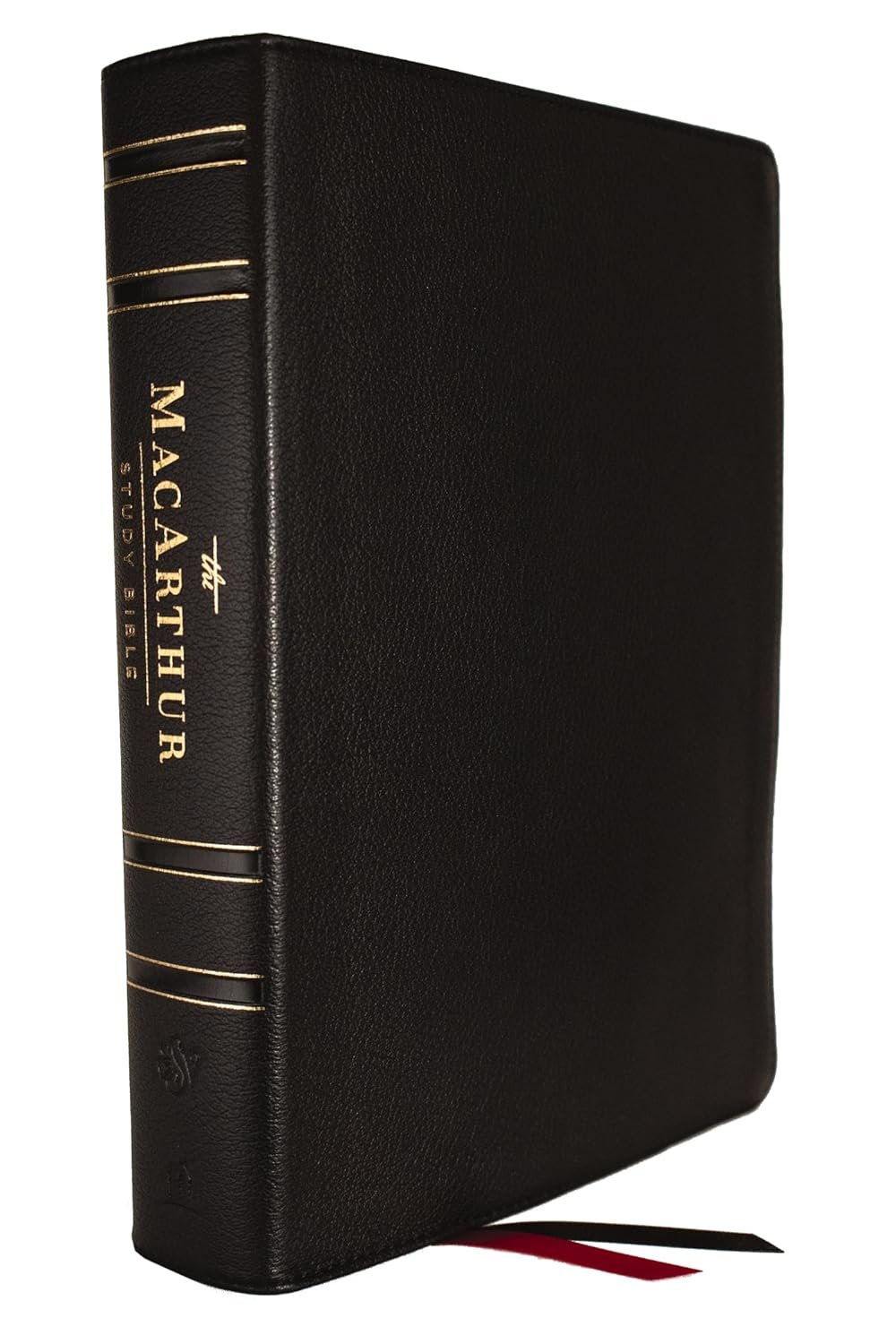
10. ESV Study Bible
This comprehensive study Bible includes cross-references, maps, articles, and commentary that deepen understanding without requiring seminary training. The notes help you grasp context and meaning during personal study, particularly valuable when you’re wrestling with difficult passages or questions that surface during transitions.
Prayer and Worship Tools
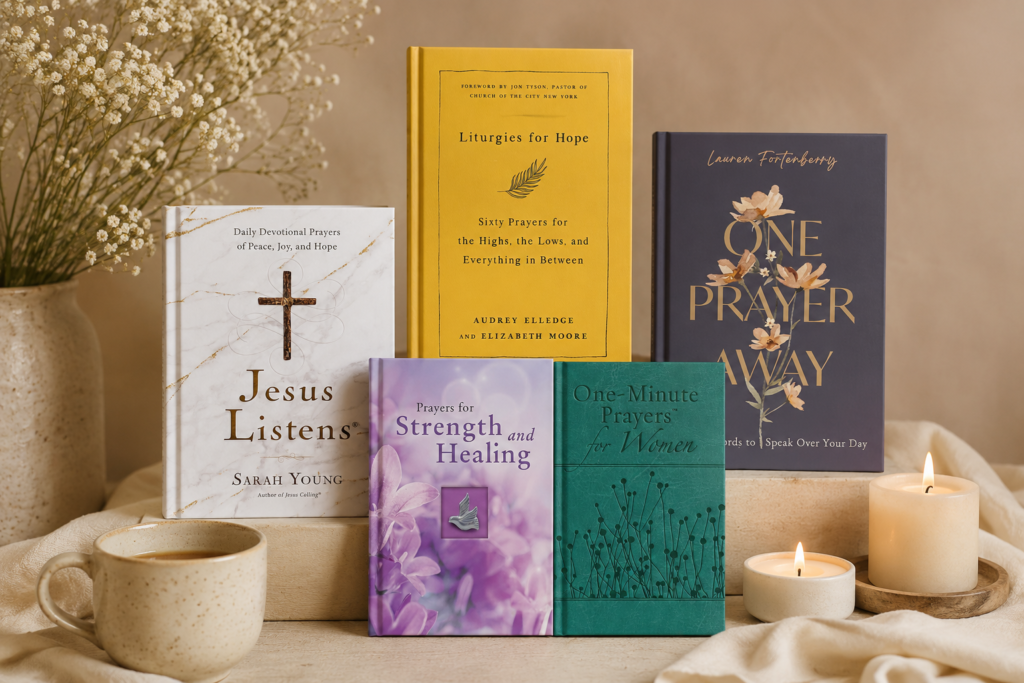
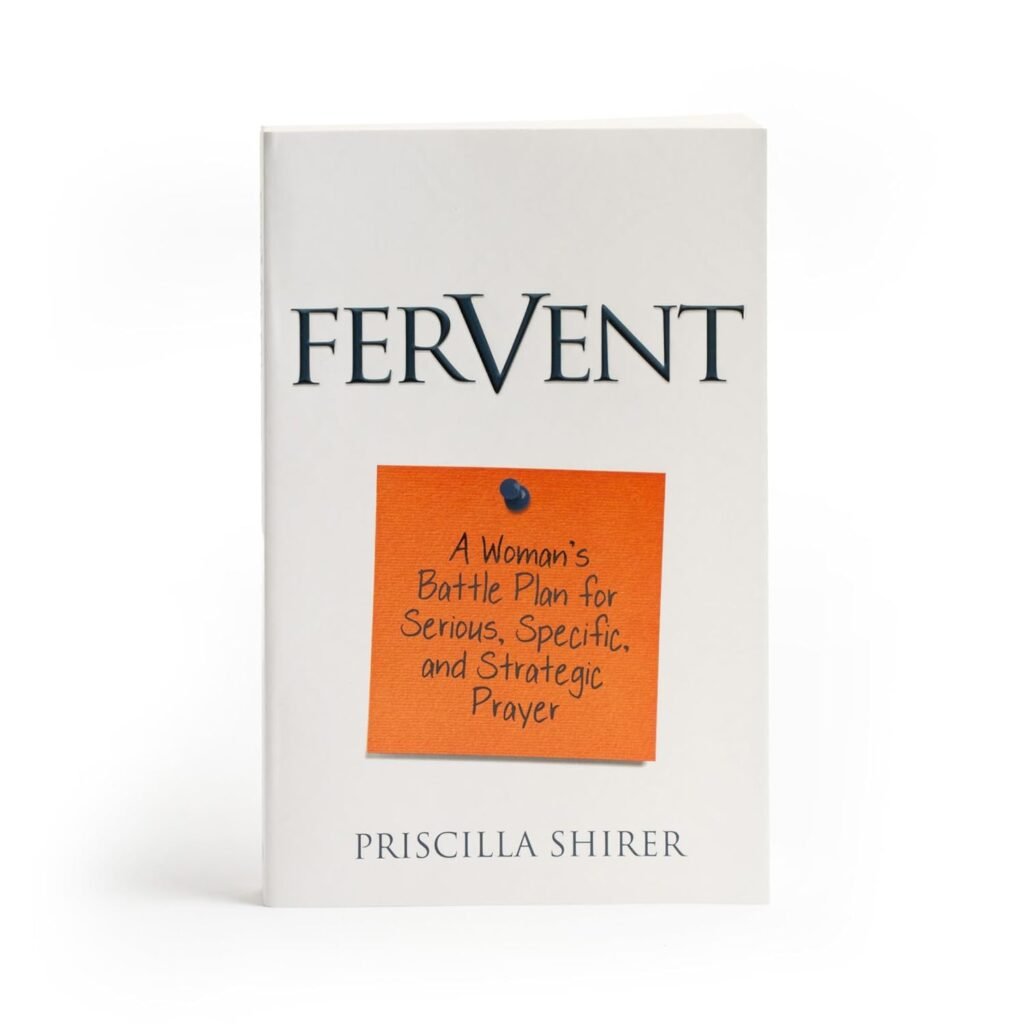
11. Fervent by Priscilla Shirer
Shirer outlines strategic prayer approaches for spiritual battles including fear, discontent, and relational struggles. The book includes tear-out prayer cards you can customize for specific midlife challenges like anxiety about aging parents or tension in long-term marriage.
Her direct style motivates action rather than passive worry.
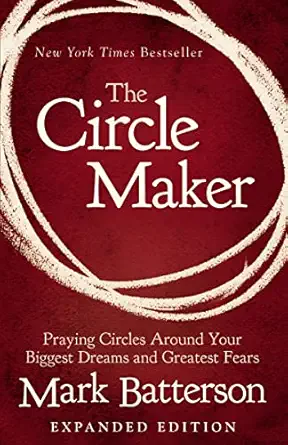
12. The Circle Maker by Mark Batterson
Batterson encourages bold, persistent prayer based on the story of Honi the circle maker. This challenges passive faith during midlife when you might feel resigned to circumstances rather than actively seeking God’s intervention.
Stories of answered prayers inspire renewed confidence in prayer.
Practical Accessories
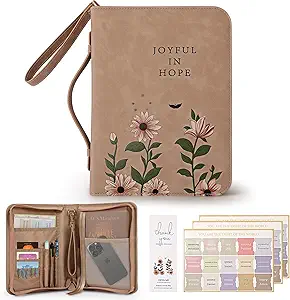
13. Bible Cover with Handle and Pockets
Protective Bible covers with organizational pockets keep your Bible, journal, pens, and bookmarks together. The handles make it easy to grab for church or small group meetings.
Leather or faux leather options provide durability while maintaining an attractive appearance.
14. Scripture Cards Set
Sets of beautifully designed Scripture cards display verses for memorization or encouragement. You can place them on bathroom mirrors, car dashboards, or kitchen counters where you’ll see them throughout the day.
Physical reminders help when midlife brain fog makes memorization more challenging.

Making Your Choice: Why Gentle and Lowly Stands Out
From this collection, Gentle and Lowly by Dane Ortlund deserves special attention. The book addresses a core struggle many face during midlife: feeling worn down, inadequate, or distant from God.
Ortlund’s exploration of Christ’s heart toward struggling believers provides profound comfort without minimizing real pain. Unlike books that push you toward more activity or stricter discipline, this one invites you to rest in who Jesus is.
The chapters are short enough to read in one sitting but rich enough to return to repeatedly. Readers consistently report feeling genuinely comforted rather than just intellectually informed. During seasons when you’re too tired for complex theology or step-by-step strategies, this book meets you with truth about a Savior who pursues weary people with tenderness.
With over 20,000 reviews averaging 4.9 stars on Amazon, the response confirms its impact across different denominations and backgrounds. The writing is accessible without being simplistic, making it suitable whether you’ve been a Christian for decades or recently returned to faith after years away.
Start with one chapter this week. Notice how it shifts your perception of Jesus from taskmaster to gentle shepherd.
Pair it with a journal to record insights that surface during reading.
Many women report that this book changed how they relate to God during some of their hardest seasons.
Frequently Asked Questions
How do I establish a consistent devotional habit when midlife schedules feel chaotic?
Start with just five minutes using a devotional like Jesus Calling or Trusting God Day by Day. Set it next to your coffee maker or bedside table so you see it first thing.
Consistency matters more than duration in the beginning.
Once five minutes becomes automatic, you can extend the time. Many women find that linking devotional time to an existing habit makes it stick better than trying to create an entirely new routine.
What if reading the Bible feels overwhelming or confusing?
Begin with a guided resource like The Bible Recap that provides context and summaries. The Bible wasn’t written as a novel to read straight through, so starting with a plan helps.
Focus on one gospel like Mark first if you want to know Jesus better, or Psalms if you need comfort during difficult emotions.
Women of the Word teaches study methods that build confidence over time. Give yourself permission to learn gradually rather than expecting immediate understanding.
How can faith products help when doubt feels stronger than belief?
Doubt is normal during midlife transitions, not a sign of weak faith. Books like It’s Not Supposed to Be This Way validate struggles while pointing toward hope.
Keep showing up with small practices like reading one Scripture card daily or listening to worship music during your commute.
Faith often rebuilds through consistent small steps rather than one dramatic moment. Journaling your honest questions can help you process rather than suppress doubt.
What resources work best for group settings versus person use?
Fervent, Anxious for Nothing, and Women of the Word all include discussion questions suitable for small groups. These work well when you want community alongside personal growth.
For purely person reflection, devotionals like Morning and Evening or journals like Write the Word provide structure without requiring group participation.
Consider your current season: if you’re isolated because of empty nest or relocation, group-friendly resources push you toward connection. If you’re overwhelmed with people-facing responsibilities, person tools offer quiet restoration.
How do I know which translation of the Bible to choose?
The ESV and NIV are both accurate and readable for most people. ESV tends toward word-for-word translation while NIV focuses more on thought-for-thought, making it slightly easier to read.
The NLT is even more readable but takes more interpretive liberties.
For serious study, ESV or NIV work well. For devotional reading when you’re exhausted, NLT flows easily.
You can also use different translations for different purposes rather than limiting yourself to one.
What if I buy these products but don’t use them consistently?
Stop treating this as pass-fail. Even irregular use provides more spiritual input than none.
If a devotional sits untouched for weeks, that reveals information about where you actually are, not evidence of failure.
Try switching to a different format: maybe audiobooks work better than physical reading, or Scripture cards suit you more than journals. The goal isn’t perfect consistency but gradually increasing connection with God through whatever means actually fit your life.
Can these resources help repair faith that feels dry after years of church hurt or disappointment?
Yes, particularly books like Gentle and Lowly that focus on Jesus’ character rather than church culture. Many women find that returning to Scripture directly through resources like The Bible Recap helps them separate God’s truth from painful experiences with religious communities.
Start with small, private practices that rebuild trust without requiring immediate community involvement.
When you’re ready, look for a new church or small group, but give yourself permission to heal individually first.
Find out our Recommended  Christian Books for Women in Midlife Transition; visit: https://illuminatedresources.com/best-christian-books-for-women-in-midlife-transition-identity-shifts-relationships-boundaries-roles-changing/