Most women in midlife look at their overwhelming schedules, rebellious teens, aging parents, and exhausted faces in the mirror and think, “I just need to try harder. If I can power through and keep everyone happy, things will get better.”
This may sound like a reasonable plan, but trying to muscle through motherhood alone is more damaging than it appears. Yes, there are always mothers who seem to manage everything with grace and a smile, but not very many.
And even they have struggles you cannot see.
As long as you rely on comparison, willpower, and self-criticism to get through your days, your attempts to find peace and purpose will fall short because you are building on a foundation that cannot hold the weight of this season.
But if you shift from striving in your own strength to drawing from faith-based encouragement, you will see that the most sustainable way to thrive in midlife motherhood is to feed your mind and spirit with resources that point you back to God and remind you of your real identity. Developing a habit of turning to Scripture, prayer-focused books, and honest faith conversations is one of the highest leverage things you can do to find peace in the chaos and reconnect with why this work matters.
And if you are parenting alone or feeling particularly isolated in this season, these resources can become a lifeline when the community feels out of reach.
When you choose books and podcasts that address your actual struggles with grace instead of guilt, something shifts. You stop believing the lie that everyone else has it together and you are failing.
You start seeing your motherhood through a gospel lens instead of a performance lens.
If you can develop this awareness, it will allow you to move past the constant mental loop of “I am not enough” and instead rest in the truth that God sees you, equips you, and does not need perfection. Even if your kids are making hard choices or your marriage feels strained, you can learn to anchor yourself in what is true instead of what is terrifying, which will neutralize the fear that keeps you up at night, so you can show up with more patience and clarity during the day.
That being said, real change often starts with one small decision to fill your mind with truth instead of anxiety, and the resources below can be that starting point.
Faith-based books, devotionals, journals, and podcasts offer practical tools for the hardest parts of midlife motherhood. Some focus on praying Scripture over your children.
Others normalize the messy realities of hormones, shifting identity, and feeling invisible.
A few blend humor with honesty. All of them point you back to God and remind you that this season, as hard as it is, has purpose.
This list gathers some of the most helpful resources available on Amazon US to encourage midlife motherhood through faith. Each one offers something different, so you can choose what fits your current needs and schedule.
Faith-Focused Resources For Midlife Motherhood
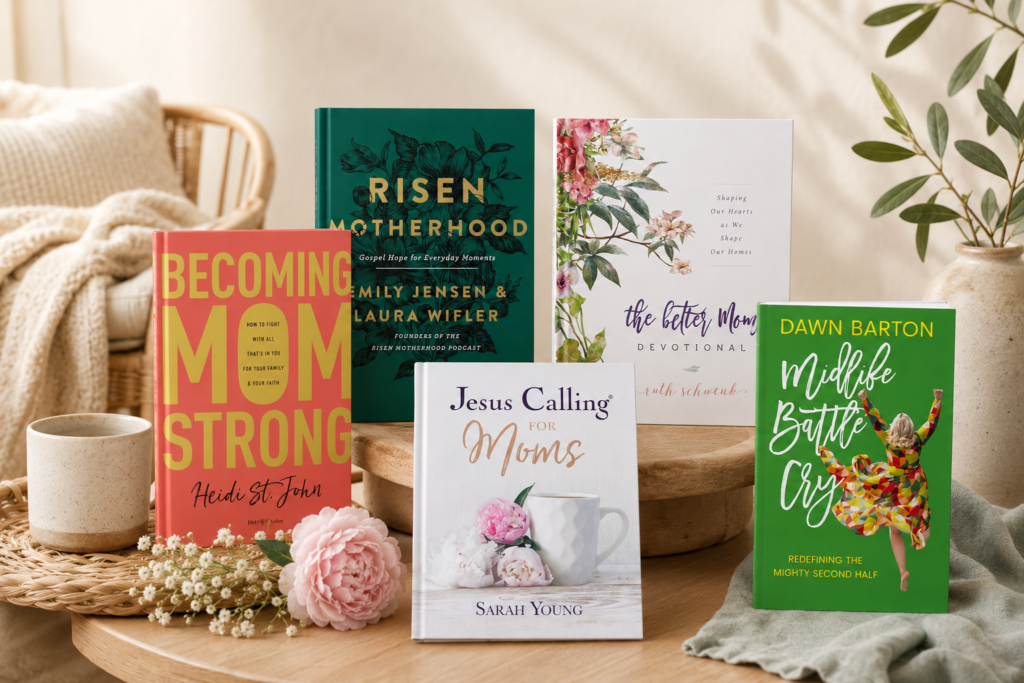
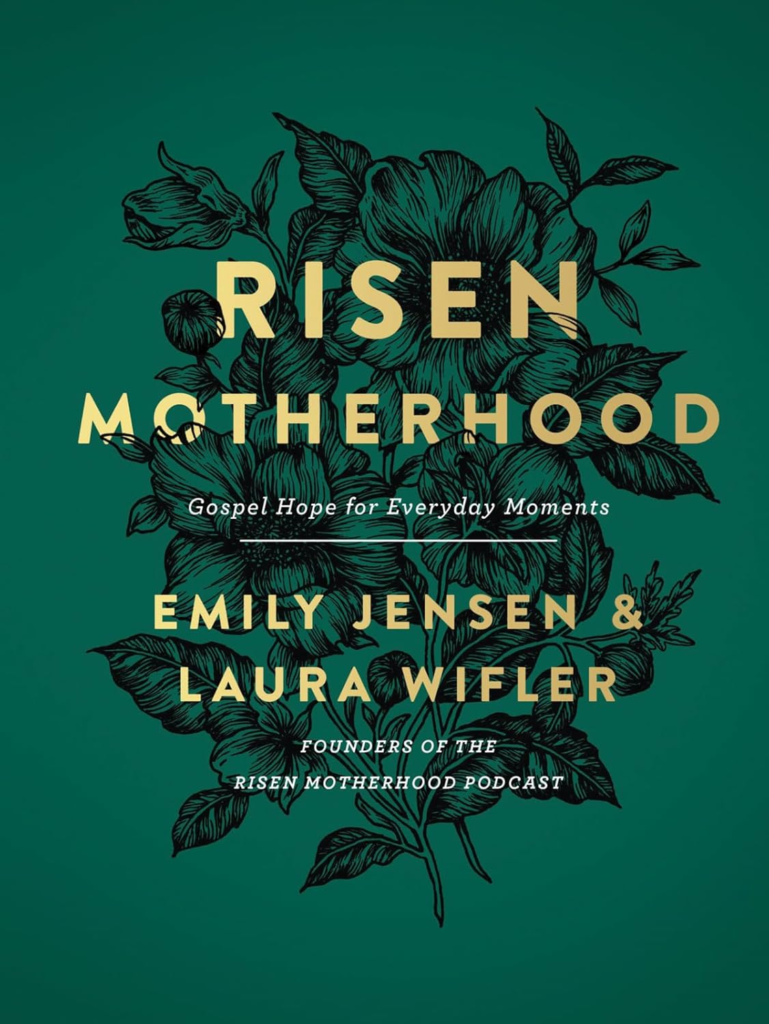
1. Risen Motherhood: Gospel Hope for Everyday Moments
By Emily Jensen & Laura Wifler
This book connects ordinary mom moments to the gospel in a relatable, practical way. If you feel stuck in the repetitive grind of motherhood and wonder why any of it matters, this book helps you see your daily tasks through a gospel lens.
Each chapter is short enough to read during a lunch break or before bed, and the writing feels like a conversation with a friend who understands.
2. The Better Mom Devotional: Shaping Our Hearts as We Shape Our Homes
By Ruth Schwenk
This devotional offers 100 short readings designed for mothers who want Christ at the center of their homes but feel stretched too thin to make it happen. Each entry includes Scripture, a brief reflection, and a simple prayer.
It works especially well during midlife when your role is shifting but you still want to influence your home spiritually without adding more pressure to your day.
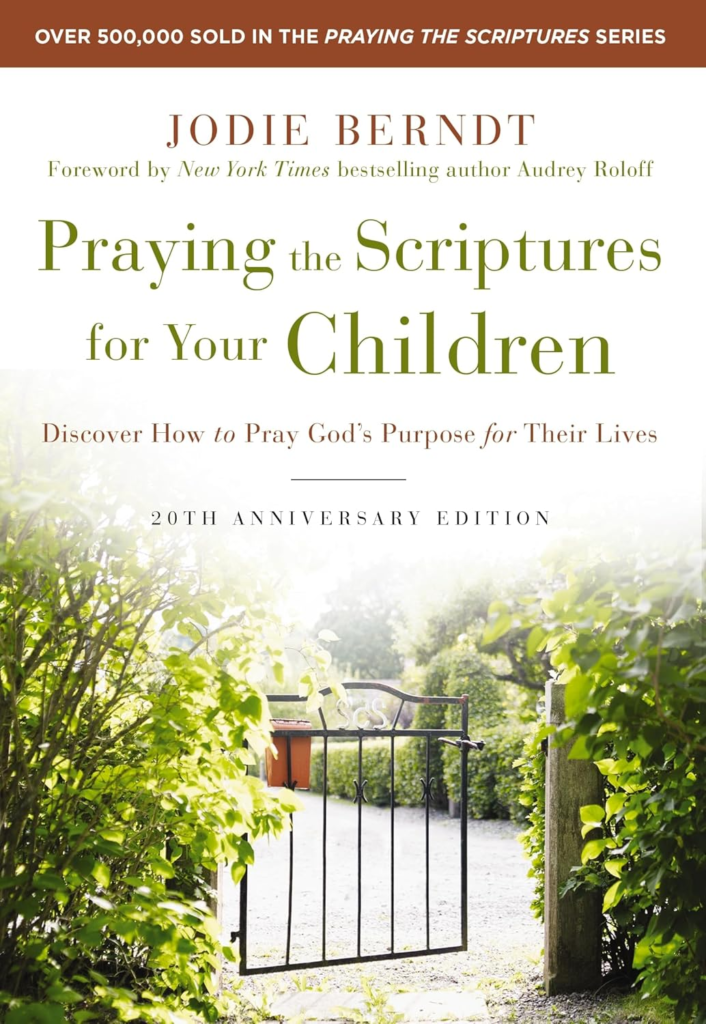
3. Praying the Scriptures for Your Children
By Jodie Berndt
This book teaches you how to turn Bible verses into specific prayers for your children. It covers areas like faith development, character, protection, relationships, and future calling.
For midlife moms with teens or young adults, it helps shift your focus from trying to control outcomes to covering your kids in prayer.
The structure makes it easy to pray with intention even when you feel helpless.
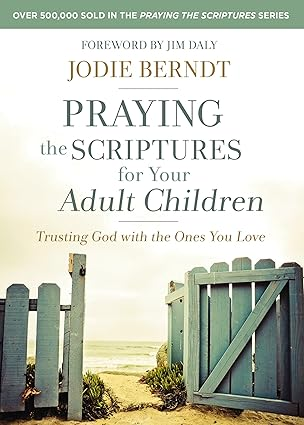
4. Praying the Scriptures for Your Adult Children
By Jodie Berndt
When your kids turn 18, move out, or make their own decisions, the worries do not disappear. They just change shape.
This edition helps you pray for adult children navigating college, careers, marriage, health struggles, and faith questions.
It is a strong fit for midlife mothers who feel like they are watching from the sidelines and want to keep standing in the gap spiritually.
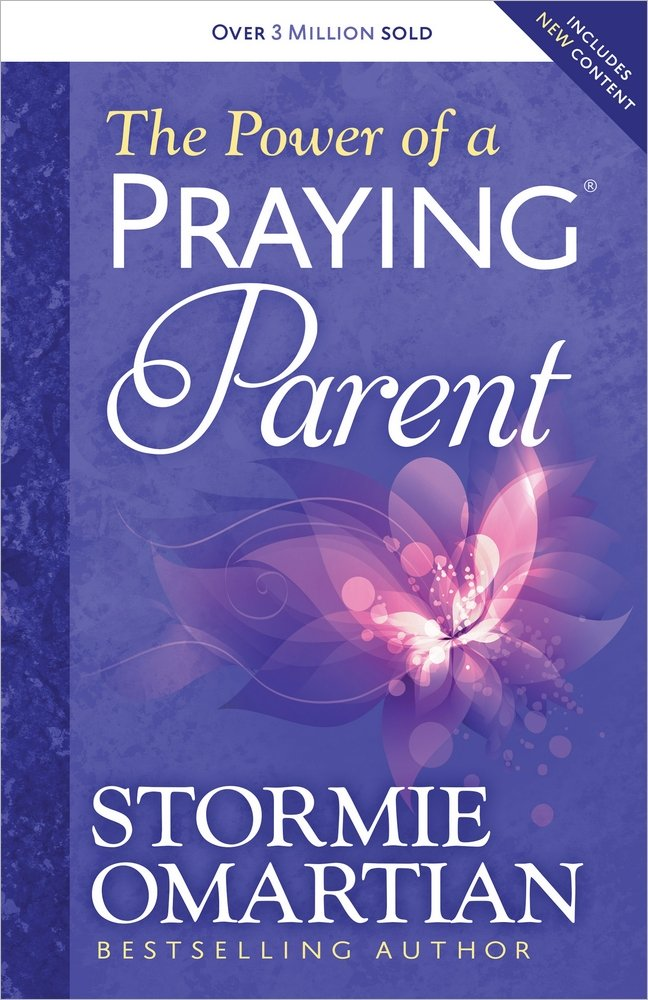
5. The Power of a Praying Parent
By Stormie Omartian
This classic resource focuses on structured, specific prayers for your children. Each chapter covers one area, such as safety, friendships, choices, or spiritual growth.
The language is simple and direct, and many midlife moms find it easy to return to this book during new stages like driving, dating, or leaving home.
It gives you a way to pray when you do not know what to say.
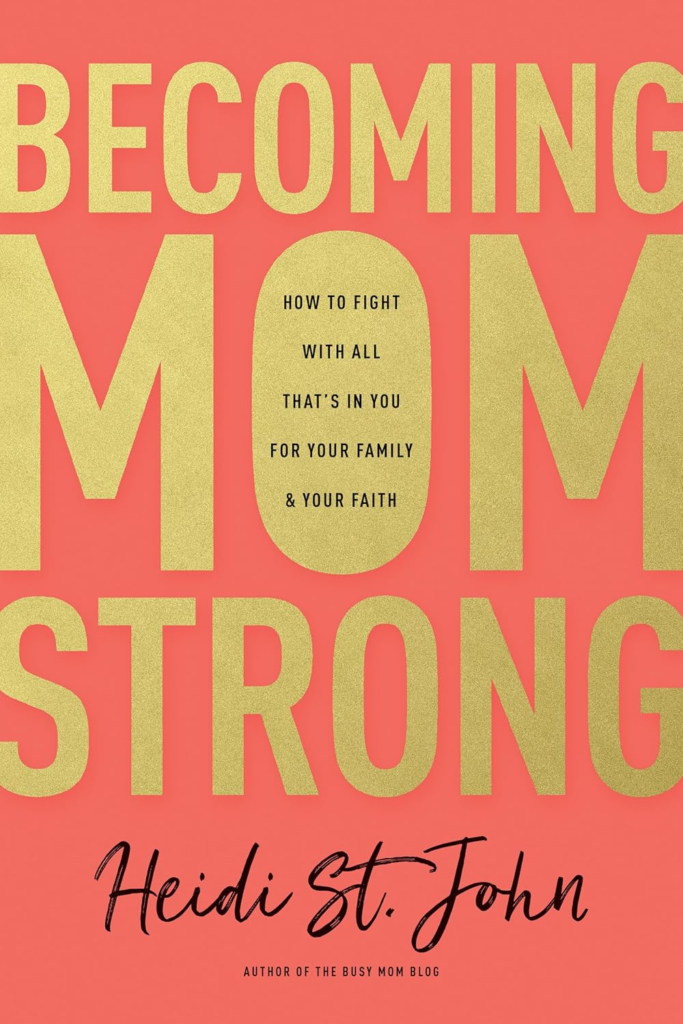
6. Becoming MomStrong: How to Fight with All That’s in You for Your Family and Your Faith
By Heidi St. John
This book speaks directly to women who feel like culture is pulling at their kids from every direction. It blends biblical encouragement with a pep talk style that motivates without guilt.
If you feel tired but still deeply protective of your children’s hearts, this resource helps you feel less alone in that battle and reminds you that fighting for your family is worth it.
7. Raising Worry-Free Girls
By Sissy Goff
This book is especially helpful if you are parenting girls through elementary, middle, or high school years. Sissy Goff explains anxiety and big feelings from a Christian counseling perspective, with scripts you can actually use in conversations and actionable steps for your home.
It is practical, compassionate, and grounded in faith.

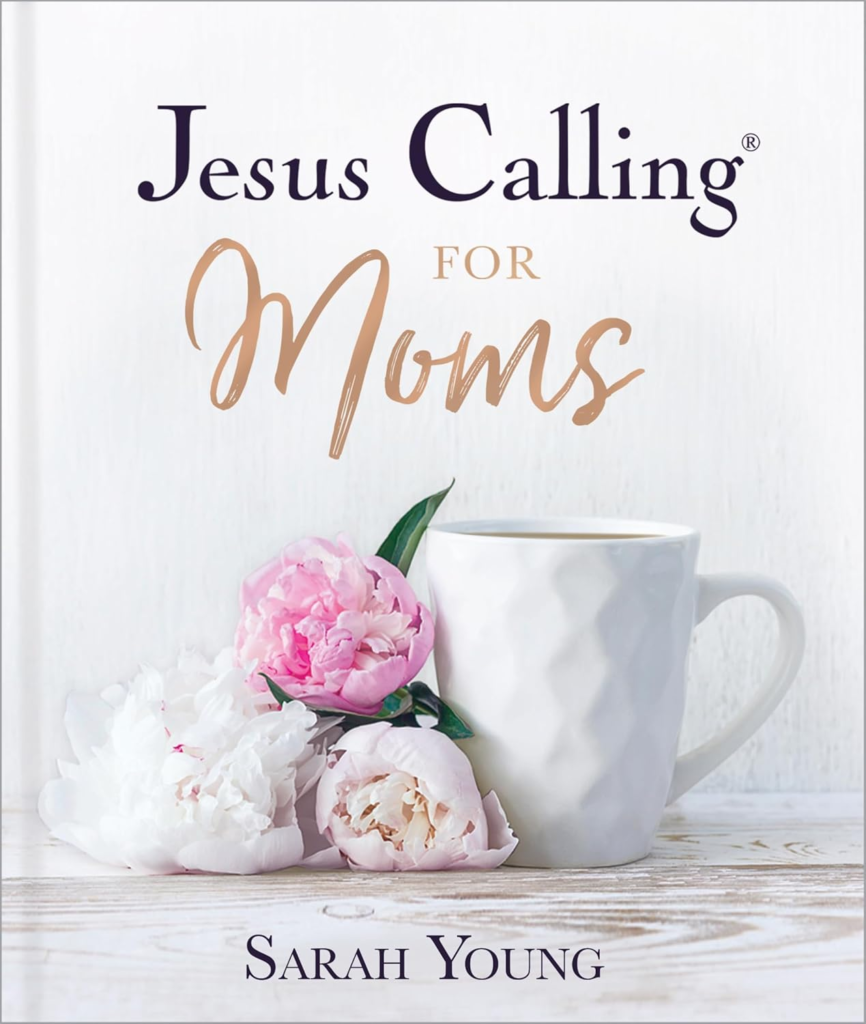
8. Jesus Calling for Moms
By Sarah Young
This special edition of the popular “Jesus Calling” devotional features readings selected and arranged specifically for mothers. Entries are brief and written as if Jesus is speaking directly to you, with Scripture references and a quiet tone that fits bedtime or early morning.
It works well when your emotional energy is low but you still want a moment of connection with God.
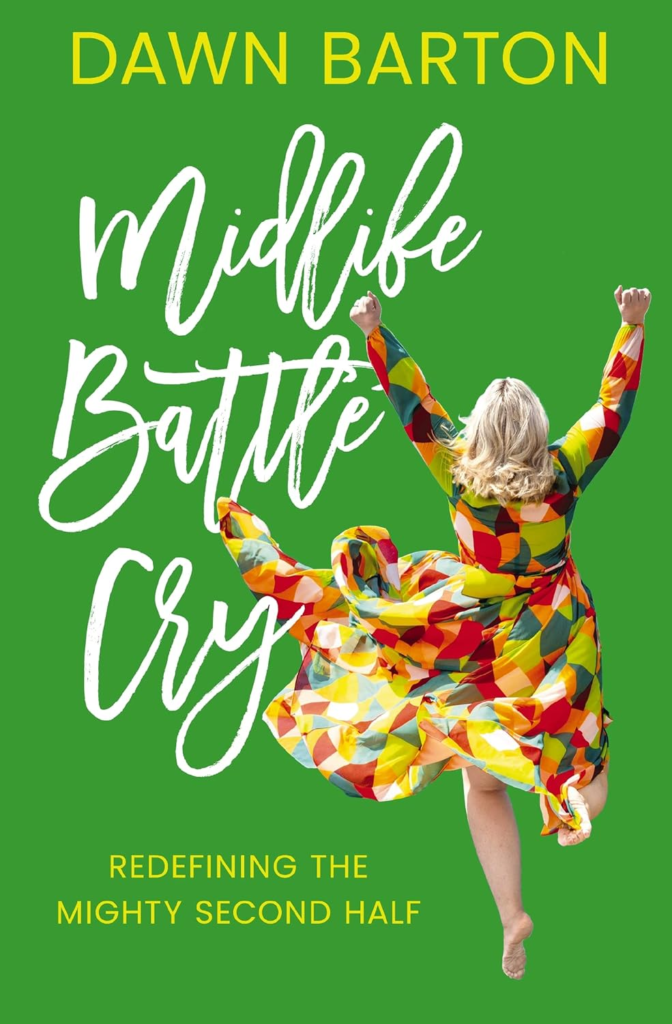
9. Midlife Battle Cry: Redefining the Mighty Second Half
By Dawn Barton
This book is not strictly a parenting guide. It is a funny, faith-centered look at midlife, including grief, change, weight gain, aging, and feeling late to everything.
It can be incredibly comforting if you feel your identity is shifting as your kids grow and you want a Christian perspective that still makes you laugh.
It normalizes the messiness of this season with humor and grace.
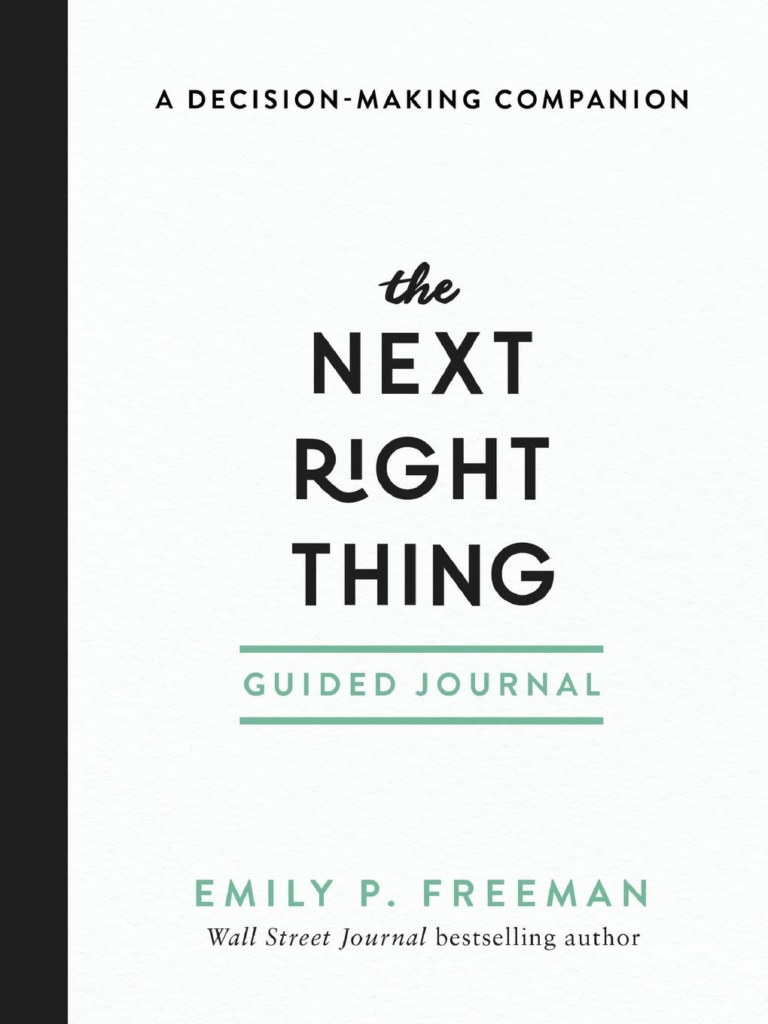
9. The Next Right Thing Guided Journal
By Emily P. Freeman
This guided journal helps you slow down, notice God’s presence, and make decisions one step at a time instead of trying to fix everything at once. It works well during midlife when you face decisions about work, caregiving, marriage, and what comes next.
The prompts are thoughtful and designed to help you discern God’s leading without pressure or rush.
Which One Should You Start With?
If you only pick one resource from this list to begin with, Risen Motherhood: Gospel Hope for Everyday Moments is the strongest all-around choice.
It is my top pick for several reasons. First, it speaks directly to everyday mom life with examples like dishes, discipline, school issues, and feeling pulled in many directions.
That makes it easy to see yourself in the stories.
Second, it connects your daily tasks with the gospel in a way that changes how you see your whole day. Instead of just giving tips, it shows how Christ’s life, death, and resurrection reshape things like identity, comparison, and anger.
Third, it is short and doable. The chapters are brief, so you can read one during nap time, in a parking lot before pickup, or at night when you are tired. You do not need an hour of quiet, just a few focused minutes.
Fourth, it fits a wide range of ages.
Whether you are raising toddlers, teens, or both, the gospel foundation applies. If you are in midlife with kids at different stages, you can still use the same core truths.
To deepen the daily connection after that, pairing “Risen Motherhood” with “The Better Mom Devotional” or “Jesus Calling for Moms” gives you both a big picture view and a daily touchpoint.
You do not need to overhaul your entire life to feel more encouraged in midlife motherhood. You can start with one small shift. Choose one resource from this list that sounds doable for you right now.
Decide in advance when you will use it, whether that is five minutes with coffee, ten minutes in the car line, or a podcast while you clean the kitchen. Stick with it for two weeks and notice any small changes in your thoughts, your reactions, or your sense of hope.
Frequently Asked Questions
How do I balance my own spiritual growth with caring for teenagers, aging parents, and work?
You can think in terms of micro-moments instead of large blocks of time. Midlife rarely allows long, quiet mornings.
Try picking two or three daily anchors, like making coffee, commuting, or brushing your teeth at night.
Attach a three to five minute spiritual practice to each one, such as reading one devotional entry, praying one focused prayer, or listening to one short podcast segment. Choose one time each week for a slightly longer practice, even twenty minutes.
That might be Sunday afternoon in the car before grocery pickup, or a weekday evening walk while listening to a faith podcast.
Turn ordinary moments into conversation with God by talking to Him while cooking, driving, or sitting at a practice. Progress comes from consistent small touches with God, not from perfection.
I feel invisible and used up in midlife. How do these resources actually help with that feeling?
Many midlife mothers feel unseen because so much energy goes into others. The right books and podcasts speak directly to that hidden part of you and remind you that God sees you, not just your output.
“Midlife Battle Cry” confirms the mix of grief and freedom in midlife while pointing back to God’s purpose.
“The Next Right Thing Guided Journal” helps you listen to your own soul again and include God in decisions about what comes next. “Jesus Calling for Moms” addresses your heart directly and often speaks into the invisible feeling with gentle reminders of God’s delight in you.
These tools do not change your circumstances instantly, but they change the story you tell yourself inside those circumstances, which shifts how you show up in your life.
My kids are older now. Is it too late to pray over them or influence their faith?
It is not too late. Your role simply looks different.
For young children, influence is hands-on and obvious.
For teens and adults, influence is quieter and more relational. You can still pray intentionally using “Praying the Scriptures for Your Adult Children,” keep communication open even if you do not lecture or correct as much, and live your own faith honestly, including admitting when you are wrong and showing how you turn back to God.
Prayer does not need your child’s permission.
You can pray over their work, friendships, relationships, mental health, and faith whether they live with you or not. Many midlife moms find that as they release control and increase prayer, the relationship softens over time.
I feel overwhelmed by anxiety. Where should I start if I can only handle one small thing?
If anxiety is very loud, you might not be ready for a full book. Start with the “Faith For Anxious Moms” podcast and listen to one short episode on a walk or while folding laundry.
Most episodes include a verse and a simple way to respond.
You can also try breath prayers by taking one verse, such as Philippians 4:6-7, and turning it into a breath prayer you repeat on difficult days. If your anxiety interferes with sleep, work, or basic functioning, a Christian counselor or psychiatrist can be a crucial part of your support system alongside these resources.
You do not need to fix everything at once.
Aim for one calming, faith-centered touchpoint per day.
I want to grow in faith, but my spouse or kids are not interested. How do I avoid creating tension?
You can focus on your own walk with God and let your life speak for itself. Use private practices like journaling, listening to podcasts with earbuds, or reading in bed. Pray for your family’s hearts as opposed to trying to push them.
“The Importance of a Praying Parent” can guide your prayers in specific ways.
Offer invitations, not demands. For example, say “I am going to listen to this podcast while we drive, you are welcome to join” instead of “We need to start doing devotions as a family.” Notice and affirm any small spiritual openness in your family, such as a willingness to attend church on holidays or talk about deeper questions.
Faith can grow quietly in a home even when only one person is actively seeking.
Your peace and steadiness will often be noticed, even if no one comments on it.
How can I practically use these books and podcasts without adding more guilt to my already full schedule?
The goal is not to create a new list of shoulds. The goal is to weave encouragement into things you already do.
Try this simple pattern for thirty days.
Daily, read one short devotion from “Jesus Calling for Moms” or “The Better Mom Devotional” while you drink something in the morning, and say one Scripture-based prayer for your kids using a book like “Praying the Scriptures for Your Children.” Several times a week, listen to a podcast episode from “Faith For Anxious Moms,” “Life Coach BFF Show,” or “Midlife Crescendo” while cooking, walking, or driving alone. Weekly, choose one chapter from a longer book like “Risen Motherhood” or “Midlife Battle Cry” and read it in a single sitting.
You can adjust the pace to your reality.
If you miss a day or a week, you can simply start again without shame. The power is in the direction you are moving, not in a perfect streak.
Can I really see change from just reading books and listening to podcasts?
Books and podcasts alone will not change your life, but they can change what you believe about your life, and that shift is powerful. When you consistently fill your mind with truth from Scripture and encouragement from other mothers who understand this season, you start to see your struggles differently.
You stop believing you are the only one failing.
You remember that God has not abandoned you in the chaos. You learn new ways to pray, think, and respond.
These small internal shifts lead to external changes in how you speak to your kids, how you handle stress, and how you prioritize your days.
Real transformation takes time and happens through consistent, small choices to turn toward God instead of away from Him. These resources are tools that support that process.
Find out our Recommended Faith-Based Products for Nurturing Christian Relationships in Midlife; visit: https://illuminatedresources.com/10-faith-based-products-for-nurturing-christian-relationships-in-midlife/