Many people experience God primarily on Sunday mornings but struggle to sense His presence during the workweek. The rush of emails, errands, school runs, and household chores can create a spiritual blur where faith feels distant from daily life.
Christian products designed for everyday spiritual formation bridge this gap. The market includes study Bibles built specifically for real-life application, devotionals that take five minutes or less, books on prayer practices that fit into commutes, journals that combine planning with Scripture, and even small physical reminders that turn ordinary moments into prayer prompts.
The right tools create anchors for attention, helping you build habits that make space for God in the repetitive, unremarkable hours that make up most of your week.
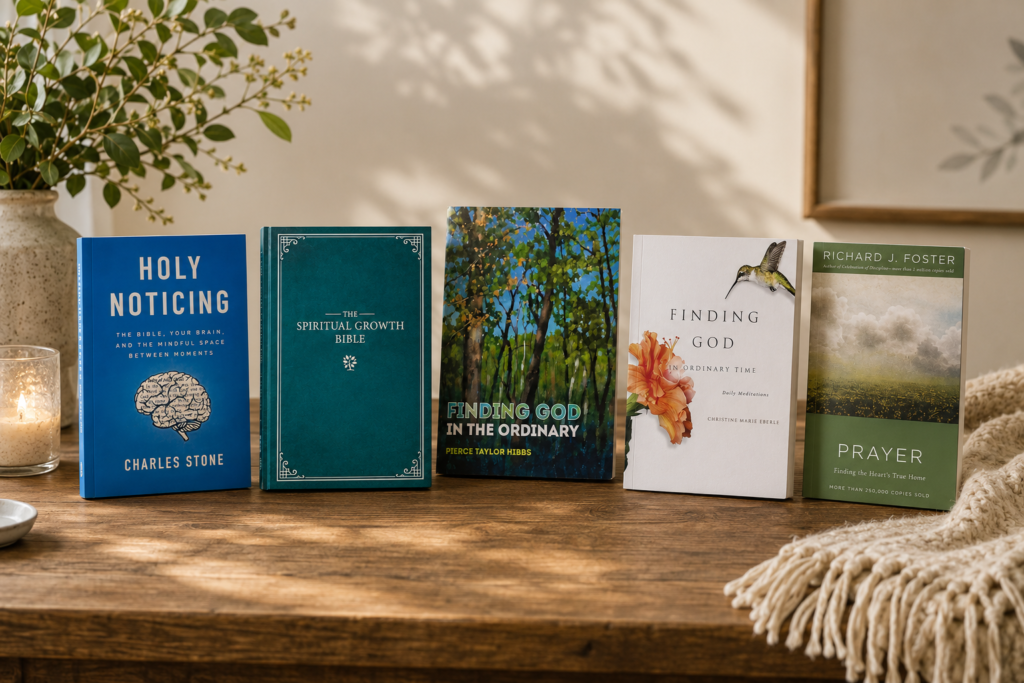
1. The Spiritual Growth Bible (NLT)
This study Bible was designed specifically for everyday spiritual formation as opposed to academic study. It includes 80 full-page articles on practical spiritual growth topics, character profiles, and sidebars that connect Scripture directly to daily situations like work stress, relationship conflict, and decision-making.
The New Living Translation uses contemporary language that reads naturally.
Best for: Someone who wants a Bible that speaks directly into normal weekdays and prefers modern, clear language over traditional translations.
2. Finding God in the Ordinary by Pierce Taylor Hibbs
Hibbs wrote a collection of short reflections on everyday experiences like weather, chores, and interruptions. Each brief chapter trains you to notice God’s presence in moments you typically overlook.
The writing blends Reformed theology with practical observation, making it accessible for quick reading during lunch breaks or before bed.
Best for: Readers who want to develop a habit of spiritual noticing but only have time for brief, substantive readings.

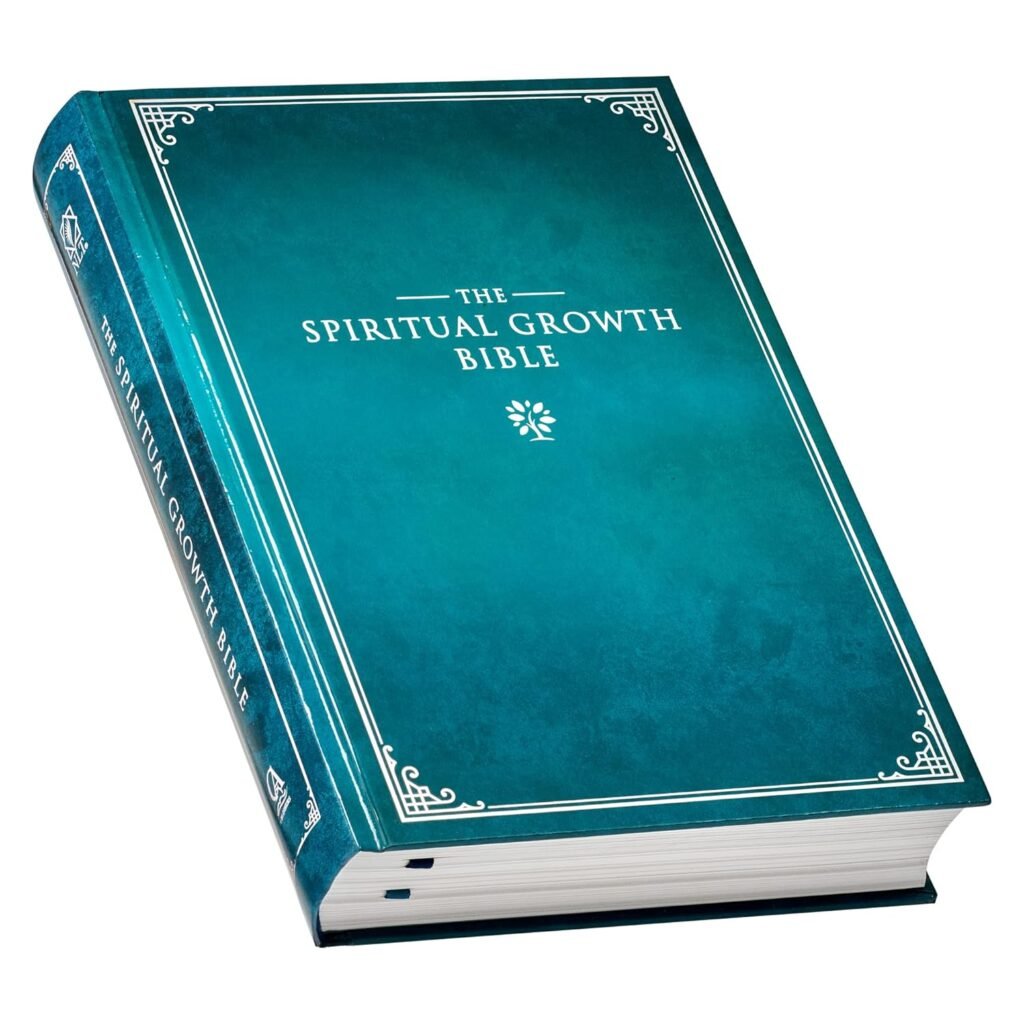
3. Finding God in Ordinary Time by Christine Marie Eberle
This daily devotional builds each entry around a true story from everyday life, like commuting or caring for family members. Each devotion includes a spiritual insight, reflection questions, and a Scripture verse.
The questions work well as prompts for journal writing or conversation with God.
Best for: Anyone who connects with story-based devotionals and appreciates thoughtful questions that lead naturally into prayer.
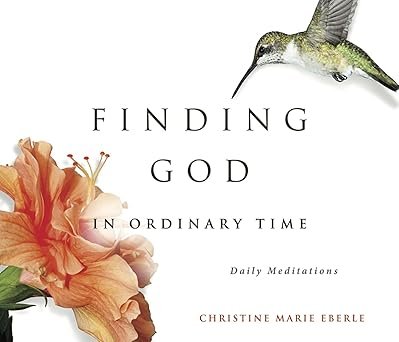
4. Prayer: Finding the Heart’s True Home by Richard Foster
Foster explores many forms of Christian prayer, with particular attention to how everyday experiences can become prayer. He emphasizes that daily routines are not interruptions to prayer but opportunities for it.
The book serves as both an introduction to prayer and a guide for those feeling stuck in their prayer life.
Best for: Someone who wants to move beyond formulaic prayers and develop a more natural, ongoing conversation with God throughout the day.
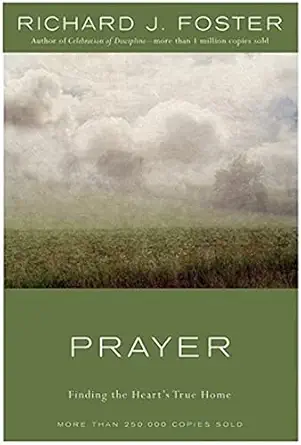
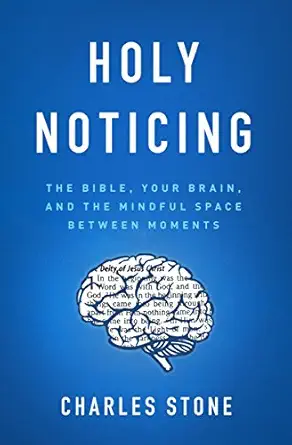
5. Holy Noticing: The Bible, Your Brain, and the Mindful Space Between Moments by Charles Stone
Stone connects biblical teaching with neuroscience research to help readers pay attention to God in small spaces throughout the day. The book includes practical exercises for managing thoughts, slowing down, and living with greater awareness.
It offers a Christian approach to mindfulness without borrowing from other religious traditions.
Best for: Readers interested in the intersection of faith and brain science who want structured, specific practices.
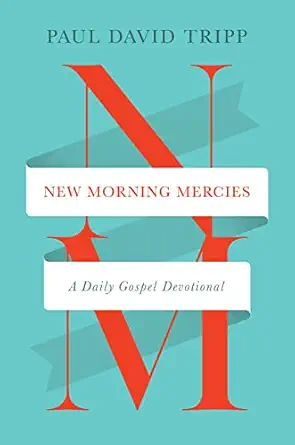
6. New Morning Mercies: A Daily Gospel Devotional by Paul David Tripp
This devotional provides one page per day, each connecting the gospel to everyday struggles like worry, impatience, and discouragement. The readings are short but dense, designed to recenter you on grace in the middle of ordinary frustrations.
Each entry includes a Scripture passage and a meditation that typically takes three to five minutes to read.
Best for: Busy people who need a quick but substantial daily reset that points them to Christ.
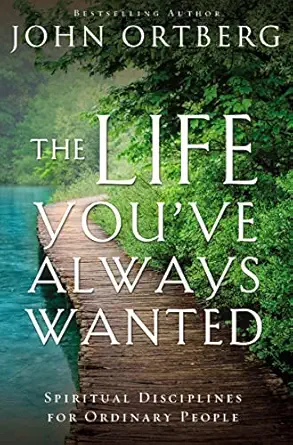
7. The Life You’ve Always Wanted: Spiritual Disciplines for Ordinary People by John Ortberg
Ortberg describes classic spiritual disciplines like prayer, solitude, and service in relatable, down-to-earth language. He focuses specifically on how these practices fit into normal routines as opposed to requiring monastic withdrawal from daily life.
The book balances inspiration with practical instruction.
Best for: Someone who wants a broad introduction to spiritual disciplines that feels accessible as opposed to intimidating.
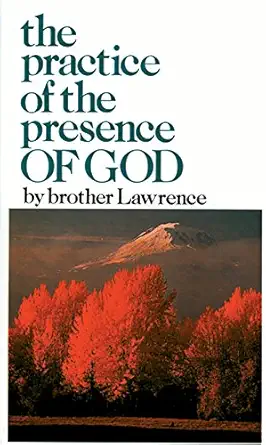
8. The Practice of the Presence of God by Brother Lawrence
This classic short book describes how a 17th-century monk learned to stay in God’s presence while cooking, cleaning, and doing simple tasks. Brother Lawrence’s approach is remarkably practical and has influenced countless readers for centuries.
The book typically takes two to three hours to read but rewards repeated reading.
Best for: Anyone who wants to turn even the smallest tasks into a living conversation with God.
9. The Pursuit of God by A.W. Tozer
Tozer wrote this classic work on cultivating hunger and awareness of God in every part of life. The book shows how daily choices of attention, surrender, and want shape a life that continually seeks God.
It’s short but piercing, addressing the heart more than providing technique.
Best for: Someone who senses a deep longing for more of God and wants a book that stirs spiritual hunger.

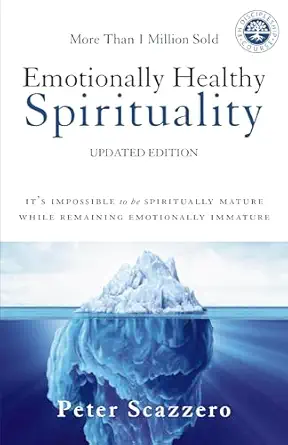
10. Emotionally Healthy Spirituality by Peter Scazzero
Scazzero argues that spiritual maturity needs emotional maturity, and much of this work happens in daily relational life. He offers practices like Sabbath, slowing down, and honest self-examination that help readers meet God in their emotional patterns and relationships.
The book includes a self-assessment tool and practical exercises.
Best for: Someone whose daily life includes emotional tension, stress, or relational conflict and wants a Christ-centered way to grow.
Which One Should You Start With?
If you’re looking for a single starting point, The Spiritual Growth Bible (NLT) offers the most comprehensive foundation. It puts Scripture at the center but in a format intentionally designed for everyday spiritual growth as opposed to information collection.
The notes, articles, and character profiles connect verses directly to real-life situations you face.
You can carry it into any season of life and find something practical.
You can use it simply. Pick one book of the Bible, read a short section each day including the study notes, and ask yourself what this means for how you’ll live today.
Pray a brief prayer based on what you read.
If you journal, write one sentence about what you sense God inviting you to do.
Over time, you can add other tools. Pair the Bible with New Morning Mercies for a quick morning reading, add a gratitude journal for evenings, and keep The Practice of the Presence of God as a short book to reread slowly.
As these habits settle into your routine, they quietly change how you move through your day.
You begin noticing God in conversations, interruptions, and even silence.
Start with one resource, not five. Let it be your anchor for 30 days.
The goal is not to accumulate spiritual products but to use a few well-chosen tools to cooperate with what the Holy Spirit is already doing in your ordinary life.
Frequently Asked Questions
How do I build a habit of noticing God in normal days?
Start very small and attach spiritual practices to things you already do. Choose one anchor in the morning, one midday, and one at night.
For example, read a short devotional with coffee, pray one sentence before meetings, and write three things you’re thankful for before bed. This rhythm trains your attention toward God without requiring you to create entirely new blocks of time.
Which product should I start with if I have almost no time?
Short daily devotionals like New Morning Mercies or audiobooks from Audible work best for tight schedules. They fit into existing spaces in your day such as a three-minute break, a commute, or while doing chores.
You’re not adding new time blocks but filling existing ones with something that turns your mind toward God.
How do I avoid turning these into just more religious noise?
Use them to start real conversations with God as opposed to as boxes to check. After reading or listening, pause for 30 seconds and talk to God in your own words.
Tell Him what stood out, what bothers you, what confuses you, and what you hope for.
If a resource starts feeling like background noise, slow down and engage more deeply with less content.
What if I feel guilty when I miss a day?
Guilt typically does more harm than good in spiritual habits. These tools are meant to help you grow in friendship with God, not to measure your worth.
When you miss a day, simply say, “Thank you that you’re still here,” and step back into the habit.
The goal is a gradually deepening relationship, not perfection.
Are audiobooks as good as reading a physical Bible or book?
They’re different as opposed to inferior. Listening works well with movement and chores.
Reading slows you down and helps with deeper reflection and note-taking.
Many people benefit from both: a physical Bible or devotional for focused time, and audio content for walking, driving, or cleaning. Choose what you’ll actually use consistently.
How do I choose between all these books on spiritual growth?
Pay attention to your current season and main challenge. If you struggle with hurry and distraction, Holy Noticing fits well.
If you want practical disciplines in everyday language, try The Life You’ve Always Wanted.
If you feel dry and hungry for more of God, The Pursuit of God or Gentle and Lowly can help. You can always come back to other titles later.
Can I involve family or friends in this?
Start with something simple and low-pressure. Read one short devotional together after dinner, listen to an audiobook chapter during a drive, or create a gratitude jar where everyone writes one thing they’re thankful for during the week.
Keep it light, honest, and flexible.
The goal is shared awareness of God, not a rigid program.
Find out our Recommended Products to Help Christian Women in Midlife Incorporate Silence and Reflection into Prayer; visit: https://illuminatedresources.com/products-to-help-christian-women-in-midlife-incorporate-silence-and-reflection-into-prayer/