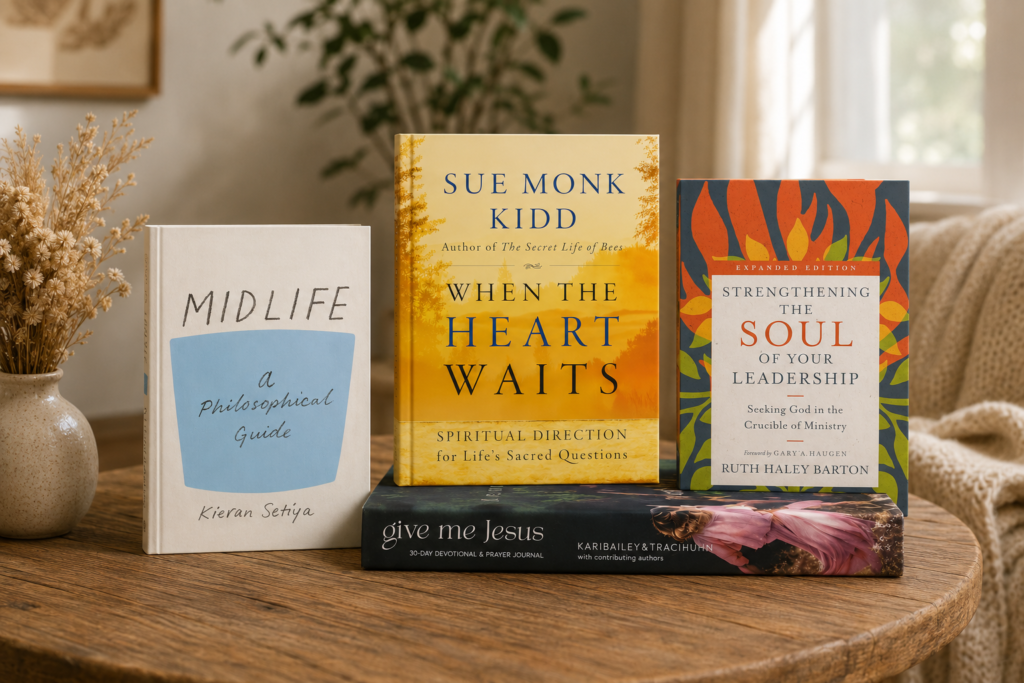
Many church groups make the mistake of planning midlife women’s fellowship using the same approach that works for young moms or college students. You might find yourself scheduling back-to-back events when you should be creating space for deeper, more intentional connection.
To host meaningful Christian fellowship for midlife women effectively, you need to understand the unique season they are walking through, then choose resources that encourage honest conversation while creating comfortable environments without demanding more energy than they have to give.
Here’s a real example. If you are planning a women’s gathering and someone suggests doing an intense craft project followed by a high-energy icebreaker and then small groups, you might feel exhausted just thinking about it.
Don’t respond with, “That sounds perfect, let’s do all of it!” This approach often leads to burnout for both organizers and attendees.
Avoid saying, “We’ll just do what we did for the college group.” This comes across as tone-deaf, and feels disconnected from where midlife women actually are.
Instead, try something like, “Let’s focus on one meaningful element and give it room to breathe, maybe a reflective devotional with extended prayer time.” This approach will create genuine connection because you are honoring the need for rest and depth over activity and entertainment.
You’ll notice women open up more readily until they feel truly seen, or they keep coming back and bring friends because they found a safe landing place.
This simple framework gives you a starting point. I recommend building your fellowship gatherings around quality resources that do some of the heavy lifting for you because it will improve both the depth of content and your own sustainability as a leader.
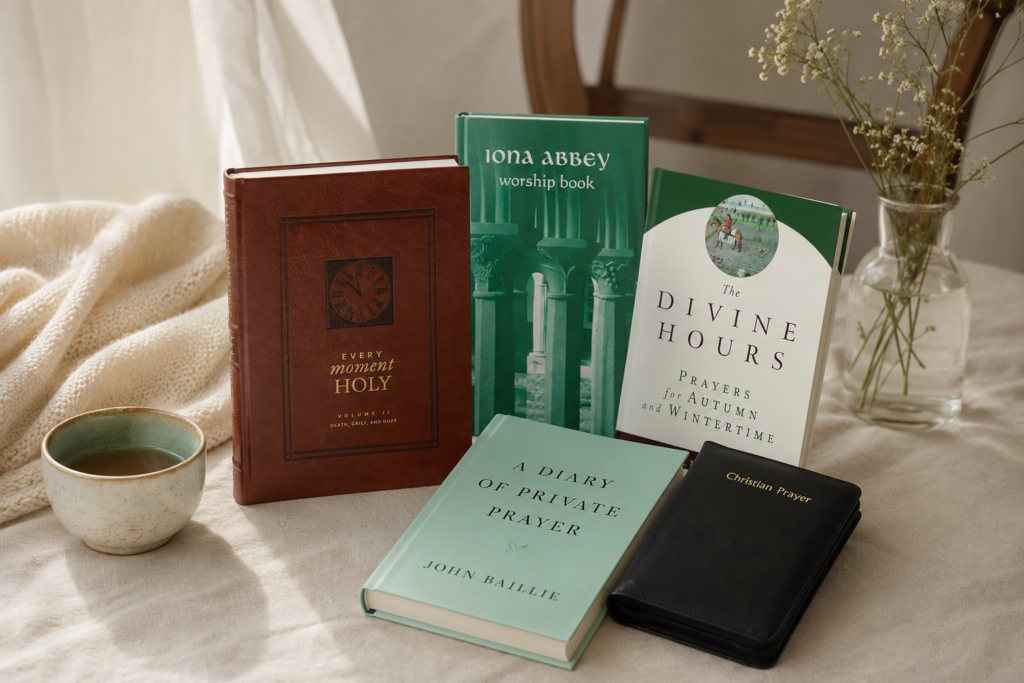
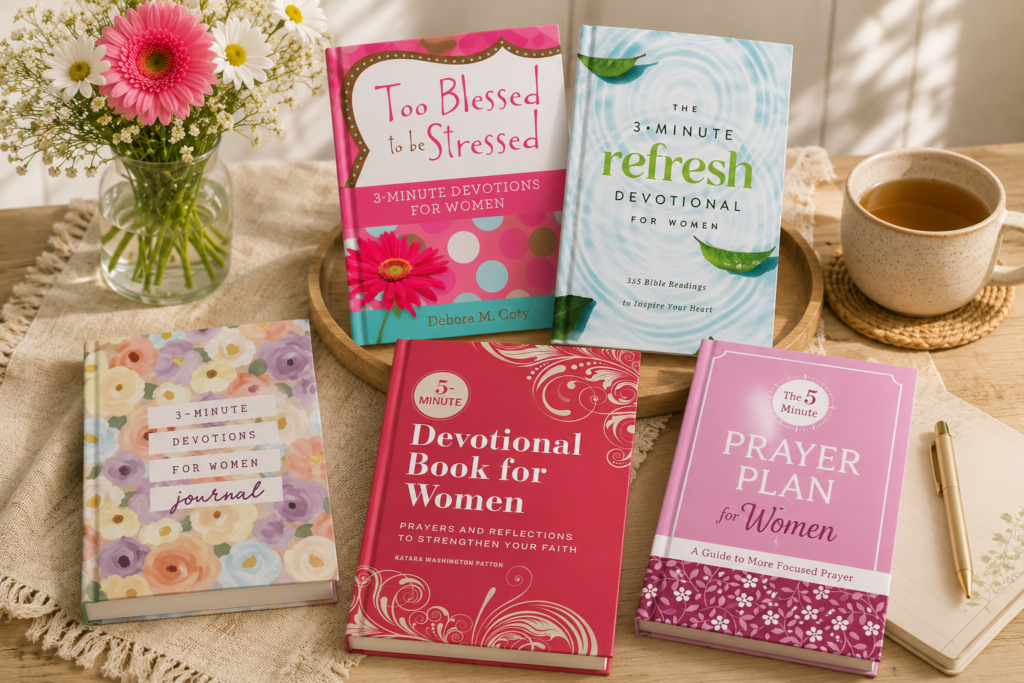
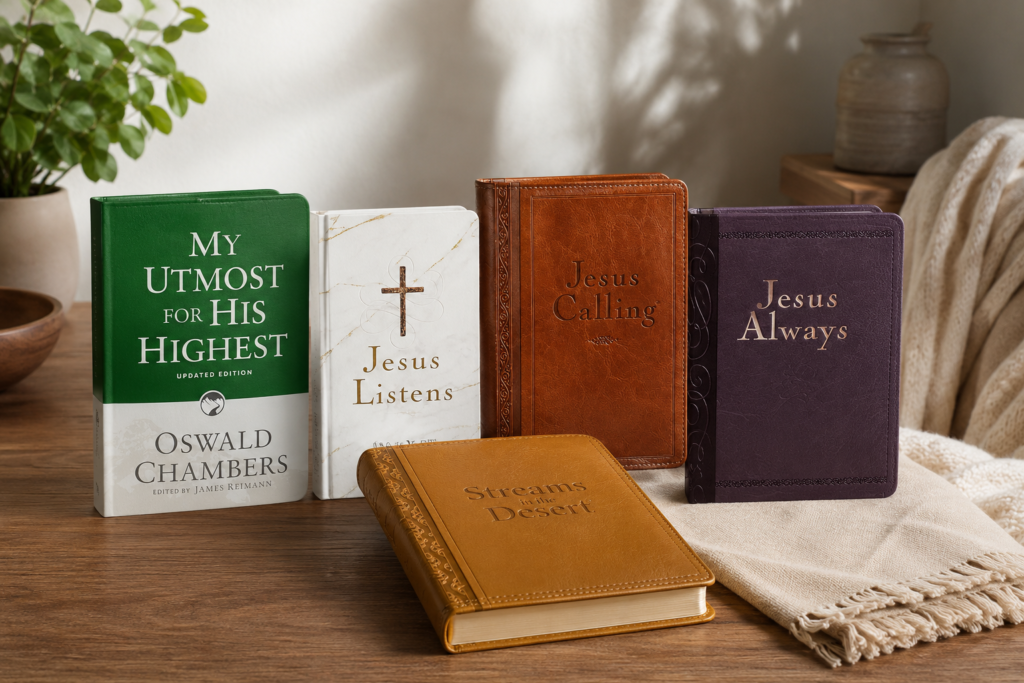
The products below range from devotional books and Bible study guides to practical hosting supplies and conversation tools. Some focus on the spiritual questions unique to midlife, while others simply make gathering easier.
You’ll find resources for quiet reflection, group discussion, creative expression, and building community that actually fits this season of life.
Books and Devotionals for Midlife Faith
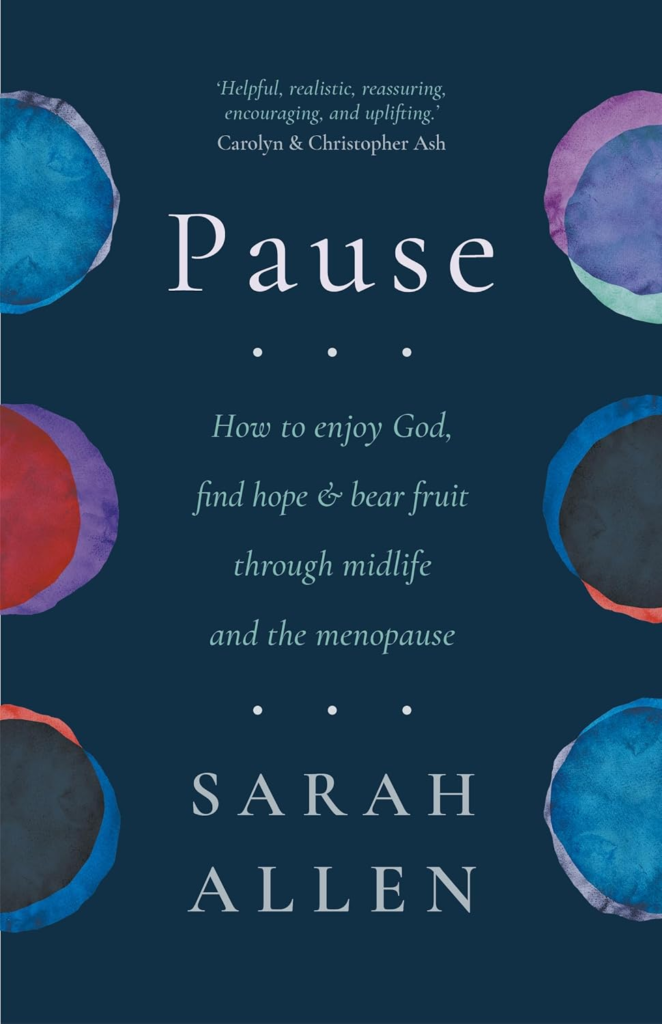
1. Pause: How to Enjoy God, Find Hope & Bear Fruit Through Midlife and the Menopause by Sarah Allen
This book names the spiritual and physical realities of midlife with honesty and grace. It’s perfect for personal reading or as a group study foundation, helping women see this season as an opportunity to grow deeper roots in Christ as opposed to a problem to solve.
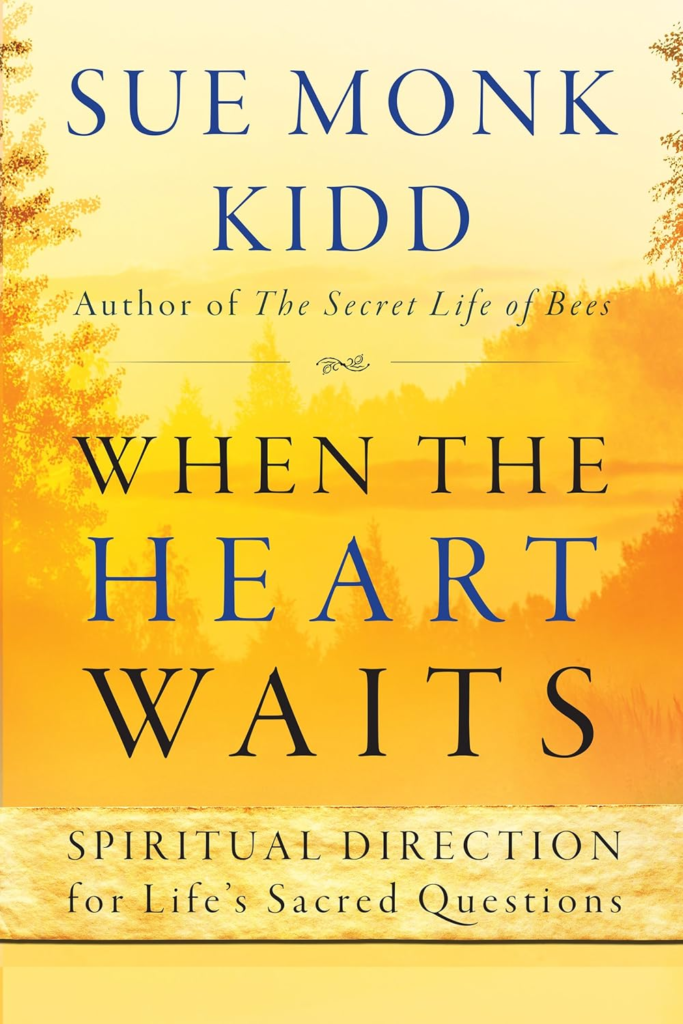
2. When the Heart Waits: Spiritual Direction for Life’s Sacred Questions by Sue Monk Kidd
A contemplative look at seasons of waiting that resonate deeply with midlife transitions. This book works beautifully for a book club discussion format, offering rich reflection questions and spiritual wisdom that sparks meaningful conversation.
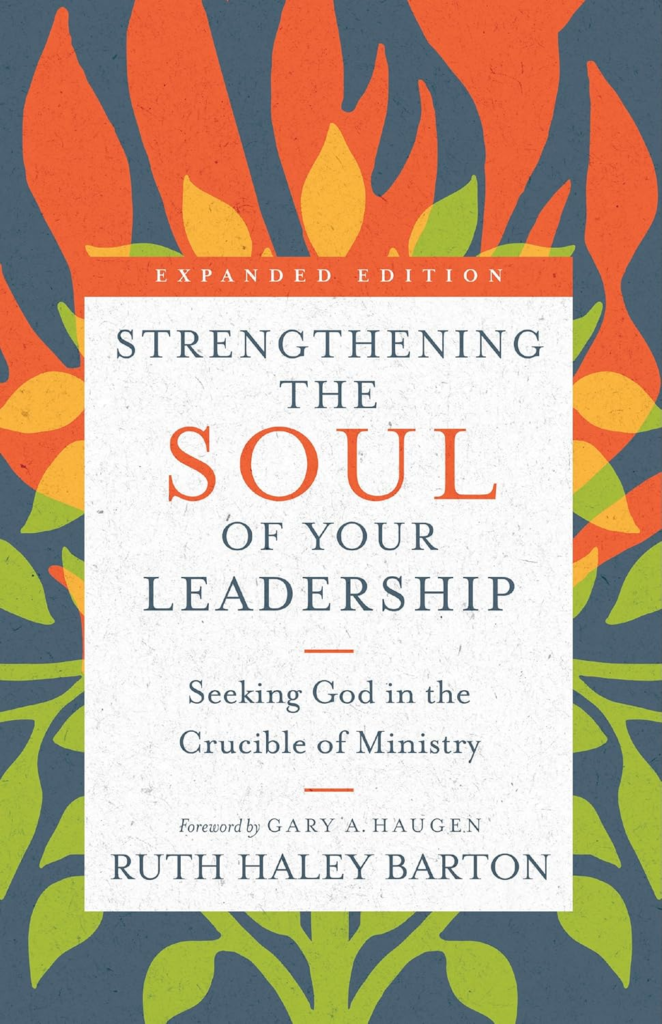
3. Strengthening the Soul of Your Leadership by Ruth Haley Barton
Designed for women in leadership, caregiving, or ministry roles who feel stretched thin. Even if your group isn’t formally in leadership, many midlife women lead in their families and communities, making this a relevant choice for fostering rest and spiritual renewal.
4. Midlife: A Philosophical Guide by Kieran Setiya
While not explicitly Christian, this book asks the big questions about purpose and meaning that midlife raises. You can pair it with Scripture study to create thoughtful discussions about identity, regret, and moving forward with hope.

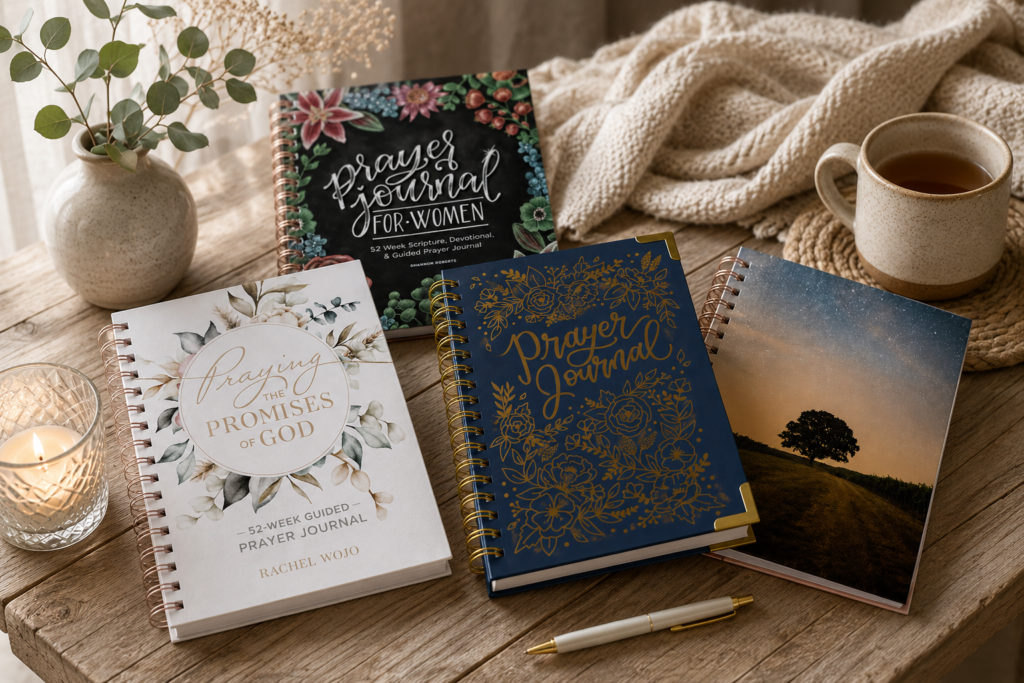
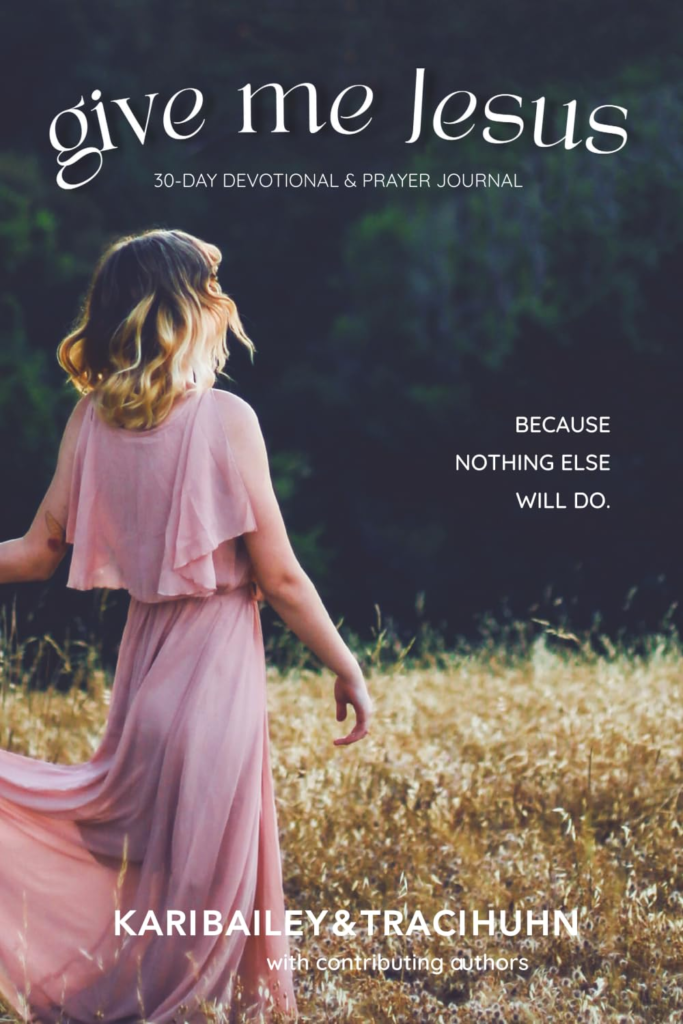
5. Give Me Jesus Journal
A structured journal provides prompts for Scripture reading, reflection, and prayer. These work well for retreat quiet times or as a resource you provide to group members for personal use between gatherings.
Discussion and Connection Tools
6. Christian Conversation Starter Cards
Talking Point Cards Christian Edition provides 200 ways to ignite edifying and faith filled discussion. Carefully crafted questions and prompts by experienced M. Div and Communication professionals with 10+ years ministry & counseling experience to start healthy and honest discussion about God, Christianity, the Bible and how you see yourself as a person of faith
Creative and Reflective Activities
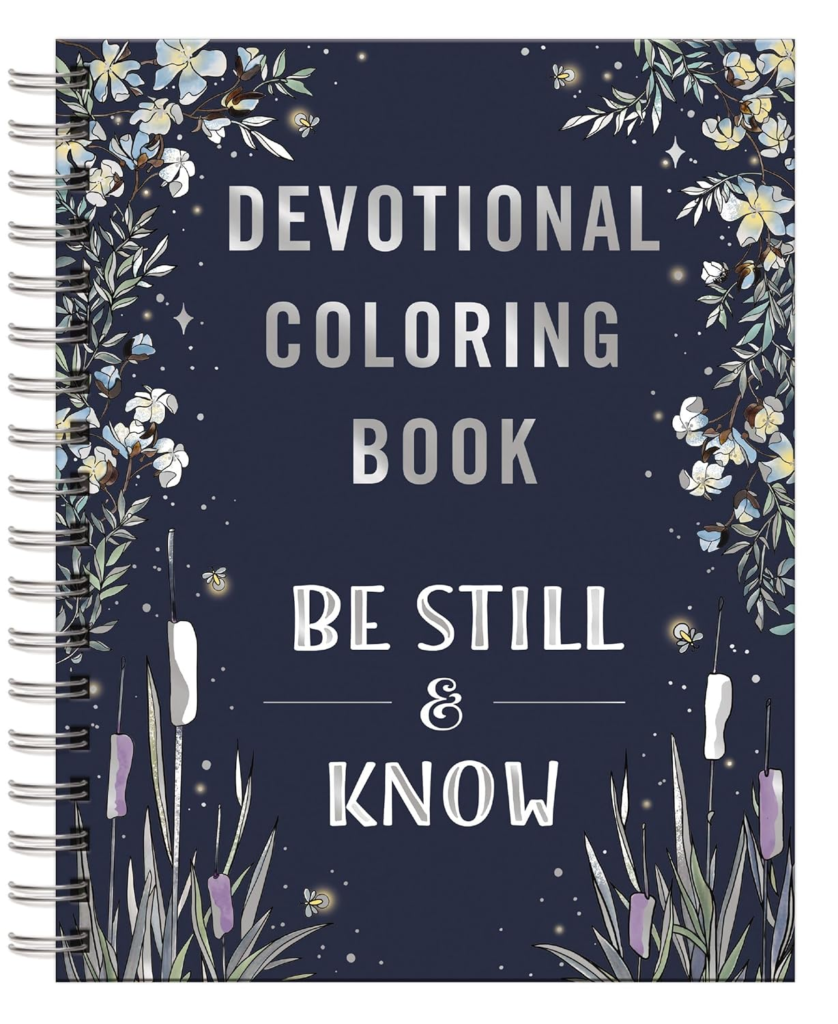
7. Scripture Coloring Devotional Book
Combining gentle creativity with meditation on God’s Word helps some women slow down and focus. These work well for quiet retreat times or as take-home resources.
My Top Pick and Next Steps
If you only invest in one resource from this list, I recommend “Pause: How to Enjoy God, Find Hope & Bear Fruit Through Midlife and the Menopause” by Sarah Allen.
This book does something rare. It speaks directly to the intersection of physical changes and spiritual growth in midlife with both theological depth and pastoral warmth.
You can use it as a personal resource to understand the women you are serving, as a book study foundation for your group, or as excerpts for devotional content during gatherings.
The book creates language for experiences many midlife women feel but struggle to name. It confirms the difficulty while pointing clearly toward Christ as the source of hope and transformation in this season.
Women who read it often say they finally feel seen and understood in their church community.
Start by reading it yourself, then consider hosting a simple book discussion over coffee with three or four women you’d like to build deeper fellowship with. Keep the format informal.
Read a chapter or two beforehand, come with one or two honest thoughts or questions, and let the conversation develop naturally.
From that small beginning, you’ll uncover what your specific group needs most. Some will crave more theological depth and might move toward a structured Bible study using one of the other books listed here.
Others will want creative expression or service projects.
Some will just need space to be together without an agenda.
Let the connection you build in that first small gathering guide your next steps. Add one or two of the practical hosting tools to make gatherings easier on yourself.
Pick up conversation cards or a game for fellowship nights.
Invest in a journal or prayer resource when you sense women want to go deeper individually.
The key is starting somewhere specific and sustainable as opposed to trying to create the perfect program all at once. These resources exist to support you, not to become another overwhelming to-do list.
Frequently Asked Questions
What size group works best for midlife women’s fellowship?
Smaller groups of six to twelve women tend to foster deeper connection than large gatherings. This size allows everyone to share meaningfully during discussion times while still providing enough people to sustain the group if a few are absent.
If you have a larger group interested, consider breaking into smaller circles for discussion portions while gathering together for teaching, worship, or meals.
Many successful midlife fellowship groups start with just three or four committed women and grow organically through personal invitation.
How much should I spend on resources for a women’s fellowship group?
Start with whatever you can reasonably afford and build from there. A single good book can anchor months of discussion for under twenty dollars.
Many of the practical items like speakers, timers, or hosting supplies are one-time purchases you’ll use repeatedly.
If budget is tight, focus first on content resources like books or conversation cards that directly shape your gathering’s spiritual depth. Ask if your church has a women’s ministry budget that might cover initial materials.
You can also pass along costs by having women purchase their own copies of books you’re studying together.
What if women in my group are at very different spiritual maturity levels?
This actually mirrors real Christian community beautifully. Midlife is a great leveler in many ways.
A woman who has known Christ since childhood may struggle with doubt for the first time during a health crisis, while a newer believer might bring fresh faith and different perspectives.
Choose resources that offer many entry points. Books like “When the Heart Waits” or “Pause” work for both newer and mature believers because they address universal human experiences through a Christian lens.
Use small group discussions where women can share at whatever depth feels comfortable as opposed to assuming everyone should be at the same place.
How do I handle sensitive topics like menopause, empty nest, or divorce during fellowship?
Create clear norms around confidentiality and respect from the beginning. Remind the group regularly that what is shared stays within the group.
When planning discussions around sensitive topics, always offer ways to participate without full disclosure.
Women can pray in pairs as opposed to sharing specifics with the whole group, write in journals privately, or simply listen. Consider having resource lists available from Christian counselors or medical professionals for women who need more support than the group can provide.
The panel discussion format mentioned in the research works well because it normalizes these topics through structured sharing as opposed to putting anyone on the spot.
What if I’m not a naturally gifted Bible teacher or discussion leader?
Most midlife women are not looking for polished performance. They want authentic connection with someone who cares enough to create space for them.
Lean heavily on the quality resources listed here to provide content and structure.
Let a good book carry the teaching load while you facilitate discussion. Use pre-written questions from conversation cards as opposed to creating your own.
Share leadership by having different women take turns choosing discussion questions or leading prayer time.
Consider inviting a more experienced Bible teacher as a guest once or twice a year for variety while you focus on building relationships and managing logistics the rest of the time.
How do I attract busy midlife women to yet another church event?
Stop thinking of it as “yet another event” and start framing it as a specific solution to real needs. When you invite women, name what you are offering clearly. This could be rest from constant demands, honest conversation without judgment, spiritual depth beyond Sunday morning, friendship with women who understand this season, or space to ask hard questions about faith.
Be realistic about time commitment and stick to it.
If you say the gathering ends at eight-thirty, end at eight-thirty. Offer simple food or make it potluck as opposed to elaborate meals that create pressure.
Most importantly, deliver on what you promise so women who come once want to return and bring friends.
Can these resources work for online or hybrid fellowship groups?
Many can adapt well to virtual formats. Books obviously work for online discussion groups using video calls.
Digital tools like shared prayer journals, virtual backgrounds with Scripture, or screen-shared timers replace physical items.
Conversation cards translate easily to verbal prompts. Some elements lose impact online, you cannot do planting projects or no-sew blankets together remotely, but you gain accessibility for women who cannot easily leave home due to caregiving responsibilities, health issues, or distance.
Consider a hybrid approach where you offer both in-person gatherings and online options, or alternate between the two formats to serve different needs within your group.
Find out our Recommended Low-Homework Bible Studies for Busy Seasons; visit: https://illuminatedresources.com/low-homework-bible-studies-for-busy-seasons-structure-without-intimidation/