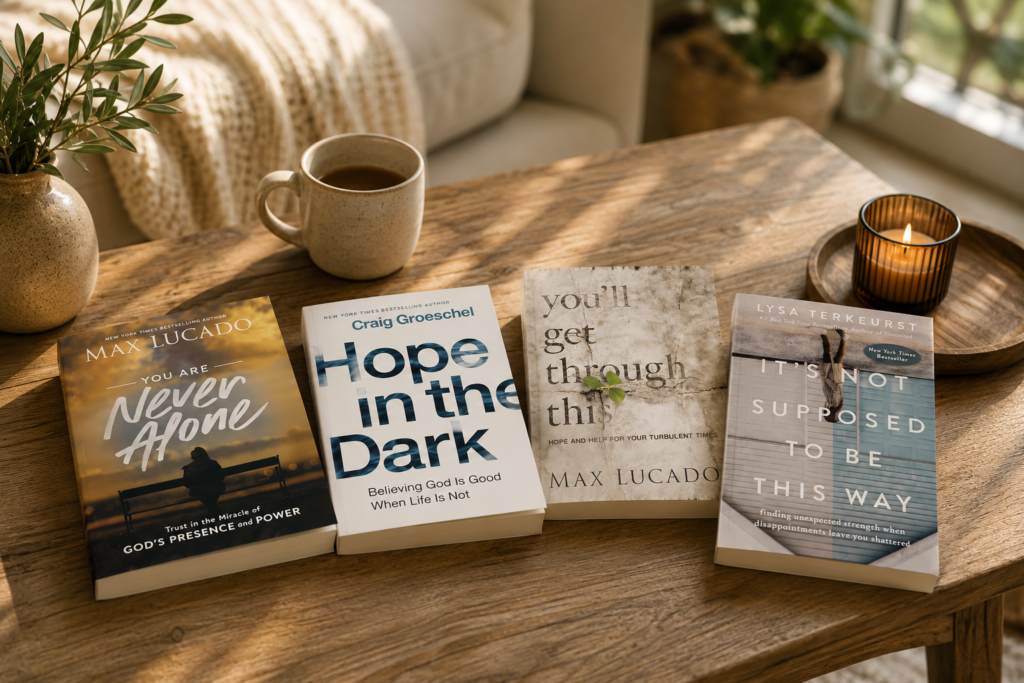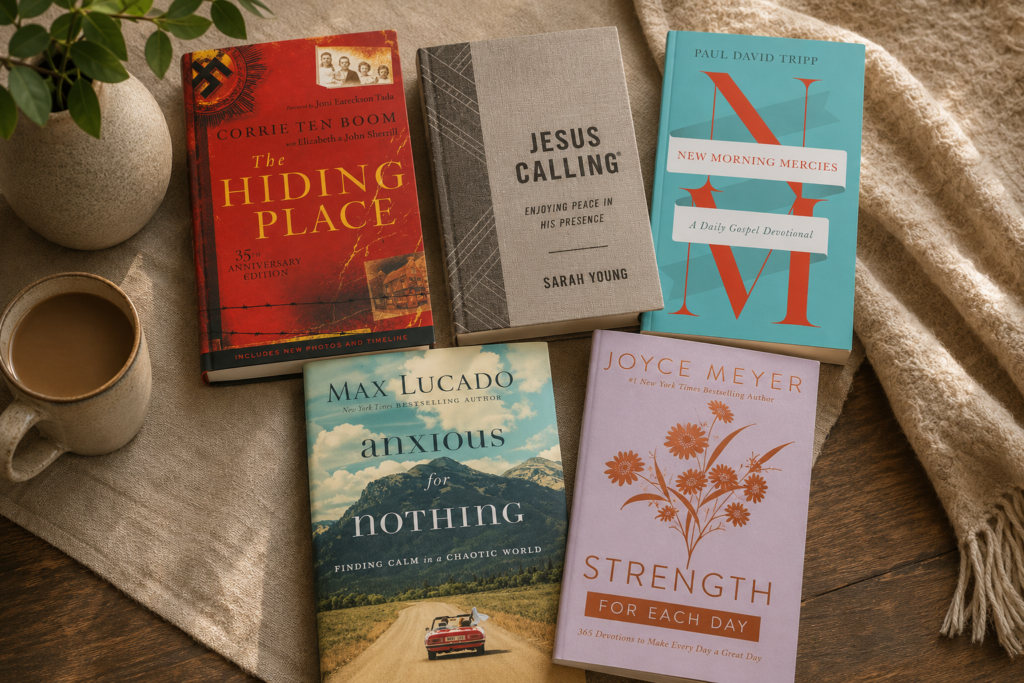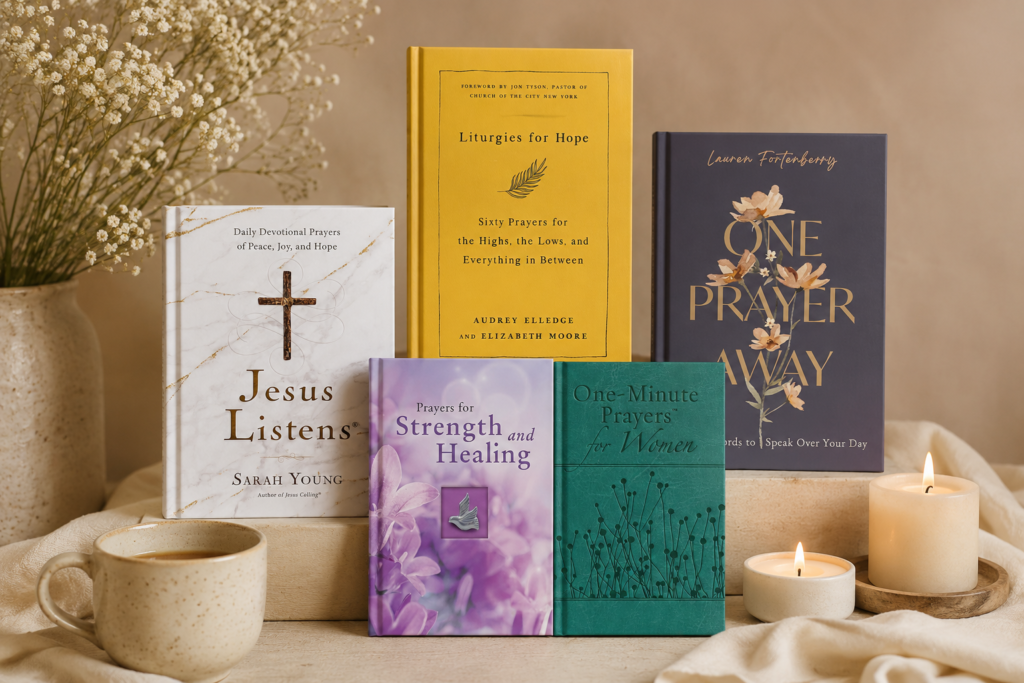

Find the right journal to support your spiritual growth, emotional healing, and daily reflection practice.
Journals designed for healing, reflection, and prayer serve different purposes depending on what you need. Some focus heavily on Christian faith with scripture prompts and prayer tracking. Others take a therapeutic approach with shadow work exercises and trauma processing.
You’ll also find gratitude journals that build positivity through daily thankfulness practices.
The main differences come down to structure and focus. Guided journals offer prompts and frameworks for each entry, which helps if you’re not sure what to write.
Undated journals give you flexibility to skip days without guilt.
Faith-based options include Bible verses and prayer sections, while secular healing journals use psychological exercises like inner child work or cognitive behavioral therapy techniques. Most feature thick paper that prevents ink bleed-through, and many include extras like habit trackers, affirmation cards, or ribbon bookmarks.
We looked at Amazon best-sellers, read through thousands of customer reviews, and checked 2025 updates to find these top picks.
Prices range from about $10 to $25, with most landing under $20.
Prayer and Faith-Based Journals
1. War Room Prayer Journal
This journal takes inspiration from the movie “War Room” and creates a structured space for writing out prayers, tracking answers, and building a consistent prayer practice. The format includes dedicated sections for different prayer types like praise, confession, and asks.
Users appreciate how it turns abstract prayer intentions into concrete written records they can look back on.

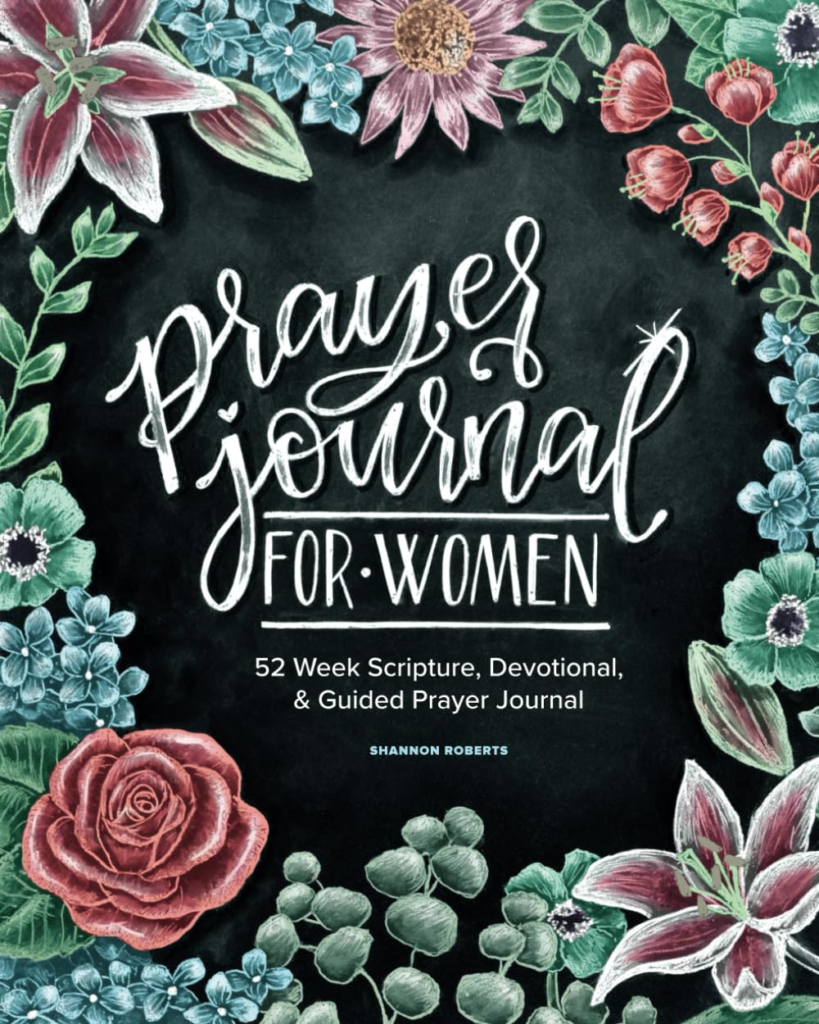
2. Prayer Journal for Women: 52 Week Scripture, Gratitude & Guidance
Each week brings a new Bible verse to meditate on, space for gratitude lists, and guided prayer prompts. The hardcover design holds up to daily use, and the lay-flat binding makes writing comfortable.
This works well if you want structure and freedom to personalize your entries.
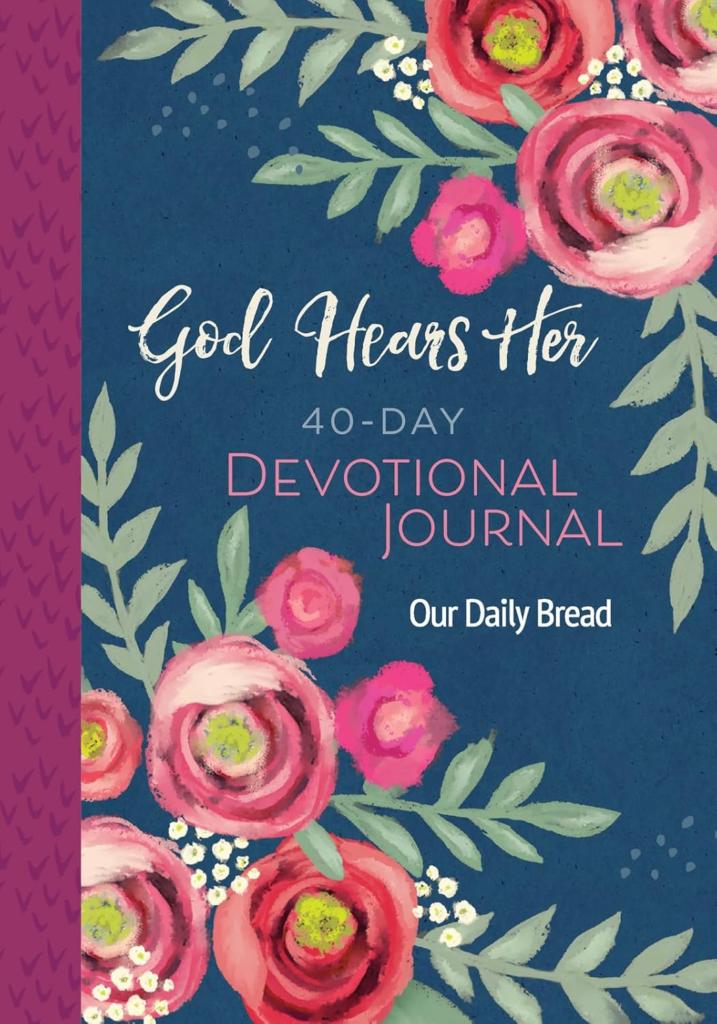
3. God Hears Her 40-Day Devotional Journal
God Hears Her 40-Day Devotional Journal gives you a meaningful way to connect with God during your quiet moments. This journal is your all-in-one book to read Scripture and devotions, ponder questions and journal thoughts, and meditate on a short prayer that can launch you into your own prayer time. You’ll love the elegant design and find everything you want to enhance your devotional time.
Gratitude and Positivity Journals
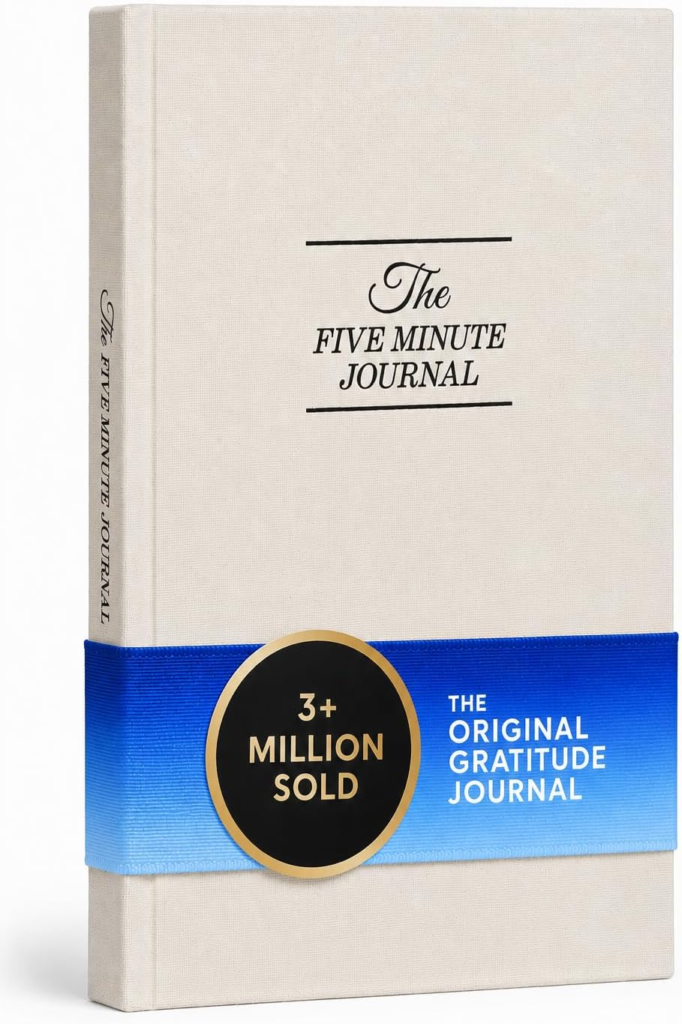
4. The Five Minute Journal
This best-seller keeps things simple with five quick prompts, morning affirmations and evening reflections that take just minutes. The format includes space for three things you’re grateful for, daily intentions, and a nightly highlight.
Over 50,000 reviews confirm it actually helps build a gratitude habit without feeling overwhelming.
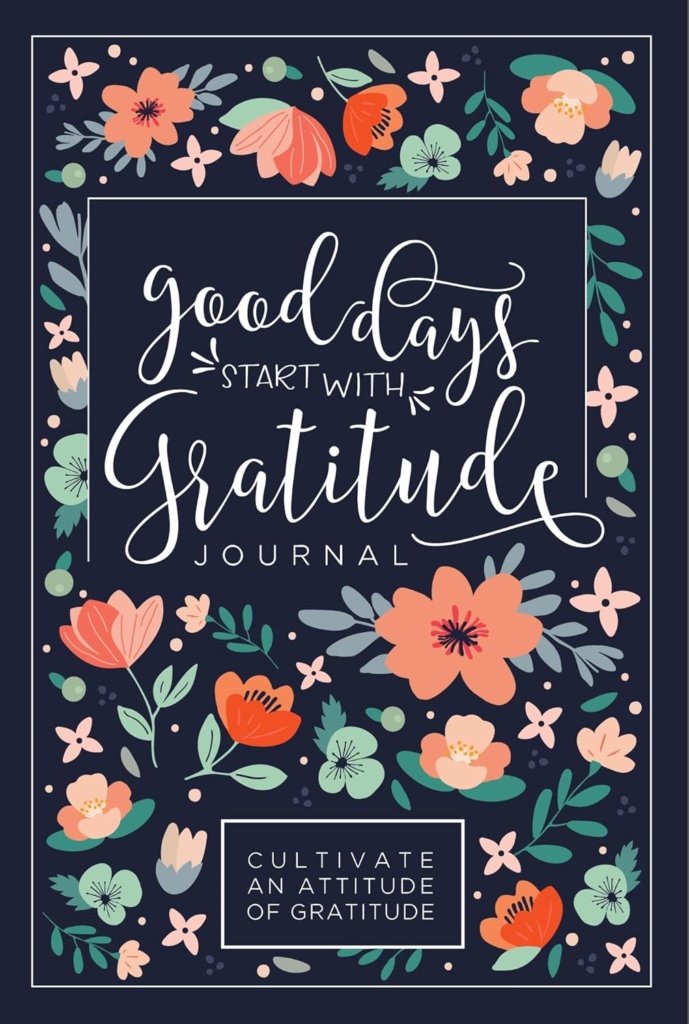
5. Good Days Start With Gratitude
This 52-week journal dedicates each week to exploring gratitude from different angles. Weekly inspirational quotes set the tone, and daily prompts help you take a closer look than surface-level thankfulness.
The beautiful cover design makes it feel special enough to stick with long-term.
Healing and Therapeutic Journals
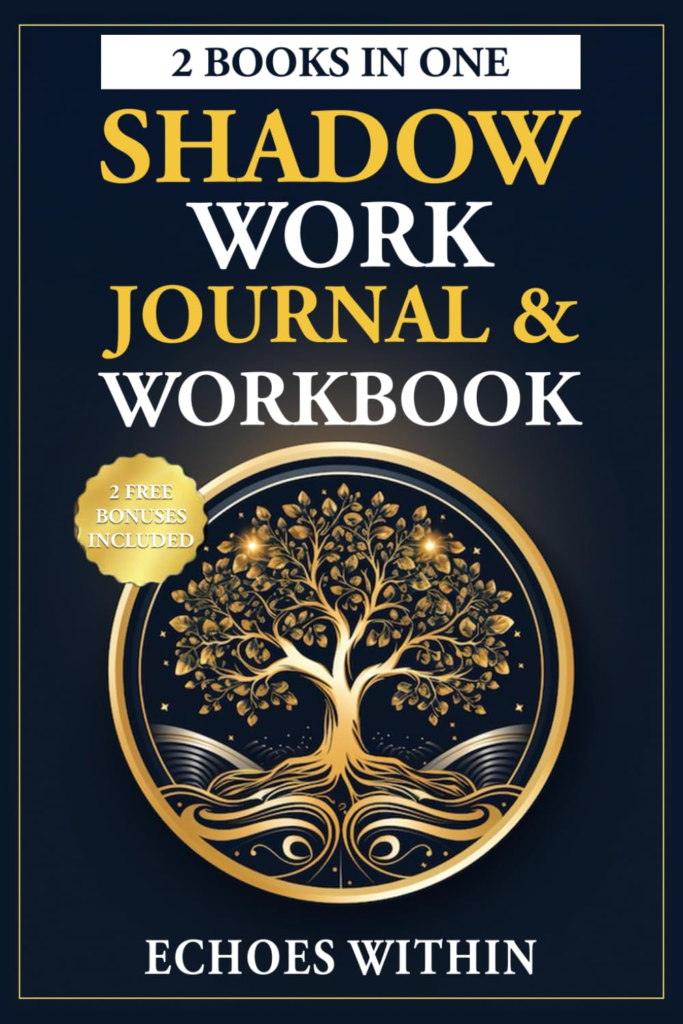
6. Shadow Work Journal and Workbook
This guided journal uses Jungian psychology concepts to help you explore hidden parts of yourself. It includes over 50 exercises for examining triggers, healing inner child wounds, and integrating rejected aspects of your personality.
The prompts get deep and sometimes uncomfortable, which means they’re working.
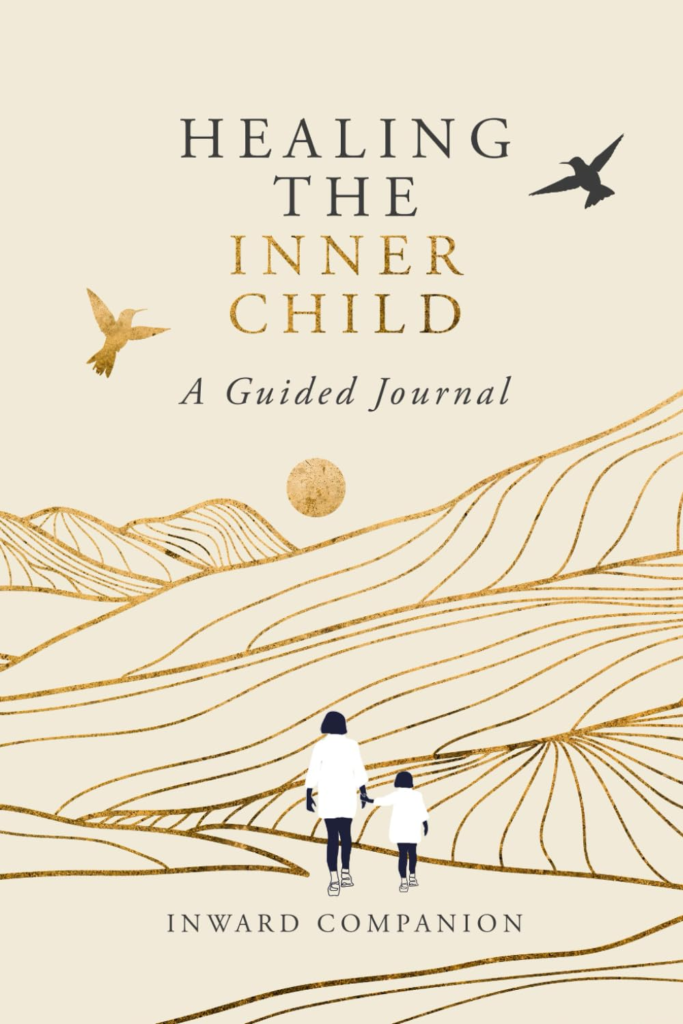
7. Healing the Inner Child: A Guided Journal
Gentle prompts guide you through reconnecting with your younger self through letter writing, memory exploration, and reparenting exercises. The tone stays compassionate throughout, making it easier to approach painful memories.
Each section builds on the previous one for progressive healing.
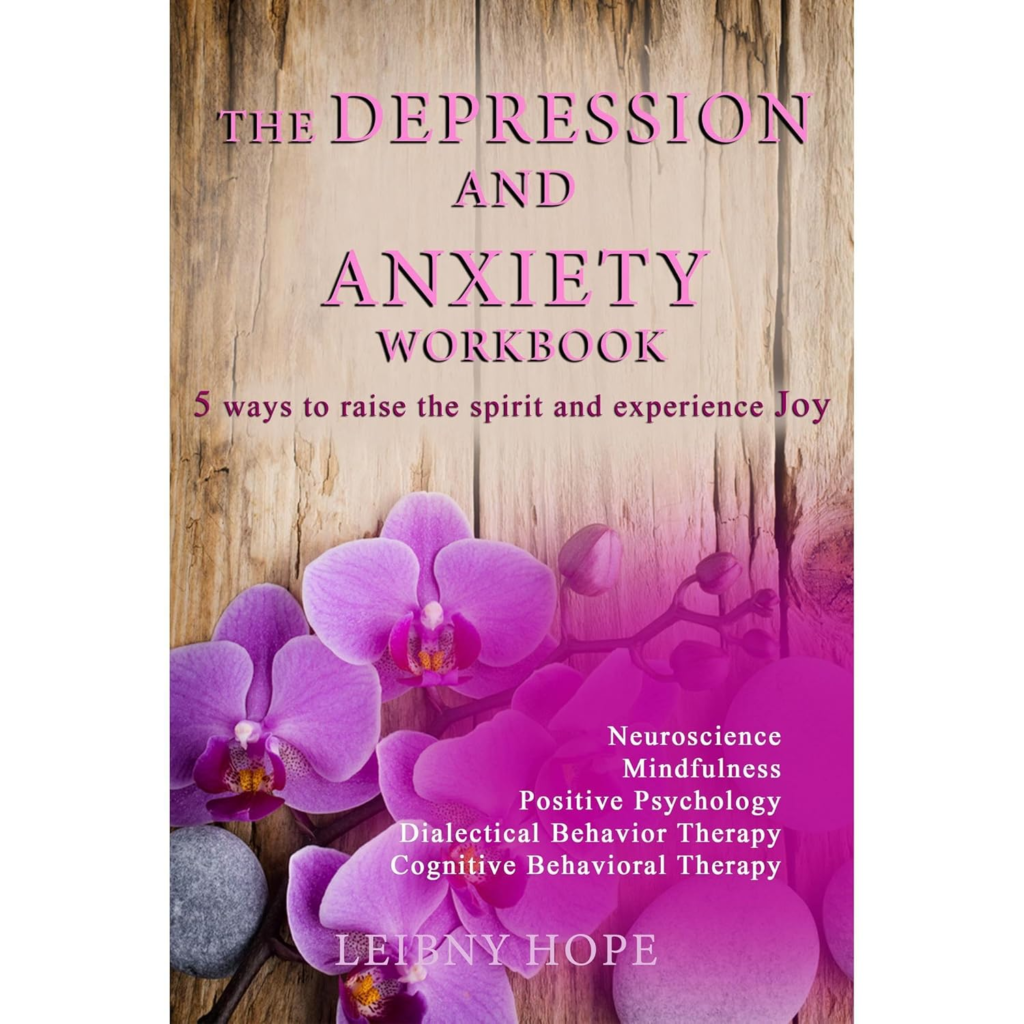
8. The Depression and Anxiety Workbook
Using cognitive behavioral therapy principles, this journal helps you track mood patterns, challenge negative thoughts, and build coping strategies. It includes worksheets for identifying triggers and rating anxiety levels over time.
Users report noticeable improvements after consistent use for several weeks.
Finding Your Perfect Journal Match
After reviewing all these options, The Five Minute Journal stands out as the best starting point for most people. The format removes the biggest barrier to journaling consistency, which is feeling like you don’t have time or don’t know what to write.
Five minutes truly is manageable even on your busiest days, and the prompts guide you without constraining you.
The simplicity means you’re more likely to stick with it long enough to experience real benefits. Users consistently report that the daily gratitude practice shifts their overall mindset within a few weeks.
The structured format has helped over 50,000 people build a lasting reflection habit.
For faith-focused journaling, the War Room Prayer Journal takes second place. It changes prayer from something abstract into a documented practice you can track and reflect on over time.
Seeing how prayers get answered builds faith in tangible ways.
The dedicated sections for different prayer types also teach you to pray more holistically rather than just making asks.
If you’re working through deeper emotional healing, The Shadow Work Journal provides the most comprehensive guided experience. The exercises draw from established psychological frameworks rather than generic prompts.
Yes, the work feels challenging, but that’s exactly what leads to breakthrough moments.
Just make sure you’re in a stable enough place to handle intense self-inquiry, or work through it alongside therapy.
You can grab any of these journals directly from Amazon and start tonight. Pick one that matches where you are right now.
Don’t overthink it.
Start with a single page and see how it feels. The journals that provide the most structure work best when you’re building a new habit.
You can always switch to more open-ended options once journaling becomes natural.
Give yourself at least 30 days of consistent use before deciding if a journal works for you. Most people notice shifts in their emotional baseline, prayer life, or self-awareness within that timeframe.
Set up a specific time and place for journaling, like your morning coffee spot or bedside table before sleep.
Pairing the practice with an existing routine makes it much easier to maintain.
Frequently Asked Questions
What’s the difference between a regular notebook and these specialized journals?
The structure makes the biggest difference. A blank notebook gives you finished freedom and leaves you staring at an empty page wondering what to write.
Guided journals provide prompts, questions, and frameworks that spark reflection and keep you moving forward.
The best ones also include features like thick paper that prevents bleed-through, ribbon bookmarks, and layouts designed for specific practices like tracking prayers or processing emotions.
How long does it typically take to fill a journal?
That depends entirely on the format and how often you write. A 52-week guided journal with daily entries takes a year if you use it every single day.
Most people take longer because they skip days here and there.
Undated journals work better if you want flexibility, since you won’t see blank pages staring at you as reminders of missed days. Many people take anywhere from three months to over a year to finish a journal.
Can journaling actually help with anxiety and depression?
Research shows that structured journaling can reduce symptoms of anxiety and depression when used consistently. Writing helps you process emotions, identify thought patterns, and gain perspective on situations.
Journals using cognitive behavioral therapy techniques teach you to challenge negative thoughts actively.
Gratitude journals shift your focus toward positive aspects of life. That said, journaling works best as a complement to other treatments like therapy or medication, not as a replacement for professional help with serious mental health conditions.
Do I need to journal every single day?
No. Consistency matters more than perfection. Journaling three or four times per week provides benefits.
Daily practice builds stronger habits and gives you more data points to notice patterns, but beating yourself up for missing days defeats the purpose.
Undated journals remove the guilt of blank pages. Some people journal daily during difficult periods and less often when life feels stable.
Find a rhythm that works for your actual life rather than an idealized version.
What if I don’t know what to write?
This is exactly why guided journals exist. They give you specific prompts and questions to answer.
You’re not starting from zero.
Even simple prompts like “What went well today?” or “What am I worried about?” give you a starting point. Over time, you’ll find yourself writing beyond the prompts as thoughts flow.
If you’re completely stuck, just describe your day factually or write whatever’s bothering you without censoring yourself.
Are faith-based journals only for Christians?
Most prayer journals on Amazon come from Christian perspectives with Bible verses and references to God. If you practice a different faith, you can adapt many prompts by substituting your own sacred texts or spiritual practices.
Some gratitude and healing journals avoid religious language entirely while still supporting spiritual growth.
Look for terms like “mindfulness,” “meditation,” or “intention-setting” rather than “prayer” if you want secular options that still address spiritual dimensions of healing.
How do I choose between so many options?
Start by identifying your primary goal. To deepen prayer life, choose a faith-based prayer journal.
For processing trauma or difficult emotions, pick a therapeutic healing journal.
If you just want to feel more positive overall, go with a gratitude journal. Look at the structure too.
Do you want daily prompts, weekly themes, or finish flexibility?
Read the one-star and three-star Amazon reviews, not just the five-star ones, since those reveal actual drawbacks like paper quality or prompt repetitiveness. Most journals fall in the $15-20 range, so trying one won’t break the bank if it doesn’t end up being the right fit.
Find out our Recommended Prayer Journals for When You Don’t Know What to Pray: Best Journals for Anxiety; visit: https://illuminatedresources.com/prayer-journals-for-when-you-dont-know-what-to-pray-best-journals-for-anxiety/