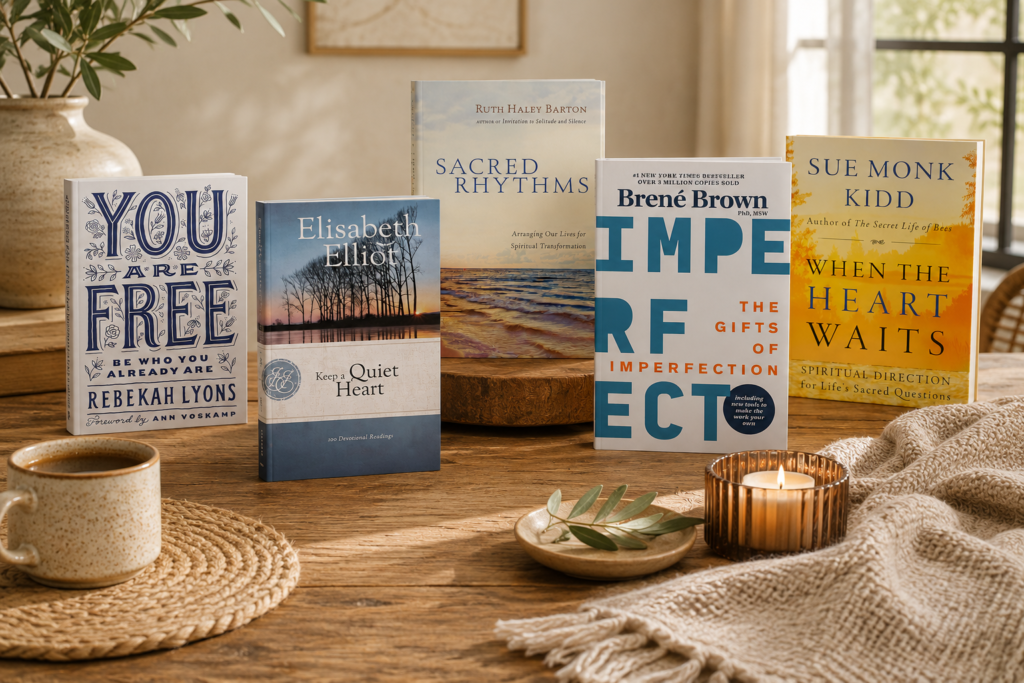
A common mistake many women in midlife make is assuming that persistent self-doubt means their faith is weak or failing. However, if you can connect the right kind of Christ-centered encouragement with the specific pressures of midlife (hormonal shifts, role changes, aging, loss, uncertainty), you can experience genuine transformation in how you see yourself and God.
Understanding this pattern helps you avoid just pushing through or trying harder, which often leads to deeper exhaustion and shame. Instead, you can use carefully chosen books and resources that speak directly into midlife struggles while grounding you in biblical truth.
In this guide, you’ll find out about 20 faith-based products available on Amazon US that address self-doubt, identity, purpose, and spiritual growth during midlife.
These resources include practical teaching, honest storytelling, and tools for daily practice. After you review this list, ask yourself: do you have at least one resource that could help you take a next step toward steadier confidence in God and yourself?
Women who feel spiritually stuck often say they could never find time to read or that books won’t help their real problems. They’re wrong.
You can separate intellectual understanding from heart-level change when you choose resources that mix truth, compassion, and practical application.
The approach works whether you’re wrestling with anxiety and overthinking or navigating disappointment and shifting roles. The core principle is proven across thousands of readers’ experiences.
Often, the insights from later chapters will multiply what you get from the first one. Sometimes, far better.
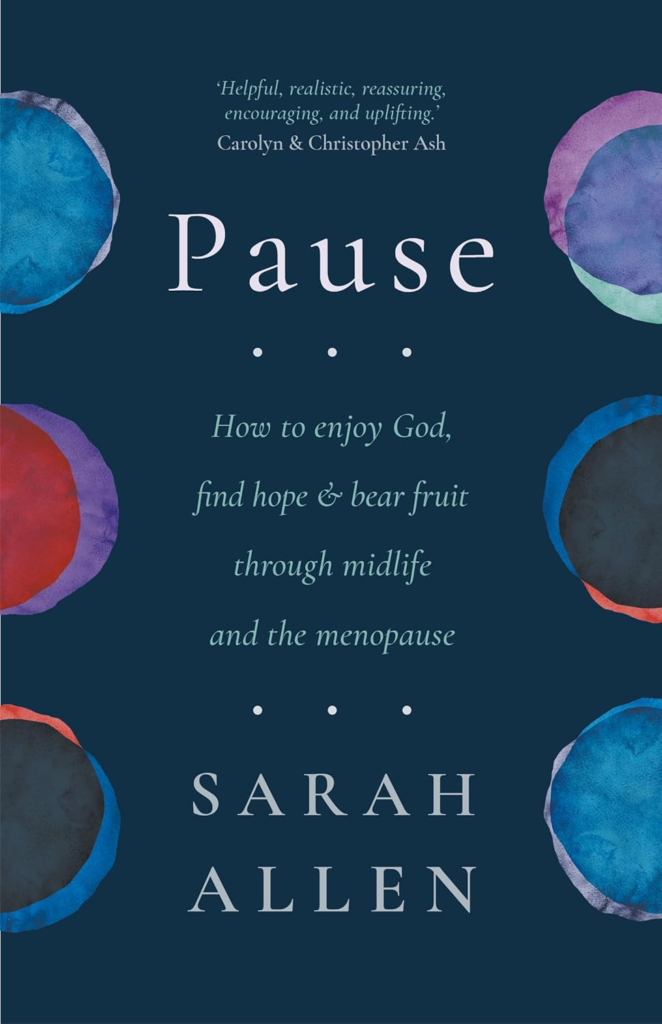
1. Pause: Resting for Midlife Women by Rachael Saunders
This short book addresses the intersection of menopause, life transitions, and faith with honesty and hope. Rachael Saunders writes as both a Christian and someone who understands the physical and emotional upheaval of midlife.
The book treats this season as an invitation to rest and reconnect with God as opposed to something to survive or fix.
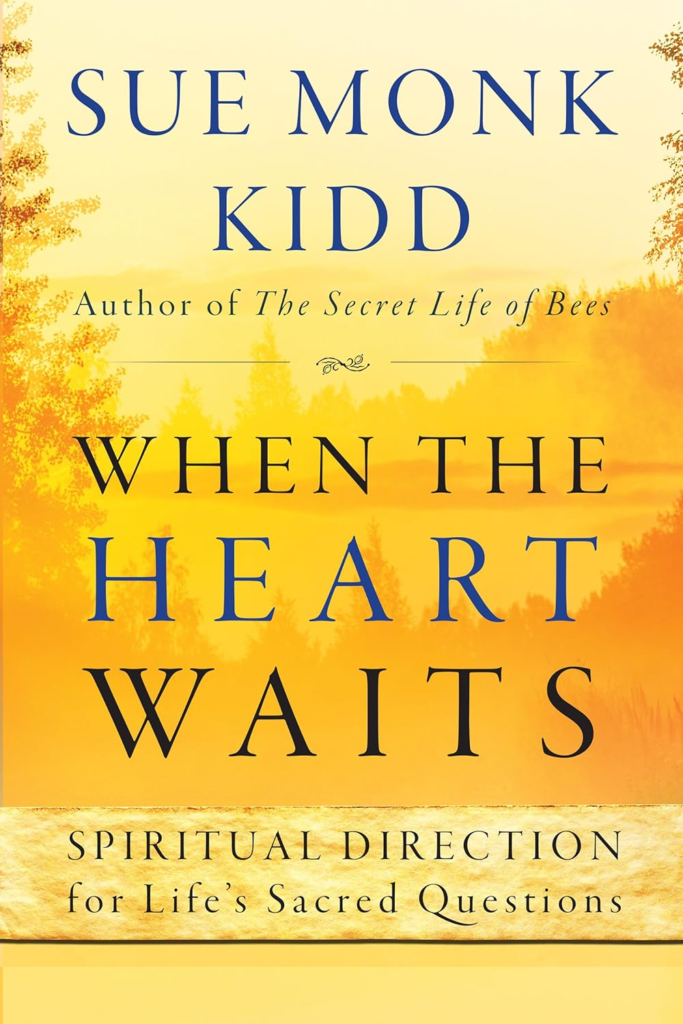
2. When the Heart Waits: Spiritual Direction for Life’s Sacred Questions by Sue Monk Kidd
Sue Monk Kidd shares her story of spiritual awakening during midlife with remarkable vulnerability. She writes about restlessness, identity shifts, and the discomfort of waiting without rushing to neat answers.
This memoir invites you to see transition not as failure but as necessary transformation with God at the center.
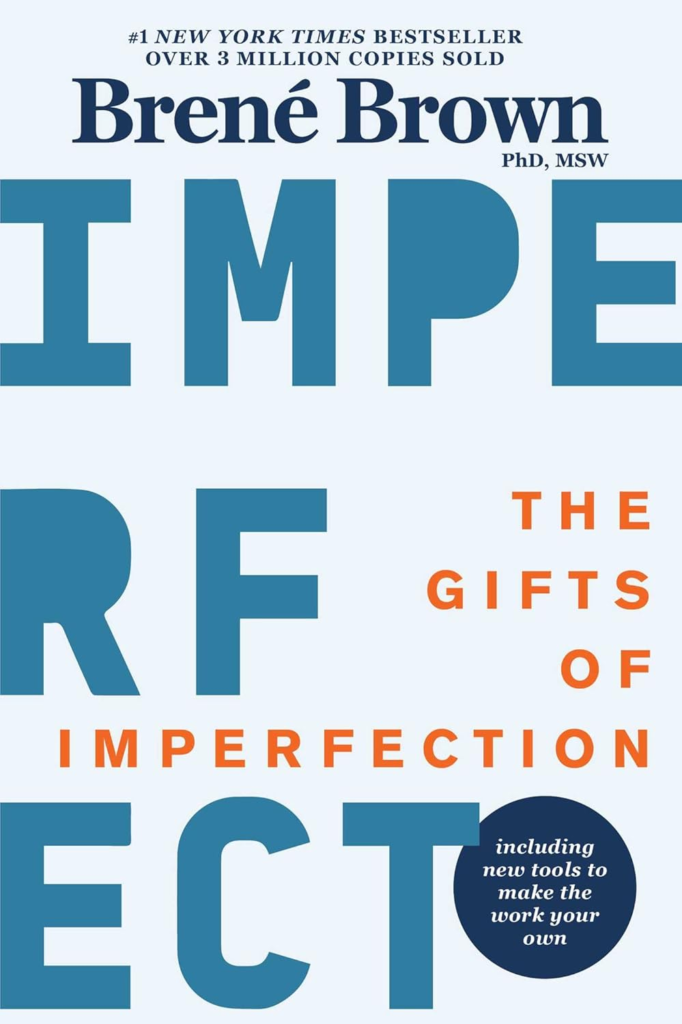
3. The Gifts of Imperfection by Brené Brown
Brené Brown’s research on shame, vulnerability, and worthiness resonates deeply with believers. This book challenges perfectionism and performance-based living with compassion and practical steps.
If you’ve spent years trying to be enough for everyone, this pairs beautifully with Scripture to reset your view of yourself and others.
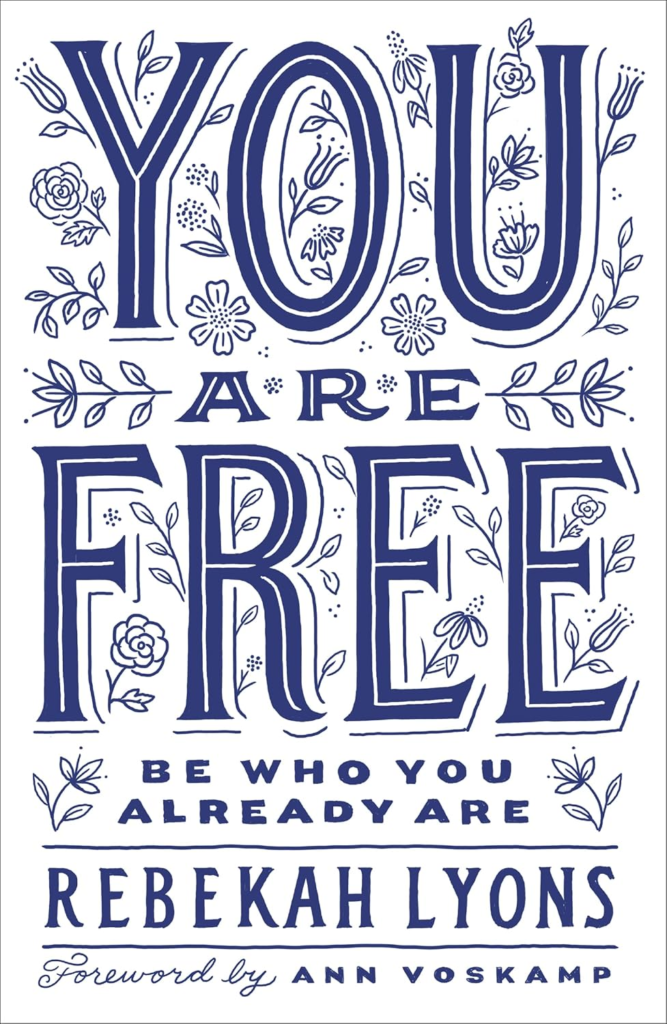
4. You Are Free: Be Who You Already Are by Rebekah Lyons
Rebekah Lyons writes about anxiety, calling, and freedom with warmth and biblical grounding. She shares her own panic attacks and fear of using her gifts, then gently invites you into the freedom Christ offers.
This book helps when self-doubt shows up as fear of stepping out or disappointing others.
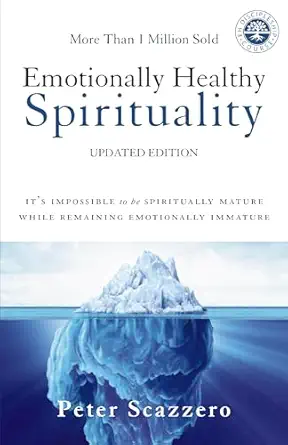
5. Emotionally Healthy Spirituality by Peter Scazzero
Peter Scazzero explains why spiritual maturity needs emotional maturity. He addresses patterns like ignoring feelings, avoiding conflict, and living without boundaries.
Many women in midlife realize they’ve carried family dynamics and unprocessed pain for decades.
This book helps you notice those patterns and build a healthier inner life with God.
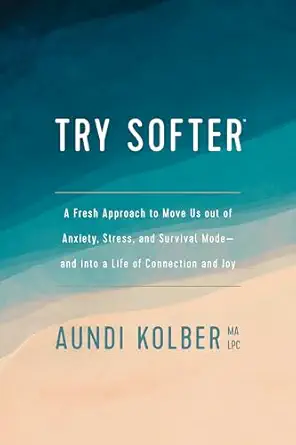
6. Try Softer: A Fresh Approach to Move Us Out of Anxiety, Stress, and Survival Mode by Aundi Kolber
Aundi Kolber is a licensed therapist who writes about trauma, nervous system regulation, and self-compassion through a Christian lens. She shows you how to work with your body and emotions instead of forcing yourself to try harder.
If self-doubt feels tied to old wounds or ongoing anxiety, this book offers practical tools grounded in both therapy and faith.
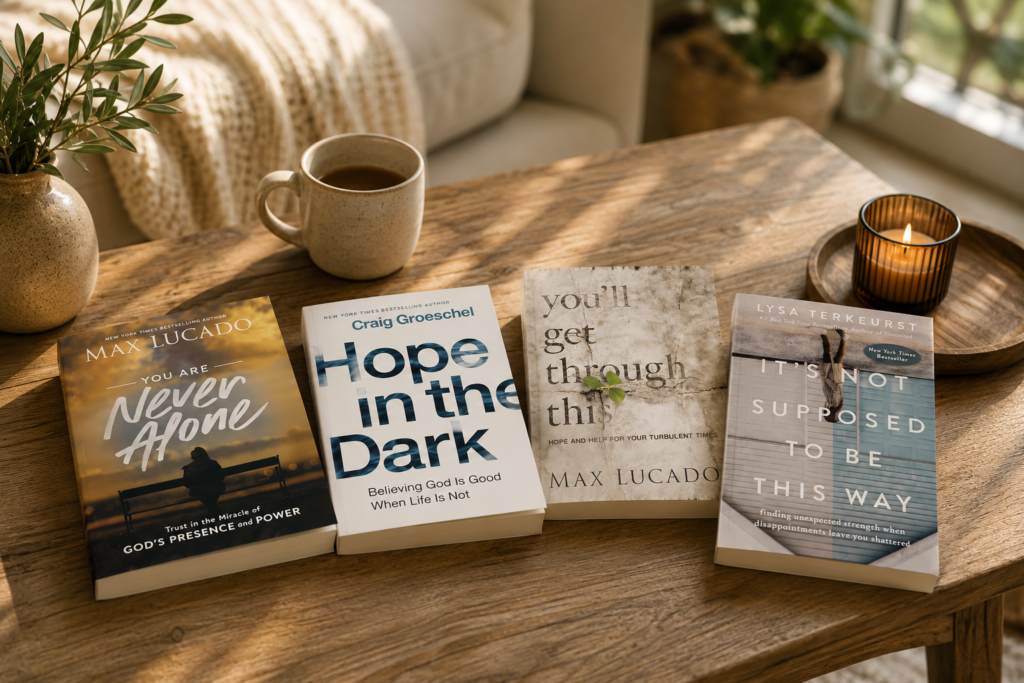
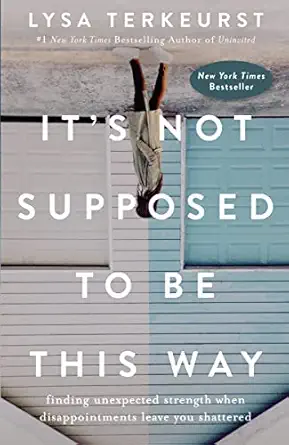
7. It’s Not Supposed to Be This Way by Lysa TerKeurst
Lysa TerKeurst writes about disappointment, unmet expectations, and life looking different than planned. She shares from her own heartbreaks while pointing to God’s faithfulness. This book helps when midlife brings marriage struggles, health issues, career shifts, or loss.
It reminds you that God is present even when everything feels off script.
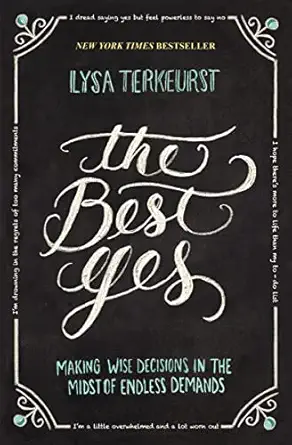
8. The Best Yes: Making Wise Decisions in the Midst of Endless Demands by Lysa TerKeurst
Here Lysa focuses on people-pleasing, overcommitting, and decision fatigue. She teaches how to say small nos and wise yeses so you can live with peace.
If self-doubt appears every time you try to set boundaries or make decisions, this book gives you both language and courage to choose more intentionally.
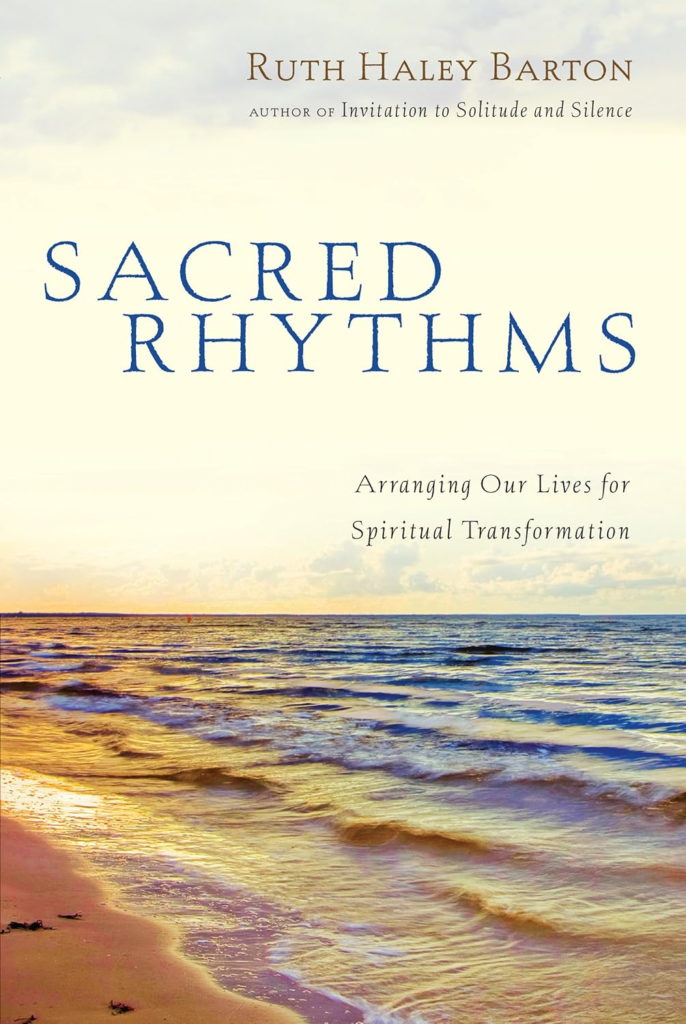
9. Sacred Rhythms: Arranging Our Lives for Spiritual Transformation by Ruth Haley Barton
Ruth Haley Barton describes practices like solitude, silence, and Sabbath in a gentle, accessible way. She focuses on building a sustainable inner life with God as opposed to chasing constant activity.
Midlife often exposes how thin your spiritual practices have been.
This book invites you to slow down and set up rhythms that fit your current season.
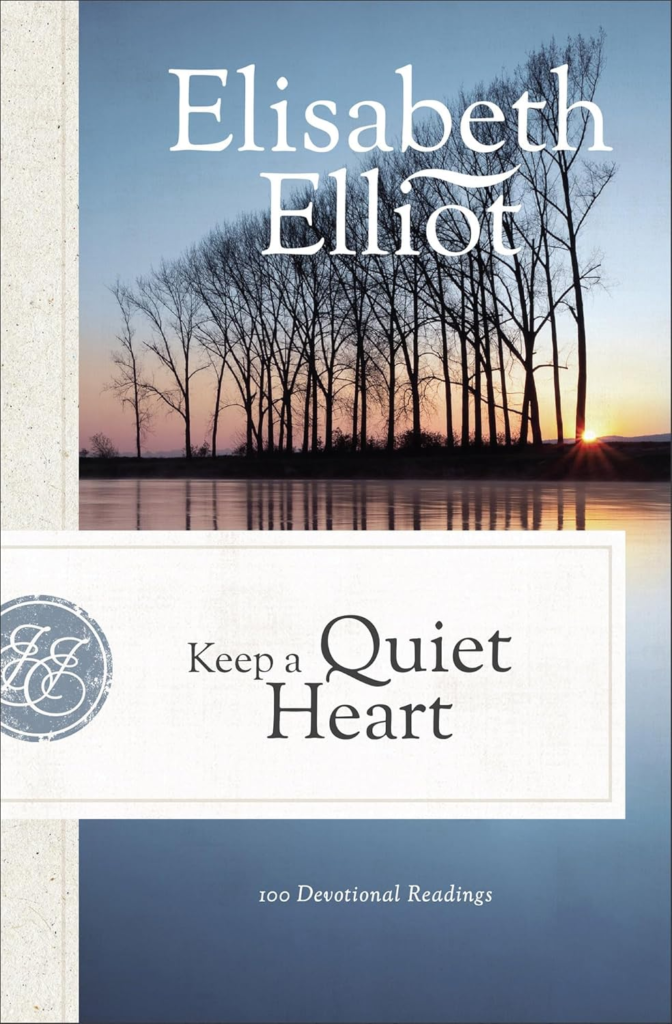
10. Keep a Quiet Heart by Elisabeth Elliot
This collection of short readings comes from a woman who knew suffering and obedience personally. Elisabeth Elliot writes with both firmness and tenderness about trusting God in uncertainty.
If you appreciate straightforward devotional writing that doesn’t sugarcoat life, this book can steady you when you’re tired of shallow positivity.
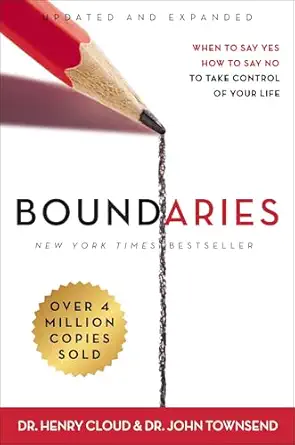
11. Boundaries: When to Say Yes, How to Say No by Henry Cloud and John Townsend
This modern classic explains what boundaries are, why they’re biblical, and how to set them in relationships, work, and family. Many women in midlife realize they’ve lived for years without clear boundaries and now feel resentful or depleted. If you struggle to say no or feel guilty when you do, this book provides a practical foundation.
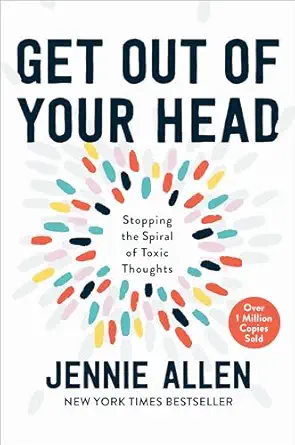
12. Get Out of Your Head: Stopping the Spiral of Toxic Thoughts by Jennie Allen
Jennie Allen tackles thought spirals and anxiety from a distinctly Christian perspective. She blends personal stories, brain science, and Scripture to help you interrupt loops of worry and shame.
For midlife self-doubt that feels like endless worst-case scenarios, this book gives you simple, repeatable tools to break the pattern.
Conclusion: My Top Pick and How to Start
If I had to choose one main resource from this list for a woman in midlife struggling with self-doubt, I would recommend “Try Softer” by Aundi Kolber, paired with a simple prayer journal.
Here’s why this combination works so well. Midlife self-doubt rarely exists in just one dimension.
There’s the spiritual layer of your identity in Christ, the mental layer of thought patterns, the emotional layer of old wounds, and the physical layer of stress and hormonal changes.
“Try Softer” respects all of these without overwhelming you.
Aundi Kolber teaches you to work kindly with your body and emotions while staying anchored in Jesus. She doesn’t shame you for struggling or tell you to just get over it.
Instead, she offers small, doable steps that feel realistic even on tired days.
The book blends therapeutic insight with biblical truth in a way that feels both professional and deeply compassionate.
When you pair this book with a journal and your Bible, you create a gentle recovery plan for your soul. You read a chapter, practice one small exercise, write honestly about what comes up, and invite God into it.
Over time this becomes a safe rhythm instead of one more chore on your list.
If you’re ready to take the next step, consider this simple approach. Order “Try Softer” on Amazon US along with a Christian prayer journal that you like the look of.
Set aside 15 minutes a day.
Use ten minutes for reading and five for journaling and prayer. In your journal, answer three prompts: “What stood out from what I read today?” “How do I feel right now, in my body and heart?” and “What do I want to say to God about this?”
Repeat this practice for several weeks before judging whether it’s working. Look for subtle changes like less harsh self-talk, more honest prayers, and a bit more space between stressful events and your reactions.
As your confidence grows, you can add another book from this list that matches your specific needs, whether that’s boundaries, grief, calling, or deeper spiritual rhythms.
You don’t have to figure everything out at once. You only need to take the next small step toward a kinder, steadier, more rooted life with God.
Let one carefully chosen book and one simple practice walk you into that new season.
Frequently Asked Questions
How do I choose which book to start with when everything feels overwhelming?
Start by naming your main struggle as clearly as possible. If your thoughts spiral and you feel constant anxiety, consider “Get Out of Your Head” or “Try Softer.” If your life looks very different than you hoped, try “It’s Not Supposed to Be This Way.” If your body and emotions feel confused in midlife, pick up “Pause.” If you say yes to everything and feel resentful, reach for “Boundaries” or “The Best Yes.” Once you name your primary pain point, pick the one book that speaks most directly to it.
You can always come back to the rest of the list later.
What if my faith feels very weak right now? Will these books just make me feel guilty?
Many people worry that Christian books will pile on more expectations. If your faith feels shaky, choose authors who write honestly about their own doubts and pain. Books like “When the Heart Waits” or “It’s Not Supposed to Be This Way” share from seasons of confusion as opposed to from a place of having everything figured out.
Look for words like “honest,” “vulnerable,” “memoir,” or “wrestling” in descriptions.
If you notice guilt or shame while reading, pause and bring that feeling to God in a simple prayer. You’re allowed to move slowly and take what helps while setting aside what doesn’t serve you right now.
How can I tell if a Christian book is theologically sound?
Notice how the book talks about Jesus. Does it present Him as fully God and fully human, the center of salvation, not just a life coach?
Pay attention to how Scripture is used. Are verses explained within their context or taken wildly out of place?
Look at the author’s church background or statement of faith online if that matters to you. Read a mix of Amazon reviews, especially from readers who mention doctrine.
If you feel uneasy, read alongside your Bible, ask a trusted pastor or mature friend, and hold everything against clear biblical teaching.
What if reading itself feels hard because I’m tired or dealing with brain fog?
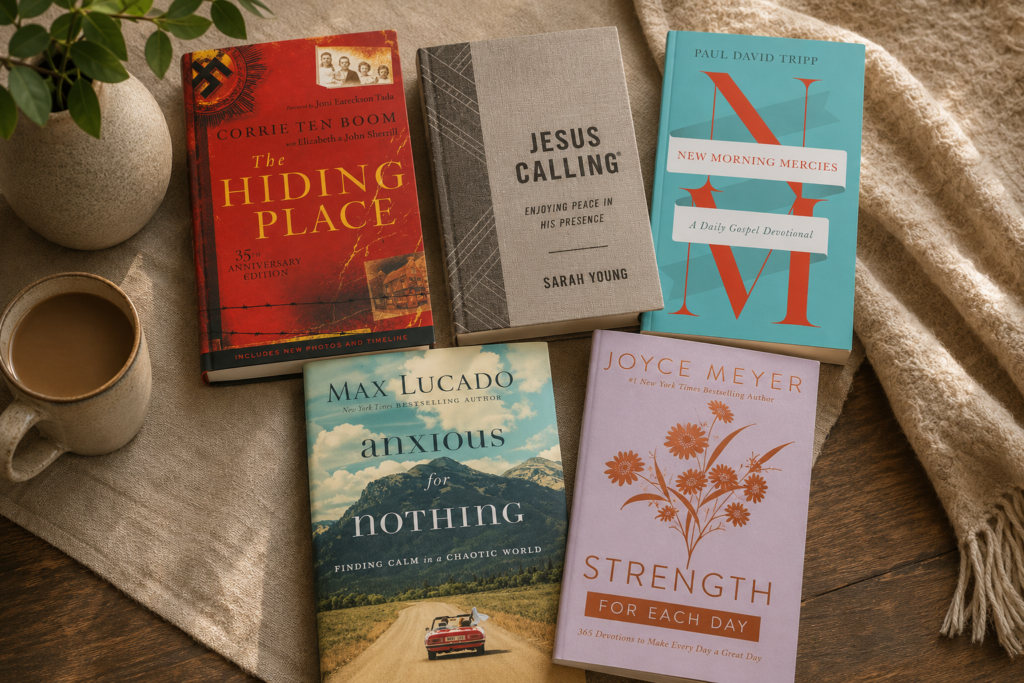
Choose short-format books or devotionals like “Jesus Calling” or “Keep a Quiet Heart.” Use audiobooks through Audible or Kindle’s text-to-speech feature, then listen while walking or doing dishes. Most titles on this list have audio versions.
Set tiny goals like one short section per day instead of long reading sessions.
Keep one book near where you naturally sit, like your bedside table or favorite chair, so you don’t have to go find it. The goal is steady, gentle intake of truth, not impressive reading numbers.
How do I use these books alongside actual Bible reading instead of replacing it?
Create a simple pattern. Read a short portion from your chosen book.
Note one verse it references or choose a related passage.
Read that verse slowly in your Bible. Ask two questions: “What does this say about God?” and “What does this say about me or about life with God?” Then pray one or two sentences in response.
This keeps Christian books in their proper place as guides pointing you back to Scripture as opposed to replacements for it.
How long does it usually take before I notice real change in my self-doubt?
Deep patterns of self-doubt often form over many years and usually ease gradually. That said, many women notice early shifts within a few weeks when they consistently bring truth, compassion, and honest prayer into their days.
Signs of early change include catching negative self-talk sooner, pausing before saying yes to everything, feeling less alone, experiencing occasional moments of peace, and talking to God more honestly.
Stronger, more settled confidence may unfold across months or even a couple of years, especially when you mix reading with community, counseling if needed, and practical changes. You’re not behind.
You’re in process.
Should I also consider counseling alongside these books?
If your self-doubt is intense, long-lasting, or connected to past trauma, abuse, depression, or anxiety that affects daily life, a licensed counselor can be wise support. Books are helpful guides but cannot respond to you in real time.
Look for a Christian therapist if you want someone who will respect both your faith and emotional health.
Many authors on this list, including Aundi Kolber and Peter Scazzero, emphasize that seeking professional help is not a sign of weak faith but often an expression of wisdom and courage.
Find out our Recommended Devotionals Every Woman Over 40 Should Read; visit: https://illuminatedresources.com/5-devotionals-every-woman-over-40-should-read/