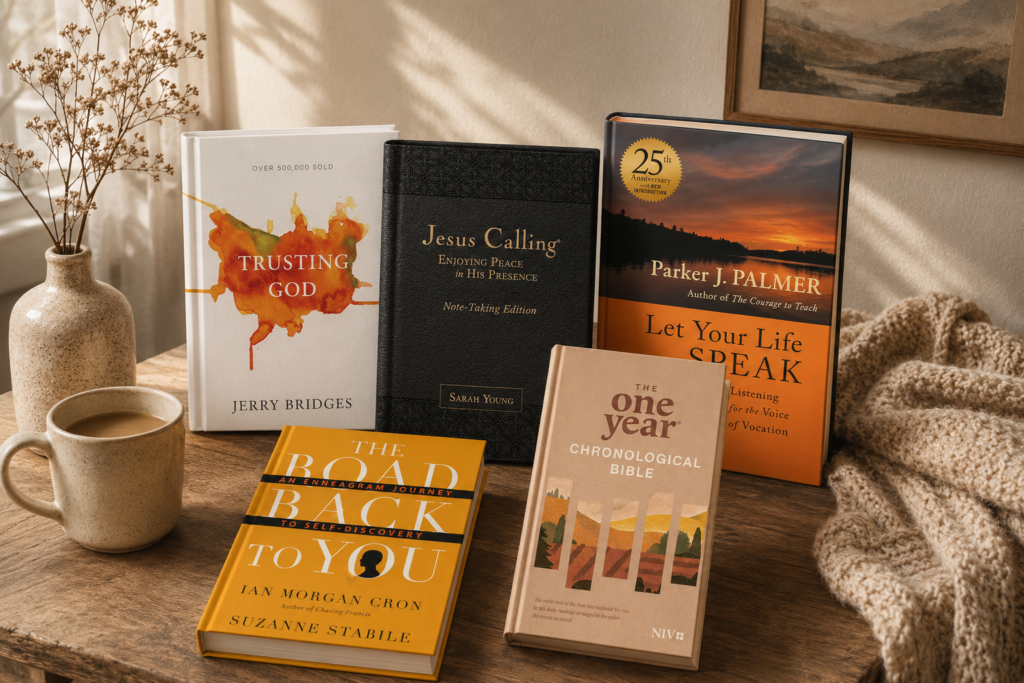
Finding Spiritual Strength During Midlife Transitions
The main obstacle that makes navigating change after 40 so difficult is the gap between the faith you thought you had and the faith you actually need when everything shifts beneath your feet.
And yes, I get it that you’re trying to hold onto something solid when your career feels uncertain, your relationships are evolving, your health isn’t what it was, or you’re simply wondering what the next chapter looks like. But anything that helps you move from white-knuckling through uncertainty to actually resting in God’s presence needs more than just willpower.
You need practical tools that meet you where you are right now.
Sometimes it’s hard to know where to start because the devotionals that worked in your 20s feel shallow, and the spiritual practices you’ve relied on for years suddenly feel hollow. If you’re standing in this uncomfortable space between who you were and who you’re becoming, what you need is resources that speak to both the struggle and the hope.
Get into books and journals that don’t offer trite answers but instead walk alongside you through genuine questions.
Books and Journals That Anchor Your Soul
The resources below fall into several categories: theological books that deepen your understanding of God’s character, devotionals that provide daily anchors, journals that create space for processing, study Bibles that help you engage Scripture freshly, and practical guides for navigating transitions. What sets these apart is their ability to meet you in uncertainty without dismissing the difficulty of what you’re facing.
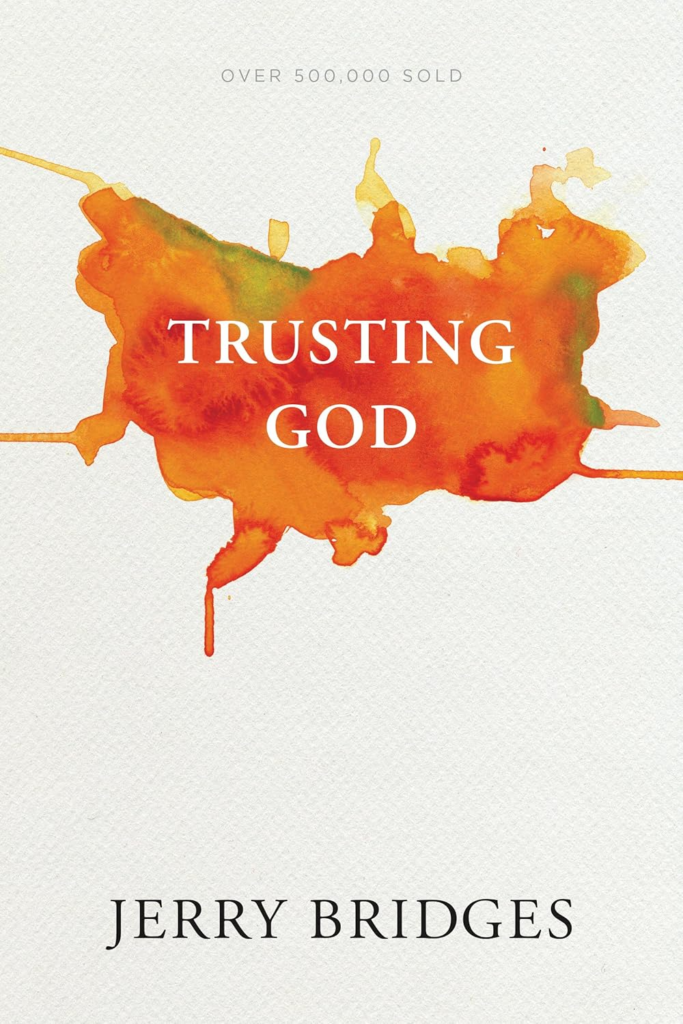
1. Trusting God by Jerry Bridges
This theological work addresses the core question you’re probably wrestling with right now: how do you trust God when circumstances suggest He’s absent or uncaring? Bridges don’t minimize pain or offer shallow comfort.
Instead, he walks through what it actually means to believe God is sovereign and good when your lived experience seems to contradict both.
The book combines accessible writing with theological depth, making complex concepts understandable without dumbing them down. Many readers report returning to specific chapters repeatedly during extended difficult seasons.
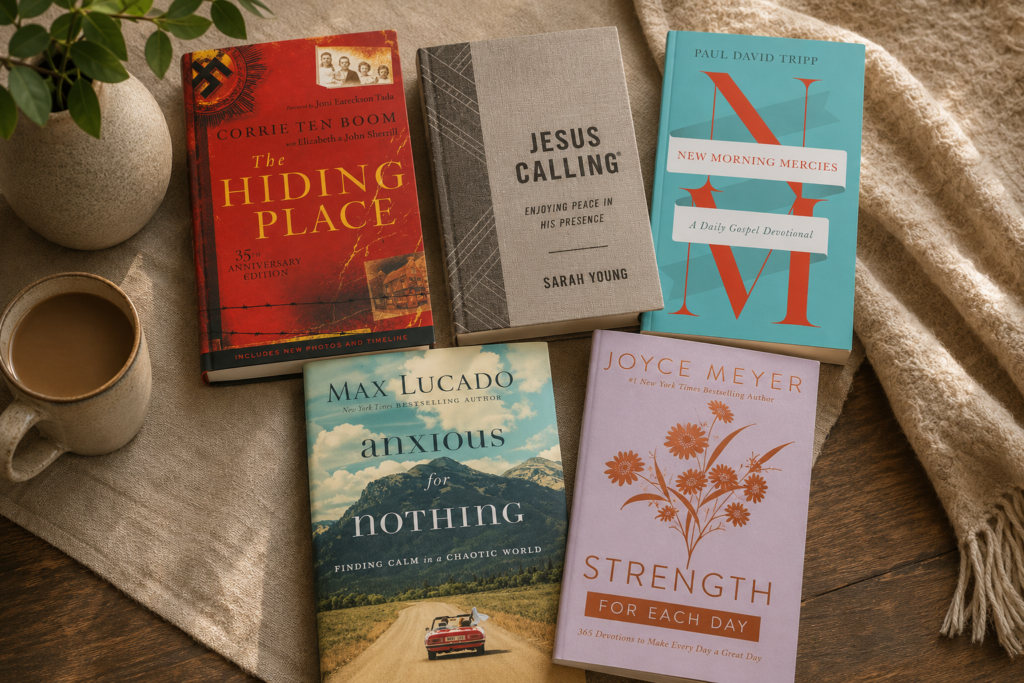
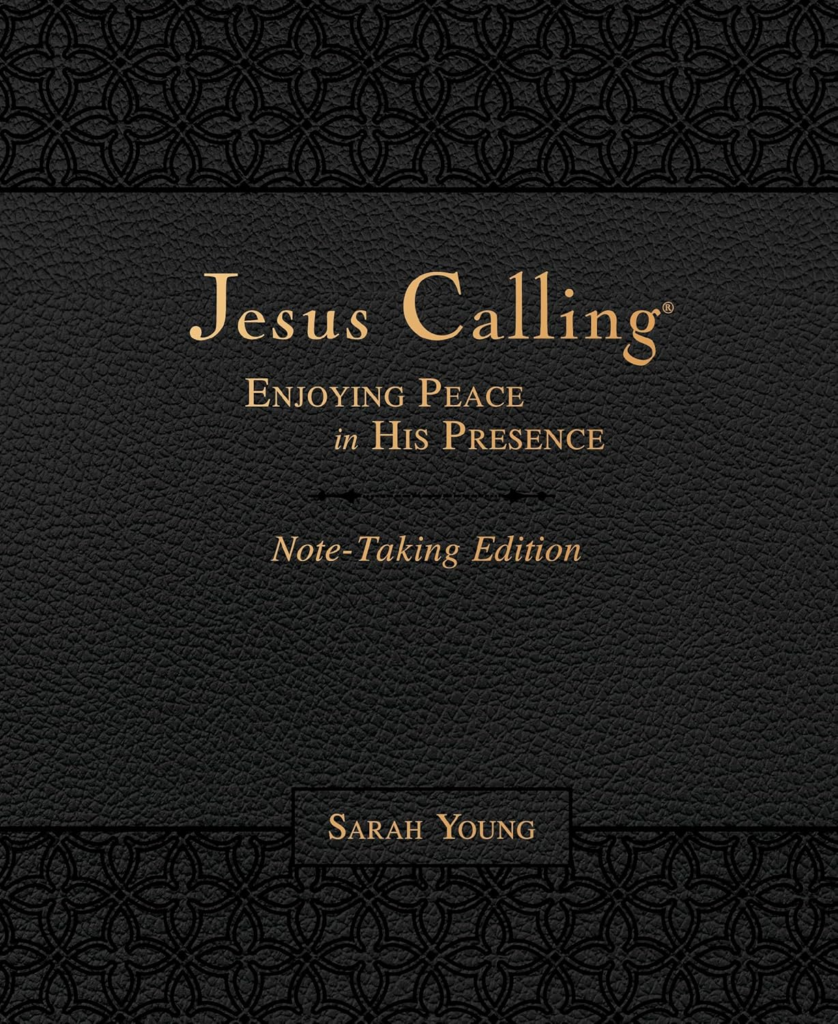
2. Jesus Calling: Enjoying Peace in His Presence (Journal Edition) by Sarah Young
Young’s devotional has sold millions of copies because it does one thing exceptionally well: it redirects your focus from circumstances to God’s presence. The journal edition adds space for your own reflections alongside each day’s entry.
Each devotion is brief enough to read in five minutes but substantive enough to anchor your day.
The first-person writing style, as if Jesus is speaking directly to you, feels comforting during seasons when God seems distant. You can return to entries that particularly resonated and see your own spiritual progression through your written responses over time.
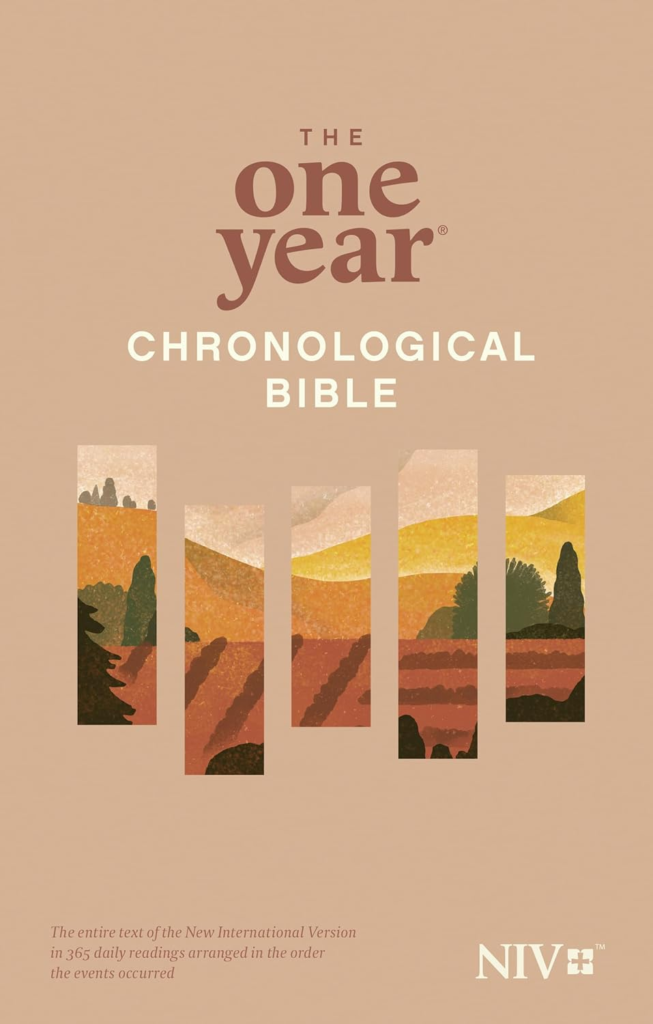
3. The One Year Chronological Bible (NIV)
Reading Scripture chronologically as opposed to from Genesis straight through gives you a different perspective on God’s faithfulness across time. You see the narrative arc more clearly when events are arranged in the order they happened. For someone navigating change, this systematic approach creates stability in your daily routine and shows you how God worked through centuries of uncertainty, transition, and upheaval.
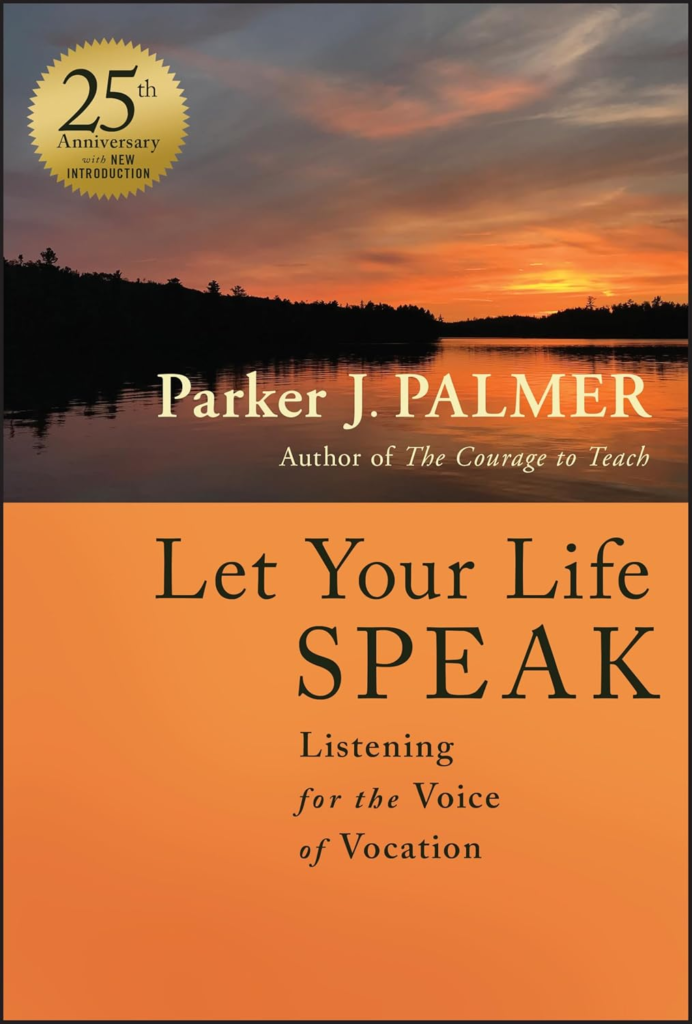
4. Let Your Life Speak: Listening for the Voice of Vocation by Parker J. Palmer
Palmer’s contemplative approach helps you listen for what your life is already telling you about your calling and purpose. This becomes crucial after 40 when you’ve lived enough to recognize patterns but may be questioning the direction you’ve been heading.
Palmer challenges the idea that vocation must equal career, exploring instead how God speaks through your experiences, limitations, and even your failures.
The writing invites reflection as opposed to prescribing answers, making space for you to explore what’s true for your specific situation.
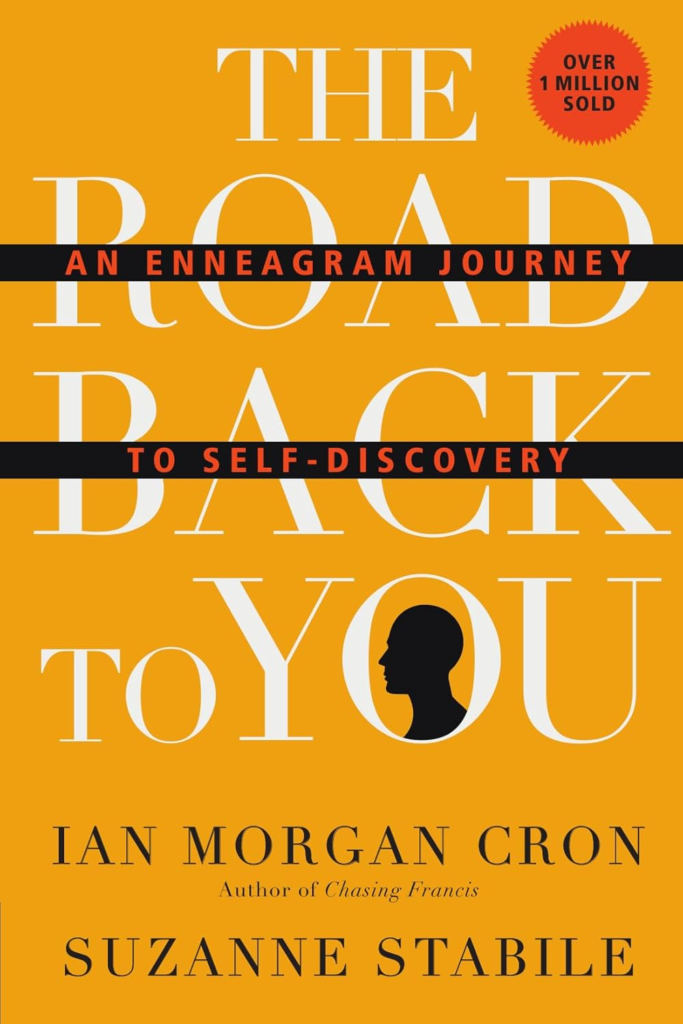
5. The Road Back to You: An Enneagram Journey to Self-Discovery by Ian Morgan Cron and Suzanne Stabile
Understanding your Enneagram type illuminates why you respond to change the way you do and what spiritual practices will actually work for your personality. Cron and Stabile write from a Christian perspective, connecting each type to specific spiritual growth paths.
During transitions, knowing whether you’re a Type 1 who needs to release perfectionism or a Type 7 avoiding painful feelings gives you concrete direction for your spiritual work.
The book includes clear descriptions of all nine types with enough nuance that you can identify yourself accurately.
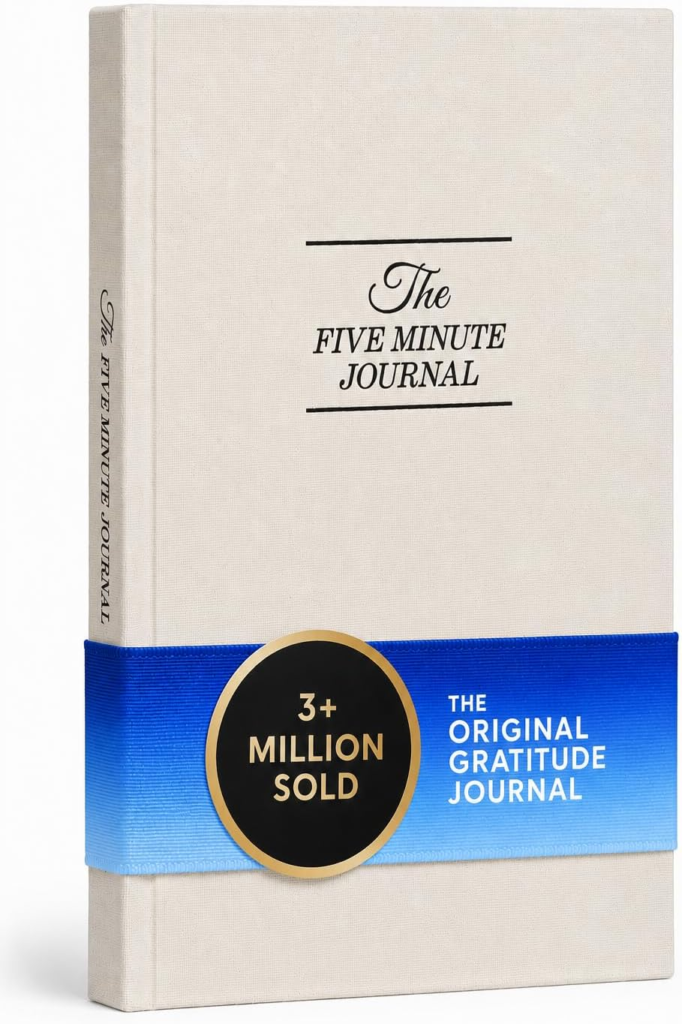
6. The Five Minute Journal by Intelligent Change
This structured journal uses morning and evening prompts to shift your perspective through gratitude and intention-setting. The morning section asks what you’re grateful for, what would make today great, and includes a daily affirmation.
The evening prompts help you reflect on highlights and what you could have done better.
The consistent practice trains your brain to notice God’s provision even in uncertain seasons. The design is beautiful enough that you’ll want to use it, and the simplicity means you’ll actually maintain the habit.
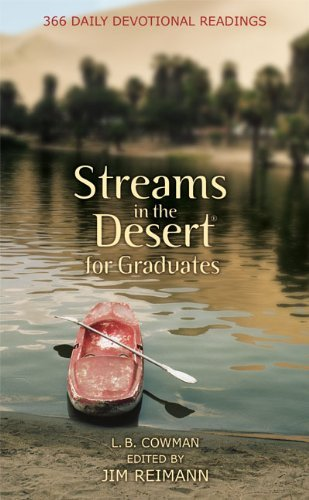
7. Streams in the Desert by Lettie B. Cowman
This devotional classic, first published in 1925, has sustained believers through nearly a century of life transitions. Each entry pairs Scripture with brief meditations specifically written for people walking through difficult seasons.
Cowman compiled these readings while caring for her dying husband, so the content emerges from genuine suffering as opposed to theoretical theology.
The aged wisdom feels particularly comforting when you realize your struggle isn’t unique but part of the human experience of learning to trust God. The language has been updated in newer editions while maintaining the original’s depth.
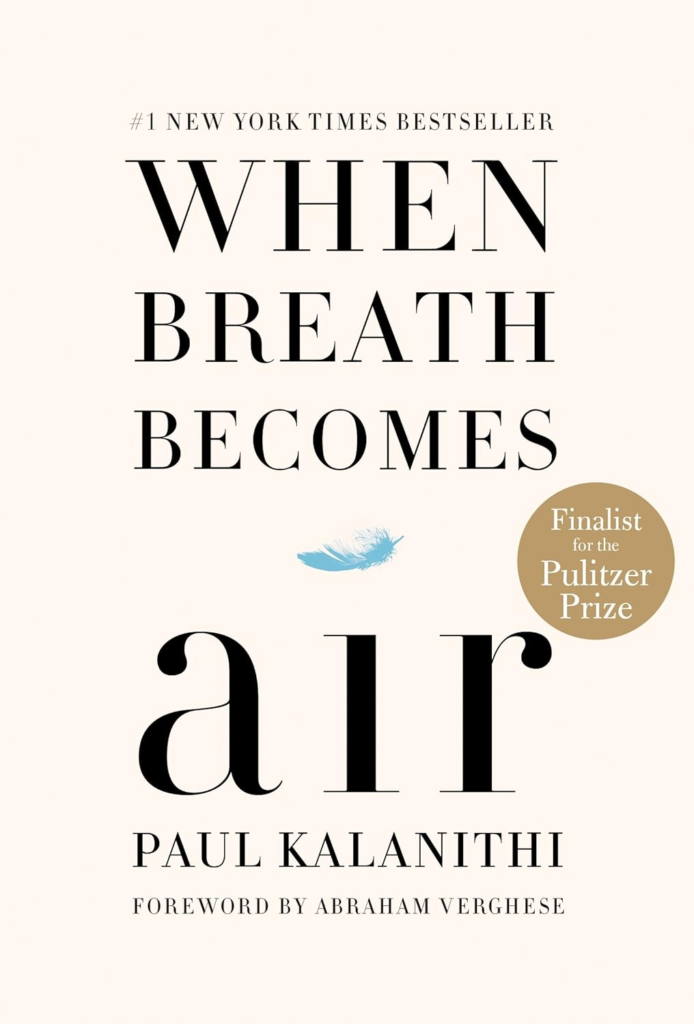
8. When Breath Becomes Air by Paul Kalanithi
This memoir follows a neurosurgeon facing terminal cancer as he grapples with mortality, meaning, and what truly matters. While not explicitly a Christian book, Kalanithi’s honest wrestling with life’s big questions resonates deeply with anyone reevaluating their priorities.
The book doesn’t offer neat answers but models what it looks like to face uncertainty with both courage and vulnerability.
Many readers find it helps them process their own mortality and the urgency of living intentionally in whatever time remains.
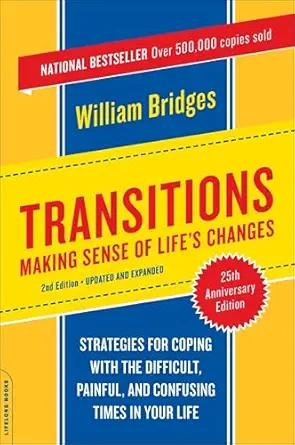
9. Transitions: Making Sense of Life’s Changes by William Bridges
Bridges distinguishes between change (the external event) and transition (the internal process of adapting). Understanding this difference helps you recognize why trusting God through change takes time and why you can’t rush the process.
He identifies three phases: ending, neutral zone, and new beginning.
Knowing which phase you’re in and what that phase needs gives you permission to stop fighting the process. The book includes practical exercises for working through each stage, making abstract concepts actionable.
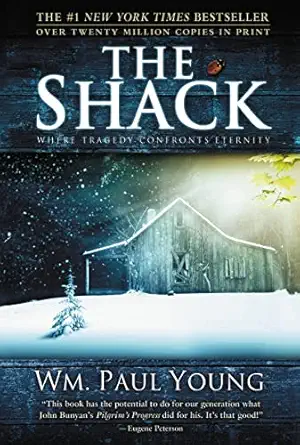
10. The Shack by William P. Young
Young’s novel presents God as three distinct people who meet the protagonist during his darkest moment. While the theology has been debated, many readers find the portrayal of God’s character deeply comforting during seasons of doubt and pain. The story doesn’t minimize suffering but explores what it means to trust God’s goodness anyway.
If you’re questioning your assumptions about who God is and how He works, this book offers a choice perspective that many find healing.
Finding Your Starting Point
If you’re feeling overwhelmed by options, start with just two resources: one book and one journal. Trusting God: Even When Life Hurts by Jerry Bridges offers the theological foundation you need for this season, while The Five Minute Journal creates a daily practice that takes minimal time but shifts your perspective over weeks and months.
Bridges’ book will help you understand what trusting God actually means when life doesn’t cooperate with your plans. His writing confirms your experience while pointing you toward deeper faith.
Pair that with a simple gratitude practice, and you’ve created a sustainable rhythm that addresses both your thinking and your daily experience.
The reason this combination works is that one feeds your mind while the other trains your attention. You need both.
Reading about God’s character matters, but so does the daily discipline of noticing His provision in ordinary moments.
Together, they create momentum toward genuine trust as opposed to just intellectual agreement.
You don’t need to overhaul your entire life overnight. Small, consistent practices compound over time.
Five minutes of gratitude journaling each morning and fifteen minutes reading Bridges a few times a week will shift something in you over the next three months.
Start there, then add other resources as you’re ready.
Frequently Asked Questions
What if I haven’t been consistent with spiritual practices in years? Where do I start?
Start smaller than feels significant. If you haven’t read Scripture regularly in a decade, don’t commit to reading through the Bible in a year.
Instead, grab The Message Bible and read one chapter before bed. If journaling feels intimidating, use The Five Minute Journal’s prompts as opposed to staring at a blank page.
The goal is building a sustainable rhythm, not proving your dedication. Consistency beats intensity every time.
How do I know if these resources will actually help with my specific situation?
You won’t know until you try them, but that’s okay. Give each resource at least two weeks before deciding if it’s working.
Some books will resonate immediately while others might not fit your current season.
Pay attention to what creates a sense of peace or clarity, even small amounts. That’s your indicator.
If something feels obligatory as opposed to life-giving after a genuine trial period, set it aside and try something else.
Can I use these if I’m angry with God or questioning my faith entirely?
Absolutely. Several of these resources specifically address doubt and anger.
“When Breath Becomes Air” and “The Shack” both engage with hard questions as opposed to offering trite answers.
“Trusting God” by Jerry Bridges thanks the disconnect between what you believe and what you feel. The journals simply create space for honest reflection.
You don’t need to have your faith sorted out before engaging with these resources.
Often, engaging with them is how you work through what you’re feeling.
What’s the difference between a devotional and a theological book, and which do I need?
Devotionals like “Jesus Calling” or “Streams in the Desert” offer brief daily readings designed to refocus your heart. Theological books like “Trusting God” or “Let Your Life Speak” explore specific concepts in depth.
You probably need both.
Devotionals create daily touchpoints that anchor your routine. Theological books reshape how you think about God, suffering, and purpose.
Use a devotional for consistency and a theological book when you have mental energy for deeper engagement.
How long before I’ll actually feel different or more at peace with my circumstances?
This varies dramatically based on your situation, personality, and how consistently you engage with these practices. Some people notice a shift within weeks.
For others, it takes months of showing up before something breaks open internally.
The practices work not by manufacturing feelings but by slowly reorienting your attention and understanding. Trust the process even when you don’t feel immediate results.
Transformation happens gradually, then suddenly.
What if my church community doesn’t understand or support the questions I’m wrestling with?
This is genuinely difficult. Some faith communities handle doubt and transitions better than others.
These resources can serve as surrogate companions when your immediate community isn’t equipped to walk with you through hard questions.
Books like “Let Your Life Speak” and “The Gifts of Imperfection” confirm experiences that might be dismissed in some church contexts. Consider finding a spiritual director or therapist who combines faith, or look for online communities of people navigating similar transitions.
You need voices that take your questions seriously.
Should I work through these resources alone or with others?
Both approaches have value. Working through a book like “The Road Back to You” or “Transitions” with a friend or small group creates accountability and adds perspectives you might miss alone.
Journaling and devotional practices tend to work better as solo disciplines, though you could share occasional insights with trusted people.
Start with what feels most natural for your personality. Introverts may need more solo processing before sharing.
Extroverts might benefit from discussing what they’re reading as they go.
There’s no single right approach.
Find out our Recommended products in Embracing Midlife: A Spiritual Guide; visit: https://illuminatedresources.com/embracing-midlife-a-spiritual-guide/