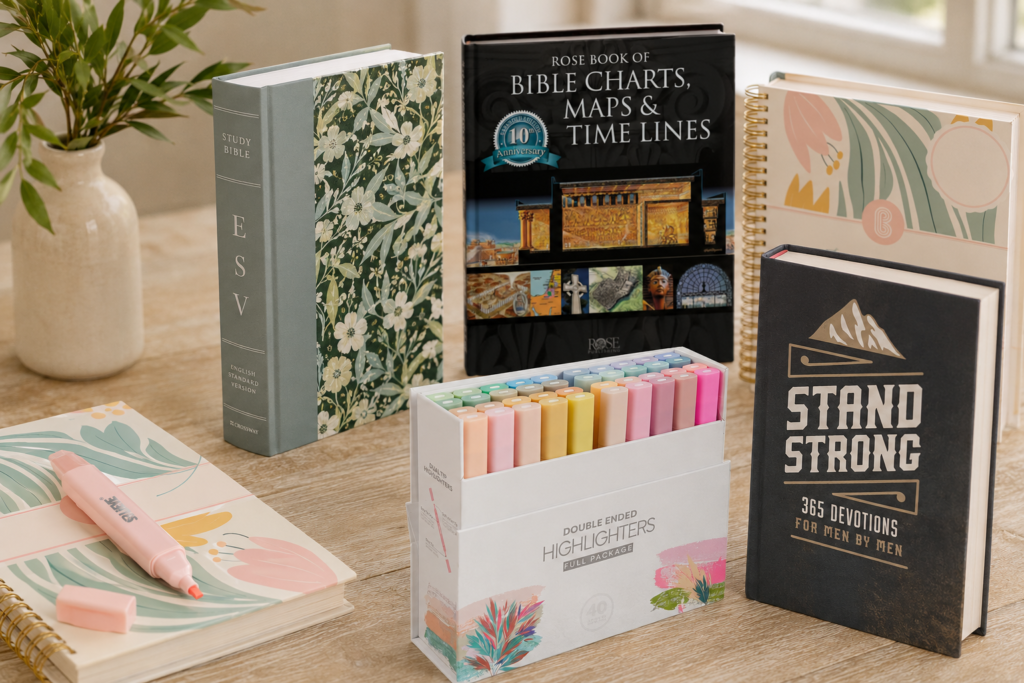
You might feel stuck when you open your Bible and see a passage that seems disconnected from your life, then close it five minutes later without anything sticking. But if you add a few practical study tools that match how you learn best, you can actually keep what you read and see how it applies to your daily decisions.
The average person forgets about 50% of new information within an hour, so you need a method to slow down and process Scripture. If I were to estimate how much deeper understanding increases with the right tools, I’d say most people see about 3-4 times more retention when they write, mark, or visually map what they read compared to passive reading alone.
And this assumes you’re using tools that genuinely help you engage, not just collecting supplies that sit unused.
Some tools work better for certain learning styles. Visual learners often need maps and charts to see how Bible events connect across time and geography.
People who process through writing benefit from wide-margin journaling Bibles where they can record observations right next to verses.
Even the simple act of color-coding themes with highlighters can train your brain to spot patterns you’d normally miss.
Traditional study Bibles pack thousands of notes, cross-references, and book introductions into one volume, which gives you context without needing a seminary library. Journaling Bibles offer wide margins and thicker paper for those who learn by writing and sketching.
Devotional guides provide structure for busy seasons when you need someone to point you to a passage and ask good questions.
Reference books like Bible dictionaries and atlars fill in background details about unfamiliar places, people, and customs that make ancient texts feel more concrete.
Below are 18 Bible study tools available on Amazon US that can support different approaches to deeper Scripture engagement. Prices fluctuate, so check current listings before purchasing.
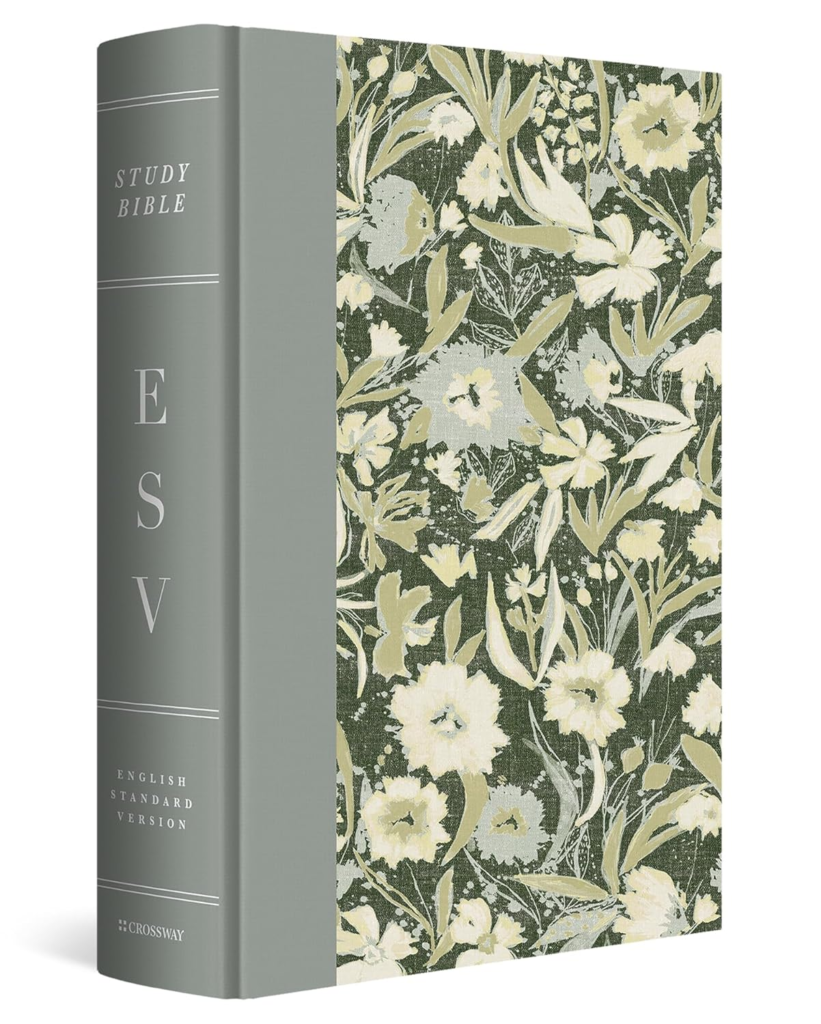
1. ESV Study Bible
This hardcover study Bible includes over 20,000 study notes, 240 full-color maps and illustrations, book introductions, timelines, and cross-references. It was created by a team of 95 scholars and represents one of the most comprehensive single-volume study resources available.
The notes explain historical context, theological themes, and difficult passages without requiring advanced training to understand. You get charts that compare Old and New Testament events, maps showing Paul’s missionary journeys, and articles on topics like biblical ethics and the reliability of Scripture.
Best for: Anyone serious about understanding context and wanting a resource that will serve them for years.
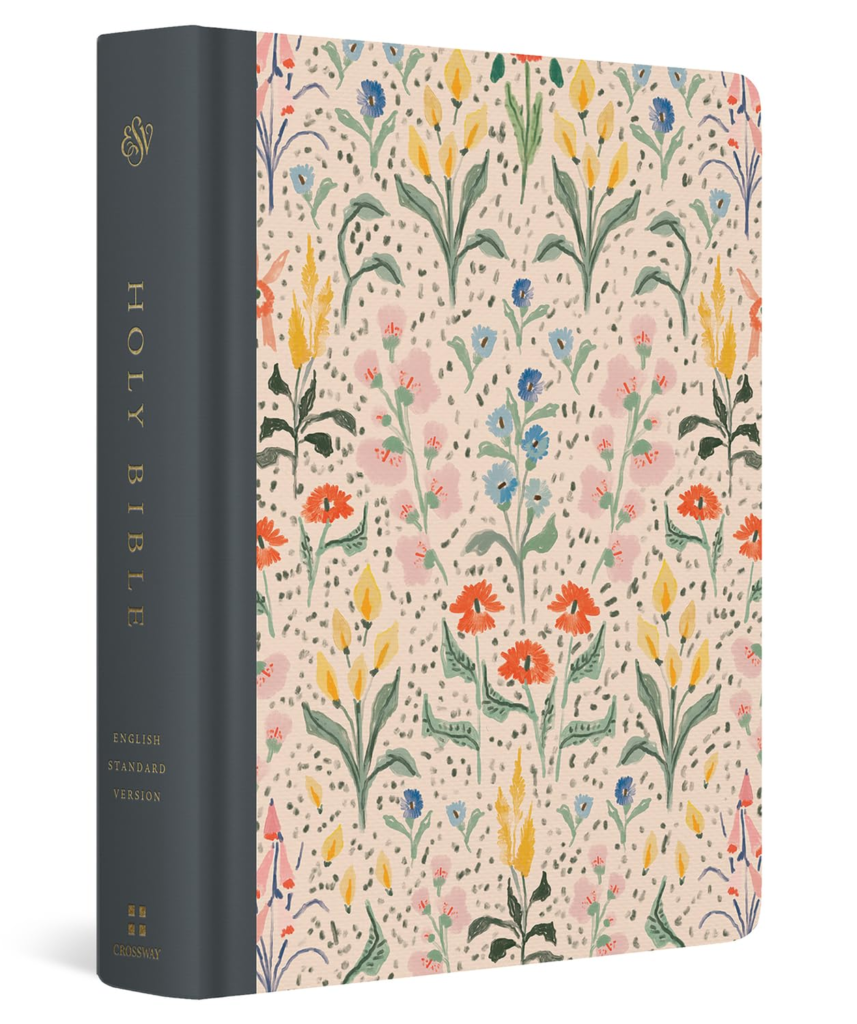
2. ESV Single-Column Journaling Bible
This Bible features a single-column text layout with wide margins on each page, specifically designed for notes, prayers, and artwork. The cream-colored paper is thicker than standard Bible paper, which reduces bleed-through from most pens and highlighters.
The single-column format makes reading feel more natural, similar to a regular book, and the extra space invites you to interact with the text instead of just consuming it. You can write observations, questions, prayers, or draw symbols and images that capture what a passage means to you.
Best for: Note-takers, journalers, and anyone who learns by writing things out by hand.
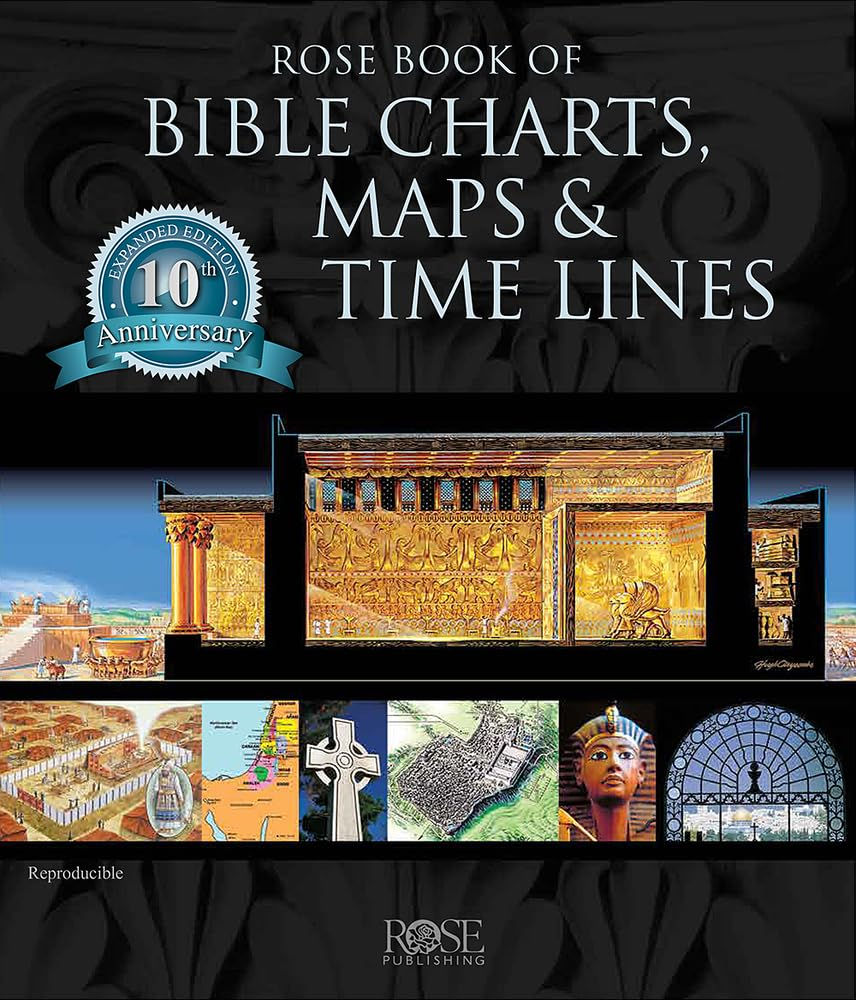
3. Rose Book of Bible Charts, Maps & Timelines
This reference book compiles visual resources that help you see the big picture of Scripture. It includes full-color charts on topics like Bible translations, Old Testament sacrifices, and armor of God.
You get timeline spreads showing when kings ruled, prophets spoke, and major events occurred.
Maps trace the exodus route, the divided kingdom, Jesus’ ministry locations, and Paul’s travels. Comparison charts show differences between the Gospels, Old and New Covenants, and Jewish feasts.
Each visual is designed to be clear and easy to reference quickly.
Best for: Visual learners and anyone who feels lost in the Bible’s historical flow.
4. Spiral-Bound “Bible in a Year” Layout
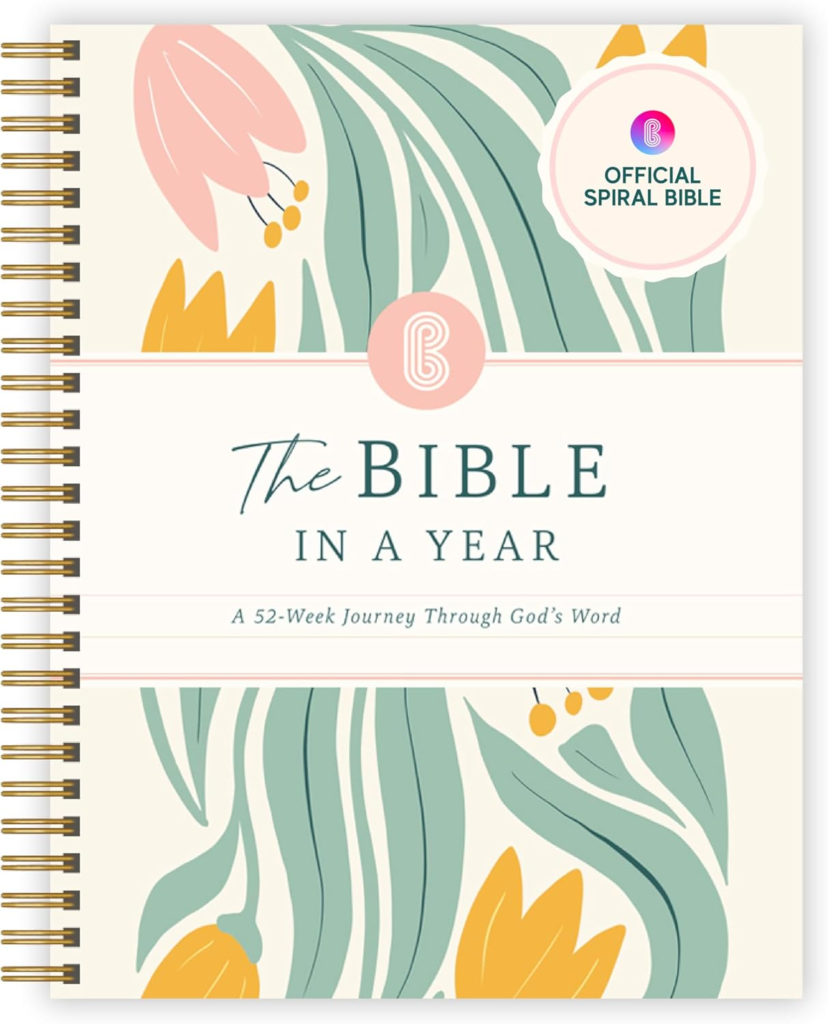
This spiral Bible lays completely flat and organizes the text into daily readings that take you through the entire Bible in one year. The spiral binding makes it easy to fold back pages, write notes, and keep your place without the book snapping shut.
Many people use this format for intensive study because you can mark it up heavily, add sticky notes, and treat it like a workbook. The reading plan removes decision fatigue about what to read next, which helps you maintain consistency.
Best for: People who want a structured reading plan and prefer a notebook-style format.
5. DIVERSEBEE Bible Highlighters with Soft Chisel Tip
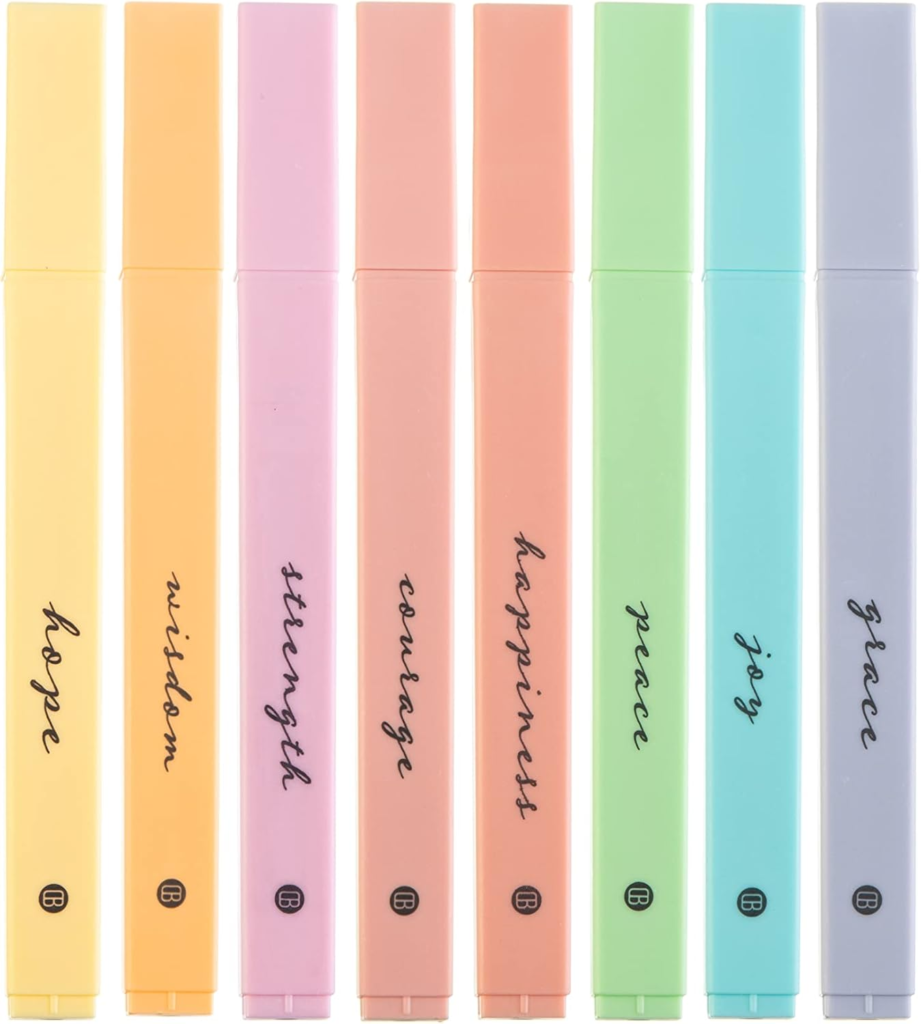
These highlighters are specifically designed for thin Bible paper. They come in softer, pastel colors that show up clearly without being harsh or bleeding through pages as much as standard highlighters.
You can create a color-coding system to track themes like promises, commands, warnings, and God’s character traits. Highlighting keeps your eyes and brain active while reading, which increases retention and helps you spot repeated concepts across different books.
Best for: Anyone who benefits from visual organization and wants to see patterns in Scripture.
6. Blieve Bible Gel Pens & Highlighter Set
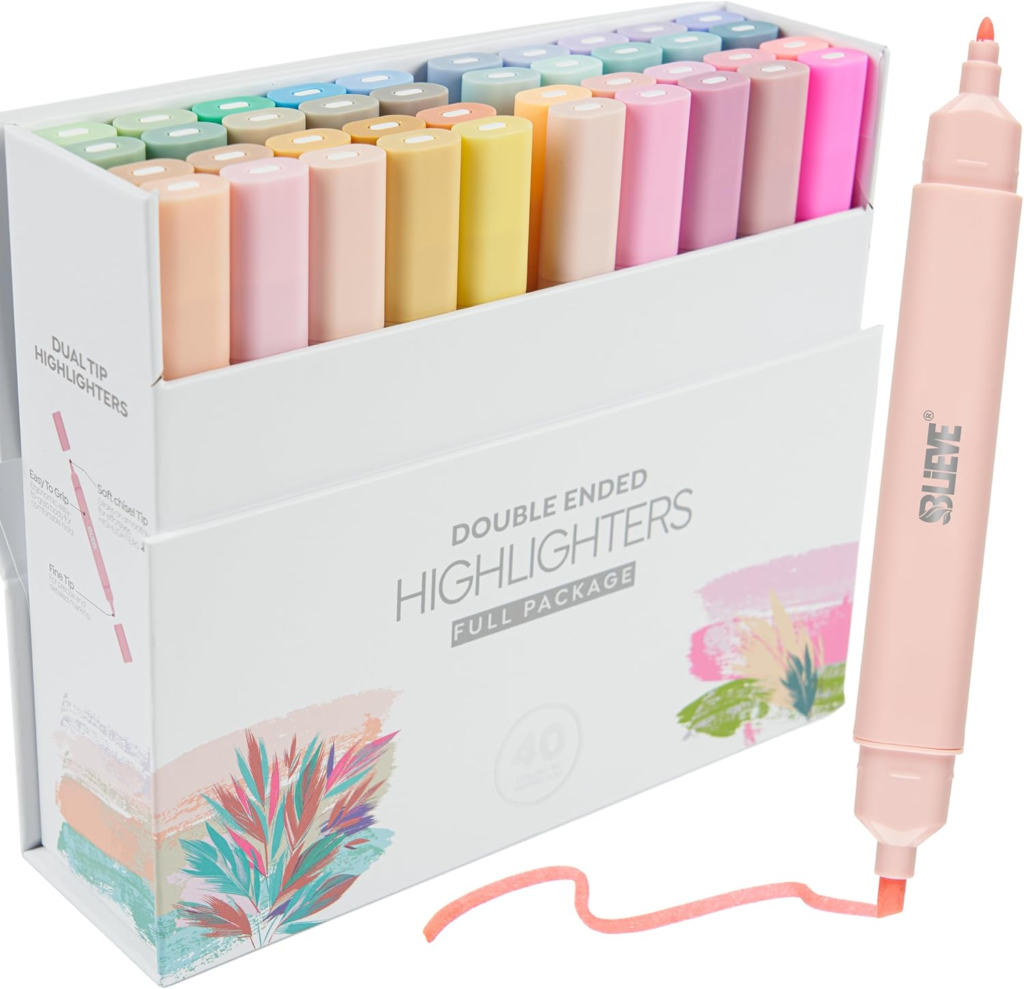
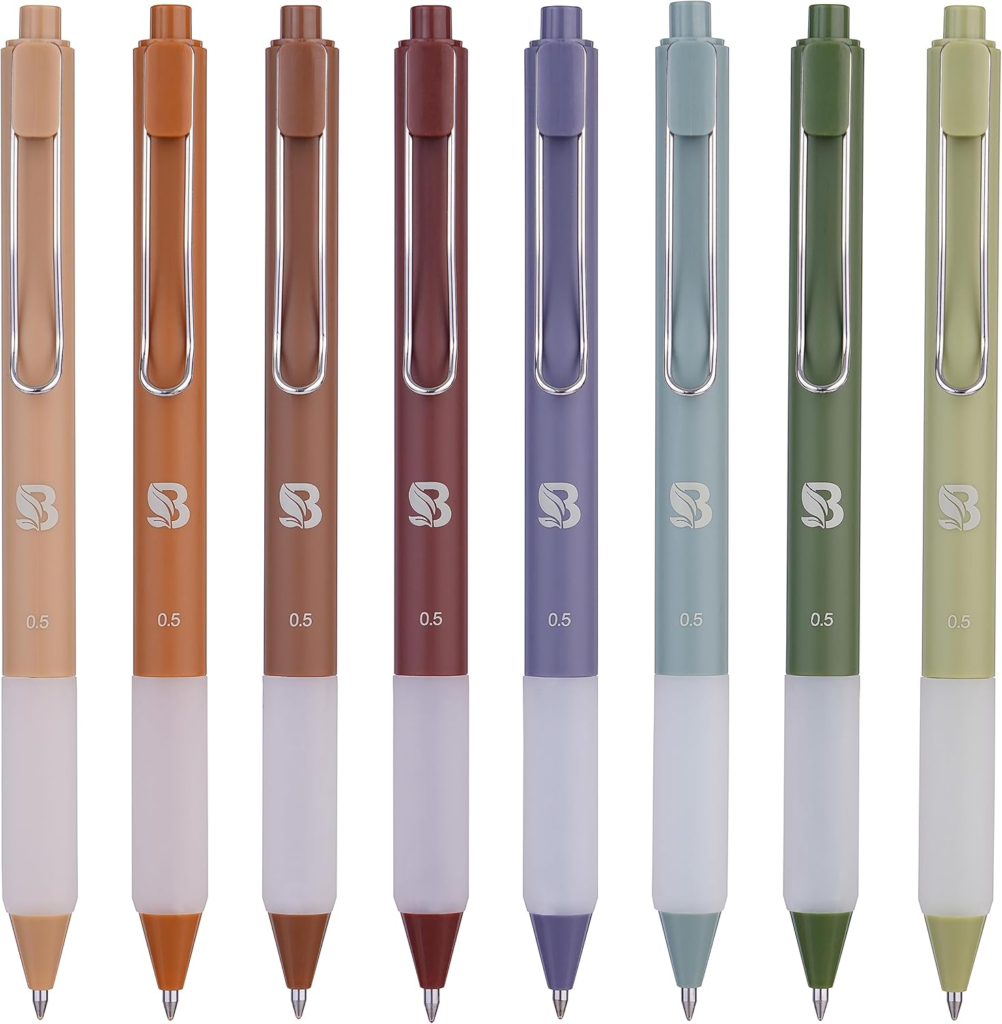
This set typically includes fine-tip gel pens and highlighters made to minimize bleed-through on Bible paper. The pens write smoothly and allow you to underline specific phrases, draw small icons in margins, or write short notes without smudging.
Having dedicated Bible pens keeps your markings neat and prevents the frustration of ruined pages from regular markers. The variety of colors let’s you develop your own system without needing to buy many products separately.
Best for: Detailed note-takers who want tools that won’t damage Bible pages.
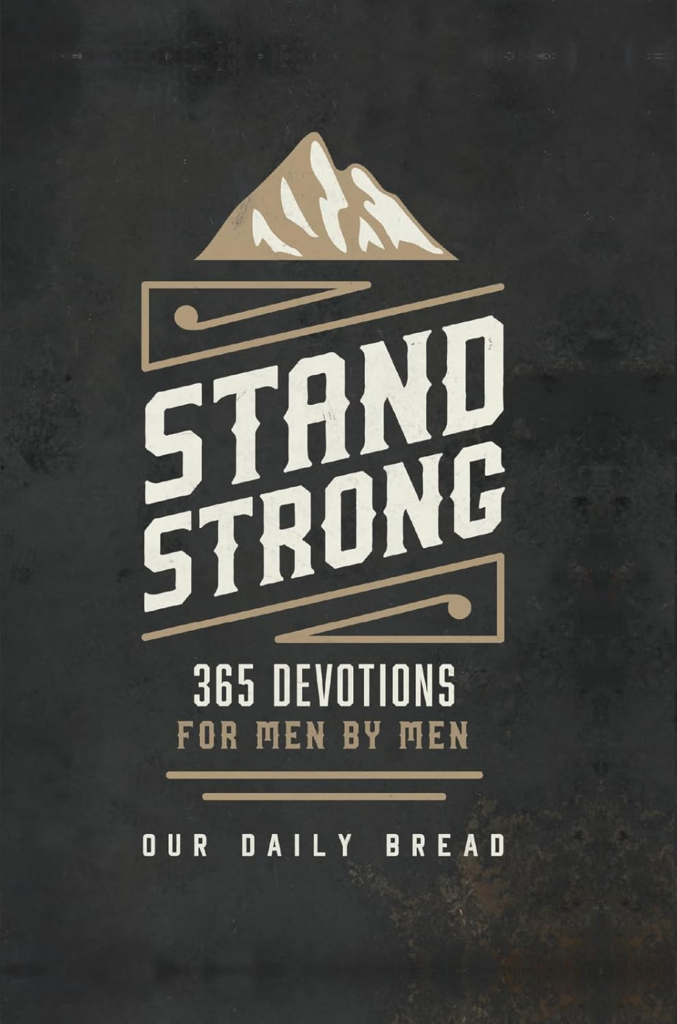
7. “Stand Strong” Daily Devotional
This devotional connects Scripture passages to real-life faith challenges with daily readings designed to build spiritual resilience. Each entry includes a Bible reference, a short reflection, and a practical application point.
Good devotionals should push you into Scripture, not replace it. This one keeps the Bible text central and uses the reflection to help you see how ancient truths apply to modern situations like stress, relationships, and decision-making.
Best for: People who need structure and want daily prompts that lead them into deeper Bible reading.
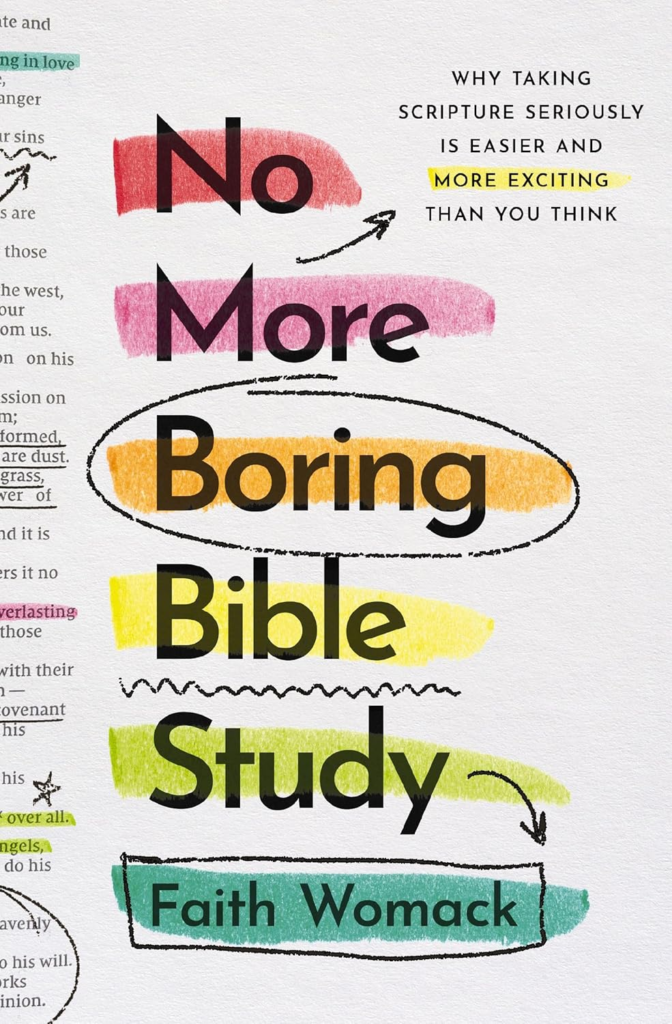
8. “No More Boring Bible Study” Teaching Book
This book teaches you how to study the Bible effectively by explaining observation, interpretation, and application methods. It covers skills like identifying literary genre, understanding context, and asking good questions of the text.
Instead of just telling you what the Bible means, it equips you to explore meaning yourself through proven interpretive methods. You learn how to read a narrative differently from a poem, how to spot themes, and how to move from understanding to life change.
Best for: Beginners and anyone who feels unsure about their study approach.
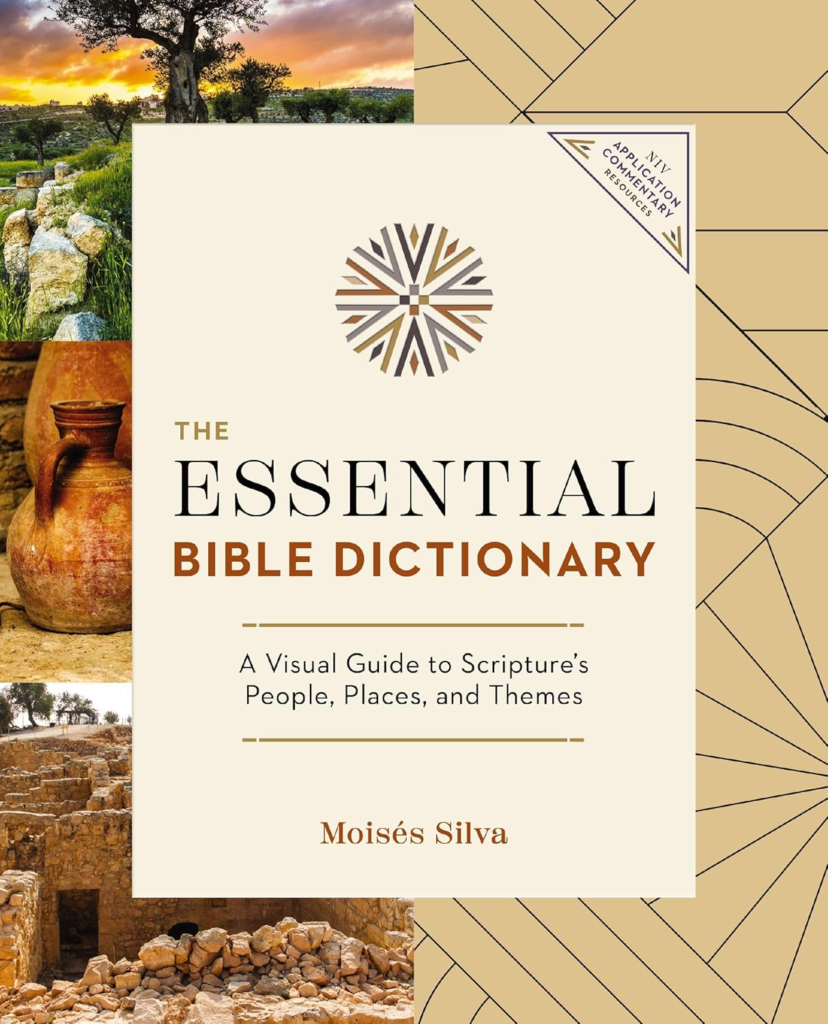
9. Essential Bible Dictionary
This dictionary provides concise articles on people, places, objects, and concepts throughout Scripture. When you encounter an unfamiliar term like “phylactery” or need to know basic facts about Corinth, you can look it up quickly without getting lost in lengthy commentaries.
Entries are short enough to read in one or two minutes but detailed enough to give meaningful context. It bridges the gap between reading past confusing words and spending an hour researching them online.
Best for: Anyone who wants quick, reliable background information while reading.
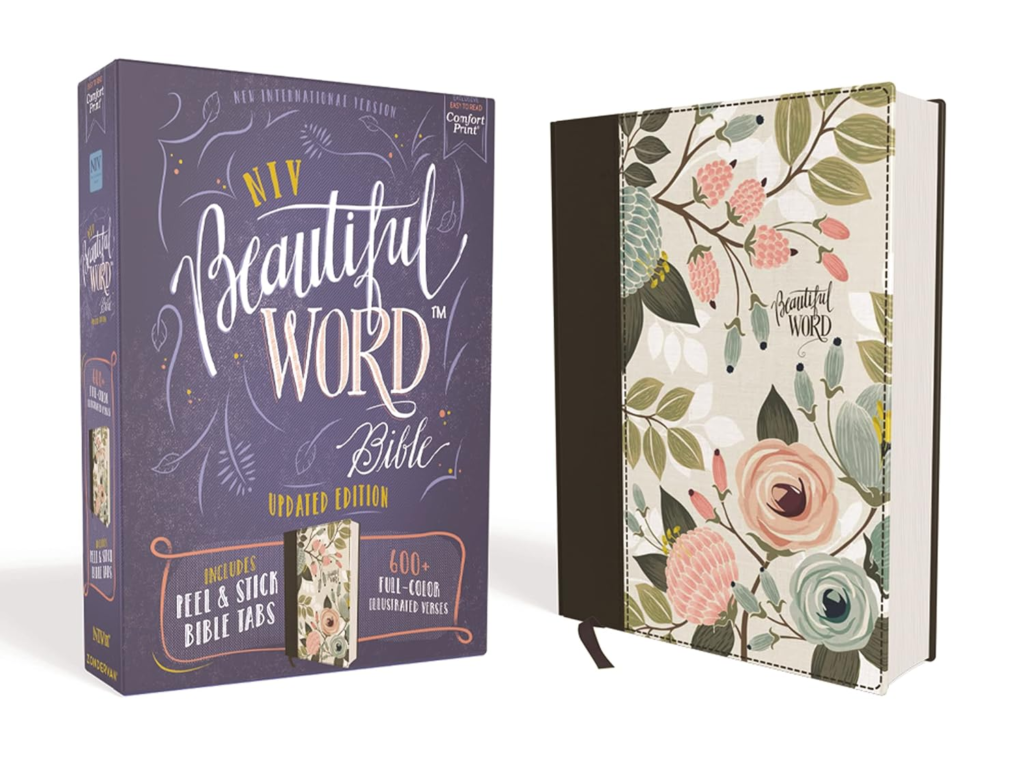
10. NIV Beautiful Word Bible
This Bible combines the NIV translation with full-color illustrations and hand-lettered verses throughout. It includes lined margins for journaling and uses decorative elements to make certain passages stand out visually.
The artwork creates natural pause points that encourage slower, meditative reading. Many people find that beautiful design makes their study time feel more intentional and special, which can increase motivation to show up consistently.
Best for: Creative types and anyone drawn to aesthetically pleasing study environments.
11. Prayer & Study Journal
A dedicated journal keeps your Bible reflections, prayers, and applications in one place where you can track spiritual growth over months and years. Look for journals with either blank pages for flexibility or guided prompts if you prefer structure.
Popular journaling methods include SOAP (Scripture, Observation, Application, Prayer) and simple three-column formats tracking what you learn about God, yourself, and others. Writing forces you to slow down and process what you read instead of letting it wash over you passively.
Best for: Anyone who processes thoughts through writing and wants a record of their faith journey.
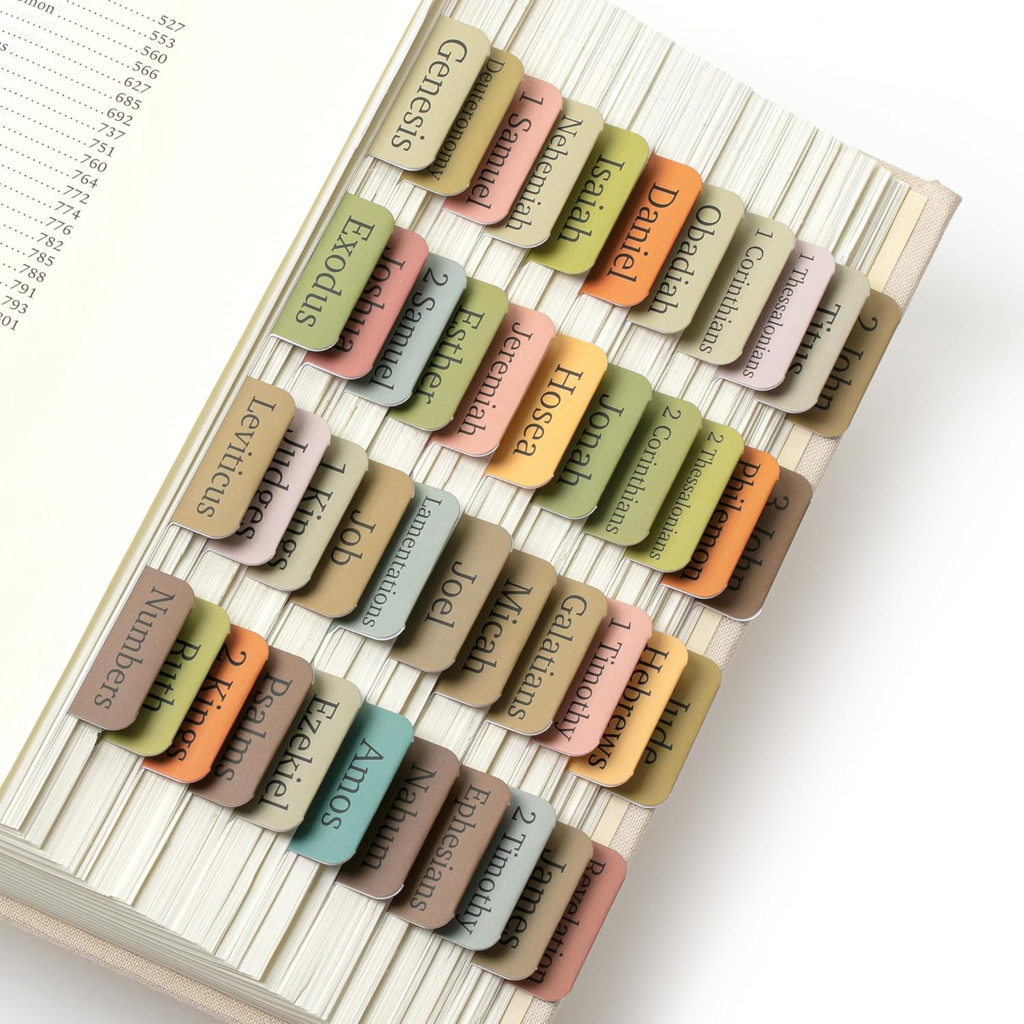
12. Mr. Pen Bible Tabs
These adhesive tabs attach to the edge of pages to mark each book of the Bible. They typically come in attractive designs with clear book names printed on each tab.
Tabs eliminate frustration when trying to find books quickly, which removes a barrier that keeps some people from engaging Scripture regularly. The act of applying tabs also helps you become familiar with the order and organization of the Bible.
Best for: New Bible readers and anyone who wastes time flipping through pages looking for books.
Conclusion
The ESV Study Bible stands out as the single most valuable investment if you only choose one resource from this list. It provides depth, context, and reliability that will serve you for decades.
The notes clarify confusing passages without requiring theological training to understand, and the maps and charts help you see how everything connects.
Pairing the ESV Study Bible with the Rose Book of Bible Charts gives you both detailed explanations and big-picture visuals. Together, these two resources cover most of what you need to understand Scripture in context and see how the entire biblical story fits together.
To actually use these tools instead of letting them collect dust, start by identifying your biggest struggle with Bible study. If you get confused by context, get a study Bible.
If you forget what you read, get a journal.
If you can’t find books quickly, get tabs. Match the tool to the problem.
Order your top one or two tools today, then create a specific 30-day plan. Choose a short Bible book like Philippians or James, pick a consistent time, and commit to showing up for 15 minutes daily.
Read the passage, use your new tool, write one application sentence, and pray briefly about what you learned. That simple pattern, repeated consistently, produces more growth than elaborate plans you never follow through on.
Frequently Asked Questions
What Bible translation should I choose for serious study?
Start with ESV, NIV, or CSB. All three are accurate, readable, and have excellent study Bible editions available.
ESV leans more word-for-word literal, which helps for detailed study.
NIV balances readability with accuracy. CSB falls between the two.
Read the same passage in each translation using Amazon’s “Look Inside” feature, then pick whichever feels most natural to read and understand.
Stick with your choice for at least a year before switching, as familiarity with one translation helps you remember verses better.
Do I actually need a physical Bible or is an app enough?
Physical Bibles reduce distractions from notifications and encourage slower, more focused reading. Apps excel at portability and search functions.
Most people benefit from having both but using a physical Bible for dedicated study time and apps for quick reference throughout the day.
If you only choose one, pick physical for primary study because the act of turning pages, writing notes, and seeing your previous markings all increase retention and engagement.
How do I develop a highlighting system without making my Bible look messy?
Start with only three colors and assign each one a broad category. Yellow for attributes of God, blue for promises, green for commands is a simple beginner system.
Highlight only the most significant phrases in a verse, not entire paragraphs.
Test your highlighters on a back page first to check bleed-through. You can always add more colors later, but starting simple prevents the overwhelming rainbow effect that makes pages hard to read.
What’s the difference between a study Bible and a regular Bible with a commentary?
A study Bible combines notes directly below or beside the biblical text on the same page, making it easy to read and check notes without flipping books. Commentaries are separate books that go deeper into interpretation but need you to constantly switch between volumes.
Study Bibles are more convenient for daily reading.
Commentaries are better when you want extensive detail on a specific book. For most people, a good study Bible meets 90% of their needs without the complexity of managing many resources.
How can I remember what I study instead of forgetting it the next day?
Write at least one sentence about what you read, every time. The act of forming words in writing forces processing that reading alone doesn’t need.
Review your notes weekly, even just skimming what you wrote.
Apply one specific truth each day instead of trying to absorb everything at once. Your brain remembers what you use, so turning observations into actions is the most powerful memory tool available.
Is verse mapping actually helpful or just trendy?
Verse mapping helps when you tend to read too quickly without thinking deeply about what words mean. Taking one verse, breaking down key words, checking cross-references, and noting context forces the slow, careful reading that produces insight.
It becomes less helpful if it turns into a time-consuming art project that distracts from the text itself.
Use verse mapping when a particular verse grips you and you want to understand it thoroughly, not as your daily approach to every passage.
Should I feel guilty about using creative supplies like stickers in my Bible?
The Bible is a book meant to be read, marked, and used, not preserved like a museum piece. If stickers, washi tape, and artwork help you engage Scripture and remember what you learn, use them freely.
If they distract you or become more about aesthetics than substance, scale back.
The goal is knowing God better, not creating Instagram-worthy pages. Let that goal guide your choices about which tools to use and when to use them.
Find out our Recommended Bible Highlighters That Don’t Bleed | Simple Color-Coding System for Bible Study; visit: https://illuminatedresources.com/best-bible-highlighters-that-dont-bleed-simple-color-coding-system-for-bible-study-2/