Contentment has become rare in a culture that constantly pushes you toward more, better, and different. You scroll through perfectly curated lives, compare your circumstances to others, and wonder why peace feels so elusive.
The restlessness in your heart often tracks with what you are looking to for security and satisfaction.
Christian resources that point you back to Jesus, train you in gratitude, and help you practice simple spiritual rhythms can make a real difference. Below are 18 products available on Amazon US that support the kind of heart change Scripture describes as contentment: a quiet spirit that joyfully rests in God’s providence, regardless of circumstances.
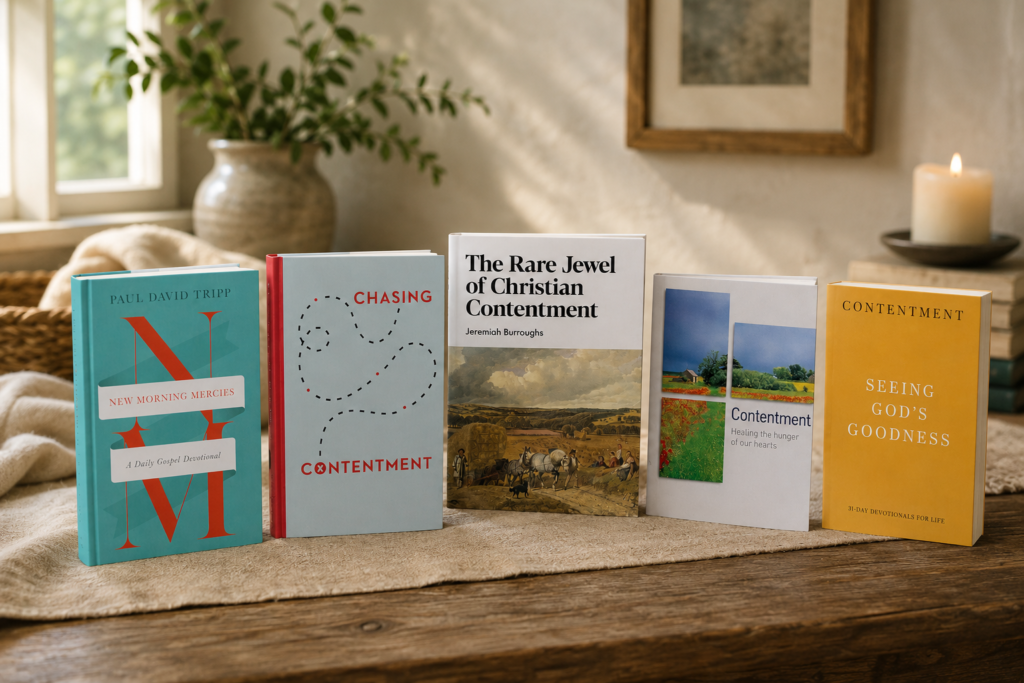
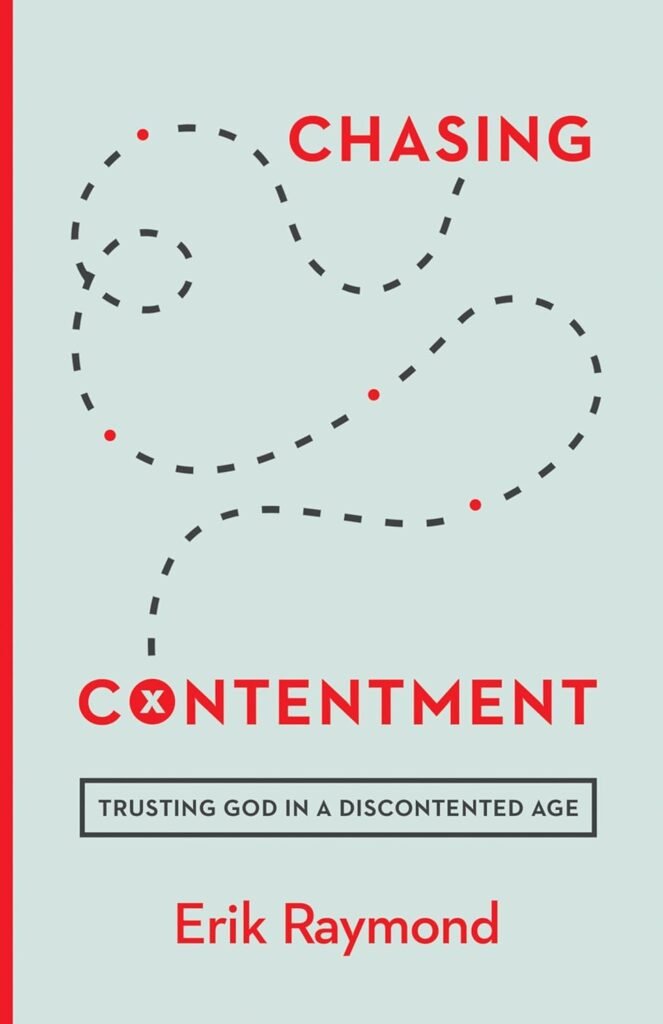
1. Chasing Contentment: Trusting God in a Discontented Age by Erik Raymond
This book provides a clear, biblical definition of contentment and walks you through how God actually grows it in everyday life. Raymond describes contentment as an inward, gracious, quiet spirit that rests in God’s providence, and he keeps pointing you back to Christ as opposed to techniques or formulas.
The book combines solid theology with practical steps, showing how practices like Scripture reading, purposeful prayer, and fighting temptation are means God uses to work contentment in you. It works well whether you are new to thinking about contentment or have been a Christian for years but still struggle with restlessness.
2. The Rare Jewel of Christian Contentment by Jeremiah Burroughs
This Puritan classic has shaped generations of Christians in understanding contentment as a rare and precious gift that God cultivates over time. Written in the 1600s, it goes deep into both the theology and practice of contentment.
Burroughs offers practical, biblical ways to address what he calls the spiritual disease of a discontented spirit. The language is older and more formal, but the truths are timeless.
If you want something weightier and more reflective than contemporary Christian books, this will challenge and encourage you.

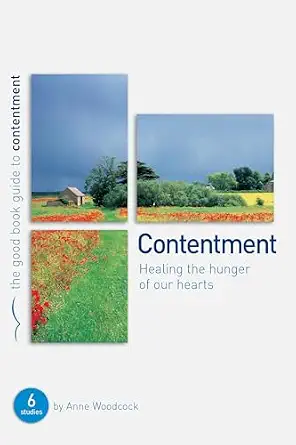
3. Contentment: Healing the Hunger of Our Hearts by Anne Woodcock
This guided Bible study explores why your heart feels so hungry, how Jesus satisfies, and how to live content in different circumstances. It takes you through key passages including Ecclesiastes, John 6, 1 Timothy 6, and others.
The format includes discussion questions and prompts, making it useful for both individual study and small groups. You engage directly with Scripture as opposed to just reading someone else’s thoughts about contentment.
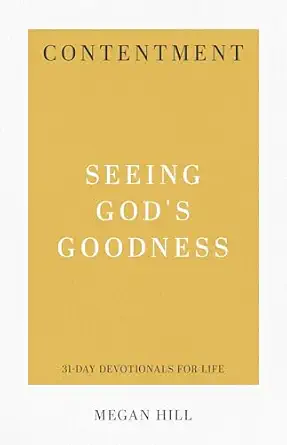
4. Contentment: Seeing God’s Goodness by Megan Evans
This 31-day devotional focuses specifically on contentment and noticing God’s goodness in everyday life. Each day offers a short, focused reading that keeps you steadily returning to the theme of contentment.
The daily format helps you build a contentment rhythm without feeling overwhelmed. It takes about 10-15 minutes per day and provides just enough to reflect on without being burdensome.
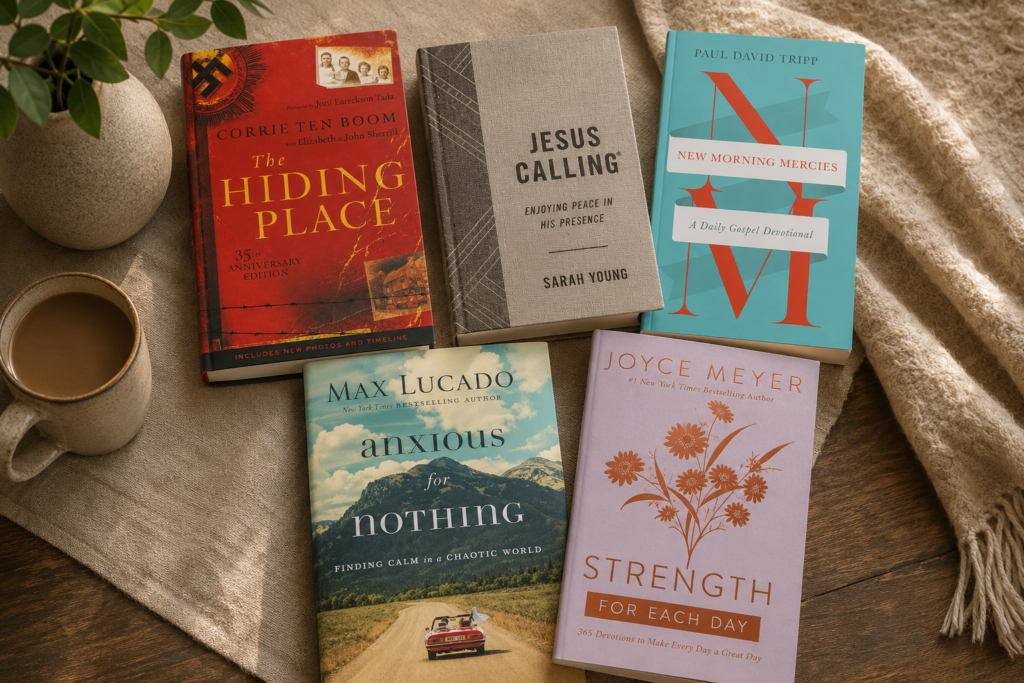
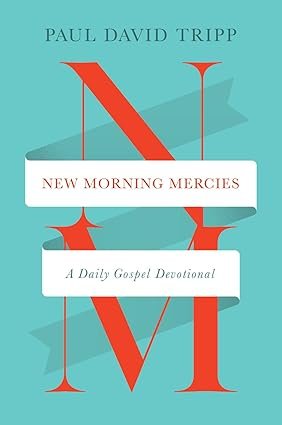
5. New Morning Mercies: A Daily Gospel Devotional by Paul David Tripp
Paul Tripp writes short, gospel-centered devotions for each day of the year. Each entry reminds you that God meets you fresh every morning with new mercies, regardless of yesterday’s wins or losses.
When your contentment fluctuates with circumstances, you need consistent reminders that God’s grace is steady and enough. Tripp’s devotional keeps your heart anchored in grace as opposed to performance or outcomes.
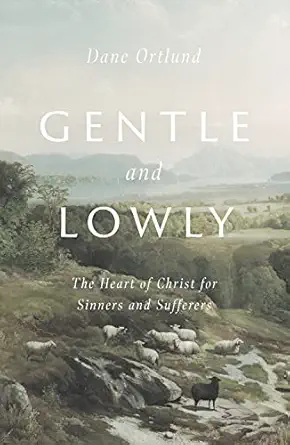
6. Gentle and Lowly: The Heart of Christ for Sinners and Sufferers by Dane Ortlund
This book explores what Jesus actually feels toward you in your weakness, weariness, and sin. Ortlund walks carefully through Scripture to show Christ’s gentleness and compassion.
Discontentment often grows from a hidden suspicion that God is disappointed or frustrated with you. When you begin to believe that Christ’s heart is truly for you, it becomes easier to rest and stop striving.
This book helps reshape how you think about Jesus and his affection for you.
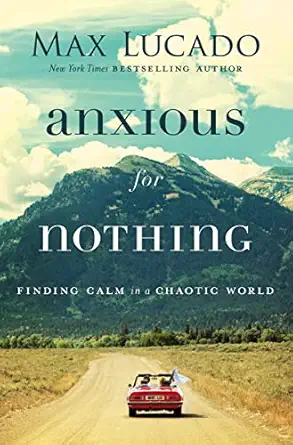
7. Anxious for Nothing: Finding Calm in a Chaotic World by Max Lucado
Max Lucado works through Philippians 4 and the call to be anxious for nothing, offering a pastoral approach to worry and anxiety. Contentment and anxiety are closely connected since both involve what you do with uncertainty and unmet desires.
Lucado helps you practice prayer, gratitude, and focused thinking during anxious moments. These are the same practices that nurture contentment over time.
8. The Christian’s Secret of a Happy Life by Hannah Whitall Smith
This classic from the late 1800s explores what it means to trust God practically and walk in deeper peace and joy. Readers consistently mention that it reshapes how they think about surrender, trust, and everyday holiness.
The book moves the idea of a happy life away from favorable circumstances and into ongoing dependence on Christ. Smith writes with warmth and practical wisdom that still resonates today.

9. ESV Study Bible
Contentment grows as you steadily meet God in his Word. A reliable study Bible helps you understand passages on God’s providence, joy, and peace with notes, cross-references, and explanations.
Scripture is the primary food for your soul. A study Bible gives you context so key contentment passages like Philippians 4, Matthew 6, and 1 Timothy 6 sink in more deeply.
The ESV Study Bible offers thorough notes and theological depth.
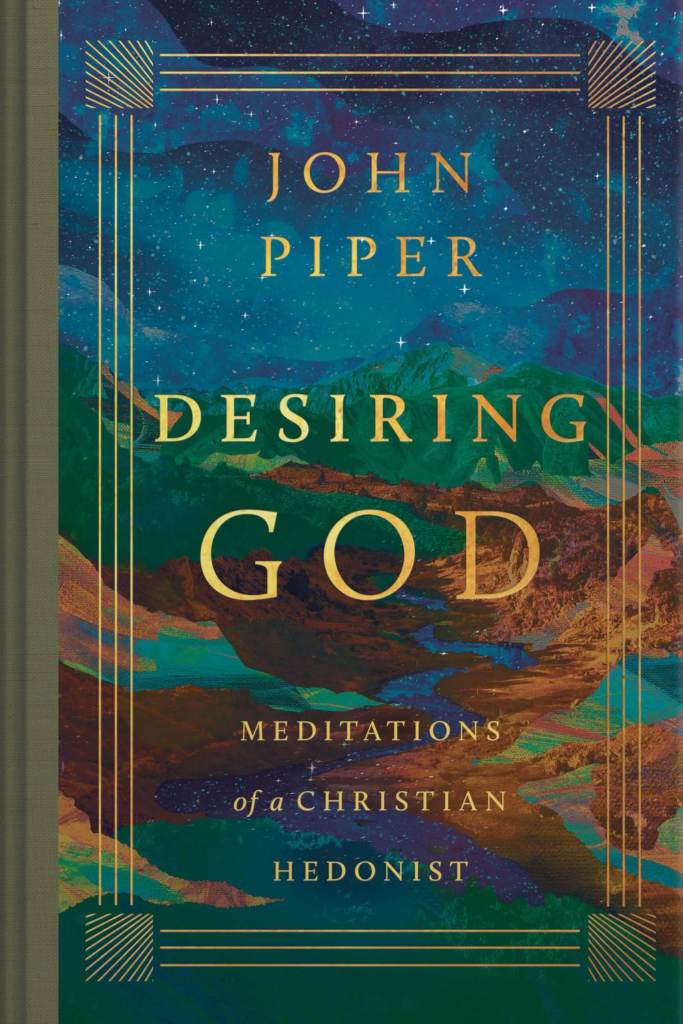
10. Desiring God: Meditations of a Christian Hedonist by John Piper
John Piper’s classic book explores the idea that God is most glorified in you when you are most satisfied in him. Piper argues that pursuing joy in God is not optional but central to the Christian life.
This book shifts your focus from chasing better circumstances to delighting in who God is. That shift is foundational to lasting contentment because it anchors your satisfaction in something that cannot be taken from you.
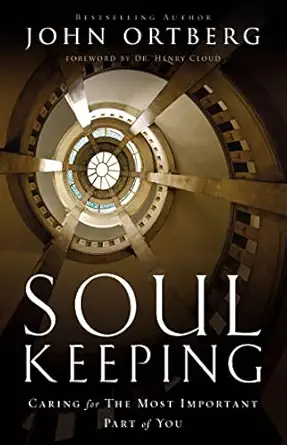
11. Soul Keeping: Caring for the Most Important Part of You by John Ortberg
John Ortberg writes about caring for your soul in a world that constantly demands more from you. He explores what it means to slow down, pay attention to your inner life, and tend to your relationship with God.
The book addresses the spiritual roots of restlessness and offers practical wisdom for creating space to connect with God. It pairs well with other contentment resources as a guide for the inner work of soul care.
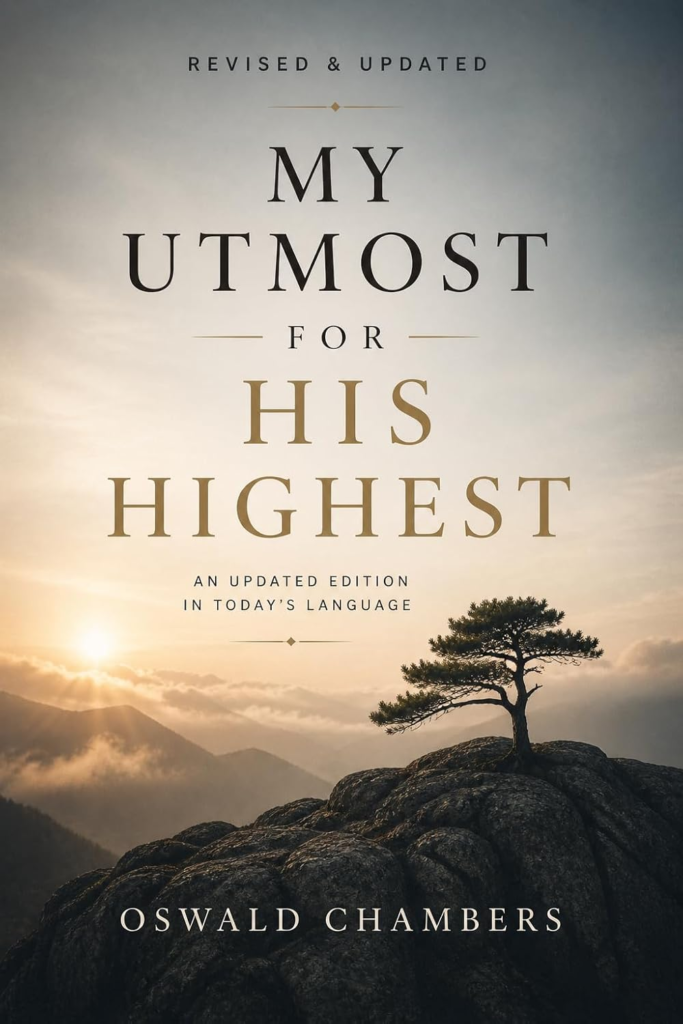
12. My Utmost for His Highest by Oswald Chambers
This classic daily devotional has been in print for nearly a century. Oswald Chambers offers deep, challenging reflections on what it means to live wholeheartedly for Christ.
The entries are short but dense, inviting you into a slower, more reflective way of processing life with God. Chambers wrestled honestly with suffering and faith, and his insights help you feel less alone in your struggles.
My Top Recommendation and How to Use It
If you only choose one resource to start with, Chasing Contentment: Trusting God in a Discontented Age by Erik Raymond is the strongest single choice.
It stands out for several reasons. The book is thoroughly Christ-centered, consistently pointing you back to Jesus as the source of contentment as opposed to self-improvement techniques.
Raymond combines solid theology with practical steps, walking you through Scripture, prayer, daily dependence, and fighting temptation in ways you can actually practice.
The language is accessible for newer Christians while offering depth that challenges longtime believers.
The book also pairs well with other tools on this list. You can read it alongside a gratitude journal, a prayer journal, and a simple Bible reading plan, using the book as a coach for how to approach these practices.
Here is a simple way to get started. Order Chasing Contentment on Amazon US. Add either a gratitude journal or a prayer journal, whichever feels more natural to you right now.
Choose one Scripture verse on contentment, such as Philippians 4:11-13, and place it somewhere you will see it daily, either as a printed card or a small piece of wall art.
Set a rhythm of 15 to 20 minutes most days to read a section of the book, reflect on the verse, and write in your journal.
You do not need to overhaul your entire life at once. You can quietly build what might be called a contentment ecosystem over time: a book to guide you, Scripture to anchor you, a journal to help you respond, and visual or musical reminders to keep truth in front of you throughout the day.
Frequently Asked Questions
Will reading a Christian book about contentment actually change how I feel?
Reading can help, but contentment usually grows through repeated, practical responses to God over time as opposed to one-time insight. Books like Chasing Contentment or The Rare Jewel of Christian Contentment give you truth, examples, and pathways.
The key is to let what you read shape how you pray, how you interpret your circumstances, and how you respond when you feel restless.
Pair the book with small habits like a daily gratitude list or a short prayer of trust so the truth moves from your head into your daily routines.
Should I start with a classic Puritan book or a modern book?
It depends on how you like to read. Puritan works like The Rare Jewel of Christian Contentment use older language and longer, more detailed arguments, but they offer very rich insight.
Modern books like Chasing Contentment or Anxious for Nothing are easier to read quickly and include contemporary examples.
If you prefer straightforward language and faster pacing, start with a modern book and add a classic later. If you enjoy deeper, slower reading, a Puritan work can be a strong first choice.
How do I choose between a gratitude journal and a prayer journal?
Both support contentment but in slightly different ways. A gratitude journal is most helpful if you tend to focus heavily on what is missing or wrong in your life.
It trains your attention to notice and name God’s gifts and small blessings each day.
A prayer journal works well if you feel tangled in worries, decisions, or emotions. It let’s you pour out your heart to God in writing and later see how he has responded over time.
If you are unsure, start with whichever one addresses your biggest struggle right now, or choose a combined journal that includes space for both prayer and gratitude.
How do spiritual disciplines like Bible reading relate to contentment?
Spiritual disciplines are tools that help you maintain connection to Christ. When you read and meditate on Scripture, you are reminded of God’s character and promises, which steadies your heart.
When you practice prayer, you bring worries and disappointments to God instead of carrying them alone.
Over time, these practices shift your internal default from grasping and comparison to trust and gratitude. Contentment is often the fruit of that gradual process as opposed to something you achieve through willpower.
Can Christian products really help with mental health aspects of discontentment?
They can support your mental and emotional health, especially when combined with wise medical or counseling care where needed. Faith resources encourage helpful routines like gratitude, quiet reflection, and a sense of meaning that can lower stress and anxiety. Spiritual practices have been linked in research with better overall well-being.
If your discontentment overlaps with clinical anxiety or depression, it is often wise to use both spiritual resources and professional help from a counselor or doctor.
How do I avoid turning Christian products into just another way to chase satisfaction?
This is an important question. It helps to remember that products are means, not ends.
Books, journals, art, and music are tools that help you look to Christ, not replacements for him.
Before using any resource, briefly ask God to use it to draw you closer to him as opposed to just make you feel better in the moment. Limit how many products you use at once so you are not endlessly buying new items instead of practicing what you already have.
Periodically step back and ask yourself whether you are actually meeting God through these tools or just collecting spiritual things.
What if I try these resources and still struggle with discontentment?
Contentment is not something you master in a few weeks. It is a lifelong process of learning to trust God in changing circumstances.
If you consistently struggle despite using helpful resources, consider a few things.
You might need more time for truth to take root in your heart. You might benefit from talking with a pastor, mentor, or counselor who can help you identify underlying issues.
You might also need to examine specific patterns in your life, such as comparison, materialism, or unprocessed grief, that fuel discontentment.
Growth in contentment is real and possible, but it usually unfolds slowly and unevenly as opposed to all at once.
Find out our Recommended Christian Resources to Grow Spiritually During Midlife; visit: https://illuminatedresources.com/christian-resources-to-grow-spiritually-during-midlife/