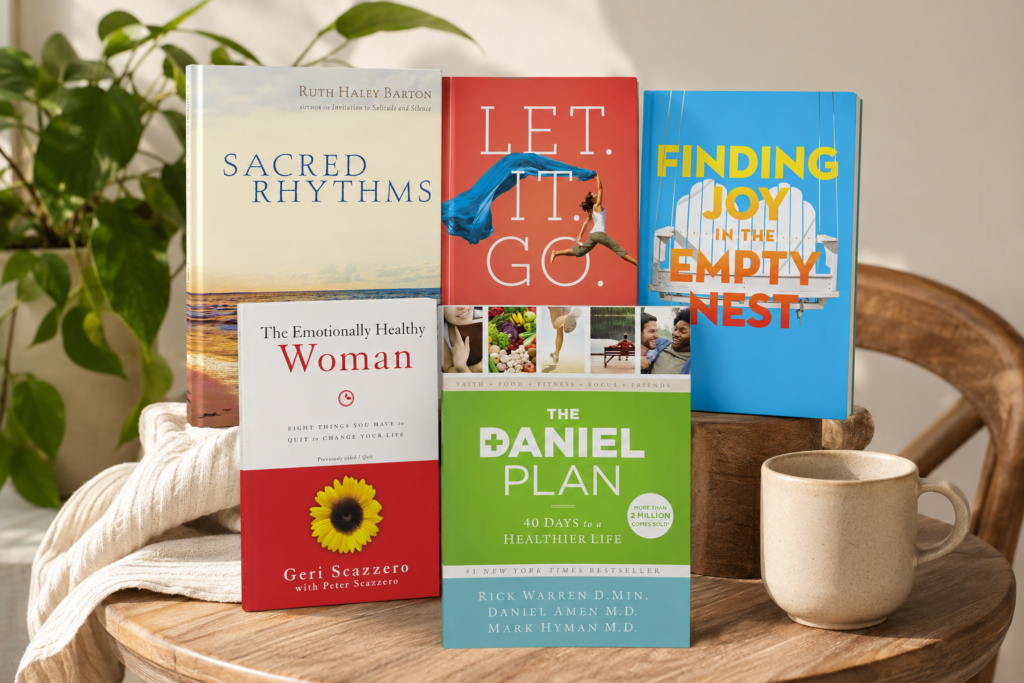
If you feel stuck or burned out in midlife, then you will more likely find renewed purpose when you pair biblical wisdom with practical tools that support your spiritual, emotional, and physical health. This matters because midlife brings hormonal shifts, role changes, and deep questions that surface all at once.
Women who reach their mid-forties often face invisible struggles, so you need honest support that addresses real life. Interestingly, when you reframe this season as a sacred transition as opposed to decline, your sense of calling often deepens.
But it’s much harder to navigate alone, even with good intentions.
So it’s really important to find resources that speak truth without shame, especially when you feel guilty for wanting more from life. Also don’t forget that your body and mind are signaling real needs, not personal failures.
You may even explore that small daily shifts create more lasting change than dramatic overhauls. To move from surviving to thriving, you should start with one or two well-chosen books or tools that match your current season.
Typically, Christian women in midlife benefit most from resources that blend Scripture, personal stories, and actionable steps.
This combination helps you feel understood while giving you something concrete to work with.
And it can be more difficult for you if your church community doesn’t talk openly about midlife challenges, because isolation makes everything heavier. But the right book or journal can feel like a trusted friend walking beside you.
You might also sometimes wonder if these resources actually help or just add to your to-do list.
Just look for ones that invite you to slow down as opposed to speed up.
Of course, your specific needs will vary based on whether you’re dealing with empty nest grief, health changes, relationship shifts, or a quiet sense that God is calling you toward something new.
Below you’ll find faith-based books, study Bibles, prayer guides, health resources, and journals designed to support you through this pivotal season. These are not quick fixes or magic solutions.
Think of them as companions that help you hear God’s voice more clearly and care for yourself with greater wisdom.
The products range from deeply spiritual to intensely practical, because midlife needs both. Some will help you process emotions you’ve been stuffing for years.
Others will give you tools to rebuild your energy and health.
A few will simply remind you that you’re not alone and that this season holds profound possibilities.
All links go to Amazon US. Prices and availability can change, so double-check details before purchasing.
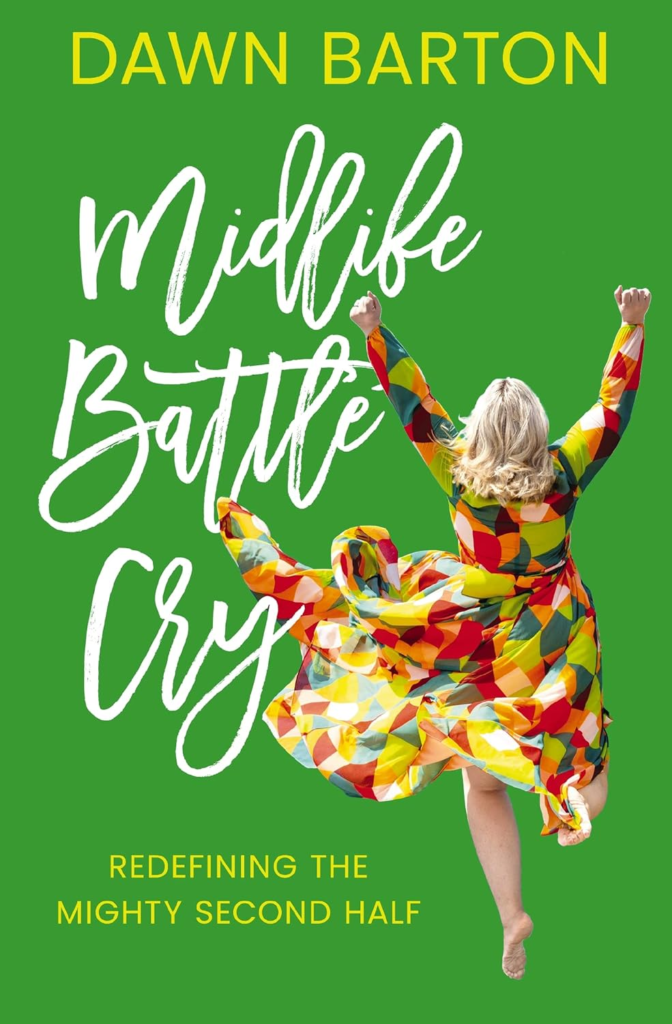
1. The Midlife Battle Cry: Redefining the Mighty Second Half by Dawn Barton
Dawn Barton writes like a friend who gets it. This book takes midlife head-on from a Christ-centered perspective, mixing humor with Scripture and real stories that make you feel less alone.
She tackles comparison, aging, purpose, and grief in ways that feel honest as opposed to preachy.
The core message is that midlife is not a slow fade into irrelevance but a battle cry to live boldly with God in your second half. Many readers say this book helped them stop apologizing for their age and start embracing what God is doing right now.
2. It’s Never Too Late: Make the Next Act of Your Life the Greatest Act of Your Life by Kathie Lee Gifford
Kathie Lee Gifford weaves together biblical examples with personal reflection to show you that God does some of His most powerful work in later seasons. If you’ve been thinking you missed your chance or that you’re too old to start something meaningful, this book will challenge those lies.
She points to scriptural figures who began major callings in their later years, reminding you that God’s timeline rarely matches cultural expectations.
The tone stays hopeful and grounded, which can ease fear around change and aging.

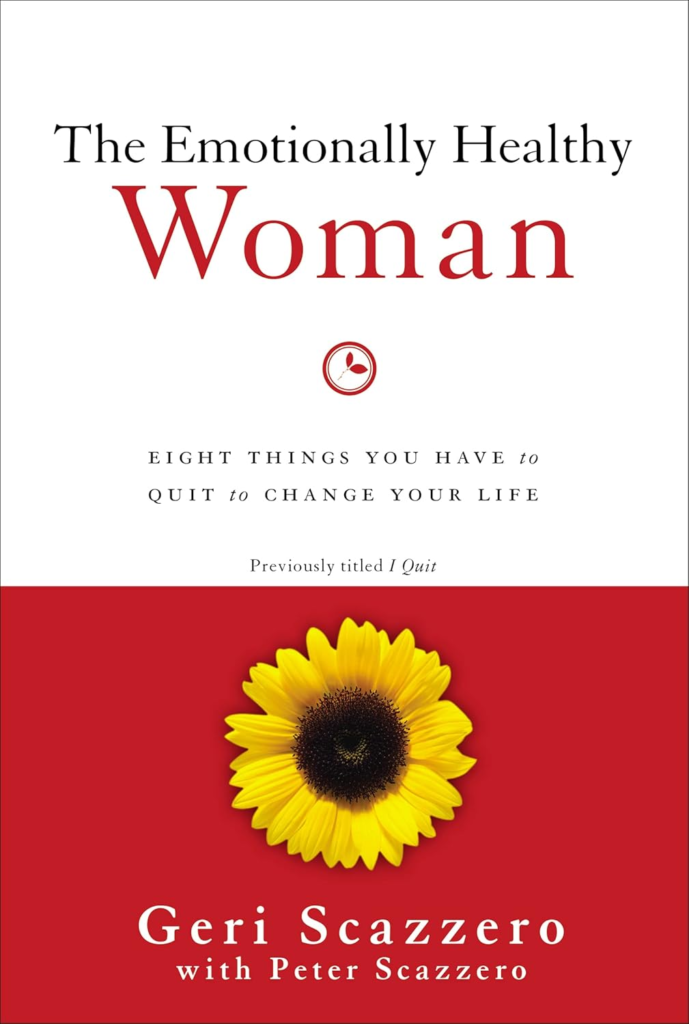
3. The Emotionally Healthy Woman by Geri Scazzero
Midlife has a way of exposing emotional patterns that haven’t been working for years. Geri Scazzero offers a Christ-centered roadmap for letting go of people-pleasing, pretending, and simmering resentment.
She explores eight “quits” like quitting guilt-driven service and quitting false peace.
This book works especially well if you’ve been serving everyone else while ignoring your own emotional health. It gives you permission to change without feeling like you’re betraying your faith or failing your loved ones.
Many women use this as a starting point for deeper healing work.
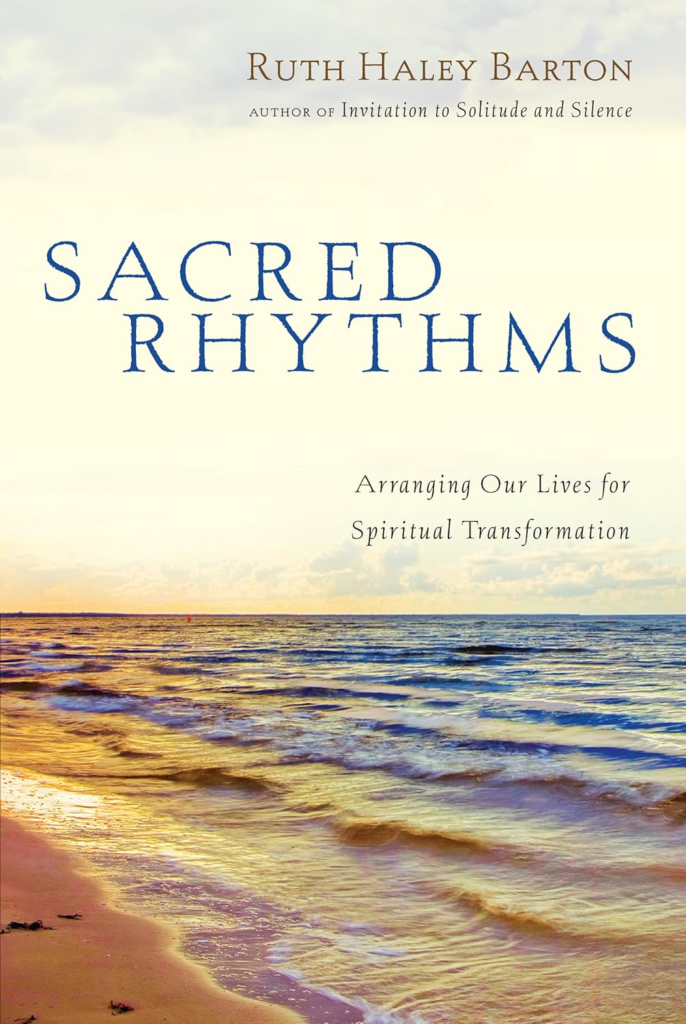
4. Sacred Rhythms: Arranging Our Lives for Spiritual Transformation by Ruth Haley Barton
Your old quiet time habits may not be cutting it anymore. Midlife often demands deeper spiritual practices that can hold the weight of what you’re feeling.
Ruth Haley Barton walks you through ancient practices like silence, solitude, Scripture meditation, and examen in ways that feel accessible as opposed to intimidating.
This book is not about adding more tasks to your day. It’s about rearranging your rhythms to create space for God to meet you in new ways.
Many women have used this framework to rebuild their daily and weekly patterns with God at the center.
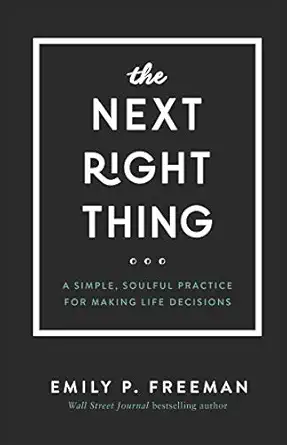
5. The Next Right Thing: A Simple, Soulful Practice for Making Life Decisions by Emily P. Freeman
Decision fatigue hits hard in midlife. You may be facing career shifts, aging parent care, church changes, or marriage adjustments all at once.
Emily Freeman helps you slow down and discern one small step at a time with God.
Her short chapters come with reflection questions and prayers that quiet anxious overthinking. This book doesn’t tell you what to do.
Instead, it teaches you how to listen to God’s voice amid noise and pressure.
The approach feels gentle and grounding, which matters when you’re already exhausted.
6. Let. It. Go.: How to Stop Running the Show and Start Walking in Faith by Karen Ehman
Control issues often flare up when life feels unpredictable. Karen Ehman uses relatable stories and clear biblical teaching to help you loosen your grip on people and outcomes.
If you’re exhausted from trying to manage everyone and everything, this book will meet you exactly where you are.
She gives practical steps for moving from anxiety-driven control to trust-filled obedience. The tone stays kind and understanding as opposed to preachy, which makes it easier to actually apply what she’s teaching.

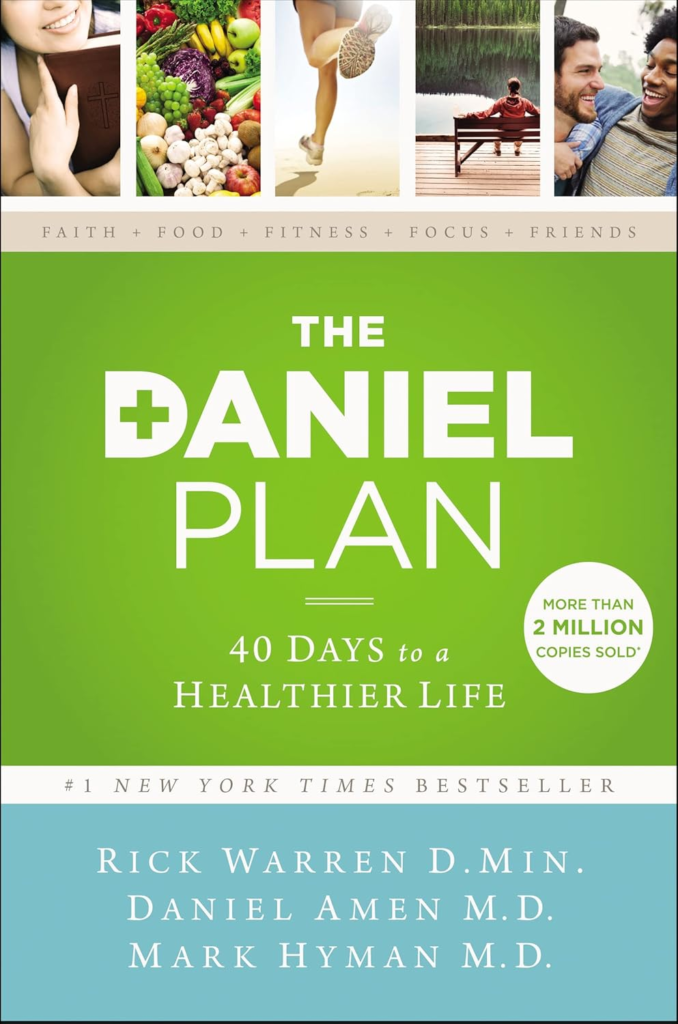
7. The Daniel Plan: 40 Days to a Healthier Life by Rick Warren, Daniel Amen, and Mark Hyman
Your body changes in midlife, and ignoring those changes only makes everything harder. This faith-based health plan combines food, fitness, focus, faith, and friends into a manageable framework.
The approach is flexible enough to adapt to your situation, with simple meal ideas, movement suggestions, and mindset shifts rooted in stewardship as opposed to perfectionism.
Many women appreciate that this book treats health as part of discipleship as opposed to something separate from faith. The 40-day structure gives you a clear starting point without demanding lifelong perfection from day one.
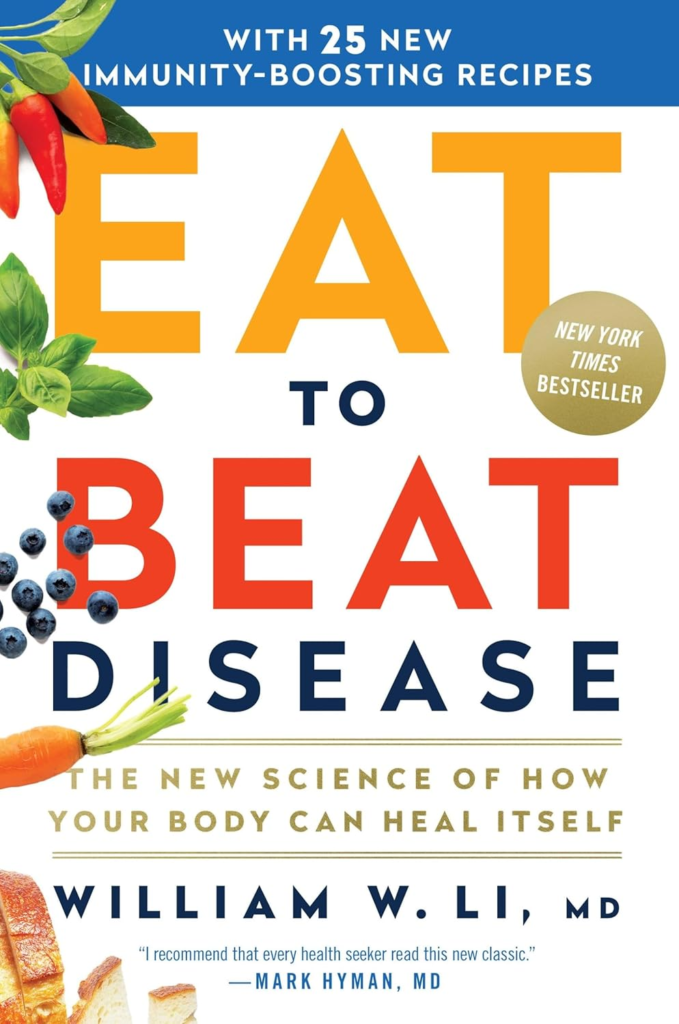
8. Eat to Beat Disease: The New Science of How Your Body Can Heal Itself by William Li, MD
This is not a Christian book, but it offers valuable insight into how food choices support your body’s natural healing systems. Dr. Li explains which foods boost your immune system, balance hormones, and support metabolism.
You can pair this knowledge with your belief that your body is a temple and make kinder choices without falling into fad diet traps.
The science is accessible, and the recommendations are practical. This works well as a reference guide when you want to understand the “why” behind healthy eating.
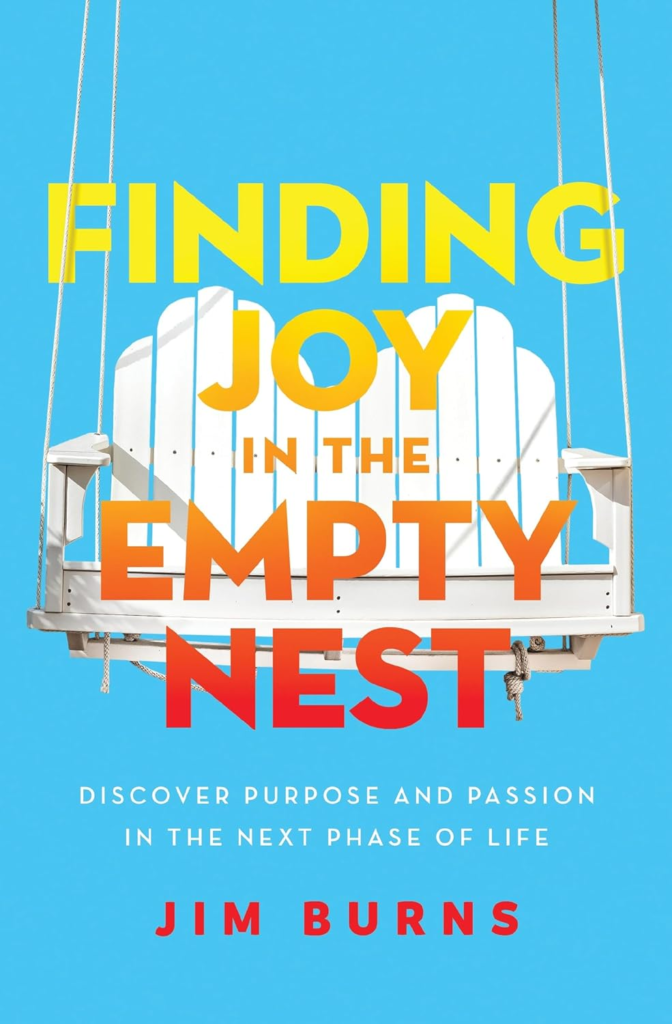
9. Finding Joy in the Empty Nest by Jim Burns
If your children are leaving home or your role in the house is shifting, this book offers biblical guidance on how to grieve, regroup, and rediscover joy. Jim Burns addresses identity shifts, marriage changes, boundaries with adult children, and building a meaningful next chapter.
The tone stays gentle and honest, which helps when you’re feeling emotional about this major transition.
Many women find comfort in knowing their feelings are normal and that God has purpose for this new season.
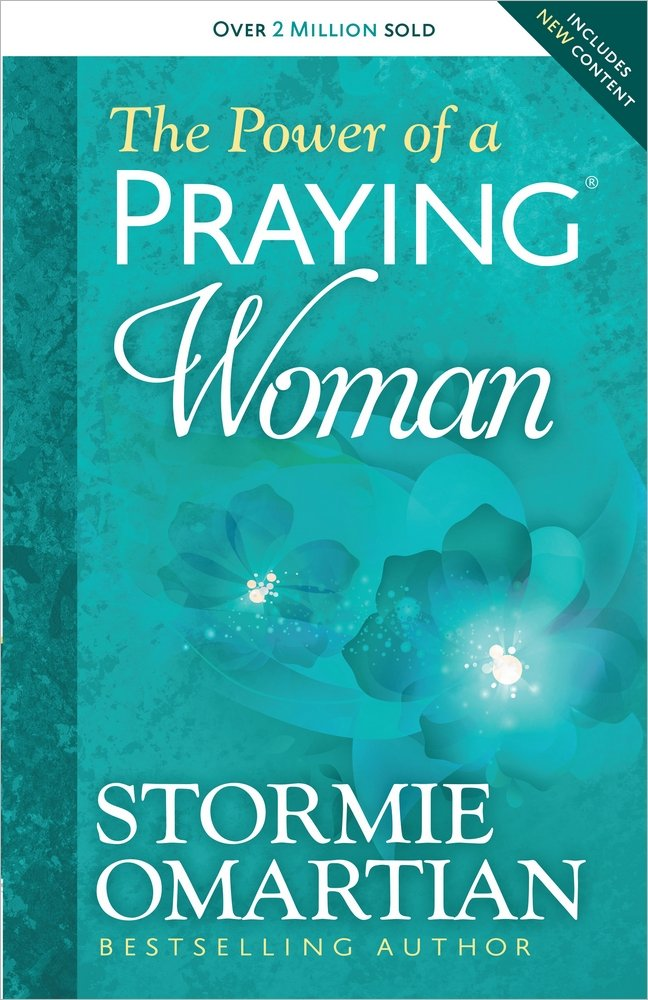
10. The Power of a Praying Woman by Stormie Omartian
Midlife stirs up needs in every area of life, and sometimes you don’t know how to put your heart into words before God. This classic prayer guide gives focused prayers and Scripture for your emotions, body, relationships, and calling.
Each section is short enough to use as a daily prayer companion without feeling overwhelming.
If you’re struggling to pray or your prayers feel stuck on repeat, this book can help you find fresh language and focus.
My Top Recommendation and How to Get Started
If you’re only going to choose one resource from this list, start with “The Midlife Battle Cry” by Dawn Barton.
This book reframes midlife as a powerful second half with God as opposed to a slow decline into irrelevance. It speaks directly to the season you’re in with humor, honesty, and hope.
The biblical teaching stays solid while the personal stories make you feel understood.
You can read it slowly with a highlighter and let it shift how you see this stage of your life.
Once you’ve absorbed that new perspective, add one or two other resources that match your biggest current need. If you feel spiritually dry, pair it with Sacred Rhythms and a prayer journal. If your health has slipped, combine it with The Daniel Plan and some walking time with worship music.
If you’re facing big decisions, read The Next Right Thing alongside it and start a weekly reflection habit.
Here’s a simple four-step action plan to get started:
Step 1: Order The Midlife Battle Cry at https://amzn.to/43iZFhU and start reading this week.
Step 2: Block 20 to 30 minutes three times per week to read and jot down thoughts or prayers that surface.
Step 3: Choose one supporting resource from the list above that matches your current challenge, whether that’s spiritual dryness, health concerns, relationship shifts, or decision-making.
Step 4: Ask God a simple question each morning: “Show me the next right step in this season.” Then watch for small nudges to act on throughout your day.
Midlife is not God’s way of sidelining you or marking the beginning of your decline. This season often brings deeper roots, harder-won wisdom, and a different kind of fruitfulness that you could not have carried in earlier years.
With the right tools and a tender heart before God, this can become one of the richest and most purposeful chapters of your story.
You are not too old, too tired, or too far behind. You are exactly where God can meet you and do something beautiful.
Frequently Asked Questions
How do I know if what I’m feeling is a normal midlife transition or actual depression?
Midlife transition usually shows up as restlessness, questions about purpose, and sometimes a want to make big changes. Depression tends to feel heavier and more constant, with persistent sadness, loss of interest in things you normally enjoy, significant sleep or appetite changes, and hopeless thoughts.
If these patterns continue for more than a couple of weeks or interfere with daily functioning, talk with a doctor or Christian counselor.
Being a believer does not cancel out the need for professional help. Scripture, community, therapy, and sometimes medication can work together to support real healing.
How can I reconnect with God when I feel numb or burned out in midlife?
Start by being honest with God in simple words instead of forcing pretend prayers. Try keeping your spiritual practices very simple for a season: short prayers, one Psalm, one verse carried through the day.
Consider listening-based practices like sitting quietly for five minutes saying “Here I am, Lord” and noticing what surfaces.
Use a guided devotional like Jesus Calling if reading large sections of Scripture feels too heavy right now. Talk with a trusted, mature believer and ask for prayer.
Numbness does not mean God has left you.
It usually means your heart is overloaded and needs time and gentle care to soften again.
How do hormones and health changes affect my spiritual life in midlife?
Perimenopause and menopause bring real physical changes including mood swings, anxiety, sleep issues, and brain fog. These are not signs that you’re “less spiritual.” Your body is going through a genuine transition.
Speak with a knowledgeable healthcare provider about symptoms, because hormone changes are real and treatable.
Support your body through nourishing food, regular movement, and good sleep practices. Adjust your expectations, knowing that if you’re sleeping poorly, your quiet time may need to be shorter and more flexible.
Be kind to yourself.
God understands your chemistry and is not surprised by your fatigue or mood swings. You can see body care as part of discipleship as opposed to separate from it.
How can I find my calling or purpose if I feel like I missed my chance?
Scripture is full of people God used powerfully in later years, including Moses, Caleb, Anna, and Elizabeth. Your calling is the ongoing combination of who God made you to be, who you are becoming in Christ, and the people He places around you to love and serve.
List times when you felt most alive serving others, even in small ways, and look for patterns.
Ask trusted friends what they see as your strengths. Read books like The Midlife Battle Cry or It’s Never Too Late for stories that expand your imagination about what’s possible.
Start small by volunteering, starting a small group, writing, or mentoring one younger woman.
Purpose often becomes clearer while you’re moving as opposed to just thinking.
How do I handle changing roles with adult or nearly adult children?
Move from controlling to coaching by offering wisdom as opposed to commands. Set clear, respectful boundaries around your time, finances, and emotional space.
Allow yourself to grieve the season that’s ending, because it’s normal to feel sad even when you’re proud of your children.
Invest in your own life again through hobbies, friendships, ministry, and rest. Books like Finding Joy in the Empty Nest can help you normalize this transition and give language for the mix of sadness and new possibility you’re feeling.
This shift does not mean you’re no longer needed. It means you’re needed in a different way.
How do I balance care for others with caring for myself without feeling selfish?
Many Christian women struggle with the word “self-care” because it feels selfish. A healthier frame is “stewardship.” You are caring for the body, mind, and soul God entrusted to you so that you can keep loving others well over the long haul.
Schedule regular checkups and rest just as you would schedule appointments for someone you love.
Choose one or two daily rhythms that refill you spiritually and emotionally, such as a short walk with worship music or quiet tea time with a devotional. Practice saying “I need to think about that and get back to you” before agreeing to commitments.
Ask God to show you the difference between sacrificial love and unhealthy people-pleasing.
Healthy stewardship often means you have more to give over time as opposed to less.
What are some small, realistic first steps to start thriving in midlife instead of just surviving?
Start with one daily anchor with God, such as reading one Psalm each morning and writing one sentence about what you noticed. Add one body-care habit like walking for ten to fifteen minutes three to five days per week or adding one serving of vegetables to your day. Try one decluttering action by clearing one drawer, shelf, or digital folder each day for two weeks to reduce visual and mental noise.
Make one relationship investment by texting or calling one friend each week to check in honestly and pray together.
Choose one supportive resource like The Midlife Battle Cry and commit to reading one chapter per week. These small steps are manageable, and they add up.
Over a few months, they can shift how you feel, how you think, and how you live this season with God.
Find out our Recommended Christian Spiritual Growth Books for the Second Half of Life; visit: https://illuminatedresources.com/christian-spiritual-growth-books-for-the-second-half-of-life-finding-purpose-after-40-faith-forward/