These faith-based reads help you set godly limits without guilt
Many Christians carry a misunderstanding about boundaries. They assume that saying no to constant demands from family, friends, or church commitments means being selfish or lacking faith.
This creates a cycle where you keep saying yes when you mean no, leading to exhaustion, resentment, and burnout.
The problem isn’t your level of commitment. The real issue is not recognizing that biblical boundaries protect what God has entrusted to you: your time, energy, and calling.
Setting limits isn’t about becoming self-centered. Jesus himself withdrew from crowds to pray and rest, as recorded in Mark 6:31. When you learn to identify where your “yes” comes from and align it with Scripture as opposed to people-pleasing, you create space for healthier relationships and a deeper walk with God.
The books on this list offer practical, Bible-based tools to help you establish boundaries that honor both your needs and your faith.
From marriage and parenting to emotional health and work life, these resources address real struggles with wisdom drawn from Scripture, counseling experience, and real-life testimonies.
Top Christian Books on Boundaries
1. Boundaries: When to Say Yes, How to Say No to Take Control of Your Life by Henry Cloud and John Townsend
This foundational book uses Scripture to explain how God designed limits for our protection and growth. Cloud and Townsend draw from biblical examples like the boundaries of the Promised Land in Numbers 34 to show that limits are God’s idea, not a sign of weakness.
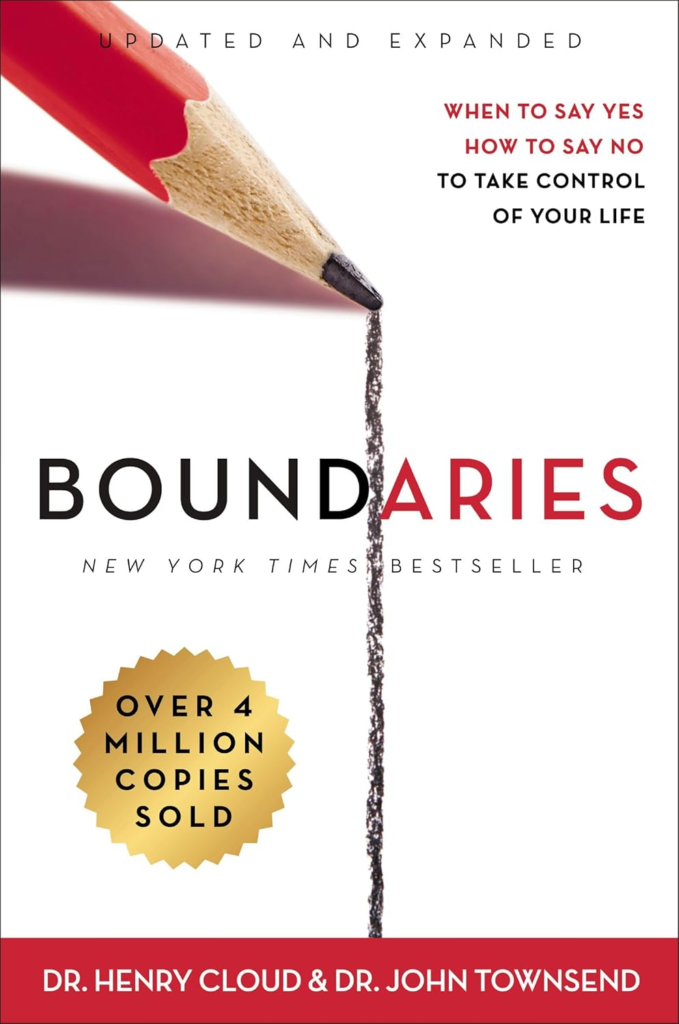
The book walks you through identifying relationships and commitments that drain your energy, then provides practical tools for building healthy fences without guilt.
With over 50,000 five-star reviews on Amazon, readers consistently call this book life-changing. The authors use real counseling examples to illustrate concepts like taking responsibility for your own feelings while refusing to carry burdens that belong to others.
Perfect for anyone just starting to explore boundary issues.
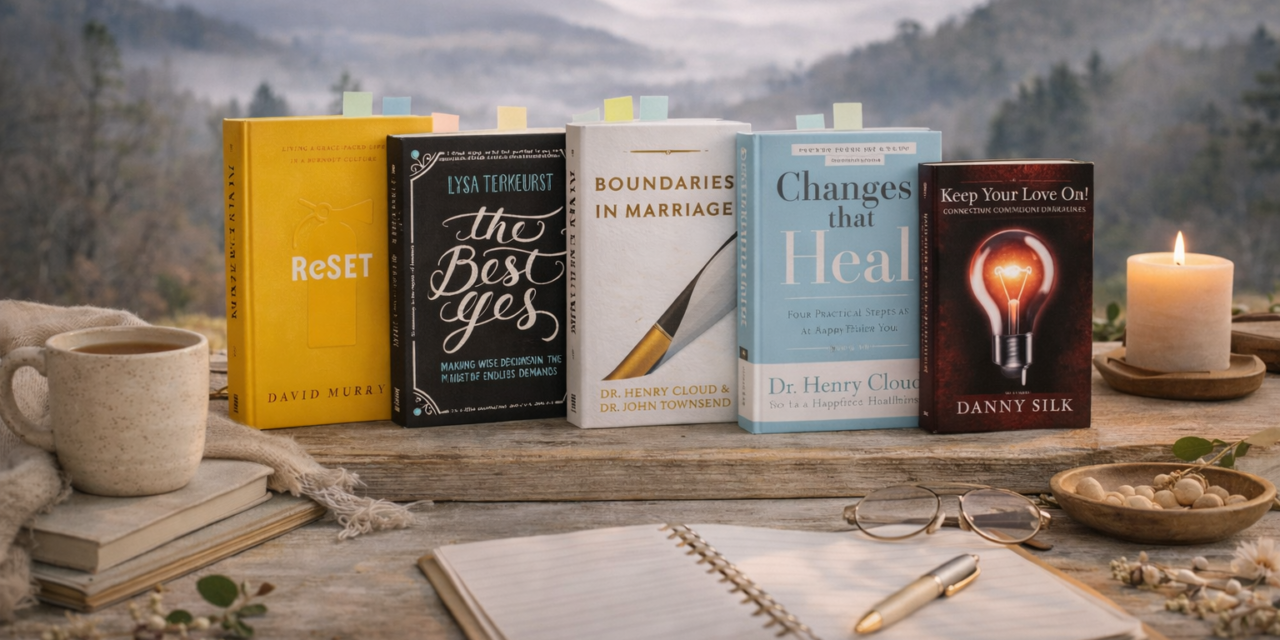
2. Boundaries in Marriage by Henry Cloud and John Townsend
Building on their first book, this focuses specifically on relational limits within marriage. Cloud and Townsend show how healthy boundaries actually strengthen intimacy as opposed to creating distance.
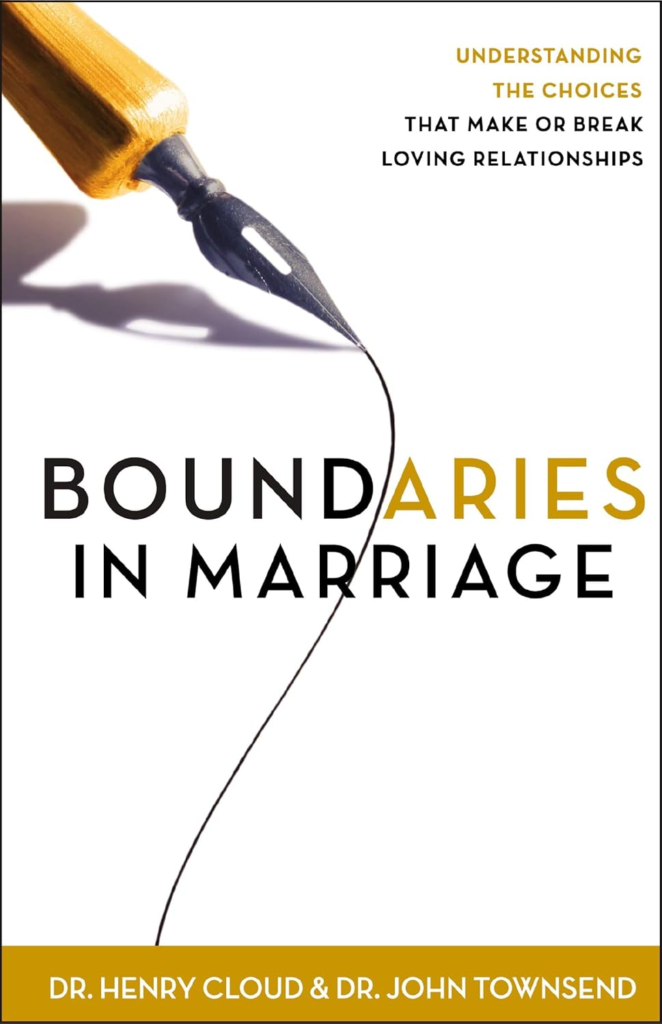
Drawing from Ephesians 5 on mutual submission, the book addresses common issues like codependency, differing expectations, and protecting your person identity while honoring your spouse.
Thousands of reviewers credit this book with saving their marriages. It includes worksheets and discussion questions for working through difficult conversations with your partner.
The authors make it clear that boundaries in marriage aren’t about control but about creating safety and respect.
3. Boundaries with Kids by Henry Cloud and John Townsend
Parents get biblical strategies for setting limits without anger or excessive permissiveness. This book reframes discipline as loving boundaries that teach children responsibility.
Using Proverbs 22:6 and other parenting passages, Cloud and Townsend show how to say no to tantrums, enforce consequences, and raise kids who understand accountability.
Thousands of reviews mention calmer homes and more respectful children after applying these principles. The book addresses age-appropriate boundaries from toddlers through teens.
4. The Emotionally Healthy Leader by Peter Scazzero
Scazzero links boundaries directly to spiritual maturity, especially for those in ministry or leadership roles. He urges leaders to confront their “shadow self” and recognize how ignoring limits leads to burnout and ineffective ministry.
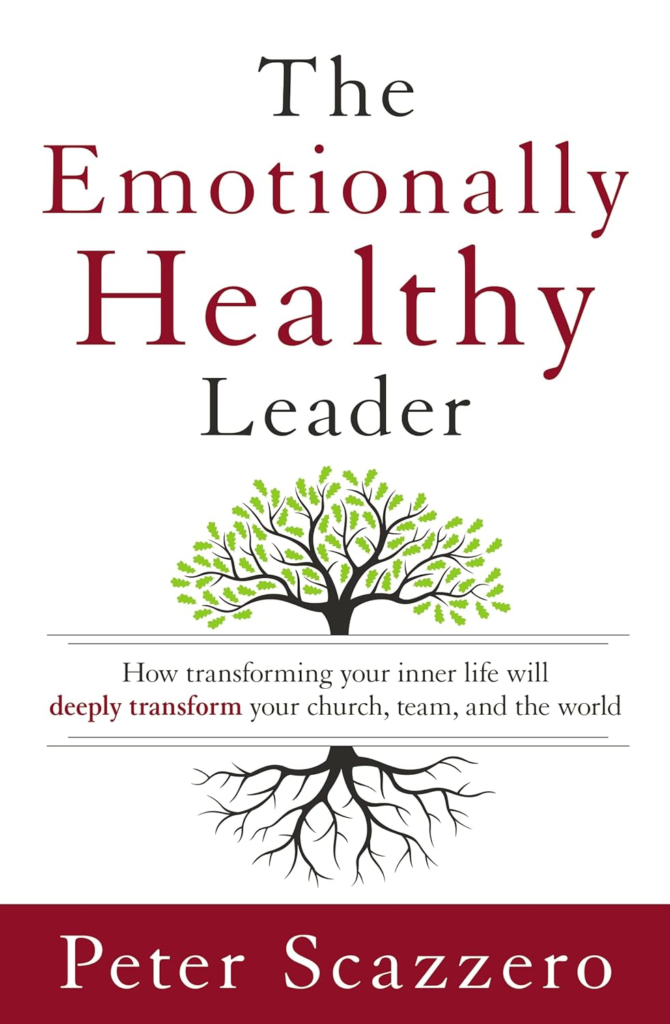
Drawing from Sabbath-keeping in Exodus 20, the book provides practical strategies for sustainable leadership.
The 2024 updated edition includes podcast discussions and extra resources. Pastors and church leaders consistently praise this book for addressing the unique pressures of ministry while providing biblical solutions for rest and renewal.
5. Emotionally Healthy Spirituality by Peter Scazzero
This book explores how ignoring emotional limits sabotages your prayer life and spiritual growth. Scazzero outlines “four stages of spiritual growth” and uses the Psalms to advocate for practices like silence and solitude.
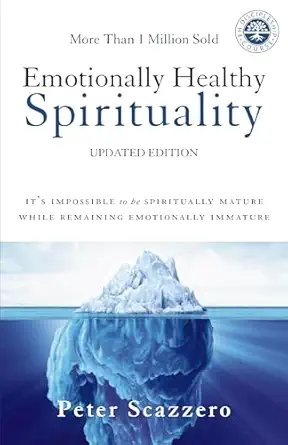
He shows how many Christians develop a shallow spirituality because they never address underlying emotional wounds or boundary violations.
The 2025 edition includes updated group study guides and reflection questions. Readers report experiencing deeper intimacy with God after working through the concepts and practices in this book.
6. Good Boundaries and Goodbyes by Lysa TerKeurst
TerKeurst shares her painful progress through relational endings, including her divorce, with raw honesty rooted in Romans 12:18. The book teaches “healthy detachment” when you’ve tried everything else and need to release toxic relationships.
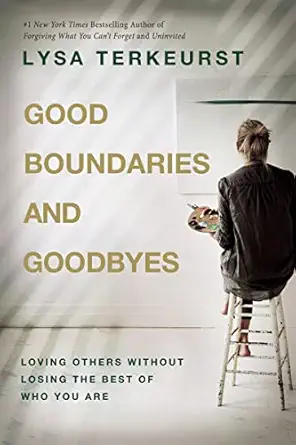
She makes it clear that boundaries sometimes mean saying goodbye, not just adjusting expectations.
Released after her 2023 divorce, this book resonates with readers facing impossible relational dynamics. A companion workbook offers exercises for processing difficult decisions.
7. The Best Yes by Lysa TerKeurst
This book helps you discern God’s best “yes” amid endless requests and opportunities. TerKeurst draws from Matthew 11’s invitation to soul-rest and provides practical tools like calendar audits to identify where you’re overcommitted. The focus is on quality over quantity in your commitments.
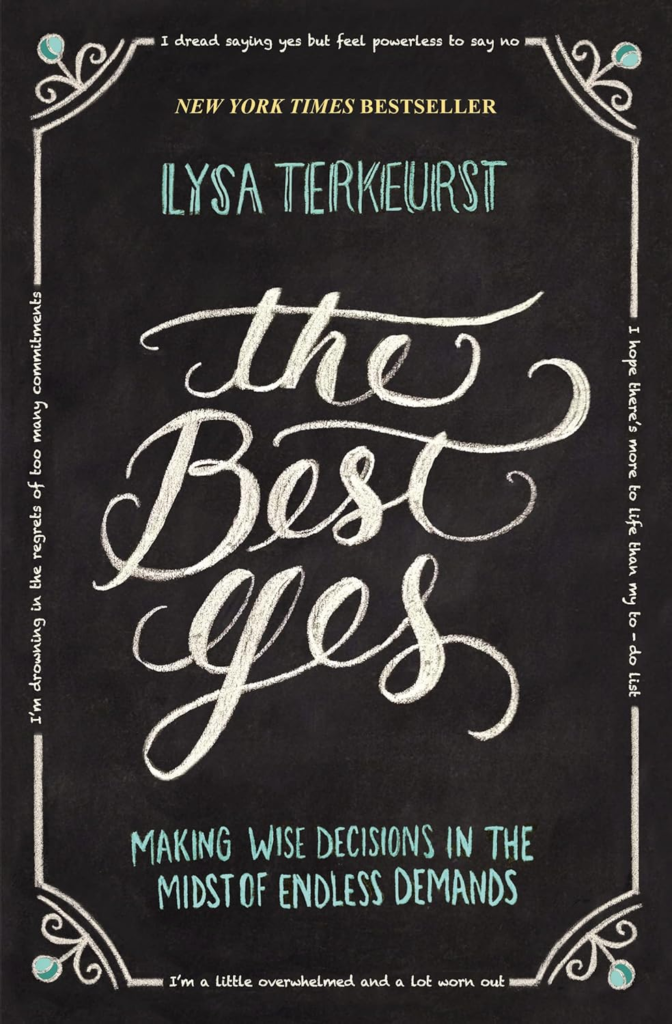
Over 20,000 reviews describe this as a “permission slip” for rest. Readers appreciate the practical exercises that help translate biblical principles into daily decision-making.
8. Uninvited by Lysa TerKeurst
When rejection tears down your boundaries, this book helps rebuild them. TerKeurst uses 1 Peter 2 and personal stories of feeling left out to show how to guard your heart against comparison and envy.
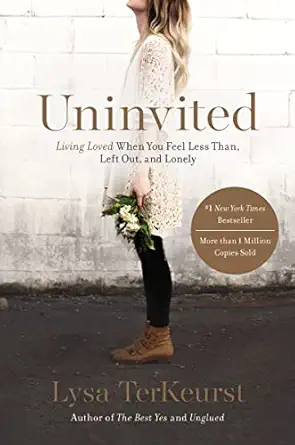
The book addresses how rejection makes you either put up walls or have no boundaries at all.
Faith-filled stories and scriptural insights make this especially popular for women’s groups and book clubs.
9. Keep Your Love On by Danny Silk
Silk teaches “connection before correction” in relationships, rooted in 1 Corinthians 13. The book shows how to hold space for others without enabling destructive behavior.
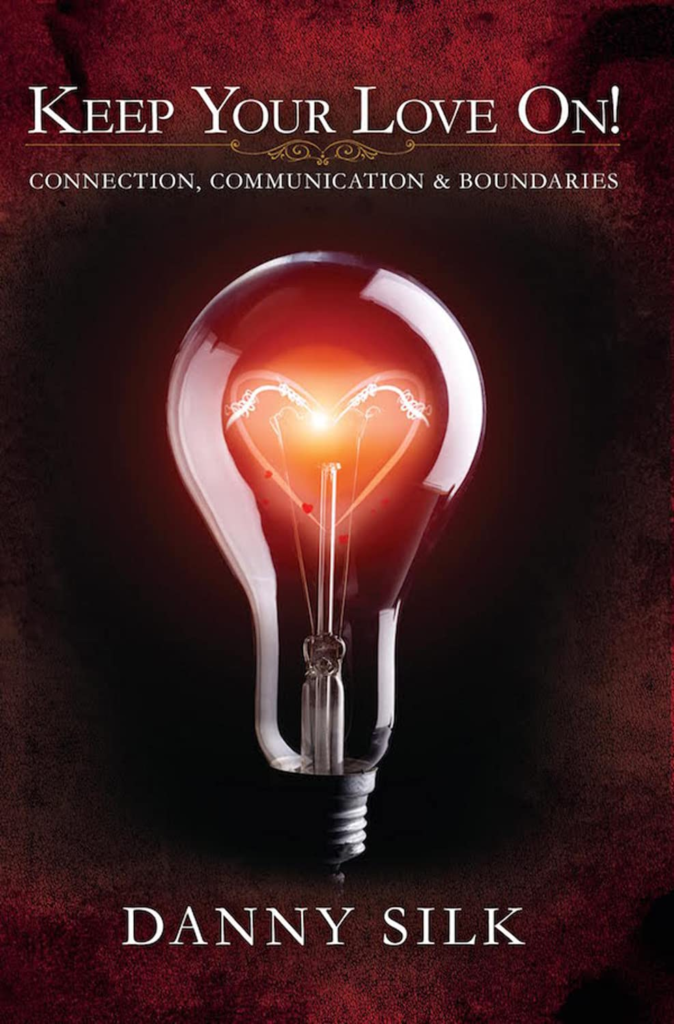
Silk’s approach emphasizes that boundaries strengthen love as opposed to weaken it.
This book is a favorite in the Loving on Purpose ministry, with a companion video series for deeper study.
10. Loving People by John Townsend
Townsend shows how boundaries actually fuel love instead of hindering it. Using biblical examples from Jesus’s interactions, the book provides scripts for graceful “no” responses that maintain relationship.
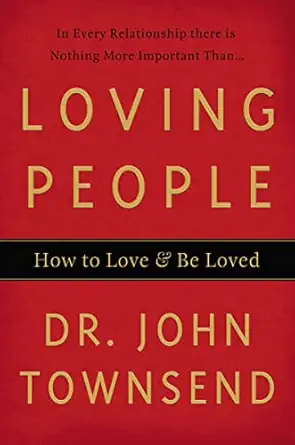
Short chapters make this accessible for busy readers.
Counselors and therapists often recommend this as a follow-up to the original Boundaries book.
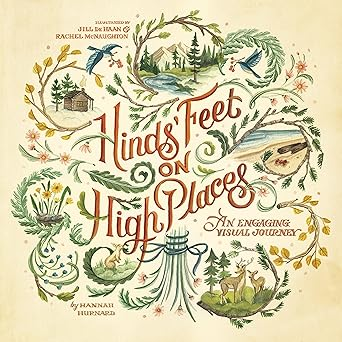
11. Hinds’ Feet on High Places by Hannah Hurnard
This allegorical novel follows Much-Afraid as she learns to set limits on fear and doubt, inspired by Psalm 18. While not a traditional boundaries book, readers find powerful lessons about emotional boundaries through the story’s journey.
A devotional classic with illustrated editions available for 2025. The timeless narrative resonates across generations.
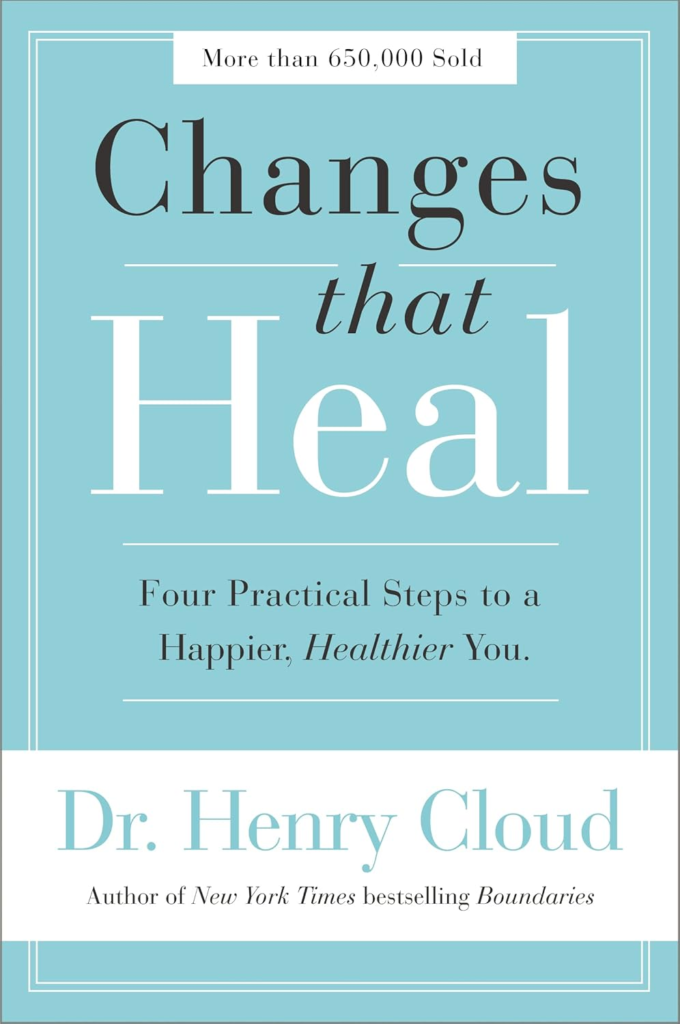
12. Changes That Heal by Henry Cloud
Cloud unpacks four developmental basics: bonding, boundaries, good enough-ness, and adulthood. Drawing from Genesis creation accounts for understanding identity limits, this comprehensive book pairs well with therapy or counseling.
Readers appreciate how Cloud connects childhood development to adult boundary struggles.
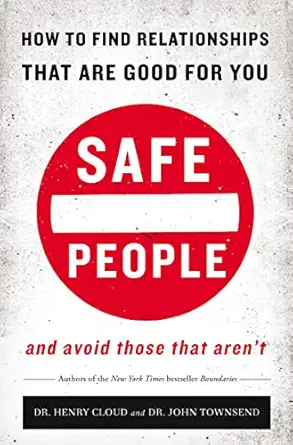
13. Safe People by Henry Cloud and John Townsend
Learn to spot unsafe relationships using biblical wisdom from Proverbs. The book provides trait checklists to help you choose friends, dating partners, and mentors wisely.
Cloud and Townsend show how discernment protects your boundaries.
Essential for anyone navigating new relationships or questioning existing ones.
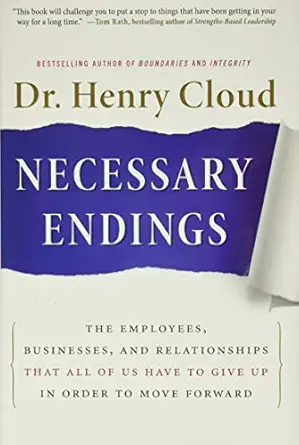
14. Necessary Endings by Henry Cloud
This book applies boundary principles to pruning dead-end relationships, jobs, and projects. Drawing from John 15’s vine metaphor, Cloud provides steps for endings without bitterness.
The business-minded approach works for both professional and personal situations.
Entrepreneurs and leaders particularly appreciate the practical application to work decisions.
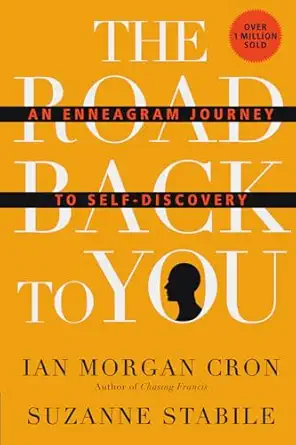
15. The Road Back to You by Ian Morgan Cron and Suzanne Stabile
Using the Enneagram filtered through Gospel grace, this book helps you understand your personality’s boundary tendencies. Each type gets specific guidance on healthy limits based on Ephesians 4.
The 2025 edition includes boundary prayers for each type.
Popular for its fresh approach to self-awareness within a Christian framework.
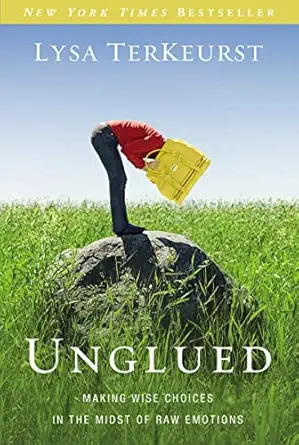
16. Unglued by Lysa TerKeurst
When emotions run high, boundaries often crumble. TerKeurst uses James 1 to help manage “unglued” reactions with imperfect progress.
The book includes boundary scripts for emotional triggers and difficult conversations.
Honest and humorous, readers find TerKeurst’s vulnerability encouraging.
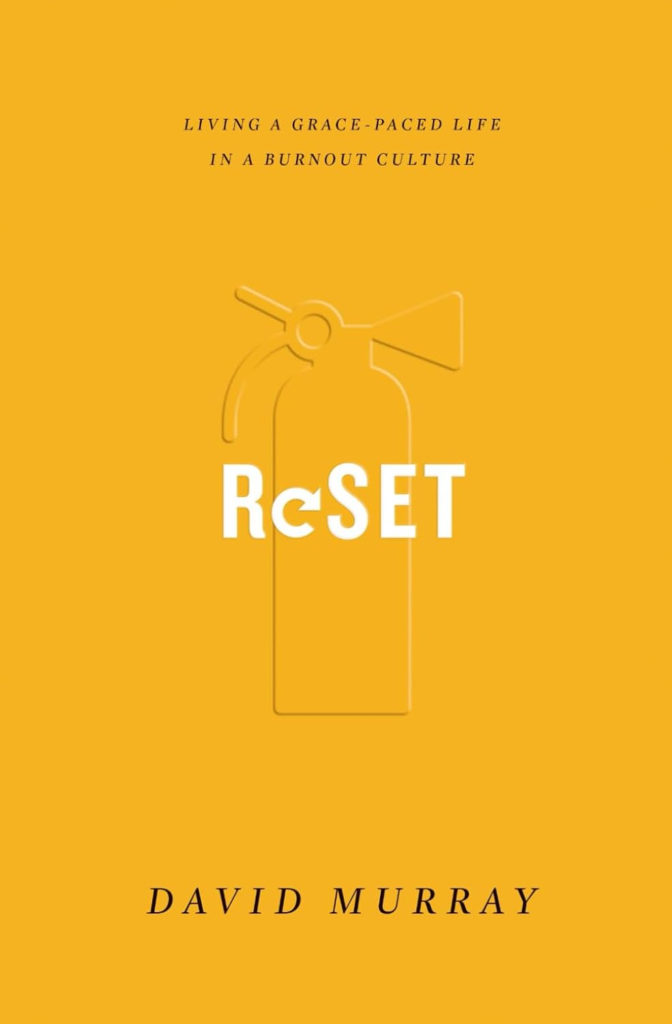
17. Reset: Living a Grace-Paced Life in a Burnout Culture by David P. Murray
Murray provides biblical rhythms against busyness culture, drawing from Exodus manna lessons. The book includes weekly reset plans that help maintain sustainable boundaries.
Pastors particularly appreciate the sabbath-keeping emphasis.
Practical tools make this actionable as opposed to just theoretical.
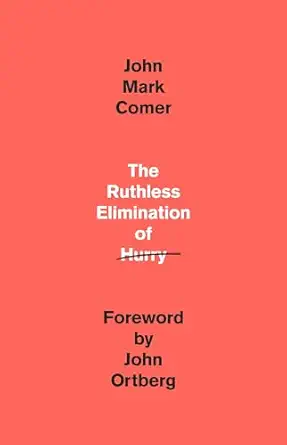
18. The Ruthless Elimination of Hurry by John Mark Comer
Comer urges slow living as a boundary against hurry, rooted in Jesus’s unhurried ministry. The book includes a “rule of life” template for building sustainable rhythms.
Popular among podcasters and young adults, a youth edition is also available.
The countercultural message resonates strongly in our overscheduled culture.
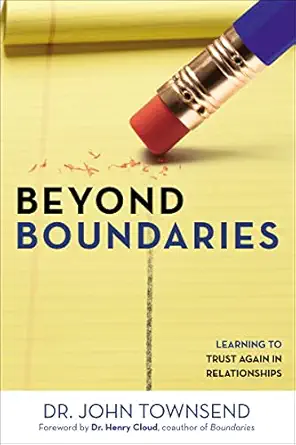
19. Beyond Boundaries by John Townsend
Townsend takes boundaries to the next level, showing how to move from basic limit-setting to thriving relationships. The book addresses what happens after you establish boundaries and how to maintain them long-term.
A natural progression for those who’ve read the foundational Boundaries book.
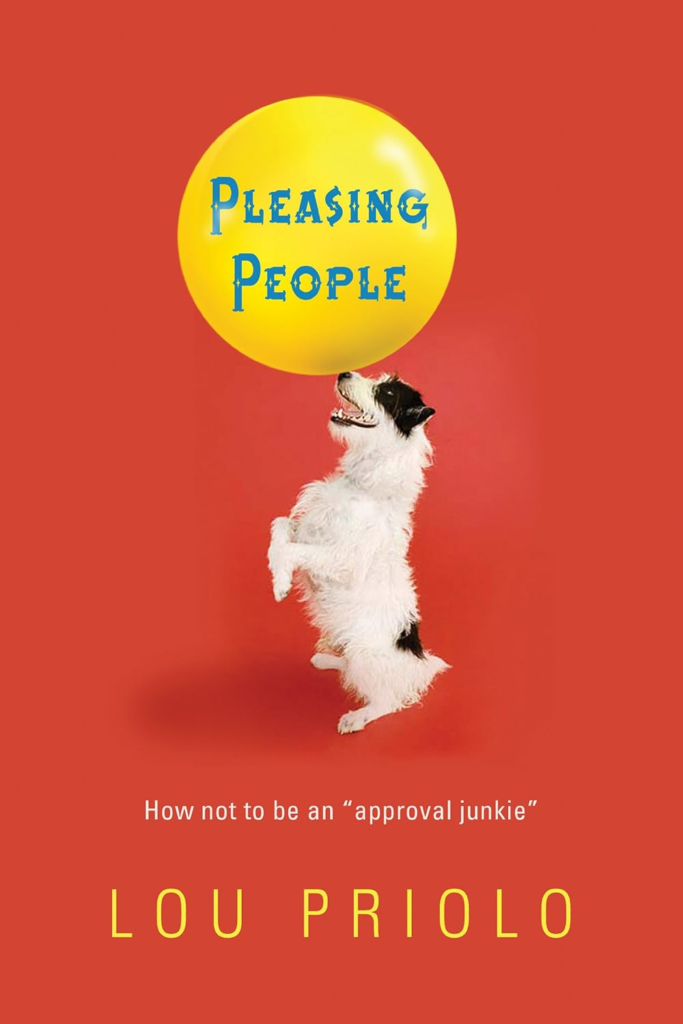
20. People Pleasing by Lou Priolo
From a biblical counseling perspective, Priolo addresses the root of boundary struggles: people-pleasing. Using Scripture to identify fear of man versus fear of God, the book provides practical steps for breaking free from approval addiction.
Readers appreciate the direct, no-nonsense approach grounded in biblical truth.
Making Boundaries Work in Your Life
My favorite from this list is Boundaries by Cloud and Townsend. It tops the rest because it lays the essential foundation with Scripture-packed, practical guidance.
The book doesn’t just explain what boundaries are but shows you how to implement them step-by-step.
You’ll finish with a clear understanding of your own boundary issues and actionable plans to address them.
What sets this book apart is how it anticipates objections. Cloud and Townsend address common fears like “Won’t boundaries make me selfish?” or “What if setting limits damages my relationships?” They show through biblical examples and counseling stories that boundaries actually improve relationships by creating honesty and respect.
Start with Boundaries and then move to the specific applications that fit your situation. If you’re married, add Boundaries in Marriage.
Parents will benefit from Boundaries with Kids.
Those in ministry or leadership should prioritize The Emotionally Healthy Leader.
You can grab the audiobook version of Boundaries for commutes or the workbook for deeper reflection. Many readers report significant changes within 30 days of applying the principles.
The key is consistency, working through one chapter at a time and implementing what you learn before moving forward.
Head to Amazon US via the links above and start reading tonight. Your relationships, peace of mind, and spiritual health will all benefit from learning biblical boundaries.
Frequently Asked Questions
What makes Christian boundaries different from secular boundaries?
Christian boundaries root their foundation in Scripture and God’s design for relationships. While secular boundary books focus on self-protection and personal rights, Christian approaches balance person needs with biblical commands to love others, serve sacrificially, and honor God.
The difference shows up in motivation: Christian boundaries protect what God has entrusted to you so you can fulfill His purposes, not just to make life more comfortable.
Books like Cloud and Townsend’s Boundaries cite many biblical examples of God setting limits, from the boundaries of nations to Jesus’s withdrawal for prayer, showing that limits are part of God’s design for human flourishing.
How do I know if my boundaries are biblical or just selfish?
Biblical boundaries protect your ability to obey God and love others well, while selfishness protects comfort at others’ expense. A good test: Does this boundary help you serve God better, or does it just avoid inconvenience?
For example, saying no to leading another committee when you’re already stretched thin protects your ability to do your current responsibilities with excellence.
That’s biblical stewardship. Saying no because you don’t like certain people is different.
TerKeurst’s The Best Yes helps you discern God’s specific calling versus good opportunities that aren’t yours to take.
My church teaches that saying no is unloving. How do I respond?
Point to Jesus’s own boundaries. He didn’t heal every sick person, didn’t attend every gathering, and specifically withdrew from crowds despite their needs. Mark 1:37-38 shows disciples finding Jesus in prayer and telling him everyone was looking for him, but Jesus said no to returning because he needed to preach in other towns.
That’s a boundary protecting his mission.
Scazzero’s Emotionally Healthy Spirituality addresses this directly, showing how churches sometimes promote unhealthy self-sacrifice that God never intended. Consider having a respectful conversation with church leadership, bringing biblical examples of healthy limits.
What if setting boundaries damages my relationships?
Healthy relationships grow stronger with boundaries, while unhealthy ones often resist limits. When you set a boundary and someone responds with anger, manipulation, or rejection, that reaction reveals existing problems, not problems caused by your boundary.
Cloud and Townsend’s Safe People helps identify who will respect your limits and who won’t.
Some relationships may indeed end or change significantly, but this creates space for healthier connections. TerKeurst’s Good Boundaries and Goodbyes walks through this painful but sometimes necessary process.
Remember that maintaining relationships at the cost of your health, calling, or integrity isn’t actually loving.
How do I set boundaries without explaining or justifying everything?
Practice simple, clear statements without over-explaining. Instead of “I can’t babysit because I have this thing and I’m really tired and I promised myself I’d rest more,” try “I’m not available that day.” The book Set Boundaries, Find Peace by Tawwab provides scripts that work, even for Christians.
You don’t owe anyone a detailed defense of your boundaries.
Cloud and Townsend note that over-explaining often signals you’re seeking permission or approval, which undermines the boundary. A kind but firm “no” is enough.
What should I do when family members ignore my boundaries repeatedly?
Boundaries without consequences aren’t boundaries. If you’ve communicated a limit clearly and someone violates it, you need to follow through with the consequence you stated. For example, if you’ve asked family not to drop by unannounced and they continue, you might not answer the door.
This feels harsh, but it’s actually truthful and respectful of both your needs and their ability to learn.
Boundaries and Boundaries in Marriage both address this, emphasizing that consequences aren’t punishment but natural results that teach respect. Start with small boundaries and build from there.
How long does it take to establish healthy boundaries?
Most people see initial changes within two to four weeks of consistently applying boundary principles. However, deeply ingrained patterns, especially from childhood or long-term relationships, can take months or years to fully address.
The key is progress over perfection.
TerKeurst’s Unglued emphasizes this, showing how small steps compound over time. Start with one area, like your schedule or one relationship, as opposed to trying to overhaul everything at once.
Keep a journal to track wins and setbacks.
Many readers find that working through these books with a counselor, small group, or accountability partner speeds up growth and provides support during difficult moments.
Find out our Recommended Prayer books for Daily Life + Stressful Seasons; visit: https://illuminatedresources.com/best-prayerbooks-for-daily-life-stressful-seasons-guided-prayers-liturgies-structured-worship/