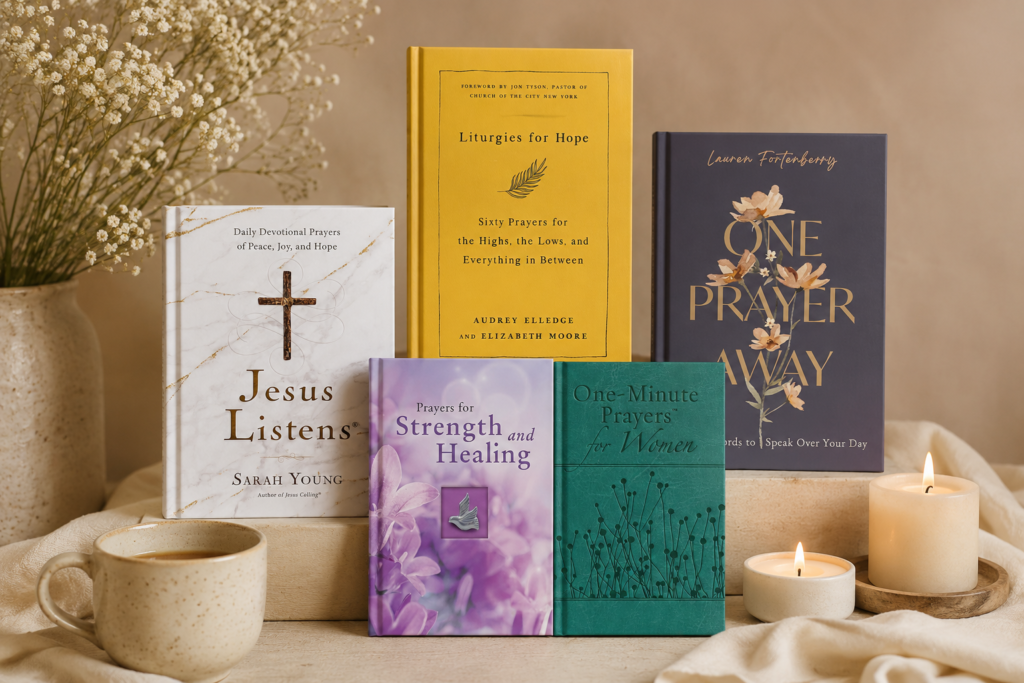

Perimenopause can introduce significant hormonal shifts that affect emotional stability, energy levels, and cognitive clarity. These changes often make consistent prayer, reflection, and devotional practices more difficult than in previous seasons of life. Disrupted sleep, mental fog, and mood fluctuations can influence not only daily functioning but also spiritual focus and engagement.
Maintaining a sense of spiritual grounding during this transition requires acknowledging both the physical and emotional realities involved. Addressing hormonal symptoms alongside spiritual concerns allows for a more integrated and sustainable approach, rather than minimizing one in favor of the other.
Self-awareness plays a key role in this process. Recognizing patterns ~ such as how physical changes impact mood, energy, and spiritual practices ~ can provide clarity and reduce frustration. Over time, this awareness supports the development of more realistic and adaptable rhythms for prayer and reflection.
Perimenopause commonly occurs during the 40s and early 50s and may include symptoms such as irregular cycles, sleep disruption, irritability, and changes in metabolism. While often described as a natural phase, the lived experience can feel disruptive and unpredictable.
During this stage, spiritual practices may benefit from increased flexibility and simplicity. Rather than relying on rigid routines, approaches that allow for variation in energy, focus, and emotional capacity tend to be more sustainable. Emphasizing consistency in small, manageable ways can help maintain connection without adding pressure.
Faith-based resources that acknowledge both physiological changes and spiritual questions can provide meaningful support. Materials that integrate practical understanding with theological reflection tend to be more effective than those that address only one dimension.
Ultimately, this season can become an opportunity to shift from striving toward more adaptive, grace-oriented practices that align with both physical realities and spiritual priorities.
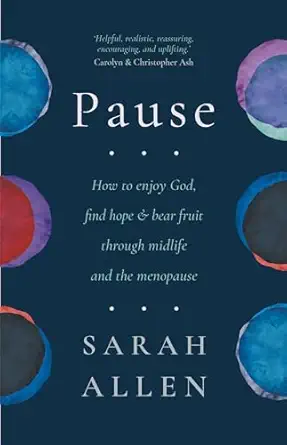
1. Pause: How to Enjoy God, Find Hope and Bear Fruit Through Midlife and the Menopause by Sarah Allen
Sarah Allen wrote this 112-page book after realizing the church rarely talks about menopause, even though most women experience it. She structures chapters around common midlife concerns: time passing too quickly, physical changes, regrets about past choices, and questions about future purpose.
Each chapter ends with discussion questions, making it perfect for small groups or personal reflection.
Allen uses Scripture like Colossians 1:10 to reframe this season as one where you can still bear fruit and grow in knowing God, not as decline but as transformation.
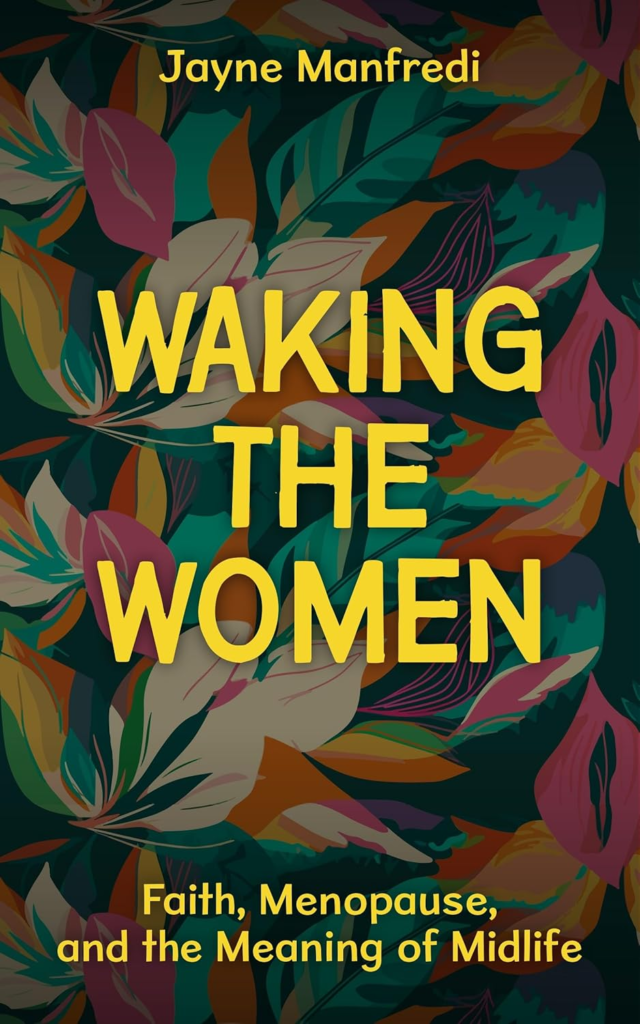
2. Waking the Women: Faith, Menopause, and the Meaning of Midlife by Jayne Manfredi
Jayne Manfredi tackles the silence around menopause in Christian communities head-on. She mixes personal stories with theology, addressing topics like anger during midlife, aging as a woman in a youth-obsessed culture, and finding freedom rather than loss in this transition.
Manfredi writes for everyone, not just women going through menopause, and their partners, pastors, and friends who want to understand and support them better.
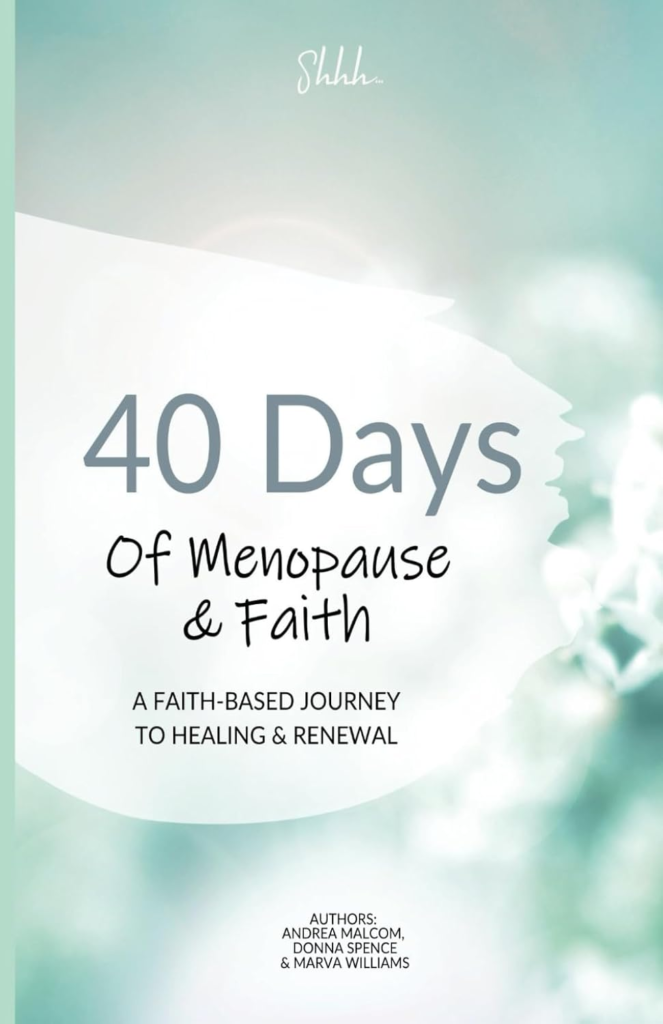
3. 40 Days Of Menopause & Faith: A Faith-Based Journey to Healing & Renewal
This devotional guide walks you through 40 days of Scripture, encouragement, and promises specifically for perimenopause through post-menopause. Three authors share from their own journeys, offering daily reflections that acknowledge both the physical symptoms and emotional turbulence of hormone changes.
Each entry aims to anchor you in God’s love when your body feels out of control.
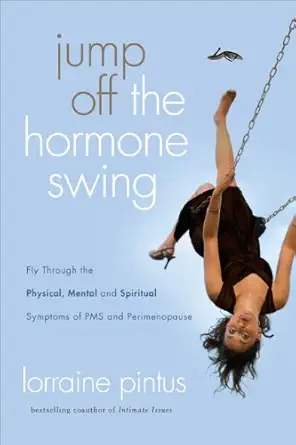
4. Jump Off the Hormone Swing by Lorraine Pintus
Lorraine Pintus brings humor and biblical wisdom to PMS and perimenopause symptoms. She covers physical issues like fatigue and bloating alongside mental and spiritual struggles, offering practical tools rooted in faith.
Pintus doesn’t promise to eliminate symptoms but does help you manage them without losing your joy or your sanity.
Readers appreciate how she makes a heavy topic feel lighter without dismissing the real pain.
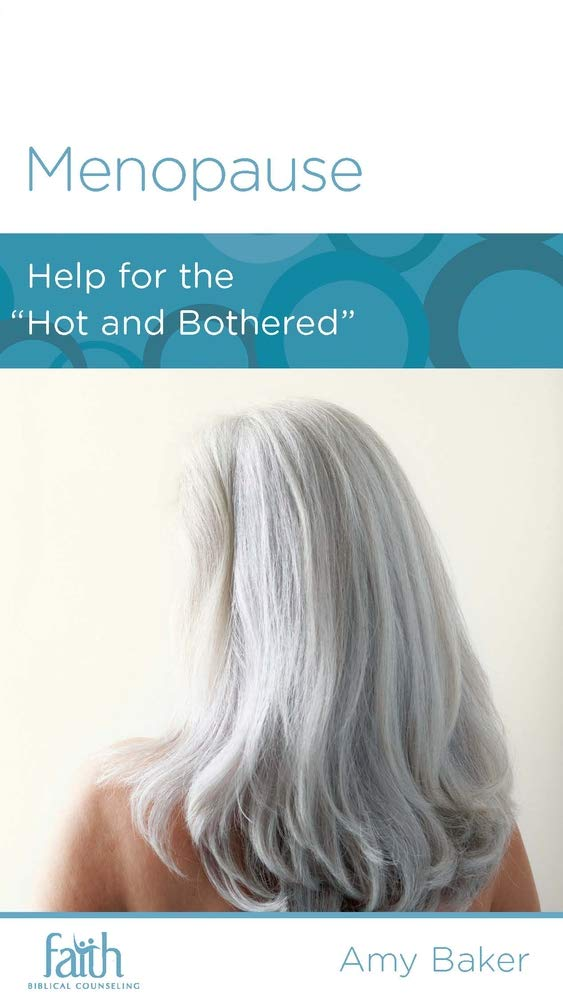
5. Menopause: Help for the “Hot and Bothered” by Amy Baker
Some call it “the change of life.” It is certainly that, and not always a welcome one! Hot flashes, memory lapses, tiredness, emotional struggles ~ they may not all be equal in severity, but you’re certainly experiencing the effects of growing older.
Though the world often tries to convince us that aging represents a loss of value, Amy Baker and Daniel Wickert offer a more biblical view that focuses on knowing and trusting Christ. Putting your hope in God and in his love for you will result in growth and fruitfulness, as you see that he is constantly at work in every stage of life to make us more like him.
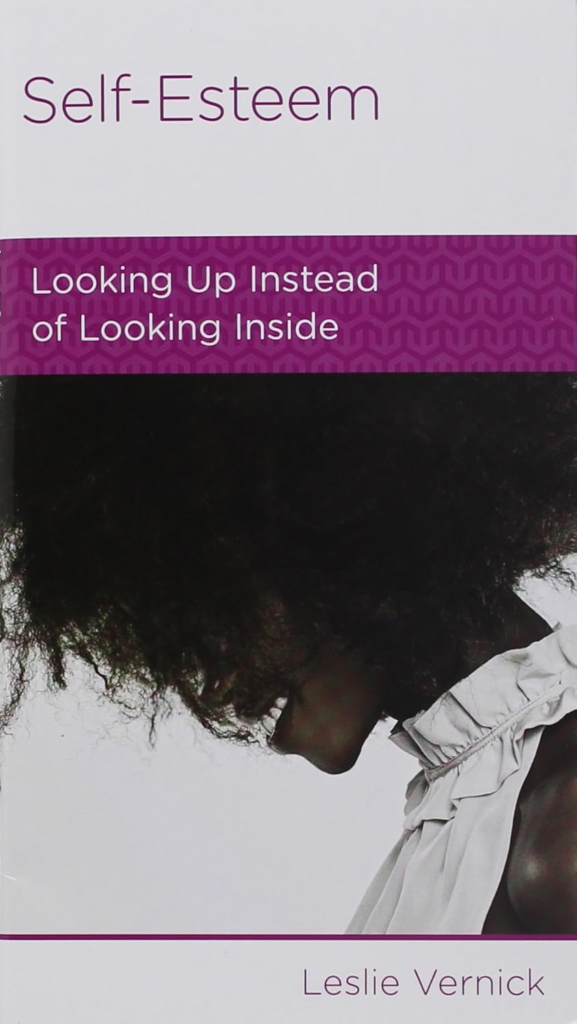
6. Self-Esteem: Looking Up Instead of Looking Inside by Leslie Vernick
Body changes during perimenopause can tank your self-image. Weight gain, thinning hair, and wrinkles feel like daily reminders that you’re aging.
William Smith shifts the focus from your appearance to your identity in Christ, building worth on what God says about you rather than what the mirror shows.
This short read combats insecurity with biblical truth.
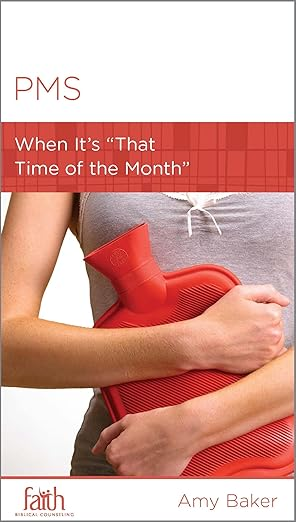
7. PMS: When It’s “That Time of the Month” by Amy Baker
Perimenopause can worsen PMS symptoms before periods stop altogether. Carolyn McCulley addresses headaches, mood swings, and fatigue with biblical patience tools.
She normalizes the physical struggle while teaching how to manage symptoms and emotions in ways that honor God and maintain relationships.
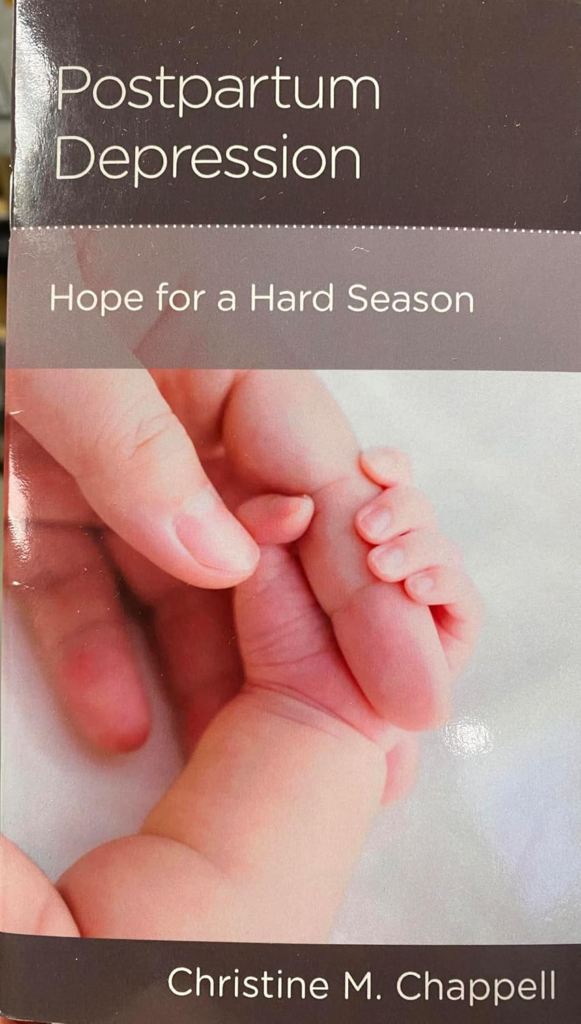
8. Postpartum Depression: Hope for a Hard Season by Christine M. Chappell
While this book focuses on postpartum depression, its wisdom applies to persistent low mood during perimenopause. Hannah Mehl offers hope for hormonal sadness, sleep deprivation, and feeling overwhelmed by daily tasks.
Her biblical counsel translates well to any season where hormones disrupt your emotional stability and energy levels.
Frequently Asked Questions
What symptoms of perimenopause do Christian books address?
Most Christian books on perimenopause tackle hot flashes, night sweats, irregular periods, mood swings, brain fog, sleep disruption, weight gain, and fatigue. Books like Pause and Waking the Women normalize these symptoms while offering biblical perspective on how God meets you in physical weakness.
They acknowledge the struggle without offering false promises that faith eliminates symptoms.
How can faith help with perimenopause anxiety and depression?
Scripture reframes fears about aging, invisibility, and loss of purpose by anchoring your identity in Christ rather than your changing body or role. Devotionals like 40 Days of Menopause & Faith provide daily biblical encouragement that builds peace over time.
Minibooks on managing emotions teach practical ways to process anxiety and sadness through prayer and truth rather than suppression.
Are there Christian resources for husbands whose wives are in perimenopause?
Yes. Pause and Waking the Women both encourage men to read for better understanding and empathy.
These books explain symptoms, emotional needs, and how to support your wife practically and spiritually.
Waking the Women especially calls church leaders and husbands to break the silence around menopause and offer genuine care.
What if I feel alone in my church during perimenopause?
Many Christian books on this list address the church’s silence around menopause and midlife struggles. Waking the Women specifically challenges faith communities to talk openly and support women through this transition.
Consider starting a small group using Pause or sharing your experience with trusted friends.
You might explore others feeling the same isolation.
Can I use these books for a women’s Bible study?
Absolutely. Pause includes discussion questions at the end of each chapter, making it ideal for group study.
Waking the Women sparks conversation about how churches can better support midlife women.
You could also work through 40 Days of Menopause & Faith together, sharing insights and prayers weekly.
Do any books address perimenopause anger specifically?
Yes. Waking the Women includes a chapter called “Inviting Anger to Pull Up a Pew” that tackles midlife anger through theology and honesty.
Managing Your Emotions by David Powlison also offers biblical tools for handling anger without letting it control your actions or damage relationships.
Where can I buy these books affordably?
All books listed are available on Amazon US. New Growth Press minibooks typically cost five to seven dollars each, making them budget-friendly options.
You can order many minibooks for under fifty dollars total.
Many titles qualify for Amazon Prime free shipping if you need them quickly.
Find out our Recommended Christian Books for Women in Midlife Transition; visit: https://illuminatedresources.com/best-christian-books-for-women-in-midlife-transition-identity-shifts-relationships-boundaries-roles-changing/