

Find spiritual comfort and lasting restoration through faith-centered resources designed for your deepest emotional needs
Christian devotionals designed for emotional healing offer more than daily inspiration. These resources address specific struggles like grief, anxiety, depression, shame, and trauma through Scripture, prayer, and honest reflection.
The best healing devotionals thank pain without dismissing it, provide practical spiritual tools, and guide you toward genuine transformation rather than temporary comfort.
The devotionals on this list vary in approach. Some use Scripture meditation, others incorporate therapeutic techniques aligned with Christian principles, and several draw from authors’ personal experiences with suffering.
You’ll find options for different healing timelines, from short 30-day journeys to year-long companions.
Formats range from traditional daily readings to interactive workbooks with journaling space. Whether you prefer hardcover books for your nightstand or Kindle editions for late-night reading, these resources meet you where you are.
18 Best Christian Devotionals for Emotional Healing
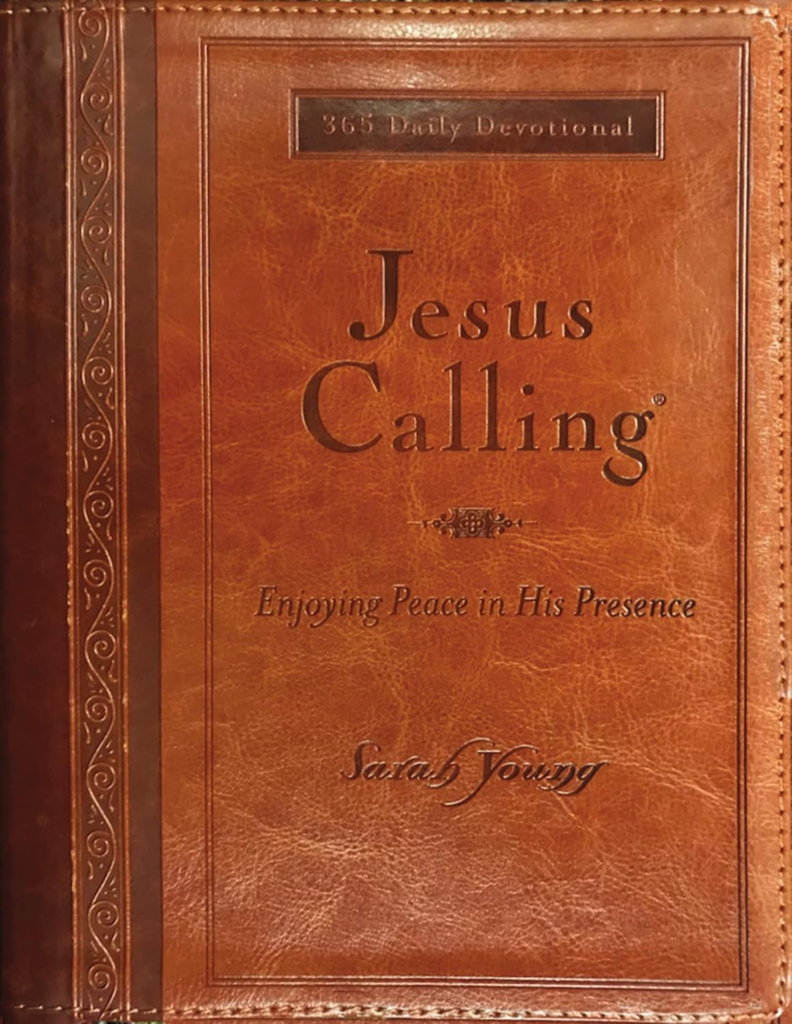
1. Jesus Calling: Enjoying Peace in His Presence by Sarah Young
Sarah Young’s bestselling devotional presents Jesus speaking directly to you through daily entries based on her practice of listening prayer. The format addresses specific fears, doubts, and anxieties with Christ’s voice offering comfort and perspective.
Many readers report reduced nighttime worry and a deeper sense of God’s presence through consistent use.
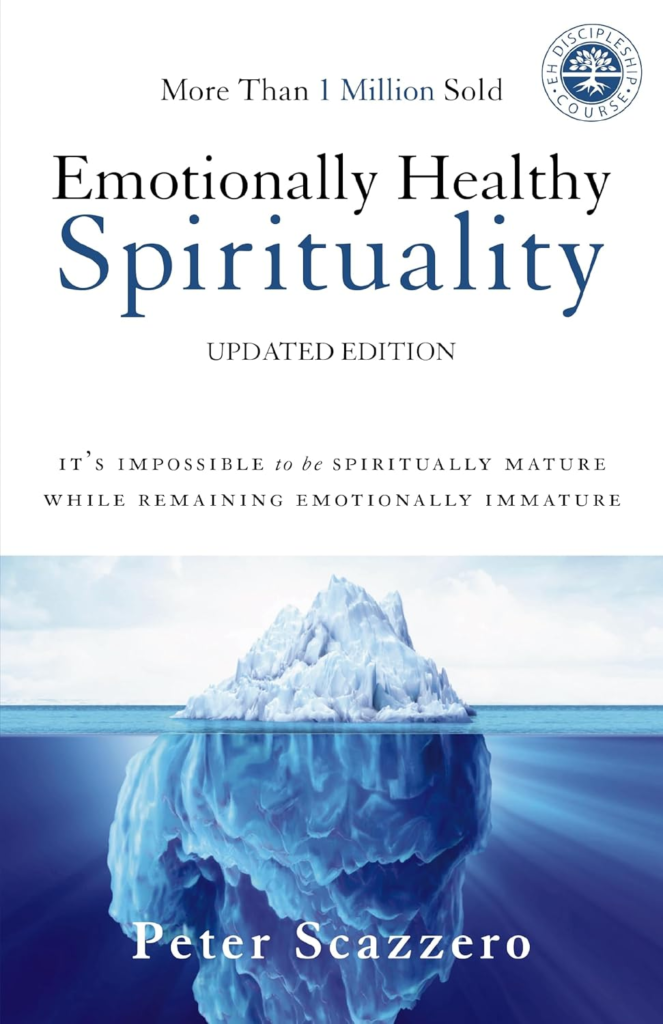
2. Emotionally Healthy Spirituality by Peter Scazzero
Scazzero challenges the false divide between emotional health and spiritual maturity. This devotional-workbook addresses how avoiding emotional processing actually blocks genuine faith development.
Each section connects emotional and spiritual growth with reflection questions and practical exercises.
The approach works especially well if your emotional wounds have created distance from your faith.
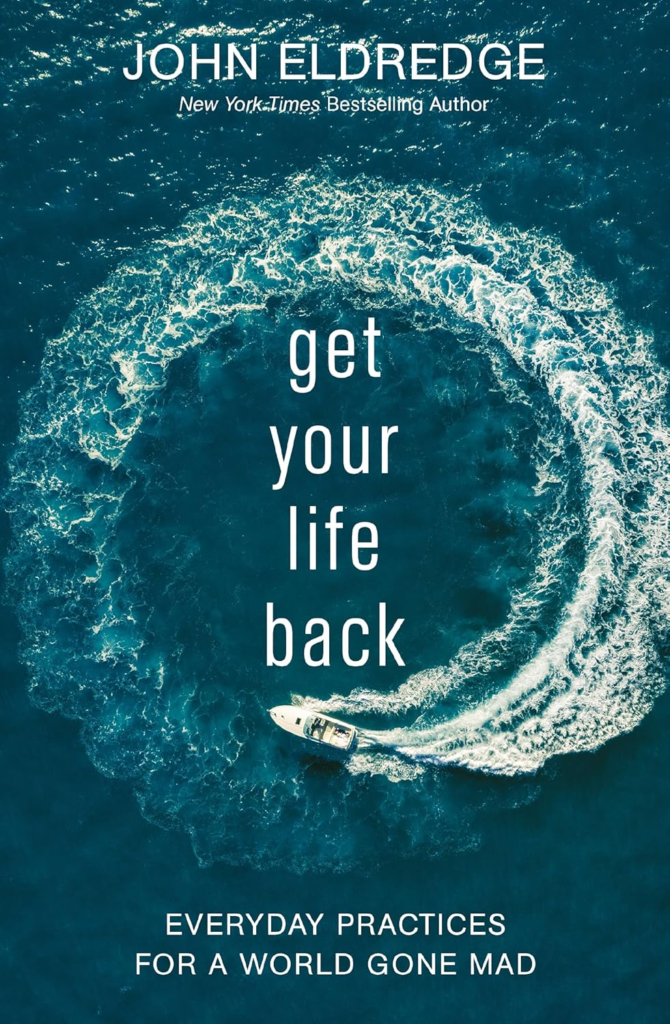
3. Get Your Life Back by John Eldredge
Eldredge addresses emotional exhaustion from constant stimulation and information overload. Each day combines Scripture, reflective writing, and practical tools borrowed from cognitive behavioral strategies aligned with Christian principles.
The layout includes journaling space for interactive engagement rather than passive reading.
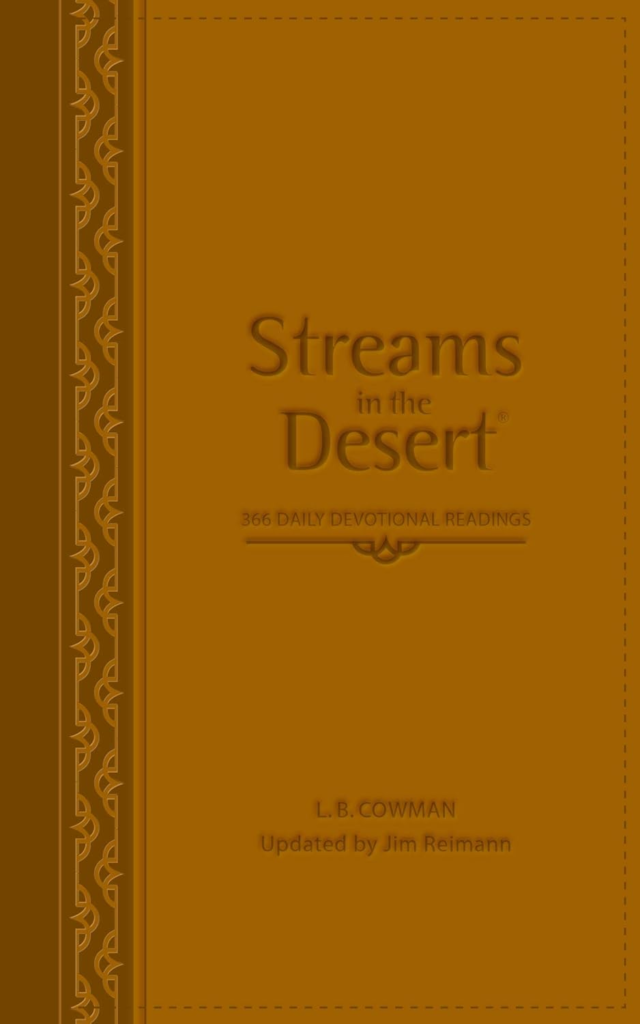
4. Streams in the Desert by Lettie B. Cowman
Originally published in 1925, this devotional has sustained millions through emotional deserts. Cowman collected real testimonies of faith during genuine suffering, pairing Scripture with historical Christians facing their own crises.
The updated edition modernizes language while preserving authentic struggles.
This resonates deeply with anyone feeling isolated in their pain.
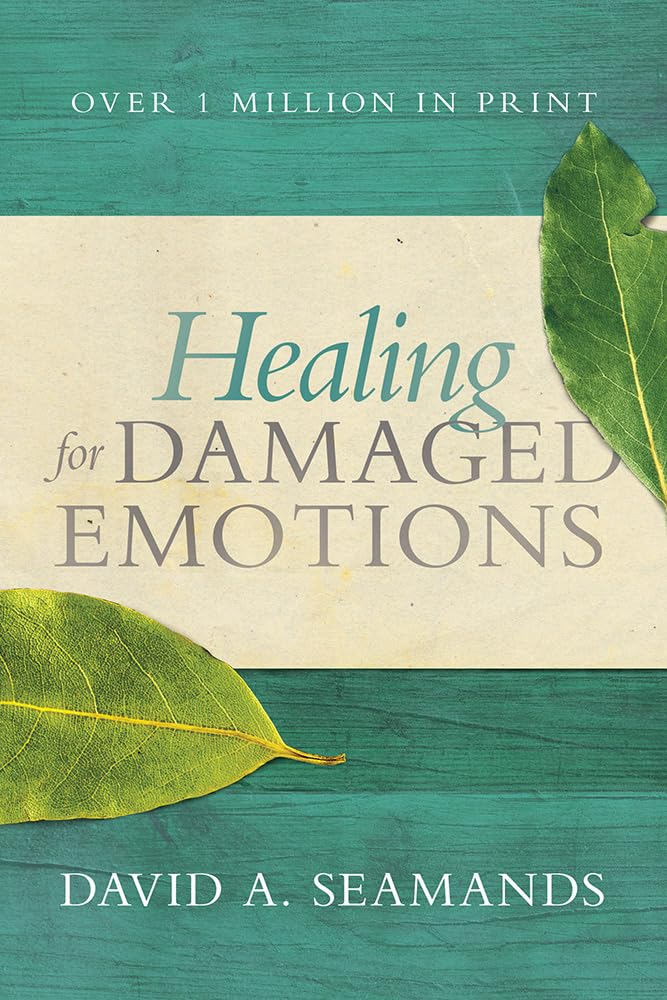
5. Healing for Damaged Emotions by David A. Seamands
This study guide walks you through Seamands’ therapeutic approach to emotional wounds from a Christian perspective. He addresses shame, perfectionism, rejection, and identity confusion systematically.
Each section includes Scripture study, personal reflection questions, and spiritual practices for integration.
Perfect for deeper work beyond surface comfort.
6. One Thousand Gifts by Ann Voskamp
Voskamp’s gratitude-focused approach creates a pathway through emotional numbness and despair. Rather than toxic positivity, she shows how thankfulness can coexist with grief and reshape your nervous system through noticing small mercies.
Her lyrical writing feels like conversation with a trusted friend.

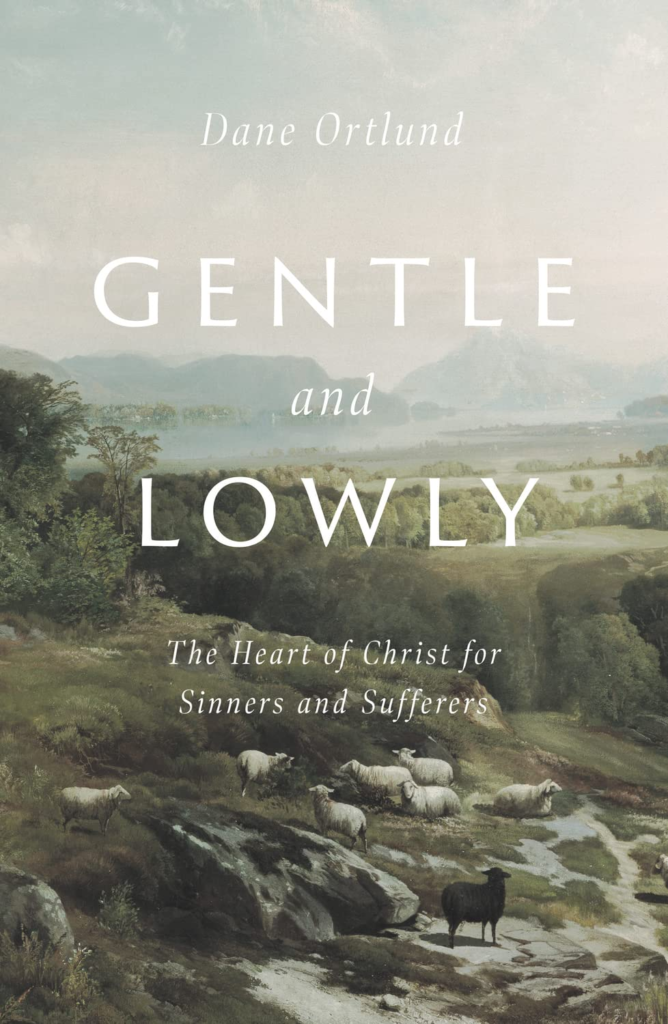
7. Gentle and Lowly by Dane Ortlund
Ortlund explores Christ’s gentleness, which becomes restorative for those whose emotional pain includes shame or fear of judgment. His writing counters harsh religious frameworks that sometimes worsen emotional wounds.
Each meditation invites you into a different facet of Christ’s tender heart toward sufferers.
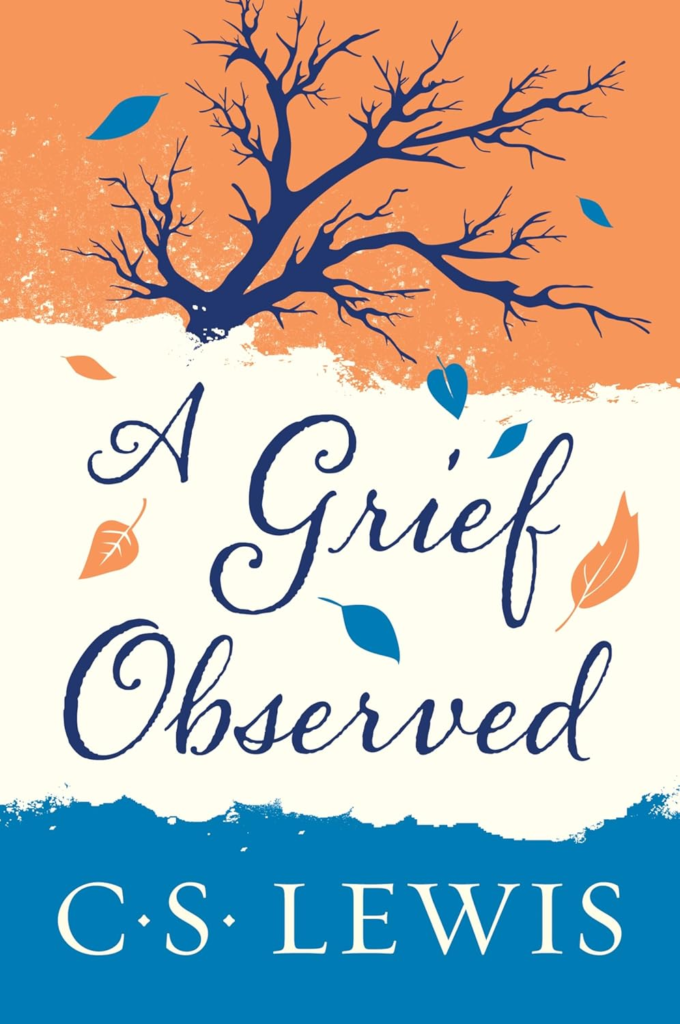
8. A Grief Observed by C.S. Lewis
Lewis’s raw journal entries following his wife’s death became a classic because he refused to pretend or decide grief neatly. This confirms the messy, non-linear nature of emotional healing while maintaining faith throughout.
Essential reading for anyone grieving significant losses.
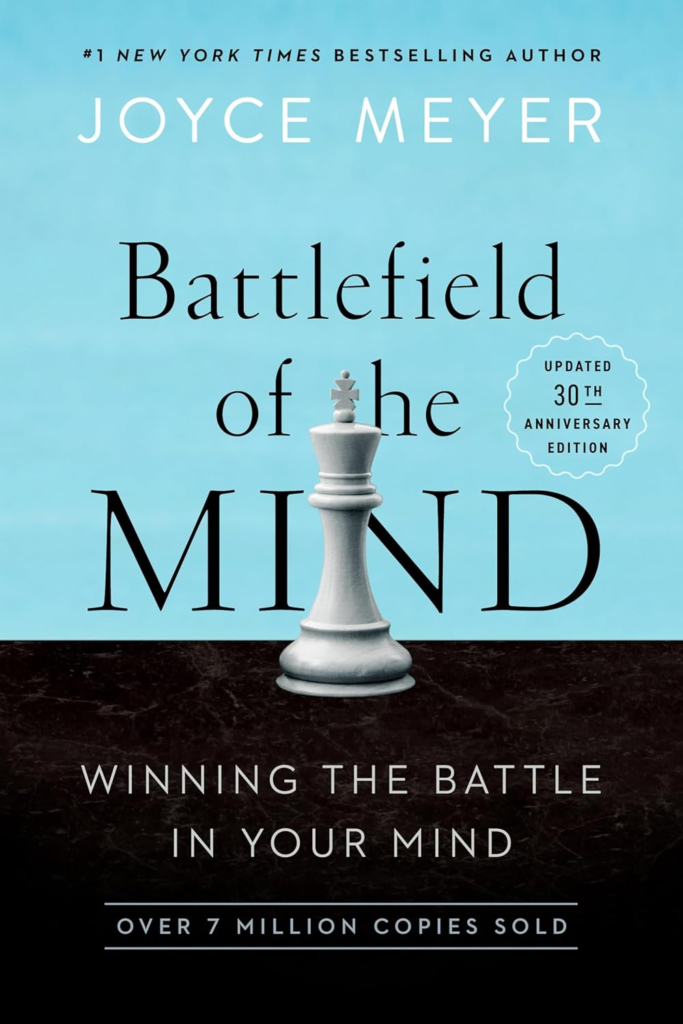
9. Battlefield of the Mind by Joyce Meyer
Meyer addresses the connection between thought patterns and emotional state, offering spiritual and practical strategies for interrupting destructive thinking. This devotional focuses clearly on emotional and mental wellness as spiritual disciplines.
The approach combines Scripture with cognitive tools for managing anxiety and depression.
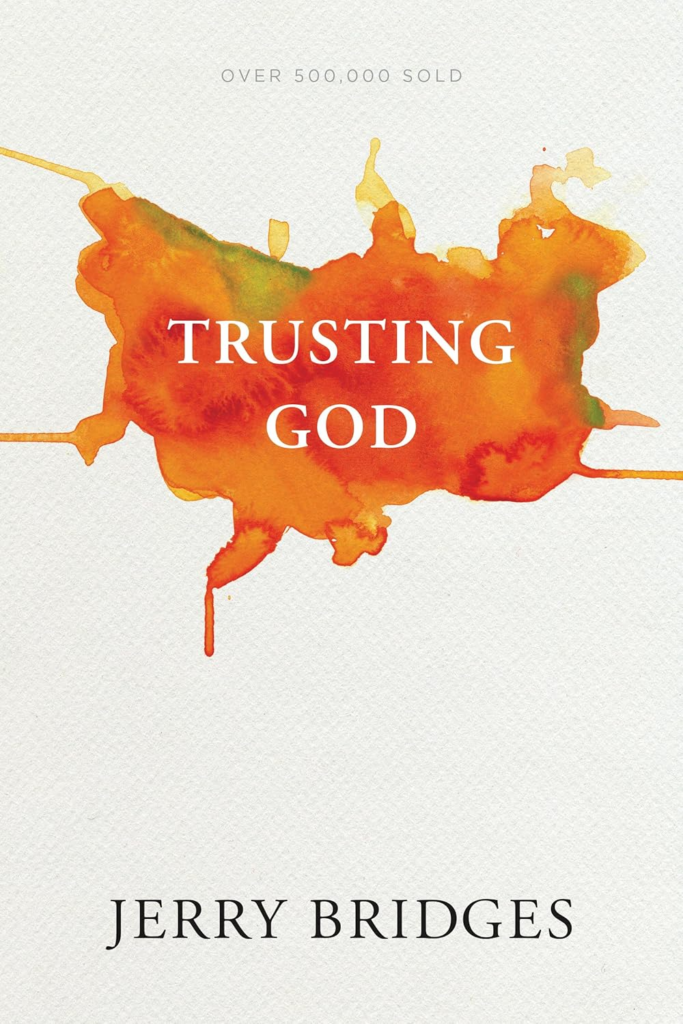
10. Trusting God: Even When Life Hurts by Jerry Bridges
Bridges directly addresses the question haunting many emotionally wounded believers: “If God is good, why is this happening?” Rather than platitudes, he offers biblical framework for understanding faith amid suffering. The devotional format breaks complex theology into daily digestible portions.
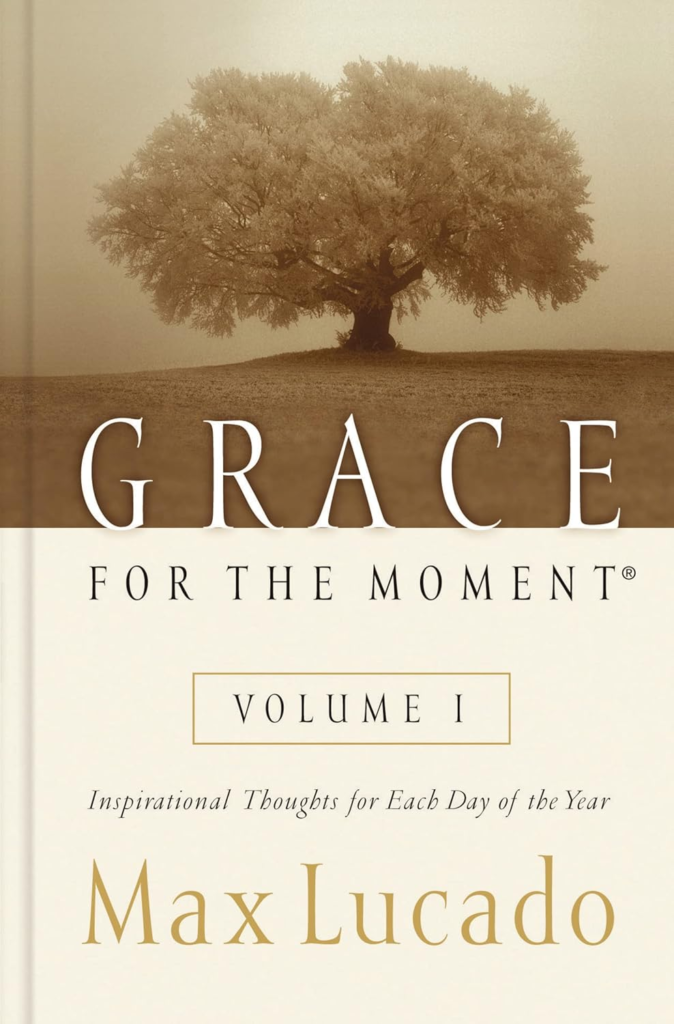
11. Grace for the Moment by Max Lucado
Lucado’s consistently compassionate approach removes shame from emotional difficulty. Each entry is brief enough for scattered attention while substantial enough to shift perspective.
His accessible writing works well for those new to devotional practice or in acute emotional crisis.
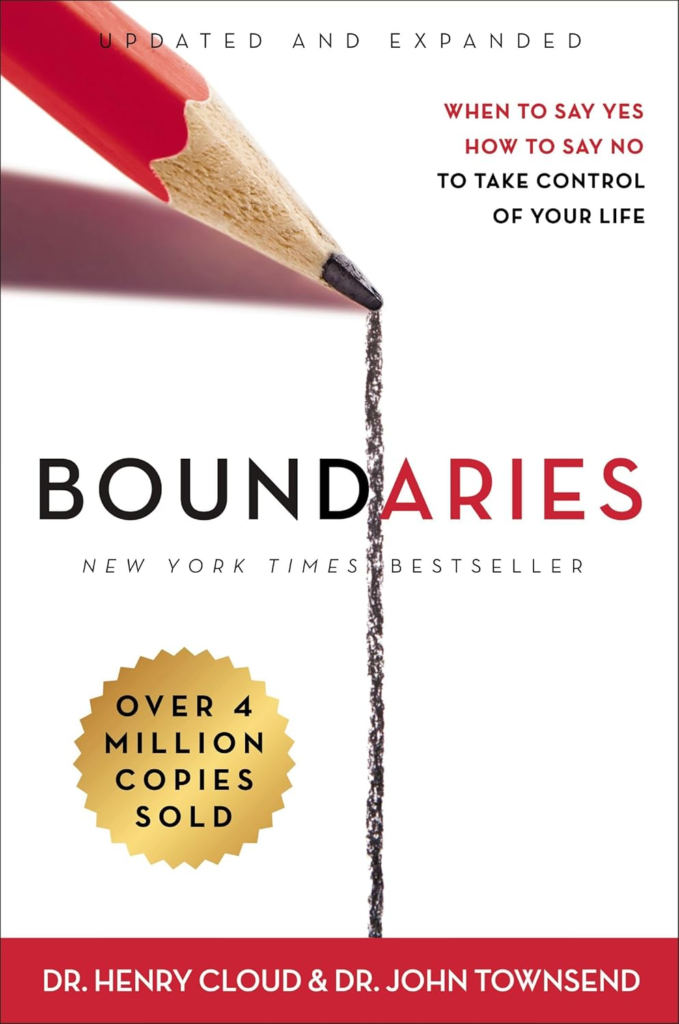
12. Boundaries by Henry Cloud and John Townsend
The study edition functions devotionally for those whose emotional wounds stem from poor boundaries, people-pleasing, or codependency. Each section combines Scripture with reflection questions guiding you toward healthier emotional patterns.
Essential for anyone whose emotional healing needs learning to protect their peace.
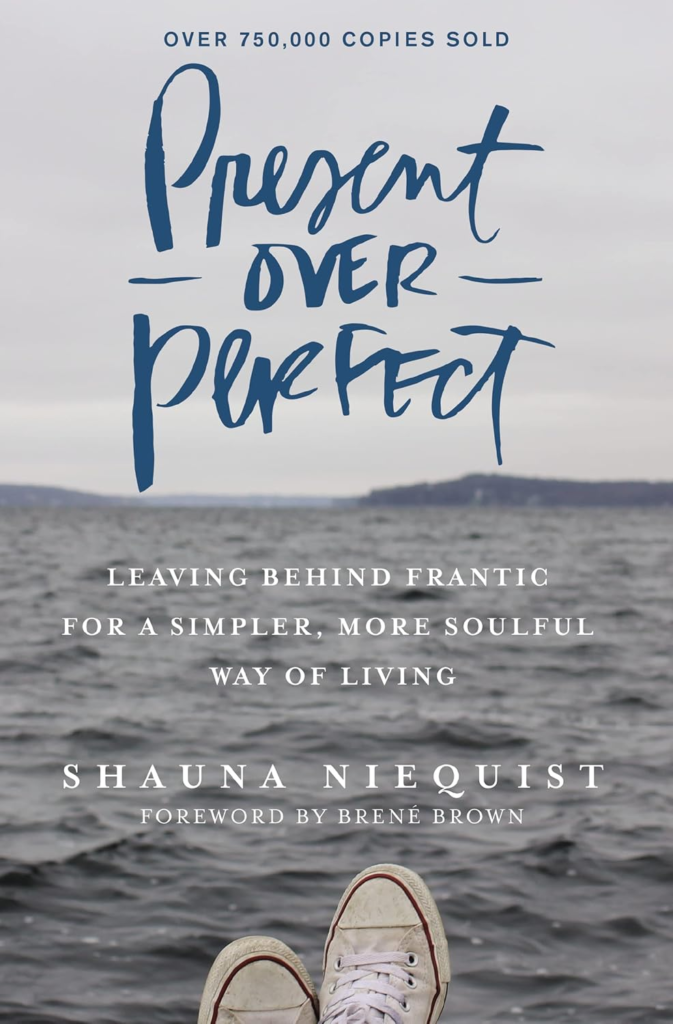
13. Present Over Perfect by Shauna Niequist
Niequist addresses the burnout and emotional exhaustion from pursuing perfection and productivity. Her honest reflection on leaving hustle culture behind offers permission to rest and heal.
The devotional format includes practical steps for creating sustainable rhythms that support emotional health.
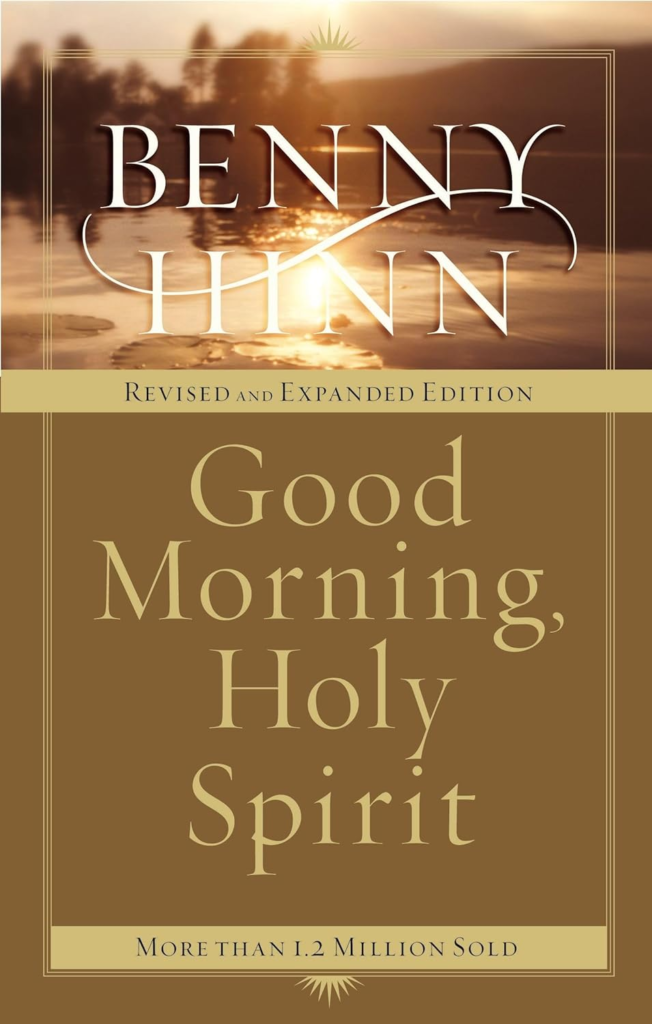
14. Good Morning, Holy Spirit by Benny Hinn
Hinn’s approach focuses on developing intimate relationship with the Holy Spirit as your comforter and healer. His emphasis on the Spirit’s personal presence addresses loneliness and isolation accompanying emotional wounds.
The daily format builds consistent practice of inviting God’s comfort.
15. The Broken Way by Ann Voskamp
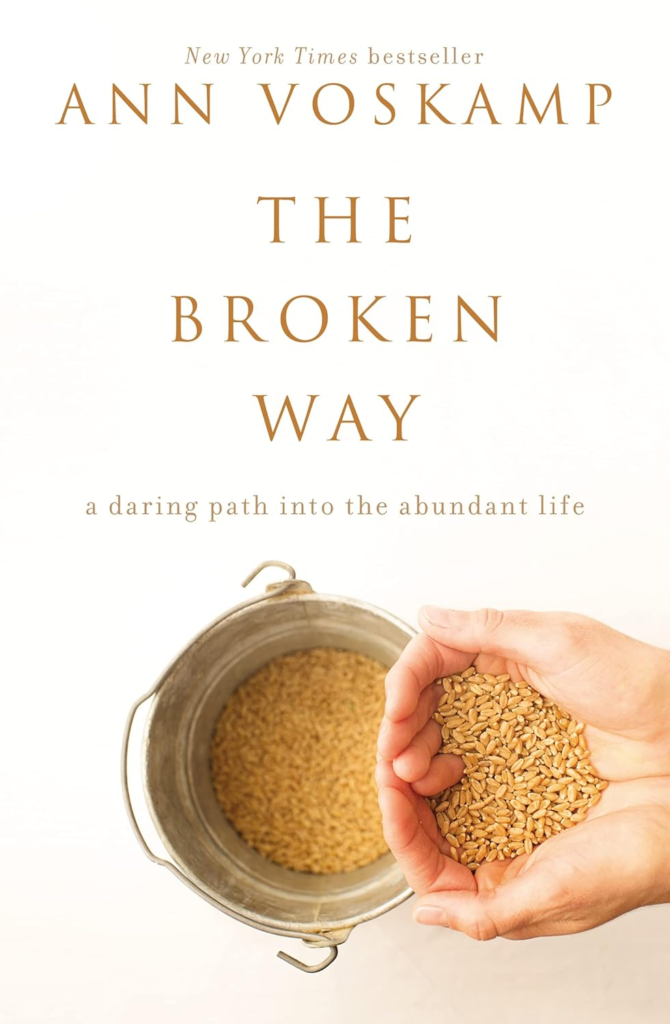
Voskamp explores how brokenness becomes the pathway to healing rather than something to fix quickly. Her vulnerable writing about her own struggles with depression and anxiety normalizes emotional difficulty while pointing toward hope.
The approach emphasizes community and connection in healing.
16. Anxious for Nothing by Max Lucado
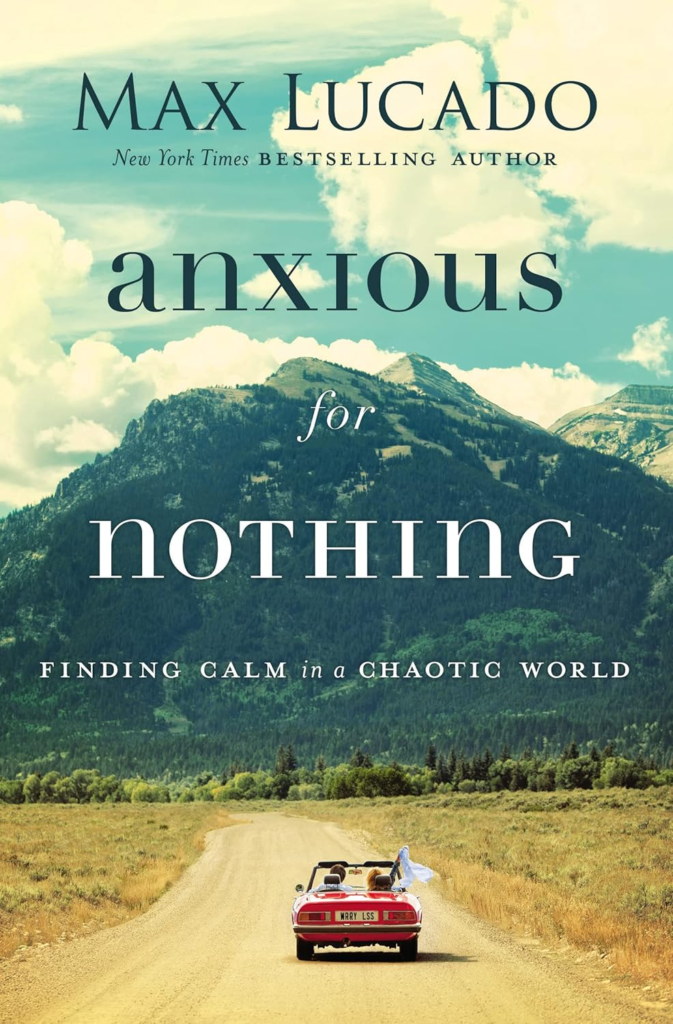
Lucado addresses anxiety specifically, combining Scripture with practical techniques for managing worry. His approach centers on Philippians 4:6-7, exploring what it means to bring anxiety to God rather than carrying it alone.
The writing is accessible for anyone struggling with anxious thoughts.
17. The Gift of Being Yourself by David Benner
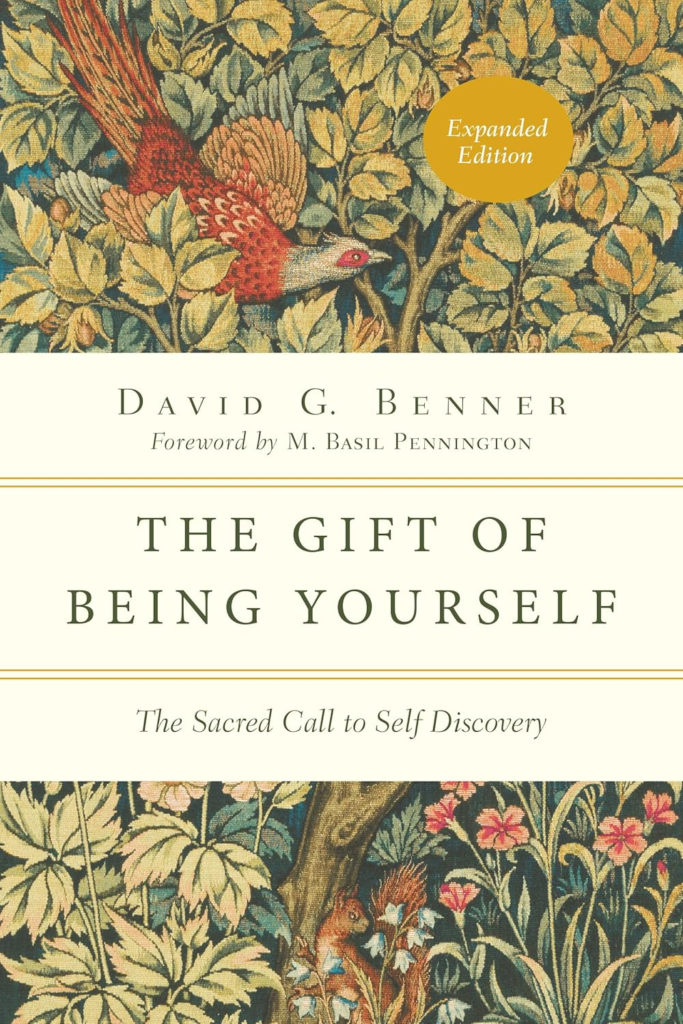
Benner explores how knowing yourself deeply connects to knowing God and experiencing healing. His approach addresses identity wounds and shame through discovering your true self in Christ.
The contemplative style works well for reflective readers ready for deeper self-examination.
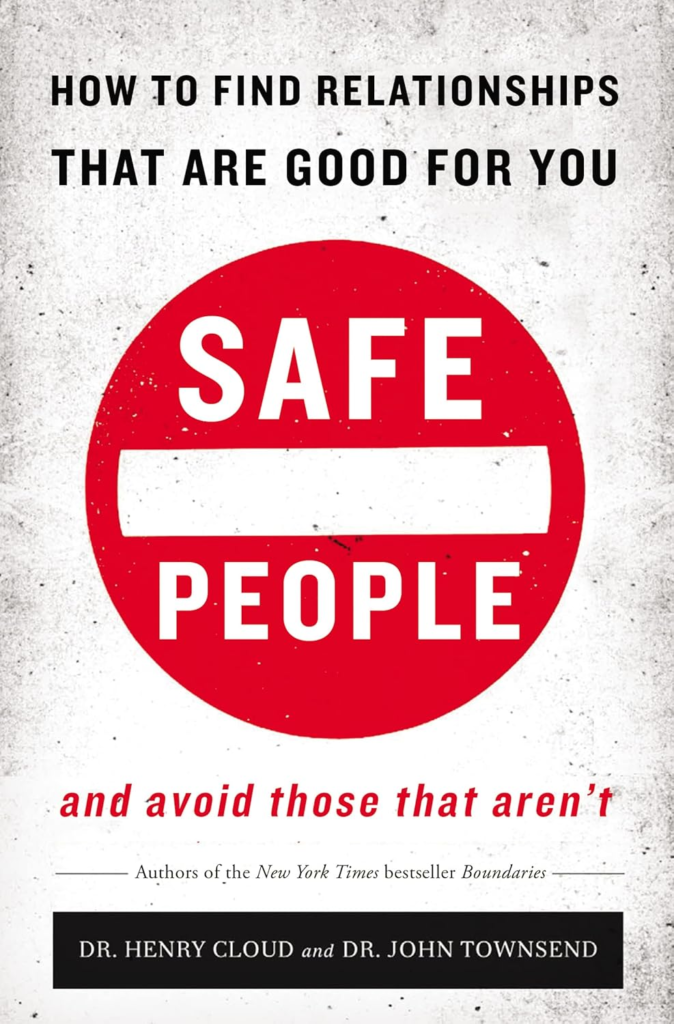
18. Safe People by Henry Cloud and John Townsend
This devotional guide helps you identify safe people who support your healing and recognize unsafe people who hinder it. Cloud and Townsend provide biblical framework for understanding healthy relationships.
Essential for anyone whose emotional wounds involve relational trauma or betrayal.
Frequently Asked Questions
How do I choose the right devotional for my specific emotional need?
Start by identifying your primary emotional wound. Are you processing acute grief, managing ongoing anxiety, healing from shame, navigating identity confusion, or recovering from betrayal?
Each needs different resources.
Someone grieving a death benefits most from C.S. Lewis or books addressing loss specifically.
Someone battling anxiety should look at Lucado’s Anxious for Nothing or Sarah Young’s calming approach.
Consider your learning style too. Do you process best through narrative and story?
Try Voskamp or Lewis.
Through structured, practical tools? Look at Cloud and Townsend.
Through exploring Scripture deeply?
Beth Moore’s Psalms devotional fits well. Your effectiveness increases when the format matches how your brain naturally processes information.
Read Amazon reviews from people describing situations similar to yours. Reviews often include details about how readers applied material to particular struggles, helping you forecast whether a specific devotional will speak to your circumstance.
Can devotionals replace professional therapy for emotional healing?
No. Devotionals and therapy serve different functions. Emotional healing works most effectively when both are present.
A therapist helps you process trauma, identify patterns, and develop coping skills through professional training.
A devotional helps you combine spiritual perspective and community wisdom into that healing.
Devotionals cannot diagnose or treat clinical mental health conditions. They cannot provide the specialized techniques therapists use for trauma processing, cognitive restructuring, or behavioral change.
However, many therapists specifically recommend devotional practice as complementary healing strategy.
They recognize that spiritual engagement supports emotional healing, particularly for people of faith.
Talk with your therapist about which devotionals might serve your specific healing journey. Many appreciate when clients bring spiritual resources to talk about in sessions.
How long before I see emotional healing benefits from devotional practice?
You’ll notice shifts in your immediate emotional state sometimes within the first few days of consistent devotional practice. A devotional addressing your specific anxiety might calm racing thoughts within a week of daily engagement.
Reading Christ’s gentle words toward sufferers can provide immediate comfort.
However, lasting emotional healing typically takes months, not days. Your brain needs repeated new experiences to rewire trauma responses, anxiety patterns, or shame beliefs.
A devotional providing 30 days of new perspective begins that rewiring.
Continuing for 90 days establishes new patterns. A year of consistent practice creates genuine transformation.
Think of devotionals as part of your healing toolkit rather than the entire toolkit. Combined with therapy, supportive relationships, spiritual community, and physical self-care, they speed up transformation.
Set realistic expectations for gradual progress rather than instant fixes.
Are digital devotionals as effective as physical books?
Format doesn’t decide effectiveness. What matters is whether you’ll actually engage with the material consistently.
If you’ll read more often on your Kindle during scattered moments throughout your day, digital wins.
If you need the physical anchoring of holding a book and handwriting in margins, physical wins.
Some people benefit from audiobook versions, particularly those whose emotional exhaustion makes visual focus difficult. Others find that reading on screens during emotionally fragile times increases anxiety.
Choose the format that removes barriers to consistent engagement.
Many people use many formats interchangeably. Audiobook during your commute, paperback on your nightstand, and Kindle during lunch breaks.
The repetition through different formats actually deepens integration.
What makes a devotional “healing-focused” versus just inspirational?
Healing-focused devotionals specifically address emotional wounds, mental health challenges, or trauma recovery within their content and structure. They thank pain directly rather than bypassing it toward platitudes.
They confirm difficult emotions while simultaneously pointing toward spiritual resources for processing them.
A regular inspirational devotional might offer encouragement for your day. A healing-focused devotional recognizes you’re wounded and structures content to address that specific wounding.
Notice the difference: A regular devotional might say “God has good plans for your life.” A healing-focused devotional might say “When you’ve experienced betrayal, God’s promises might feel empty. Here’s why God still means them even when your circumstances suggest otherwise, and how to hold both reality and faith together.”
The healing-focused approach meets resistance with compassion rather than pushing harder with positivity.
How do I stay consistent with devotional practice when emotionally depleted?
Consistency fails most often because people set the bar too high when already struggling. Commit to whatever you’ll actually do, not what you think you should do.
Five minutes with your devotional beats zero minutes of guilt about not having an hour.
Skipping days and returning beats abandoning the practice entirely when you miss one.
Create the smallest viable practice that fits your current emotional capacity. Audiobook while showering beats sitting with a book when your anxious brain can’t focus.
Reading one paragraph before bed beats skipping because you can’t finish a full entry.
As healing progresses and energy returns, you can expand. Consistency at a lower bar beats inconsistency at an ambitious bar.
Pair devotional practice with something already routine to increase consistency. Morning coffee and devotional.
Evening wind-down and reflection questions.
Sunday morning and deeper study. Anchor the new habit to existing rhythms rather than creating entirely new time blocks.
Do I need strong faith to benefit from these devotionals?
Not at all. Several of these devotionals work best for people whose emotional pain has created distance from faith.
C.S. Lewis, Peter Scazzero, and Jerry Bridges specifically write for people whose faith journey includes doubt, confusion, and anger toward God. They thank that suffering complicates belief rather than automatically strengthening it.
You don’t need strong faith to begin. You need willingness to explore whether faith might help. That’s enough.
The devotionals meet you exactly where you are, whether that’s deep in doubt or ready for deeper exploration.
Avoid any devotional that assumes you already have everything figured out spiritually or that shames spiritual doubt.
The devotionals listed here respect your authentic place on your faith journey. Many authors write from their own experiences of doubt and struggle, providing companionship rather than judgment as you explore healing through spiritual practices.
Find out more of our Recommended Devotionals; visit: https://illuminatedresources.com/top-devotional-trends-on-amazon-right-now-and-what-midlife-women-actually-need/