Finding the right guided journal can improve your prayer life when words feel impossible to find.
Prayer journals designed for anxiety and uncertainty offer something traditional journals don’t: structure when your mind feels chaotic, prompts when words fail, and Scripture when you need anchoring. These specialized journals come in various formats.
Some offer daily guided prompts that walk you through prayer step-by-step.
Others provide Scripture passages specifically chosen to combat anxious thoughts, with space to reflect and respond. Still others mix gratitude practices, breath prayers, and cognitive reframing techniques grounded in faith.
The key differences lie in how much structure each journal provides and what theological approach it takes. Some journals offer fill-in-the-blank prayers that require minimal mental energy.
Others provide thought-provoking questions that help you process deeper issues fueling your anxiety.
The best journals for anxiety often incorporate proven therapeutic techniques alongside spiritual practices, creating a holistic approach that addresses both mind and spirit. Notable features to look for include Scripture indexes organized by feeling or situation, prayers you can pray when words completely fail, and enough white space that pages don’t feel overwhelming when you’re already stressed.
Prayer Journals That Guide You When Words Won’t Come
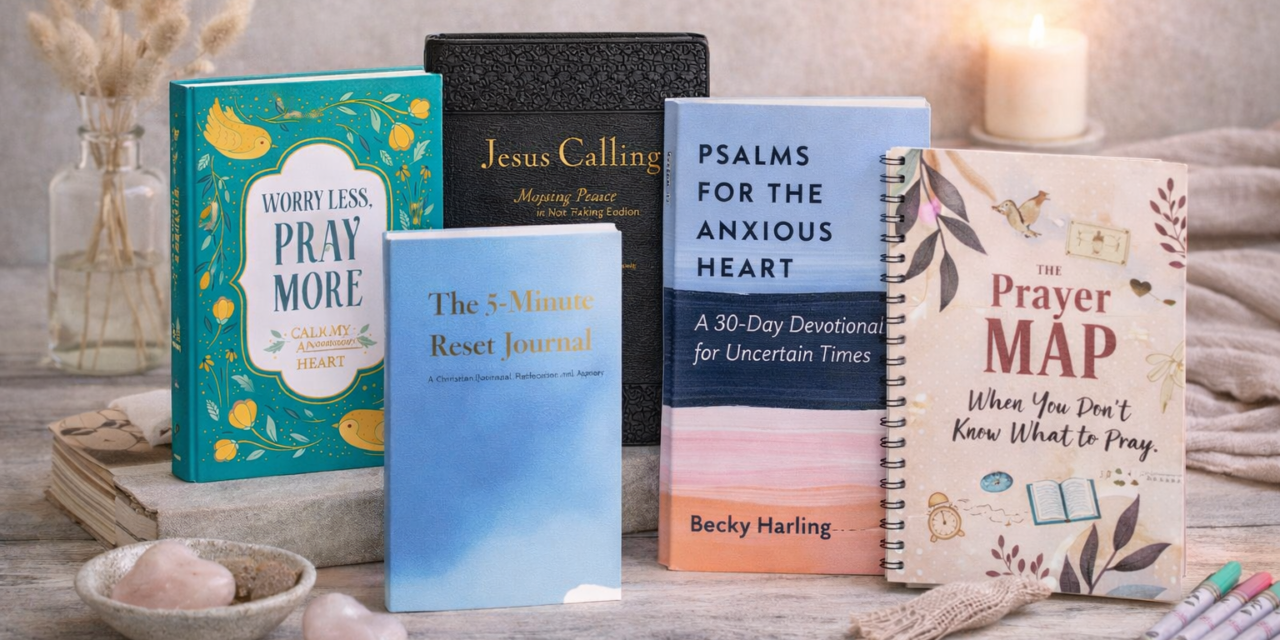
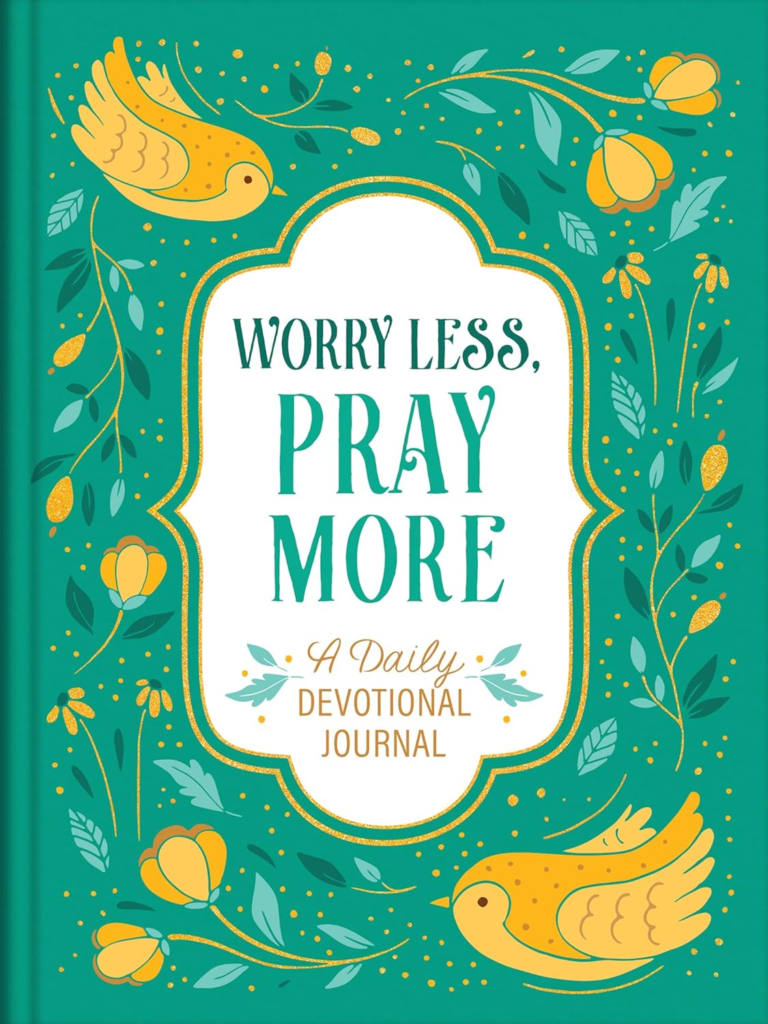
1. Worry Less, Pray More: A Daily Devotional Journal
You’ll discover the peace-filled encouragement your soul craves in Worry Less, Pray More: A Daily Devotional Journal. Written especially for your lovely heart, this journal includes an encouraging devotional reading, scripture, and prayer for every day of the year. You’ll find comfort and inspiration in just-right-sized inspiration that will help you grow closer to the Anxiety-Reliever Himself, who will transform your anxious heart into a heart overflowing with peace.
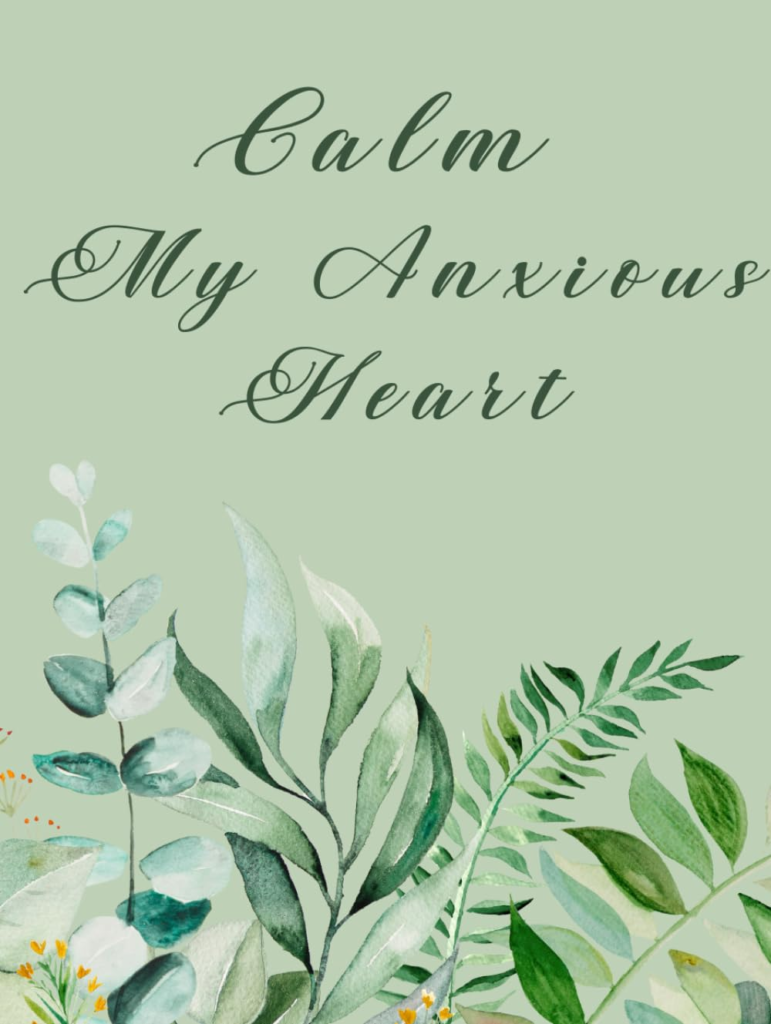
2. Calm My Anxious Heart: A Christian Guided Prayer Journal
Calm My Anxious Heart was designed for Christian women who believe deeply ~ yet quietly battle worry, racing thoughts, and emotional overwhelm.
This guided prayer journal provides a structured daily space to:
• Write honest prayers instead of spiraling thoughts
• Identify what is triggering your anxiety
• Practice intentional gratitude
• Release fear through surrender
• Anchor your heart in Scripture
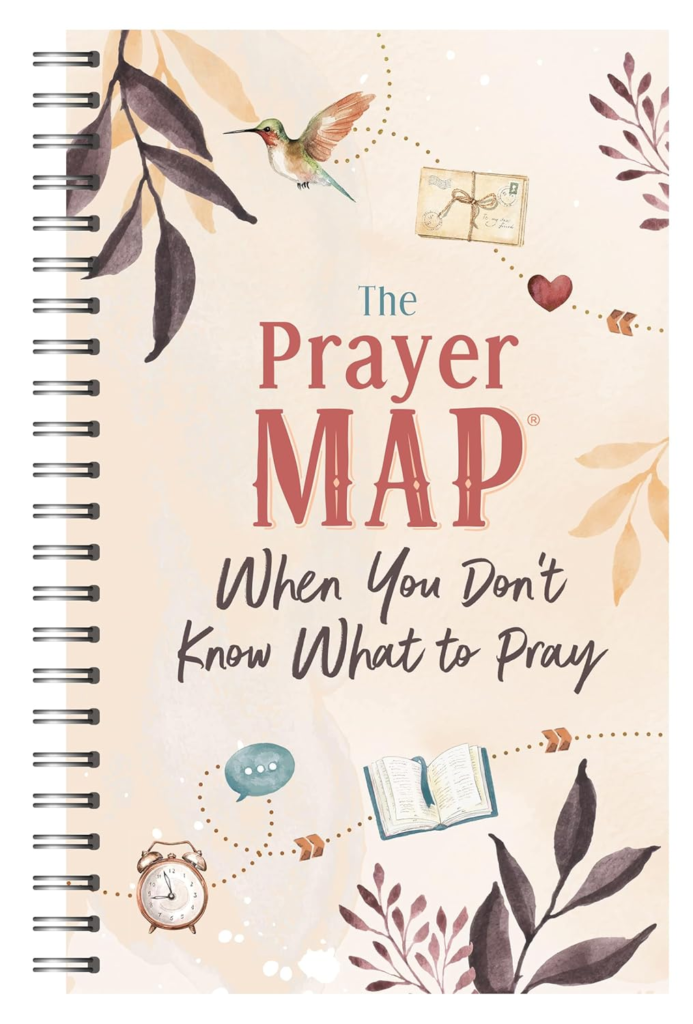
3. The Prayer Map: When You Don’t Know What to Pray (Faith Maps)
THE ORIGINAL Prayer Map!
On days when you just can’t find the words, this unique prayer journal is just what your heart needs.This engaging and creative tool will help guide you into powerful prayer, as each colorful page prompts you to create your very own prayer map–to write specific thoughts, ideas, and lists, which you can follow (from start to finish!) as you talk to God. Each map includes a spot to record the date, so you can look back on your prayers and see how God has worked in your life.
4. Joyce Meyers – Battlefield of the Mind
Based on Joyce Meyer’s book about overcoming negative thought patterns, this journal combines prayer prompts with brief teaching sections. It helps you identify specific thought patterns feeding anxiety, then provides targeted prayers and Scripture to replace those thoughts.
The weekly format includes space for tracking how your thought life changes over time.

5. The 5-Minute Reset Journal: A Christian Anxiety and Overthinking Journal
Do your thoughts spiral when your emotions run high?
Do you love God, but still find yourself overwhelmed, anxious, or overthinking?
This journal was created for moments exactly like that.
The 5-Minute Reset Journal is a simple, repeatable tool to help you pause, untangle your thoughts, calm your body, and realign your heart with truth and prayer. You do not need long devotions or perfect words. You just need a place to reset.
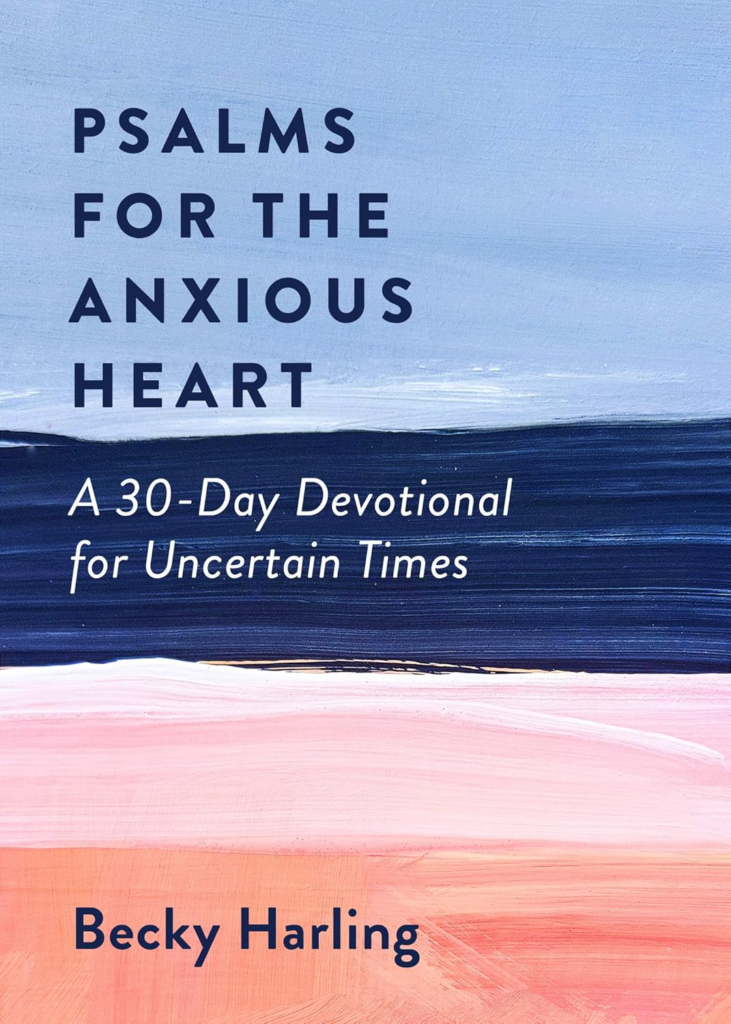
6. Psalms for the Anxious Heart
Find Daily Peace in a World of Chaos
Psalms for the Anxious Heart is a short, daily devotional that offers meditations of truth and peace. Each devotion includes a reading of a Psalm, a brief teaching on the passage, a salient truth to cling to, and a suggested song to guide further meditation. Enter the Psalms and find relief and hope for your anxious heart in these trying times.
>>Available on Amazon<<
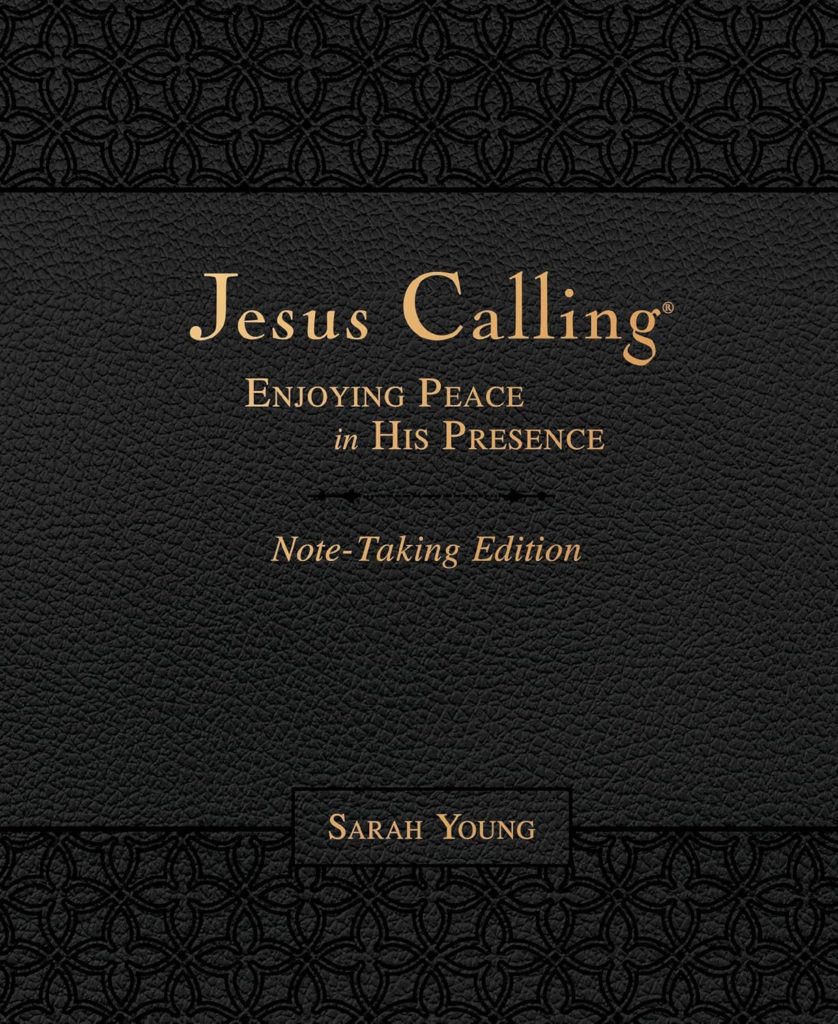
7. The Jesus Calling Prayer Journal for Anxious Moments
Based on Sarah Young’s devotional, this journal pairs her first-person meditations with guided prayer prompts. The gentle, reassuring tone throughout makes it ideal for those who feel condemned by their anxiety.
Each entry includes space to write back to God in response to the day’s meditation.
Finding Your Perfect Prayer Companion
A guided approach to prayer can make a powerful difference when you’re dealing with anxiety. What makes this kind of structure so effective is that it meets you exactly where you are ~ you don’t need to already know how to pray “correctly” or have everything figured out.
Instead of offering vague prompts, it walks you through the process of turning worry into prayer. It recognizes that anxious thoughts don’t just disappear through willpower. They often need to be expressed, examined, and then intentionally surrendered.
By combining Scripture, thought reframing, and guided reflection, this approach creates a natural pathway from overwhelm to peace ~ addressing both the spiritual and emotional sides of anxiety.
What makes it especially helpful is the balance between structure and flexibility. You’re not left staring at a blank page wondering what to say, but you also don’t feel boxed into rigid steps. There’s space for honesty, personalization, and real-life struggles.
It also honors the fact that your anxiety is unique. Rather than forcing a one-size-fits-all method, it gives you tools that can adapt to whatever you’re facing.
If you’ve ever felt stuck wanting to pray but not knowing where to begin ~ especially when your thoughts are racing ~ this kind of guided practice can help you start. You don’t need to wait until you feel calm or “spiritual enough.”
You can begin right in the middle of the chaos, one honest prayer at a time.
Frequently Asked Questions
What do I do when I literally have no words to pray and even journal prompts feel like too much?
Start with the breath prayer method or pre-written prayers you can simply read aloud. Some days you won’t have the capacity for reflection or writing, and that’s completely valid.
Journals with fill-in-the-blank prayers or very short prompts (like listing just one word) respect your limits on hard days.
You can also try the coloring journals where your hands stay busy while your heart silently sits with God. Prayer doesn’t always require words.
Sometimes just opening the journal and sitting with Scripture on the page counts as showing up.
On your absolute worst days, reading one verse and writing “help” is a finish prayer entry.
How do I know if my anxiety is something I should just pray about or if I need professional help too?
Prayer journals work beautifully alongside therapy and don’t need to be an either/or choice. If your anxiety interferes with daily functioning, prevents you from sleeping or eating normally, causes physical symptoms like chest pain or persistent nausea, or includes thoughts of self-harm, you need professional support.
Prayer is powerful and therapeutic journaling helps, but anxiety disorders often have biochemical components that respond to treatment.
Many therapists appreciate when clients use prayer journals as part of their healing process. Think of it this way: you pray about a broken leg and you also go to the doctor.
Mental health deserves the same comprehensive approach.
Will these journals work for people with religious trauma who find traditional prayer difficult?
Some will work better than others depending on your specific triggers. Look for journals with gentler language that emphasize grace over performance.
Avoid those heavy on spiritual warfare language or that frame anxiety as spiritual failure.
The Jesus Calling journal, Grace Filled journals, and those focused on Psalms tend to work well because they validate difficult emotions rather than shame them. You might also benefit from journals that incorporate more contemplative practices and less evangelical language.
Start with journals that let you question, lament, and express doubt rather than those expecting you to perform certainty you don’t feel.
Can prayer journaling actually change brain patterns related to anxiety or is it just spiritual bypassing?
Research shows that practices combining writing, gratitude, Scripture meditation, and cognitive reframing do create measurable changes in brain activity related to anxiety regulation. The key is that effective prayer journals don’t bypass your feelings but help you process them.
Spiritual bypassing would tell you to “just have faith” and ignore your anxiety.
Good prayer journals thank the anxiety, help you examine it, connect it to truth, and then release it through prayer. This process engages many therapeutic mechanisms: externalization through writing, cognitive restructuring, mindfulness through Scripture meditation, and the nervous system regulation that comes with focused breathing and intentional thought patterns.
How long should I stick with a prayer journal before deciding if it helps?
Give any journal at least two weeks of consistent use before evaluating its effectiveness. The first few days might feel awkward or even increase anxiety as you’re learning a new practice.
Most people notice subtle shifts around day 10 to 14, like sleeping slightly better or catching anxious thoughts sooner.
Significant changes typically emerge around the 30-day mark when the practice becomes more automatic. However, if a journal’s approach actively increases your anxiety or feels harmful rather than just uncomfortable, trust that response and try a different style.
Not every format works for everyone, and finding the right match matters more than forcing yourself through something that feels wrong.
What’s the difference between a prayer journal and just writing prayers in a regular notebook?
Regular notebooks work fine for some people, but structured prayer journals offer specific advantages when you’re dealing with anxiety and prayer struggles. They provide prompts when your mind goes blank, Scripture when you need anchoring, and a framework that guides you through the process of turning worry into prayer.
When anxiety already makes decisions difficult, having someone else design the structure removes that burden.
Prayer journals also typically include teaching elements that help you learn prayer practices you can eventually use independently. Think of them as training wheels that help you develop skills and habits, after which you might transition to a regular notebook or might learn you prefer the continued structure.
Is it okay to skip around in a prayer journal instead of going in order?
Absolutely. While some journals are designed as progressive programs where each day builds on the last, most prayer journals work perfectly fine when you jump to sections addressing your current struggle.
Having a panic attack at 2am?
Flip directly to the section on nighttime anxiety or fear. Worried about a medical test?
Jump to health-related prayers.
The goal is meeting your actual need in the moment, not completing a curriculum. Some people appreciate working through journals sequentially because the routine itself provides comfort, while others need the flexibility to respond to immediate situations.
Both approaches are valid, and you can even use the same journal both ways during different seasons.
Find out more of our Recommended Prayer Journals; visit: https://illuminatedresources.com/how-to-pick-a-prayer-journal-for-your-personality-so-youll-actually-stick-with-it/