Here’s how these faith-based books can quiet your mind and bring peace through daily Scripture.
The idea that a simple devotional book could help quiet persistent mental chatter may seem unlikely. Not every devotional will be effective for every individual, as different approaches resonate depending on personal thought patterns and stages of faith.
However, combining Scripture with intentional reflection ~ whether before bedtime or during quiet moments in the day ~ can provide a structured way to redirect attention. While it is not possible to control every anxious thought, it is possible to guide focus toward steady, grounding truths rather than repetitive overthinking.
Examining personal triggers and identifying biblical themes that address specific concerns can feel uncomfortable or even overly simplistic at first. Yet for those who have found that positive thinking techniques or meditation alone do not provide lasting relief, integrating faith-based reflection may offer a more stable anchor for the mind.
Racing thoughts, particularly at the end of a long day, are a common challenge. Mental fatigue does not always translate into rest, and habitual overthinking can become a familiar pattern over time. New approaches, including devotional reading, may take time to show noticeable effects, but gradual progress is possible.
Selecting an appropriate devotional resource plays an important role in this process. Different books are designed to address specific patterns, such as anxiety about relationships, decision-making, past experiences, or fear of the future. Some focus on themes like surrender, while others explore perfectionism or the need for external validation.
A more structured approach involves matching a particular mental challenge with a devotional designed to address it through Scripture, reflection, and guided prayer. Many devotionals are organized around common struggles, offering short readings intended to interrupt cycles of rumination and replace them with focused, meaningful reflection.
For example, devotionals aimed at nighttime use often include calming prayers and reminders centered on trust and rest, while those addressing social anxiety or people-pleasing tendencies may emphasize identity, self-worth, and freedom from external approval.
The Best Devotionals for Quieting an Overthinking Mind
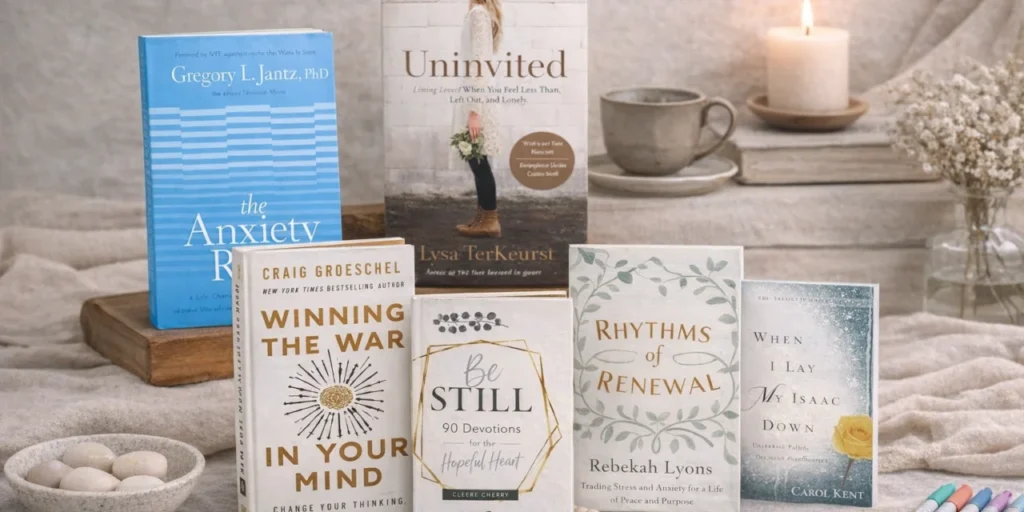
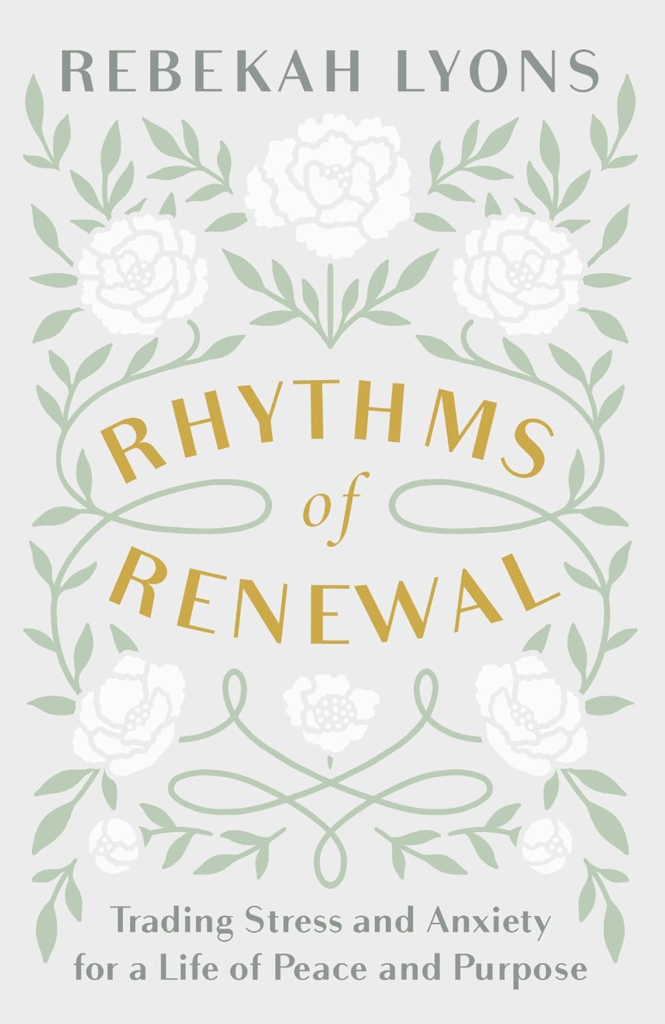
1. Rhythms of Renewal by Rebekah Lyons
Rebekah Lyons wrote this after her own panic disorder nearly derailed her life, so she gets what it’s like when anxiety hijacks your thoughts. The book breaks down four specific rhythms (rest, restore, connect, create) that target the root causes of mental chaos as opposed to just managing symptoms.
Each chapter includes prayers and scripture passages from her journey out of crippling anxiety, plus practical steps you can start the same day you read them.
The format makes it easy to pick one rhythm to focus on for a week before moving forward, which prevents the overwhelm of trying to overhaul your entire life at once.
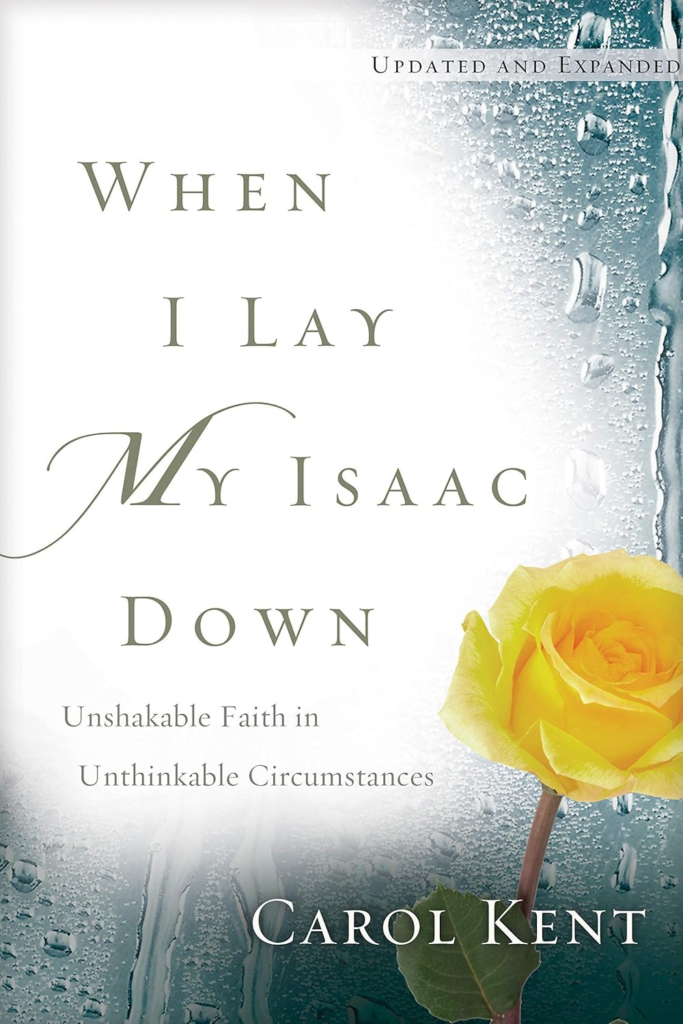
2. When I Lay My Isaac Down by Carol Kent
Carol Kent’s story involves the unthinkable: her son’s imprisonment for murder. She writes about surrendering control when life goes completely off script, which resonates deeply if you overthink because you’re trying to prevent catastrophe.
The devotional uses Abraham’s story of nearly sacrificing Isaac to explore what it means to trust God with your worst fears instead of mentally rehearsing them constantly.
Thirty days of entries each include space for personal notes, making it feel like a conversation as opposed to a lecture.
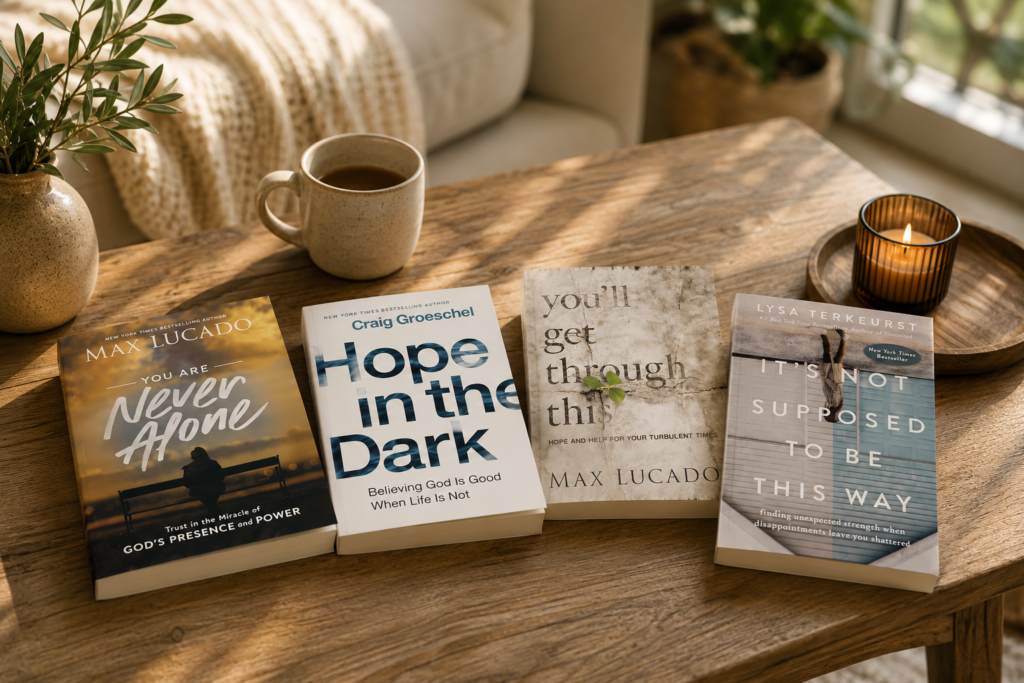
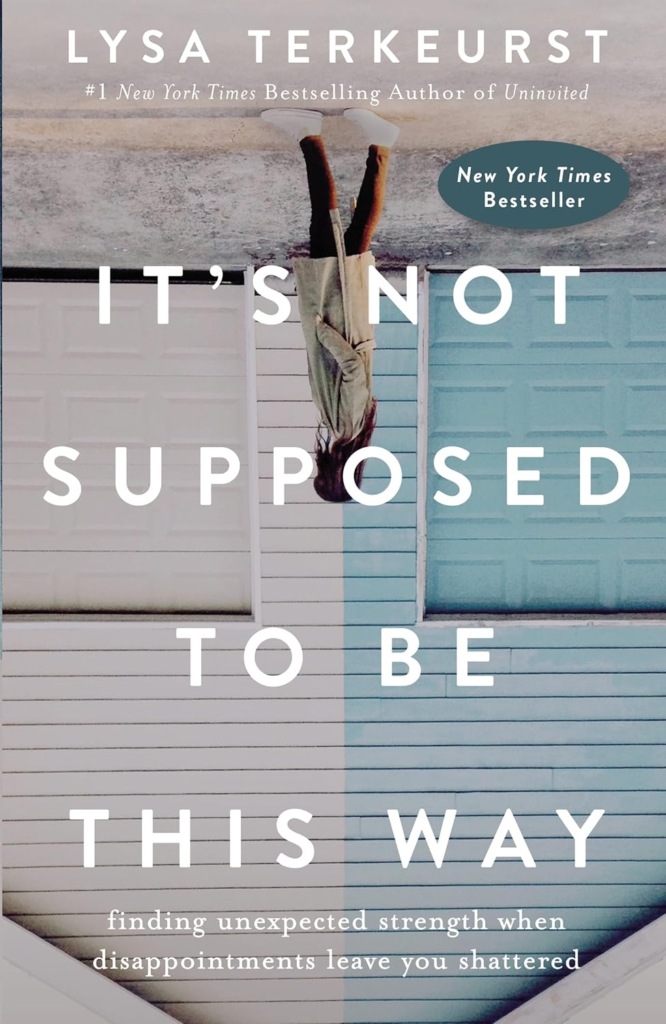
3. It’s Not Supposed to Be This Way by Lysa TerKeurst
Lysa TerKeurst tackles disappointment and shattered expectations, which often fuel overthinking about why things went wrong and how to prevent future pain. Her raw honesty about her own heartbreak (including a difficult divorce) makes the devotional feel like sitting with a friend who won’t offer platitudes. The Psalms feature heavily, showing how biblical figures also wrestled with confusion and grief.
Reading this helps you process hard circumstances without getting stuck in endless mental loops about fairness and what-ifs.
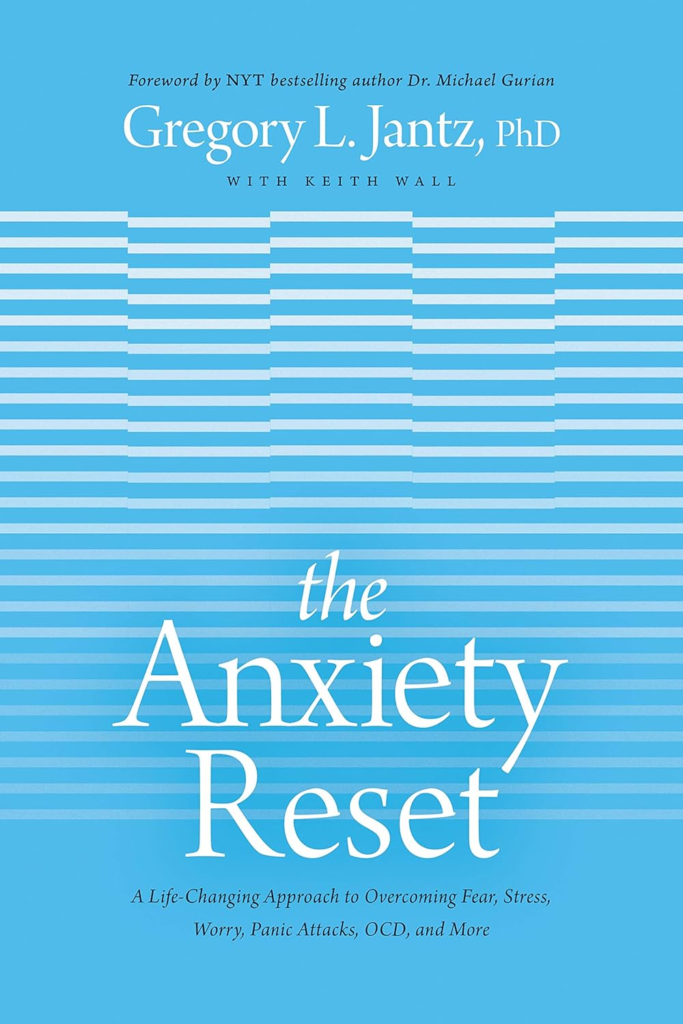
4. The Anxiety Reset Devotional by Gregory L. Jantz
Dr. Jantz blends clinical psychology with biblical wisdom, offering both scientific explanations for why your brain gets stuck in worry patterns and scriptural truths to rewire those pathways. The devotional includes thought-mapping exercises that help you identify triggers and replace anxious thoughts with verses like Philippians 4:6-7.
It’s especially helpful if you want to understand the “why” behind your overthinking, not just get temporary relief.
Each entry gives you concrete tools as opposed to vague encouragement to “just trust more.”
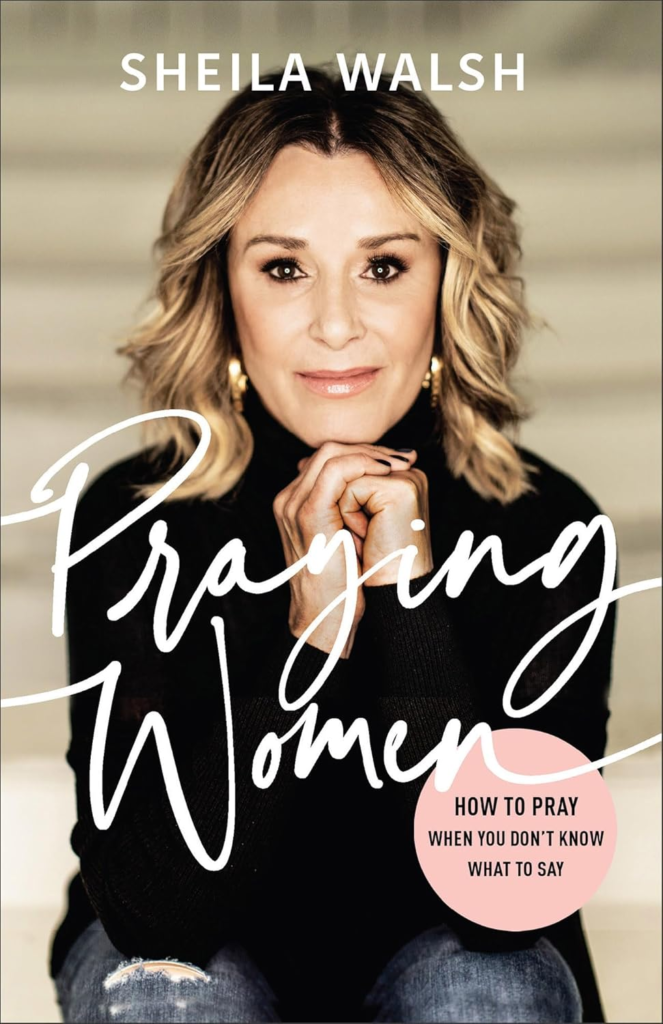
5. Praying Women by Sheila Walsh
Sheila Walsh wrote 90 devotions focused on developing a bold prayer life, which becomes a weapon against mental chatter when you learn to hand burdens over instead of carrying them. Each entry includes a key verse, a short story from her life or Scripture, and a guided prayer prompt that makes it easier to actually pray instead of just thinking about praying.
The structure works well if decision-making paralyzes you, as the prayers help you invite God into choices as opposed to endlessly weighing options alone.
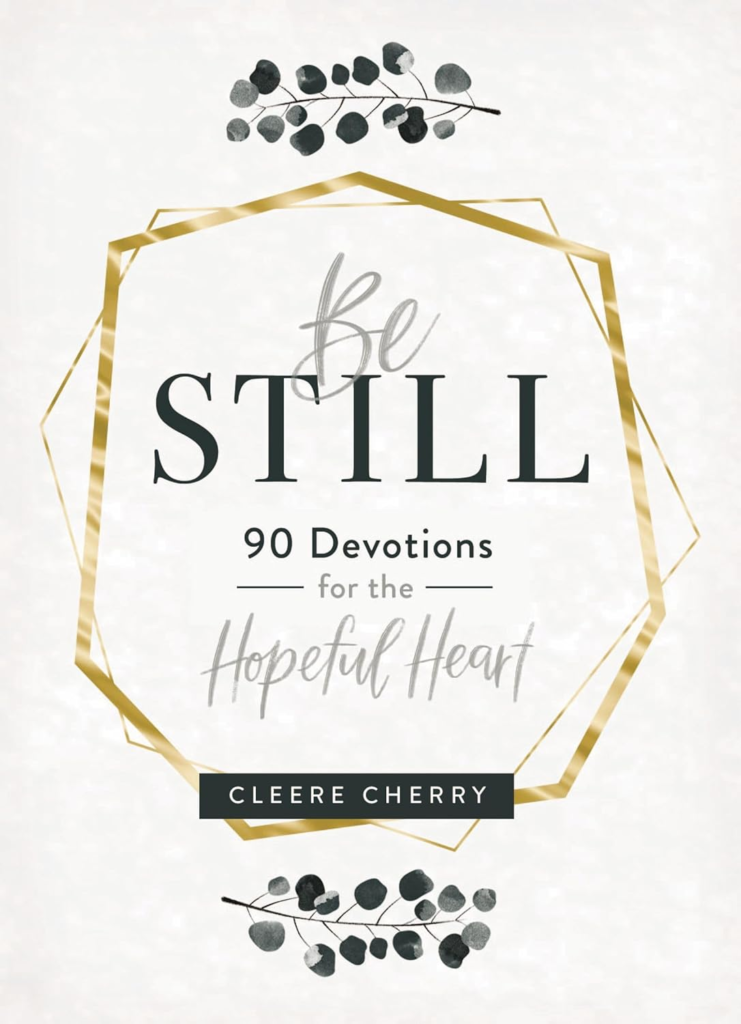
6. Be Still by Cleere Cherry Reaves
This 90-day devotional centers on Psalm 46:10 with each page encouraging stillness in a culture that glorifies busyness. Cleere Cherry Reaves provides lots of journaling space alongside her reflections, recognizing that writing out swirling thoughts often brings more clarity than just reading.
The design itself feels calming, with watercolor accents and spacious layouts that don’t rush you through the content.
You’ll find this especially helpful if your overthinking stems from trying to do too much and feeling perpetually behind.
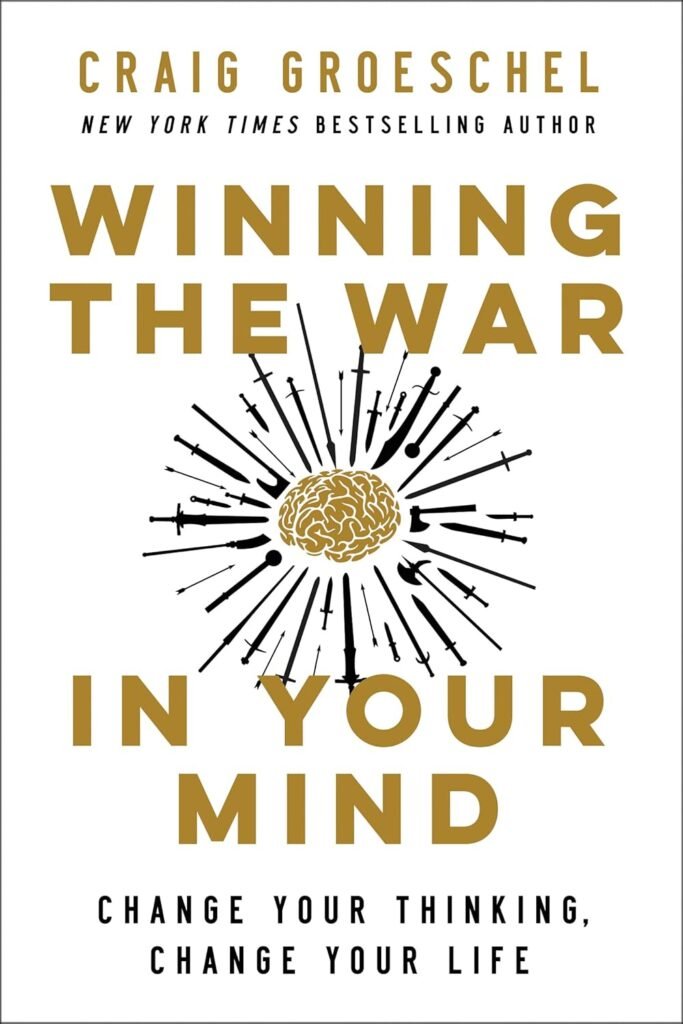
7. Winning the War in Your Mind by Craig Groeschel
Craig Groeschel’s devotional edition takes 2 Corinthians 10:5 (taking every thought captive) and makes it practical with daily declarations and prayer strategies. The book incorporates neuroscience research about how thought patterns form, then shows how biblical truth can literally renovate your mental habits over time.
It’s more intensive than some devotionals, with workbook elements that require engagement beyond passive reading.
Chronic overthinkers who want lasting transformation as opposed to temporary Band-Aids will appreciate the depth.
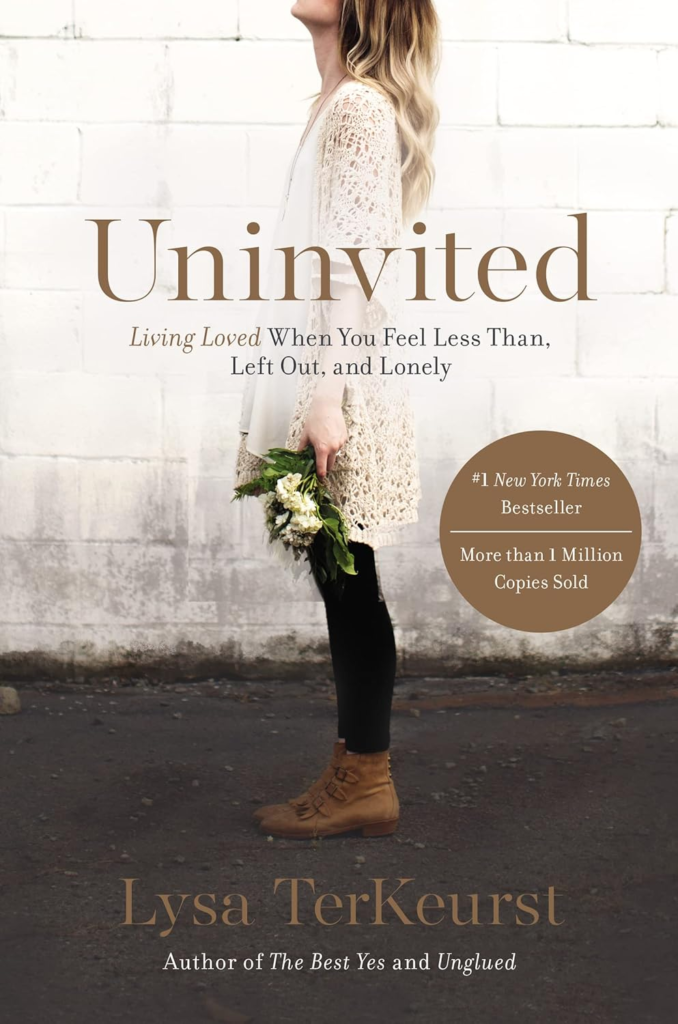
8. Uninvited by Lysa TerKeurst
Rejection fear drives so much overthinking about relationships, and Lysa TerKeurst addresses that head-on in this devotional. She explores how past rejections create mental scripts where you anticipate being left out or not chosen, then replay social interactions looking for evidence of rejection.
The book builds security in God’s acceptance through stories and Scripture studies that help you stop reading into every text message or social situation.
It encourages bold faith steps despite rejection fears, which gradually reduces the mental energy spent on what others might think.
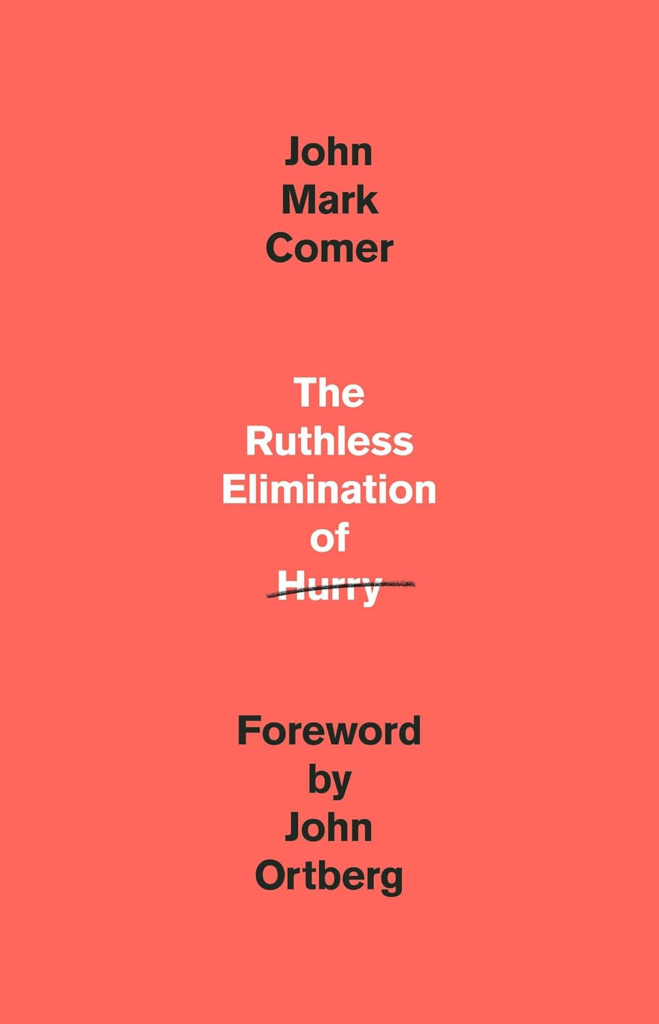
9. The Ruthless Elimination of Hurry by John Mark Comer
John Mark Comer writes about slowing down in a culture addicted to speed, addressing how hurry creates the perfect environment for anxious overthinking. The devotional offers biblical practices like silence, solitude, and Sabbath-keeping, with examples from Jesus’ own rhythms in the Gospels.
It challenges the glorification of busyness that makes your mind race from task to task without ever settling.
Reading this might make you uncomfortable at first if you’ve equated worth with productivity, but that discomfort often signals needed change.
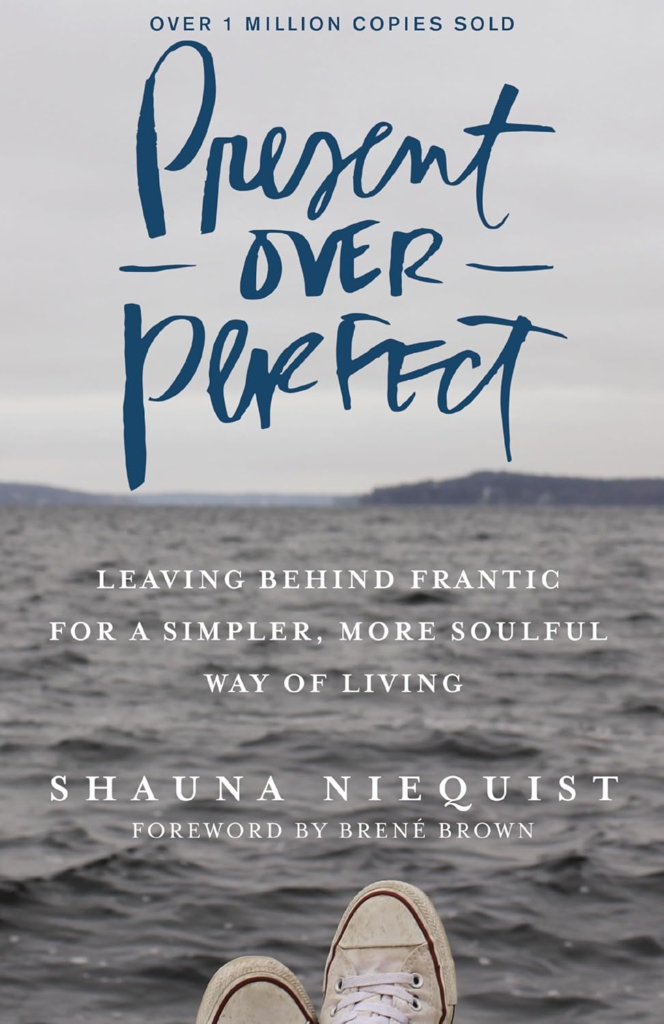
10. Present Over Perfect by Shauna Niequist
Shauna Niequist shares stories from her own blueprint that leads towards choosing presence over performance, which directly addresses the mental checklist many women carry constantly. The devotional-style reflections inspire ditching the approval-seeking that fuels so much overthinking about whether you’re doing enough or being enough.
Her writing feels like talking with a friend over coffee as opposed to receiving instructions from an authority figure.
The warmth and vulnerability make it easier to actually apply the concepts instead of just admiring them.
Choosing a Devotional That Addresses Overthinking
Selecting the right devotional begins with understanding the specific patterns behind overthinking. Not all devotionals are designed to address the same mental and emotional triggers, and a more targeted approach often leads to better results.
Structured devotionals tend to be more effective for managing anxious thought patterns because they provide clear focus areas instead of overwhelming the reader with scattered ideas. Many follow a thematic framework ~ such as rest, renewal, or emotional processingâpaired with practical steps that can be applied immediately.
This type of structure allows reflection to move beyond theory. For example, a focus on rest may encourage consistent sleep routines or intentional pauses during the day, while a focus on renewal may involve practices like gratitude, reflection, or seeking support. These small, actionable steps help translate spiritual concepts into daily habits.
Different forms of overthinking require different approaches. Patterns such as perfectionism, relationship anxiety, decision fatigue, regret, fear of the future, and comparison are not identical, and each responds to distinct themes and perspectives. A devotional centered on surrender will offer a different impact than one focused on identity, boundaries, or rest.
For this reason, it is helpful to choose a devotional that aligns with the most dominant mental pattern rather than attempting to address everything at once. A more focused starting point often leads to greater clarity and consistency.
Consistency plays a more important role than intensity. Brief, regular engagement paired with simple application tends to produce gradual but meaningful shifts in thought patterns over time. The objective is not to eliminate overthinking entirely, but to develop the ability to redirect attention toward steady, grounding truths instead of remaining in repetitive mental loops.
Frequently Asked Questions
What’s the best devotional for nighttime anxiety?
Rhythms of Renewal or Be Still work especially well for bedtime reading. The rest-focused content and calming prayers help interrupt the 2 a.m. spiral where your brain replays everything that went wrong or could go wrong.
Many women report falling asleep faster when they read a devotional entry and pray through it instead of scrolling their phones before bed. Pair the reading with no screens for 30 minutes before sleep, and you’ll likely notice improvement within a few nights.
How do I make devotionals a habit when I overthink starting new routines?
Set a phone alarm for the same time every day and commit to just five minutes. Stack the habit with something you already do consistently, like morning coffee or right after you brush your teeth at night.
Read one page, pray the closing prayer or prompt, and track your streak in a notebook.
The momentum builds without pressure because five minutes feels manageable even on chaotic days. After a week or two, it becomes automatic as opposed to something you have to convince yourself to do.
Are there devotionals specifically for overthinking moms?
Grace Not Perfection by Ruth Chou Simons tops the list for moms. The devotional directly addresses mom guilt and the mental load of trying to do everything perfectly while managing a household.
Amazon reviews from moms consistently note how the quick entries fit into nap times or early morning quiet moments before kids wake up.
Simons writes as a mom who understands the unique pressure of constant low-level worry about whether you’re messing up your kids or missing important moments.
Do these devotionals work for people who aren’t sure about Christianity?
Many readers start with doubts about faith solving anything, especially if past religious experiences felt judgmental or empty. Books like It’s Not Supposed to Be This Way by Lysa TerKeurst gently introduce Scripture through the lens of shared human pain as opposed to assuming you already believe everything.
Her raw honesty about her own struggles makes the content relatable even if you’re skeptical about church or organized religion.
Start with devotionals that tell real stories alongside the biblical teaching, as those feel less preachy and more like someone walking through hard things with you.
How long until I actually see less overthinking?
Most women notice some shift within 7 to 14 days of daily devotional reading, according to reviews on Goodreads and Amazon. The key is consistency as opposed to intensity.
Reading for five minutes every single day produces better results than reading for an hour once a week.
A 2024 study in the Journal of Psychology and Theology found that faith-based journaling reduced rumination by 35% over four weeks. If journaling feels overwhelming, skip that part initially and just read and pray.
You can add journaling later once the basic habit sticks.
Which devotional is best for overthinking decisions?
Praying Women by Sheila Walsh equips you with specific prayer frameworks for inviting God into decisions as opposed to endlessly weighing pros and cons alone. The guided prayer prompts help you actually pray instead of just thinking about praying, which interrupts the analysis paralysis that often accompanies big choices.
Walsh’s approach clarifies that prayer isn’t about getting a dramatic sign but rather about aligning your heart with biblical wisdom and then moving forward with trust.
Can men use these devotionals too even though they’re marketed to women?
Absolutely. While the examples and stories often focus on experiences common to women (like mom guilt or people-pleasing patterns), the biblical principles apply universally.
Winning the War in Your Mind by Craig Groeschel appeals to both men and women with its focus on neuroscience and thought patterns.
Husbands often borrow their wives’ copies of Lysa TerKeurst or Rebekah Lyons books and find the content helpful for their own anxiety and overthinking.
Find out more of our Recommended Devotionals; visit: https://illuminatedresources.com/top-devotional-trends-on-amazon-right-now-and-what-midlife-women-actually-need/