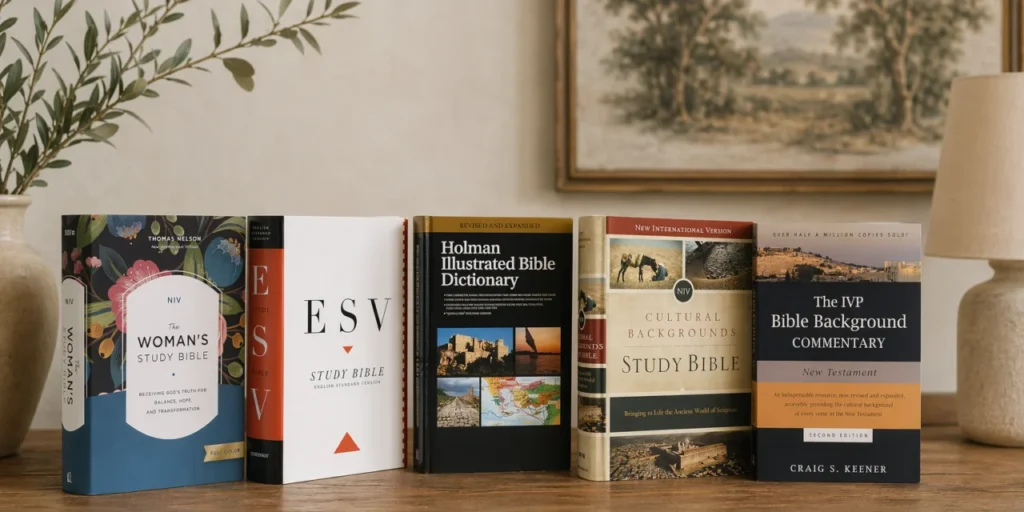
Find reference guides, study methods, journaling supplies and devotionals designed to deepen your walk with God.
Its so frustrating when you sit down for morning devotions and the words feel flat, like reading a familiar story without fresh insight. However, if you pair a quality study Bible with a structured method like inductive study, you’ll start noticing patterns, historical context and applications you’ve walked past for years.
Women over 45 engage Scripture 30% more deeply with guided resources, so your investment in the right tools pays off in spiritual growth. If I were to estimate which resource makes the biggest difference, I’d say a good study Bible, but that assumes you already have a consistent reading habit.
Your schedule might be unpredictable with aging parents or shifting work demands.
Have you ever noticed how a single verse can suddenly speak directly to your situation when you understand its original context? The Hebrew word “chesed” means loyal love or steadfast kindness, a richer concept than our English translations capture.
Thats why digging into original meanings and cultural background brings Scripture alive in new ways.
Even a simple Bible dictionary can turn a familiar Psalm into a personal letter from God.
You don’t need to become a seminary graduate to study Scripture well. Start with one reference tool, like a commentary on the book you’re reading, and let it guide your questions.
Add a journal to capture what you’re learning, then try a structured study guide that walks you through application.
And it can be more difficult for you if you’re navigating empty nest transitions or retirement, because familiar routines have shifted and carving out new patterns takes intention. But this season also offers margin that younger years didn’t, time to sit with a passage until it settles deep.
Study Bibles for Context and Insight
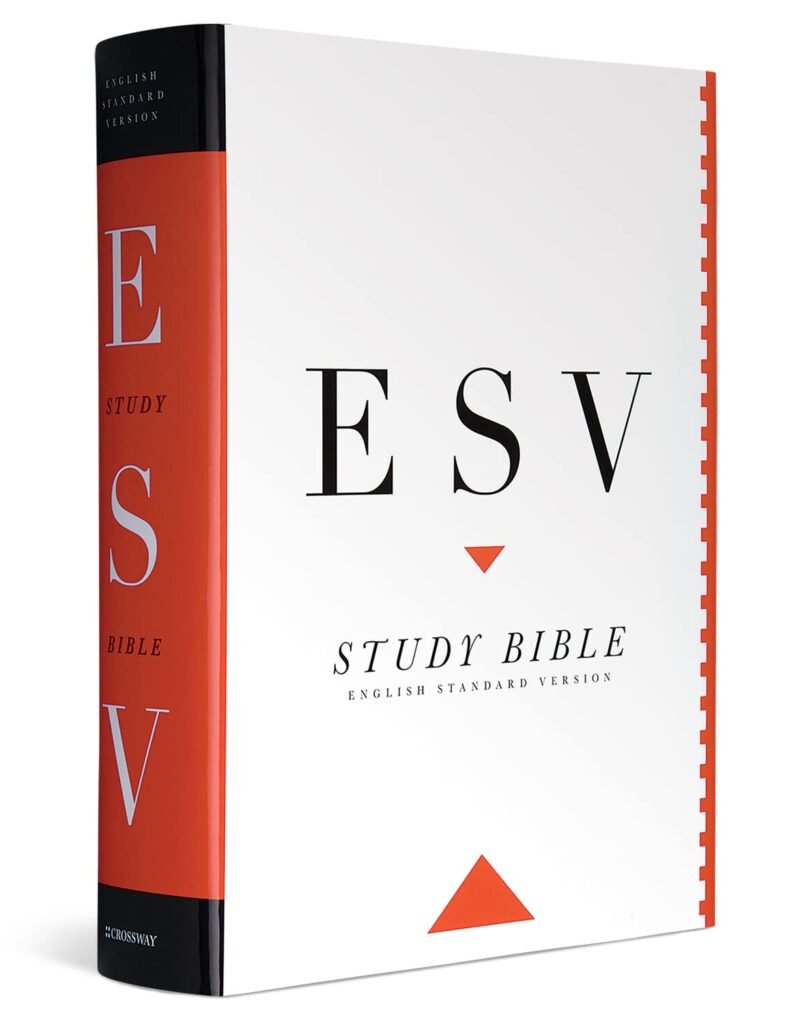
1. ESV Study Bible
This comprehensive study Bible includes over 20,000 notes, 240 full-color maps and illustrations, and 80 charts that explain everything from Old Testament festivals to New Testament timelines. You’ll find introductions to each book explaining authorship, date and themes, plus cross-references that connect related passages throughout Scripture.
The notes stay close to the text without overwhelming the page, making it accessible whether you’re studying Genesis or Revelation.
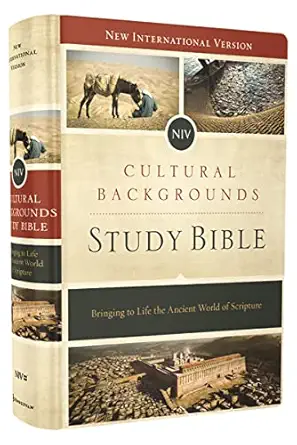
2. NIV Cultural Backgrounds Study Bible
Written by scholars who specialize in ancient Near Eastern culture, this Bible unpacks the historical and cultural context behind every passage. You’ll learn what it meant when Jesus spoke about shepherds, why certain laws made sense in ancient Israel, and how first-century readers would have understood Paul’s letters.
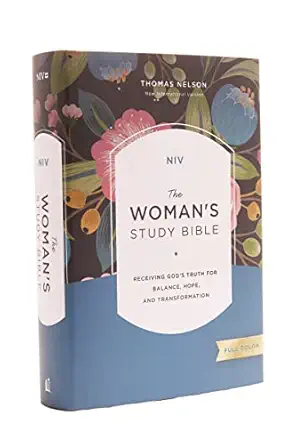
3. The Woman’s Study Bible
Featuring commentary and articles written by more than 80 women from various Christian traditions, this study Bible addresses topics particularly relevant to women’s spiritual lives. You’ll find character profiles of biblical women, practical application notes, and topical articles on subjects like forgiveness, identity and calling.
Devotionals and Guided Studies
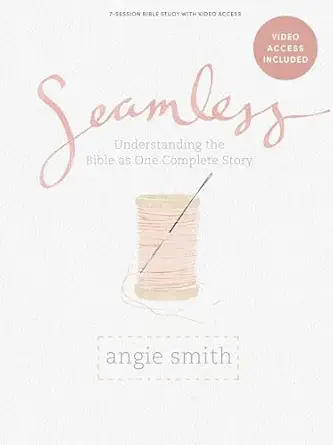
4. Seamless by Angie Smith
This seven-week study connects the narrative of Scripture from Genesis to Revelation, helping you see how each book fits into God’s bigger story. Smith’s warm teaching style makes complex theology accessible, and the workbook format includes daily readings, teaching videos and reflection questions.
You’ll finish with a clearer understanding of how the Old and New Testaments work together.
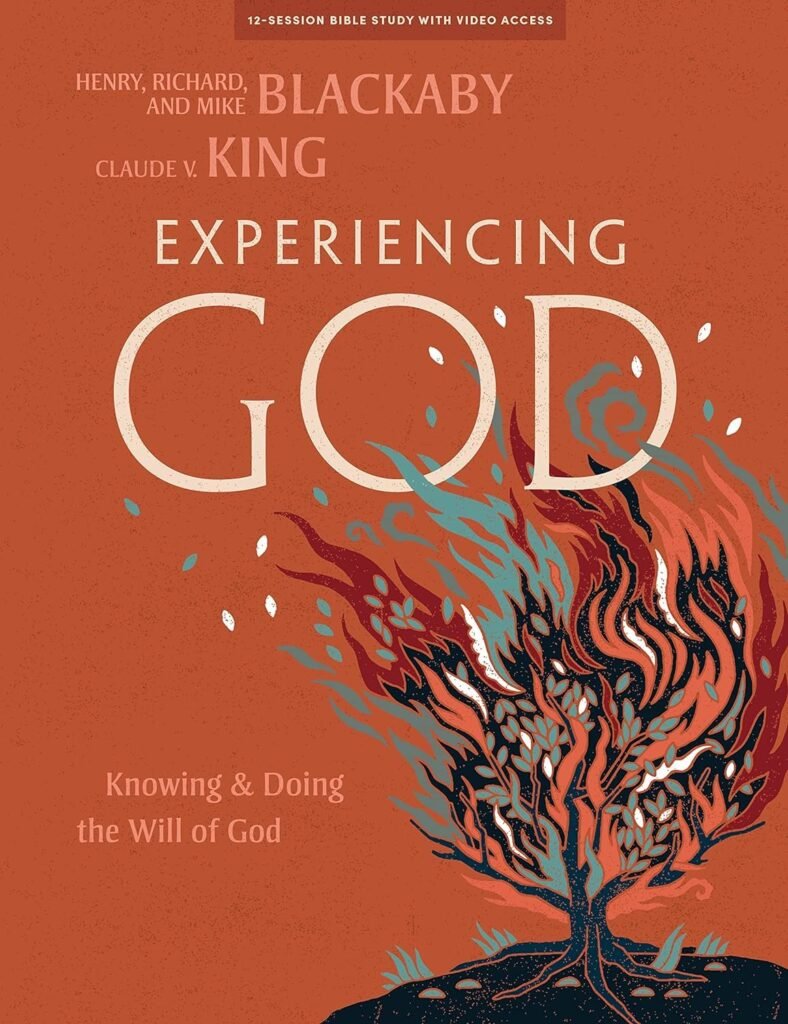
5. Experiencing God by Henry Blackaby
A classic devotional that has guided millions through learning to recognize God’s voice and activity in daily life. The 40-day journey includes Scripture readings, personal reflection questions and practical exercises that help you align your life with God’s purposes.
Many women return to this study many times throughout their lives, finding new applications in each season.
Study Method Resources
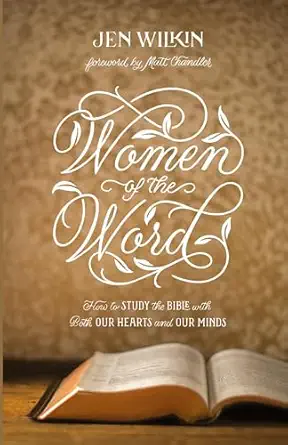
6. Women of the Word by Jen Wilkin
This book doesn’t just tell you what to believe, it teaches you how to study Scripture for yourself using the inductive method. Wilkin walks you through observation, interpretation and application, equipping you to dig deeper into any passage.
The approach respects your intelligence while keeping the focus on letting Scripture speak as opposed to imposing your own ideas onto the text.
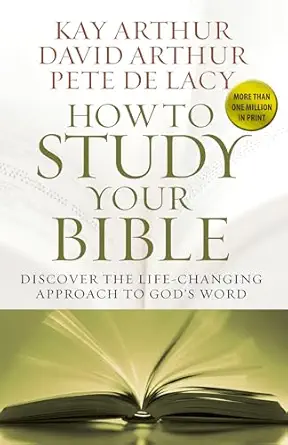
7. How to Study Your Bible by Kay Arthur
Arthur lays out practical, step-by-step instructions for inductive Bible study, finish with examples and practice exercises. You’ll learn to mark key words, make lists, ask interpretive questions and explore context.
The method works equally well for person study or group settings, and many Bible study groups use this as their foundational training.
Reference Tools for Deeper Understanding
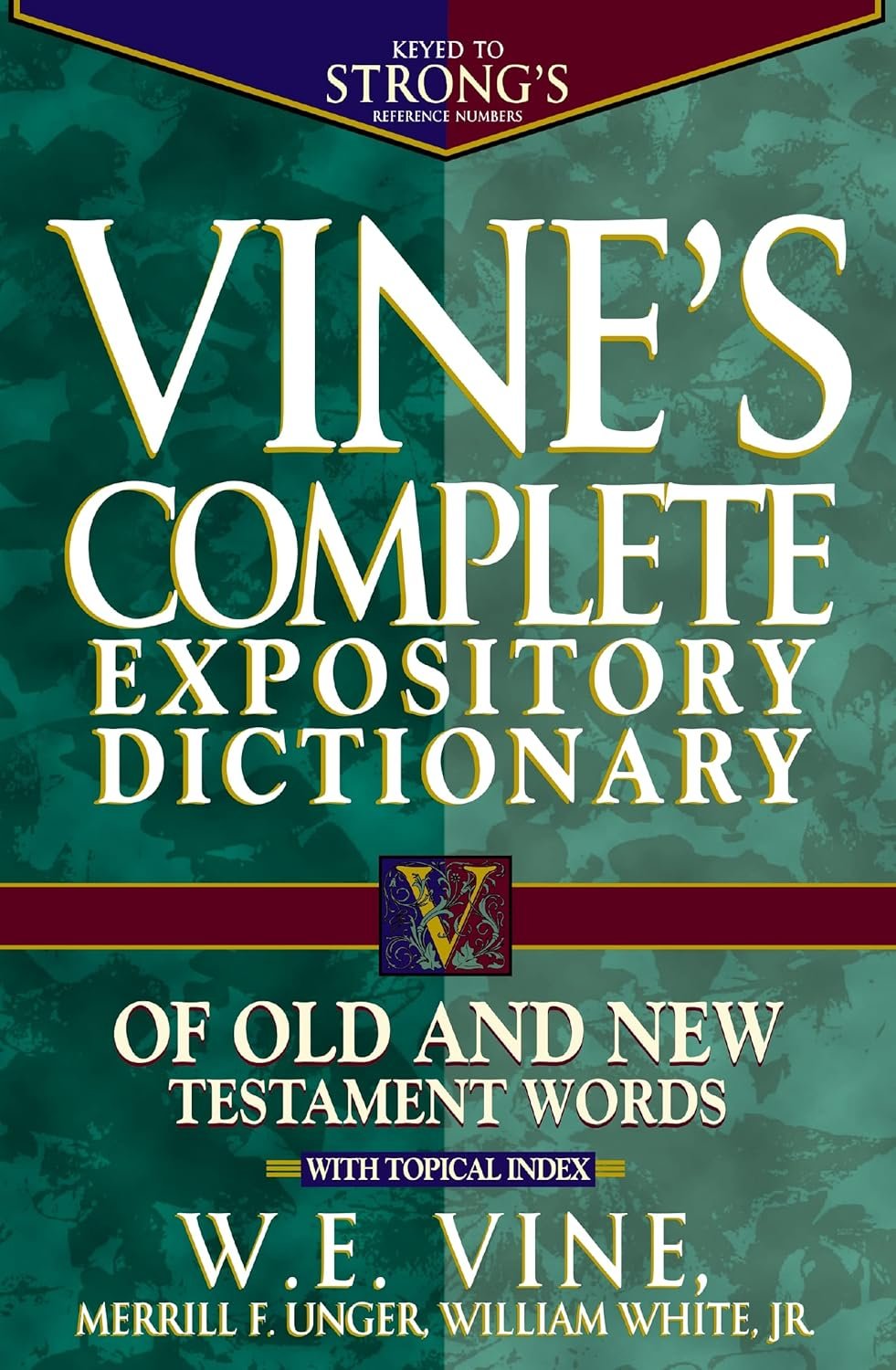
8. Vine’s Complete Expository Dictionary
This classic reference explains the meaning of biblical words in their original Hebrew and Greek, even if you don’t know those languages. Look up any English word from your Bible to find its original term, definition and how it’s used throughout Scripture.
You’ll explore nuances that English translations can’t fully capture, enriching your understanding of familiar verses.
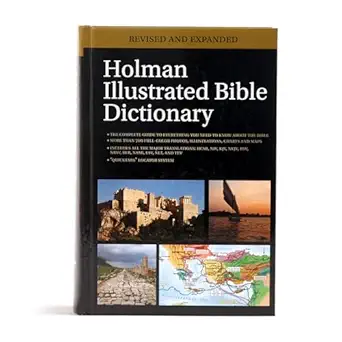
9. Holman Illustrated Bible Dictionary
With over 6,500 entries and hundreds of color photographs, maps and charts, this dictionary explains people, places, things and concepts from Scripture. The visual elements help you picture what you’re reading about, from the layout of the tabernacle to the geography of Paul’s missionary journeys.
It’s comprehensive enough for serious study but written in accessible language.
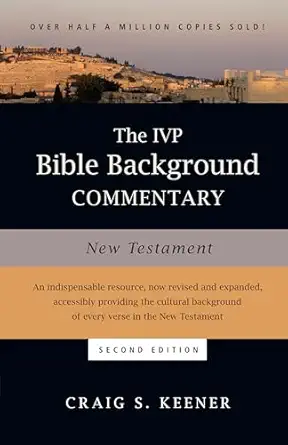
10. The IVP Bible Background Commentary: New Testament
This verse-by-verse commentary focuses specifically on the historical and cultural background of the New Testament. You’ll understand what parables meant to their original hearers, why certain actions were scandalous or significant, and how Greco-Roman culture shaped the early church.
The format makes it easy to look up specific passages as you read through the New Testament.
My Favorite Pick
The ESV Study Bible stands out as the single most valuable resource on this list. You get a finish reference library between two covers, comprehensive enough for serious study but organized so you can find what you need quickly.
The notes provide context without overwhelming the actual Scripture text, and the maps and charts answer questions you didn’t even know you had.
At around $40 for the hardcover edition, it costs less than taking your family out to dinner but will serve you for decades. The binding holds up to daily use, and the notes stay theologically sound while remaining accessible.
Whether you’re studying alone or preparing to lead a group, this Bible gives you the background and insight to understand what you’re reading.
I’ve watched women’s faces light up when they finally understand why certain Old Testament laws existed or how a New Testament letter addressed specific situations in the early church. That context changes Bible reading from obligation into discovery.
Pair it with a simple journal and you have everything needed for life-changing study. Grab the ESV Study Bible today and commit to reading one book all the way through with the notes.
Start somewhere meaningful to your current season, maybe Ecclesiastes if you’re pondering life’s purpose, or one of Paul’s letters if you’re thinking about Christian community.
You’ll be impressed at what you’ve been missing.
Your deeper understanding of Scripture starts with better tools. Don’t settle for surface reading when God’s Word offers so much more.
Frequently Asked Questions
What’s the difference between a study Bible and a regular Bible?
A study Bible includes the finish biblical text plus thousands of notes explaining context, background, difficult passages and application. You’ll also find maps, charts, cross-references and book introductions.
Regular Bibles contain just the Scripture text, sometimes with minimal notes.
Study Bibles essentially combine your Bible with a commentary and reference library.
Do I need to know Greek and Hebrew to do serious Bible study?
Not at all. Tools like Vine’s Expository Dictionary and apps like Blue Letter Bible give you access to original language meanings without learning the languages yourself.
Quality study Bibles and commentaries explain what scholars have discovered about the original text.
While knowing the languages helps, laypeople can achieve deep understanding using English resources designed to bridge that gap.
How do I choose which Bible translation to use for study?
Pick a translation that balances accuracy with readability for your level. The ESV, NASB and NKJV stay very close to the original wording, while the NIV and NLT prioritize clear modern English.
Many serious students keep many translations handy to compare how different teams of scholars understood tricky passages.
Your study Bible’s translation matters less than whether you’ll actually read it consistently.
What if I’ve never done structured Bible study before?
Start with a guided study like Seamless or one of Jen Wilkin’s workbooks that walk you through the process step by step. These include all the instructions you need, from how much to read each day to what questions to ask.
You can also join a group using the same material, learning from others’ insights.
Don’t feel pressured to master complex methods right away, even simple observation and one application question per passage creates growth.
Are journaling Bibles worth it if I’m not artistic?
Absolutely. The wide margins work perfectly for written notes, not just drawings.
Jot down cross-references you notice, questions to research later, or how a verse applies to your current situation.
Some women write prayers, date significant readings, or note sermon points. The space is yours to use however helps you engage with Scripture, no artistic talent required.
How many study resources do I actually need?
You can go incredibly deep with just a good study Bible and a journal. Add one commentary or Bible dictionary when you want to dig further into specific questions.
Resist the temptation to collect dozens of resources you’ll never use.
Better to master a few quality tools than own a library you’re intimidated to open. Start minimal and add resources as you explore specific gaps in your understanding.
What’s the best way to study Scripture during busy seasons?
Choose quality over quantity. Fifteen minutes with one paragraph, really observing and thinking about it, beats skimming three chapters while mentally making your grocery list.
Use audio Bibles during commutes or while exercising.
Keep a small Bible or devotional in your purse for waiting rooms. Some seasons allow deep study, others call for simply staying connected to God’s Word in whatever way fits.
Both matter.
Find out our Recommended Journaling Bibles for Creative Bible Study; visit: https://illuminatedresources.com/best-journaling-bibles-for-creative-bible-study/