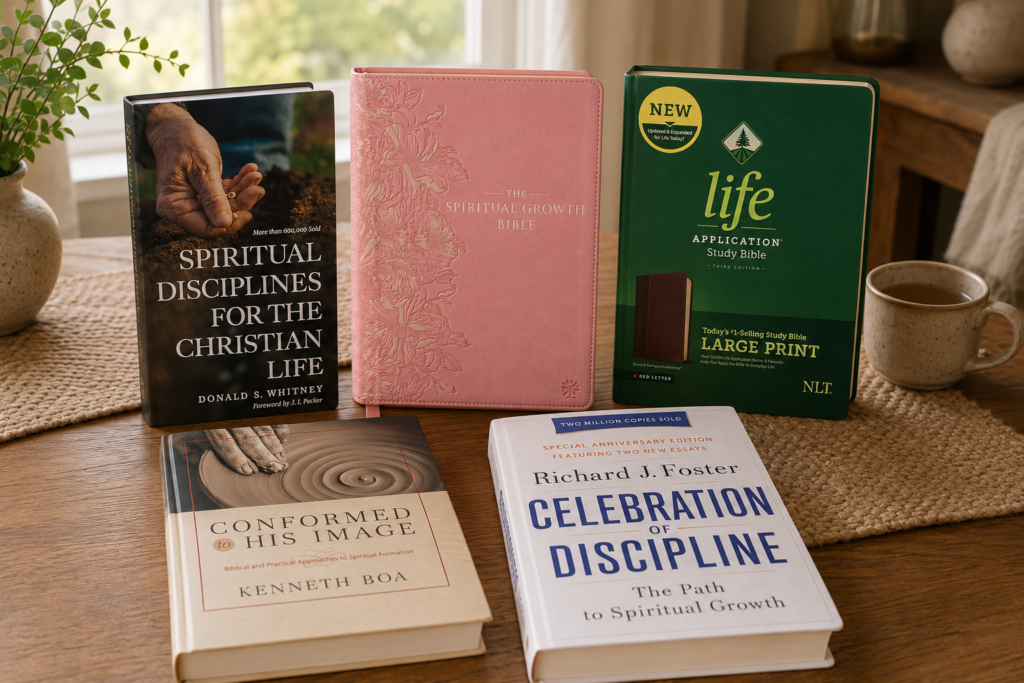
These books, Bibles, and tools support real spiritual growth through solid teaching, practical guidance, and deep engagement with Scripture.
Where you are at in terms of spiritual growth is mostly the result of the habits you keep and the resources you engage with daily. However, when you’re guided by solid biblical teaching paired with practical spiritual practices, you can reach impressive results in your walk with Christ, often far beyond anything you expected.
Your daily patterns and choices in what you read and study directly affect your progress in spiritual formation. When you use well-tested Christian resources, you’ll find that growth becomes more natural and consistent with your faith, your relationships, and your sense of purpose.
This happens if you’re willing to stay engaged, stay patient with the process, and practice what you learn.
But if you rely on quick fixes or emotional highs alone, you’re just creating surface-level change that fades when circumstances shift. Soon you might catch yourself thinking things like “I’m just not growing” or “Nothing seems to help” and giving up on the transformation that was actually within reach.
Limiting beliefs act as barriers that restrict your spiritual growth. They add all kinds of “I can’t” statements to your thinking.
Maybe you’ve caught yourself thinking, “Deep spiritual life is only for pastors and monks,” “I’m too busy for real spiritual practices,” or “I’ve tried before and nothing changed.” If that’s the case, you’re building unnecessary walls.
Your mind naturally creates explanations from your experiences, but these often include assumptions that aren’t true about what spiritual growth actually looks like.
The beautiful work of becoming is the day-by-day process of being formed into Christ’s likeness in what you love, how you live, and how you see the world. The Amazon resources below mix rich Bible engagement, solid theology, and practical guidance that helps you respond to God’s shaping work in real life situations.
You won’t find hype or gimmicks here. These are books, study Bibles, and tools that pastors, seminary professors, and Christian communities have recommended for years because they actually help people grow.
Some focus on understanding God more deeply, others on developing spiritual habits, and still others on dealing with the emotional and relational layers that affect your faith journey.
Christian Products on Amazon US for Spiritual Formation
1. NLT Spiritual Growth Bible
This study Bible is built specifically around spiritual growth, using the New Living Translation for easy reading. It includes book introductions, 80 full-page articles on growth topics, character profiles, sidebar notes that connect passages to formation themes, and topical ties that link related scriptures together.
You get a readable Bible plus guided help to understand and apply what you read, which supports both seeing God more clearly and walking with him in everyday life.

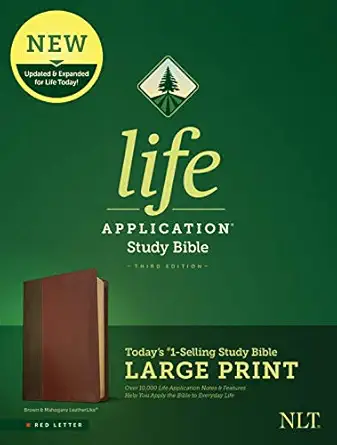
2. NLT Life Application Study Bible (Large Print)
This is one of the most practical study Bibles available for everyday discipleship. It adds notes that explain what the text means and how it applies to work, relationships, decisions, and inner life, all in a clear NLT translation with larger print for easier reading.
If you want the Bible to speak directly into your daily choices and patterns, this resource makes that connection simple and concrete.
3. Conformed to His Image by Kenneth Boa
Kenneth Boa’s comprehensive guide to lifelong formation is used in seminaries and churches as a kind of roadmap for spiritual growth. It organizes the Christian life into many “spirituality” patterns, such as relational, disciplined, and Spirit-dependent, and shows how they fit together over time.
This book helps you see that becoming is not one narrow track but a rich, multi-dimensional walk with Christ, and it offers a structured way to assess and grow in different areas of your life.

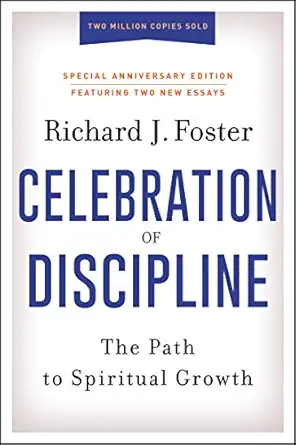
4. Celebration of Discipline by Richard J. Foster
Richard Foster’s classic work focuses on the historic disciplines of the Christian life, such as prayer, fasting, study, simplicity, service, and worship. He divides them into inward, outward, and corporate practices and shows how each opens you to God’s transforming presence.
If you want a balanced, time-tested framework for habits that actually change you, this book gives you both theological depth and practical steps.
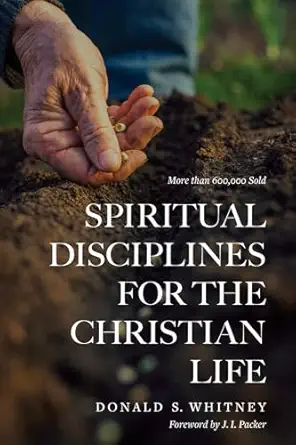
5. Spiritual Disciplines for the Christian Life by Donald S. Whitney
Donald Whitney offers one of the most hands-on guides to spiritual practices, including Scripture intake, prayer, worship, fasting, evangelism, journaling, silence, and solitude. Compared with broad overviews, this book often feels like a manual you can build a plan around.
It is especially useful if you want clear instructions on what to do, how often, and why it matters, without losing sight of grace.
6. Knowing God by J.I. Packer
J.I. Packer’s classic helps bridge the gap between knowing about God and knowing God personally in relationship.
It explores God’s character and what it means to live as someone who is loved, adopted, and guided by him.
This book strengthens your theological backbone and deepens your worship, which are both essential to the work of becoming more like Christ.

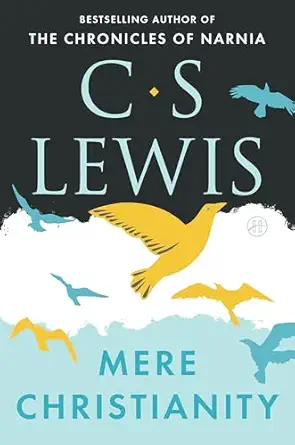
7. Mere Christianity by C.S. Lewis
C.S. Lewis’s Mere Christianity has introduced generation after generation to the heart of the Christian faith in a clear, reasoned way.
It explains basic doctrine and explores moral and spiritual transformation with thoughtful, accessible language.
If you want your faith to be both intellectually honest and deeply practical, this is a foundational resource that shapes how you think about following Jesus.
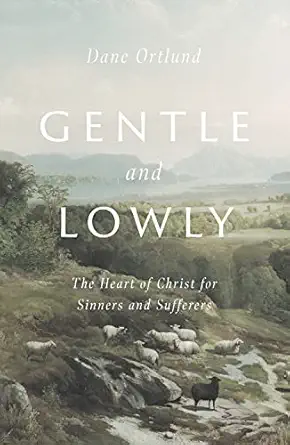
8. Gentle and Lowly: The Heart of Christ for Sinners and Sufferers by Dane Ortlund
Recommended by many pastors as a modern classic on the heart of Christ, Gentle and Lowly focuses on how Jesus relates to weak, struggling, and wounded people. It draws heavily on Scripture and historic writers to show that Christ’s posture toward his own is tender, patient, and welcoming.
This book helps you internalize grace, which is crucial for sustainable growth so you do not slip into performance or shame while you learn new ways of living.
9. The Pursuit of God by A.W. Tozer
Tozer’s The Pursuit of God is short, deeply devotional, and aimed at awakening hunger for deeper fellowship with God. It emphasizes God’s nearness and calls you to a life of wholehearted seeking rather than casual belief.
If you feel spiritually dull or distracted, this book can stir want and re-center your heart on God himself, not just on spiritual activities.

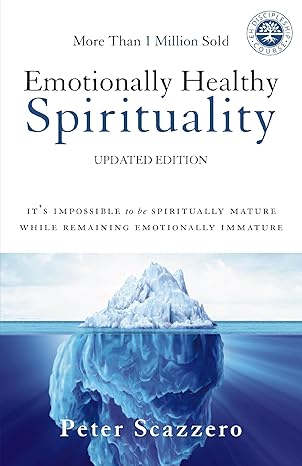
10. Emotionally Healthy Spirituality by Peter Scazzero
Scazzero’s Emotionally Healthy Spirituality addresses an often overlooked reality: you cannot be spiritually mature while remaining emotionally immature. It connects spiritual practices with issues such as family patterns, grief, limits, and inner honesty.
This is especially helpful if you sense God inviting you to deal with deeper emotional layers that affect your relationships, reactions, and sense of calling.
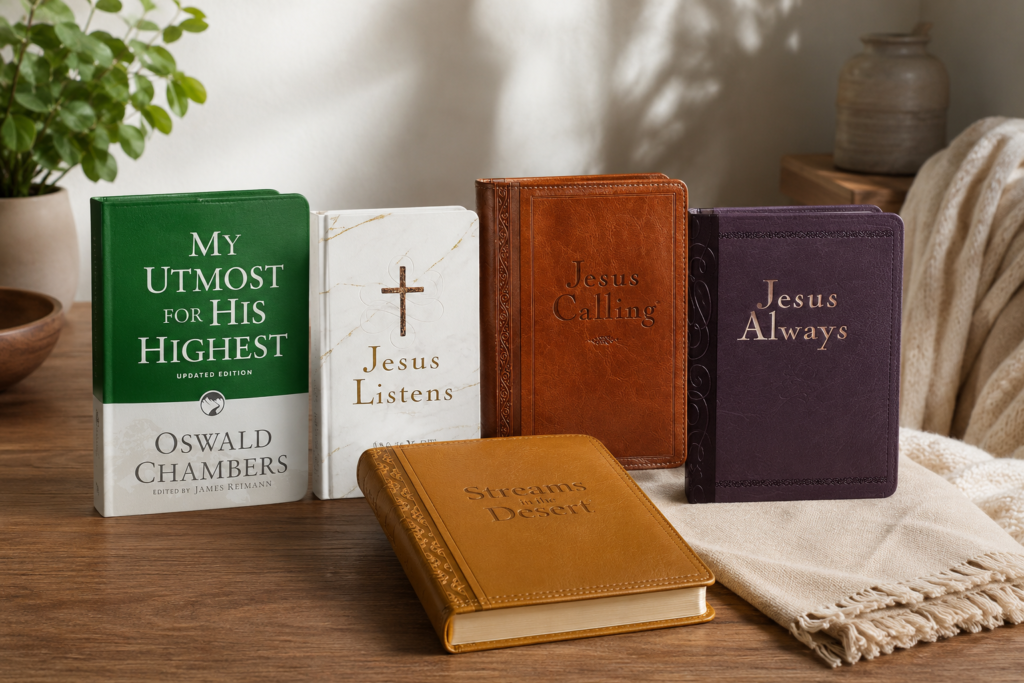
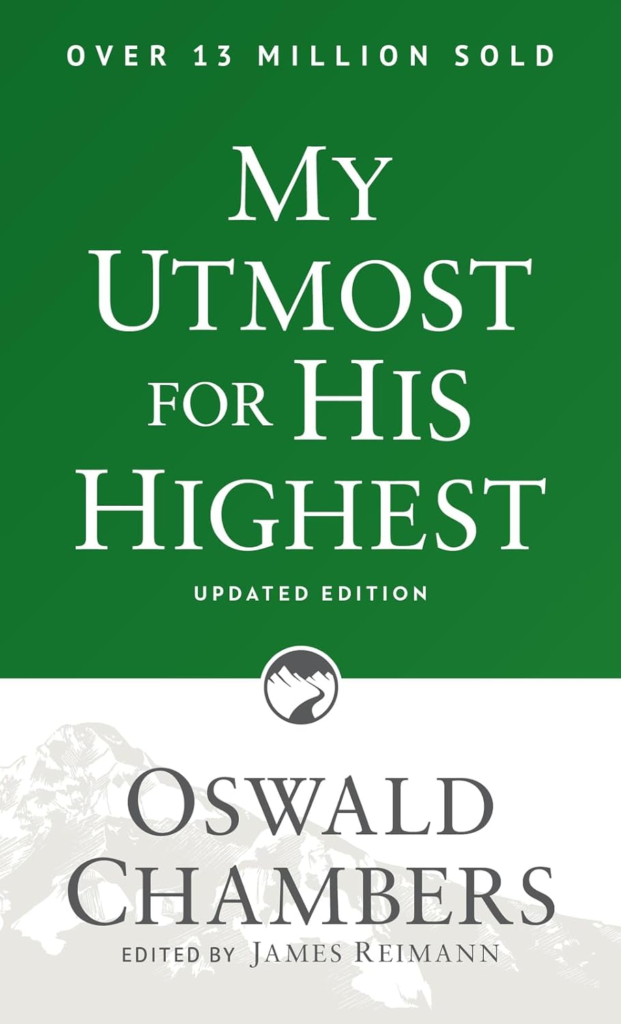
11. My Utmost for His Highest by Oswald Chambers (Updated Edition)
This classic daily devotional presents short, piercing reflections that call you to surrendered, wholehearted discipleship. Modern editions update the language for easier reading while preserving Chambers’ depth and challenge.
Using this as a daily companion keeps the theme of becoming in front of you in small, steady doses that can shape your perspective across a whole year.
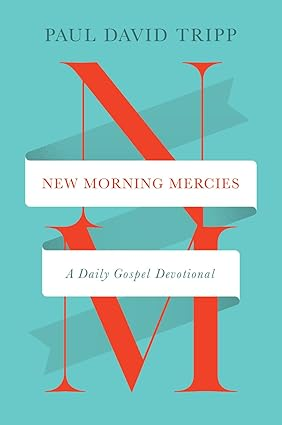
12. New Morning Mercies: A Daily Gospel Devotional by Paul David Tripp
Paul Tripp’s New Morning Mercies offers one gospel-rich devotional thought for each day, along with a suggested Bible reading. It keeps your focus on God’s grace and the implications of the gospel for anxiety, identity, relationships, and everyday struggles.
If you need a gentle but steady reminder that growth is rooted in grace, not self-effort, this is an excellent daily resource.
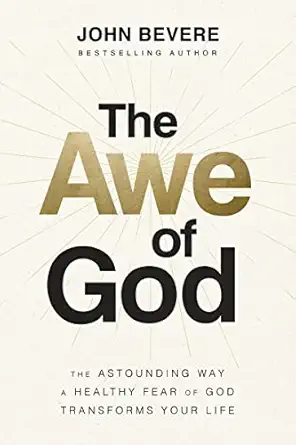
13. The Awe of God by John Bevere
This book explores what it means to live with a healthy, biblical fear of God and how that kind of reverence reshapes choices and habits. It connects awe with freedom from compromise, deeper obedience, and renewed joy.
It can be especially helpful if you want your growth to include both intimacy and reverence, not just comfort or familiarity.
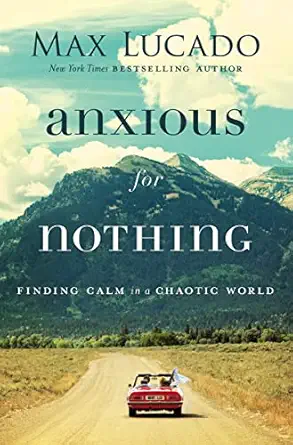
14. Anxious for Nothing: Finding Calm in a Chaotic World by Max Lucado
Lucado’s Anxious for Nothing applies Philippians 4 and related passages to the modern experience of worry and stress. It blends biblical teaching, stories, and practical tools for handing anxiety to God.
For many people, anxiety is a major barrier to becoming.
This resource helps you see how trust, prayer, and gratitude can become lived patterns, not just verses you know.
15. Don’t Give the Enemy a Seat at Your Table by Louie Giglio
This book focuses on the battle of the mind, drawing from Psalm 23 to talk about resisting lies, accusations, and destructive thought patterns. Giglio walks through how to recognize and reject mental “conversations” that pull you away from God’s truth.
If you are working on renewing your mind and dealing with intrusive or negative thoughts, this resource connects spiritual warfare to everyday mental habits in a clear way.

16. Wiersbe Bible Commentary by Warren Wiersbe
Craig Groeschel and others recommend Warren Wiersbe’s commentaries as accessible, pastoral guides to every book of the Bible. The full set gives you clear explanations, application insights, and theological clarity without technical jargon.
This is helpful if you are ready to go deeper in Bible study and want a reliable companion that still talks in everyday language.

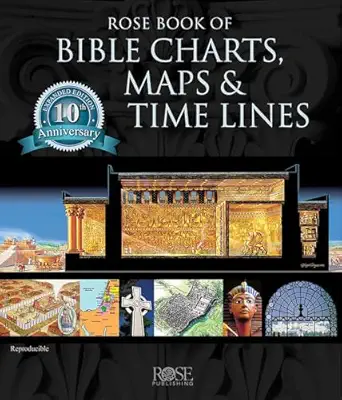
17. Rose Book of Bible Charts, Maps, and Timelines
Often featured in Christian gift lists, this resource gives visual overviews of Bible timelines, maps, doctrinal charts, and overviews of books and themes. It can make complex ideas more understandable and help you see how biblical history and teaching fit together.
For visual learners, this kind of tool can make Scripture feel less intimidating and more connected, which supports deeper engagement and confidence.
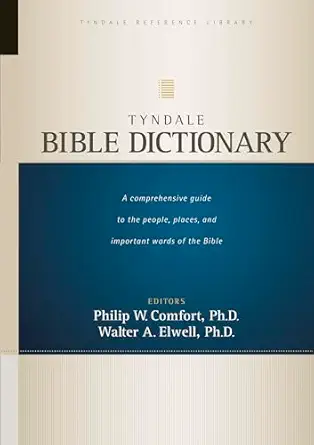
18. Tyndale Bible Dictionary
A Bible dictionary helps you look up people, places, themes, and concepts and see concise explanations supported by scholarship. The Tyndale Bible Dictionary is often recommended as a solid, accessible reference work for non-specialists.
Using a dictionary while you read Scripture or Christian books helps you clarify terms and avoid confusion, which is an underrated part of healthy growth.
My Top Recommendation and How to Use These Well
Among these resources, the one I would place at the very top for the beautiful work of becoming is the NLT Spiritual Growth Bible, paired closely with either Conformed to His Image or Celebration of Discipline depending on your personality.
The Spiritual Growth Bible gives you Scripture as the centerpiece along with articles, profiles, and topical ties that keep formation themes in front of you as you read. This means you are never just gathering information.
You are repeatedly invited to respond, reflect, and practice.
It is designed to help you understand God’s Word and apply it to your everyday walk with Christ, which is exactly what becoming needs.
Conformed to His Image then gives you a big-picture framework for what growth can look like across a lifetime. It prevents you from reducing becoming to one narrow emphasis and helps you value relational intimacy, doctrinal clarity, spiritual disciplines, and Spirit dependence together.
Celebration of Discipline serves a similar role if you are especially drawn to practical habits and historic practices.
If you were to choose only one resource to start with, get the NLT Spiritual Growth Bible on Amazon US and make it the center of your daily rhythm. Add one primary formation book such as Conformed to His Image, Celebration of Discipline, or Emotionally Healthy Spirituality and read it slowly, a chapter at a time.
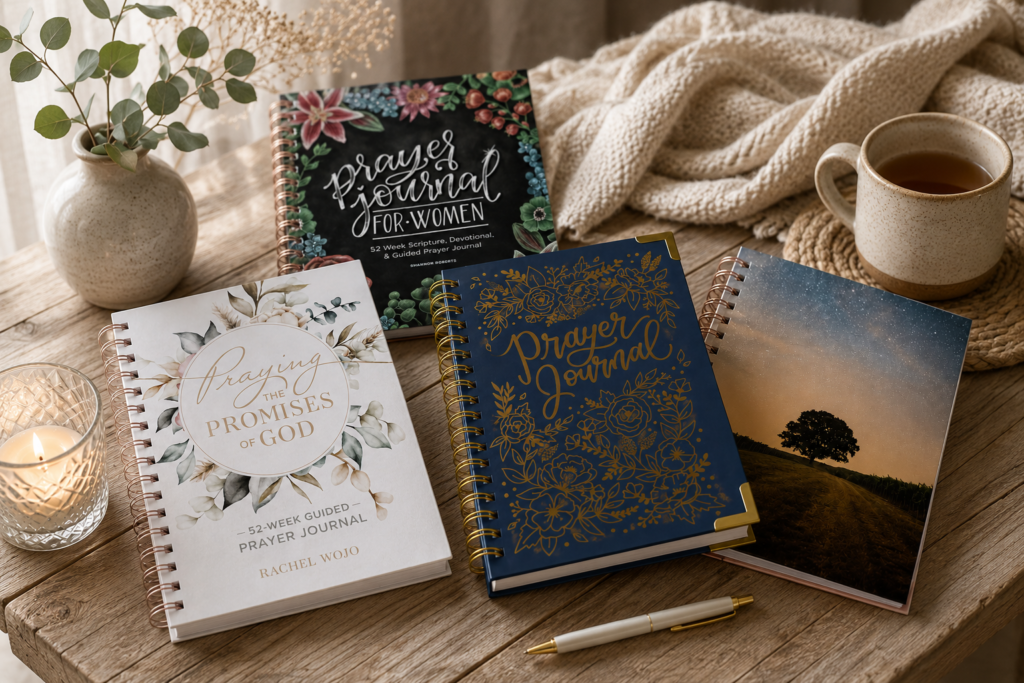
Use a simple journaling kit and Mildliner highlighters to mark insights, questions, and practical steps directly in your Bible and a notebook.
Layer in a daily devotional like New Morning Mercies or My Utmost for His Highest when you are ready for an extra touchpoint.
As you do this, expect growth to feel gradual rather than dramatic. Pay attention to small shifts: a bit more patience here, a softer response there, a clearer sense of God’s presence in ordinary moments.
That is the beautiful work of becoming, and these tools simply help you stay available and responsive as God continues to shape you.
Frequently Asked Questions About Resources for Becoming
What should I start with if I am a newer Christian or returning after a long gap?
Community recommendations often suggest pairing a clear Bible translation with one or two simple, trustworthy books. For a starting combination, use a growth-oriented study Bible in a readable translation, such as the NLT Spiritual Growth Bible or NLT Life Application Study Bible.
Add one accessible book that explains the basics of following Jesus, such as Knowing God or Mere Christianity.
This mix gives you direct access to Scripture with notes that guide you, while also building a solid foundation of what Christians believe and how those beliefs shape daily life.
How do I avoid becoming more focused on books than on the Bible itself?
Trusted pastors and seminary lists often stress that the Bible is the foundation and other books are servants to help you understand and apply it. To keep that priority clear, make Scripture your non-negotiable daily or regular practice.
Treat Christian books as guides or companions, not replacements.
Use commentaries, dictionaries, and charts to clarify what you read rather than to replace reading the text itself. When you feel pulled toward constant reading of new titles without much Bible engagement, gently reset by spending a stretch of time with one book of the Bible and using your tools to look further there.
Which resources are best if I want to focus on emotional and relational growth, not just theology?
Many believers have found Emotionally Healthy Spirituality life-giving because it directly tackles emotional patterns, family history, and relational habits that hinder spiritual maturity. Pairing it with a daily devotional like New Morning Mercies keeps grace central while you face harder emotional truths.
A book such as Gentle and Lowly helps you experience Christ’s tenderness as you bring these areas into the light.
This combination respects both the inner emotional world and the outer relational patterns, while grounding you in Bible-shaped truth and hope.
How can I use commentaries and reference tools without getting overwhelmed?
Wiersbe’s commentary set and tools like the Tyndale Bible Dictionary or Rose Book of Charts are designed for non-specialists. A simple way to use them: read a passage of the Bible first, slowly and prayerfully.
Then glance at a short commentary section to clarify confusing phrases or context.
Use the dictionary or charts only when a specific term, place, or timeline feels unclear. Limit yourself to a few minutes of reference checking so that you stay in the text and avoid turning study into a purely academic exercise.
The goal is understanding that leads to obedience and worship, not information for its own sake.
What if I feel stuck or dry even after using good resources?
Many mature Christians report seasons of dryness where spiritual practices feel routine. In those moments, it can help to shift focus from doing more to re-centering on God himself with a book like The Pursuit of God or Gentle and Lowly.
Simplify your rhythm to one core practice, such as slow reading of the Psalms with brief journaling, instead of adding more activities.
Invite one trusted person to walk with you, perhaps reading the same book or Bible plan and sharing reflections together. Often the sense of becoming returns when you rediscover God’s nearness and kindness, rather than when you manage to perfect your routine.
Are there specific books that Christian communities often recommend for ongoing spiritual growth?
Lists compiled by seminaries, pastors, and Christian ministries consistently highlight a cluster of titles as especially helpful for long-term formation. These include Conformed to His Image and Spiritual Disciplines for the Christian Life for structured growth and practices.
Knowing God and Mere Christianity provide theological depth and clarity.
The Pursuit of God deepens devotion and surrender. Gentle and Lowly and Emotionally Healthy Spirituality offer heart-level understanding of grace and emotional maturity.
When you see these titles repeated across different trusted sources, it is usually a sign that they have helped many people and are worth careful, slow reading.
Can Bible journaling really make a difference in spiritual growth?
Bible journaling creates space for you to slow down and engage with Scripture in a more personal and reflective way. When you highlight a verse, write a question in the margin, or sketch a simple illustration, you are processing the text at a deeper level than passive reading alone.
Many people find that the act of writing helps them remember what God is teaching them and makes it easier to return to specific passages later.
The creative element also makes Bible reading feel less like a duty and more like a conversation. You do not need artistic skill or expensive supplies.
A simple highlighter and a pen are enough to start marking what stands out to you and noting how you want to respond.
Find out our Recommended Products to Honor Your Spiritual Milestones as a Christian Woman in Midlife; visit: https://illuminatedresources.com/products-to-honor-your-spiritual-milestones-as-a-christian-woman-in-midlife/