From books to planners, these tools help you manage your time, money, and gifts for God’s glory.
Biblical stewardship covers more ground than most people think. It includes how you handle money, but it also touches your time, relationships, home, body, and the gifts God has given you.
Products designed to support Christian stewardship range from detailed budget planners with Scripture verses to devotionals that reshape how you think about possessions, generosity books that challenge your giving habits, and journals that help you reflect on daily decisions.
The main differences come down to focus area and format. Some resources zero in exclusively on finances and debt reduction.
Others take a broader view and address how you use talents, manage your household, or teach kids about money from a biblical perspective.
You’ll find physical planners for people who prefer pen and paper, books available in print or Kindle format, and even creative journals for children. Notable features include integrated Scripture readings, reflection prompts tied to real-life decisions, step-by-step action plans, and tools that connect everyday choices to eternal impact.
How to make your faith practical with stewardship products
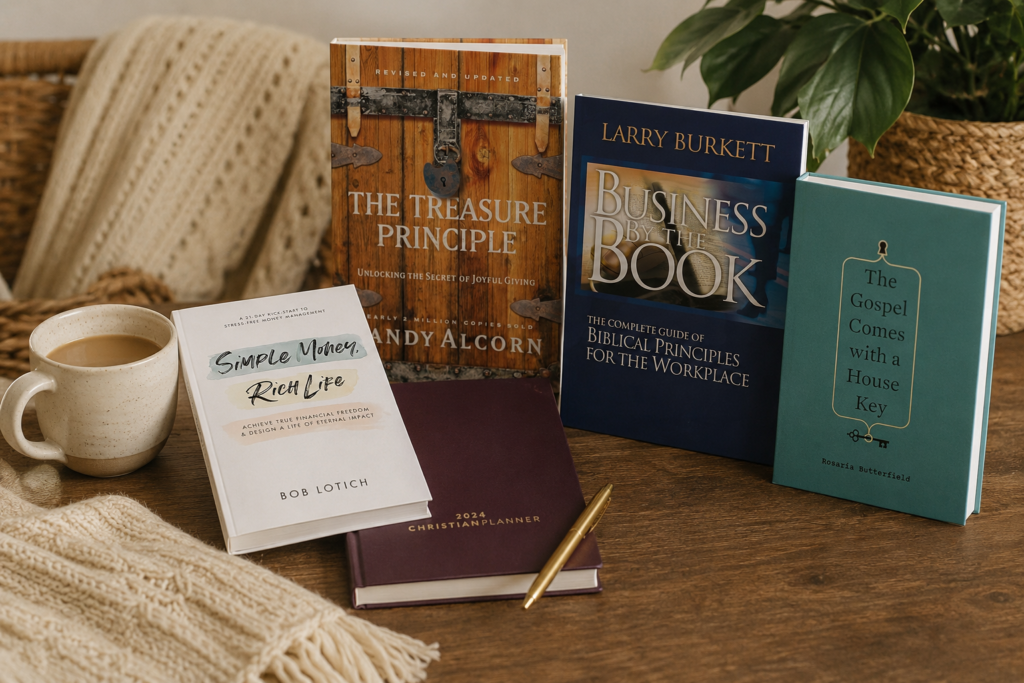
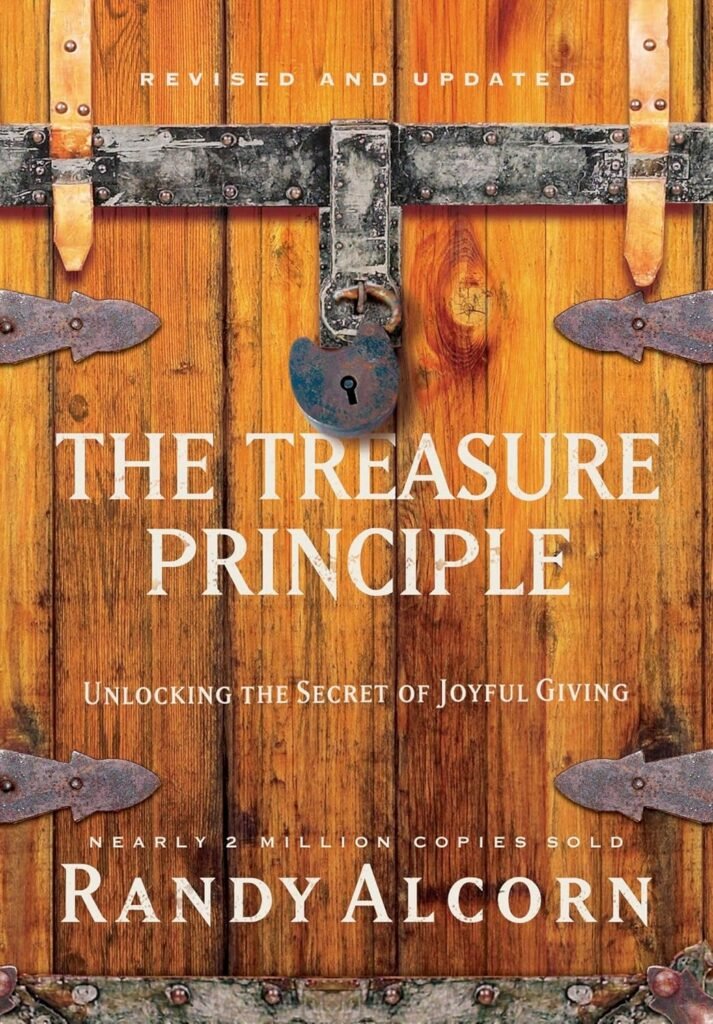
1. The Treasure Principle: Unlocking the Secret of Joyful Giving
Randy Alcorn wrote this short book to flip your perspective on money and possessions. Instead of clinging to temporary wealth, the book shows how investing in eternal treasures through generosity brings real joy.
It’s a quick read that packs a punch, and many readers say it changed how they view their bank accounts and belongings.
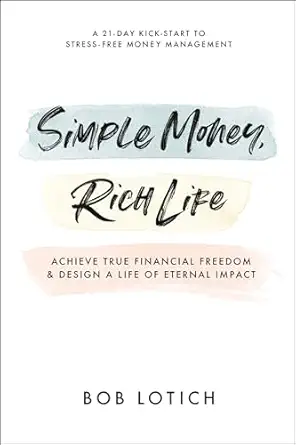
2. Simple Money, Rich Life: Achieve True Financial Freedom And Design A Life Of Eternal Impact
Bob Lotich combines biblical principles with practical money management in a way that feels doable, even if you’ve made financial mistakes in the past. The book includes a 21-day kickstart plan to reduce money stress, clear action steps for budgeting and debt payoff, and a strong emphasis on generosity as part of your financial plan.
The tone is encouraging rather than preachy, which makes it easier to actually follow through.
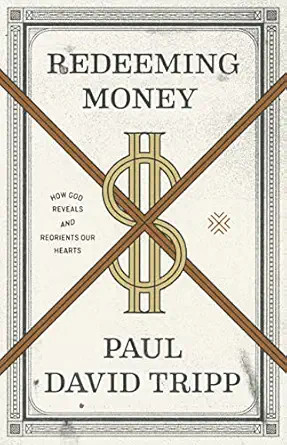
3. Redeeming Money: How God Reveals and Reorients Our Hearts
Paul David Tripp goes beneath the surface to examine what your financial decisions reveal about your heart. This book is less about budgeting mechanics and more about understanding why you spend, save, or give the way you do.
If you struggle with anxiety around money or find yourself making purchases to fill emotional gaps, this book addresses those deeper issues from a gospel perspective.
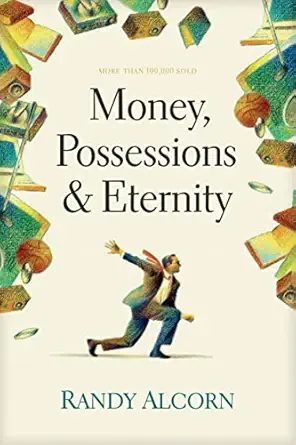
4. Money, Possessions, and Eternity
This is Randy Alcorn’s comprehensive guide to Christian financial thinking. It covers major topics like debt, saving, investing, giving, and how everyday money decisions connect to eternity.
At over 400 pages, it’s detailed and thorough, making it a strong choice if you want to build a solid biblical foundation for all financial matters.
5. Know Yourself, Know Your Money
Rachel Cruze helps you explore how family background, personality, and emotional triggers shape your spending and saving habits. Understanding your money tendencies makes it easier to work with them instead of against them.
This book pairs well with practical budgeting tools because it addresses the “why” behind your financial behavior.

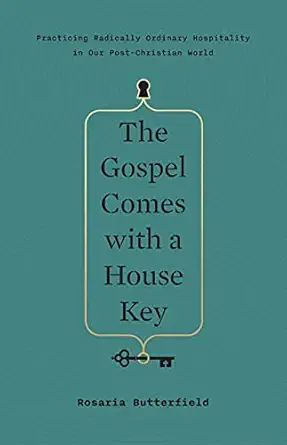
6. The Gospel Comes With a House Key: Practicing Radically Ordinary Hospitality
Rosaria Butterfield shows how opening your home in simple, consistent ways serves as an act of stewardship that advances the gospel. Hospitality is not about perfect decor or gourmet meals.
It’s about using your space to build community, love neighbors, and share Christ.
This book is practical and story-driven, offering real examples of what everyday hospitality looks like.
7. Christian Daily Planner
A faith-focused daily planner helps you steward your time by scheduling work, family, service, prayer, and rest in a balanced way. Look for planners with daily and weekly layouts, space for prayer requests and gratitude, goal-setting sections for spiritual growth and relationships, and encouraging Scripture.
These planners remind you that time is a gift to manage wisely.

8. The Genius of Generosity
Chip Ingram explores how generosity changes your heart and perspective on possessions. This short book is accessible and practical, helping you grow in giving without feeling pressured or guilty.
It’s a good read if you want to give more but aren’t sure how to start or if past experiences with church fundraising have left a bad taste.

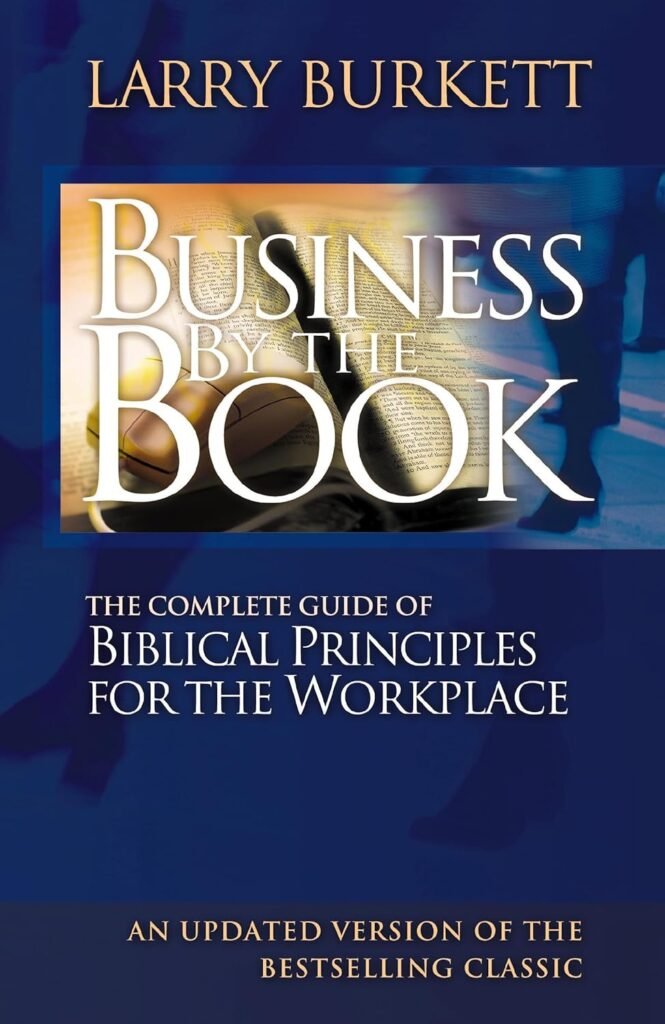
9. Business by the Book: The Complete Guide of Biblical Principles for the Workplace
Larry Burkett wrote this for business owners and leaders who want to apply biblical stewardship to their companies. It covers employee care, debt, leadership, and generosity in the workplace through practical principles and real stories.
If you lead a team or own a business, this book shows how faith shapes every business decision.
10. Christian Stewardship Journal
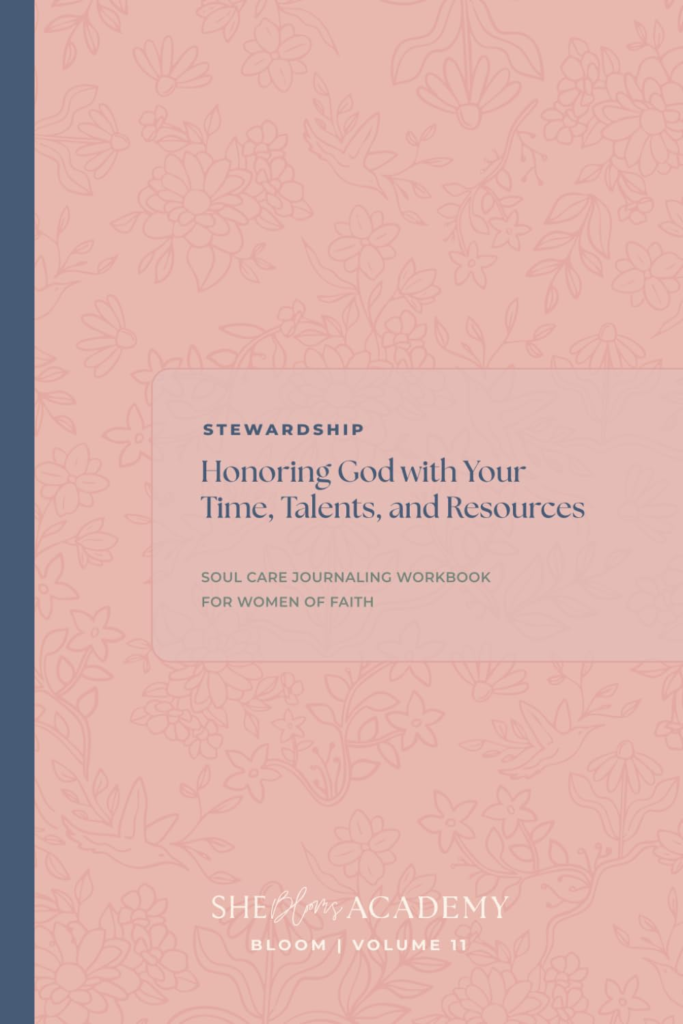
Journals focused on stewardship mix Scripture, reflection prompts, and writing space to help you think through how you use time, money, and talents each week. Features often include daily or weekly Bible readings, questions about spending and service, prayer space, and planning sections for next steps.
A journal gives you a place to process decisions and track growth over time.
My top pick and how to get started
Out of all these products, Simple Money, Rich Life by Bob Lotich stands out as the most practical starting point for everyday stewardship. The book combines strong biblical teaching with clear, step-by-step plans that work even if you feel overwhelmed or behind.
Lotich breaks down budgeting, debt payoff, saving, and giving into manageable pieces without making you feel guilty about past mistakes.
The 21-day kickstart plan gives you immediate momentum, and the focus on generosity keeps your heart in the right place throughout the process.
If you pick up this book, pair it with a Christian budget planner to track your progress as you work through each chapter. Use the planner to apply what you learn, and keep Scripture visible as you budget.
This combination gives you both the mindset shift and the practical tools you need to manage money as a faithful steward.
You can also add a faith-based daily planner to the mix if you want to tackle time management alongside finances. Stewardship covers more than money, and having a place to plan your days with prayer, service, and rest built in will help you live out the principles in a holistic way.
The best approach is to start small. Pick one book and one planner.
Read a chapter, complete the action steps, and give yourself time to build new habits before moving on.
Share your progress with a friend, spouse, or small group for accountability. Faithful stewardship is not about perfection.
It’s about steady growth in how you manage what God has entrusted to you.
Frequently asked questions
How do I choose which stewardship resource to start with?
Think about your biggest current need. If you struggle with heart-level issues around money like anxiety or comparison, start with Redeeming Money or Kingdom Stewardship. If you need practical steps to get your finances in order, go with Simple Money, Rich Life or a Christian budget planner.
If you want deep biblical teaching on money and eternity, pick up Money, Possessions, and Eternity.
Read descriptions and reviews on Amazon to find the tone and level of detail that fits you best.
Can these products really make a difference if I’m already struggling financially?
Faithful stewardship is about managing what you have, not about the size of your income. Even with a small or unstable income, you can track spending, prioritize basic needs, give modestly, and avoid unnecessary debt.
A simple budget planner helps you see where money goes, and books like Simple Money, Rich Life offer strategies that work in tight financial seasons.
The core attitude of trust, diligence, and gratitude matters more than the dollar amount.
How do I avoid turning these tools into legalism?
Biblical stewardship flows from gratitude for what Christ has done, not from trying to earn God’s favor. Tools like planners and books are helpful when they support a heart that wants to love God and serve others, not measure spiritual performance.
Start each planning session with a short prayer of thanks.
Use Scripture passages about grace alongside money verses. Remember that progress may be slow and that God’s mercy meets you in your weakness.
What if I buy these resources but never use them consistently?
Tie each product to a specific, simple rhythm. Read your stewardship book on the same day each week.
Use your budget planner at the same time each pay period.
Write in your journal for five minutes each evening. If a resource truly does not fit your current season, set it aside for later or pass it along to someone who would benefit more right now.
Faithful stewardship can include sharing tools that would bless others.
Do I need many books or just one?
Start with one main book and one planner. After you finish the book and use the planner for a few months, you’ll know whether you want more depth or a different angle.
One well-used resource is often more effective than many partially read ones.
Give yourself permission to go slow and absorb what you’re learning before adding more.
How can I involve my household in stewardship without causing conflict?
Share one short Scripture and one idea from a book during a calm moment. Invite input on budget or schedule decisions instead of announcing them alone.
Use kid-friendly resources like The Great Lemonade Stand Standoff or the All About Money journal with younger family members.
Set one shared goal together, such as paying off a small debt, hosting someone once a month, or giving a set amount to a ministry. Focus on collaboration and gradual change rather than sudden rules.
Are physical planners better than digital tools for stewardship?
Both work well, and the best choice depends on your preferences. Physical planners offer the benefit of writing by hand, which can help with memory and reflection.
They also keep Scripture visible on your desk or table.
Digital tools are portable and often include reminders and calculators. Some people use both, tracking daily tasks digitally while budgeting and reflecting on paper.
Try what feels natural and adjust as needed.
Find out our Recommended Devotionals to Deepen Your Daily Faith Walk; visit: https://illuminatedresources.com/best-devotionals-to-deepen-your-daily-faith-walk/