Practical tools to support Scripture meditation, rest, and purpose when life feels spiritually dry or physically exhausted.
Three big challenges that women in midlife face are spiritual dryness, physical exhaustion, and questioning their purpose after decades of serving others.
Most women are surprised to hear that tending to their own soul is not selfish but actually faithful discipleship. Or that they may be unconsciously neglecting simple, Christ-centered practices that could renew their peace and joy, while a slight shift toward intentional soul care can lead to deeper rest and clearer direction in this season.
But without practical tools and unhurried time with God, burnout and emptiness often follow.
Fortunately, there are realistic, God-honoring resources designed specifically for this stage of life, because caring for your soul is part of wise stewardship. These products support Scripture meditation, prayer, emotional processing, rest, and renewed purpose without chasing quick-fix fads that only distract momentarily.
What you need are tools that create gentle rhythms around your existing routines. The following list offers Bible-based products that help you slow down, listen to the Holy Spirit, and care for your whole self with God at the center.
These recommendations draw from biblical self-care principles and show how small, realistic additions to your day can bring steady, sustainable change during perimenopause, empty nest, career shifts, or caring for aging parents.
Products to Support Midlife Soul Care
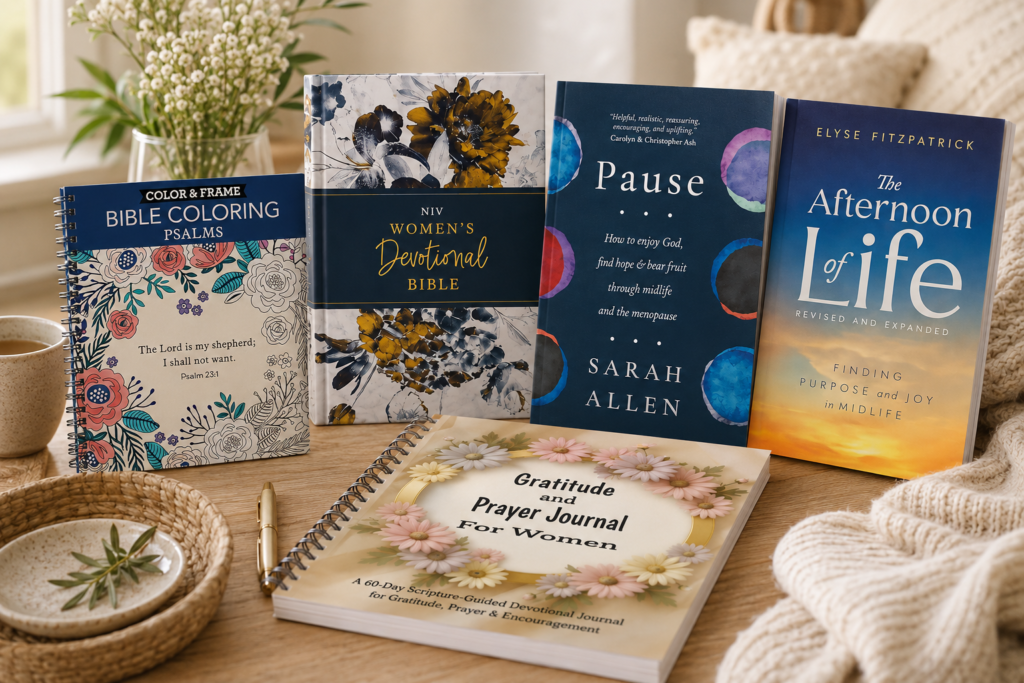
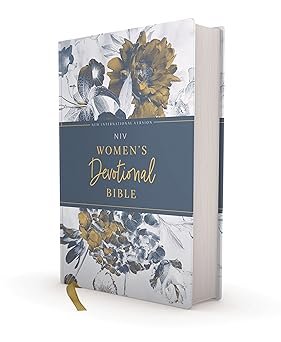
1. NIV Women’s Devotional Bible
A devotional study Bible combines Scripture with short, relatable devotions written specifically for women navigating real-life seasons like midlife transitions, identity shifts, and changing roles. This helps you move beyond quick verse-skimming into actually meeting God in the text each day.
The NIV Women’s Devotional Bible includes reading plans, journaling space, and topical indexes that support daily, unhurried time in the Word. Each devotion is written by a woman of faith who understands the unique challenges and questions that arise when you’re navigating this season.
The topical index makes it easy to find encouragement when you’re wrestling with specific issues like purpose, anxiety, or body image.
Total time to get started: Minutes once it arrives.
Why it works: Scripture stays central while the devotions help you apply truth to your specific midlife questions.
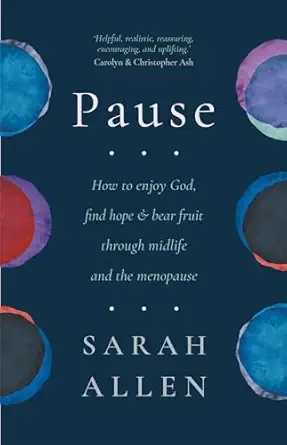
2. “Pause: How to Enjoy God, Find Hope & Bear Fruit through Midlife and the Menopause” by Sarah Allen
This book speaks directly into the intersection of midlife and menopause from a deeply Christian perspective. Sarah Allen helps you see this season not as the end of usefulness but as a time to deepen your dependence on Christ, reframe your purpose, and process physical changes with biblical hope.
Allen addresses hot flashes, brain fog, mood swings, and changing energy levels while pointing you back to God’s faithfulness throughout every stage of life. She combines medical information with spiritual wisdom, making it a rare resource that honors both body and soul.
Total time to read: A few weeks at a comfortable pace.
Why it works: It bridges the gap between physical symptoms and spiritual growth instead of treating them as separate issues.
3. “The Afternoon of Life: Finding Purpose and Joy in Midlife” by Elyse Fitzpatrick
This classic Christian book on midlife focuses squarely on helping you find purpose and joy when many of your lifelong roles and expectations are shifting or ending. Elyse Fitzpatrick addresses heart issues like comparison, regret, fear of irrelevance, and the temptation to measure yourself by what you’ve accomplished.
She points you back to Christ’s finished work rather than your own performance, which is exactly what most women in midlife need to hear. The book is pastoral, warm, and theologically rich without being academic.
Total time to read: Can be read straight through or one chapter at a time over several weeks.
Why it works: It reframes midlife from loss to opportunity by anchoring your identity in the Gospel.

4. Guided Christian Journal for Women (Prayer & Gratitude)
A guided journal with prompts for Scripture reflection, gratitude, and prayer asks gives you a tangible place to process with God and notice patterns over time. Journaling is consistently recommended in soul-care teaching because it slows your thoughts, helps you articulate what you’re feeling, and creates a record of God’s faithfulness.
Look for journals that include daily prompts like “verse of the day,” “today I’m grateful for…,” space to record prayers and answered prayers, and minimal, calm design that feels inviting rather than overwhelming.
Total time to get started: Just minutes each morning or evening.
Why it works: Writing by hand engages your brain differently than typing and helps you stay present with God instead of rushing through your quiet time.

5. Christian Adult Coloring Book with Scripture Verses
Adult coloring is a simple, physical way to slow down, breathe deeply, and meditate on truth without multitasking or screens. When each page includes a Bible verse, you’re hiding Scripture in your heart while your hands are busy creating something beautiful.
Choose coloring books with thicker pages and larger, less intricate designs if eyesight or hand comfort is changing with age. This is also a lovely activity to do with grandchildren or during a phone call with a friend.
Total time to enjoy: As little or as much as you want, 10 minutes to an hour.
Why it works: It engages your hands and creativity while giving your anxious thoughts a rest, all while focusing on truth.

6. Ultrasonic Essential Oil Diffuser
Creating an atmosphere of calm for your daily quiet time or weekly Sabbath rest can signal to your body that it’s safe to slow down. A quiet ultrasonic diffuser with gentle scents like lavender, frankincense, or chamomile can become part of your soul-care ritual.
Pair your diffuser with a short Scripture reading and journaling routine to build a daily rhythm your nervous system will begin to recognize. Over time, just turning on the diffuser can help you transition from the busyness of your day into restful presence with God.
Total time to set up: Just minutes.
Why it works: Scent is deeply tied to memory and emotion, making it a powerful tool to anchor new habits and calm your body.

7. Cooling Weighted Blanket
Perimenopause and midlife often bring sleep disruptions, night sweats, and increased anxiety. A light to medium-weighted blanket provides gentle pressure that helps many people feel calmer and fall asleep more easily.
Sleep is consistently mentioned in Christian soul-care resources as a key way to honor your body as God’s temple.
Choose a breathable, cooling fabric if you tend to run warm, and choose 10% of your body weight for the right level of gentle pressure. Use your weighted blanket during a short nightly routine of prayer, audio Scripture, or quiet reflection.
Total time to feel the benefit: Immediately, though sleep quality may improve over several nights.
Why it works: Physical comfort and rest are foundational to emotional and spiritual health, especially when hormones are shifting.

>>Available on Amazon<<
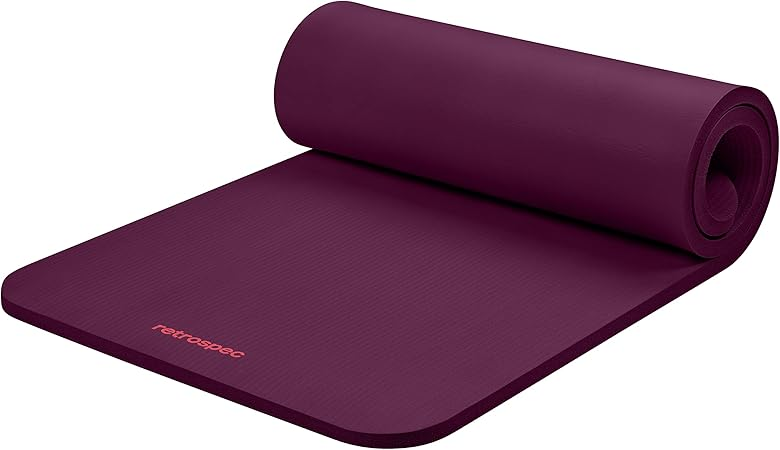
8. Extra Thick Yoga or Stretching Mat
Honoring your body through gentle movement, flexibility work, and strength training is part of biblical self-care, especially as you age. A non-slip, extra thick mat protects your knees and wrists during stretching, gentle yoga, or floor exercises.
You can use this mat for prayer walks in place, breath prayers while stretching, or following along with Christian stretching and movement videos. Movement helps regulate your nervous system, supports bone health, and can ease some of the joint pain or stiffness that comes with midlife.
Total time to use: 10 to 30 minutes several times a week.
Why it works: Caring for your body is an act of worship and stewardship, and movement helps you stay present in your body rather than disconnected from it.
9. Christian Planner or Faith-Based Planner
Intentional rhythms like daily solitude, weekly Sabbath, Scripture meditation, and life-giving relationships don’t just happen. They need planning.
A Christian planner that includes spiritual habit trackers, space to plan rest, and prompts for prayer and gratitude helps you translate good desires into actual rhythms.
Look for planners with sections for daily or weekly Bible reading, prayer lists, gratitude, and to-do lists that include built-in margin for rest and spontaneity. Some planners also include monthly reflection prompts to help you notice what God is doing over time.
Total time to set up: An hour or so to personalize it, then just minutes each day.
Why it works: What gets scheduled tends to actually happen, and a planner helps you build rhythms that sustain your soul instead of just managing tasks.

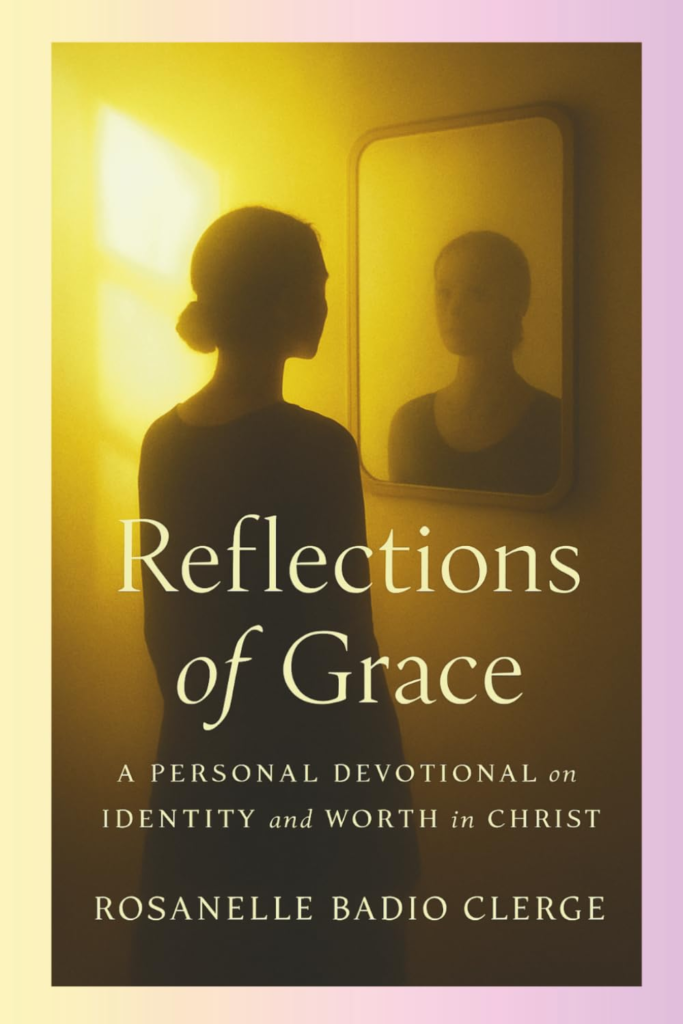
10. Devotional on Identity and Worth in Christ
Many women in midlife wrestle with questions about identity, usefulness, beauty, and worth when so many roles and expectations are changing. A devotional focused specifically on who you are in Christ helps you anchor your value in something far deeper than appearance, productivity, marital status, or how much your adult children need you.
Look for short daily readings that you can pair with your morning coffee or evening tea. Titles often include words like “Loved,” “Chosen,” “Daughter,” or “Beloved.”
Total time to read: 5 to 10 minutes daily.
Why it works: Repeated reminders of your identity in Christ reshape how you see yourself and help you resist the lies that your best years are behind you.
Frequently Asked Questions
Is soul care just trendy self-care rebranded for Christians?
Not exactly. Christian writers often make a clear distinction between trendy self-care and biblical soul care.
Trendy self-care tends to focus on pampering, escaping stress temporarily, or chasing experiences that feel good in the moment but leave you just as depleted afterward.
Soul care starts with your relationship with God and then moves outward into caring for your body, mind, and relationships as acts of stewardship rather than indulgence. That’s why most Christian soul-care resources emphasize prayer, Scripture, community, rest, and wise boundaries instead of only spa days or retail therapy.
How do I know if I’m experiencing a normal midlife transition or something more serious?
Midlife transitions often include a mix of spiritual, emotional, and physical symptoms. You might feel restless, question your purpose, grieve changes in your body or roles, or sense that you’re just going through the motions spiritually.
Perimenopause and hormonal shifts can add physical symptoms like fatigue, hot flashes, brain fog, anxiety, mood swings, and sleep problems.
If several of these sound familiar, you’re likely in a normal midlife transition rather than failing spiritually or emotionally. However, if symptoms are severe or persistent, it’s wise to talk with your doctor and perhaps a Christian counselor who understands this season.
What if I feel too busy to add soul-care habits to my life?
Most Christian soul-care resources are realistic about full, demanding lives. They recommend starting with small, consistent habits instead of trying to overhaul your entire routine.
You can begin with just five to 10 minutes a day of quiet time with God and slowly increase as it becomes natural.
Another strategy is to attach a new habit to something you already do, like reading a verse while you drink your morning coffee or praying while you walk the dog. Even taking a short walk without your phone once or twice a week to pray and breathe can make a significant difference.
The point is not achieving a perfect routine but creating a gentle rhythm that keeps you connected to God and aware of your own limits.
How should soul care look different in midlife compared to earlier years?
Midlife involves physical changes, shifting roles like empty nest or caring for aging parents, and often a sharper awareness of limitations and mortality. Soul care in this season usually puts more emphasis on rest and recovery because bodies change and energy levels often drop.
It also tends to focus more on processing grief, regret, or unprocessed pain through tools like journaling, counseling, or spiritual direction.
Midlife soul care often involves rediscovering purpose and exploring new dreams God may be planting for the second half of life, as well as investing in intergenerational relationships where you both receive and give mentoring. This is not about doing less spiritually but about walking in wisdom and gentleness with yourself in light of how God designed this particular stage.
Is it biblical to spend money on products for my own soul care?
The heart question is usually “why” rather than “what.” Using tools like a Bible, journal, or products that genuinely help you rest and meet with God can be a faithful way to steward your resources and your health. Problems tend to arise when spending becomes a form of escape, when it feeds comparison or vanity, or when you’re avoiding deeper issues by buying things.
Many Christian teachers urge believers to decline quick-fix programs or products that promise instant transformation and instead choose slower, God-centered ways of caring for themselves.
Pray about purchases, ask whether a product will genuinely help you seek God more easily, and check your motives honestly.
What if I try these new rhythms and still feel spiritually dry?
Spiritual dryness in midlife is not unusual and does not mean God has left you or that you’re failing. Many Christian voices encourage continuing basic rhythms like Scripture reading, prayer, worship, and community even when you feel little emotionally.
Spiritual disciplines are for when they feel good.
It’s also wise to talk honestly with a trusted friend, mentor, or counselor about what you’re experiencing. Additionally, make sure physical factors like sleep deprivation, hormonal changes, depression, or anxiety are addressed with suitable medical help, since body and soul deeply affect each other.
Soul care is a long, gentle journey rather than a quick fix, and these tools are simply supports that help you keep showing up before the God who already knows and loves you in this midlife chapter.
Can I use these tools if I’m not going through a crisis but just feel tired and stuck?
Absolutely. You don’t need to be in crisis to benefit from intentional soul care.
Many women in midlife simply feel weary, a bit lost, or like they’re running on autopilot without any major trauma or disaster.
These tools are designed for everyday faithfulness, not just emergency interventions. Building small rhythms of rest, Scripture meditation, journaling, and physical care can bring renewed energy and clarity even when nothing is dramatically wrong.
Sometimes the quiet, steady practices prevent bigger problems from developing and help you thrive rather than just survive this season.
Find out our Recommended Reflective Reads for Christian Women in Midlife Soul-Searching; visit: https://illuminatedresources.com/10-reflective-reads-for-christian-women-in-midlife-soul-searching/