Most people chase contentment by trying to change their circumstances. You might even find yourself scrolling through social media comparing your life to others when you should be anchoring your heart in what God has already provided.
To cultivate lasting contentment effectively, you need to fill your mind with Scripture-saturated truth, then create simple daily rhythms that point you back to Christ while avoiding the trap of waiting for your season to change before you can finally feel at peace.
Heres a real example. If you wake up feeling disappointed with where you are in life and that familiar restlessness creeps in, your response matters.
Don’t respond with, “I just need to wait until things get better” or “Maybe the next season will be different.” This approach keeps your joy dependent on shifting circumstances instead of on Christ Himself.
Avoid saying, “I should just be grateful and stop complaining.” This comes across as dismissive of real struggles, and feels like you are bypassing honest emotion rather than bringing it to God.
Instead, try something like opening your Bible to a passage on Gods faithfulness, writing three specific things you are grateful for today, and praying honestly about your discontent while remembering who God is. This approach will retrain your heart to look up instead of only looking around because you are actively countering cultural lies with gospel truth.
You’ll notice your perspective shifts more quickly until you catch yourself returning to peace faster after disappointments, or you find yourself less triggered by what others have and more steady in trusting Gods goodness to you.
This simple practice gives you a starting point. I recommend pairing Scripture-rich resources with small daily habits regularly because it will improve not just how you feel, but how deeply your soul rests in Christ through every season.
The Christian products below are not quick fixes. They are thoughtful companions that consistently redirect your gaze toward Jesus, Gods character, and the sufficiency of the gospel when circumstances feel hard or your heart feels restless.
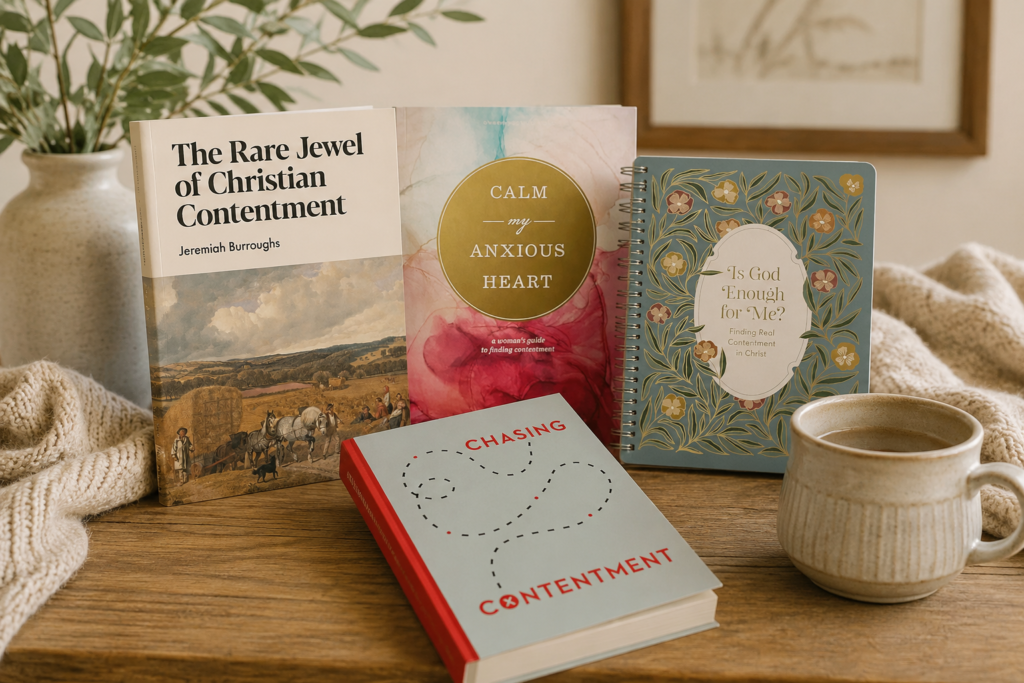
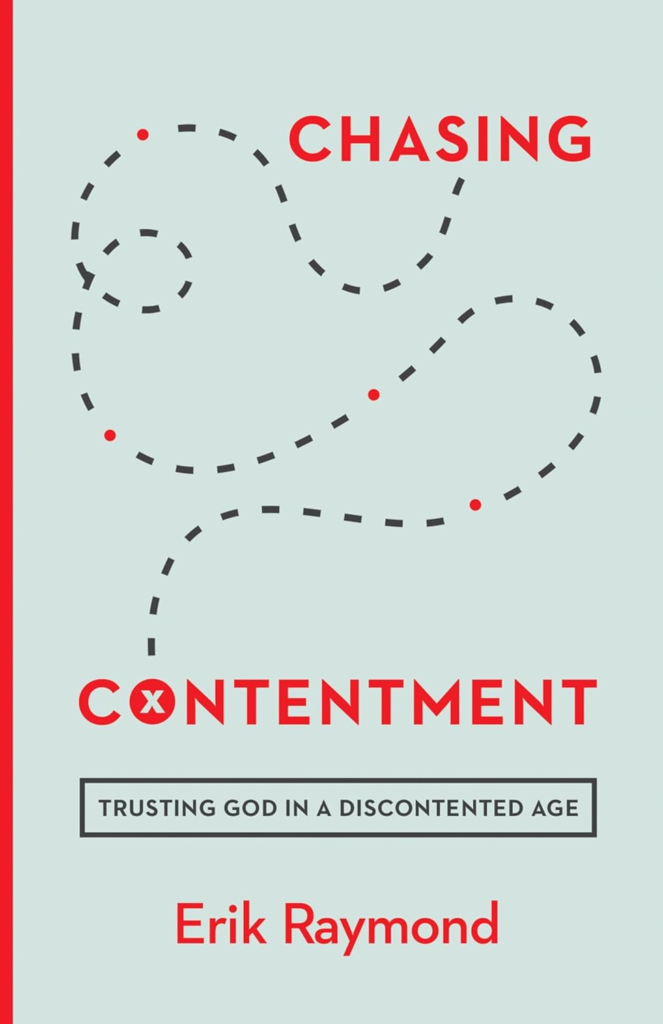
1. Chasing Contentment: Trusting God in a Discontented Age by Erik Raymond
This book offers a clear biblical framework for understanding contentment as “an inward, gracious, quiet spirit that joyfully rests in Gods providence.” Raymond walks through why our culture makes contentment feel nearly impossible and how to pursue it by feasting on Christ instead of stuff or status. The writing is modern, accessible, and gospel-centered, making it an excellent starting point for anyone feeling chronically unsatisfied even when life looks fine on the outside.
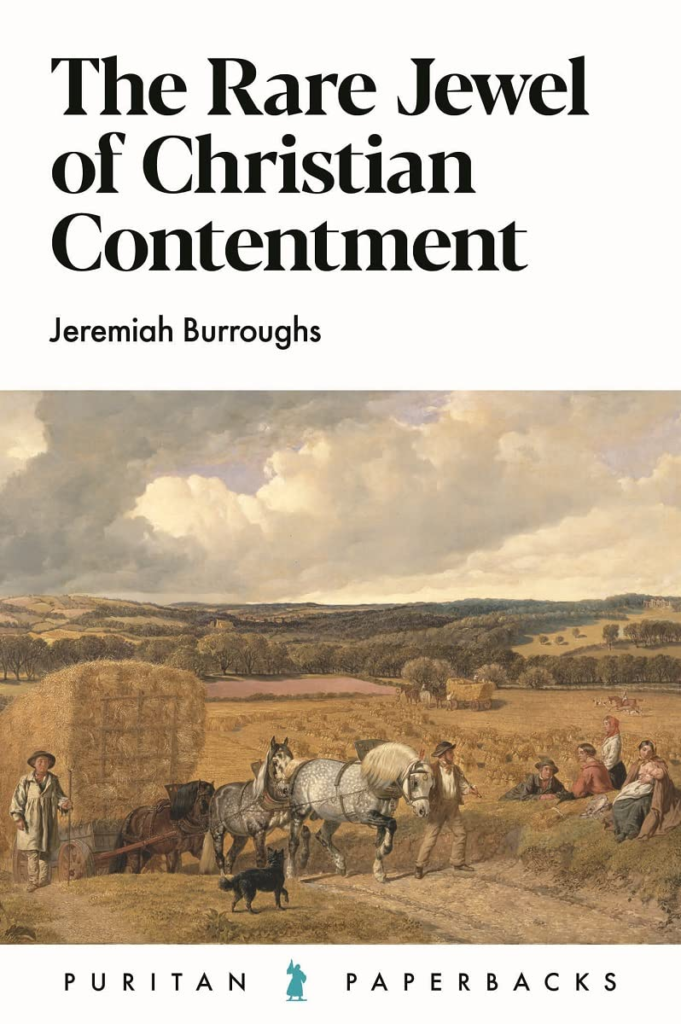
2. The Rare Jewel of Christian Contentment by Jeremiah Burroughs
Widely considered one of the best books ever written on contentment, this Puritan classic digs deep into the spiritual roots of discontent and offers rich, biblical remedies. The language is older and needs slower reading, but the truths are profound and intensely practical.
Burroughs unpacks what it means to rest in Gods sovereignty in a way that will challenge and transform how you view both blessings and trials.
3. Is God Enough for Me? Real Contentment in Christ (Daily Grace Co. 5-Week Study)
This focused Bible study is designed specifically around the question of contentment and the sufficiency of Christ. Over five weeks, you work through Scripture-rich lessons, reflection questions, and practical application that connect your discontent, fears, and longings directly to Jesus.
The study format makes it ideal for personal quiet times or small groups and keeps you grounded in the Word rather than just inspirational thoughts.

4. The Secret of Contentment by William B. Barcley
Drawing heavily on Puritan wisdom from writers like Burroughs and Watson, this book repackages deep theological insights in clear, accessible language. Barcley unpacks Philippians 4 and other key passages to show that contentment is learned through both Scripture and experience.
This is solid theology with practical steps, especially helpful for understanding how God uses circumstances to teach your heart to rest in Him.

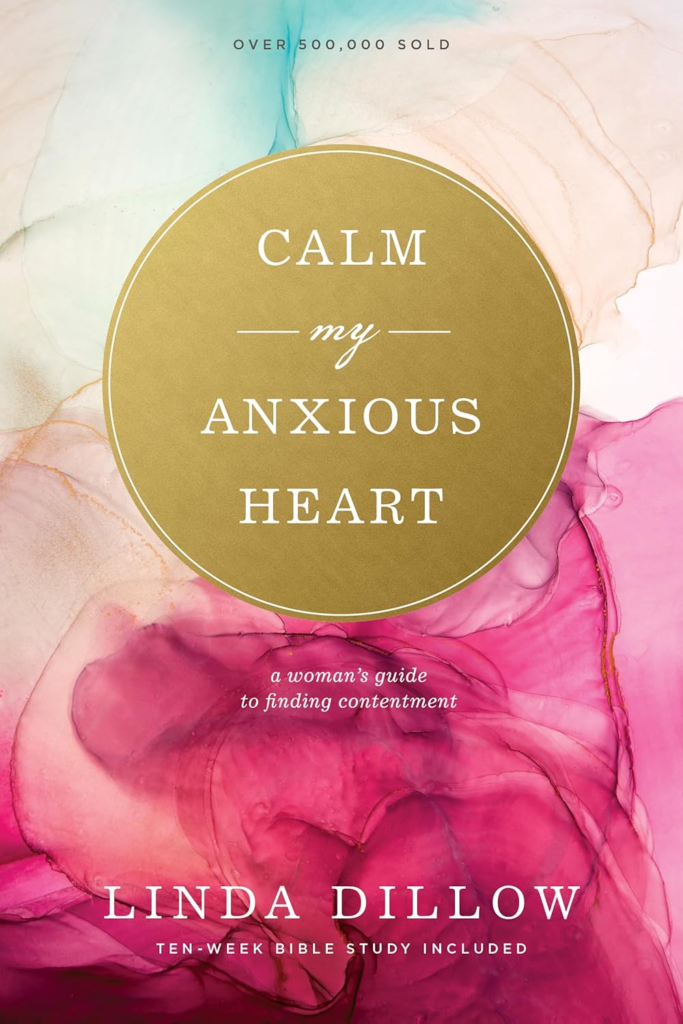
5. Calm My Anxious Heart: A Womans Guide to Finding Contentment by Linda Dillow
This devotional-style book connects anxiety, unmet expectations, and the need to surrender control to God. Dillow combines biblical teaching with personal stories and reflection questions that help you trust Gods sovereignty over your “portion” in life.
While written for women, the principles apply broadly.
If worry and overthinking constantly sabotage your peace, this gentle, practical guide will meet you where you are.
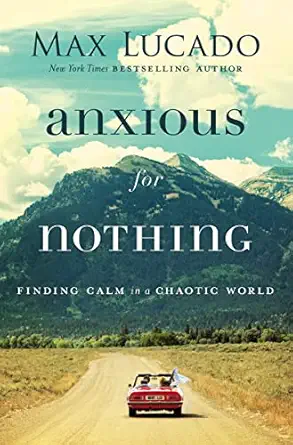
6. Anxious for Nothing: Finding Calm in a Chaotic World by Max Lucado
Max Lucado walks through Philippians 4 and offers simple, memorable steps for replacing anxiety with trust through prayer, thanksgiving, and remembering Gods nearness. While not exclusively about contentment, this book directly addresses the fear and “what ifs” that block peace.
Lucados warm, conversational tone and clear application make this especially helpful during high-stress seasons when your mind feels chaotic.
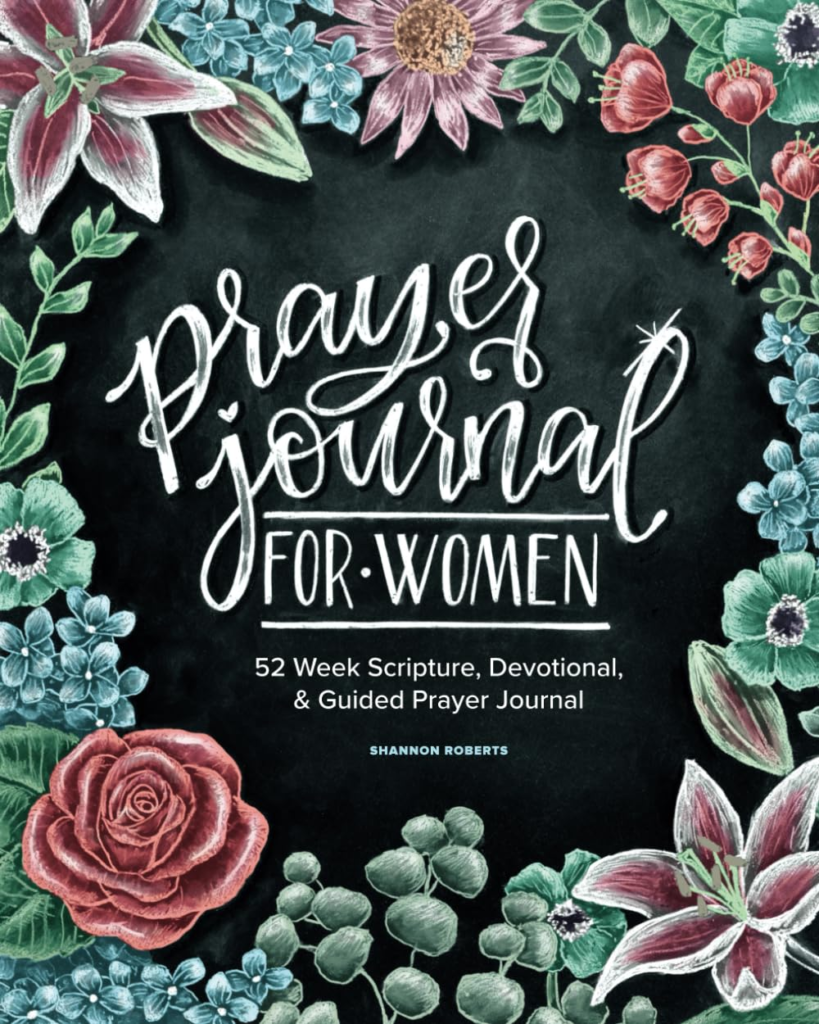
7. A Christian Gratitude and Prayer Journal (Guided)
A guided gratitude journal with daily prompts, Scripture verses, and space for prayer helps you build a habit of thanksgiving. Gratitude is one of the most powerful practices for cultivating contentment because it shifts your focus from what you lack to what God has already given.
This becomes a five-minute daily habit that quietly rewires your perspective over weeks and months.
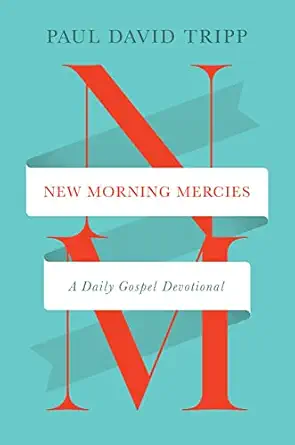
8. New Morning Mercies: A Daily Gospel Devotional by Paul David Tripp
These short daily readings consistently pull your gaze away from yourself and back toward the gospel, grace, and Gods sovereignty. Tripp writes with honesty and theological depth, offering steady reminders that your identity and satisfaction are found in Christ alone.
If you want a daily drip of gospel-centered encouragement that keeps re-centering your heart on Jesus, this devotional is an excellent companion through any season.
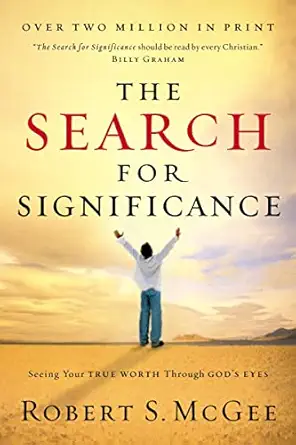
9. The Search for Significance by Robert McGee
Contentment is often blocked by shame, self-doubt, or trying to prove your value through performance. This book confronts the lies that fuel insecurity and points to your identity in Christ as the true source of worth.
As your view of yourself aligns more with Scripture, contentment becomes more realistic because you are no longer striving to earn what God has already freely given you.
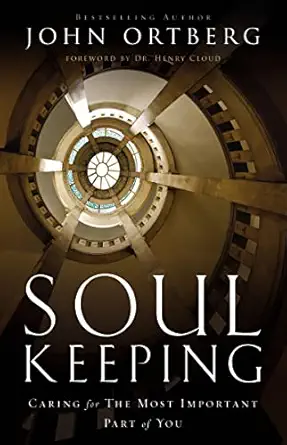
10. Soul Keeping: Caring for the Most Important Part of You by John Ortberg
Ortberg explores the health of the soul in a restless, achievement-driven world where many people are starved for true satisfaction. This book helps you pay attention to your inner life, where contentment actually grows, instead of only managing the outer life of tasks and appearances.
If you long for depth, unhurriedness, and a healthier relationship with God beneath the busyness, this is a thoughtful guide.
My Top Recommendation and How to Start
If I had to pick one primary resource from this list to start with, it would be Chasing Contentment: Trusting God in a Discontented Age by Erik Raymond. This book stands out because it offers a clear biblical definition of contentment that aligns with Scripture, explains why our culture makes contentment feel so elusive, and consistently directs you to feast on Christ instead of circumstances.
The writing is accessible and gospel-centered, making it an ideal entry point.
To respond to your current season instead of drifting through it, start with this simple plan. Order Chasing Contentment on Amazon US and pair it with a Christian gratitude and prayer journal.
Commit to 20 to 30 minutes a day, four or five days a week.
Read a short section of the book, write down three things you are grateful for that day, note one truth about God you want to remember, and pray honestly about one area of discontent.
Give this rhythm four to six weeks. Over that time, expect slow but meaningful changes.
You will likely notice a bit more peace in the middle of the same job, the same home, the same unresolved questions, because your heart is learning to rest more in who God is than in what happens next.
As you continue, you can add a focused study like Is God Enough for Me? Or a deeper classic like The Rare Jewel of Christian Contentment when you are ready for more.
Remember that contentment is learned over time in the “divine school” of Gods teaching. These resources are not magic fixes.
They are faithful companions that keep pointing you back to Christ, Scripture, and a life of quiet trust through every season.
Frequently Asked Questions
What does Christian contentment actually mean in everyday life?
Biblical contentment is not passive resignation or pretending life is easy. It is an inward trust in Gods sovereignty and goodness that produces the fruit of joy, peace, and thanksgiving regardless of outward circumstances.
Practically, this looks like returning to God in prayer instead of spiraling in worry, choosing gratitude for what God has provided even as you bring Him your honest wants and laments, and holding plans loosely while holding tightly to Christ.
You can still make wise changes, set goals, and grieve real losses. Contentment changes how you walk through all of that, not whether it happens.
How can I tell the difference between godly discontent and sinful discontent?
Scripture recognizes a tension. There is a good longing for holiness, justice, and growth, and there is also a restless discontent that flows from unbelief, comparison, or idolatry.
Godly discontent leads you to repentance, deeper dependence on God, and action that aligns with Scripture.
It comes with humility and willingness to wait on Gods timing. Sinful discontent centers on envy, self-pity, or entitlement.
It often compares your life to others and questions Gods goodness.
Books like Chasing Contentment and Trusting God help you sort these motives out gently but clearly.
Can Christian contentment coexist with mental health struggles like anxiety or depression?
Yes. Christian contentment is not the absence of emotional struggle.
It is learning to find peace in God while walking through those struggles.
Mental health challenges are not automatic signs of weak faith. Practices like daily prayer, Scripture meditation, worship, gratitude, and healthy rest support both emotional and spiritual health.
Wise help from counselors, doctors, or support groups can be an expression of trusting Gods provision, not a lack of trust.
Resources like Anxious for Nothing, Calm My Anxious Heart, and The Search for Significance can be helpful companions alongside professional support.
How long does it usually take to feel more content after starting these practices?
Contentment is something we learn over time in the divine school of Gods teaching and providence. It rarely appears overnight.
If you consistently engage Scripture with an open heart, practice gratitude, pray honestly, and use tools like a good book or journal, you may notice small changes within a few weeks.
You might catch yourself recovering from disappointment more quickly, comparing yourself to others less often, or feeling a little more peace in familiar stressors. Deeper patterns often take months or years as God patiently shapes your heart through both easy and hard seasons.
The slow pace does not mean nothing is happening.
It usually means God is working at the root level.
How do I use a book like The Rare Jewel of Christian Contentment without getting overwhelmed?
Older works can feel dense. Read one short section at a time, not whole chapters in one sitting.
Keep a notebook or use margin space to write down one sentence that stands out, one question you have, and one prayer that flows from what you read.
Pair it with a more modern companion like The Secret of Contentment or Chasing Contentment so you have both depth and clarity. See it as long-term training, not a book to speed through.
Many believers still recommend Burroughs precisely because his slow, detailed insights continue to reshape hearts centuries later.
What should I do on days when I feel nothing and do not even want to open my Bible?
Those days are common. Be honest with God and tell Him exactly how you feel, even if it is numb, angry, or tired. Keep it simple.
You might only read one verse, write one line in your journal, or pray, “Lord, please hold me today.” Borrow structure by using a devotional like New Morning Mercies or a Scripture card so you are not starting from scratch.
Ask for help by reaching out to a trusted friend, small group leader, pastor, or counselor when these days string together and feel heavy. Contentment grows in the soil of honest dependence, not in pretending you are fine.
How do I stay content while still planning for the future and making wise changes?
Christian contentment does not cancel wise planning. It changes the heart posture behind your plans.
Plan with diligence and stewardship, but hold outcomes loosely.
Rehearse truths like: God is sovereign and good, His timing is wise, and His presence is your ultimate good, not the success of the plan. Books like Trusting God, Soul Keeping, and Live No Lies can help you keep that posture as you move through seasons of decision and change.
You are free to work hard and make plans, but your peace rests in God, not in how those plans unfold.
Find out our Recommended Christian Gratitude Journals; visit: https://illuminatedresources.com/top-christian-gratitude-journals/