
Smart tools and biblical guidance to help you spend intentionally, save consistently, and honor God with your money.
Different budget attempts tend to start with excitement and good intentions. For instance, if you decided last Sunday to finally get your spending under control, you might have felt motivated and hopeful.
You printed out a budget template, grabbed a pen, and told yourself this time would be different.
A few days later, however, the motivation fades and your old spending patterns creep back in. The cart at Target somehow fills up. The late-night Amazon browsing returns.
When the credit card bill arrives, you might notice your frustration and shame rising again about never making progress.
Trying another strict budget seems like the answer because you want to feel in control. But restriction alone cannot address the heart issues, comparison traps, and practical challenges you face at this stage of life, of course.
White-knuckling through deprivation is especially not the best strategy when your energy is already stretched thin by aging parents, launching kids, and hormone shifts.
Your financial habits are often a knee-jerk reaction to stress, exhaustion, or the belief that you deserve a treat. Why does clicking “add to cart” give you temporary relief while sitting with your actual budget feels overwhelming and shameless?
Just like how we build strength through consistent small steps as opposed to extreme overhauls, frugal Christian living works best when you mix practical tools with spiritual grounding and grace for the process.
The products and resources below offer that combination. Some help you track money, others reduce household costs, and a few keep you anchored in Scripture so your frugality flows from faith as opposed to fear.
Budget Planning & Money Management Tools
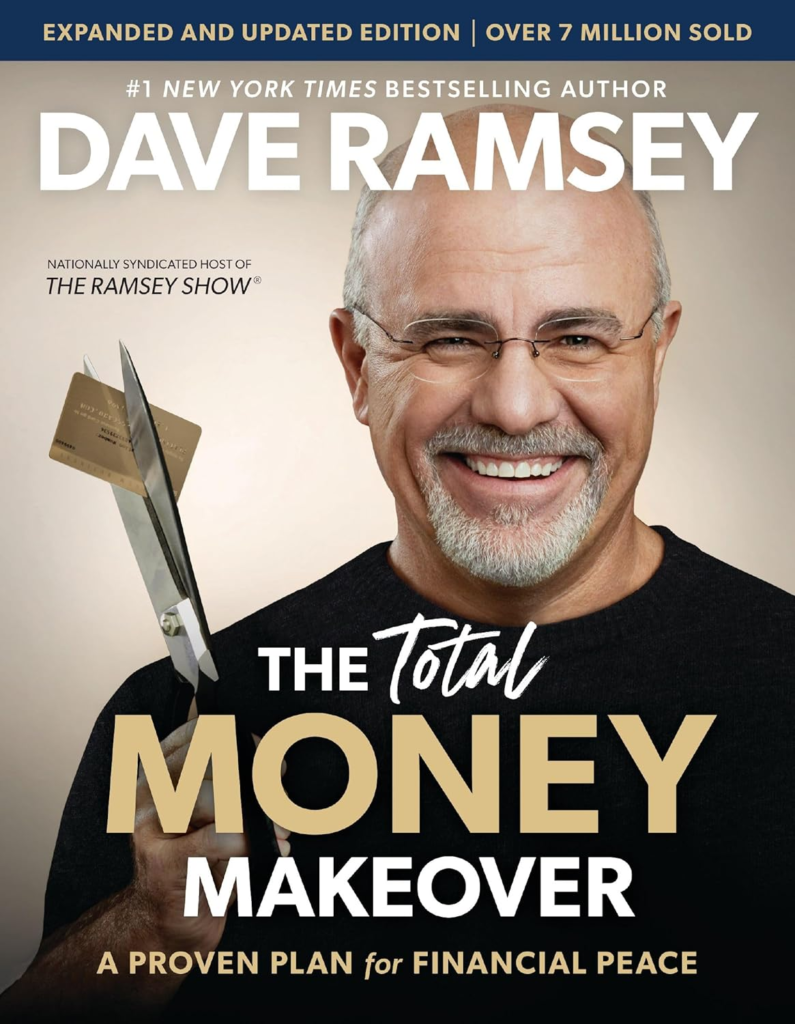
1. The Total Money Makeover by Dave Ramsey (Book)
This straightforward book walks you through seven baby steps to get out of debt and build wealth. Ramsey uses a no-nonsense approach that resonates with people who need clear action steps as opposed to theory.
The debt snowball method he teaches has helped millions pay off credit cards, car loans, and student debt by focusing on small wins first.
While his tone can feel intense, many readers say the direct style gave them the push they needed to stop making excuses and start changing their financial trajectory.
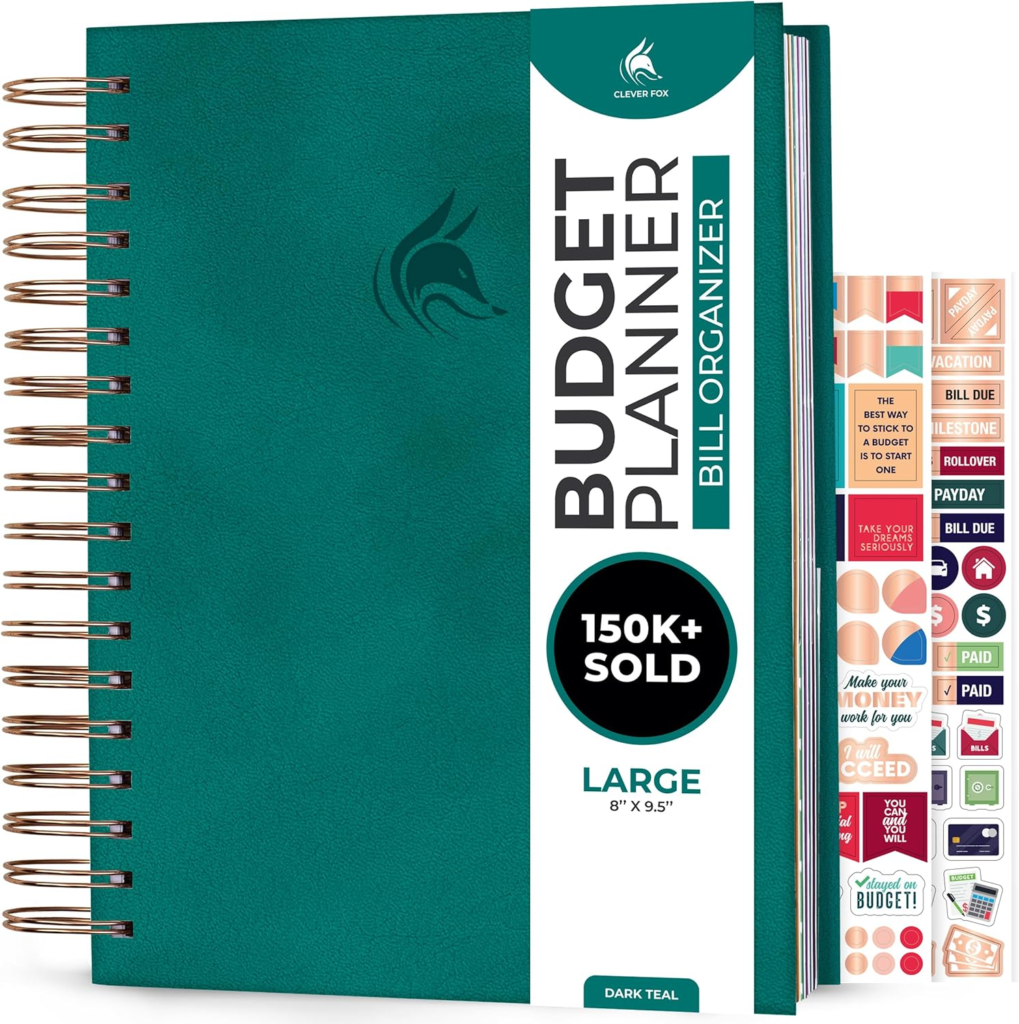
2. Clever Fox Budget Planner
The Clever Fox Budget Planner is a physical, undated notebook with monthly layouts, expense trackers, savings goals, and debt payoff pages. Many users appreciate that it prompts you to set monthly goals and reflect on wins without requiring apps or spreadsheets.
If you prefer writing by hand and want something you can keep in your purse to review during lunch breaks or quiet mornings, this planner provides structure without overwhelm.
3. Cash Envelope Wallet System (A6 Size)
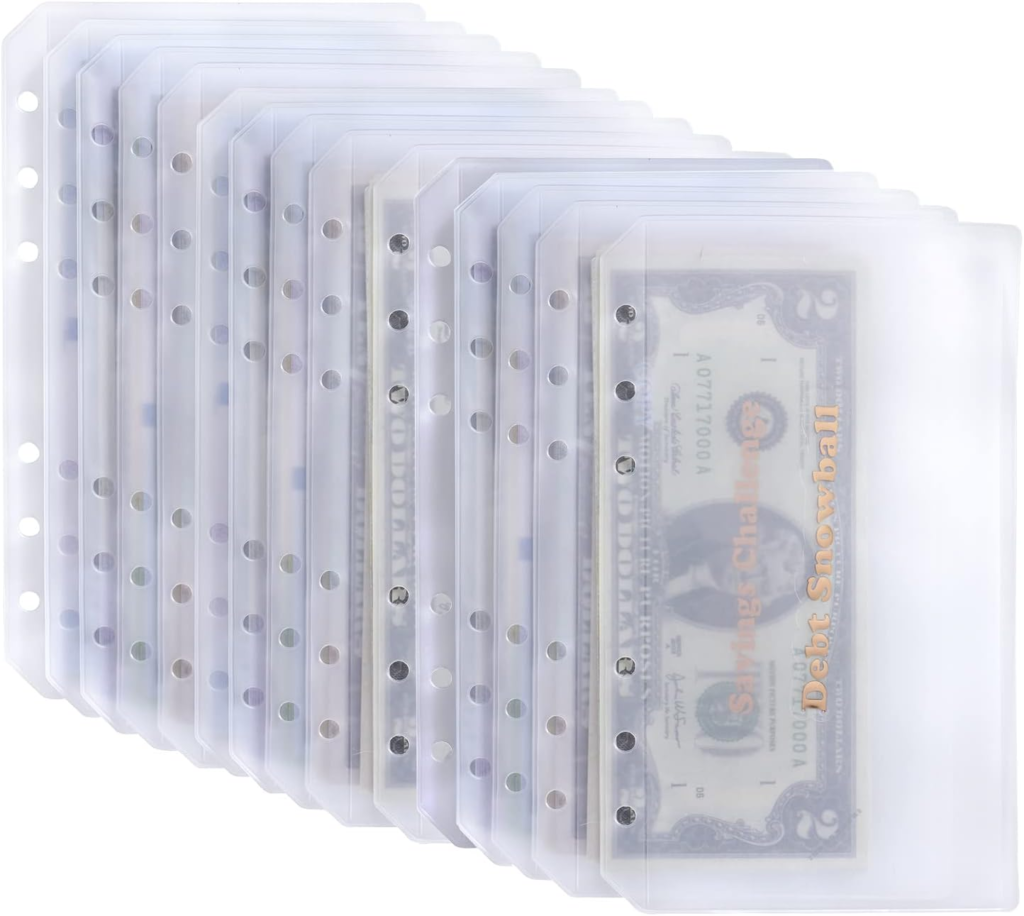
This system makes overspending much harder because you can physically see the money leaving each envelope.
By midlife, spending patterns run deep.
Using cash creates a tangible boundary that app notifications cannot match. Many people report that the envelope system reduces impulse purchases more effectively than any digital tracker.
4. God and Money by Greg Baumer & John Cortines
This book offers a thoughtful, Scripture-centered look at wealth, generosity, lifestyle, and long-term financial decisions. Rather than focusing solely on tactics like coupon clipping, the authors explore what the Bible actually teaches about money and how to align your financial choices with kingdom values.
If you want your frugality to feel like worship and stewardship as opposed to just survival, this book provides the biblical foundation many other resources skip.

Kitchen & Food Savings
5. Good and Cheap: Eat Well on $4/Day (Cookbook)
This cookbook was designed to show that you can prepare tasty, nutritious meals on a tight budget. Recipes focus on beans, rice, seasonal vegetables, and pantry staples.
While not specifically Christian, the content fits beautifully with stewardship and hospitality.
To cut grocery costs without resorting to processed freezer meals, this book provides realistic, tested recipes.

Home Efficiency & Maintenance
6. Folex Instant Carpet Spot Remover (32 oz)
This popular, affordable cleaner lifts stains from carpets, upholstery, and fabric without leaving residue. Saving a rug or couch instead of replacing it represents serious savings.
Spending a few dollars to extend the life of what you already own aligns perfectly with stewardship principles and delays larger purchases.

7. Microfiber Cleaning Cloths (24-Pack)
Reusable microfiber cloths can replace many rolls of paper towels over time. Use them to dust, wipe counters, clean mirrors, and mop up spills.
After use, toss them in the wash.
They reduce both waste and long-term costs while making it easier to maintain a tidy, peaceful home without constant store runs.

8. Brita Water Filter Pitcher (10-Cup)
A filtered water pitcher provides clean drinking water straight from the tap. This replaces bottled water and many sugary drinks, saving money while reducing plastic waste and clutter.
If you have grown kids or grandkids visiting, having cold, good-tasting water ready encourages everyone to reach for that first instead of expensive beverages.

Spiritual Growth & Contentment
9. ESV Study Bible
A quality study Bible with notes, cross-references, maps, and book introductions helps you understand what Scripture truly teaches about money, contentment, generosity, and worry. Many women find themselves returning to familiar passages with a fresh perspective in midlife.
When you see God’s bigger story and his faithfulness throughout history, frugal choices start to feel less like restriction and more like cooperation with his good plan for your life.
10. Christian Gratitude Journal for Women
Give Thanks to the Lord is a Christian Gratitude Journal that helps cultivate an attitude of gratitude for everyone! It is a self exploration journal designed to focus on being thankful for what we have, the big things in life, as well as the simple joys. Each well designed and inspirational weekly spread contains space to list out three things you are thankful for along with weekly scripture. If you start each day by writing down three things you are thankful for – a family member, a friend, starting a good book – you begin each day on the right note. Do it daily and make it a habit to focus on the blessings you have been given! Grab a copy for a friend and share the journey together!

Choosing Your Starting Point
If you need to pick just one or two items from this list to begin, start with the Clever Fox Budget Planner and a cash envelope wallet system.
These two work together beautifully. The planner gives you clarity about where your money goes each month and helps you set realistic goals.
The cash envelopes create a physical boundary that slows down impulse purchases in your most vulnerable spending categories.
Most households do not fail financially because of one catastrophic mistake. They drift off course through small, repeated leaks like extra store trips, online orders placed when tired, and eating out more than planned. A written budget shows you where you stand and where you want to go.
Cash envelopes build a small speed bump before every impulse decision.
Together they respect your season of life. You do not need perfect tech skills or complicated systems.
You need a pen, a quiet moment, and honest reflection.
To get started this week, order both items from Amazon US. Set aside one evening.
Make tea, pray for clarity, and work through these five steps:
- List all monthly income from every source.
- Write down every bill and regular expense.
- Decide how much to give, save, and pay toward debt.
- Choose two or three categories for cash envelopes such as groceries, dining out, and personal spending.
- Fill those envelopes at the start of the month or with each paycheck.
You will make mistakes along the way. Some months will go sideways despite your best intentions.
That does not mean you failed. It simply means you adjust, pray again, and keep going.
Frugal Christian living in midlife is not about achieving a perfect budget. It centers on walking with God in this area one decision at a time and trusting that small, faithful steps compound over time.
Frequently Asked Questions
How can I practice frugal living without feeling like I am depriving my family?
Separate needs from expectations first. Your family needs love, stability, food, shelter, basic clothing, and time together.
Designer brands, frequent restaurant meals, and expensive vacations are wants, not requirements.
Talk openly with your household about current goals. For example, say “We are choosing to eat out only twice monthly so we can build an emergency fund and give more generously.” Involve everyone in finding fun, low-cost choices like movie nights at home, game nights, potluck dinners with friends, library trips, and nature walks.
Keep one small joy line in your budget even if tiny, whether that means fresh flowers, favorite coffee, or craft supplies.
When you frame frugality as a family mission rooted in faith as opposed to punishment, it feels lighter for everyone.
Is wanting financial security and savings unbiblical?
No. Scripture repeatedly encourages wisdom, planning, and saving. Proverbs 21:20 speaks of the wise storing up of choice food and oil.
Proverbs 6 points to the ant preparing in summer.
Jesus encouraged people to count the cost before building in Luke 14. What Scripture warns against is trusting money instead of God, hoarding without generosity, or loving wealth more than people.
Ask yourself these heart-check questions: Do I still give even if the amount is modest?
Am I willing to obey God if he prompts me to help someone financially? Do I feel panicked when I cannot see every possible future expense?
If your savings flow from stewardship and love for others as opposed to fear or greed, they align well with biblical teaching.
What are realistic first steps if I feel late to this in my forties or fifties?
You are not too late and you do not need to fix everything at once. Start with three simple steps.
First, pause new debt as much as possible by committing to stop adding consumer debt.
This might mean pausing upgrades, unsubscribing from promotional emails, and deleting stored cards from shopping sites. Second, build a small emergency fund of 500 to 1,000 dollars by selling a few items on Facebook Marketplace, cutting subscriptions, and directing those savings into a separate account.
Third, create a basic budget for one month using a planner or printable workbook and track every expense.
The goal is awareness, not perfection. Most women explore small leaks they can fix quickly.
Once these foundations are in place, you can move toward detailed debt payoff or retirement planning.
Consistency over the next five to ten years matters far more than what happened in the previous five to ten.
How do I support aging parents financially without destroying my own budget?
This common midlife tension needs both love and boundaries. Be honest about your limits because you are not called to meet every financial need alone.
Start by helping them review their budget, benefits, and assistance programs they might qualify for.
Community resources often go unused. If you decide to give money, choose a sustainable monthly amount and include it in your budget like any other bill as opposed to scrambling at month’s end. Offer time and skills too by helping with paperwork, errands, cooking, or decluttering.
These acts reduce their costs and bless them without requiring extra cash from you.
When you mix love, boundaries, and planning, you can help without sacrificing your own basic stability.
How can I stop emotional spending when life feels overwhelming?
Emotional spending appears when you feel tired, lonely, stressed, or anxious. It offers brief control or excitement followed by regret.
Try this pattern when the urge hits: First, name the feeling out loud such as “I feel overwhelmed and lonely right now.” Second, ground yourself by taking five slow breaths, drinking water, or walking around the room.
Third, turn to God first with a short, honest prayer like “Lord, I want to click buy right now but I know this will not fix what I feel. Help me choose what is good.” Fourth, delay the purchase by creating a 24-hour rule for non-essentials. Put items in your cart but do not check out until the next day.
Fifth, replace the habit by building a list of healthier choices like taking a walk, drawing a bath, calling a friend, journaling, reading, playing worship music, or doing a creative hobby.
Over time your brain reaches for these comforts first. The spending urge does not disappear completely but it weakens significantly.
How do I stay generous when I feel like I barely have enough?
Generosity centers on heart and obedience as opposed to gift size. Choose a percentage to give even if small and treat it as non-negotiable, whether that means 2 percent, 5 percent, or 10 percent of your income.
Look for non-financial ways to bless others by cooking meals, watching children, driving people to appointments, sharing skills, or simply listening well.
Keep a small blessing fund of even a few dollars monthly set aside in cash to use spontaneously when you see a need. Many people explore that generosity actually strengthens their faith around money, which makes long-term frugality feel more hopeful and less anxious.
How can I bring my spouse on board if they are not naturally frugal?
Start with connection as opposed to correction. Share your why instead of listing rules by saying something like “I want us to have less stress, pay off the car early, and help our kids with school without debt.” Ask for their input with questions like “What would make this worth it for you?” and listen carefully while making room for their priorities.
Suggest small experiments instead of permanent changes by trying a no-spend weekend or cash-only groceries month, then evaluating together afterward.
Celebrate wins out loud by marking paid-off cards or savings milestones with special meals at home, notes on the fridge, or prayers of thanks together. Unity grows over time through shared steps that shift the tone from my plan to our journey.
Find out our Recommended Christian Tools and Faith-Based Products to Help Manage Stress; visit: https://illuminatedresources.com/10-christian-tools-and-faith-based-products-to-help-manage-stress/