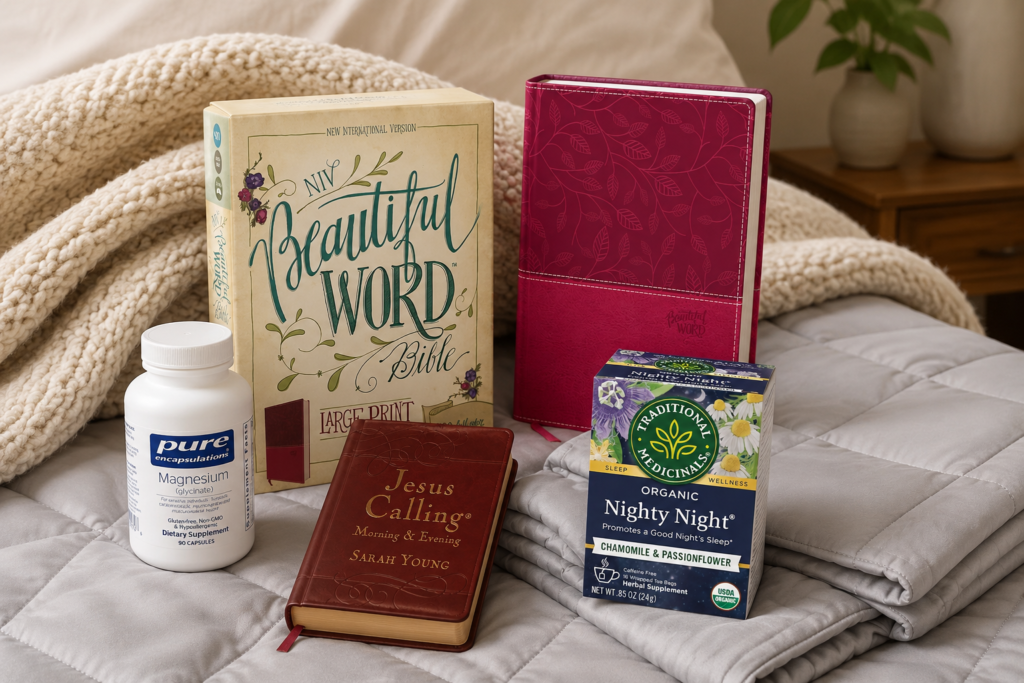
Different bedtime habits tend to either support restful sleep or keep you wired and restless. For instance, if you climb into bed and immediately grab your phone to check one last message, you might feel productive for handling that quick task.
A few minutes later, however, the bright screen and mental stimulation have triggered your brain into alert mode. When you finally put the phone down, you might notice your racing thoughts about tomorrow’s responsibilities and that familiar tension in your shoulders again. Scrolling just a bit longer seems like the way to pass the time because sleep feels far away anyway.
But your phone can’t actually help you fall asleep, of course. Staring at screens is especially not the best strategy when your body is already dealing with hormonal shifts that disrupt sleep.
Your evening habits are often a knee-jerk reaction to exhaustion rather than intentional choices.
Why does a warm cup of tea help you unwind while watching TV in bed keeps you alert for another hour?
Just like how we build any habit by repeated small actions and the right environment, creating a restful bedtime routine takes consistent practice with tools that support your changing body. The products below are real items available on Amazon US that can help you build a calming, faith-centered evening routine.
These tools address common midlife sleep struggles like temperature regulation, racing thoughts, and the need for spiritual grounding at the end of demanding days.
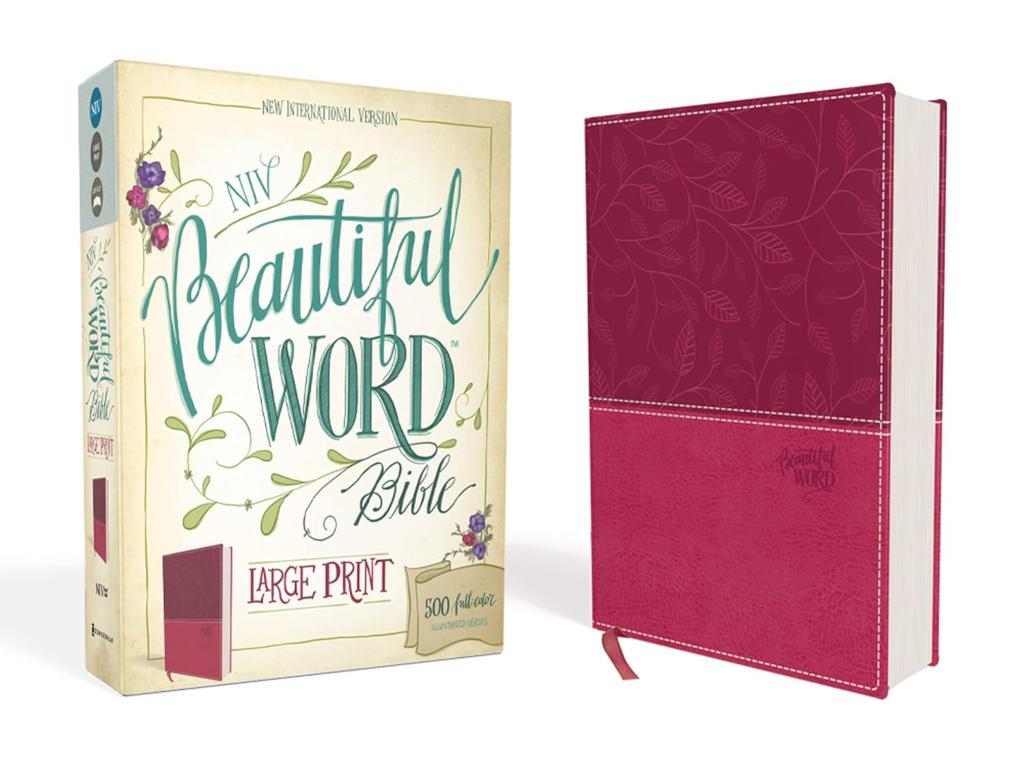
1. NIV Beautiful Word Large Print Bible
A large-print study Bible keeps your evening Scripture reading comfortable and screen-free. The NIV Beautiful Word Bible features generous margins for notes and prayers, plus clear typography that’s gentle on tired eyes.
Many editions include ribbon markers so you can keep your place in a favorite psalm or gospel passage.
Keeping this next to your bed makes it simple to read a few verses before lights out without squinting or reaching for reading glasses.
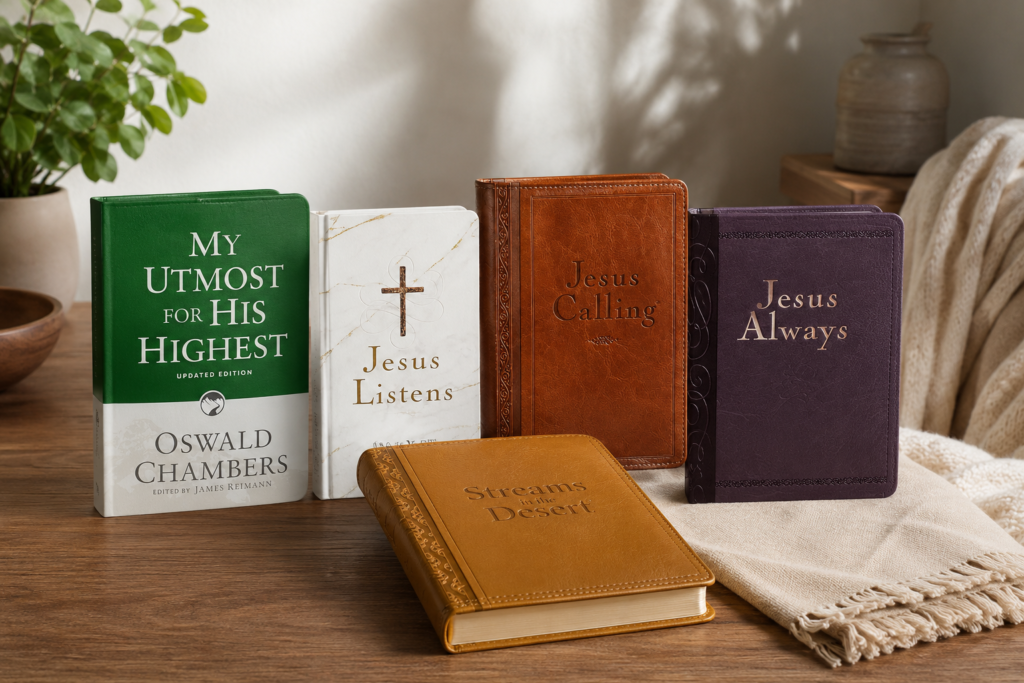
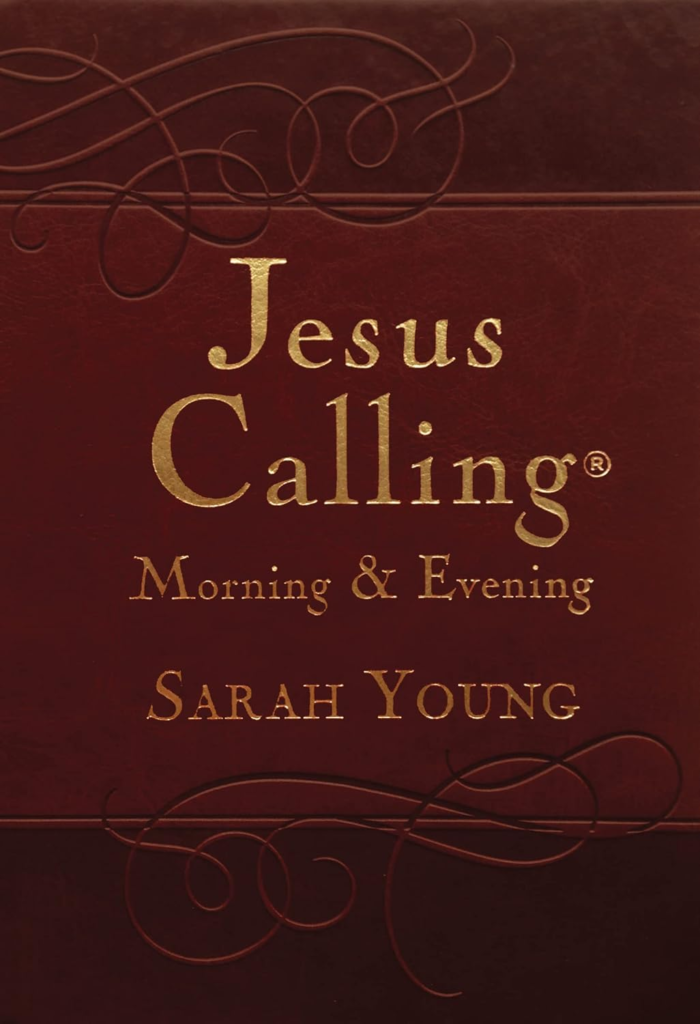
2. “Jesus Calling” by Sarah Young
This collection offers short, dated devotional readings specifically written for nighttime reflection. Each entry includes a brief Scripture-based meditation and prayer that takes just a few minutes to read.
The gentle, reassuring tone helps shift your mind from the day’s worries to God’s presence.
Many readers keep this on their nightstand and read one entry as part of their wind-down routine, finding it easier to rest after placing their concerns in God’s hands.
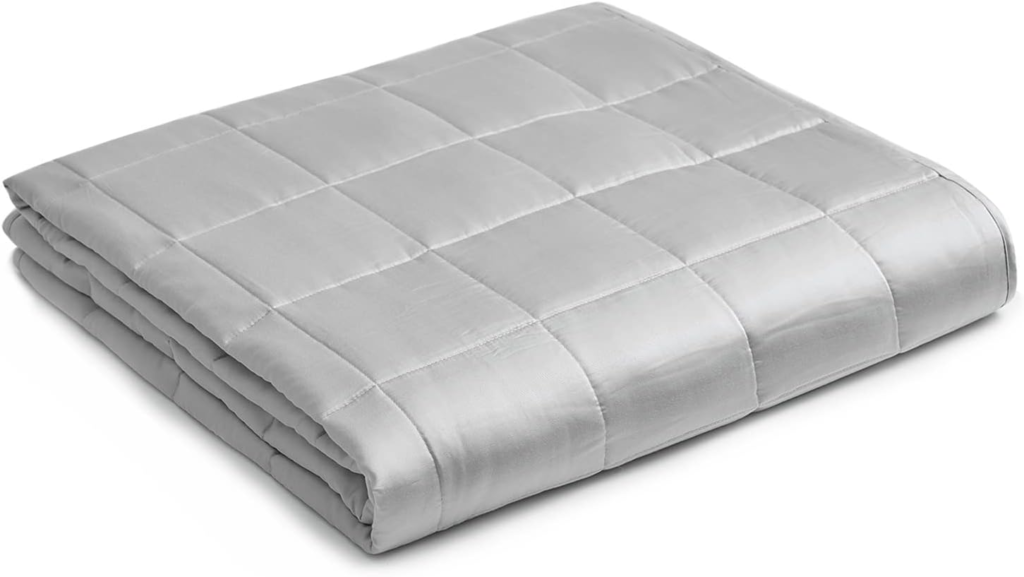
3. YnM Cooling Weighted Blanket
This bamboo-covered weighted blanket combines gentle pressure therapy with breathable fabric that works for hot sleepers. The evenly distributed weight creates a calming, grounded sensation that can reduce anxiety and restlessness.
Choose a weight that’s roughly 10% of your body weight for the best effect.
The cooling bamboo fabric wicks moisture away, making this especially helpful if you experience night sweats or hot flashes during midlife.
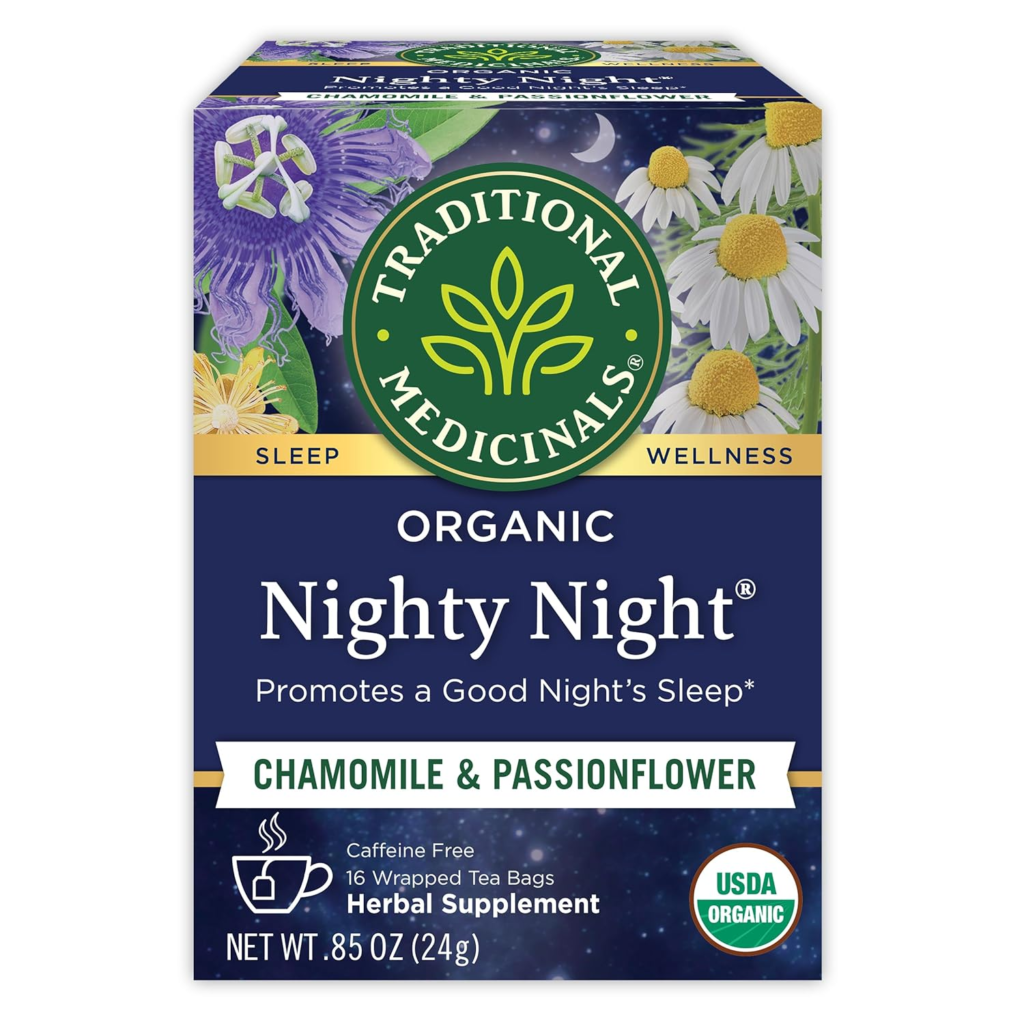
4. Traditional Medicinals Organic Nighty Night Tea
This caffeine-free herbal blend combines passionflower, chamomile, and other calming herbs into a soothing bedtime ritual. Brew a cup about an hour before bed and sip it slowly while you journal or read Scripture.
The warm liquid and gentle herbs signal to your body that the day is closing.
Many women find this becomes a comforting anchor in their evening routine, a few quiet minutes to transition from busy caretaker to restful sleep.
.
5. Pure Encapsulations Magnesium Glycinate
Magnesium supports muscle relaxation and can ease the leg cramps and tension that sometimes disrupt midlife sleep. The glycinate form is absorbed well and tends to be gentle on the stomach.
Take one or two capsules about 30 minutes before bed as part of your routine.
Many users report feeling physically calmer and falling asleep more easily after a few weeks of consistent use.

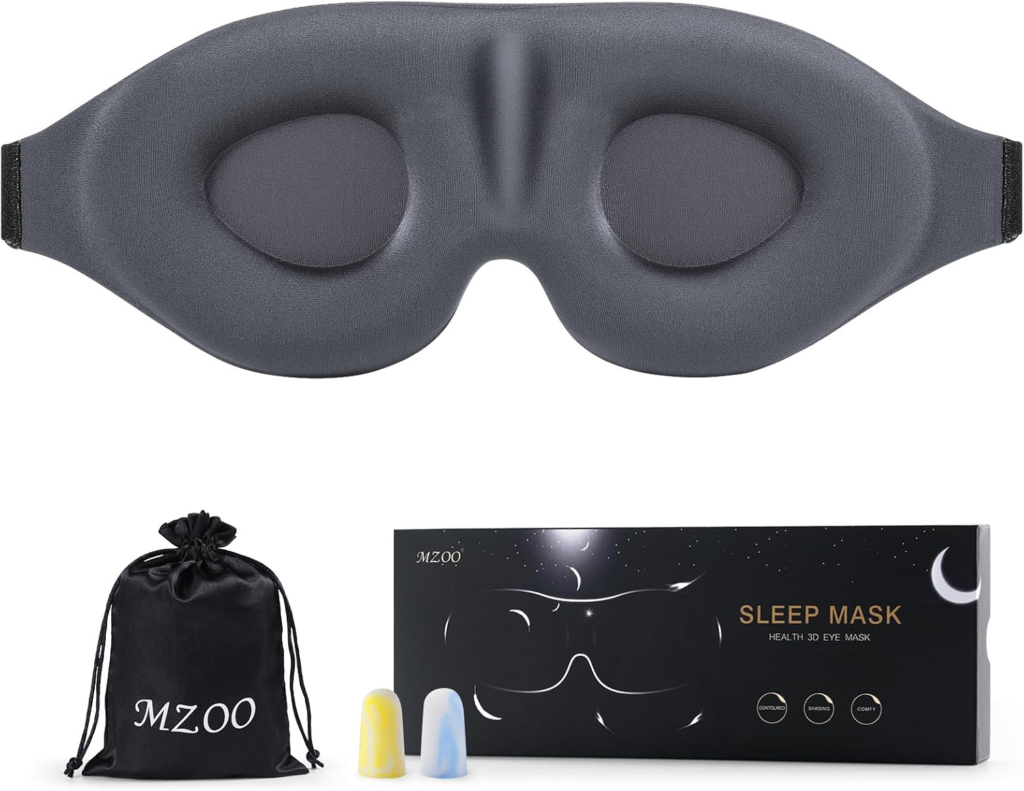
6. MZOO Sleep Eye Mask
If early morning light or streetlamps creep into your bedroom, a sleep mask blocks light without putting pressure on your eyes. The deep eye cups leave room for your eyelashes and allow you to blink comfortably.
Complete darkness supports melatonin production and can help you sleep a bit later in the morning.
The adjustable strap keeps it in place even if you move during the night.
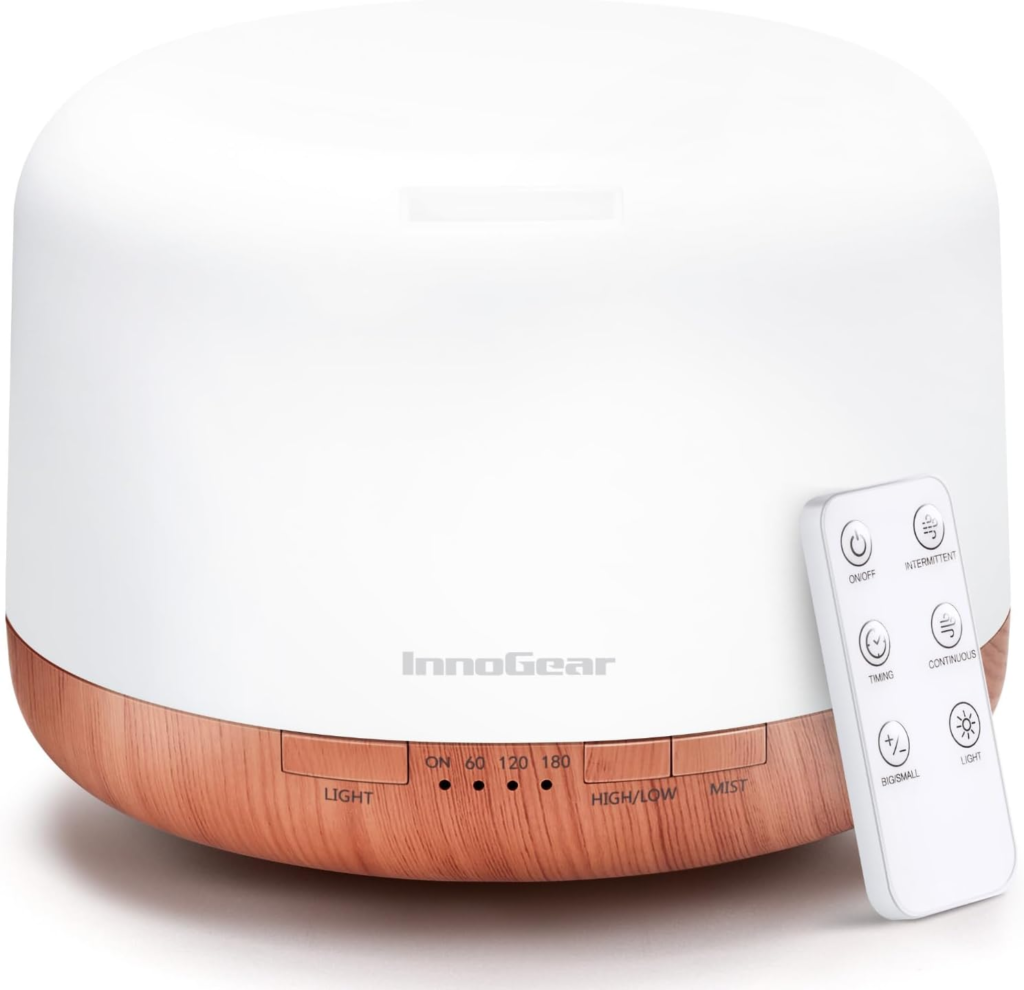
7. InnoGear Essential Oil Diffuser
If you prefer using essential oils instead of pillow sprays, a diffuser disperses lavender, chamomile, or cedarwood scent throughout your bedroom. This model runs quietly for several hours and has adjustable mist settings plus optional soft LED light.
Add a few drops of your chosen oil about 30 minutes before bed. The gentle fragrance fills the room and creates a calming atmosphere for prayer, reading, or simply unwinding.
My Top Pick and How to Build Your Routine
If you choose only one item from this list, the YnM Cooling Weighted Blanket offers the most comprehensive benefit for midlife sleep challenges. It addresses two critical needs: the physical sensation of being held and calmed when anxiety runs high, and breathable cooling for those dealing with temperature swings.
When you lie under gentle, evenly distributed weight that doesn’t overheat, your nervous system often settles more quickly. The pressure mimics a comforting hug, which can be especially meaningful at the end of demanding days spent caring for others.
Pair that blanket with a short Scripture reading and a simple prayer, and you create a nightly reminder that you are safe and held by God.
Building a finish bedtime routine doesn’t need buying everything at once. Start with just three elements: a warm, dim light source for evening reading, comfortable temperature-regulating sleepwear or bedding, and one calming practice like herbal tea or lavender spray.
For example, you might begin by brewing chamomile tea at 9 p.m., dimming your lamp at 9:30 p.m., reading one psalm, and writing three things you’re grateful for in a simple notebook.
Repeat these steps on as many nights as you can manage. Your body and brain start to recognize the pattern and begin relaxing earlier in the sequence.
Over time, you might add a cooling pillow when budget allows, or introduce evening stretches on a yoga mat.
The goal is never perfection. The goal is a gentle, sustainable rhythm that helps you rest in God’s care while also caring for your changing body.
Visit Amazon US, read recent reviews on products that interest you, and choose what fits your current needs and budget. You don’t need to solve every sleep problem overnight.
Small, consistent changes build the foundation for better rest.
Frequently Asked Questions
What’s the best way to start a bedtime routine when I’m already exhausted at the end of every day?
Start with just one small change that takes less than five minutes. For instance, keep a prayer journal and pen on your nightstand and write down three things you’re grateful for before you turn out the light.
That’s it.
Once that becomes automatic after a week or two, add one more element like dimming the lights 30 minutes earlier or drinking herbal tea. Building slowly prevents overwhelm and makes the new habits stick.
How do I deal with night sweats and hot flashes disrupting my sleep?
Temperature regulation is one of the most common midlife sleep challenges. Focus on layering solutions: start with a cooling pillow and breathable bamboo pajamas, then consider adding a cooling mattress topper if the problem continues.
Keep your bedroom temperature cooler than you think you need (around 65-68°F if possible), and use a fan for air circulation.
Many women also find that avoiding alcohol, caffeine after noon, and spicy foods in the evening reduces the frequency of hot flashes.
Are sleep supplements like magnesium or melatonin safe during menopause and midlife?
Magnesium glycinate and melatonin are generally considered safe for most healthy adults, but personal circumstances vary. If you take prescription medications especially for heart conditions, blood pressure, mood disorders, or diabetes, check with your doctor or pharmacist before adding supplements.
People with kidney disease should not take magnesium without medical supervision.
Start with the lowest effective dose and take supplements at the same time each evening for best results.
How long before bed should I stop looking at screens?
Most sleep experts recommend stopping screen use 30 to 60 minutes before bed. Blue light from phones, tablets, and computers suppresses melatonin production and keeps your brain alert. If you absolutely need to use screens in the evening, wear blue light blocking glasses and keep the brightness turned down.
Better yet, establish a rule that your phone stays out of the bedroom entirely.
Use an old-fashioned alarm clock instead of your phone alarm.
What if I fall asleep fine but wake up at 3 a.m. and can’t get back to sleep?
Middle-of-the-night waking is extremely common during midlife, often linked to hormonal changes and stress. When you wake, resist the urge to check your phone or turn on bright lights.
Instead, practice slow breathing (inhale for four counts, exhale for six counts) while repeating a short Scripture phrase like “Be still and know that I am God.” If your mind races with worries, keep a small notebook by your bed and write them down briefly, then pray a simple release prayer: “Lord, I give these to you until morning.” If you’re still awake after 20 minutes, get up and do something calming in dim light like reading your devotion, then return to bed when you feel sleepy.
Do I need to spend a lot of money on products for better sleep?
No. Your habits matter more than your budget. You can build an effective routine with items you already have: dimming existing lights earlier, using a regular notebook as a prayer journal, doing gentle stretches on a towel on the floor, and reading a Bible you already own.
To purchase one item to make the biggest difference, choose based on your primary struggle.
If it’s temperature, invest in a cooling pillow or bamboo pajamas. If it’s anxiety and racing thoughts, try a weighted blanket or Christian meditation audio.
Start with one change and add others only as your budget allows.
How does faith and prayer actually help with sleep quality?
Faith doesn’t replace medical treatment for sleep disorders, but it can support better rest in several meaningful ways. Regular Scripture reading and prayer reduce rumination and anxiety by shifting your focus from problems to God’s faithfulness.
Praying through your concerns before bed gives you a mental and emotional “place” to leave your worries instead of carrying them into sleep.
Many studies on religious and spiritual practices show lower stress levels and better coping skills during difficult life transitions like midlife. When you consciously place your day and your worries in God’s hands each night, your mind often quiets more easily, allowing your body to move into deeper, more restorative sleep.
Find out our Recommended Christian Books for Better Rest and Faith-Based Night Routines; visit: https://illuminatedresources.com/10-christian-books-for-better-rest-and-faith-based-night-routines/