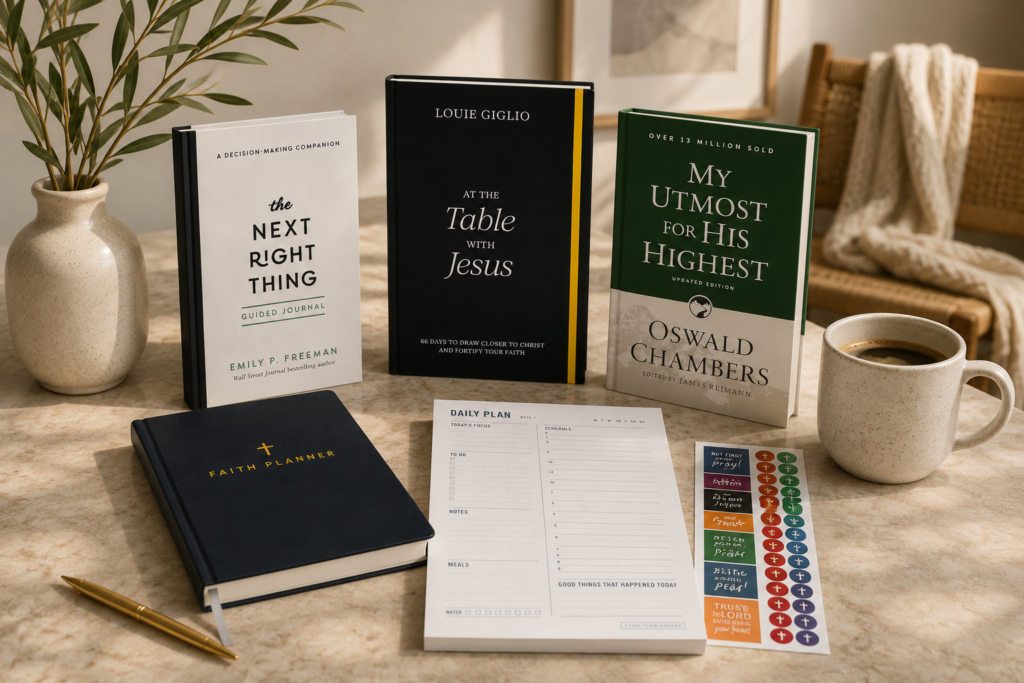
A practical review of planners, devotionals, and tools to help you align your schedule with your faith.
Many women in midlife struggle with time management not because they lack discipline, but because traditional productivity tools ignore the spiritual dimension of how you spend your days. You might find yourself using a standard planner that treats every hour the same, when you actually need a system that puts God first and respects your changing energy levels.
The products below fall into several categories: faith-integrated planners that mix scheduling with Scripture and reflection, devotional books that reshape how you think about time, practical tools like timers and habit trackers, and resources that help you simplify your physical space so you waste less time searching for things. Some are paper-based for those who think better with pen in hand, while others work digitally or as physical tools that support focused work.
The best options include space for both practical tasks and spiritual practices, rather than forcing you to choose between the two.
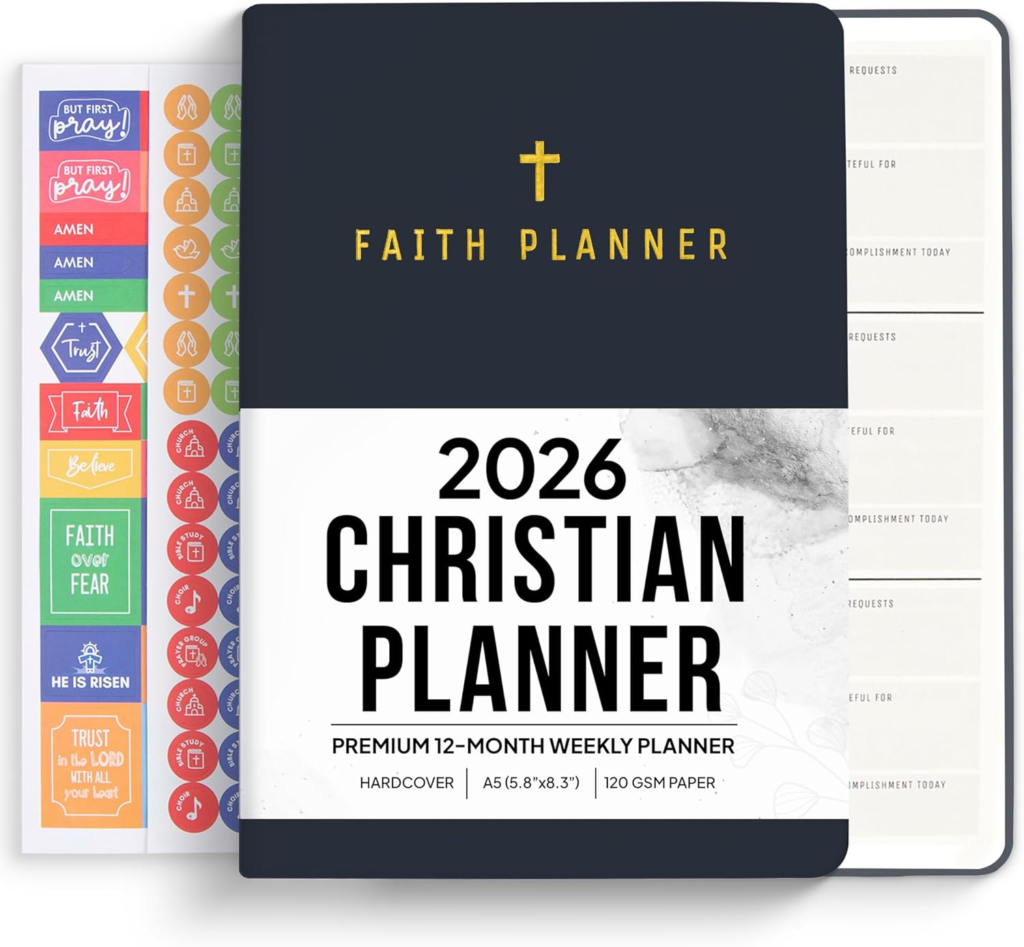
1. 2026 Christian Planner & Prayer Journal
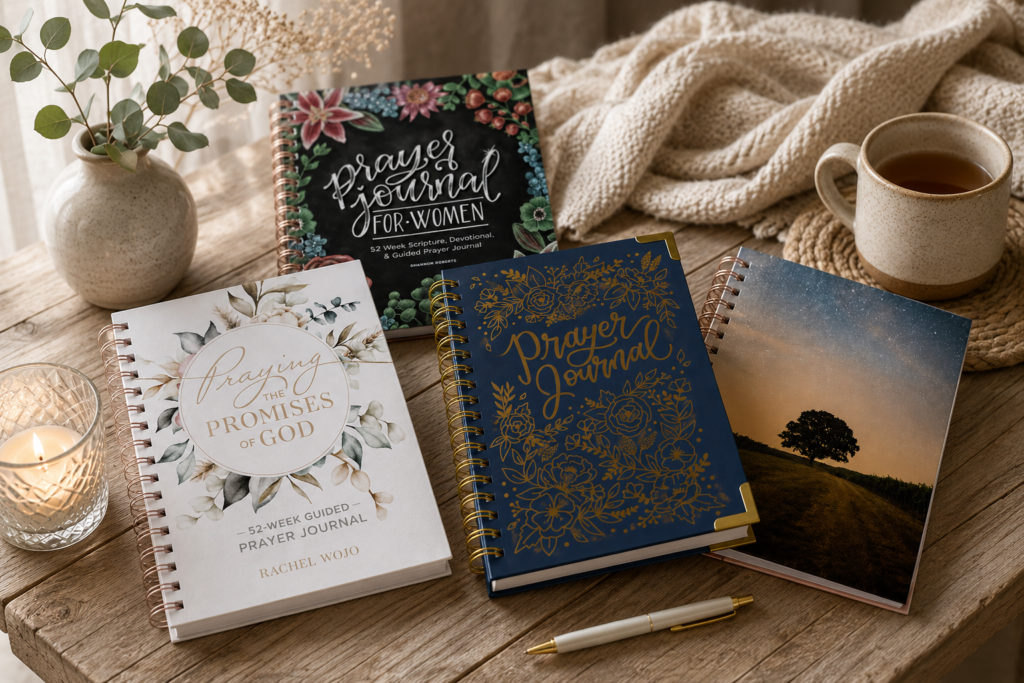
This Christian planner incorporates features of a Bible planner, Bible journal, prayer journal, personal organizer, and Christian gratitude journal, all in one. It supersedes the need for separate Christian journals, Bible study journals, Bible notebooks, and planners. Each planner comes with three sheets of Christian-themed stickers, making it one of the most desirable gifts among Christian journals and planners.
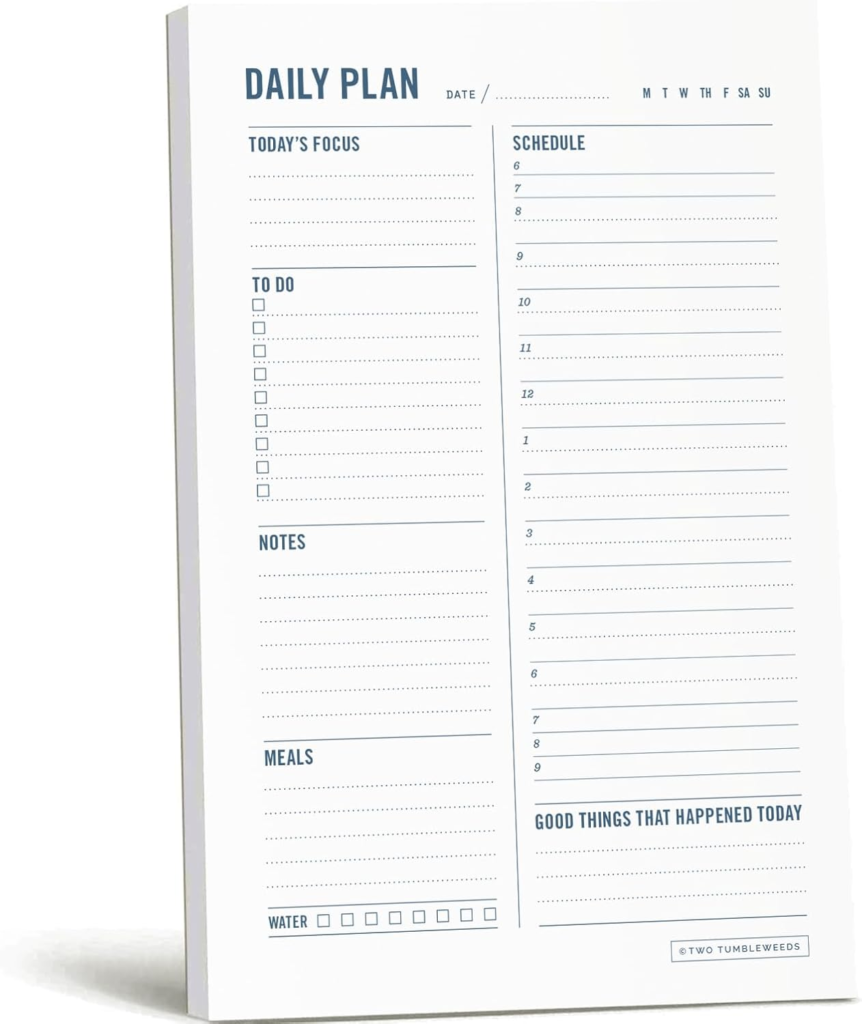
2. Day Designer Time-Blocking Notepad
Time blocking means you assign specific hours to specific activities instead of just making a to-do list and hoping you get to everything. A dedicated notepad with hourly slots helps you see your day as a whole and plan realistic blocks for morning prayer, focused work, appointments, and rest.
You can add your own Scripture reference at the top of each page to keep your spiritual focus visible throughout the day.
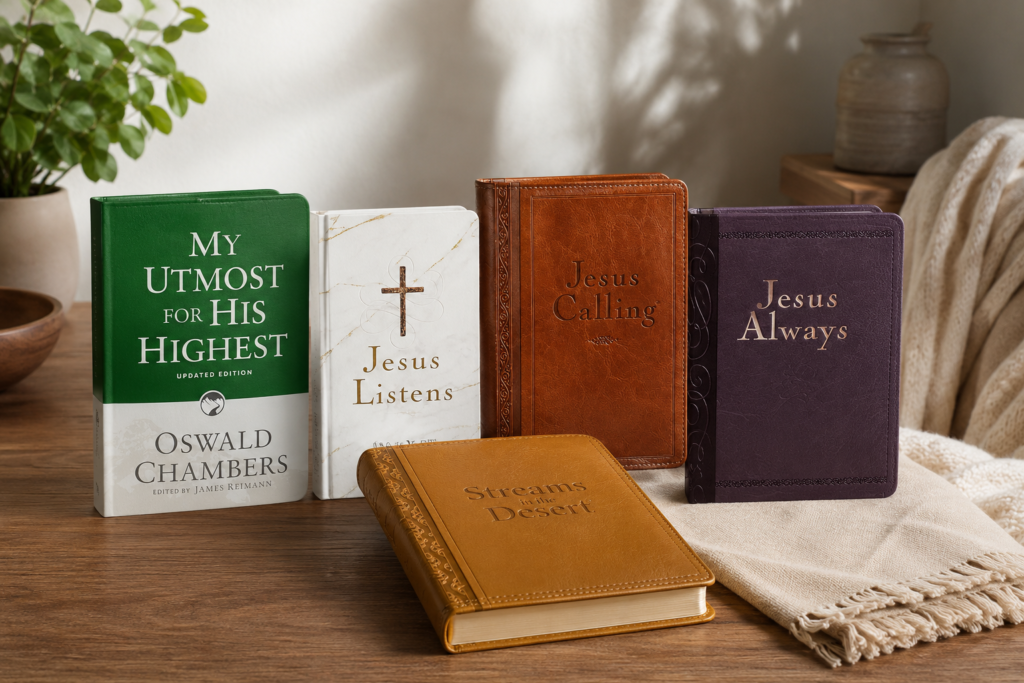
3. My Utmost for His Highest by Oswald Chambers
This devotional has been a staple in Christian homes for decades. Each entry is short but direct, often addressing how you use your time, energy, and attention in light of your faith.
The updated language edition is easier to read than older versions.
Many women pair this with their morning coffee and planner time, reading one entry and then noting a key phrase or application in their schedule for the day. The book helps you see your daily tasks as part of your spiritual calling rather than separate from it.

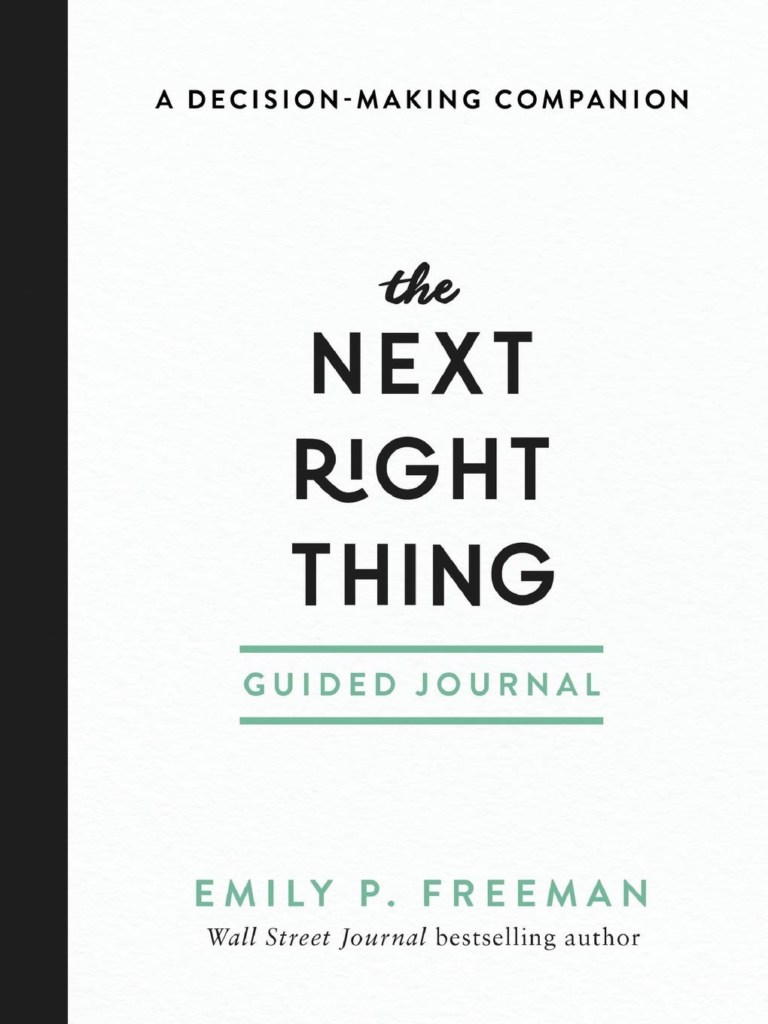
4. The Next Right Thing by Emily P. Freeman
Midlife often brings many decisions at once about work, caregiving, relationships, and purpose. This book teaches you to slow down your decision-making process and take one step at a time.
Freeman writes gently about making space for God in your choices, which directly impacts how you spend your time.
Poor decisions lead to wasted motion and regret, so getting better at discernment actually improves your schedule. The book includes practical exercises you can do in 10 to 15 minutes.
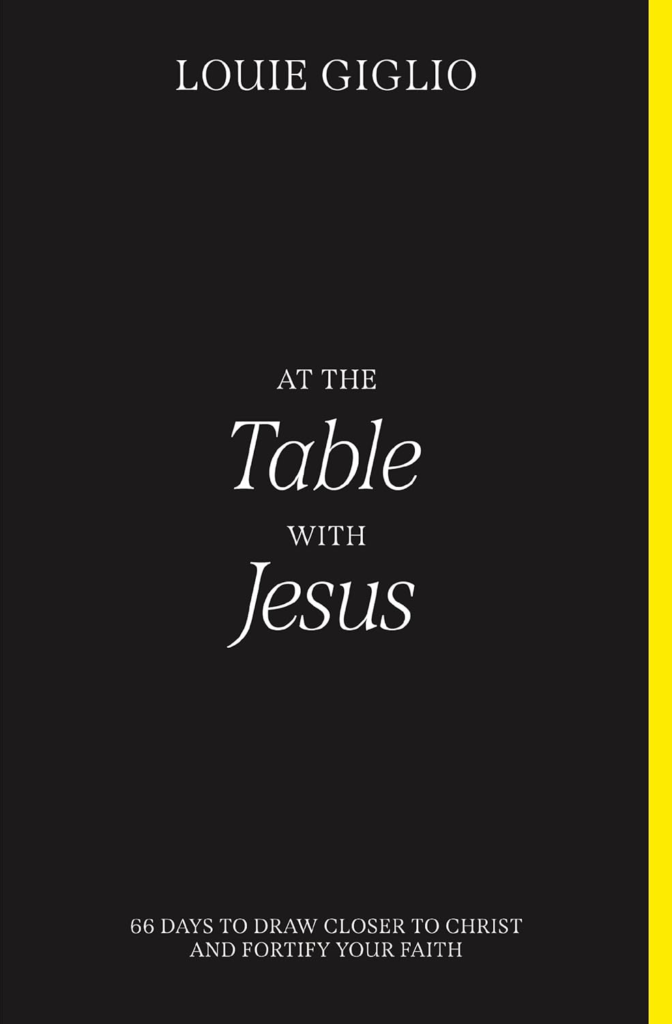
5. At the Table with Jesus 66-Day Devotional
A structured devotional series with a clear endpoint works well when your brain needs defined commitments rather than open-ended ones. This 66-day devotional provides one reading, one verse, and one reflection each day.
The time investment is small but the added effect helps you build a steady rhythm with God.
When you honor that small daily appointment, you build trust with yourself about keeping commitments, which carries over into other areas of your schedule.
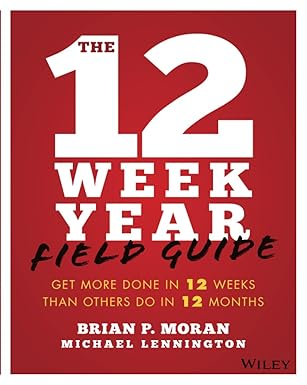
6. The 12 Week Year Field Guide
This workbook is not specifically Christian, but many faith-based women use it to set focused goals for 12-week sprints rather than vague annual resolutions. The structure helps you define what roles matter to you (spouse, parent, friend, worker, servant) and assign realistic time to each.
You can pair the exercises with your own Scripture reflections on work, rest, and stewardship.
The shorter timeframe creates urgency without the overwhelm of year-long planning.
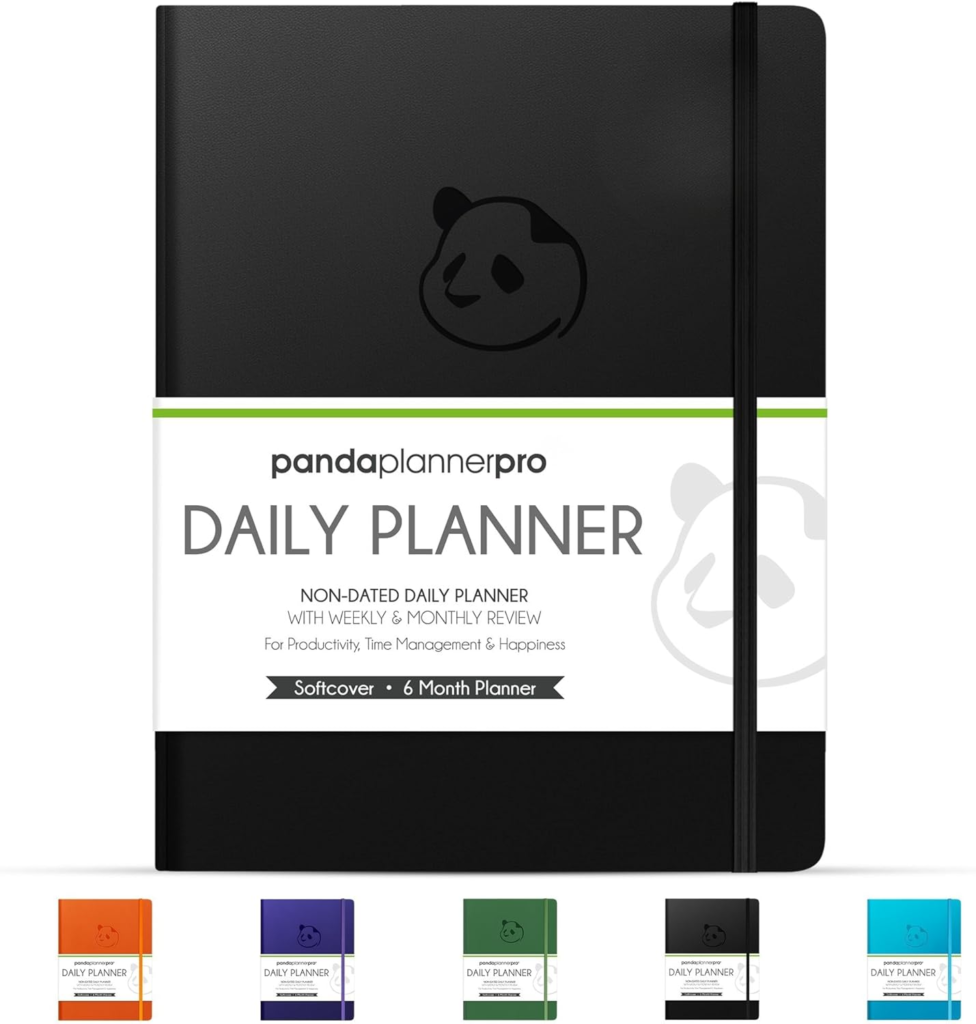
7. Panda Planner Pro (Undated)
This planner is not explicitly Christian, but its design supports the kind of focused, intentional living that aligns with faith-based time management. It includes monthly, weekly, and daily sections with space for priorities, schedule, and evening review.
The undated format means you can start whenever you are ready and skip days without guilt.
You can add your own Scripture, prayer lists, and sermon notes in the notes sections, effectively customizing it into a Christian planner.
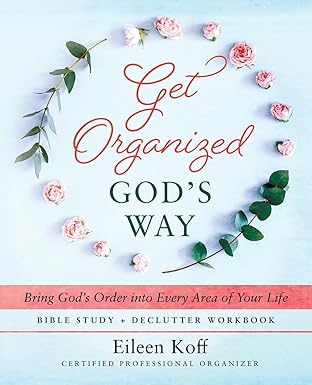
8. Get Organized God’s Way: Bring God’s Order into Every Area of Your Life
With the abundance of how-to books and advice on organizing, why do we still struggle with clutter? Is there a deeper problem underneath our piles of possessions? Could it be that clutter is really a spiritual issue?
As a certified professional organizer, author Eileen Koff unveils the disorganizing lies that keep people in darkness and disarray. Get Organized God’s Way sheds light on God’s plan to bring His order into your chaos so you can experience His perfect peace and purpose for your life.
9. Scripture Memory Cards for Women
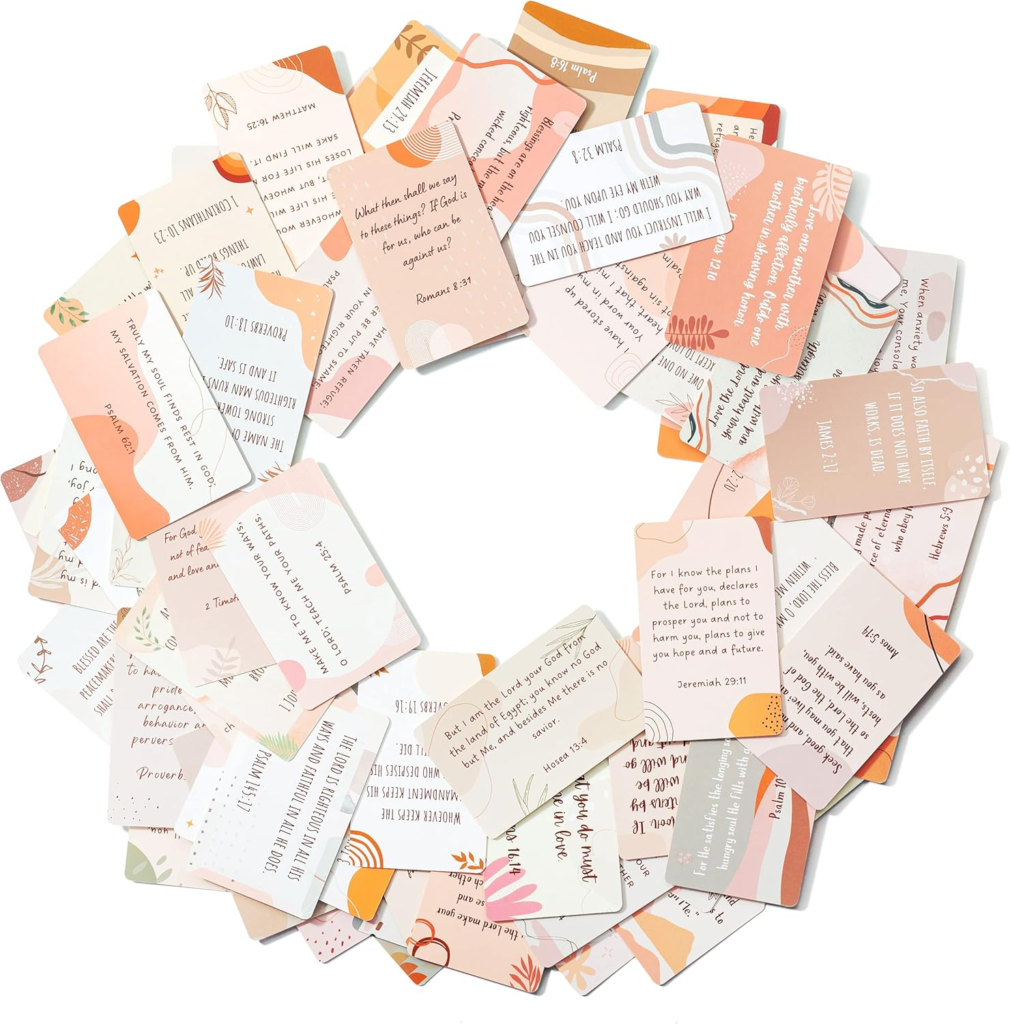
These cards give you short, powerful verses about time, wisdom, and God’s faithfulness. You can place them on your laptop, bathroom mirror, or car dashboard as physical “stop signs” that interrupt autopilot and remind you to reassess.
Verses like Psalm 90:12 (“Teach us to number our days”) or Ephesians 5:15-16 (“making the most of every opportunity”) pull you back to intentional choices instead of just reacting to whatever feels urgent.
10. Mr. Pen Bible Highlighters (No Bleed)
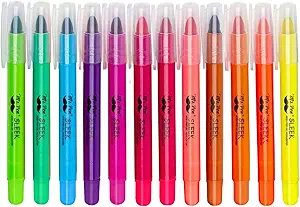
If you are returning to regular Bible reading in midlife, good highlighters make it easier on your eyes and help you engage more deeply. These gel highlighters do not bleed through thin Bible pages, and the set includes many colors so you can mark themes like time, calling, rest, and trust.
Over time, you can flip through your Bible and see at a glance how often God speaks about priorities and how you spend your days.
Conclusion
If I had to choose one standout tool from this list, it would be a dedicated Christian planner like the Christian Planner 2026. The reason is simple.
It gives you one physical home for appointments, prayer, Scripture, gratitude, and habit tracking.
You can sit down once a week, pray over your schedule, and map out a rhythm that respects your body, your responsibilities, and your walk with God.
A simple way to start is this. First, choose a planner that visually appeals to you and fits your style.
Second, start a weekly planning session, maybe Sunday afternoon or Monday morning, where you ask God what the true priorities are for the coming week.
Third, block your anchors first by adding time for worship, Bible reading, rest, movement, and key relationships before you fill in everyone else’s demands. Fourth, use support tools wisely by adding a desk timer for focus, a meal planner pad for the kitchen, and verse cards near your planning space.
Fifth, keep it gentle by aiming for small, repeatable steps rather than a complete life overhaul.
Over a few weeks, your days will likely feel clearer and your heart will feel less rushed. You are a lot more influential than getting more done. You are aligning your time with the God who holds your days.
If you are ready to begin, start by ordering the Christian planner that appeals to you most, then commit to one weekly planning session where you sit down with God and map out your week.
That single practice can transform how your days feel.
Frequently Asked Questions
How much time should I realistically spend in devotions each day during midlife?
There is no magic number that applies to everyone. A better question is whether you are giving God your first and best attention in some form.
For many women, this looks like 10 to 20 minutes of Scripture and prayer in the morning, plus short prayers throughout the day.
You might try 10 minutes of Bible reading, 5 minutes of journaling or stillness, and 5 minutes praying over your day. If mornings are hectic because of caregiving or work schedules, you can split this into two pockets, such as early morning and early afternoon.
Consistency matters more than length.
What should I do when caregiving responsibilities constantly interrupt my plans?
Interruptions are part of the calling for many women in midlife. Instead of aiming for long, uninterrupted blocks, think in shorter pockets of 15 to 30 minutes and view them as flexible.
When interruptions come, handle what is truly necessary, then return to your planned task if possible.
Use a visible timer so others can see you are focused for a specific period. Communicate clearly by saying something like “I am doing 20 minutes of focused work, then I am available.” Keep a notepad nearby to jot down emerging needs so they do not pull your mind off the current task.
Grace is essential here.
The goal is faithful presence where God has placed you, not perfect productivity.
How do I know if I am overcommitted at church or in ministry?
Overcommitment usually comes from a mix of love, guilt, and habit. Start by asking God specifically what He has actually called you to in this season.
List all your current roles and commitments.
Circle the ones that clearly match your gifts, season, and sense of peace from God. Put a question mark by those that feel heavy or obligatory.
Pray over the list and ask where you can gracefully step back.
When new asks come, respond with “Let me pray about that and look at my current commitments” instead of saying yes immediately. This pause gives you space to check your planner and your peace before deciding.
Do hormones and midlife fatigue really affect time management?
Yes, they do. Perimenopause and menopause can influence sleep quality, mental focus, and energy levels.
This is not a character flaw.
It is your body changing. Good time management in midlife respects that reality.
Plan your most demanding tasks for your highest energy window, often mid-morning.
Keep afternoons for simpler tasks, errands, or relational time. Prioritize sleep, hydration, and gentle movement as non-negotiable appointments in your planner.
Use trackers and written notes to compensate for forgetfulness rather than criticizing yourself for it.
You might also talk with a healthcare provider about symptoms and support options.
How can I make practical tasks like email and housework feel more meaningful?
You can treat practical tasks as part of your worship by inviting God into them intentionally. Begin a session of life admin with a short prayer like “Lord, help me handle these tasks with clarity and peace.” Play worship music or Scripture audio while paying bills or doing laundry.
Offer small prayers over the people connected to each task, such as the family member whose bill you are paying or the neighbors who will sit at your cleaned table.
This shifts admin time from busy work to service and stewardship, which often reduces resentment and procrastination.
What Bible verses should I focus on for time management?
Several verses guide Christian thinking about time and priorities. Psalm 90:12 says “Teach us to number our days, that we may gain a heart of wisdom,” which reminds you that your time is limited and precious.
Ephesians 5:15-16 tells you to “be very careful how you live, not as unwise but as wise, making the most of every opportunity.” Psalm 31:15 says “My times are in your hands,” which helps you trust God with your schedule.
Colossians 3:23 encourages you to “work at it with all your heart, as working for the Lord.” Matthew 6:33-34 reminds you to “seek first his kingdom and his righteousness.” You can write one of these at the top of your weekly planner spread as a theme for the week.
Should I use a paper planner or a digital one?
This depends on your personal style and what you will actually use consistently. Paper planners work well if you think better with pen in hand, enjoy the physical act of writing, and want to see your whole week at a glance without screen time.
They also eliminate the temptation to check social media or email while planning.
Digital planners work well if you need reminders that ping you, if you travel often and want everything on your phone, or if you share a calendar with family members. Some women use a hybrid approach with a paper planner for weekly planning and reflection, plus a digital calendar for appointments and reminders.
Choose the system that feels easiest to maintain, not the one that looks prettiest or that someone else recommends.
Find out our Recommended Devotionals for Busy Women; visit: https://illuminatedresources.com/best-devotionals-for-busy-women-when-youre-low-on-time-and-motivation/