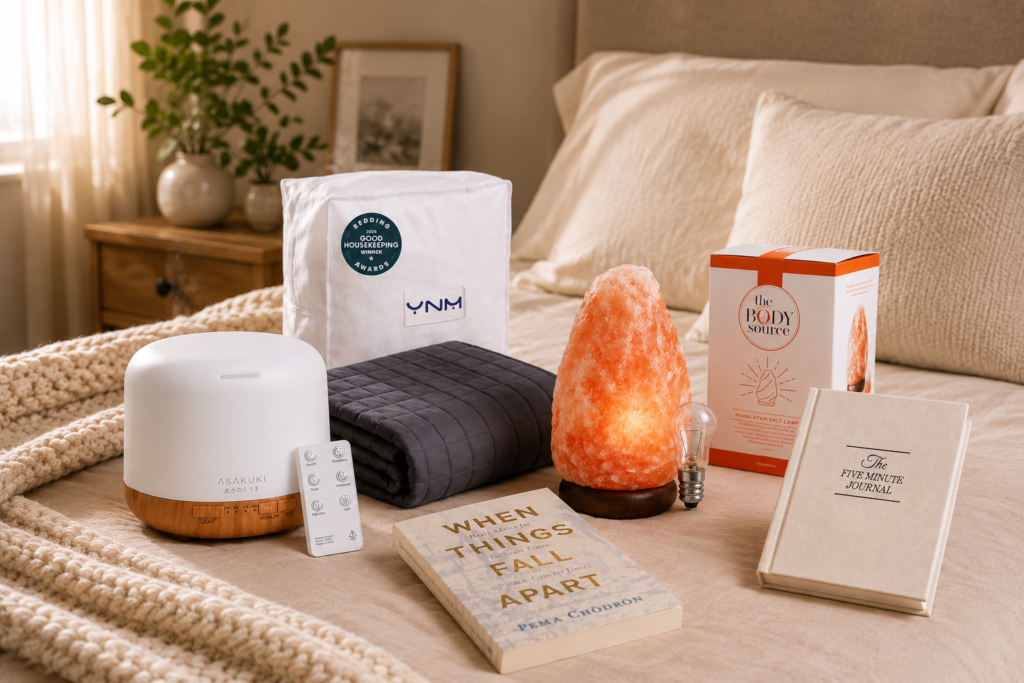
Different life transitions tend to shake up your sense of stability. For instance, if you just started a new job, moved to a new city, or ended a significant relationship, you might feel unmoored for the first few days.
You feel motivated to make changes and start fresh.
A few weeks later, however, the initial energy fades and your anxiety about the unknown creeps back in. When the newness wears off, you might notice your racing thoughts about whether you made the right choice, worries about the future, or a nagging sense that you have lost touch with who you are. Scrolling social media or staying busy with distractions seems like the way to go because it keeps your mind occupied. But distraction cannot provide what you really need, which is a sense of inner steadiness and meaning.
Staying distracted is especially not the best strategy when your anxiety is triggered by uncertainty.
Your coping strategies are often a knee-jerk reaction to discomfort. Why does staying busy give you temporary relief while sitting quietly with your thoughts feels impossible?
Just like how we build physical strength through consistent practice and showing up even when it is hard, spiritual grounding comes from small, repeated rituals that anchor you when everything else feels unstable.
The products below are simple tools that support practices like meditation, journaling, gentle movement, and creating calm spaces in your home. Some focus on the body, like weighted blankets and yoga mats.
Others support reflection and stillness, like journals and books.
A few create atmosphere, like salt lamps and essential oil diffusers. None of these items will solve deep emotional struggles or replace professional support, but they can make it easier to show up for yourself each day during a difficult transition.
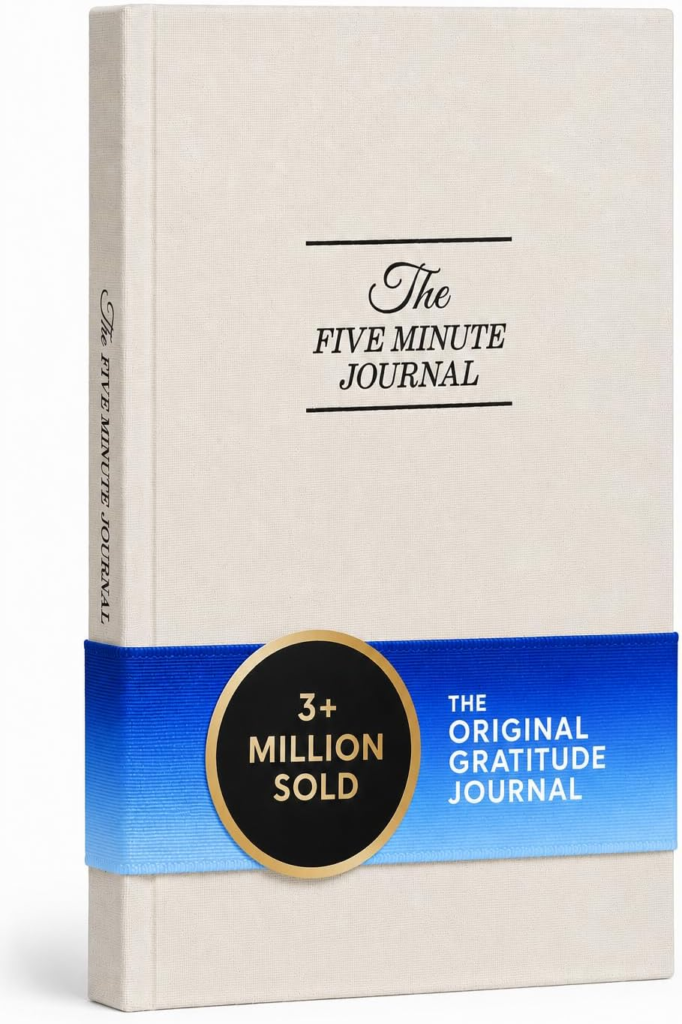
1. The Five Minute Journal
This structured journal takes about five minutes each morning and evening. You write down what you are grateful for, set daily intentions, and note small wins at the end of the day.
The prompts keep your attention on what is working instead of only what feels uncertain or scary.
Over time, this trains your brain to notice support and progress, even during hard seasons.
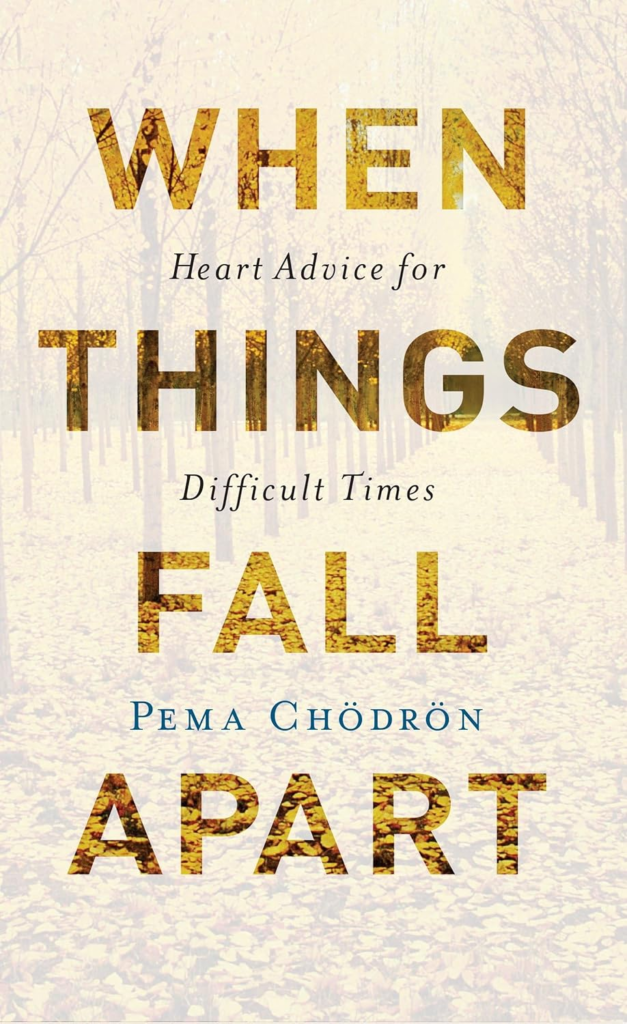
2. “When Things Fall Apart” by Pema Chödrön
This book offers short chapters with grounded guidance for living through loss, endings, and uncertainty. Pema Chödrön writes in simple language about staying present when life dissolves around you.
Many people return to this book again and again during major transitions because it meets you where you are without pretending everything will be fine right away.
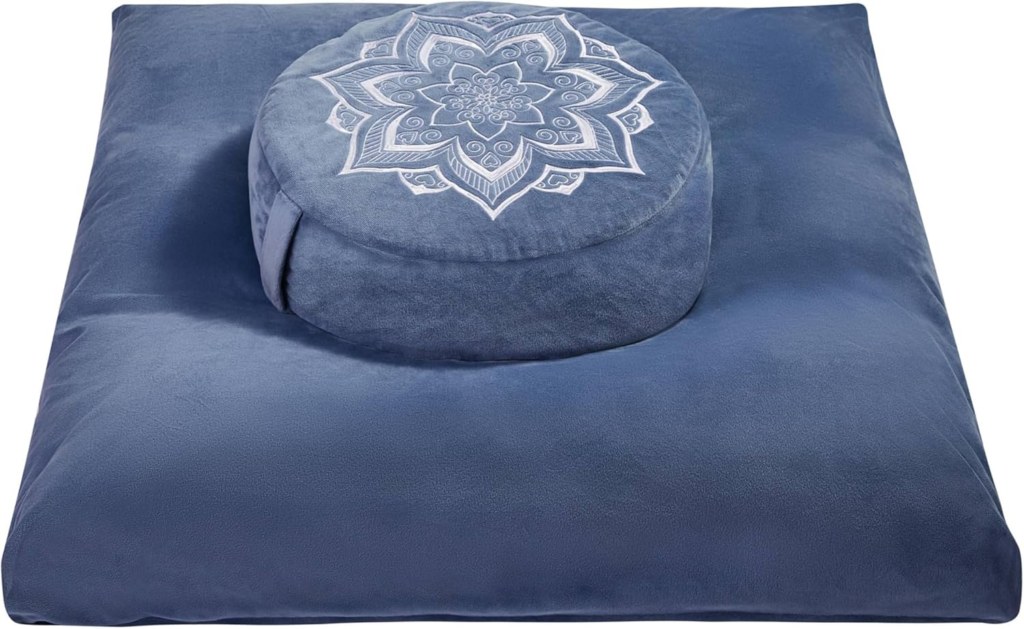
3. Meditation Cushion Set (Zafu & Zabuton)
A comfortable cushion and mat make it much easier to sit for even five to ten minutes of meditation or prayer. Having a specific spot in your home designated for stillness signals to your brain that this is a safe, grounding space.
It lowers the barrier to showing up for your practice.
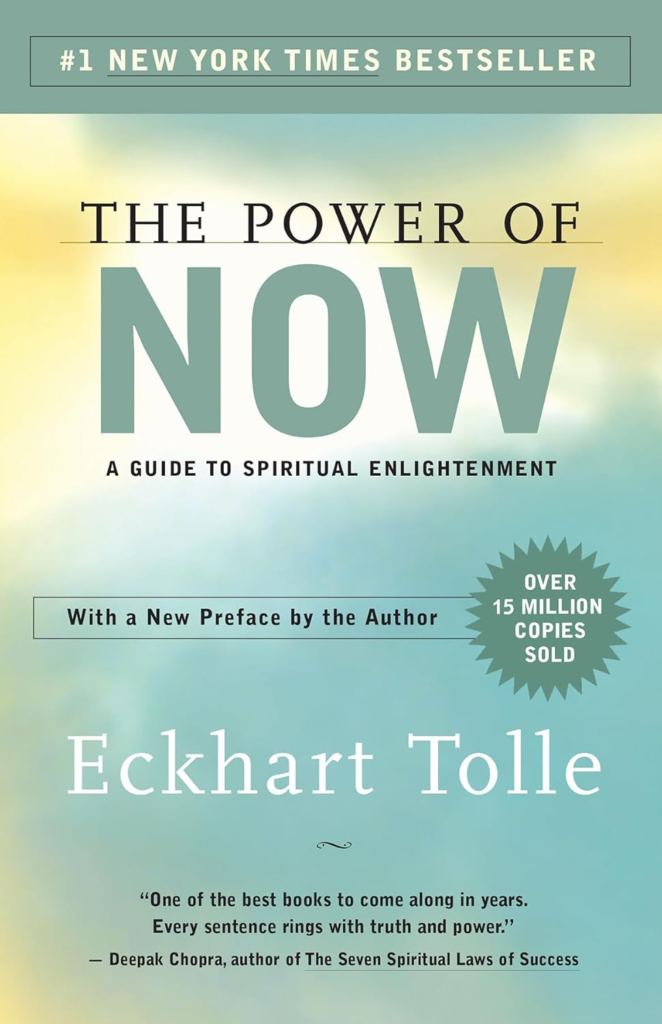
4. “The Power of Now” by Eckhart Tolle
This book focuses on staying present with what is here right now instead of being pulled into regrets about the past or fear about the future. It is especially helpful when a transition keeps triggering looping thoughts, worry, or confusion about who you are and where you are headed.
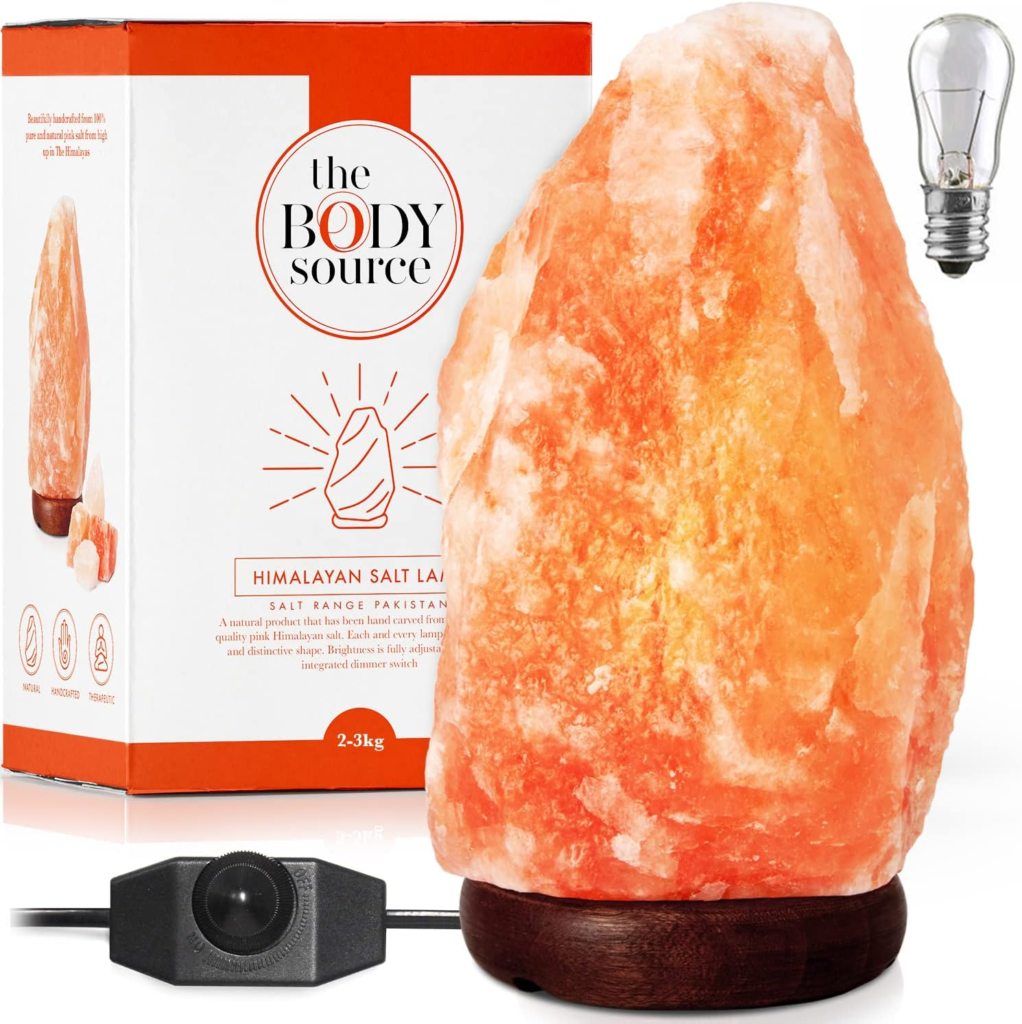
5. Himalayan Salt Lamp
A small salt lamp provides soft, warm light that feels calming compared to harsh overhead lighting. You can use it during evening journaling, meditation, or reading to create a more peaceful atmosphere.
It becomes part of a nightly ritual that helps your body wind down.
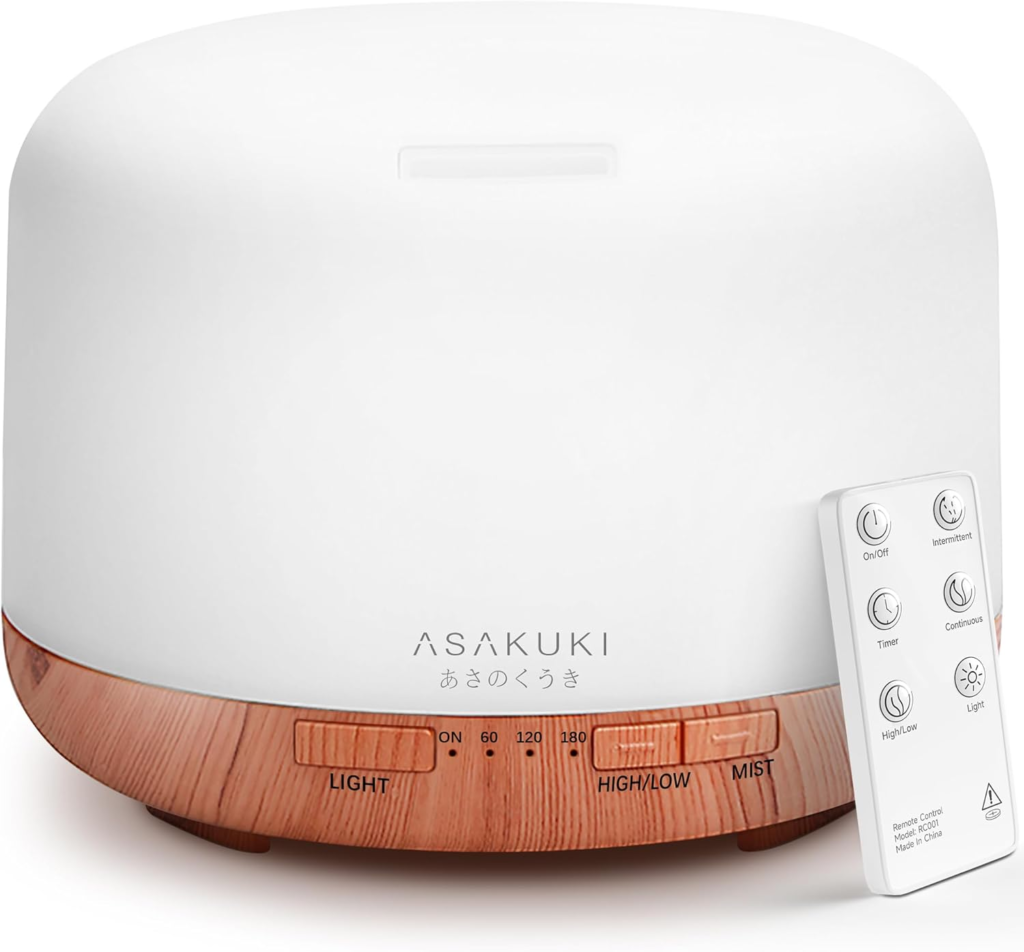
6. Essential Oil Diffuser
A cool-mist diffuser paired with calming oils like lavender, frankincense, or cedarwood gives your body a scent-based signal that it is time to settle. Scent connects strongly to memory, so over time your brain associates that smell with calm and safety, making it easier to shift into a reflective state.
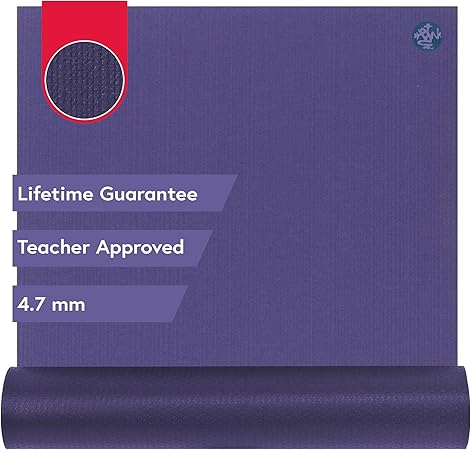
7. Manduka PROLite Yoga Mat
A quality yoga mat becomes a portable sacred space where you can stretch, breathe, and reconnect to your body for a few minutes each day. Gentle movement pulls your awareness out of spinning thoughts and back into your physical experience, which often feels more manageable during stressful transitions.
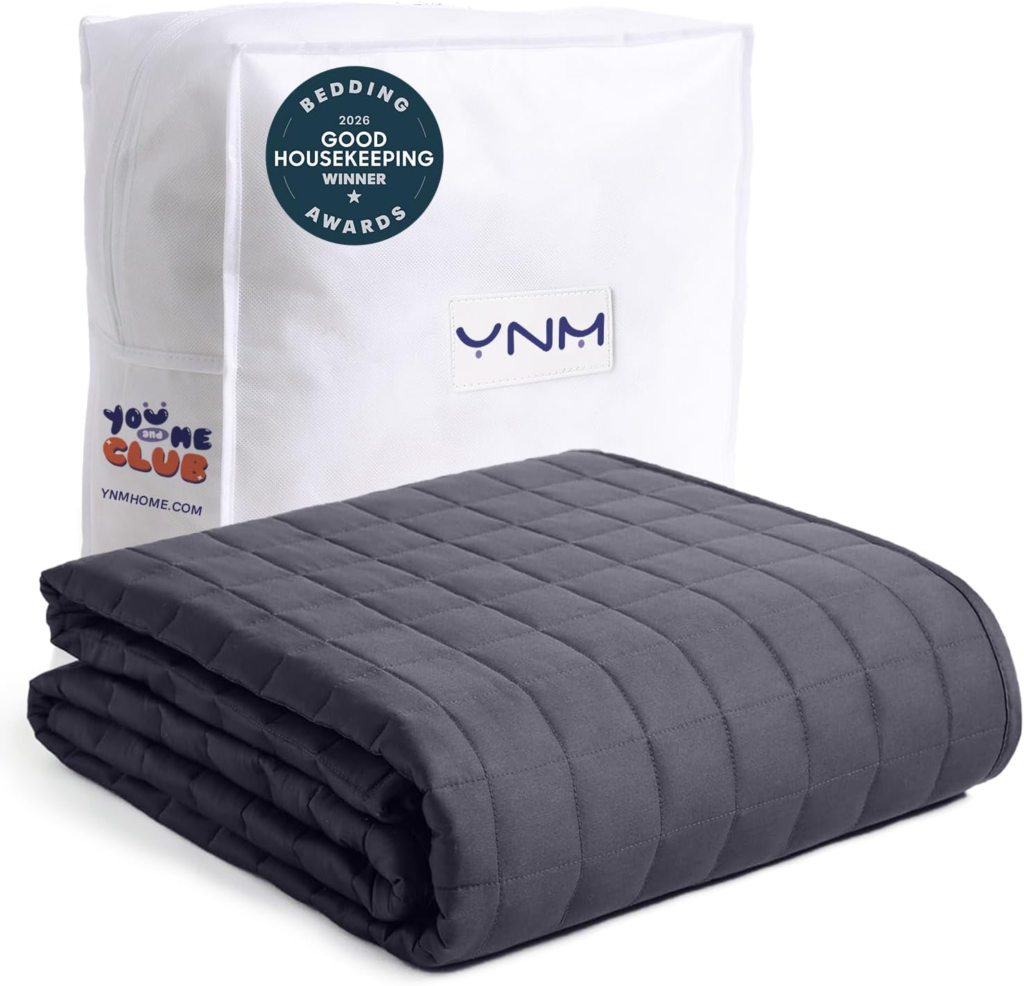
9. YnM 15lbs Weighted Blanket
A weighted blanket provides gentle, even pressure across your body, which can help you feel held and less restless. Some people find it easier to meditate, pray, or read under the blanket when their body feels keyed up from stress.
The weight can support relaxation and better sleep.
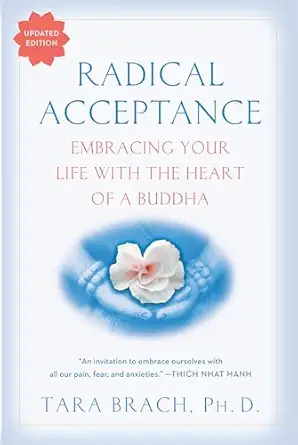
10. “Radical Acceptance” by Tara Brach
Tara Brach blends mindfulness, self-compassion, and spiritual wisdom to help you stop fighting your experience and start meeting it with kindness. This book is especially helpful when a transition has stirred up shame, regret, or harsh self-judgment about
choices you made or circumstances beyond your control.
Conclusion: My Top Recommendation & Why
All of these products can support you in different ways, but one stands out as the most useful during life transitions: The Five Minute Journal.
This journal is my favorite on the list for a few reasons. First, it is realistic even when your energy and motivation are low.
The structure is simple and fast, so it still works when you are exhausted, grieving, or overwhelmed. You do not need to sit down for an hour of deep reflection.
Five minutes is enough.
Second, it anchors both the start and the end of your day. This creates bookends of intention and reflection that keep you connected to your inner life, no matter how chaotic the hours in between might feel.
Morning prompts help you set a grounded tone before the day pulls you in a hundred directions.
Evening prompts help you notice small wins and blessings, even on hard days.
Third, it gently trains your mind to notice support, small progress, and things that are working. This does not erase pain or difficulty.
It simply balances your perspective during times when your attention naturally fixates on what is scary or uncertain. Over weeks and months, this practice builds resilience and helps you see that you are making it through, one day at a time.
Frequently Asked Questions
How do I stay spiritually grounded when I have no time for long practices?
You can stay spiritually grounded using very short rituals that take one to five minutes but happen often. Place your hand on your heart and take three slow breaths before opening your email or starting the car.
Repeat a short phrase while washing your hands, such as “Right here, right now.” Use mala beads for two minutes of mantra repetition while waiting in line.
Fill in just the morning part of The Five Minute Journal if you are too tired at night. The key is frequency, not length.
Short, consistent cues of presence and meaning keep your inner life engaged while your schedule is full.
What if I do not follow any religion? Will these tools still help?
Yes. The products listed support practices that can be fully secular or deeply religious, depending on your intention.
Meditation cushions, journals, yoga mats, and sound machines do not depend on any belief system.
If you prefer a secular approach, focus on breath awareness and body scans with guided meditations, gratitude and values-based reflection in your journal, and gentle movement and stretching on your mat. You can skip explicitly religious music or texts and still build a rich, grounded spiritual life based on presence, compassion, and connection to what matters most to you.
How do I choose between all these options without overwhelming myself?
Use a simple rule: start with one tool for the mind, one for the body, and one for your environment. For example, choose The Five Minute Journal or a book for your mind, a yoga mat or weighted blanket for your body, and a salt lamp or essential oil diffuser for your environment.
Ask yourself what feels easiest and most appealing right now.
Choose those three, use them daily for at least two weeks, then adjust based on what actually helps you feel calmer and more present.
Can products like crystals or essential oils really make a difference, or is it just placebo?
There is limited direct scientific evidence that crystals themselves have unique energetic effects. Essential oils have more research, mainly around certain scents supporting relaxation or mood.
The biggest effect for both often comes from how you use them.
When you turn on a diffuser at the same time every evening, your brain associates that scent with unwinding. When you hold a crystal while breathing deeply and setting an intention, you give your attention a focal point and your mind a symbolic anchor.
The meaning and ritual matter more than the object itself.
If these items help you feel calmer and more intentional, they are doing something useful.
How do I build a spiritual routine if my living space feels unstable or temporary?
Life transitions often involve temporary housing, shared spaces, or clutter. You can still create a sense of sacredness using portable, compact tools.
Keep a travel-sized salt lamp or simple candle, a small pouch with mala beads and a crystal, a thin foldable yoga mat, and a single book and journal.
Store these in a dedicated bag or box. When you arrive somewhere or finish your workday, take them out and set up a small personal space on a bedside table, desk, or windowsill.
Even a ten-minute ritual in that space each day signals to your nervous system that you are safe enough to pause and reconnect, even if the larger situation is in flux.
What if I start using these products and still feel anxious or depressed?
Spiritual tools and routines are supported, not cures. They help many people feel more centered and resilient, but they do not replace therapy, medical care, or practical problem-solving.
If anxiety, depression, or panic are intense or persistent, talk to a licensed therapist, counselor, or spiritual director who understands mental health.
Speak with a medical professional about your symptoms. Reach out to trusted people in your life and let them know you are struggling.
You can keep using your journal, mat, or meditation practices alongside professional support.
Many people find the combination especially powerful, because the products help you practice at home what you talk about in sessions.
How long does it usually take to feel more grounded once I start a new spiritual routine?
People vary, but a common pattern is this: Within a few days, you have slightly more awareness of your inner state and more moments of catching yourself before spiraling. Within two to three weeks, the routine starts to feel familiar, and you may notice that you miss it if you skip it.
Within six to eight weeks, deeper shifts happen in how you relate to your thoughts, emotions, and the transition itself.
You might feel more able to pause, observe, and respond as opposed to react automatically. Treat this like building physical strength.
Consistency over weeks matters far more than intensity on a single day.
If you stick with even a small set of practices, supported by a few simple tools from this list, you give your spirit a stable place to stand while life keeps moving.
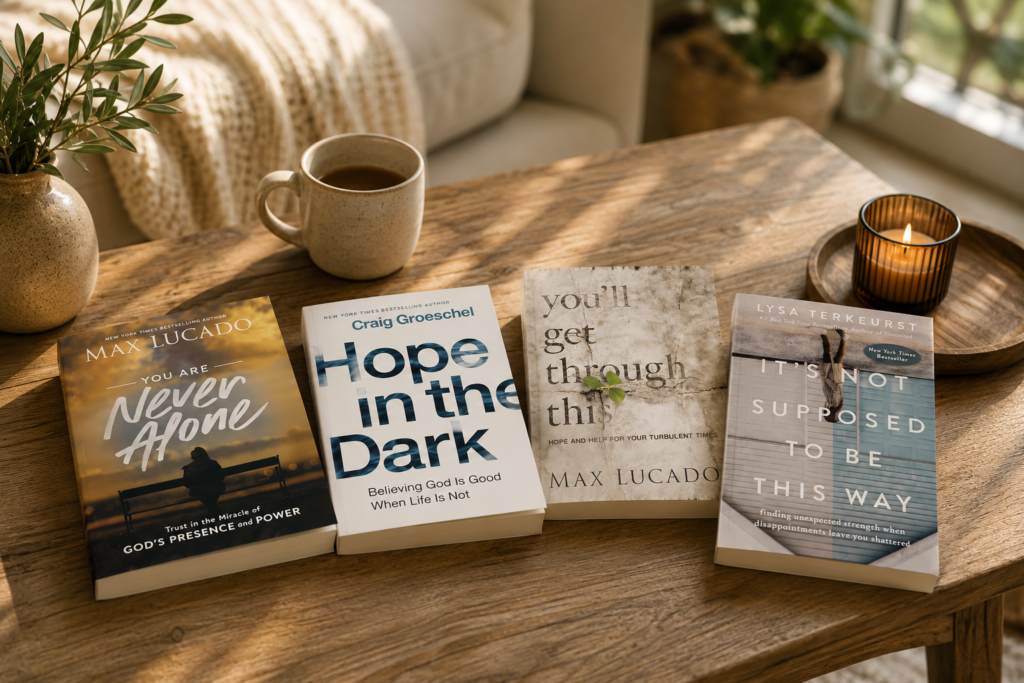
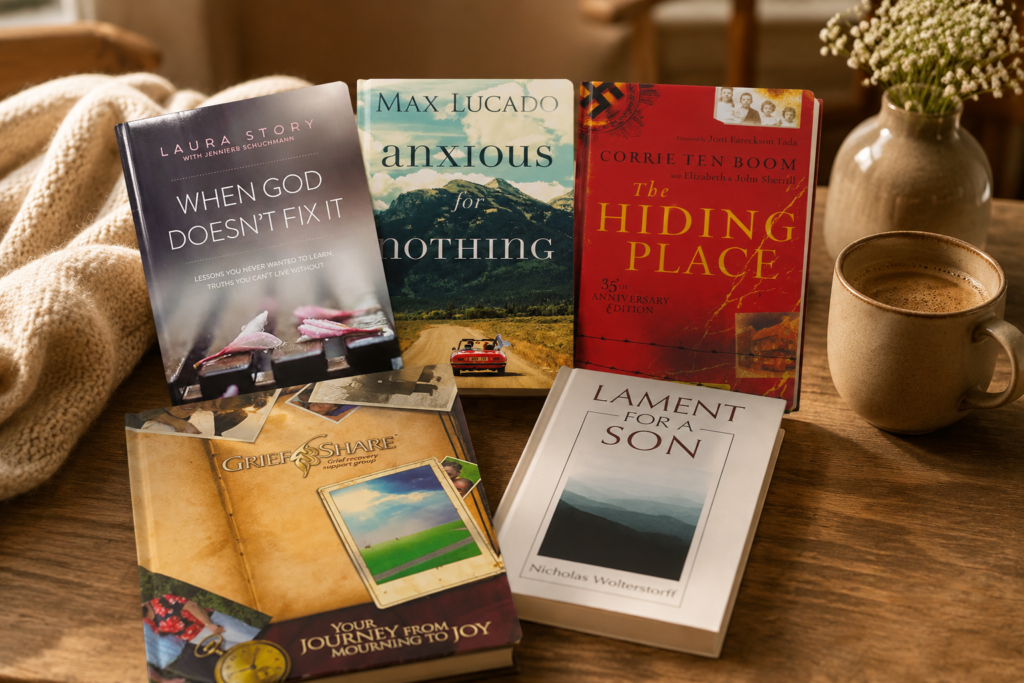
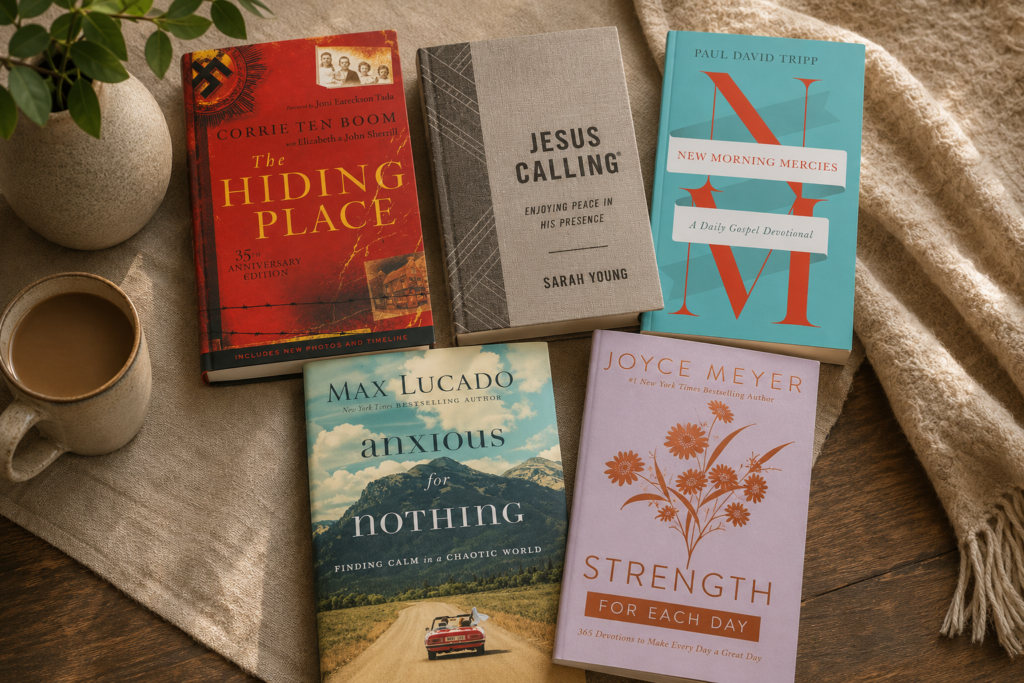
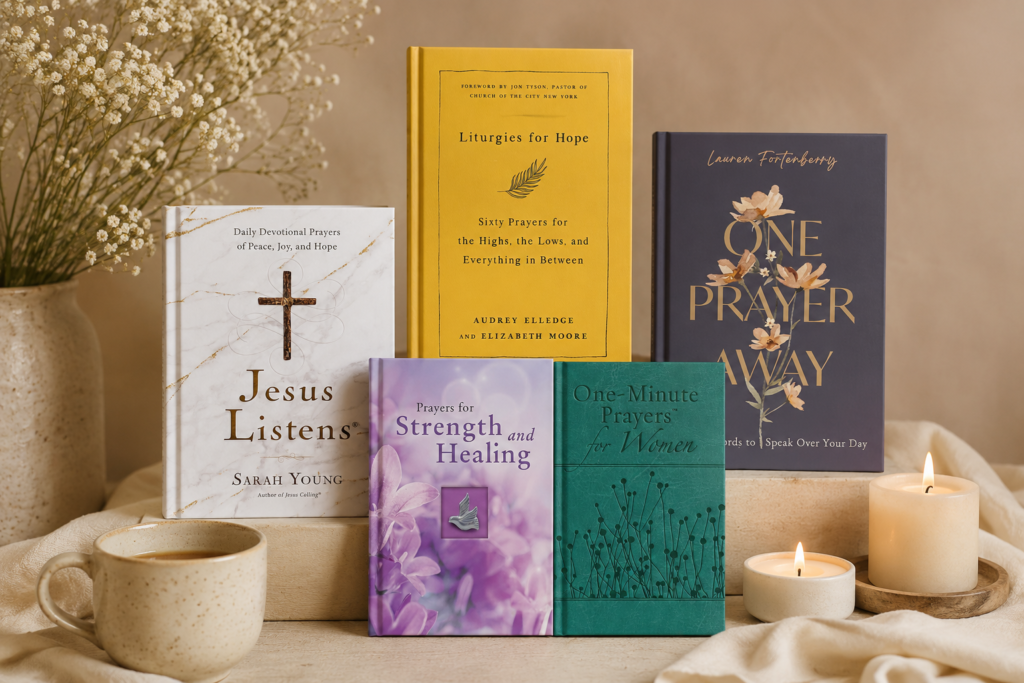
Find out our Recommended Inspirational Christian Books for Tough Seasons; visit: https://illuminatedresources.com/best-inspirational-christian-books-for-tough-seasons-hope-encouragement-when-youre-running-on-empty/