Here’s encouragement from faith-based resources to combat isolation in your middle years.
If your past experiences have taught you that loneliness is just part of getting older, something shameful to hide, or a sign you’ve failed at relationships, you might unknowingly be avoiding the very connections that could help. You might be telling yourself to just tough it out alone or that nobody else understands what midlife feels like.
So, how do you change this pattern? It starts with stopping the belief that you need to handle isolation on your own.
You need to reach for resources that point you back to God’s presence and His promise in Hebrews 13:5 that He will never leave you.
Community matters, but so does the deep assurance that you’re seen by your Creator.
Your faith is a key anchor for your emotional wellbeing, and it’s one of the best mechanisms that promote healing when isolation sets in. When you experience days that feel empty after the kids move out, or weeks where your phone stays quiet, or seasons where your purpose seems unclear, does your anxiety increase, but your sense of disconnection and spiritual dryness also intensify.
The unpredictable nature of midlife transitions triggers deep questions about identity and belonging. You wonder if you matter anymore.
You question whether anyone notices your absence.
This creates a cycle where you withdraw further, convinced that reaching out would burden others or expose your neediness. This pattern can lead to an entrenched isolation that has little connection to the truth of your value in God’s eyes or the community waiting to embrace you.
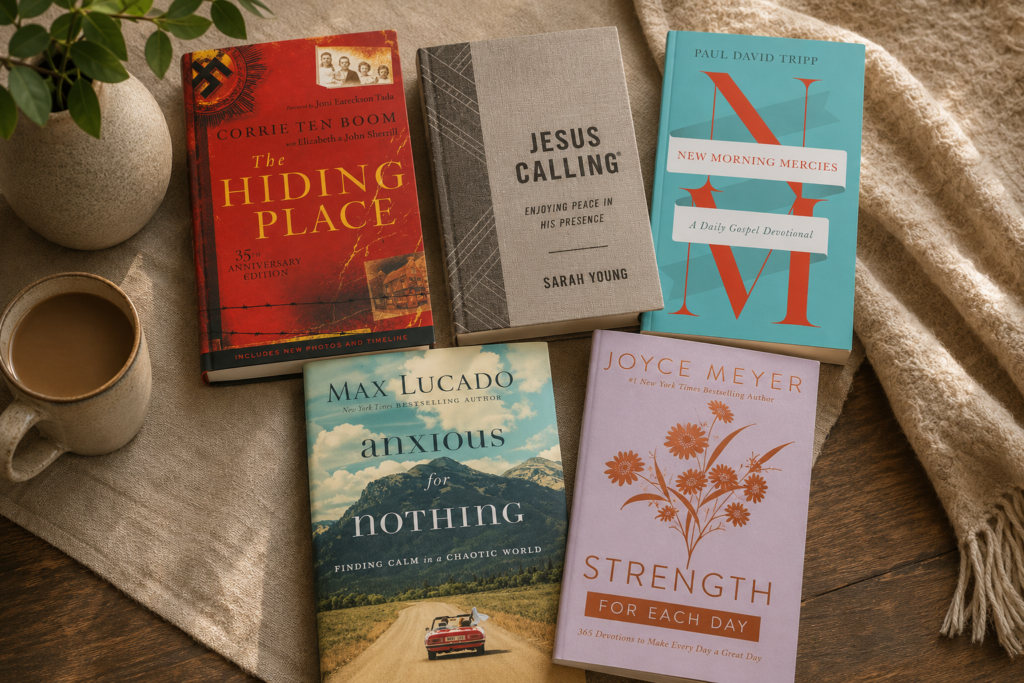
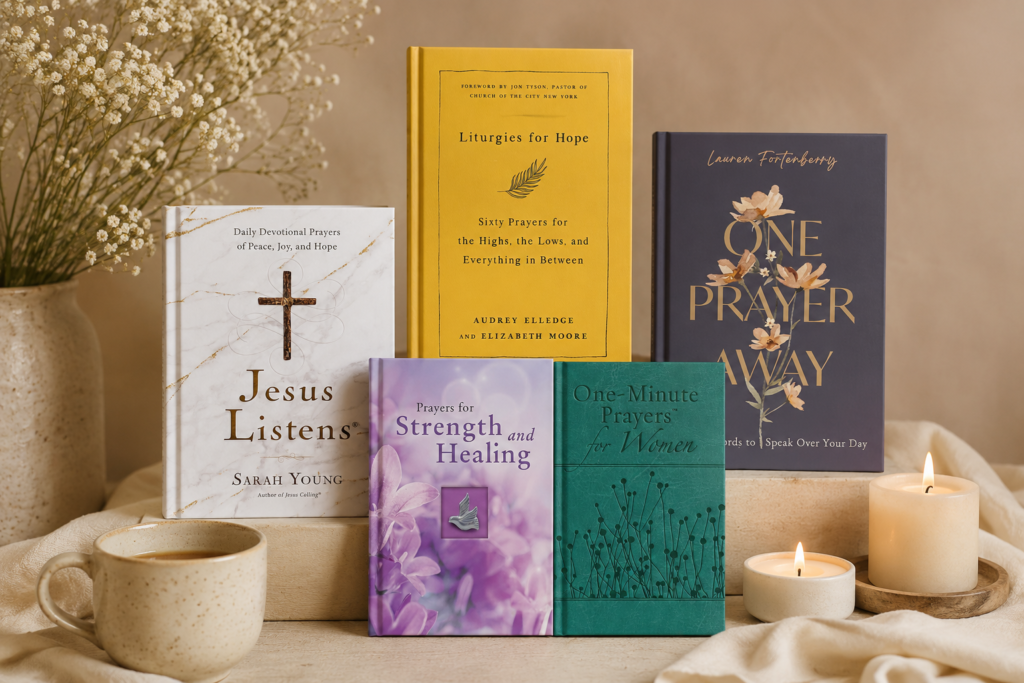
These Christian books, devotionals, and journals from Amazon address midlife loneliness with biblical wisdom and practical steps. They differ in their approach: some offer daily bite-sized encouragement perfect for busy mornings, while others provide deep theological comfort for long evenings.
You’ll find resources specifically for women navigating invisibility, men searching for purpose, empty nesters missing their children, and anyone who feels the ache of transitions.
Most include study questions, journaling prompts, or group discussion guides, making them useful whether you read alone or gather with others who understand your season.
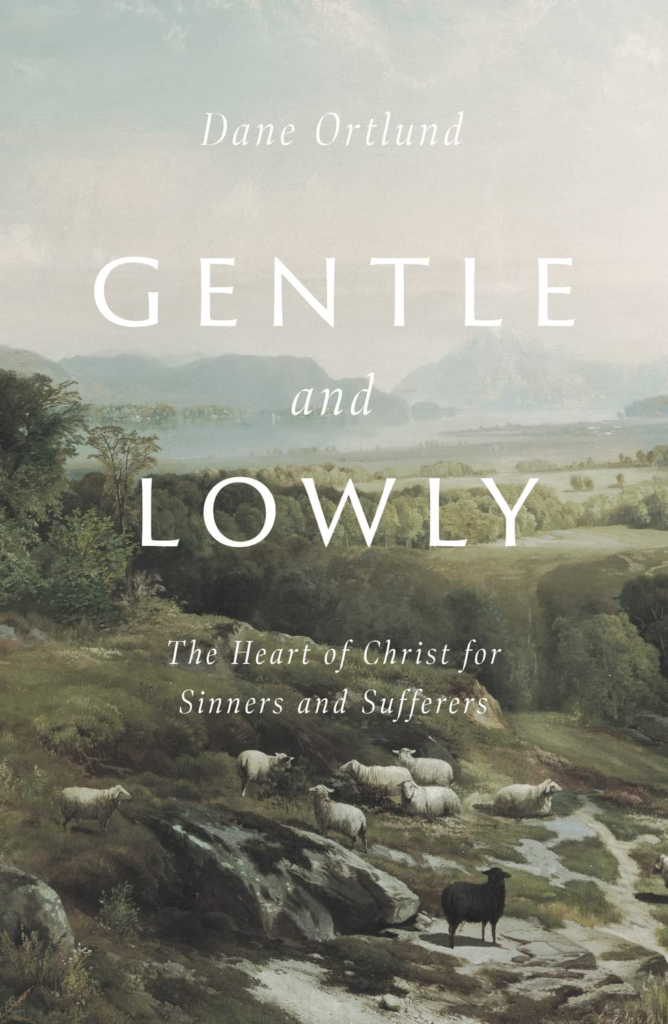
1. Gentle and Lowly: The Heart of Christ for Sinners and Sufferers by Dane Ortlund
This book reveals Jesus’ compassionate heart toward those who feel weary and broken. Drawing from Scripture and Puritan writings, Ortlund shows that Christ doesn’t turn away from your weakness but moves toward it.
Each short chapter ends with a prayer, making it perfect for bedtime reading when loneliness feels heaviest.
2. Hinds’ Feet on High Places by Hannah Hurnard
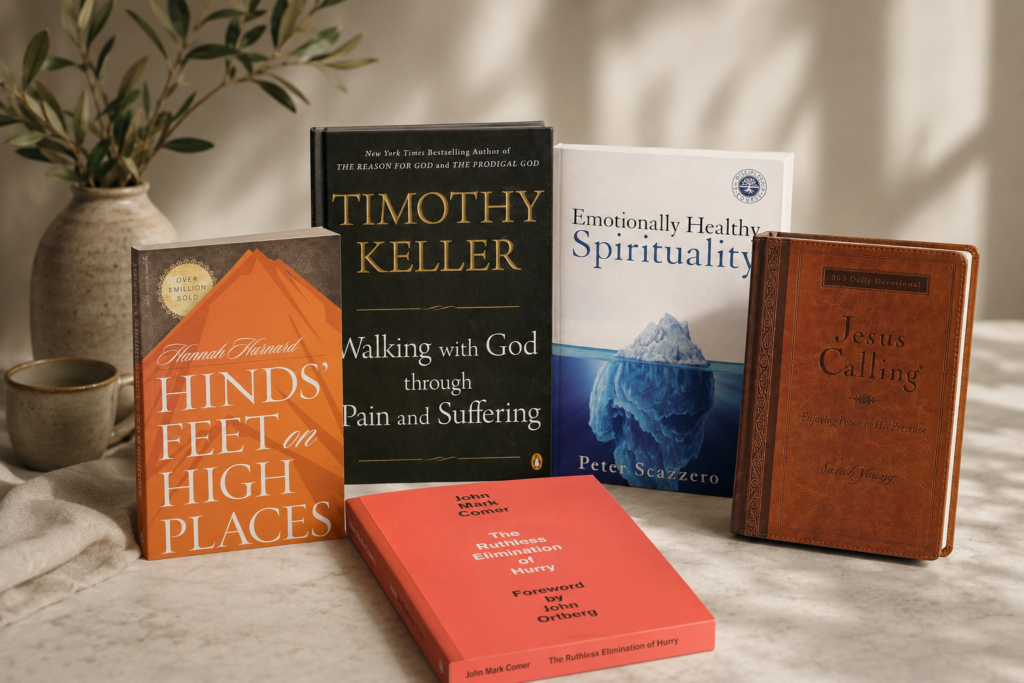
This beloved allegory follows Much-Afraid on her journey from the Valley of Humiliation to the High Places with the Chief Shepherd. Written decades ago, it still speaks powerfully to midlife fears of being left behind or forgotten.
The story format makes it easy to see your own pathway reflected in Much-Afraid’s transformation.

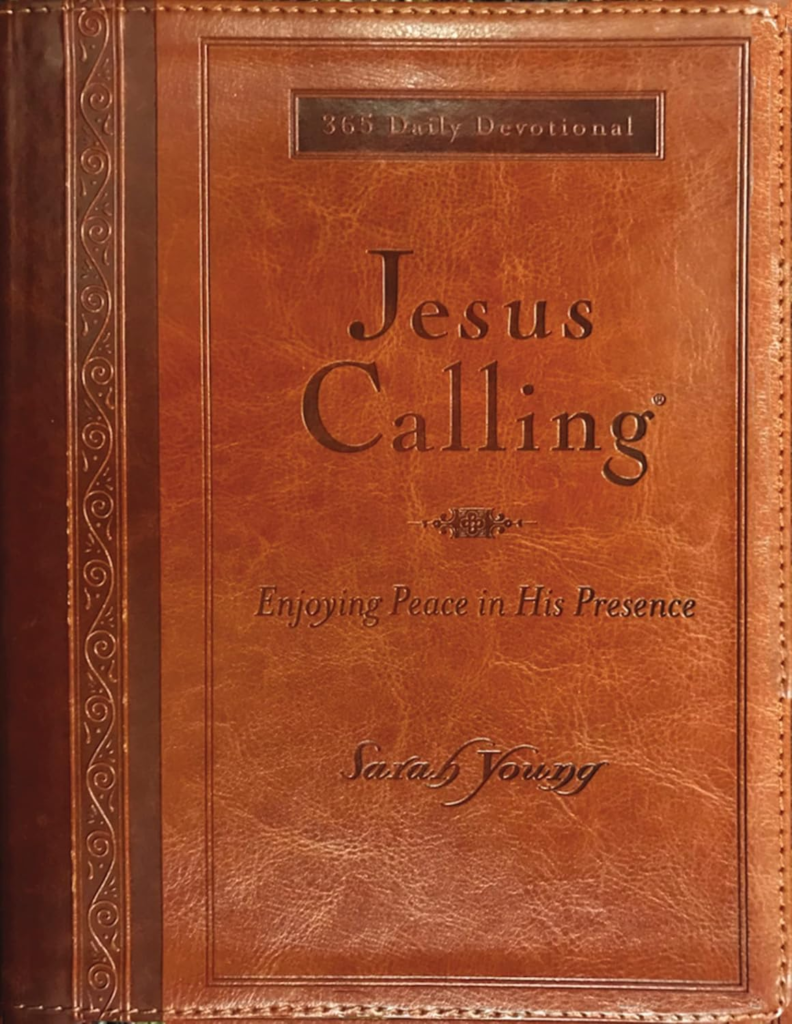
3. Jesus Calling: Enjoying Peace in His Presence by Sarah Young
With 366 daily readings written from Jesus’ perspective, this devotional creates a sense of intimate conversation with God. Each entry addresses common struggles like fear, loneliness, and discouragement with Scripture references.
The large-print edition helps if your eyes tire easily, and the consistent format becomes a comforting ritual.
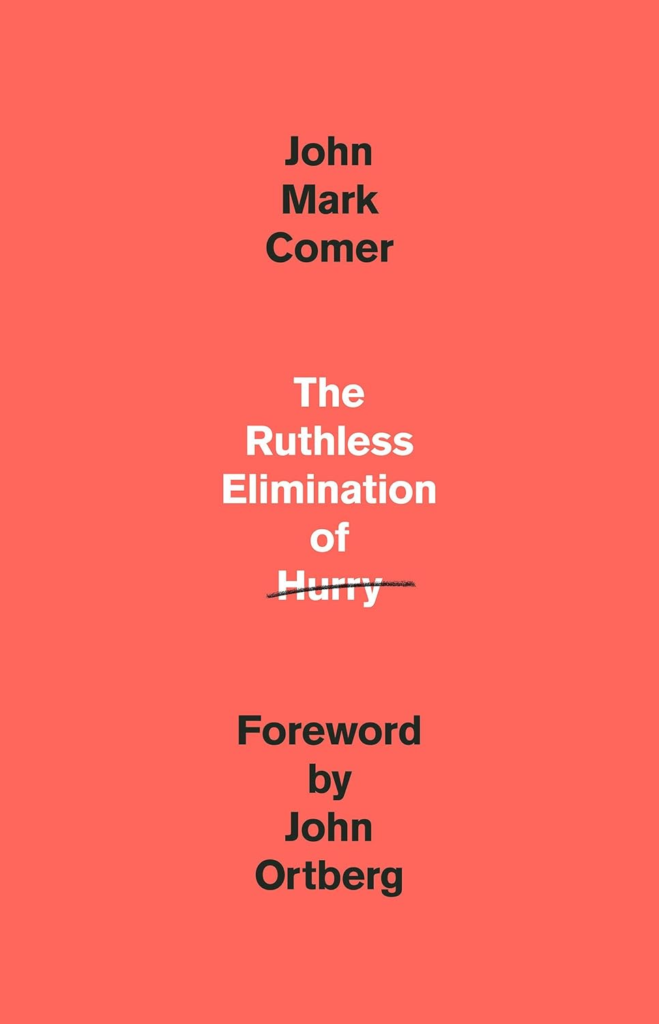
4. The Ruthless Elimination of Hurry by John Mark Comer
Comer connects busyness to spiritual and relational poverty, showing how slowing down opens space for God and meaningful connection. He offers practical disciplines like Sabbath-keeping and unplugging from technology.
The reflection questions at the end of each chapter help you apply concepts to your specific midlife situation.
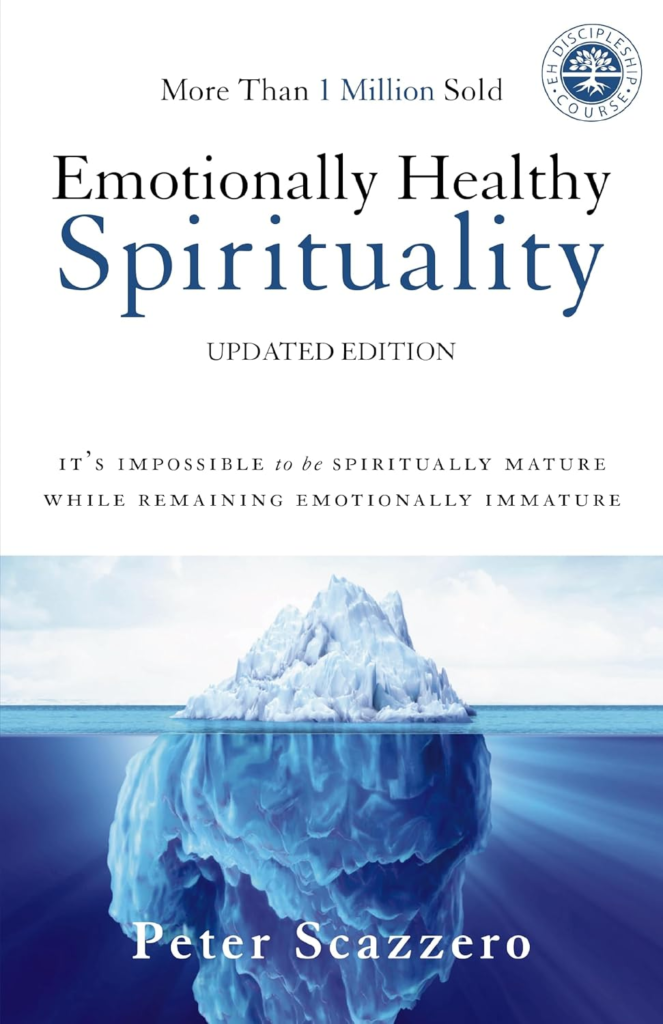
5. Emotionally Healthy Spirituality by Peter Scazzero
Scazzero argues that emotional maturity and spiritual maturity can’t be separated. This book helps you process grief, disappointment, and loneliness honestly as opposed to pretending everything’s fine. The workbook edition works well for small groups, letting you explore your emotions in a safe community.
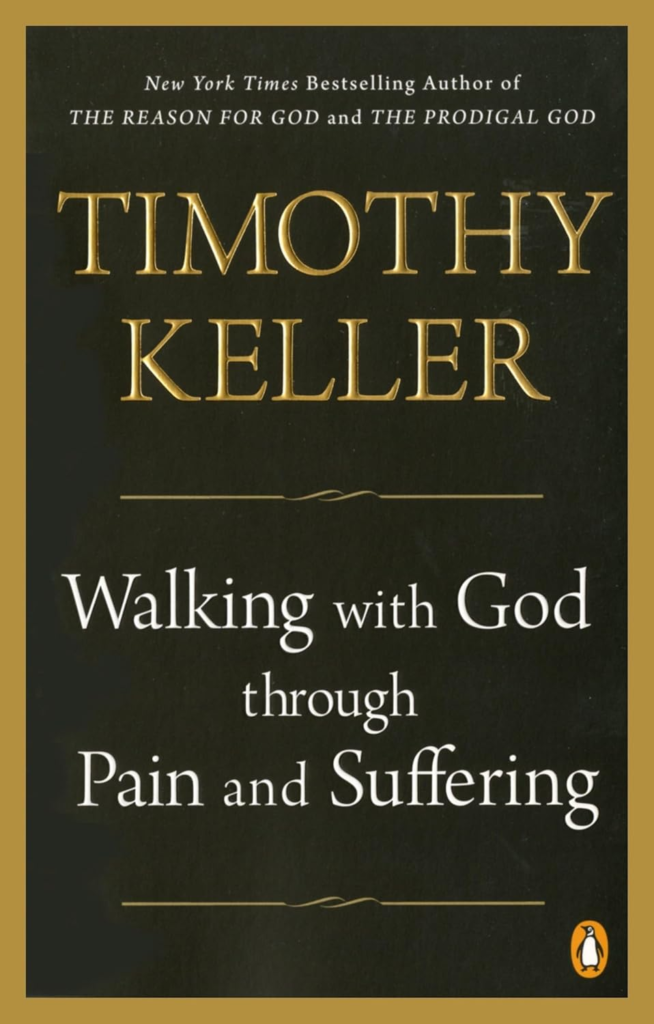
6. Walking with God through Pain and Suffering by Timothy Keller
Keller examines why suffering exists and how the gospel speaks to it. His theological depth combined with real stories offers comfort when midlife losses pile up.
This isn’t a quick read, but it provides solid ground when your faith feels shaky under the weight of loneliness.
7. Boundaries: When to Say Yes, How to Say No by Henry Cloud and John Townsend
Learning to set healthy boundaries protects your heart from toxic relationships that deepen isolation. Cloud and Townsend explain biblical principles for knowing your limits and communicating them.
The examples span family, work, and friendships, addressing the specific boundary challenges that surface in midlife.

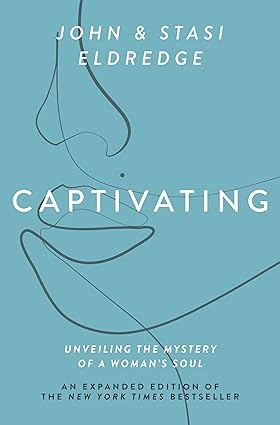
8. Captivating: Unveiling the Mystery of a Woman’s Soul by John and Stasi Eldredge
This book speaks to women who feel invisible or irrelevant in midlife. The Eldredges affirm that you were made for beauty, romance, and adventure, and those longings don’t disappear with age.
The companion workbook helps you process how God sees you versus how the world defines aging women.
9. Wild at Heart: Discovering the Secret of a Man’s Soul by John Eldredge
Eldredge calls men back to their God-given design for battle, adventure, and beauty. If you’re a man who feels stuck in routine and disconnected from purpose, this book reframes midlife as a time to reclaim passion.
The discussion questions work well for men’s groups learning vulnerability together.

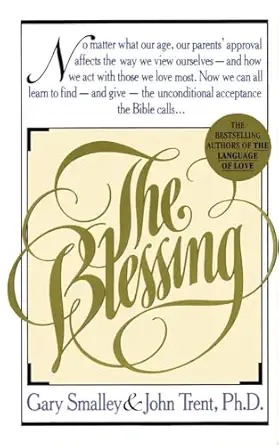
10. The Blessing by Gary Smalley and John Trent
Many adults never received affirmation from parents, creating a wound that fuels loneliness. Smalley and Trent explain the five elements of the biblical blessing and how to give it to others or seek it through God’s family.
This helps heal old hurts that intensify during midlife reflection.
My Pick for Midlife Loneliness
Among all these resources, Gentle and Lowly by Dane Ortlund stands as the most transformative for midlife loneliness. This book directly confronts the lie that you’re too broken, too much, or too far gone for Jesus to care about your isolation.
Ortlund mines Scripture, particularly passages about Christ’s heart of compassion, to show that Jesus doesn’t merely tolerate your neediness but is drawn to it.
The beauty of this book comes from how it reframes weakness. Midlife often surfaces failures you’ve avoided confronting: broken relationships, unrealized dreams, patterns you can’t seem to break.
These failures amplify loneliness because they make you feel disqualified from community and distant from God.
Ortlund demolishes that thinking by revealing that Christ’s deepest heart is gentle toward sinners and lowly toward sufferers. He doesn’t stand aloof waiting for you to get your act together.
He pursues you in your mess.
Each chapter explores a different facet of Christ’s tender heart, making the book substantial enough to return to repeatedly. The writing feels personal without being saccharine, theological without being dense.
Readers consistently report feeling lighter after just a chapter, as if a weight they didn’t know they carried has lifted. That lightness often leads to reaching out to others, as experiencing Jesus’ compassion makes you braver about vulnerability.
Your loneliness changes from something shameful to hide into something that actually positions you to receive more of Christ’s love.
If isolation has you convinced you’re uniquely unlovable or that your midlife struggles are too boring for anyone to care about, grab Gentle and Lowly today. It’s available in hardcover, paperback, Kindle, and audiobook formats on Amazon, typically between $10-15 with Prime shipping.
Start reading tonight before bed, just one chapter.
Journal a single insight the next morning about how Jesus’ heart toward you differs from your assumptions. Watch how this daily practice chips away at isolation’s power.
Consider pairing it with Jesus Calling for morning devotions, creating bookends of truth around your day.
Your midlife season doesn’t have to be defined by loneliness. These resources equip you to encounter God’s nearness and find your people.
Start today.
Frequently Asked Questions
What’s the actual difference between loneliness and solitude from a Christian perspective?
Loneliness is the painful feeling of being disconnected and unseen, while solitude is intentionally spending time alone with God for spiritual renewal. Psalm 46:10 invites you to “be still and know that I am God,” which describes healthy solitude.
Books like Nouwen’s Spiritual Direction teach you to shift from loneliness as an enemy into solitude as a gift. The practical step is carving out 15 minutes daily without your phone, simply sitting in God’s presence.
You can pray, read Scripture, or just breathe and thank He’s with you. Over time, this practice rewires your relationship with being alone.
How do I actually start a Bible study group when I feel too lonely to reach out?
Pick a book from this list with built-in discussion questions, like Boundaries or Emotionally Healthy Spirituality. Text or email three to five people you know casually, maybe from church or your neighborhood, and suggest meeting biweekly at a coffee shop or someone’s home.
Keep the commitment low at first, just six weeks to try it.
People on Reddit’s Christian communities share that starting virtually via Zoom removes barriers if travel is hard or you feel awkward about hosting. The key is making the first move even when fear says nobody will come.
Often others are equally lonely and relieved when someone initiates.
Can devotionals actually help if I’m skeptical about quick spiritual fixes?
Yes, because devotionals aren’t magic formulas but rather tools that consistently point you to unchanging biblical truth. Users of Jesus Calling report gradual shifts after 30 days of daily reading, which aligns with research showing habits form new neural pathways.
You’re not expecting one entry to erase loneliness but building a daily rhythm of encountering God’s promises.
Track your emotional state before and after reading for a month to gather personal evidence. The change often happens so slowly you don’t notice until you look back and realize the despair has lightened.
What if my loneliness comes from a prodigal child or divorce, not just an empty nest?
Resources like Praying the Scriptures for Your Adult Children address the specific ache of broken relationships with grown kids. For divorce, Walking with God through Pain and Suffering and Emotionally Healthy Spirituality provide frameworks for processing deep loss without spiritual bypassing.
Quora threads on Christian loneliness emphasize Lamentations 3:22-23: God’s mercies are new every morning, even when your child is far from faith or your marriage has ended. These books work best combined with professional Christian counseling, as they complement therapy as opposed to replace it.
Cloud and Townsend’s work on boundaries becomes especially vital for navigating post-divorce relationships.
Are there audio versions for those of us with busy midlife schedules?
Most of these books offer Audible versions. The Ruthless Elimination of Hurry works particularly well in audio, with Comer’s calm narration suiting commutes or walks.
Redditors often praise the Gentle and Lowly audiobook for bedtime listening, noting it eases the racing thoughts that fuel insomnia.
Jesus Calling has a companion app with audio devotions. Audiobooks let you absorb truth during tasks like cooking, exercising, or driving, making them accessible when sitting down to read feels impossible.
How long before I actually feel less alone using these resources?
Expect to notice small shifts within two to three weeks of consistent daily use, with more significant change over two to three months. A Goodreads reviewer of Hinds’ Feet on High Places described a noticeable turnaround after 60 days of reading and applying the truths.
The timeline depends on consistency and whether you’re also taking practical steps like joining a small group or serving others.
Devotionals plant seeds daily, but they grow faster when combined with community, as Ephesians 4 emphasizes that the body of Christ builds itself up through mutual encouragement. Healing from loneliness is gradual, not instant.
When should I seek professional Christian counseling instead of just reading books?
If your loneliness includes symptoms of clinical depression like persistent hopelessness, sleep disruption, appetite changes, or thoughts of self-harm, contact a professional immediately. Ministries like Focus on the Family offer counseling referrals.
Books like Emotionally Healthy Spirituality integrate well with therapy, and many Christian counselors assign them as homework between sessions.
Think of books as part of a larger healing strategy that may also include counseling, medical care, and community. They’re powerful tools but not solo solutions for everyone.
If you’ve read consistently for three months with no relief, that’s a sign to seek additional help.
Find out our Recommended Faith-Building Books for Christian Women Facing Midlife Adversity; visit: https://illuminatedresources.com/20-faith-building-books-for-christian-women-facing-midlife-adversity/