Quality faith-based materials that deliver real value for spiritual growth
The Christian resources market has exploded over the past decade. Walk into any Christian bookstore or browse Amazon and you’ll find thousands of Bibles, devotionals, study guides, journals, and apps all promising to improve your spiritual life.
The problem is that many of these resources look beautiful on the shelf but offer little depth once you actually start using them.
Some are theologically shallow. Others are so academic that regular people give up after a few pages.
And plenty are just repackaged content with a fresh cover and a higher price tag.
The good news is that genuinely valuable Christian resources do exist. The items on this list represent materials that mix solid biblical teaching with practical usability.
These are resources that people actually use consistently, not products that collect dust after the first week.
Whether you need a Bible study that helps you understand Scripture in context, a devotional that challenges your thinking, or a journal that helps you develop a meaningful prayer practice, the products below deliver real spiritual value for the money you spend.
20 Christian resources worth your investment
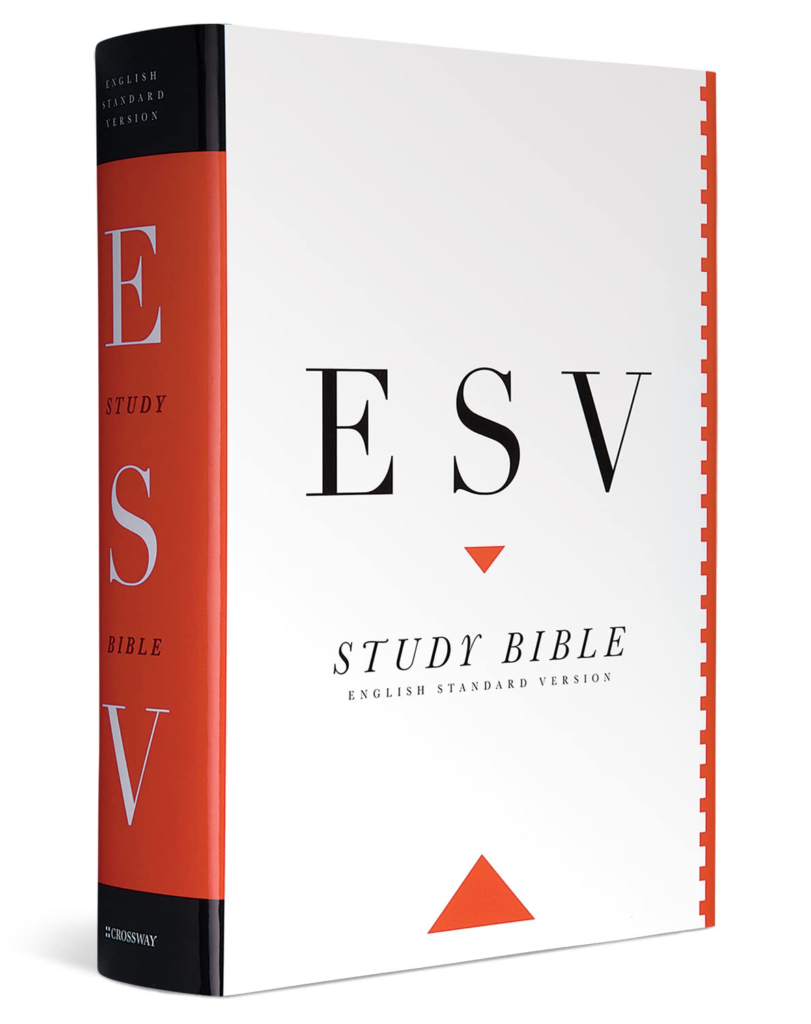
1. ESV Study Bible
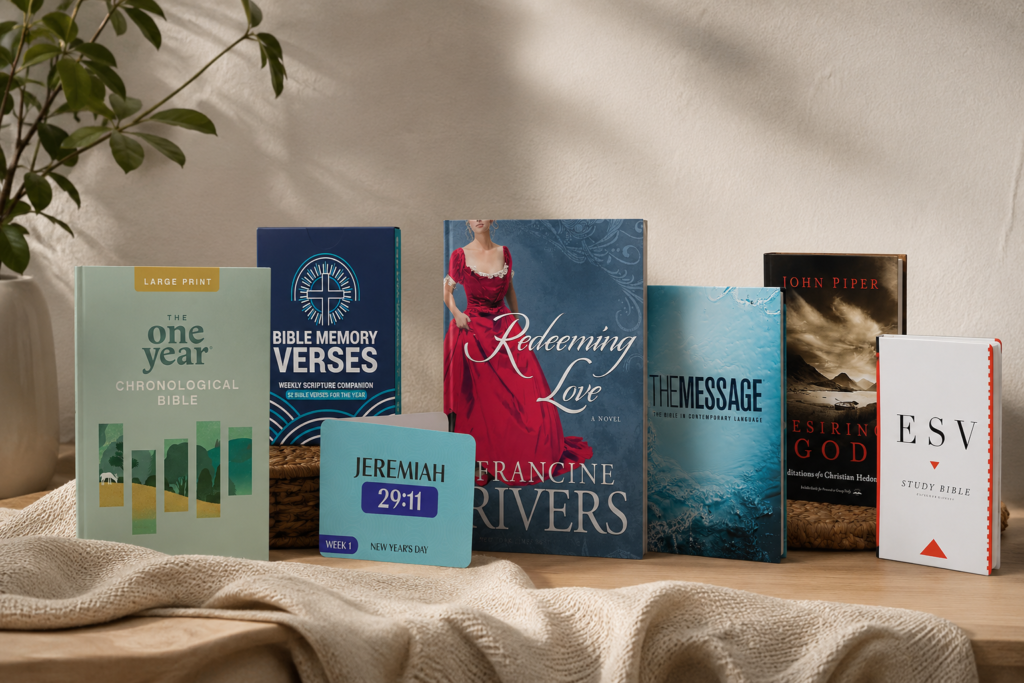
The ESV Study Bible stands as the most comprehensive study resource available for serious Bible engagement. This single volume includes over 20,000 study notes written by evangelical scholars, 240 full-color maps and illustrations, and introductions to each biblical book that explain authorship, historical context, and major themes.
The study notes explain difficult passages without dumbing down the theology, and the cross-reference system helps you see connections throughout Scripture.
2. The Message Bible
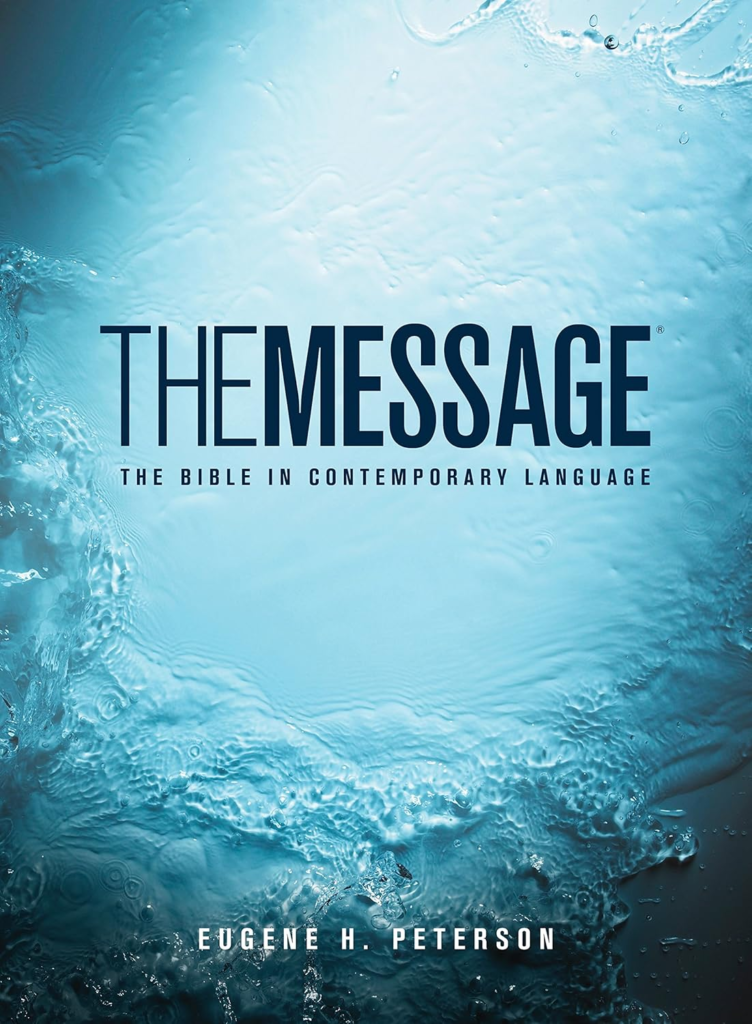
Eugene Peterson’s The Message translates Scripture into contemporary, conversational English that makes the text feel immediate and alive. This isn’t meant to replace word-for-word translations like the ESV or NASB, but as a companion Bible for devotional reading, it offers tremendous value.
The flowing language helps you catch emotional tones and cultural contexts that formal translations sometimes obscure.
Many people read a passage in The Message first to grasp the overall meaning, then switch to a literal translation for detailed study.
3. The One Year Chronological Bible
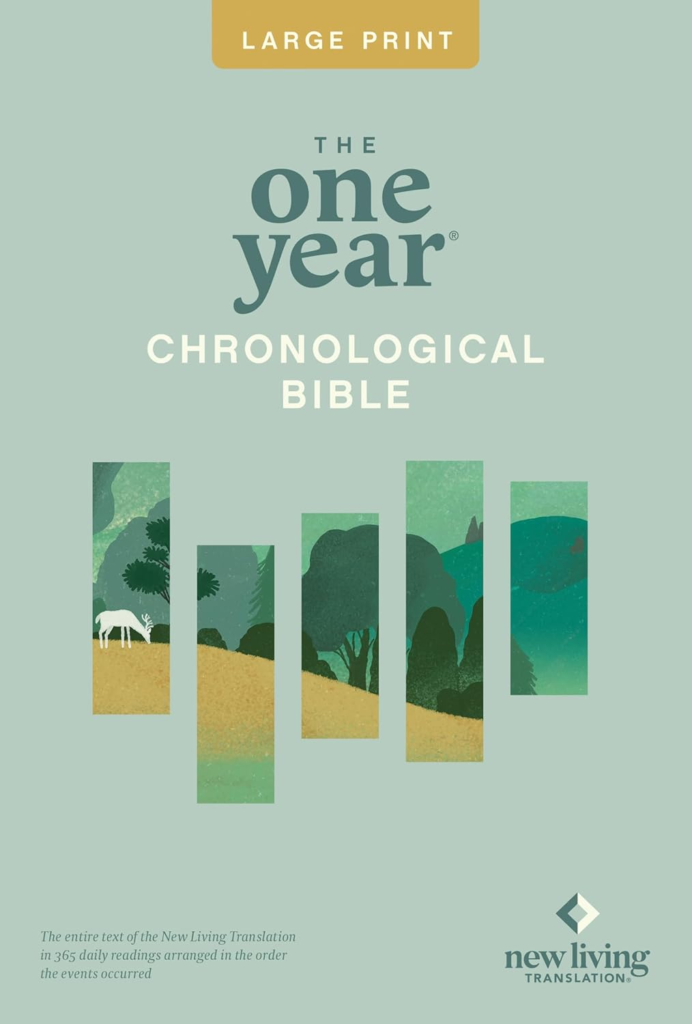
Reading Scripture in chronological order rather than the traditional book sequence creates unexpected insights. The One Year format divides this chronological reading into daily portions that take about 15-20 minutes, making it possible to read the entire Bible in a year without the project feeling overwhelming.
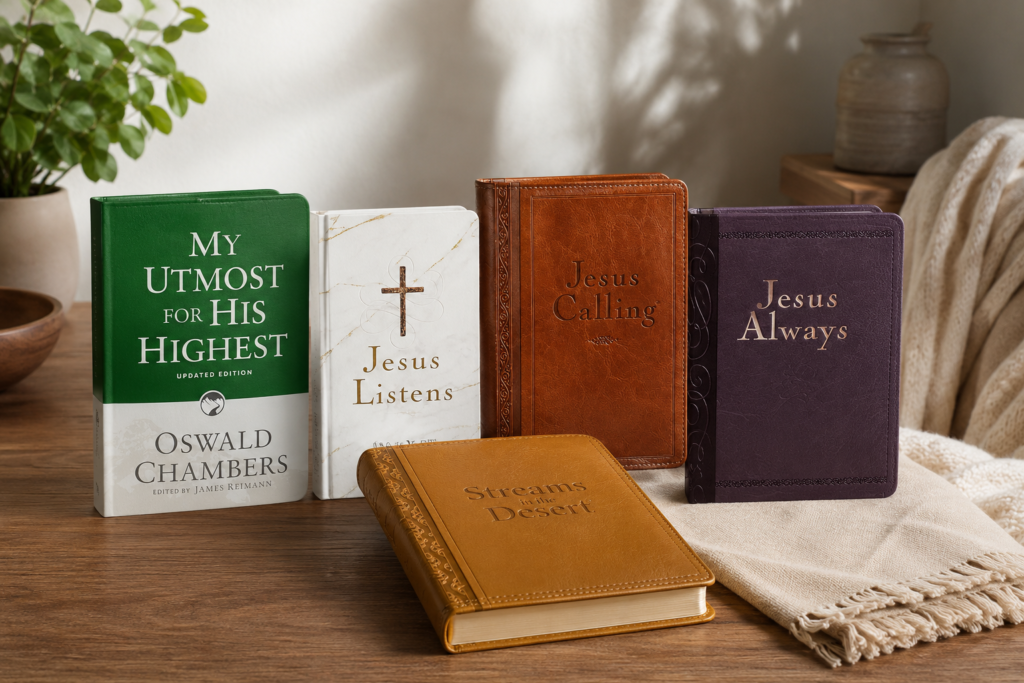
4. My Utmost for His Highest by Oswald Chambers
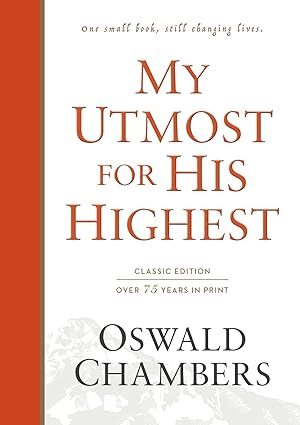
This daily devotional has been continuously in print since 1927 because Chambers writes about radical surrender to God in ways that cut through comfortable Christianity. Each entry is dense with theological insight, so you might read one day’s devotional, think about it all day, and return to it again. This isn’t light inspirational reading.
Chambers challenges you to examine whether your faith involves genuine transformation or just religious behavior.
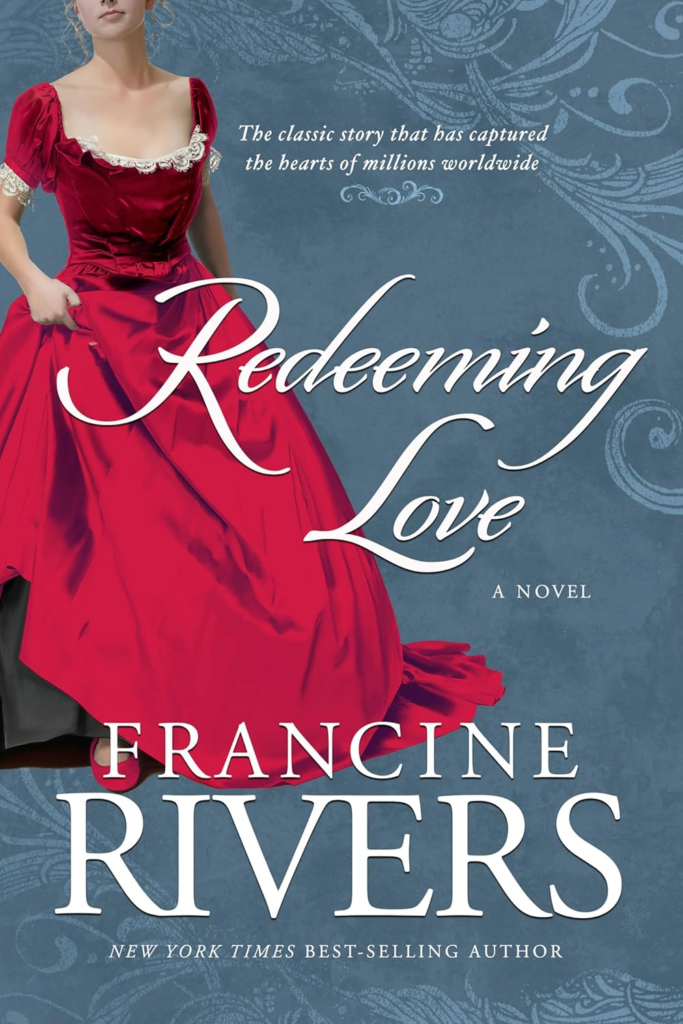
5. Redeeming Love by Francine Rivers
This historical Christian novel retells the biblical book of Hosea in Gold Rush-era California. While it’s fiction, the story talks grace, redemption, and God’s relentless love in ways that many readers find genuinely transformative.
It’s particularly powerful for people who’ve experienced trauma, shame, or abandonment and need to understand grace emotionally rather than just intellectually.
At around $15-18 for the paperback, this book serves as both legitimate entertainment and spiritual formation. Thousands of readers report this novel changing how they understand God’s love for them.
6. The Daily Study Bible Series by William Barclay
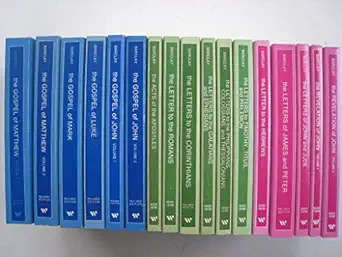
Barclay’s commentary series provides scholarly biblical insight without requiring seminary training to understand. Each volume covers one biblical book and breaks it into small passages with historical context, word studies, and spiritual application.
If you want daily Bible study that goes deeper than devotional readings but isn’t as intimidating as academic commentaries, Barclay fills that gap perfectly.
7. Desiring God by John Piper
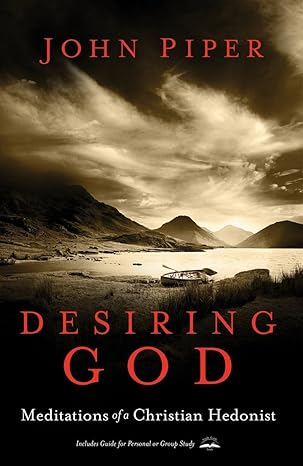
Desiring God is a paradigm-shattering work that dramatically alters common
perspectives on relating to God. Piper reveals that there really is no need to choose
between duty and delight in the Christian life. In fact, for the follower of Jesus, delight is
the duty as Christ is most magnified inHis people when they are most satisfied in Him.
Constantly drawing on Scripture to build his case, Piper shows why pursuing maximum joy is essential to glorifying God. He discusses the implications of this for conversion, worship, love, Scripture, prayer, money, marriage, missions, and suffering.
8. Bible Verse Memory Cards
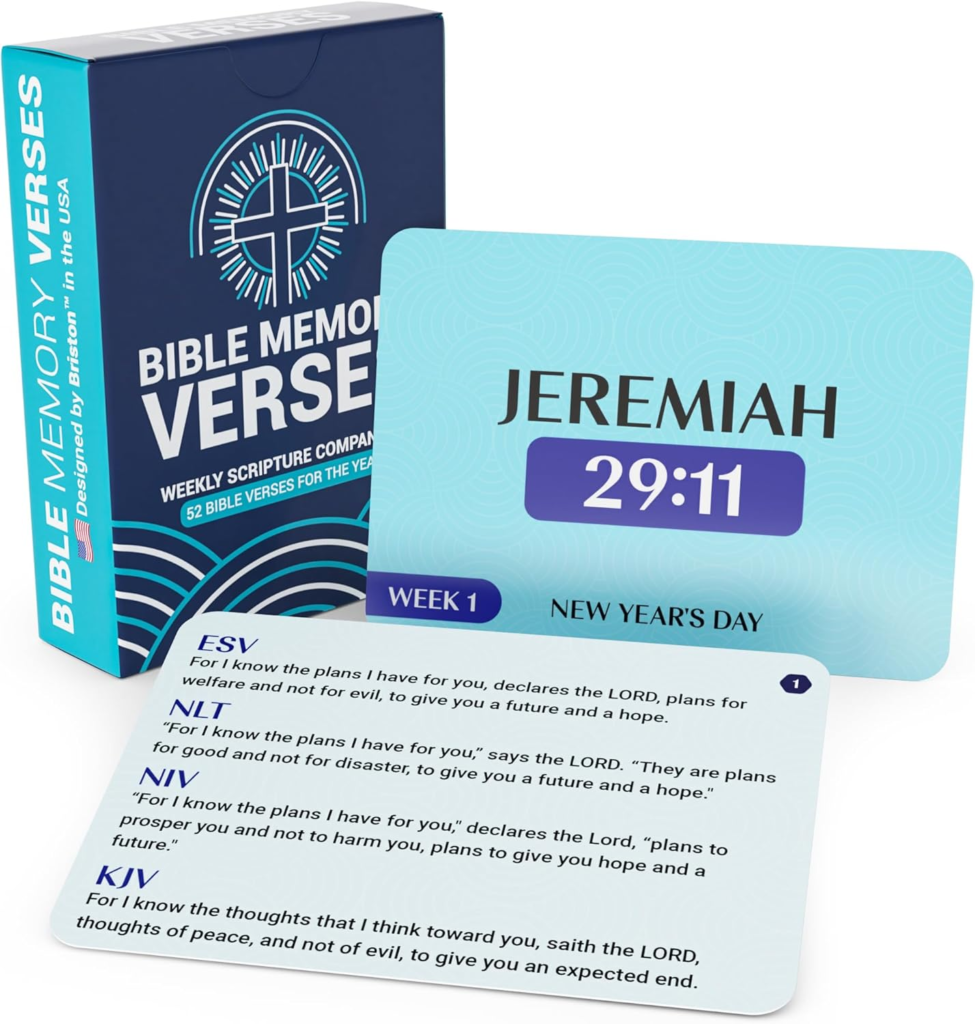
Briston’s 52-Week Bible Memory Verse Flash Cards provide weekly inspiration, perfect for spiritual growth, Christian learning, and Bible study. Featuring verses from ESV, NLT, NIV, and KJV, these scripture cards strengthen faith, encourage reflection, and support year-long devotion for individuals, families, or study groups.
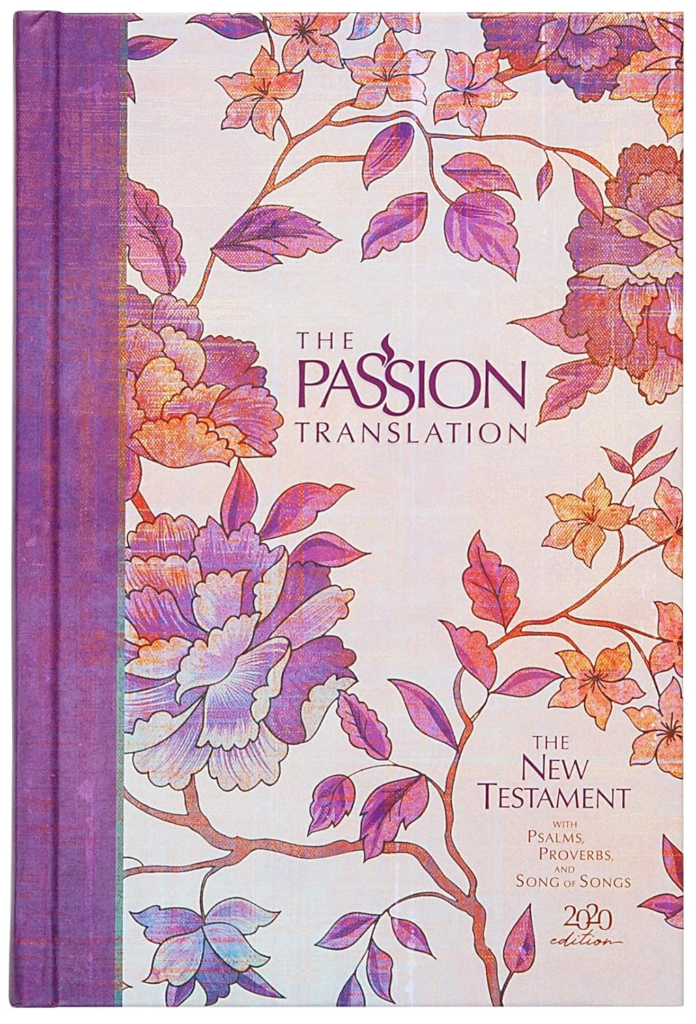
9. The Passion Translation
The Passion Translation® is a modern, easy-to-read Bible translation that unlocks the passion of God’s heart and expresses his fiery love ~ merging emotion and life-changing truth.
This translation will evoke an overwhelming response in every reader, unfolding the deep mysteries of the Scriptures.
If you are hungry for God, The Passion Translation will help you encounter his heart and know him more intimately. Fall in love with God all over again.
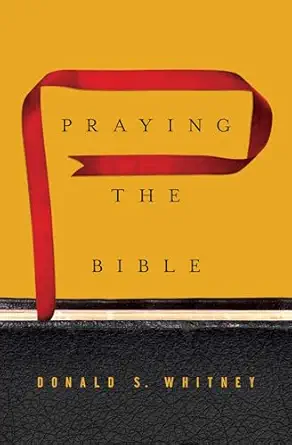
10. Praying the Bible by Donald S. Whitney
Donald Whitney’s practical workbook teaches you how to transform Scripture passages into personal prayers. Rather than just reading the Bible or praying generic prayers, Whitney shows you how to use God’s Word as the foundation for your prayer life.
This approach deepens both your Scripture knowledge and your prayer practice simultaneously.
The book itself costs around $10-15 and includes space for writing, making it interactive and personal. If your prayers feel dry or disconnected from Scripture, this resource offers a transformative methodology that you can use for the rest of your life.
Which resource deserves your money first?
After reviewing these options, the ESV Study Bible stands out as the single best investment for long-term spiritual growth. While it needs a higher upfront cost than a simple devotional or journal, this one resource supports Bible reading, study, teaching, and learning for decades.
The combination of readable translation, comprehensive notes, and reference tools means you can read it like a regular Bible while having access to scholarly insights whenever you need them.
The leather editions develop character over time, becoming more beautiful with use rather than falling apart.
That said, the ESV Study Bible works best when paired with a daily practice that keeps you engaged consistently. Adding “My Utmost for His Highest” or a YouVersion Premium subscription creates a rhythm of both deep study and daily reflection.
The combination costs less than $100 total and provides structure for sustainable spiritual growth.
If your budget is tight, start with the YouVersion Premium subscription and one good devotional like “My Utmost for His Highest.” This combination costs under $35 annually and delivers tremendous value. You can add a study Bible later when finances allow.
The key is choosing resources you’ll actually use consistently rather than accumulating books that gather dust.
Whatever you choose, commit to completing one resource thoroughly before buying another. Spiritual growth comes from sustained engagement with good material, not from consuming many resources superficially.
Frequently Asked Questions
What actually makes one Bible translation better than another for regular people?
Bible translations exist on a spectrum from word-for-word literal (like ESV, NASB) to thought-for-thought dynamic (like NLT, The Message). Literal translations prioritize accuracy to the original Hebrew and Greek wording, which helps for detailed study but can feel wooden when reading.
Dynamic translations prioritize readability and modern English flow, which helps comprehension but sometimes loses linguistic precision.
Most Bible scholars recommend owning both types: a literal translation for study and a dynamic one for devotional reading. The differences matter most when you’re studying specific words or doing detailed theological work.
For regular Bible reading, any major translation from a reputable publisher works well.
How do I know if a Christian book has solid theology instead of questionable teaching?
Check several things before buying. First, look at the publisher.
Established Christian publishers like Crossway, Zondervan, Baker, and B&H maintain theological accountability.
Second, read endorsements from recognized Christian leaders and check if they represent diverse perspectives within orthodoxy. Third, see if the author has theological education or pastoral experience rather than just celebrity status.
Fourth, read sample chapters to see if the author consistently points you back to Scripture and encourages you to test claims against the Bible.
If a book presents novel interpretations as uniquely true or focuses primarily on the author’s personal revelation rather than biblical text, exercise caution. When in doubt, ask pastors or mature Christians you trust for their assessment.
Does it make sense to spend hundreds on Bible software when free apps exist?
For most people, free apps like YouVersion serve perfectly well. The premium features on paid software benefit specific users: pastors preparing sermons weekly, Bible teachers creating curriculum, seminary students writing papers, or serious students who study Scripture many hours weekly.
The advanced search functions, cross-referencing across thousands of resources, and original language tools save enormous time for these users.
If you read the Bible devotionally for 15-30 minutes daily, free apps provide everything you need. If you study for several hours weekly or teach regularly, the paid software quickly justifies its cost through time savings. Consider your actual usage patterns before investing.
Can digital resources completely replace physical Bibles and books?
Digital and physical resources each offer distinct advantages. Digital provides searchability, portability, and accessibility to many translations instantly.
Physical interaction improves memory retention and engagement according to research.
Writing by hand in journals creates different neural pathways than typing. Flipping through physical pages promotes different kinds of discovery than scrolling screens.
The ideal approach combines both: digital for research, reference, and accessibility, physical for devotional practice, journaling, and deep study.
Your brain engages differently with each format, and spiritual growth benefits from both types of interaction. Use whichever format you’ll actually engage with consistently.
How much money should someone reasonably spend on Christian resources each year?
This depends entirely on your income, priorities, and learning style. A reasonable budget might be $30-50 monthly ($360-600 annually) for someone committed to spiritual growth.
This covers one or two books quarterly, an app subscription, and a journal or devotional.
Others spend less by using library resources and free content. Some invest more in comprehensive tools like Logos or many study series.
The key is that spending reflects genuine intention and results in actual engagement rather than accumulation of unused materials.
If you’re buying resources faster than you can meaningfully engage with them, reduce spending regardless of budget. Quality engagement with fewer resources beats superficial consumption of many.
What resources work best for group Bible studies versus personal study?
Group studies benefit from resources designed for discussion and shared learning. Look for materials that include group discussion questions, video teaching components, and structured lessons everyone can finish independently then talk about together.
The Chosen Bible Study series, She Reads Truth studies, and The Purpose Driven Life Study Edition all work well for groups.
Personal study works better with in-depth commentaries, comprehensive study Bibles, and devotionals you interact with directly. If you’re leading a group, choose accessible resources that don’t need theological background.
For personal study, choose resources matching your learning style and allowing for personal pacing.
How do I actually stick with resources consistently instead of abandoning them after a few weeks?
Consistency comes from matching resource intensity to available time and genuinely enjoying how the resource engages you. Many people fail because they choose resources requiring 90 minutes daily when they only have 15 minutes available.
Choose something you can genuinely do daily, even if it seems small.
Also choose resources you actually enjoy engaging with aesthetically and intellectually. If a journal feels boring or a translation feels too academic, you won’t stick with it regardless of quality.
Start with one resource and establish the habit before adding others.
Link your resource engagement to an existing routine, like morning coffee or evening wind-down. Small consistent engagement beats sporadic intensive effort every time.
Find out our Recommended Essential Resources for Mentoring Midlife Christian Women; visit: https://illuminatedresources.com/10-essential-resources-for-mentoring-midlife-christian-women/