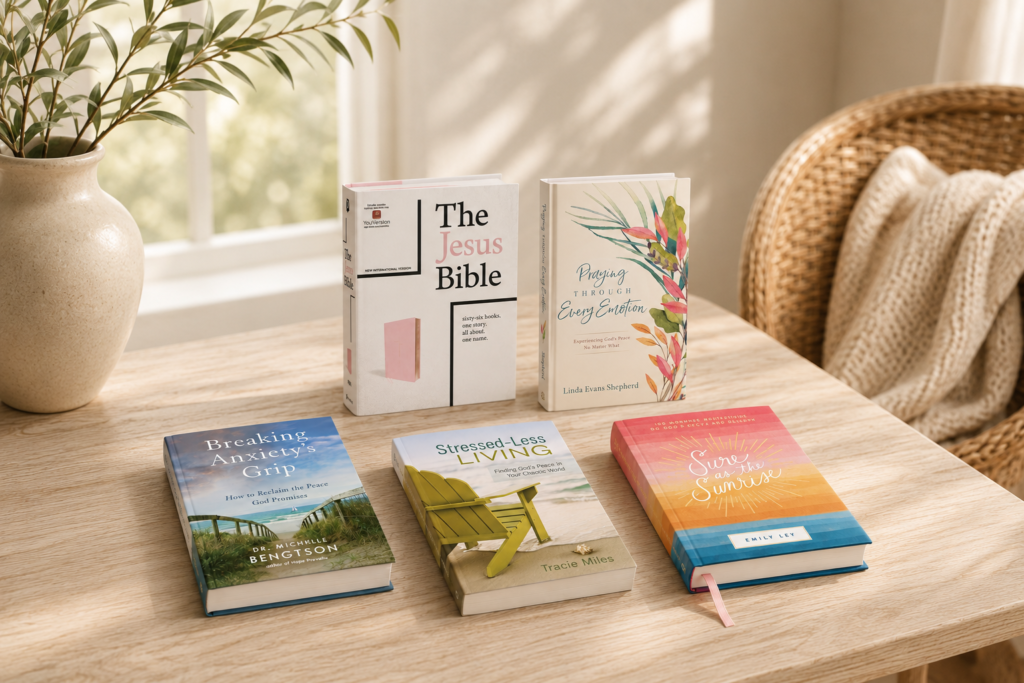
Here’s how these books, devotionals, Bibles, journals, and self-care items can help you navigate midlife with faith, peace, and purpose.
It turns out that finding the right faith-based resources and self-care tools for navigating midlife transitions can dramatically restore your sense of purpose and peace, even if you feel lost in the shuffle of empty nests, aging parents, and changing bodies.
Your ability to thrive in this season rather than just survive it involves understanding how Scripture addresses your specific struggles while caring for your whole self in ways you might not expect. I’ve found that understanding this dual approach helps you avoid either neglecting your spiritual life or ignoring your physical and emotional needs.
When you experience the disorientation that often comes with midlife, your heart is actually searching for anchors that hold steady while everything else shifts. This happens because roles you’ve held for decades might be changing, your body is going through hormonal transitions, and questions about purpose can surface when daily routines look different than they used to.
Many women try to push through without acknowledging these changes, but this often leads to burnout, resentment, or a sense of losing yourself. You might notice feelings of restlessness, sadness about what’s passing, or anxiety about what’s ahead when this is happening.
Your mind will show signs like difficulty concentrating during prayer, your body might signal stress through sleep problems or fatigue, and your relationships may feel strained.
These are clear signals that you need intentional support for this particular season. The key to addressing this involves both deepening your connection to God’s Word and giving yourself permission to care for the body and mind He gave you.
This works by grounding your identity in Christ while also stewardship of your whole self, as opposed to just trying to “be strong” or ignore what you’re going through.
I recommend starting with one devotional or book that speaks to your current struggle, whether that’s marriage after kids leave, body image, or managing stress. As you continue, your perspective will begin to shift from surviving to actually finding new purpose.
Whether you’re struggling with empty nest syndrome or just want to feel more grounded during hormonal changes, this approach helps you move forward with hope. Many women have found that once they invest in resources that speak both to their faith and their real-life challenges, they experience significant peace and renewed vision for what’s ahead.
Products for Spiritual Growth and Biblical Encouragement
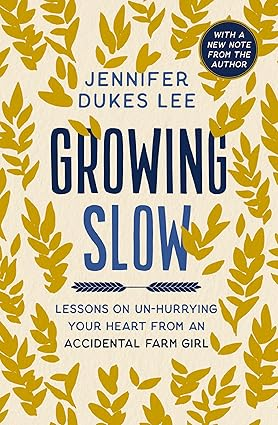
1. The Jesus Bible (NIV Edition)
This Bible takes you through Scripture with a lens on how every page points to Christ. It includes dozens of articles and devotionals woven throughout, along with beautiful full-color imagery.
The study notes highlight Jesus in the Old and New Testaments, which brings fresh perspective when you feel like you’re reading the same passages you’ve known for years.
It’s particularly helpful in midlife when you’re looking for deeper meaning and connection to Scripture that goes beyond surface reading.
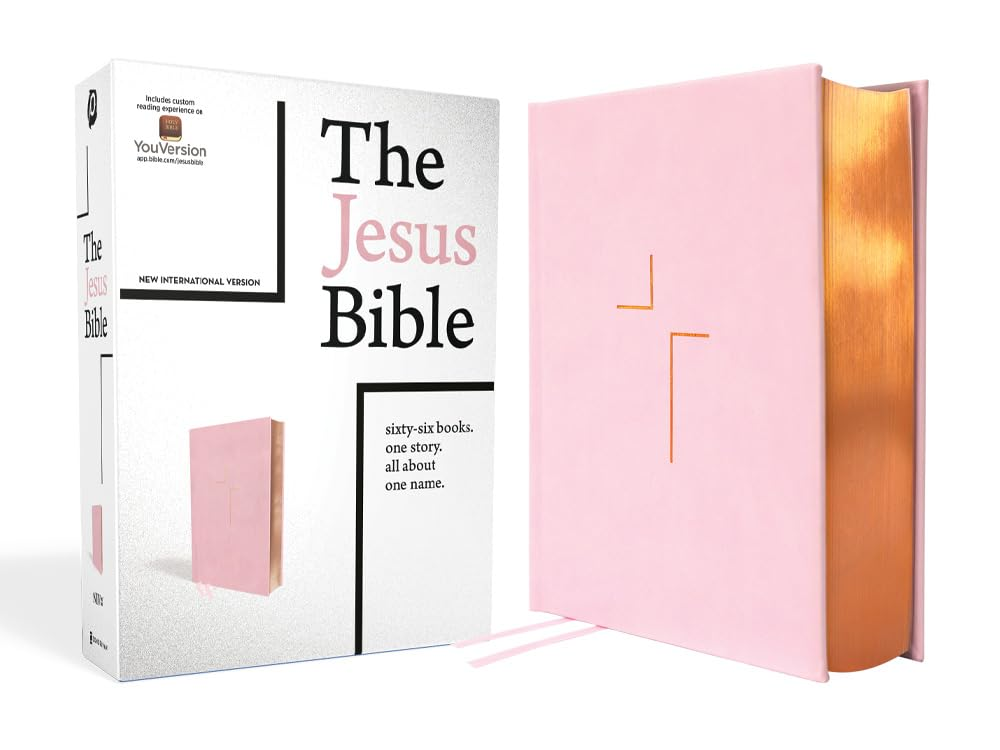
2. Sure as the Sunrise: 100 Mornings with Emily Lex
Emily Lex created this devotional for busy mornings when you need truth but don’t have an hour to sit and read. Each of the 100 entries takes just a few minutes and focuses on God’s unchanging faithfulness.
The writing feels like a friend talking with you over coffee, not preachy or overly theological.
You can keep it on your nightstand and start each day with a short reminder that God’s mercies are new every morning, even when your circumstances feel uncertain.
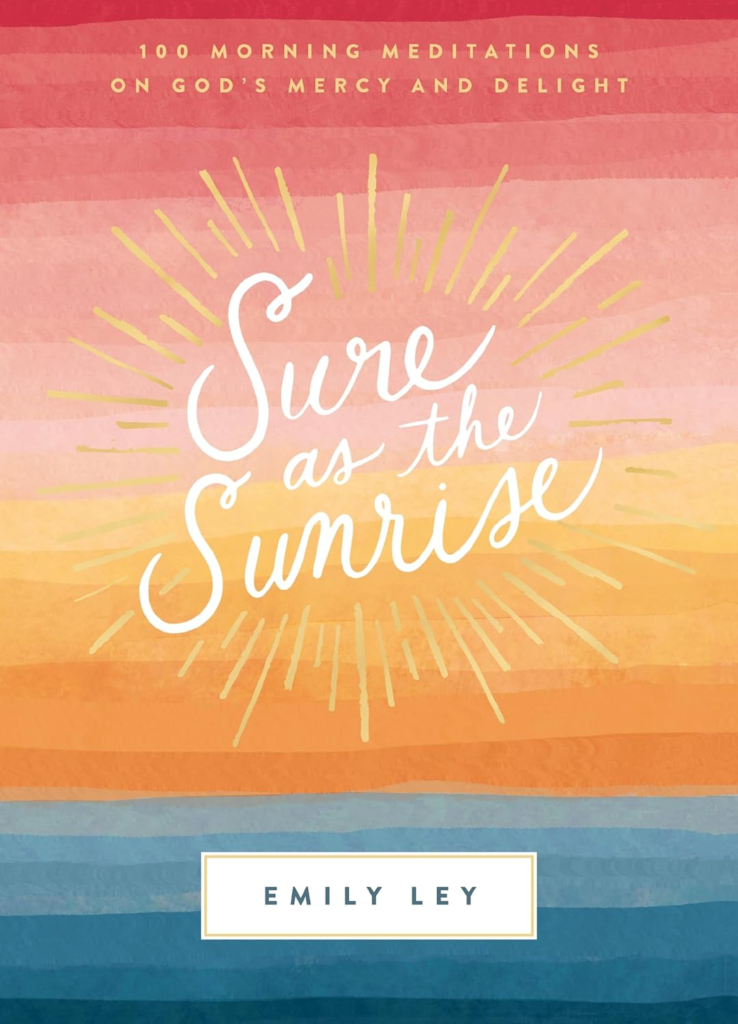
3. Growing Slow: Lessons on Un-Hurrying Your Heart from an Accidental Farm Girl
Jennifer Dukes Lee shares stories from her unexpected farm life and how slowing down taught her to trust God’s timing. This book addresses the constant rushing that defines so many midlife years when you’re caring for many generations, working, and trying to maintain everything.
The chapters are short and readable, with practical ideas for building rest into your actual life, not just wishing for a slower pace.
It reframes productivity as Kingdom work rather than worldly achievement.
Books for Emotional and Mental Health
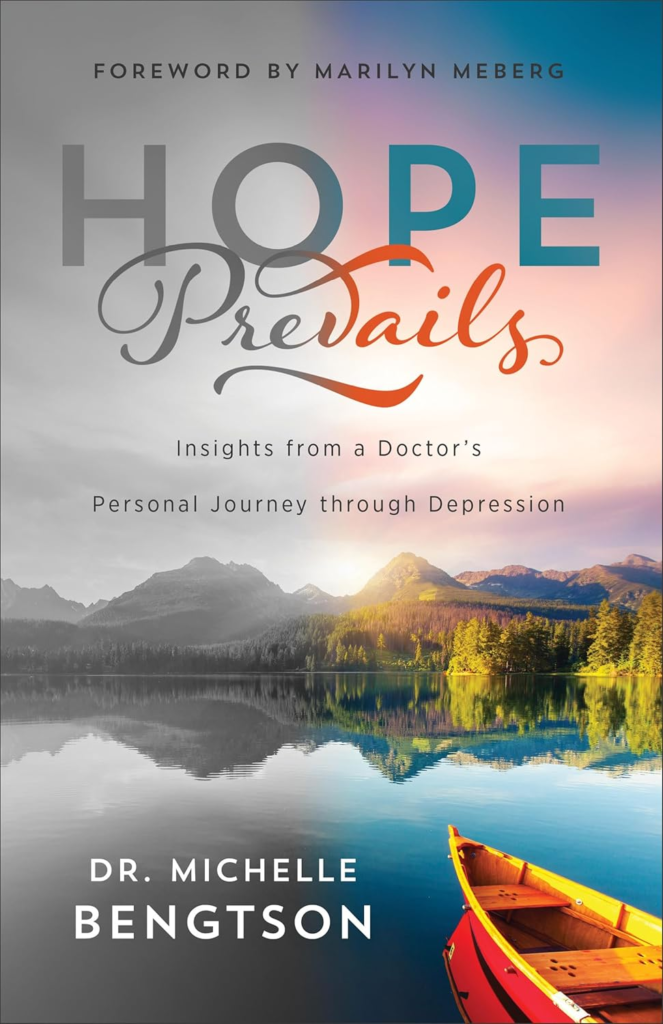
4. Hope Prevails: Insights from a Doctor’s Personal Journey Through Depression
Dr. Michelle Bengtson combines her expertise as a clinical neuropsychologist with her own story of battling depression. Each chapter ends with practical prescriptions, prayers, and even playlists to help you take action.
This book confirms the real struggle of depression and anxiety, which many women face in midlife because of hormonal changes, losses, or life transitions.
It doesn’t offer simplistic “just pray more” advice but instead shows how faith and mental health care work together.
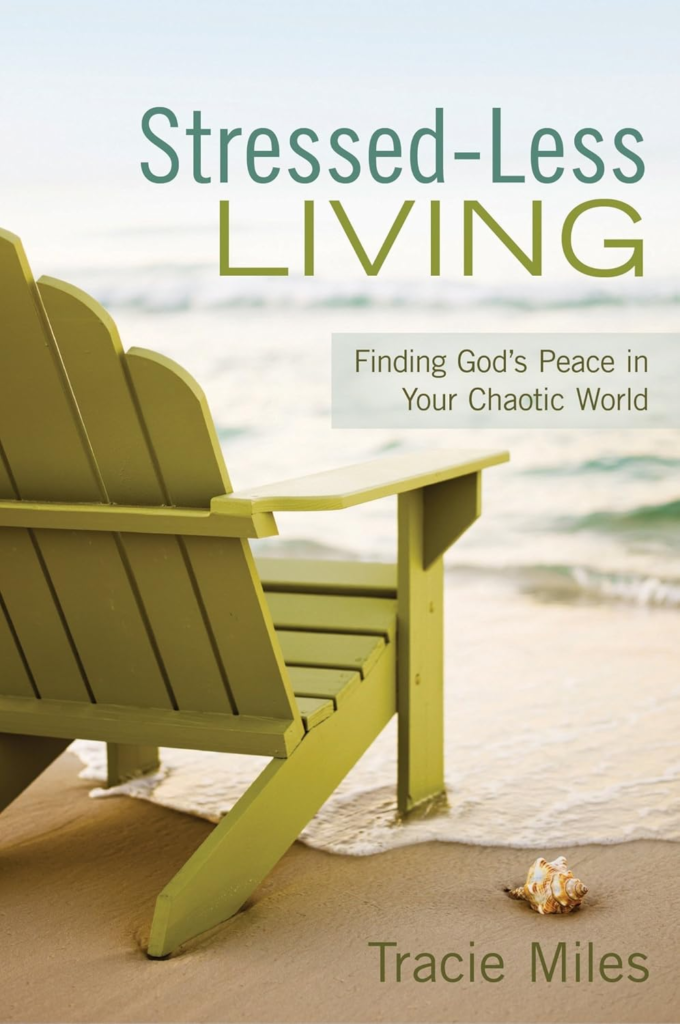
5. Stressed Less Living: Finding God’s Peace in Your Chaotic World
Tracie Miles, a writer for Proverbs 31 Ministries, gives you Scripture-based tools to actually reduce stress rather than just manage it. The book walks through common stressors like fear, comparison, and overwhelm, with Bible verses and actionable steps for each one.
It’s written for the reality of modern life, acknowledging that you can’t just remove all stress but you can change how you respond to it.
The tone is encouraging without being dismissive of how hard things actually are.
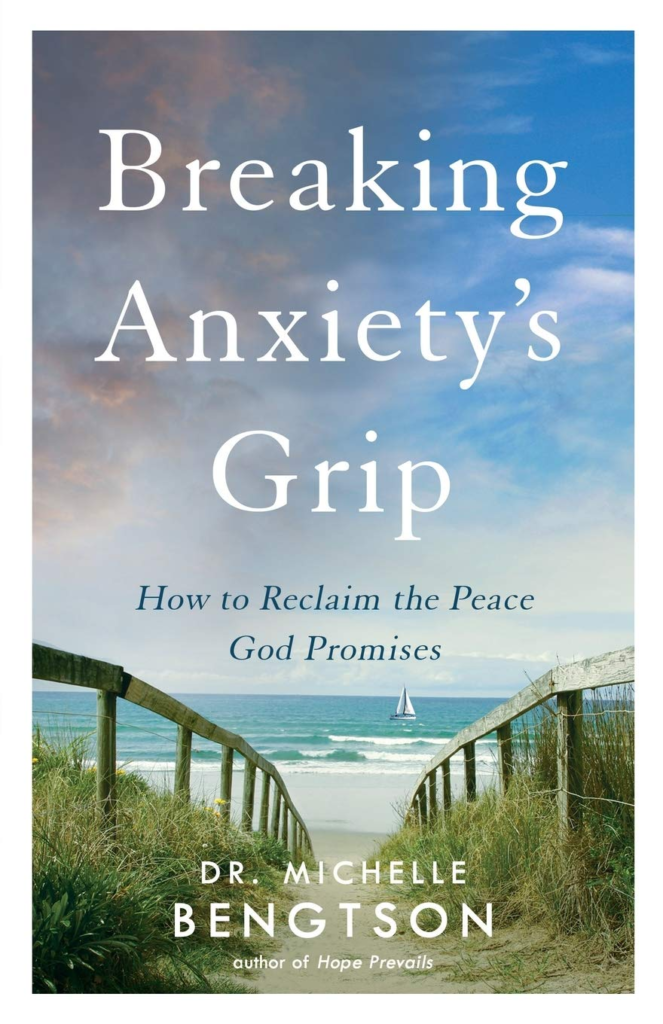
6. Breaking Anxiety’s Grip: How to Reclaim the Peace God Promises
Another book by Dr. Michelle Bengtson, this one focuses specifically on anxiety. It explores the physical, emotional, and spiritual aspects of anxiety with biblical truth and clinical insight.
You’ll find strategies for when anxiety hits in the moment, plus long-term practices for building resilience.
The book argues that anxiety often worsens in midlife and that it’s not a sign of weak faith. Instead, it’s something you can address with God’s help and practical tools.
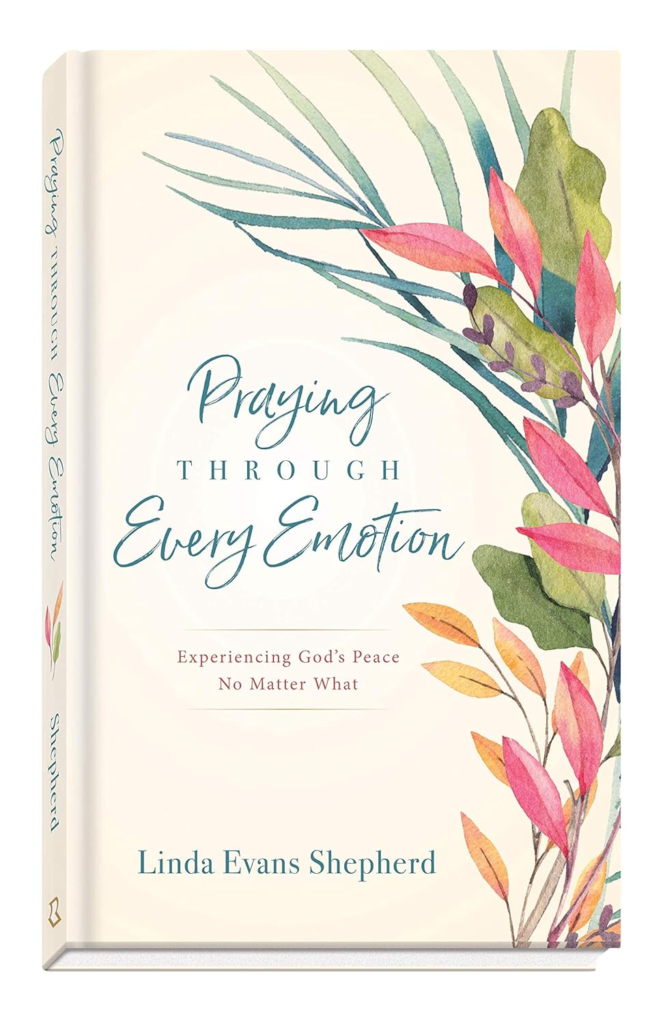
7. Praying Through Every Emotion: Experiencing God’s Peace No Matter What
Linda Evans Shepherd wrote this prayer guide for when you know you should pray but don’t know what to say. It covers emotions like anger, grief, fear, loneliness, and joy with Scripture-based prayers you can use word-for-word or as inspiration.
This is especially helpful during midlife when emotions can feel more intense or unpredictable.
Having prayers written out takes the pressure off finding perfect words when you’re already struggling.
Books for Relationships and Life Transitions
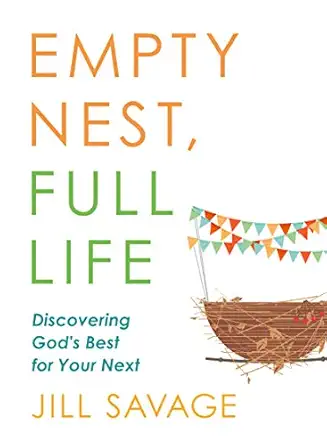
8. Empty Nest, Full Life: Discovering God’s Best for Your Next
Jill Savage walks you through the emotional journey of kids leaving home. She covers what to grieve, what to celebrate, and how to rediscover your identity beyond motherhood.
The book includes ideas for reinvesting in your marriage, finding new purpose, and even practical tips like what to do with all those empty bedrooms.
It reframes the empty nest as an opportunity rather than just a loss.
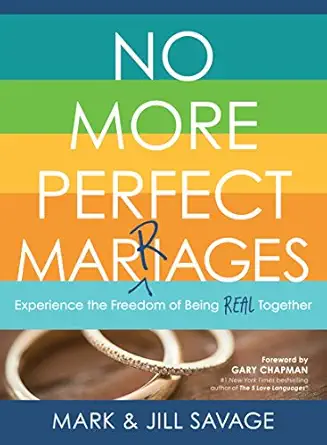
9. No More Perfect Marriages: Experience the Freedom of Being Real Together
Mark and Jill Savage help couples move past the facade of perfection to build real intimacy. The book is honest about common struggles like communication breakdowns, unmet expectations, and drifting apart.
It’s especially relevant in midlife when marriage dynamics shift after years of focusing on kids.
You’ll find practical exercises and biblical wisdom for rebuilding connection.
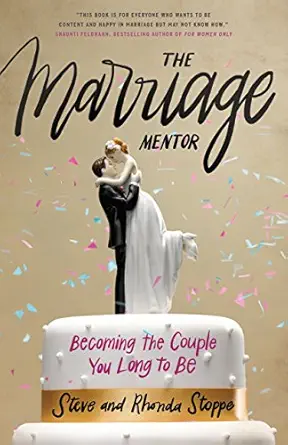
10. The Marriage Mentor: Becoming the Couple You Long to Be
Rhonda Stoppe created an interactive guide to strengthen your marriage with fun exercises and deep conversations. It covers topics like intimacy, conflict resolution, and keeping romance alive after decades together.
The book works well for couples to read together or for wives to work through individually before inviting their husbands to talk about.
It’s full of biblical principles without being preachy.
My Favorite from the List and Why
After reviewing all these resources, Hope Prevails by Dr. Michelle Bengtson stands out as the most valuable investment for midlife Christian women. This book addresses one of the most common yet often hidden struggles in this season: depression and emotional overwhelm.
Bengtson’s unique combination of clinical expertise and personal experience creates a resource that confirms your struggle while offering real hope.
What sets this book apart is the practical application at the end of each chapter. The prescriptions give you concrete actions to take, the prayers provide words when you can’t find your own, and the playlists offer an extra tool for shifting your emotional state.
Many women report that this book gave them permission to seek help without feeling like they had failed spiritually.
The companion Bible study extends the impact even further, allowing you to work through the content with a small group or on your own with deeper reflection questions. Several reviewers mentioned that this book literally saved their lives or marriages by helping them understand that depression has biological, emotional, and spiritual components that all need attention.
Pick up Hope Prevails today and consider pairing it with the Bible highlighter set so you can mark the key verses throughout the book. You’ll have tools that actually work for your real life, not just theory that sounds good but doesn’t help.
Order now and consider inviting a friend to read it with you.
Many women have found that discussing the chapters together creates accountability and deepens the healing process. This season of life doesn’t have to be something you just endure.
With the right resources, you can find genuine peace and renewed purpose.
Frequently Asked Questions
What makes midlife particularly challenging for Christian women?
Midlife brings many transitions at once: children leaving home, parents aging and needing care, hormonal changes from perimenopause and menopause, and questions about identity and purpose. You’ve spent decades in certain roles that may be shifting, which can feel disorienting even when you know God has a plan.
Colossians 3:3 reminds us that our life is hidden with Christ, but applying that truth when everything feels uncertain requires intentional spiritual work.
Books like Empty Nest, Full Life and Hope Prevails address these specific challenges with both Scripture and practical wisdom.
How can I care for my body without falling into vanity or obsession?
First Corinthians 6:19-20 calls our bodies temples of the Holy Spirit, which means stewardship matters. The key difference between godly body care and cultural obsession is your motivation and focus.
When you eat well, exercise, and rest to serve God better and enjoy the life He gave you, that’s stewardship.
When your thoughts are consumed with appearance, comparison, or achieving a certain size, that’s when it becomes idolatry. Resources like Your Worthy Body and Eat, Live, Thrive Diet help you maintain this balance by centering health choices on biblical principles rather than cultural beauty standards.
You’re caring for your body to honor God and live with energy for His purposes, not to look a certain way for others.
What’s the best way to start if I’m overwhelmed by all these options?
Start by identifying your most pressing struggle right now. If you’re battling depression or anxiety, begin with Hope Prevails or Breaking Anxiety’s Grip.
If the empty nest is your main challenge, pick up Empty Nest, Full Life.
If you feel generally overwhelmed and stressed, Stressed Less Living or Growing Slow would be good starting points. Don’t try to tackle everything at once.
Choose one book and read it with a highlighter, taking notes on what speaks to you.
Give yourself permission to take it slow. Pair any book with a short morning devotional like Sure as the Sunrise so you’re getting daily encouragement while working through deeper content.
You can always add more resources later.
How do I handle marriage changes when kids leave home?
Many couples find that after years of focusing on children, they’ve drifted apart or don’t know how to connect anymore. This is completely normal but does need intentional work.
No More Perfect Marriages and The Marriage Mentor both offer practical exercises for rebuilding intimacy and communication.
Start by scheduling regular time together without distractions, even if conversation feels awkward at first. Use the discussion questions in these books to talk about topics beyond logistics and schedules.
Some couples find that serving together in ministry or volunteering creates new shared experiences.
Remember that this transition is an opportunity to rediscover each other, not just a loss of the family structure you knew. Give it time and don’t expect instant connection if you’ve been ships passing in the night for years.
Are there ways to connect with other women going through similar midlife struggles?
Small group Bible studies using resources like the Hope Prevails Bible Study or any of these books can create community around shared experiences. Many churches have women’s groups specifically for midlife and empty nest seasons.
If your church doesn’t, consider starting one.
Online communities can also help, though in-person connection is generally more impactful. Look for Titus 2 ministry opportunities where you can both give and receive mentoring.
Some women find that being honest about their struggles, rather than pretending everything is fine, opens doors for others to share their own stories.
When you’re vulnerable about the hard parts of midlife, you often find out that you’re not alone and other women are relieved to have permission to be real too.
What if my struggles feel too big for a book to help?
Books are excellent resources, but they’re not substitutes for professional help when you need it. If you’re experiencing thoughts of self-harm, severe depression that won’t lift, panic attacks, or other mental health crises, please reach out to a Christian counselor or therapist.
Dr. Bengtson emphasizes this in her books, making clear that seeking professional help is not a lack of faith.
God uses doctors, therapists, and sometimes medication as part of the healing process. The American Association of Christian Counselors website can help you find qualified professionals.
Books like Hope Prevails work beautifully alongside professional care, giving you tools to use between sessions and helping you process what you’re learning in therapy.
How can I find time for reading and self-care when I’m already stretched thin?
You’re likely serving everyone else, caring for aging parents, working, and maintaining a household. Adding another task feels impossible.
Start with just 10-15 minutes in the morning with a short devotional like Sure as the Sunrise.
You can read it with your coffee before anyone else is awake or during your lunch break. Consider audio versions of longer books so you can listen while driving, walking, or doing household tasks.
The Kindle app on your phone means you always have books with you for unexpected waiting times.
Self-care doesn’t have to mean long bubble baths or spa days. It can be five minutes with an ice roller and prayer, or lighting a candle while you read Scripture.
Growing Slow specifically addresses the lie that you need big chunks of time to experience God’s presence.
Small, consistent moments add up and are often more sustainable than trying to carve out hours you don’t have.
Find out our Recommended Tools to Help You Discover Your God-Given Purpose After 40; visit: https://illuminatedresources.com/19-tools-to-help-you-discover-your-god-given-purpose-after-40/