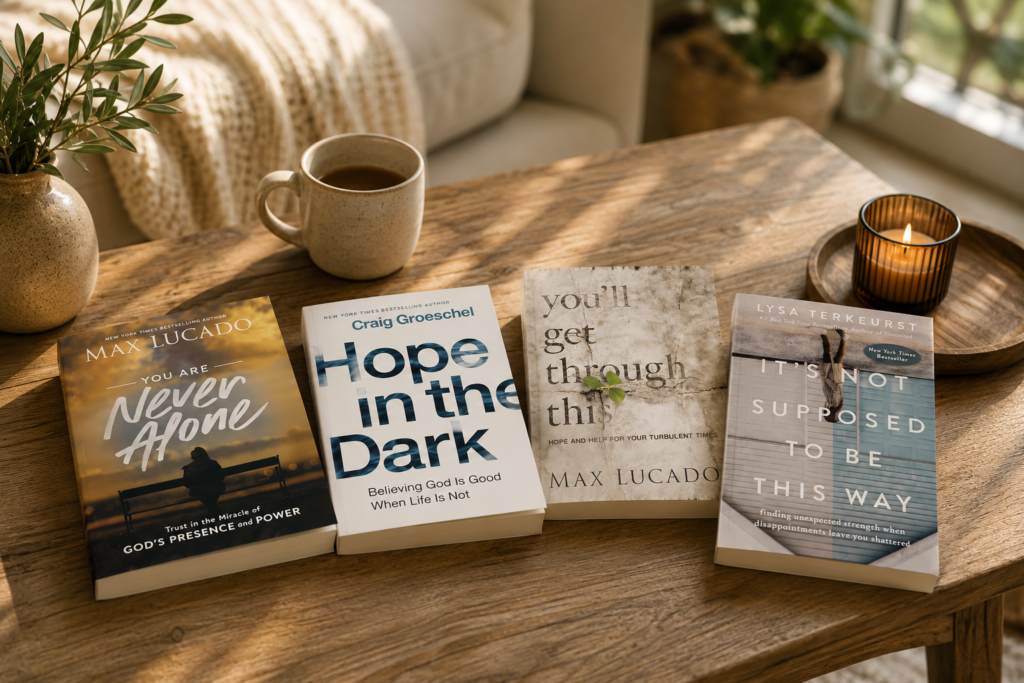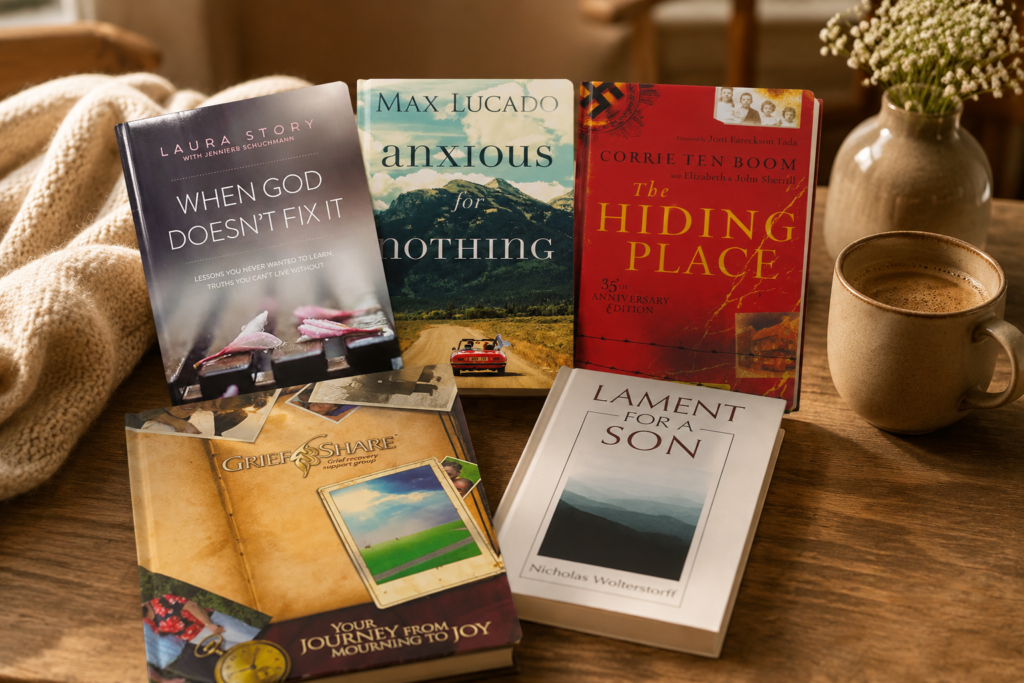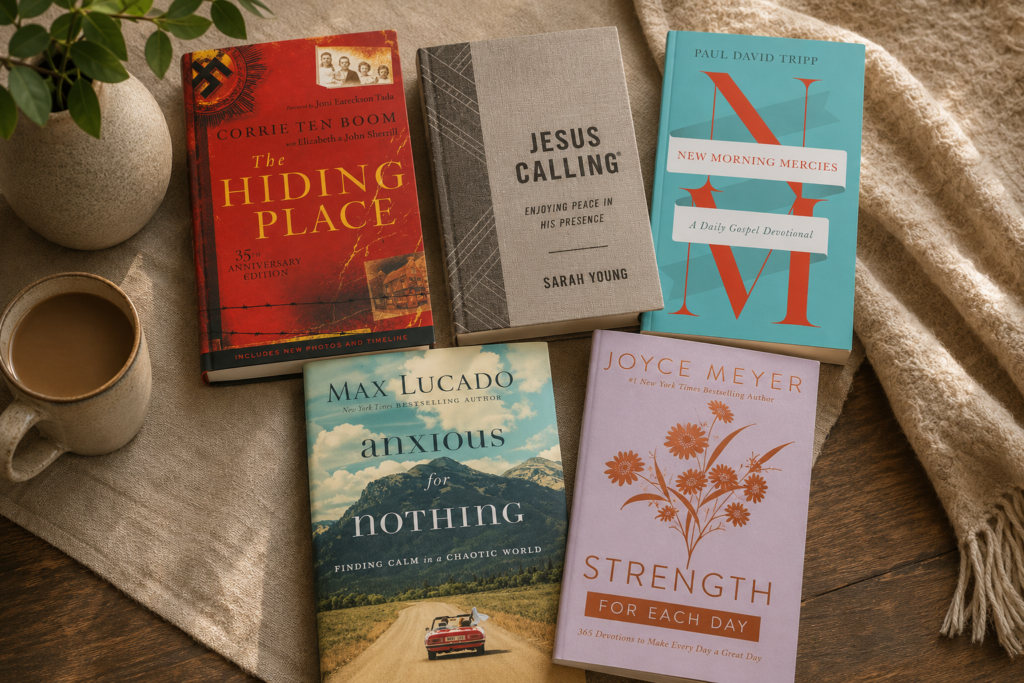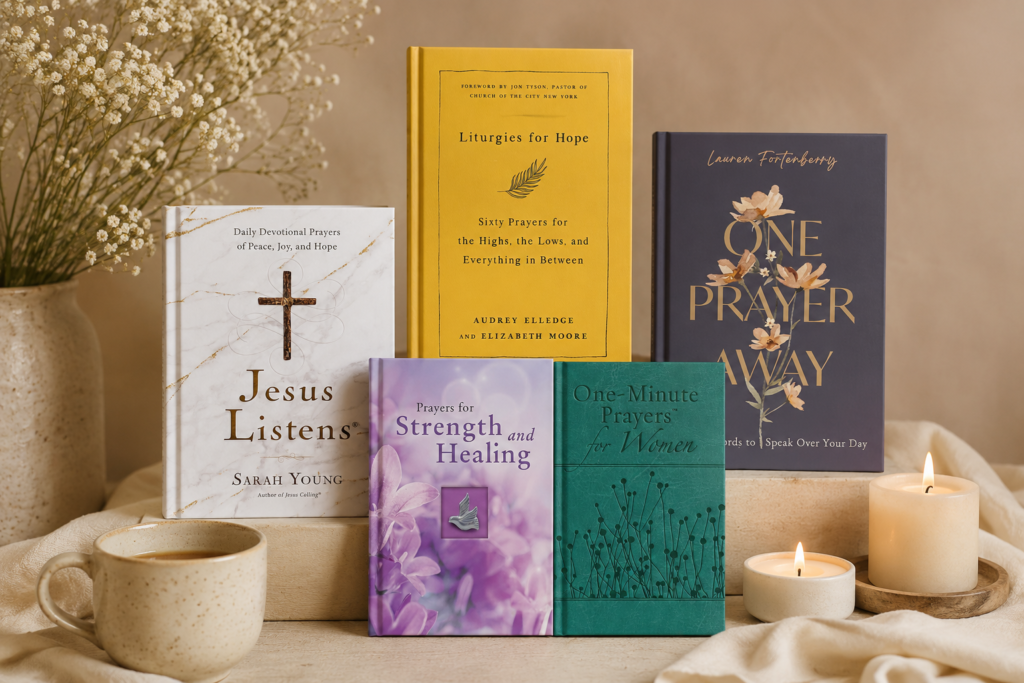
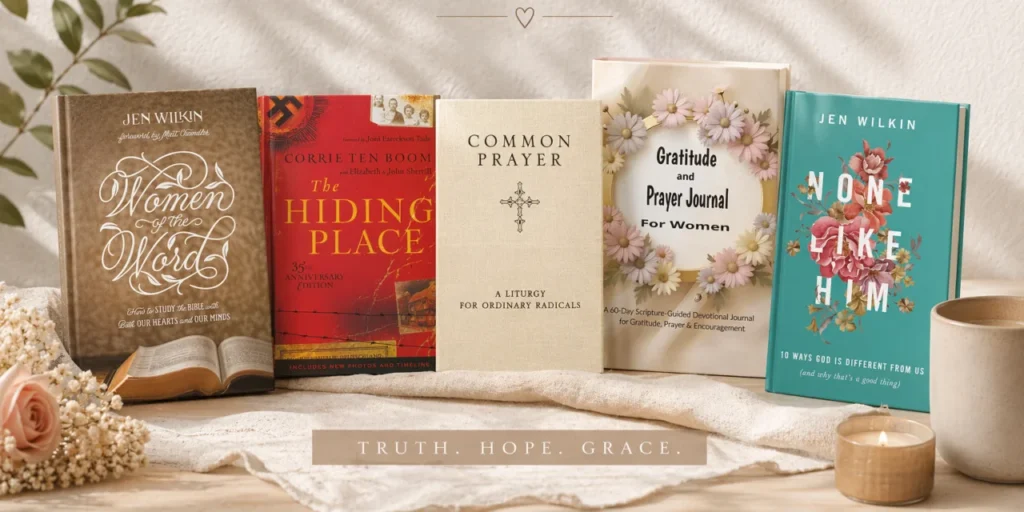
Here are the devotionals, journals, and tools that help Christian women deepen their faith when life feels full but spiritually dry.
If your past experiences have taught you that spiritual growth is something you tackle during intense weekend retreats or through guilt-driven Bible plans you abandon by February, you might unknowingly be gravitating toward practices that reinforce the idea that deeper faith needs superhuman effort. So how do you change this pattern?
It starts with recognizing that midlife offers a unique window for spiritual depth. You need to embrace tools designed for your season, not against it.
Your daily rhythm is a key driver of your spiritual life, and it’s one of the foundational elements that promote lasting intimacy with God.
When you experience a devotional practice that shows inconsistent results, does your frustration increase, but your motivation and follow-through also waver. The unpredictable nature of spiritual disciplines without practical structure triggers discouragement in your already busy life.
This produces sporadic effort during moments of Sunday morning inspiration, while the feeling of “needing to be more committed” creates burnout and distance from the very God you’re seeking.
This cycle can lead to a surface-level spiritual life that has little connection to true intimacy with Christ.
The following resources have been selected based on high Amazon ratings, relevance to women in the 40-60 age range, and practical application for busy schedules. Each offers a specific pathway to deepen your walk with God during midlife transitions like empty nests, aging parents, career shifts, or simply the hunger for something more authentic in your faith.
1. Women of the Word by Jen Wilkin
This isn’t another devotional you’ll read and forget. Jen Wilkin teaches you how to study the Bible inductively, giving you skills that transform how you approach Scripture for the rest of your life.
The method focuses on observation, interpretation, and application without fluff or feel-good shortcuts.
Women in midlife particularly appreciate how it respects their intelligence while addressing the hunger for depth that often surfaces in this season. The workbook format works for both person study and small groups, making it flexible for whatever community you have access to.

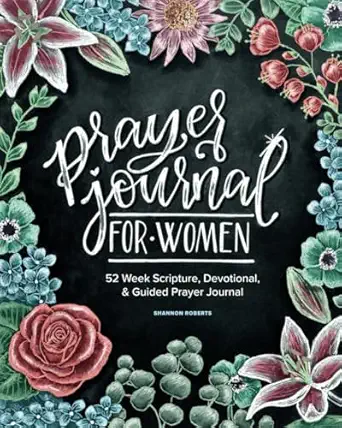
2. The Prayer Journal for Women by Shannon Roberts
A 52-week guided journal that doesn’t just give you blank pages and expect inspiration to strike. Each week includes Scripture prompts, prayer focuses, and structured space for writing.
The guided approach helps when you’re too mentally exhausted from caregiving or work demands to know where to start.
Users note it takes about 10 minutes daily, fitting into morning coffee routines without becoming another source of failure when life gets chaotic.
3. The Hiding Place by Corrie ten Boom
This classic biography of a Dutch woman who hid Jews during the Holocaust and survived concentration camps offers perspective that midlife struggles desperately need. When you’re wrestling with aging parents, health scares, or identity shifts after decades of being needed, Corrie’s story of finding God in the darkest circumstances recalibrates what faith under pressure actually looks like. It’s not a quick read, but absorbing one chapter weekly gives you something substantial to chew on.

4. None Like Him by Jen Wilkin
A 10-week Bible study examining God’s attributes, this workbook addresses the theological foundation many women realize they’re missing in midlife. After years of surface-level Christianity, you might sense a need to understand who God actually is rather than who you’ve assumed Him to be.
The study is intellectually rich but accessible, with homework that takes 20-30 minutes daily.
Groups love it, but it works equally well solo.

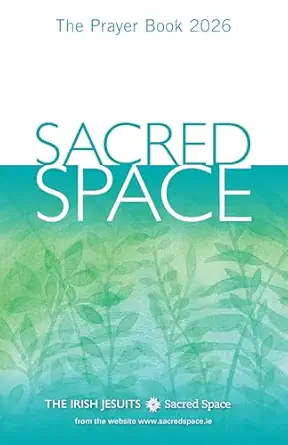
5. Sacred Space: The Prayer Book 2026 by The Irish Jesuits
This daily prayer book introduces Lectio Divina, an ancient practice of reading Scripture slowly and meditatively. Each day offers a short passage with reflections, perfect for the 10-15 minutes you might have during lunch or before bed. The contemplative approach offers relief from the productivity-driven spirituality many midlife women are tired of performing.
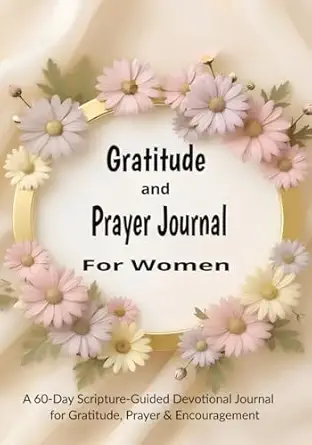
6. The Gratitude Journal for Women of Faith
Unlike generic gratitude journals, this one includes Scripture prompts that connect daily thanksgiving to God’s character and promises. Three simple lines each night shift your focus from what midlife is taking away to what stays.
The binding lays flat, making it easy to write in bed, and the devotional snippets take less than five minutes to read.
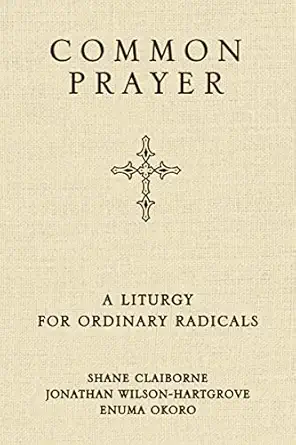
7. Common Prayer: A Liturgy for Ordinary Radicals
This prayer book offers morning, midday, evening, and compline (bedtime) prayers following ancient liturgical patterns. For women tired of making up their own prayers or feeling like they’re failing at spontaneous conversation with God, the structured approach provides words when you have none.
The compline prayers are particularly soothing for those struggling with insomnia or nighttime anxiety.
8. The Examen Prayer Journal
Based on St. Ignatius’s practice of daily review, this journal guides you through evening reflection: what you’re grateful for, where you needed grace, and what you hope for tomorrow. The structure helps process the emotional weight of midlife days without requiring formal prayer language or pretending everything is fine when it’s not.

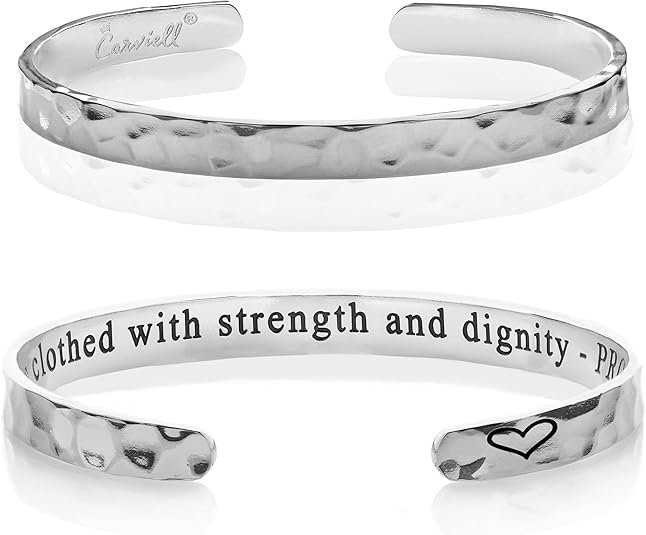
9. Scripture Bracelet: Proverbs 31 Woman
This engraved bracelet serves as a tangible reminder during your workday, carpool runs, or caregiving tasks. Unlike inspirational jewelry that feels cheesy, this simple design offers a physical touchpoint when you need to remember your identity is rooted in something beyond productivity or others’ needs.
Frequently Asked Questions
How long does it take to see real spiritual growth using these resources?
Spiritual growth doesn’t follow a productivity timeline, but most women report noticeable changes in peace and perspective within 21-30 days of consistent practice with one resource. The key is choosing one tool rather than attempting many approaches simultaneously.
A prayer journal used daily for a month creates more lasting impact than five books started and abandoned. Track your experience in writing to notice subtle shifts you might otherwise miss.
What if these products feel too structured for my personality?
Structure actually creates freedom for spiritual growth rather than limiting it. Think of these resources as training wheels you can eventually remove once habits form.
The guided prompts in journals and workbooks reduce decision fatigue about what to pray or study, which matters when you’re mentally exhausted from other responsibilities.
Start with the least structured option like Scripture memory cards or breath prayers, then add more framework as you uncover what helps.
Can I grow spiritually without spending money on these products?
Absolutely. Free choices include the YouVersion Bible app with reading plans, podcast apps for teaching content, and library copies of many books listed here.
These paid resources add convenience, structure, and physical touchpoints that some women find helpful, but they’re not required for spiritual growth.
Start with free options and invest in products that address specific gaps you identify after a month of experimentation.
How do I choose which resource to start with when several appeal to me?
Assess your current season honestly. If you’re in crisis or deep grief, start with the Lamentations Journal or Breath Prayers for immediate support.
If you have more stability but want depth, choose Women of the Word or None Like Him for skill-building.
For those craving connection, pick a resource designed for groups. Match the tool to your most pressing spiritual need rather than what sounds most impressive.
What if I start strong but can’t maintain consistency?
Lower the bar dramatically. Instead of daily journaling, commit to three times weekly.
Instead of completing a full Bible study lesson, read just the Scripture passage.
Midlife brings unpredictable demands like sick parents or work emergencies, so build flexibility into your expectations. Inconsistent spiritual practices still bear fruit.
God honors whatever you bring Him, not just perfect performance.
Do these resources work if I’m questioning my faith or feeling distant from God?
Many of these tools specifically address spiritual dryness and doubt. The Lamentations Journal confirms questions rather than demanding certainty.
Breath Prayers give you words when you have none of your own.
Common Prayer provides liturgy for days when personal prayer feels impossible. Distance from God is often a midlife season, not a permanent state.
These resources meet you in that gap rather than pretending it doesn’t exist.
How can I use these resources without adding more guilt to my already full life?
Reframe spiritual disciplines from obligations to invitations. You’re not checking boxes to earn God’s approval.
You’re accepting tools that might help you connect with Someone who already delights in you.
Choose one resource that genuinely sounds life-giving rather than dutiful. If something becomes another source of shame, set it aside without guilt.
The goal is deeper intimacy with God, not a longer to-do list.
Find out our Recommended Christian Books on Purpose After 40; visit: https://illuminatedresources.com/best-christian-books-on-purpose-after-40-for-spiritual-dryness-discipline-and-discernment/