Christian wellness books mix practical health guidance with spiritual encouragement, creating a framework that addresses your whole self. These books differ from secular wellness resources by integrating biblical principles, prayer, and faith-based motivation into fitness routines, nutrition plans, and mental health strategies.
The best ones offer specific workout programs, meal planning advice, or daily devotionals alongside scripture-based encouragement that keeps you motivated when willpower alone fails.
Notable features across these books include combining identity in Christ with body image healing, using spiritual disciplines to support physical health goals, and reframing wellness as stewardship of the body God gave you as opposed to pursuit of cultural beauty standards. Many include practical resources like workout videos, meal plans, prayer guides, or journal prompts that help you apply what you read immediately.
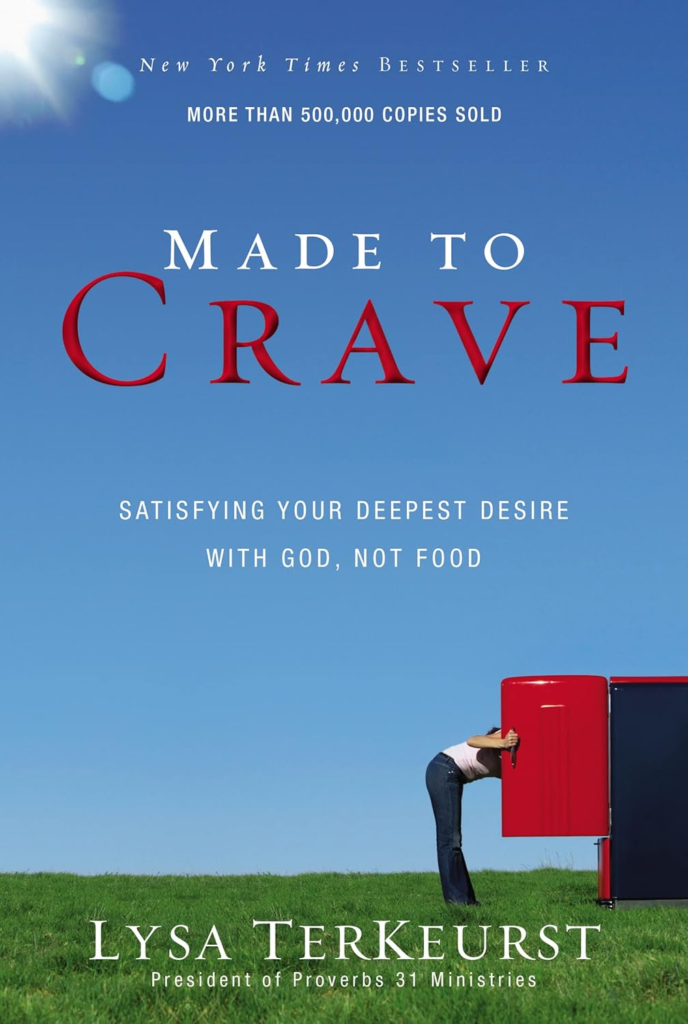
1. Made to Crave: Satisfying Your Deepest Desire with God, Not Food
Lysa TerKeurst wrote this book after her own struggles with using food to fill emotional voids. She connects spiritual hunger with physical cravings and shows you how to redirect your deepest wants toward God as opposed to the pantry.
The book includes biblical teaching on self-control, practical strategies for changing eating habits, and personal stories that make you feel less alone in your struggles.
This works well if you tend to eat emotionally or if diets have failed because they only addressed food without addressing your heart. TerKeurst writes with raw honesty about her own failures and victories, which makes the book feel like a conversation with a friend as opposed to a lecture.
2. The Daniel Plan: 40 Days to a Healthier Life
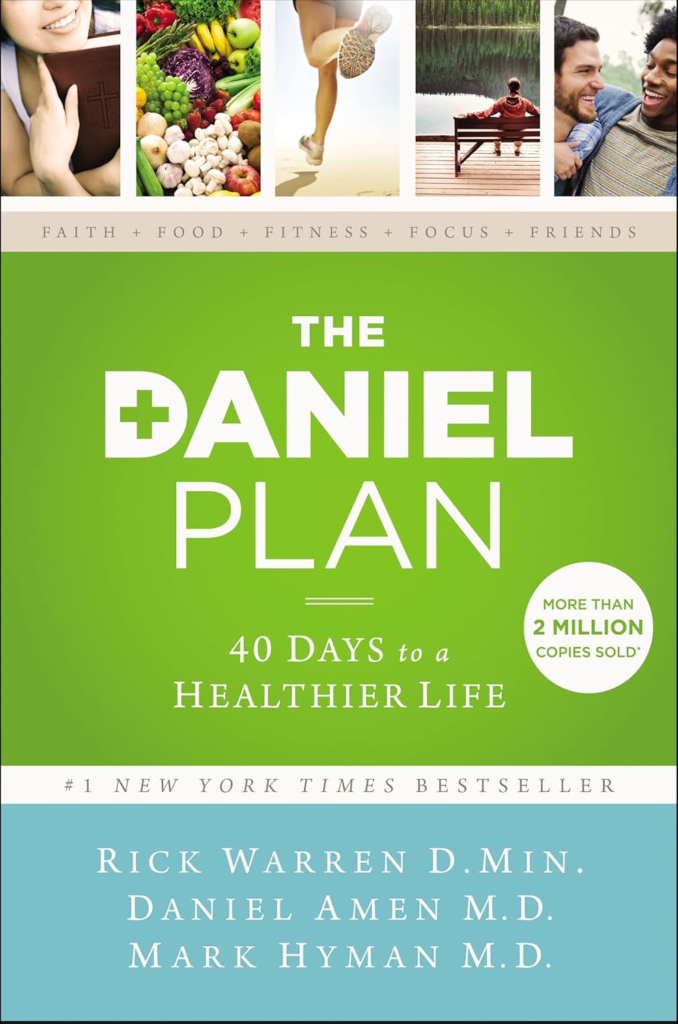
Rick Warren, Dr. Daniel Amen, and Dr. Mark Hyman created this faith-based wellness program that covers five essential areas: faith, food, fitness, focus, and friends. The book includes meal plans, recipes, fitness routines, and a 40-day structure that makes the transformation feel manageable.
The emphasis on community support makes this different from solo diet books.
The Daniel Plan works especially well if you can go through it with a small group from church. The program was originally designed for Warren’s congregation at Saddleback Church and has since helped thousands of people lose weight and improve their health while deepening their faith.
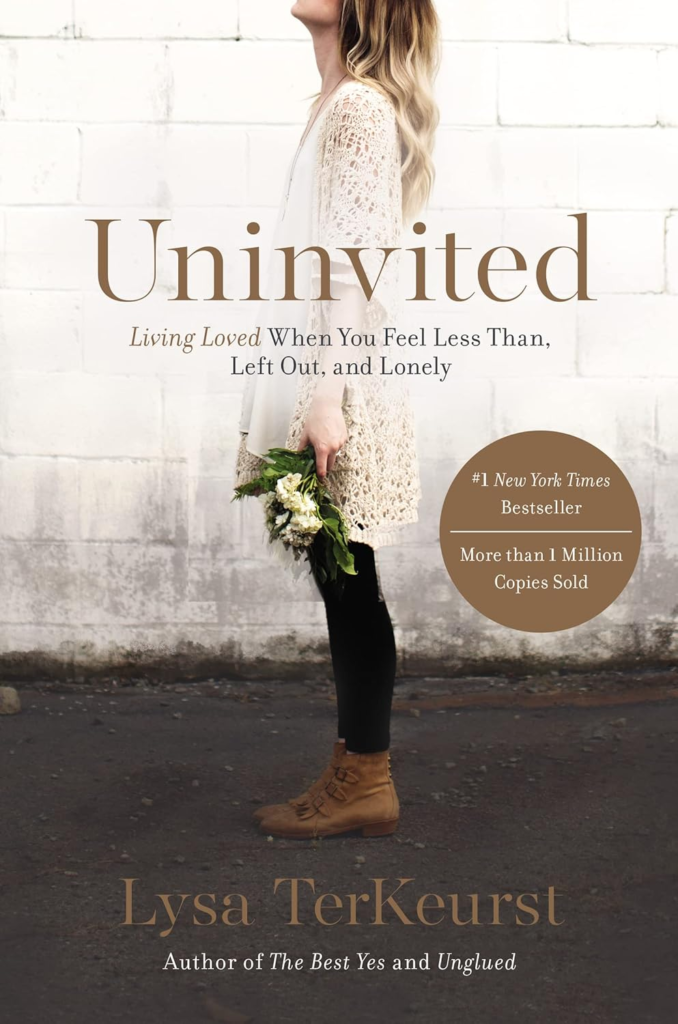
3. Uninvited: Living Loved When You Feel Less Than, Left Out, and Lonely
Lysa TerKeurst addresses the rejection wounds that often drive unhealthy wellness habits in women. When you feel inadequate or lonely, you might restrict food as punishment, binge eat for comfort, or avoid exercise because you feel too ashamed to be seen.
This book helps you process rejection through a biblical lens and explore your identity as God’s beloved daughter.
The wellness connection might not be obvious at first, but emotional health directly impacts physical health choices. TerKeurst’s teaching helps you make wellness decisions from a place of self-care as opposed to self-hatred.
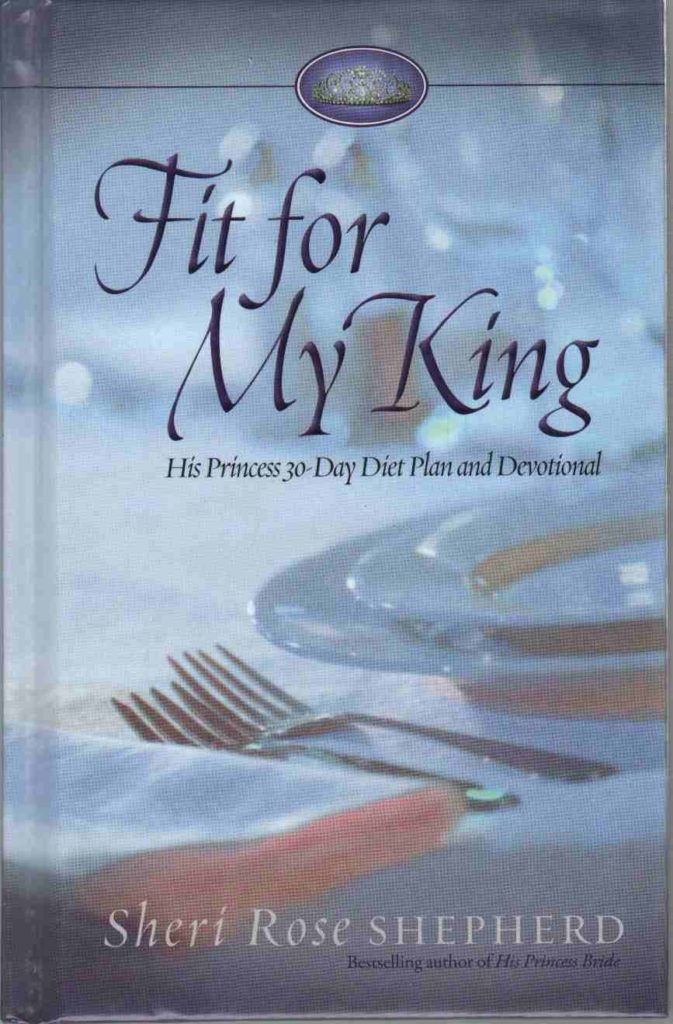
4. Fit for My King: His Princess 30-Day Diet Plan and Devotional
Sheri Rose Shepherd has been leading women to a better life through Christ for years. Her Princess books for adult women speak to a need women have to be loved, especially by their Creator. Now Shepherd offers specific help to women so that they can take care of the body God gave them and draw closer to him at the same time.
Readers start with Shepherd’s own inspirational story about her struggles to treat her body well by eating real food, exercising, and praying. She invites readers to sign a covenant in which they agree to jump-start a diet using specific guidelines. Readers are supported with 30 days of personable and helpful devotions with plenty of stories, suggestions for exercise, and appropriate Scripture. Shepherd even includes many of her favorite tasty recipes to keep women on track.
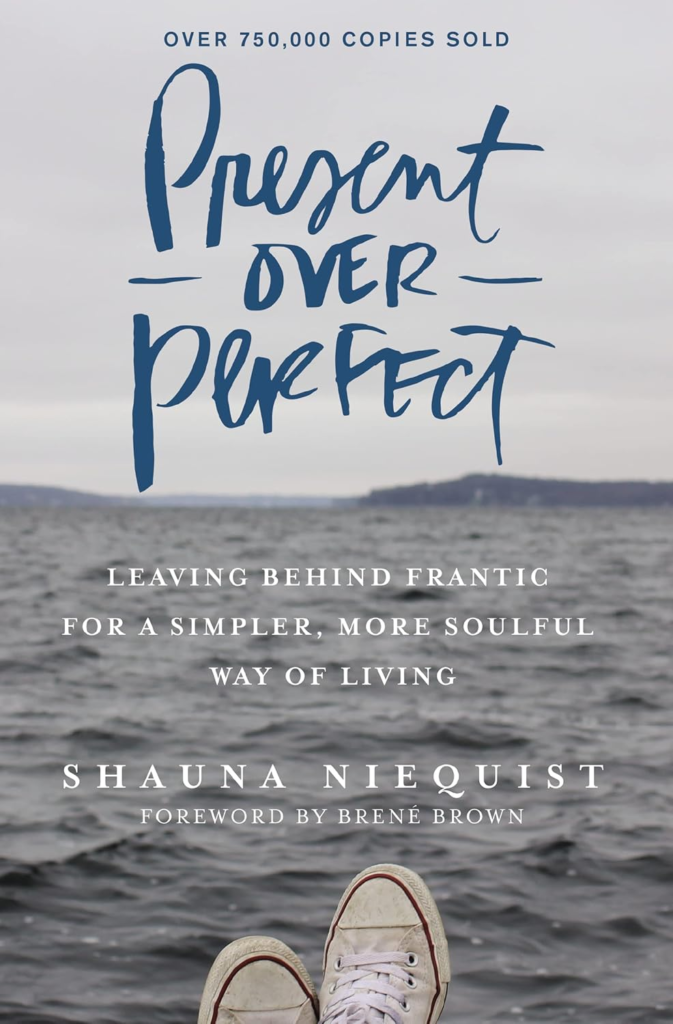
5. Present Over Perfect: Leaving Behind Frantic for a Simpler, More Soulful Way of Living
Shauna Niequist challenges the perfectionism and hustle culture that destroys wellness efforts before they begin. She invites you toward rest, simplicity, and presence instead of grinding yourself down chasing unrealistic standards. The book shares Niequist’s personal journey from burnout to balance and offers practical wisdom for making similar changes in your own life.
This matters for wellness because many women exhaust themselves trying to exercise perfectly, eat perfectly, and look perfect. Niequist gives you permission to pursue health in sustainable, grace-filled ways.
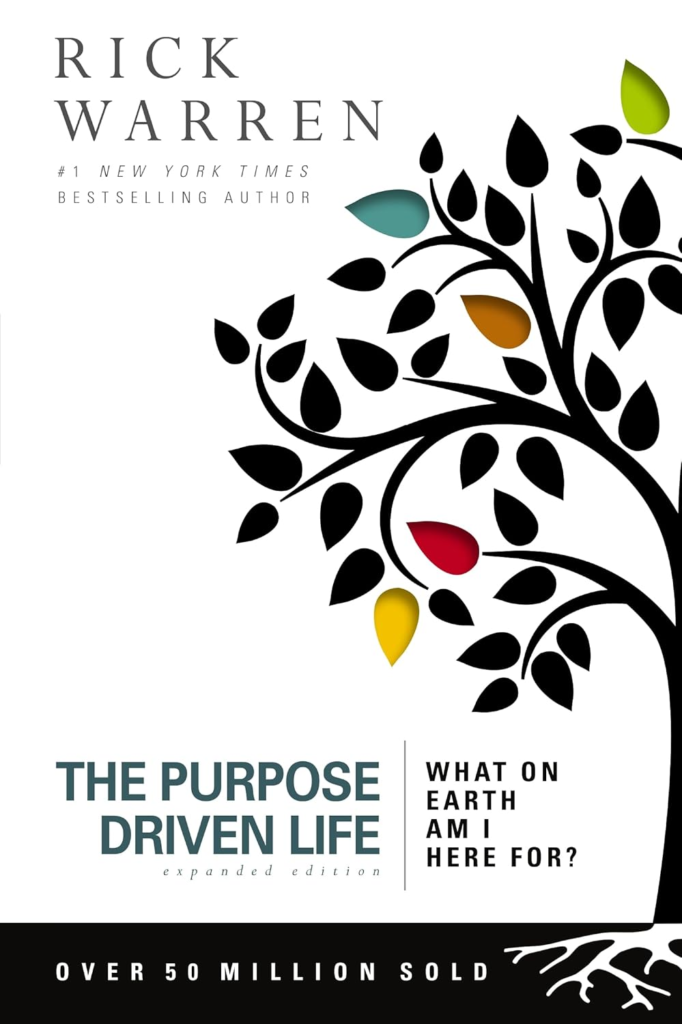
6. The Purpose Driven Life: What on Earth Am I Here For?
Rick Warren’s bestseller helps you understand God’s purpose for your life across five key areas. While not specifically about wellness, understanding your purpose changes why you care for your body.
You’re not exercising to impress others or fit into smaller jeans.
You’re maintaining your health so you have energy and longevity to fulfill the specific calling God has placed on your life.
This book provides the “why” that keeps you going when motivation fades. Warren’s clear, accessible writing makes deep theological concepts easy to understand and apply.
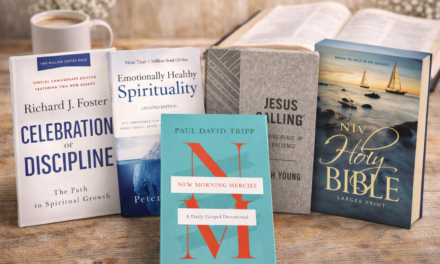
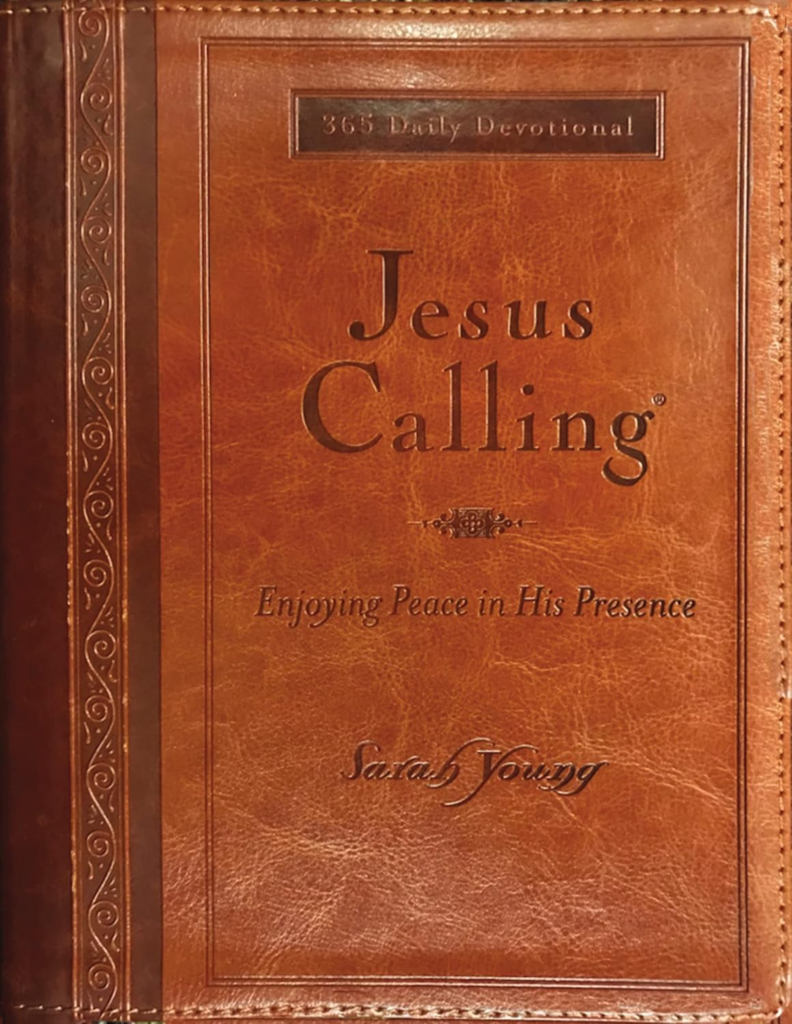
7. Jesus Calling: Enjoying Peace in His Presence
Sarah Young’s daily devotional has sold millions of copies and pairs perfectly with morning wellness routines. Each day includes a short devotional written as if Jesus is speaking directly to you, along with relevant scripture references.
Many women read this during breakfast, after a workout, or as part of their morning quiet time.
The consistent spiritual nourishment helps you maintain the mental and emotional stability that supports physical wellness choices. You can’t separate your spiritual health from your physical health, and this devotional feeds your spirit daily.
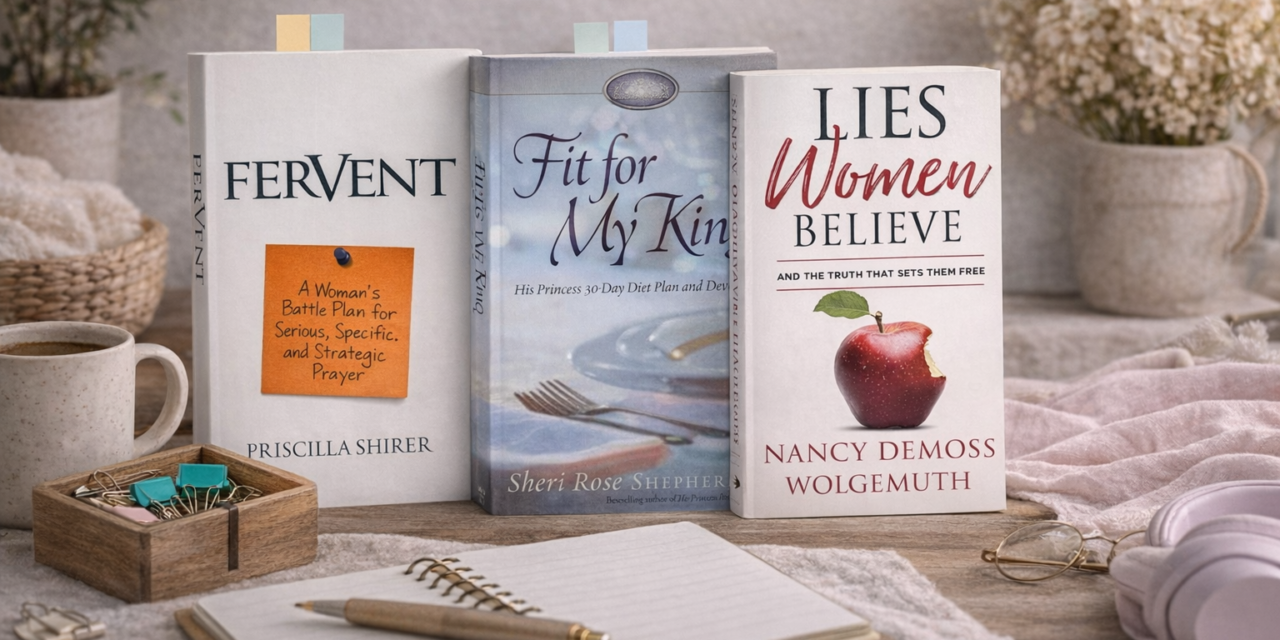
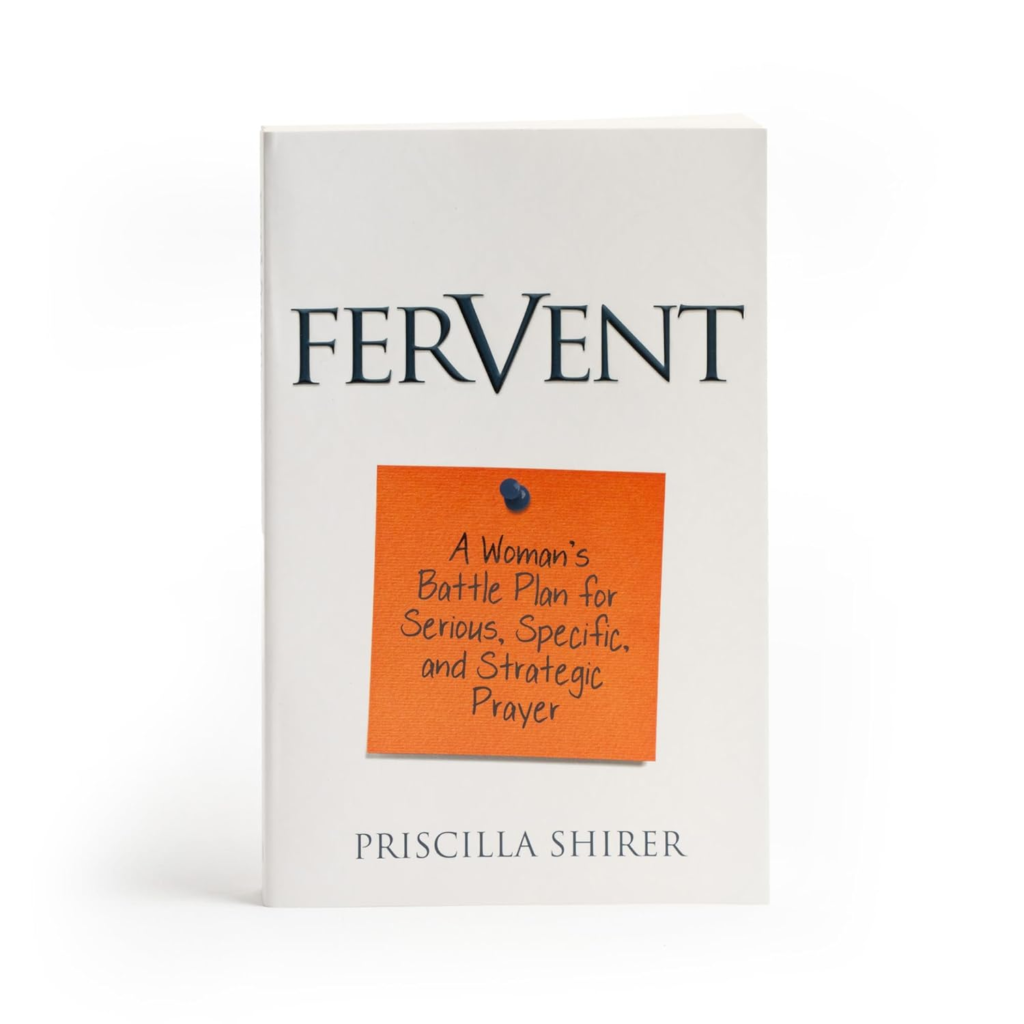
8. Fervent: A Woman’s Battle Plan for Serious, Specific and Strategic Prayer
Priscilla Shirer teaches you how to fight spiritual battles through prayer. She identifies 10 areas where women commonly face spiritual attack, including health, finances, and relationships.
Each chapter provides specific prayer strategies for that area.
This connects to wellness because many battles around food, body image, and health habits are fundamentally spiritual struggles. Shirer equips you to pray with power and specificity as opposed to vague asks for “help with my health.”
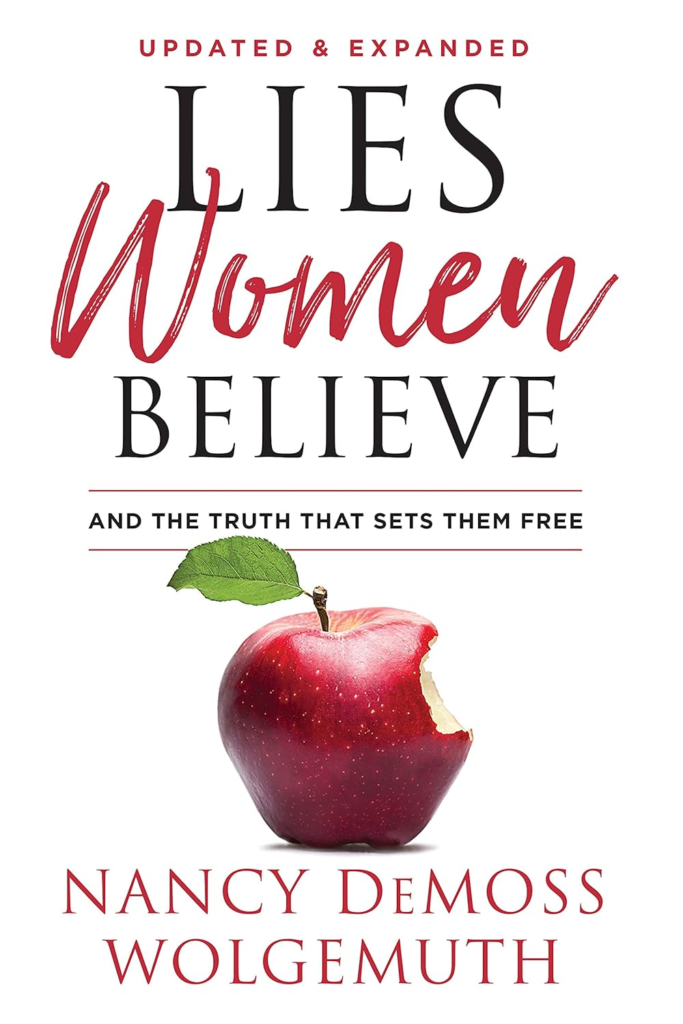
9. Lies Women Believe: And the Truth That Sets Them Free
Nancy DeMoss Wolgemuth exposes common lies women believe about their bodies, worth, appearance, and capabilities. She counters each lie with biblical truth.
This mental shift from lies to truth is essential groundwork for sustainable wellness changes.
If you believe lies like “my worth depends on my size” or “I’ll never change,” those beliefs will sabotage every wellness effort. Wolgemuth helps you identify and replace those lies with truth that sets you free to pursue health from the right foundation.
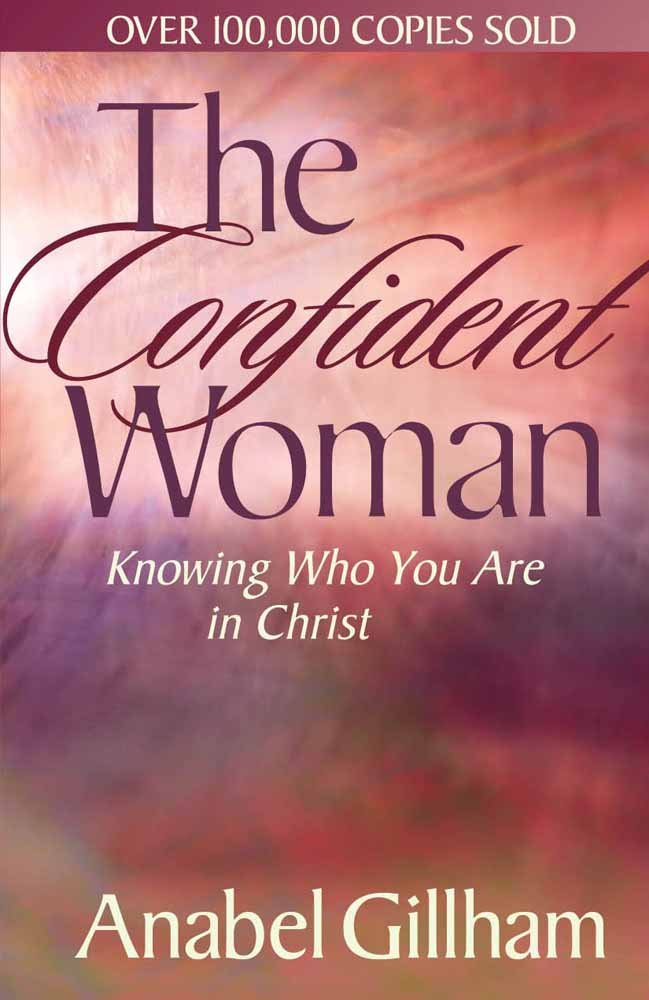
10. The Confident Woman: Knowing Who You Are in Christ
Anabel Gillham teaches biblical confidence that comes from understanding your identity as God’s daughter. The book addresses insecurity, comparison, and the fear of failure that keep women stuck.
Meyer uses personal stories, biblical teaching, and practical application to help you build genuine confidence.
Confidence affects every wellness decision you make. Confident women are more likely to try new fitness classes, ask for help when needed, and continue through setbacks without giving up entirely.
Conclusion
Among these resources, the most valuable ones are those that go beyond surface-level advice and address the deeper heart issues behind wellness struggles. Lasting change doesn’t come from quick fixes or rigid plans ~ it comes from shifting your mindset and aligning your habits with your faith.
The most impactful tools combine honest reflection with practical biblical application. They help redirect unhealthy patterns toward something more meaningful, creating a foundation for both spiritual and physical well-being.
That said, the greatest benefit often comes from using a combination of resources that support different areas of growth. Pairing spiritual guidance with practical wellness strategies creates a more balanced and sustainable approach.
Community-based programs can also be especially effective, offering accountability and encouragement that make it easier to stay consistent. When faith, healthy habits, and supportive relationships come together, the results tend to be much more lasting.
It’s best to begin with one resource that speaks directly to your current struggle. Moving slowly and applying what you learn is far more effective than rushing through multiple materials without real change.
True wellness is a long-term journey. With the right tools and consistent effort, it becomes possible to build habits that support both your physical health and your spiritual life in a meaningful, lasting way.
Frequently Asked Questions
What makes Christian wellness books different from regular fitness books?
Christian wellness books combine biblical principles, prayer, and faith-based motivation throughout as opposed to adding Christian language to secular advice. They address spiritual and emotional health as inseparable from physical health.
You’ll find scripture, devotionals, and teaching about your identity in Christ woven into practical fitness and nutrition guidance.
The best Christian wellness books show you how your faith changes why and how you pursue health, not just what exercises to do or foods to eat.
Do I need to choose between faith-based books and science-based nutrition information?
You can absolutely use both. Many Christian women read science-based nutrition books for meal planning and metabolic information while reading Christian books for spiritual encouragement and identity work.
The practical “how-to” from evidence-based resources pairs well with the “why” and emotional support from faith-based books.
Look for Christian authors who respect scientific research as opposed to contradicting it. The body is fearfully and wonderfully made with biological processes that scientists can study, and that knowledge helps you care for your body as a temple.
Which book should I start with if shame about my body is holding me back?
Start with “Uninvited” or “Lies Women Believe” before moving to practical fitness books. These books address the shame, rejection, and false beliefs that sabotage wellness efforts.
You need to understand your worth as God’s beloved daughter before pursuing physical changes, otherwise you’ll approach health from self-hatred as opposed to self-care.
Once you’ve worked through that foundational identity issue, add a practical guide like “Get Strong with Jennifer” or “The Daniel Plan” for specific health guidance.
Can these books help if I’ve failed at wellness goals repeatedly?
Yes, particularly because they address why you’ve failed as opposed to just giving you another program to try. Repeated failure usually stems from inadequate motivation, shame-based approaches, unrealistic expectations, or trying to change behaviors without addressing underlying emotional and spiritual issues.
Books like “Present Over Perfect” and “The Confident Woman” help you examine and change those underlying issues.
When your spiritual and emotional foundation is solid, the practical wellness changes become much more sustainable.
How do I apply what I read instead of just collecting wellness books?
Read one section then immediately apply it before continuing. For example, if a chapter talks morning routines, establish yours before reading the next chapter.
Take notes on specific action steps and schedule them into your week.
Join or form a small group to discuss the book and share accountability. Many of these books include study guides or discussion questions designed for group use.
The combination of reading, discussing, and doing together creates real change as opposed to just intellectual knowledge.
Are these books suitable for women dealing with eating disorders or serious health conditions?
Some of these books can support professional treatment, but they shouldn’t replace it. If you have an eating disorder, work with a Christian counselor or therapist who specializes in that area.
Books like “Boundaries” and “Calm My Anxious Heart” can supplement professional care.
For serious health conditions, talk to your doctor before starting fitness programs suggested in these books. Many Christian healthcare providers appreciate when patients bring spiritual resources to appointments because they understand the connection between faith and healing.
Do these books work for women who aren’t trying to lose weight?
Absolutely. While some books address weight loss, most focus on holistic wellness including strength, energy, mental health, spiritual growth, and living out your purpose.
Books like “The Purpose Driven Life,” “Fervent,” and “Jesus Calling” apply to wellness broadly defined. Even books that discuss food and fitness frame them as part of overall health and stewardship as opposed to just weight management.
True Christian wellness is about functioning well in the body God gave you so you can fulfill your calling, regardless of your size.
Find out out Recommended Prayer Journals + Prayer Books for Women; visit: https://illuminatedresources.com/best-prayer-journals-prayer-books-for-women-for-prayer-routines-prayer-journaling-and-intercession/