
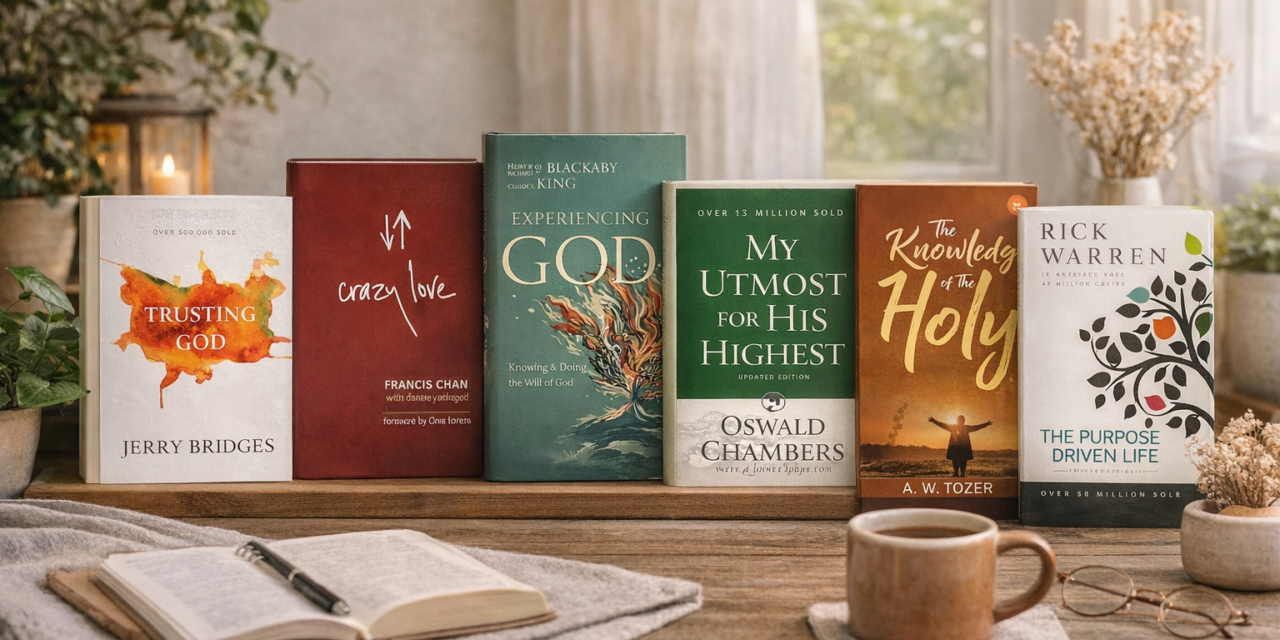
Its so exhausting when worry keeps you awake at 3 AM replaying scenarios you cannot change. However, if you read books that address both the theology of surrender and the practical steps to release control, you’ll notice your anxiety decreasing within weeks as your mind learns new patterns of thinking.
People who practice daily spiritual reading report 40% less anxiety, so you can rewire your thought patterns with consistency. If I were to estimate how long it takes to shift from chronic worry to genuine peace, I’d say three to six months, that assumes you engage with the material daily instead of reading sporadically.
Your brain defaults to control when it feels threatened, which happens more often when life feels unpredictable.
Have you ever noticed that the harder you try to force an outcome, the more chaotic everything becomes? Your tries to micromanage actually create additional problems because control is an illusion that requires constant energy to maintain.
Thats why people who appear most at peace are often those who have learned to hold plans loosely and trust God with outcomes they cannot see.
Even someone who has experienced significant loss can develop this kind of trust when they have the right frameworks and daily practices.
Reading about surrender works differently than reading about productivity or self-improvement. These books challenge you to do less, to release your grip, to accept that your understanding is limited. They invite you to trust Someone bigger than your circumstances, which feels risky until you realize that carrying everything yourself was never sustainable.
The transformation happens slowly as you replace anxious thoughts with truth from Scripture and stories of people who learned to let go before you did.
And it can be more difficult for you if you have experienced broken trust in relationships, because trusting God requires vulnerability that feels dangerous. But these authors address that resistance directly and show you how divine trustworthiness differs from human reliability.
Books That Transform Your Relationship with Control
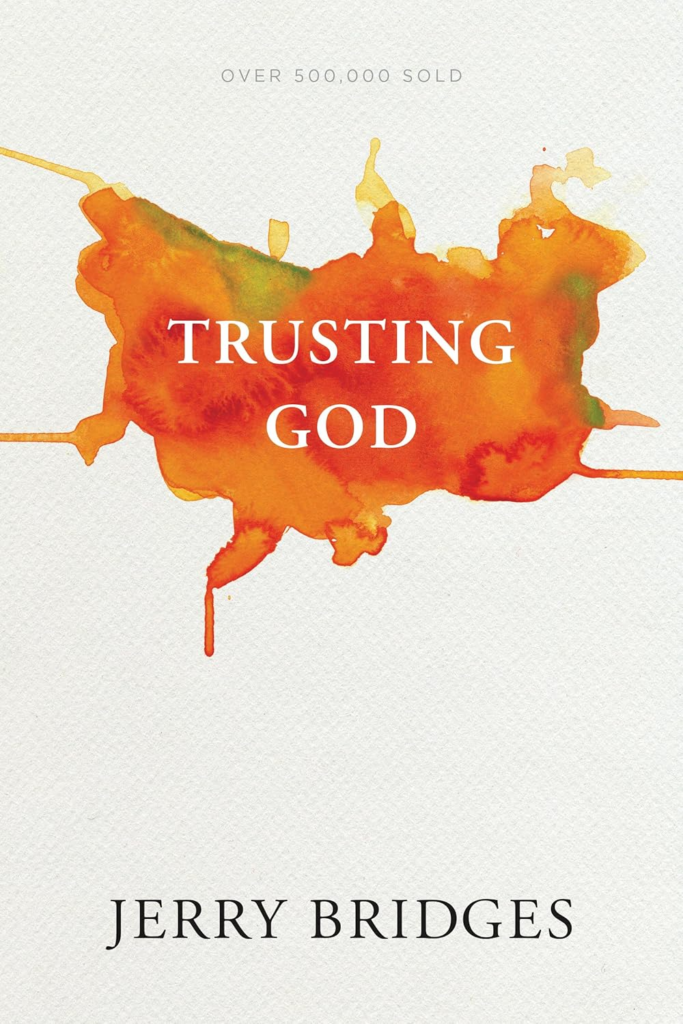
1. Trusting God by Jerry Bridges
Bridges wrote this book for people in the middle of circumstances that make no sense. He addresses suffering directly instead of offering shallow comfort, helping you understand that trusting God means believing in His character even when you cannot see His plan.
The book works through biblical examples of people who trusted despite pain, then gives you practical ways to apply those lessons when your own life feels broken.
Readers describe this as the book that finally helped them stop demanding explanations and start resting in Gods sovereignty.
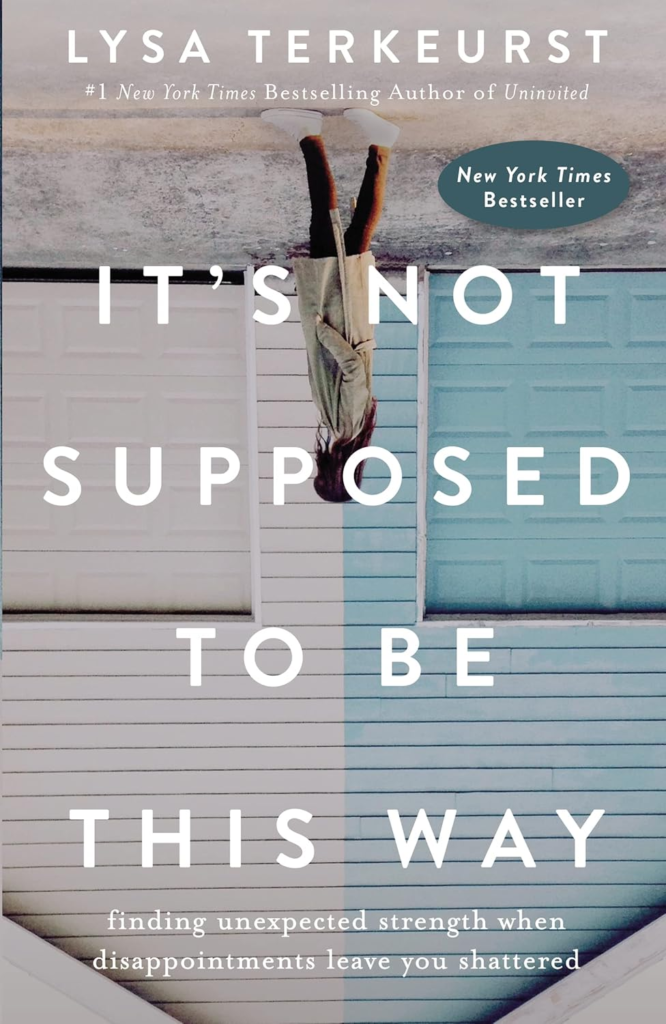
2. Its Not Supposed to Be This Way by Lysa TerKeurst
TerKeurst shares her story of devastating personal loss while her ministry was thriving publicly. She helps you process the gap between expectations and reality, giving you permission to grieve what you thought your life would look like.
The book provides specific tools for moving through disappointment without becoming bitter, showing how forgiveness and surrender work together to create healing.
This book resonates most with people who feel stuck in the “this wasnt the plan” stage of life.
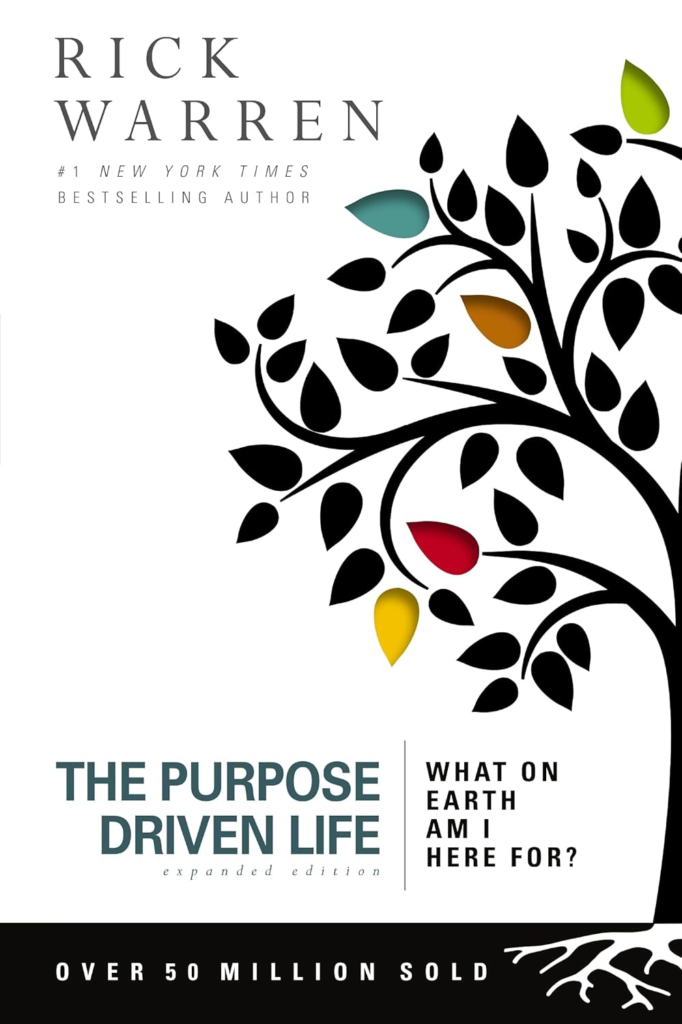
3. The Purpose Driven Life by Rick Warren
Warren’s 40-day spiritual journey helps you stop creating your own purpose and start discovering what God already designed you for. Each chapter addresses a different aspect of purpose, from worship to ministry to mission, helping you understand where your efforts should focus.
The book releases you from the pressure of figuring everything out because it shows how your life fits into a much larger story.
Millions of readers credit this book with fundamentally shifting how they approach decisions and priorities.
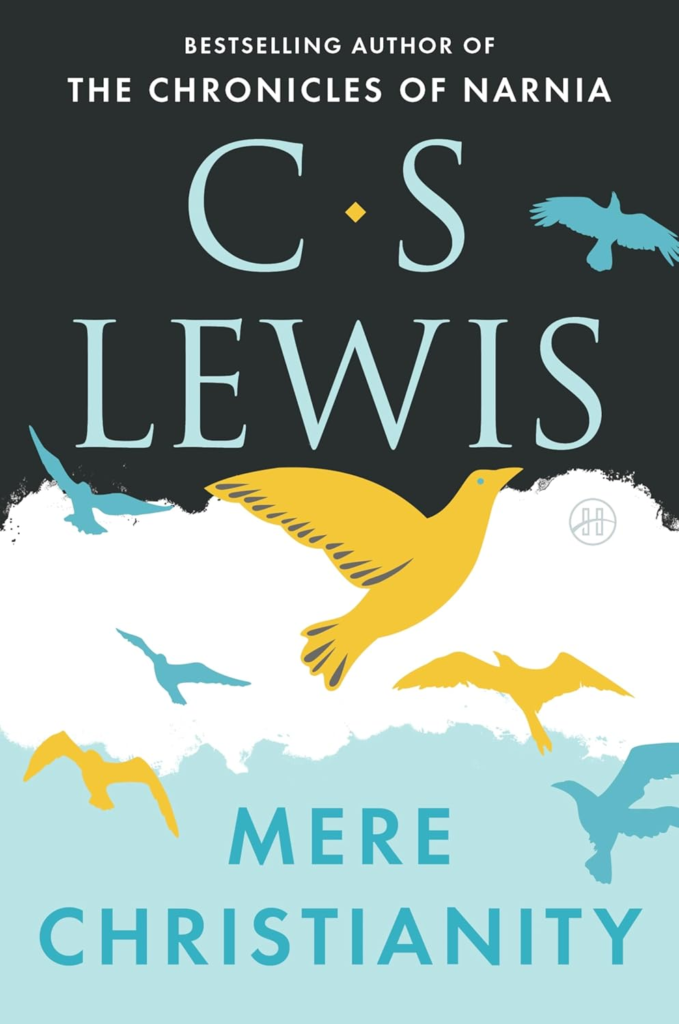
4. Mere Christianity by C.S. Lewis
Lewis makes a logical case for faith that satisfies your intellectual questions about why trusting God makes sense. He addresses skepticism directly, building arguments that appeal to reason rather than just emotion.
The book helps you understand the foundations of Christian belief, which strengthens your ability to trust because you comprehend what you’re trusting in. This works particularly well if doubt has been undermining your tries to surrender control.
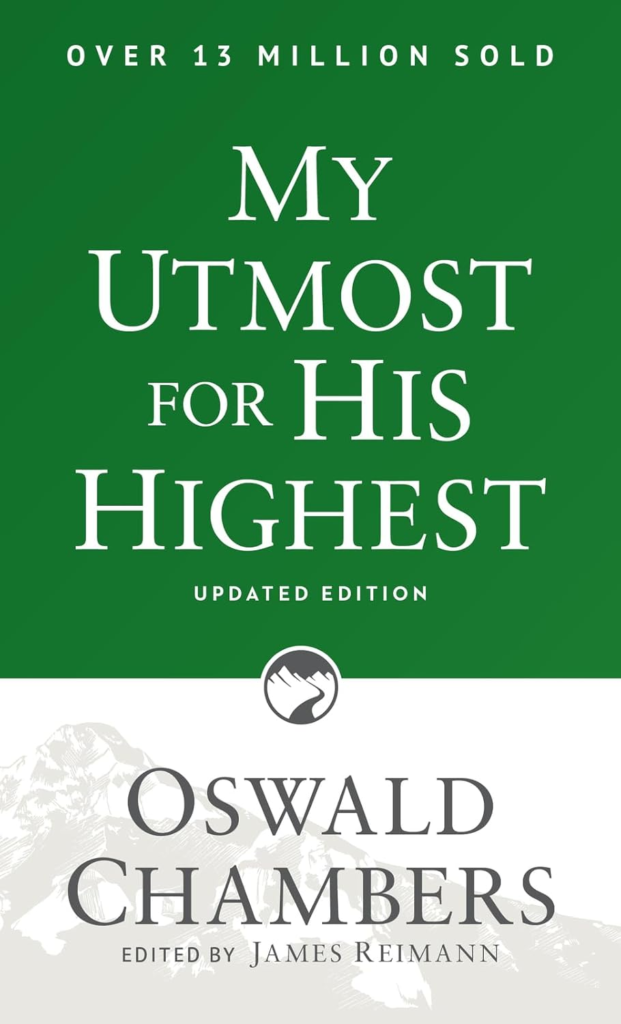
5. My Utmost for His Highest by Oswald Chambers
This daily devotional has been challenging readers since 1927 because Chambers refuses to make surrender sound easy or comfortable. Each day’s reading is short but dense, requiring you to think deeply about what genuine trust costs.
The devotional format gives you daily reinforcement, which helps new thought patterns take root over time.
People describe this book as confrontational in the best way, exposing where you’re still holding back from complete surrender.
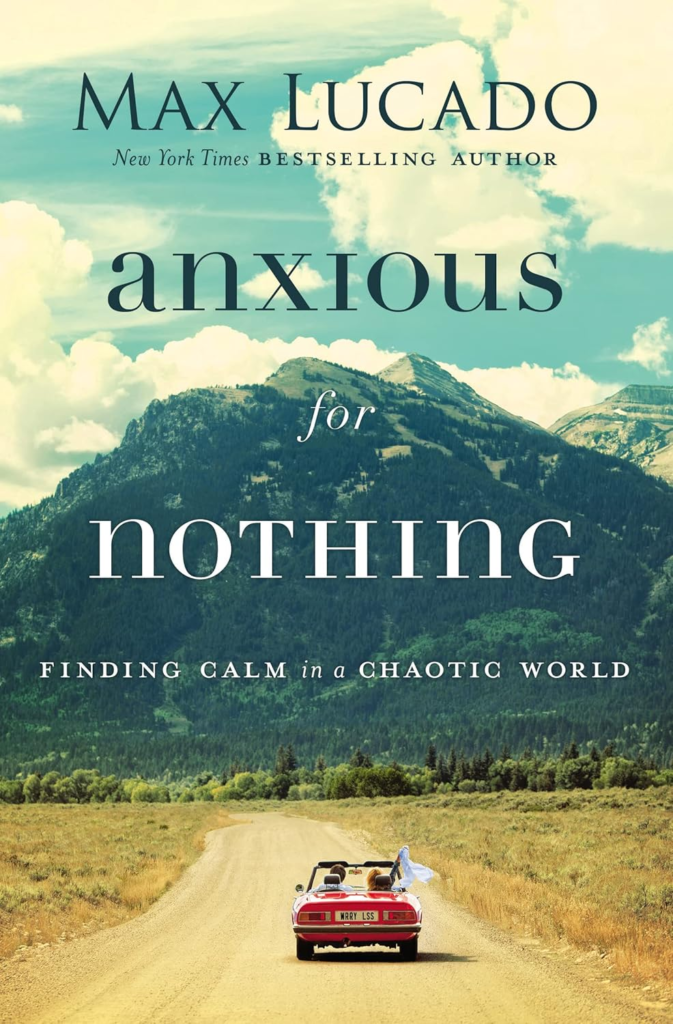
6. Anxious for Nothing by Max Lucado
Lucado shows you how anxiety and trust cannot coexist, then gives you biblical strategies for choosing peace over worry. The book walks through Philippians 4:6-7 in practical detail, helping you understand what it actually means to bring everything to God in prayer.
Readers appreciate how Lucado confirms the struggle with anxiety instead of dismissing it as a lack of faith.
This book provides the most direct path from chronic worry to daily peace for people who recognize that anxiety is their main barrier to trust.
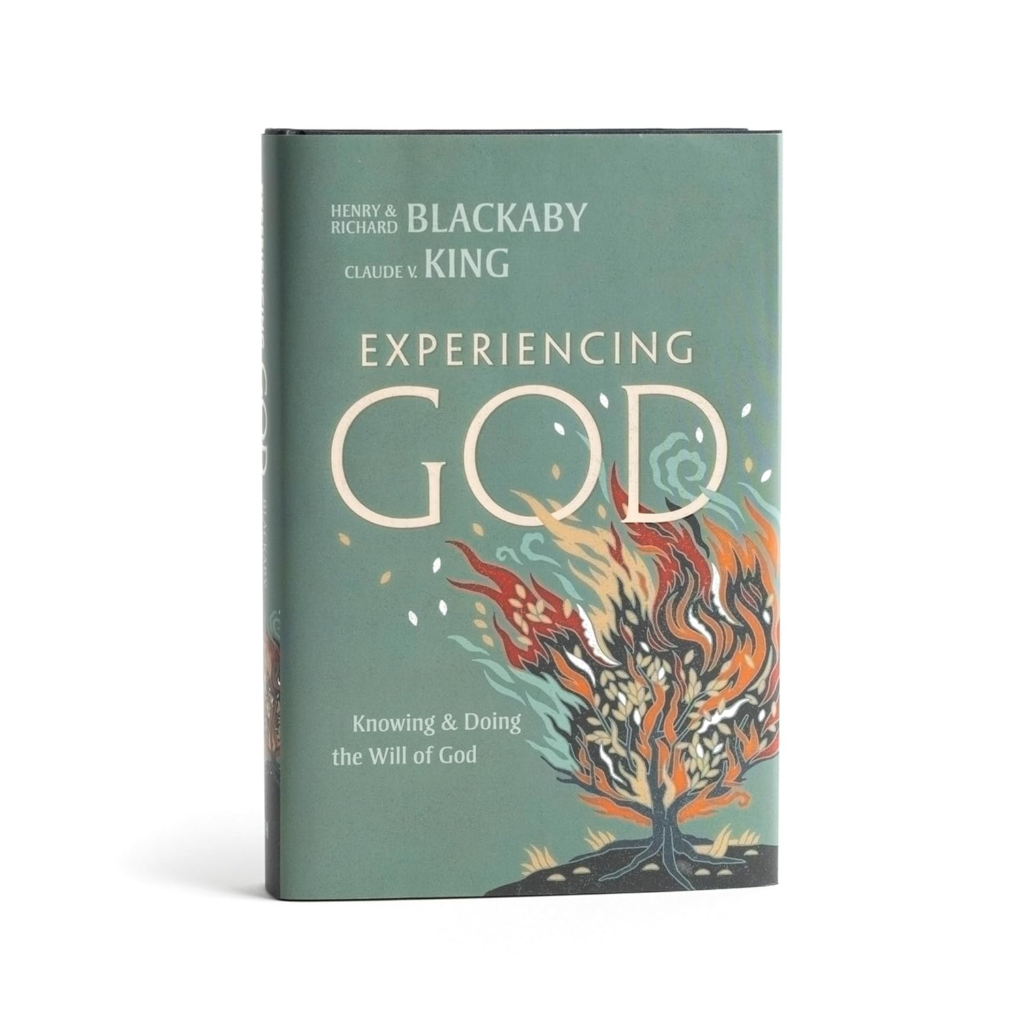
7. Experiencing God (2021 Edition): Knowing and Doing the Will of God
When you open this book, you’ll find that you aren’t just reading. No, you are being remade, reoriented, restored from the frustration of what you may have known as stale religion. Captured not by a concept but by your Creator, reborn in relationship.
Here’s the Experiencing God that has already impacted millions of people. Only it’s bigger, and better, and ready to lead you again ` or for the very first time ~ into an experience with God. Carefully listening to His voice will anchor you in His plan, and set you free to live it with boldness and freedom.
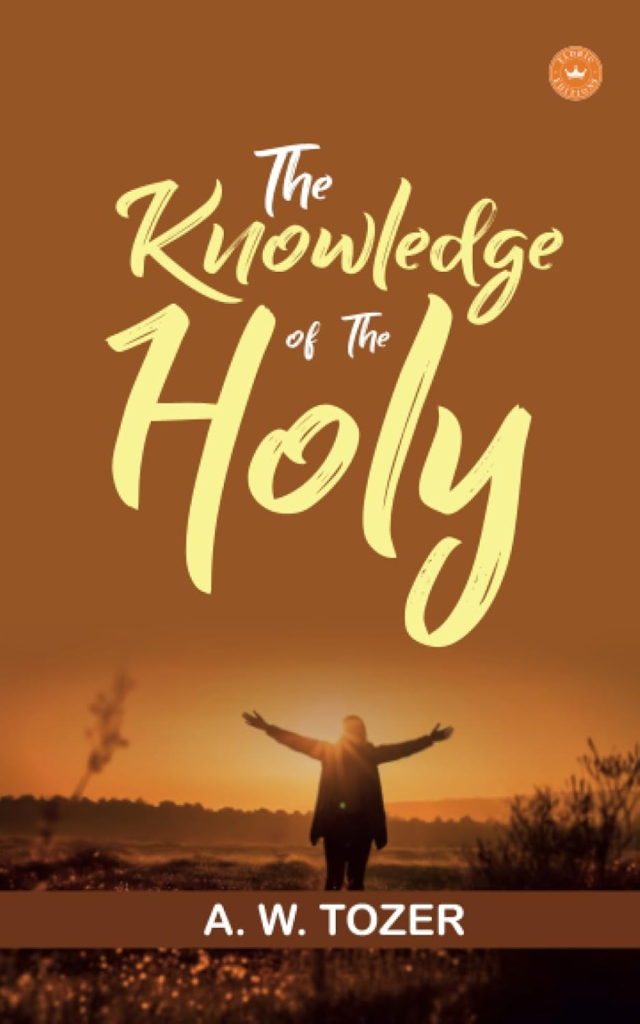
8. The Knowledge of the Holy by A.W. Tozer
You cannot trust what you do not know. Tozer helps you understand God’s actual attributes so your trust is based on truth rather than assumptions.
Each chapter explores a different aspect of God’s character, from His omniscience to His faithfulness, building a comprehensive picture of who you’re learning to trust.
The book deepens your theology in ways that directly support surrender because you understand more clearly who holds what you’re releasing.
9. Streams in the Desert by L.B. Cowman
Cowman compiled this devotional while caring for her dying husband, so every entry carries weight earned through suffering. The daily readings confirm pain while pointing toward hope, giving you language for the tension between current struggle and future trust.
One of the book’s themes is waiting on God’s timing, which directly addresses the urge to force outcomes.
This devotional serves as a daily companion through extended difficult seasons when you need consistent reminders to keep trusting.
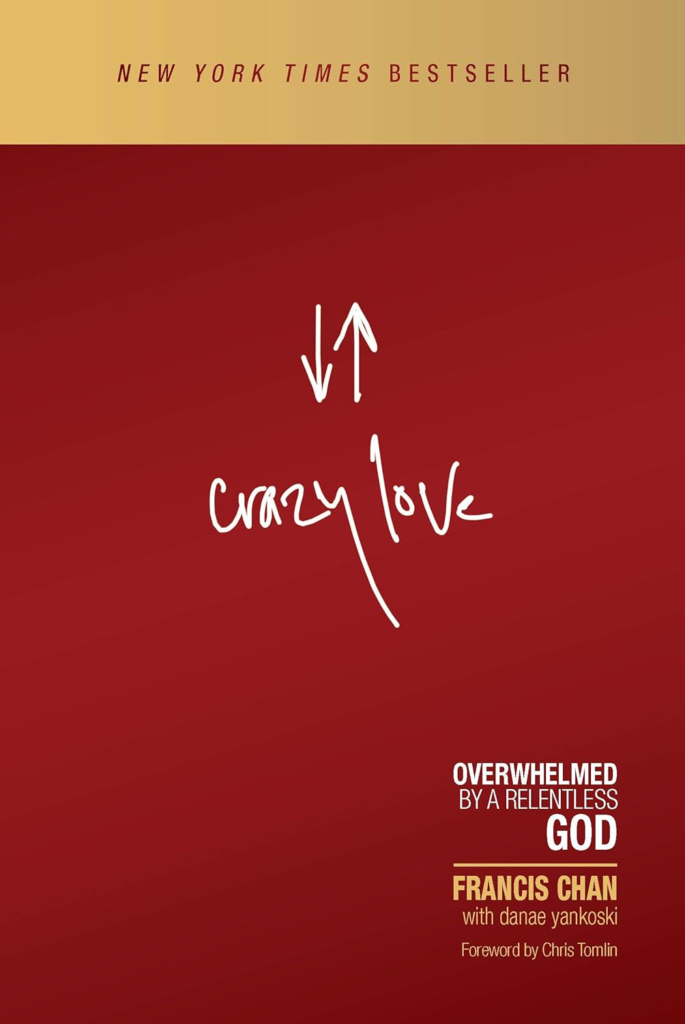
10. Crazy Love by Francis Chan
Chan challenges lukewarm faith and invites you into wholehearted surrender that looks radically different from cultural Christianity. His direct writing style cuts through excuses, asking hard questions about what your life would look like if you actually trusted God completely.
The book includes stories of people who have lived this radical trust, which helps you envision what might be possible.
Readers describe feeling both convicted and inspired, recognizing where they’ve been playing it safe instead of truly letting go.
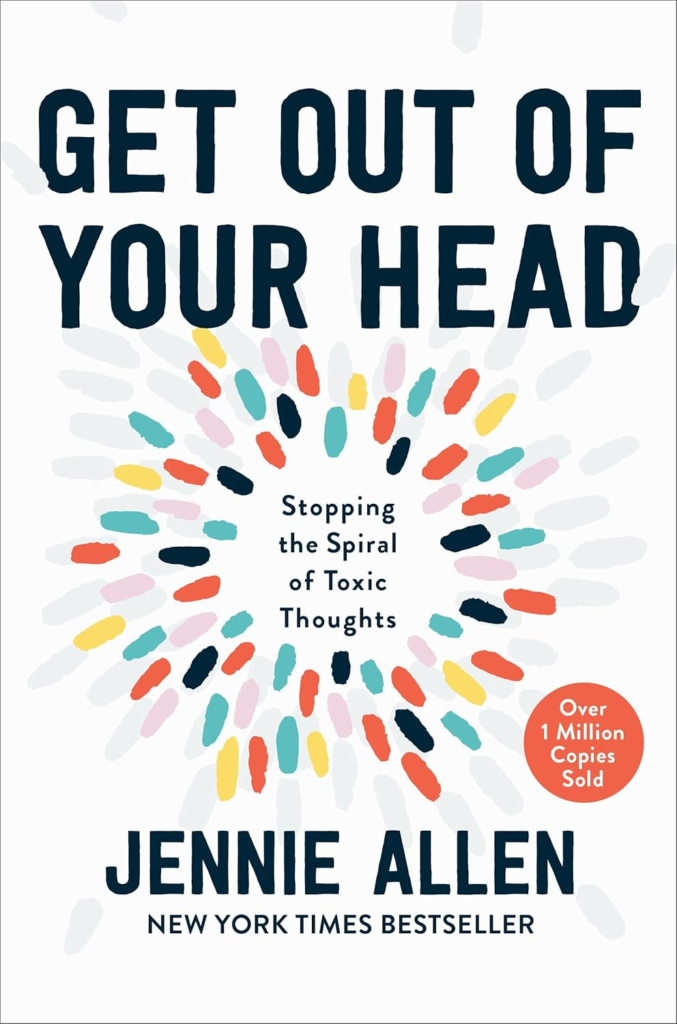
11. Get Out of Your Head by Jennie Allen
Allen combines neuroscience with biblical truth to help you interrupt destructive thought patterns. The book shows you how to recognize when you’re spiraling into worry, then provides specific strategies for redirecting those thoughts.
You learn to take your thoughts captive instead of letting them control you, which creates space for trust to develop.
This book works best if you recognize that your mind is your biggest obstacle to surrendering control.
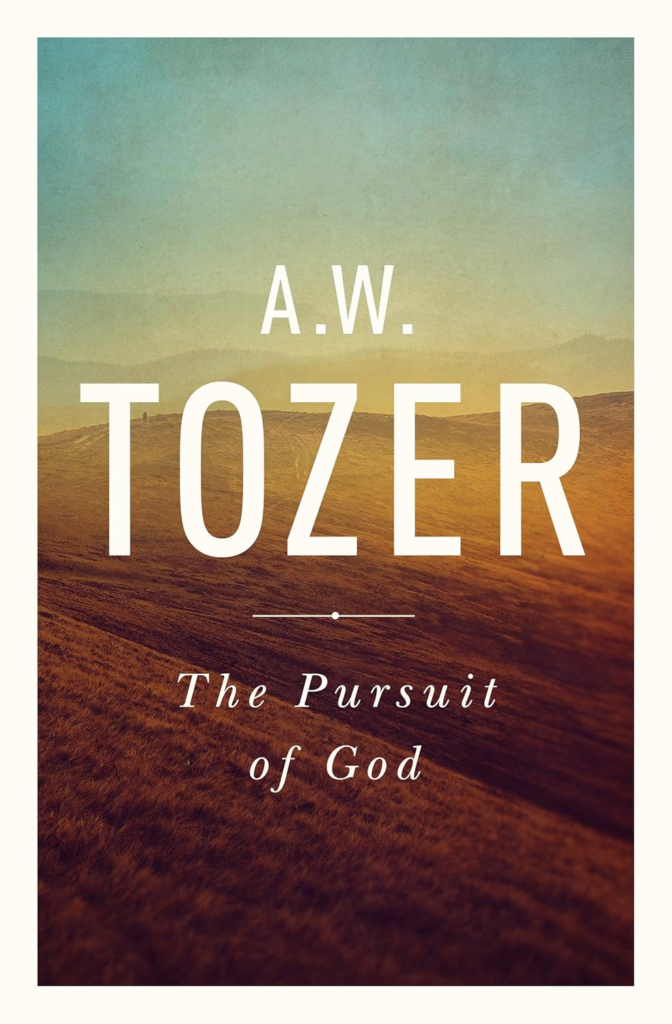
12. The Pursuit of God by A.W. Tozer
Tozer teaches you to pursue knowing God rather than pursuing outcomes you want from God. This basic shift changes your prayers, your expectations, and your definition of what it means to live well.
The book is relatively short but theologically rich, requiring slow reading and reflection.
When your deepest want becomes God Himself rather than what He might give you, letting go of other things becomes much easier.
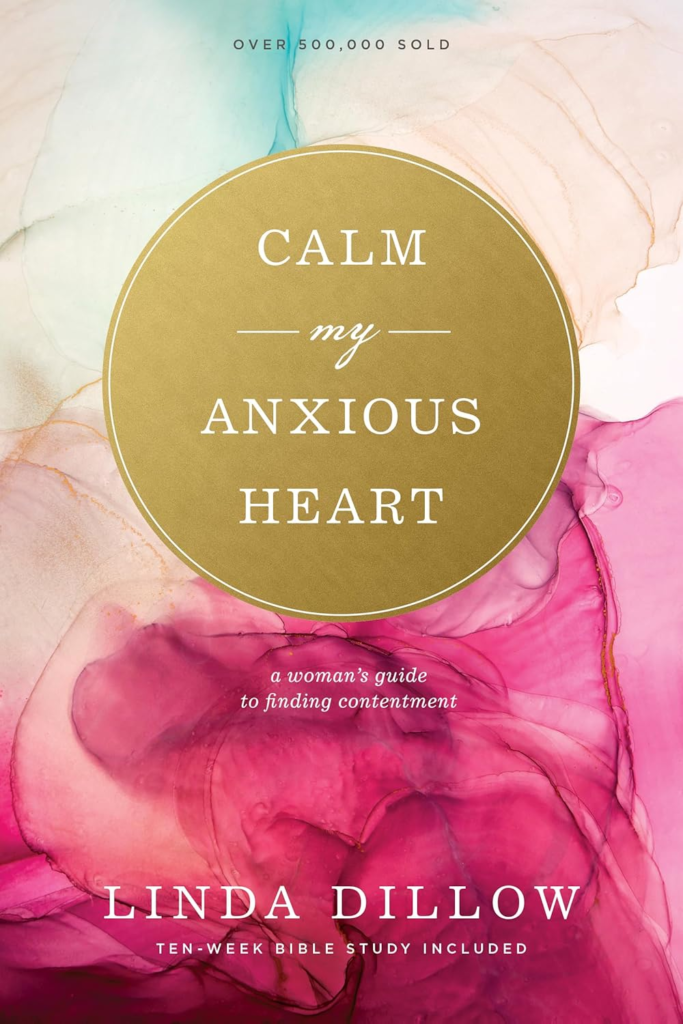
13. Calm My Anxious Heart by Linda Dillow
Dillow addresses the specific ways worry undermines trust, particularly for women navigating relationships, parenting, and life transitions. She provides biblical strategies for replacing anxious thoughts with contentment and peace.
The book includes practical exercises that help you identify your specific triggers and develop personalized strategies for choosing trust.
Readers appreciate how Dillow shares her own struggles instead of writing from a place of having it all figured out.
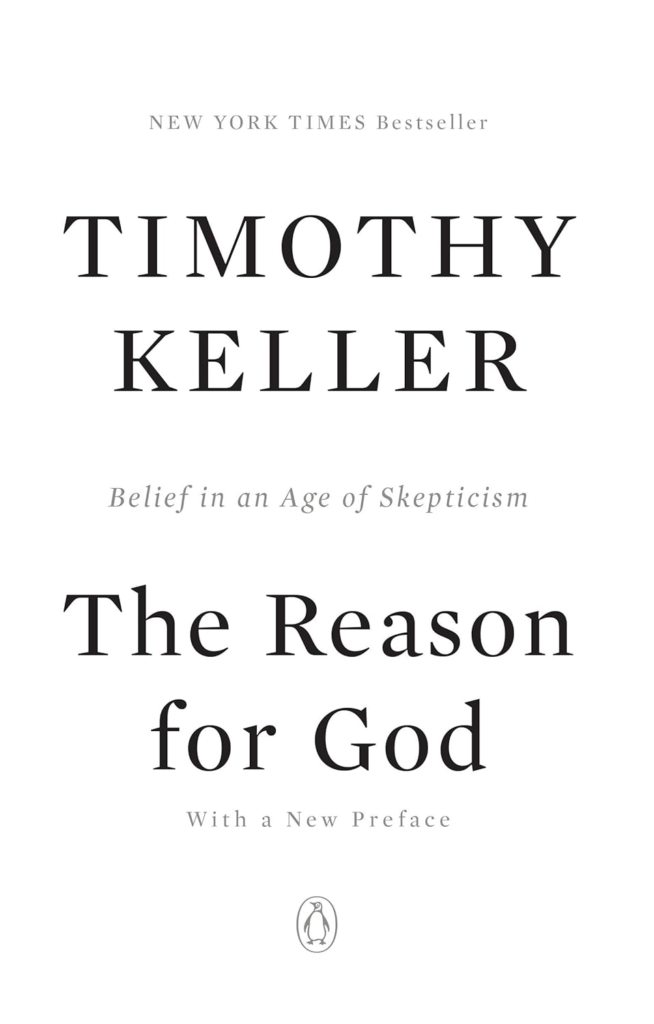
14. The Reason for God by Tim Keller
Keller addresses the intellectual doubts that prevent many people from trusting God. He responds to common objections about Christianity with logic and compassion, building a rational case for faith.
The book helps you work through questions about suffering, exclusivity, and whether Christianity is believable in a modern world.
If skepticism is your primary barrier to surrender, this book provides the intellectual framework you need to move forward.
>>Available on Amazon<<
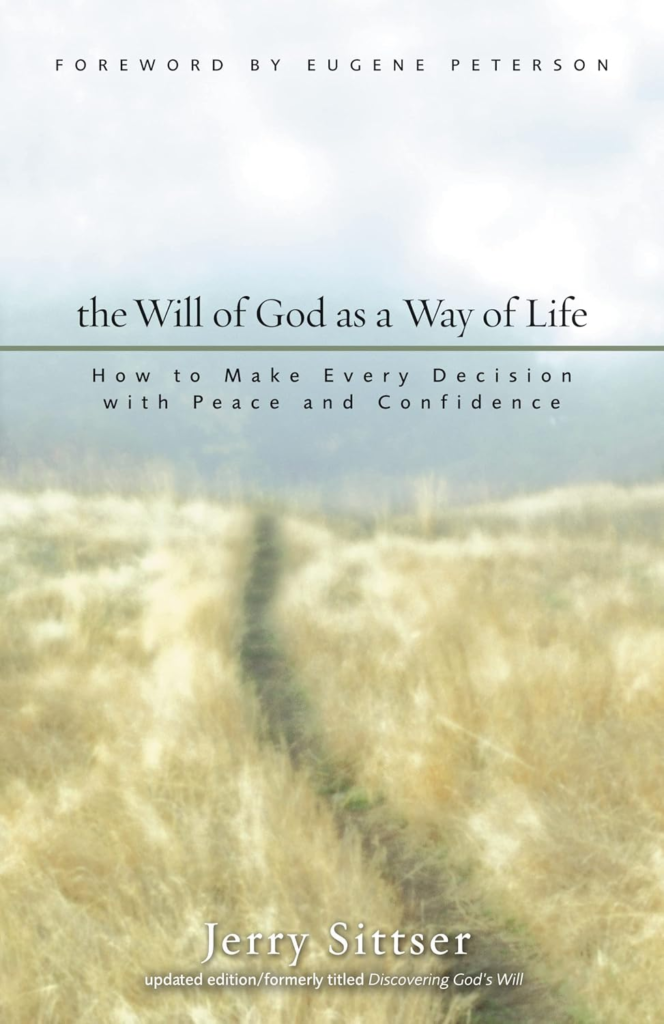
15. The Will of God as a Way of Life by Jerry Sittser
Sittser releases you from the anxiety of finding God’s one perfect plan by showing how God’s will is broader than you think. The book helps you understand that you can make different choices and still be within God’s will, which removes the paralysis that often comes with major decisions.
Readers report feeling tremendous freedom after reading this book because they stopped agonizing over making the “wrong” choice and started moving forward with confidence.
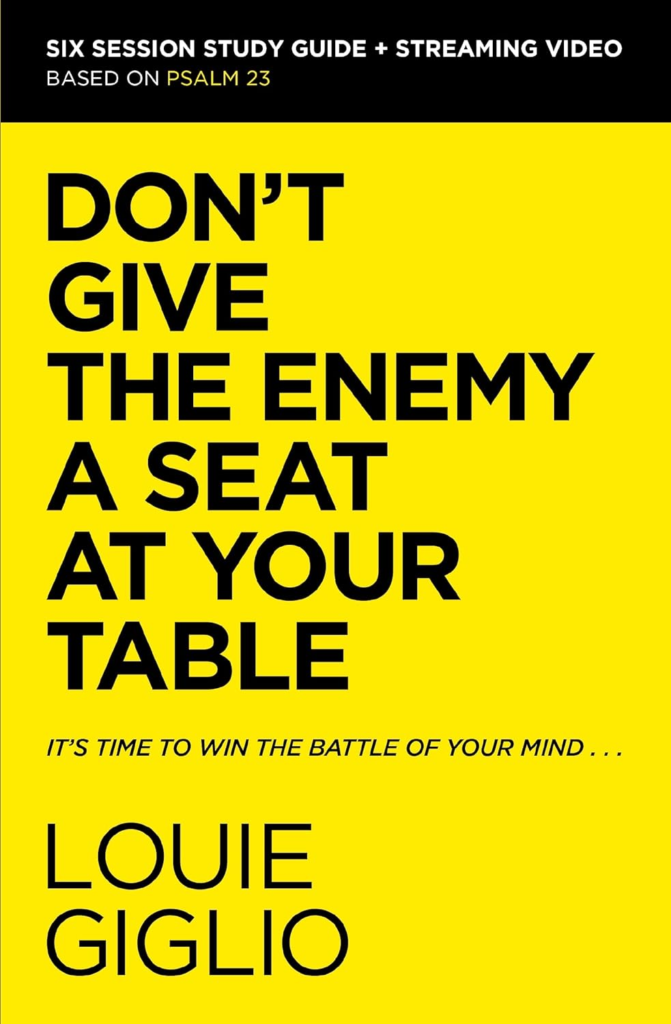
16. Don’t Give the Enemy a Seat at Your Table by Louie Giglio
Giglio shows you how to recognize when destructive thoughts are preventing you from experiencing peace. Using Psalm 23 as his framework, he teaches you to focus on God’s presence rather than on threats.
The book provides practical strategies for defending your mind against anxiety and fear, which creates the mental space necessary for trust to grow.
This works particularly well if you recognize that mental strongholds are your primary struggle.
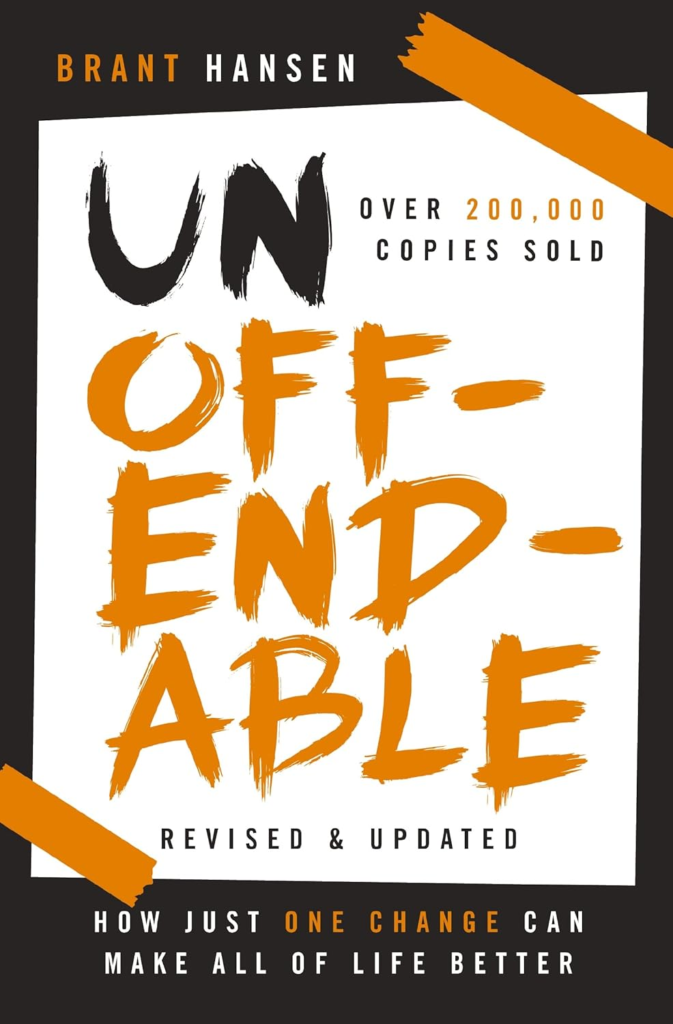
17. Unoffendable by Brant Hansen
Hansen argues that choosing not to take offense is a form of letting go that changes your entire life. When you release the right to be angry about how others treat you, you free enormous energy for more important things.
The book provides both theological reasoning and practical strategies for developing this kind of freedom.
Readers describe feeling lighter after reading this book because they stopped carrying the weight of every offense.
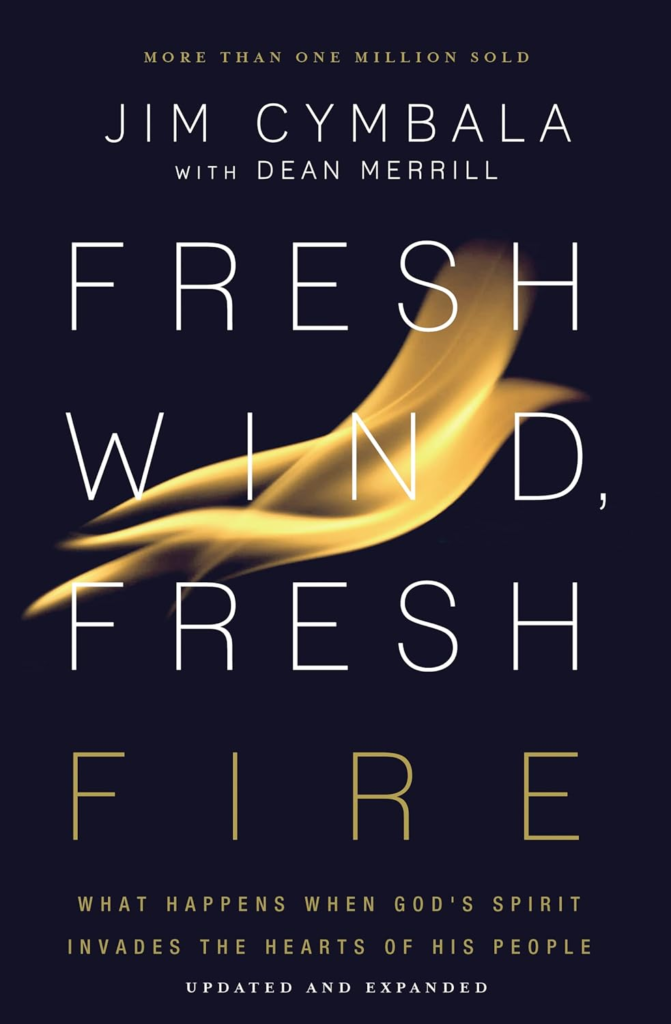
18. Fresh Wind, Fresh Fire by Jim Cymbala
Cymbala shares how prayer transformed his struggling church into a thriving community. The book emphasizes prayer as the primary tool for surrender, showing what happens when people genuinely bring everything to God.
His stories show what trust looks like in action, which helps you envision what might change in your own life.
This book works best for people who want to deepen their prayer life as the foundation for learning to let go.
Your Next Steps Toward Peace
The right book depends on what specifically prevents you from trusting. Anxiety leads you toward Lucado or Dillow.
Disappointment points you to TerKeurst.
Intellectual doubt suggests Lewis or Keller. If you simply need consistent daily reminders, choose Chambers or Cowman.
Start with one book rather than trying to read many books at once. Give yourself permission to read slowly, to reread sections that challenge you, to sit with ideas that make you uncomfortable.
These books work by changing how you think over time, not by providing quick fixes.
My personal favorite from this list is “Trusting God” by Jerry Bridges because it addresses suffering without offering easy answers. Bridges helped me understand that trust is not about having a comfortable life but about believing in God’s character regardless of circumstances.
That shift changed everything about how I pray and how I process difficult seasons.
Choose the book that speaks most directly to your current struggle. Order it today.
Set aside 15 minutes each morning to read, and notice what begins to shift in how you think and respond to circumstances outside your control.
The peace you’ve been searching for is available, but it requires daily practice of surrendering control and choosing trust. These books provide the framework and encouragement you need to develop that practice.
Frequently Asked Questions
Which book should I start with if I am new to Christian reading?
Start with “The Purpose Driven Life” by Rick Warren or “Mere Christianity” by C.S. Lewis.
Warren provides practical daily application while Lewis offers intellectual framework.
Both books are accessible to readers without extensive theological background and have helped millions of people understand basic Christian concepts about trust and surrender.
How long does it take to see actual changes in my anxiety levels?
Most people notice some shift within two to three weeks of daily reading, but sustainable transformation typically takes three to six months. The key is consistency rather than speed. Reading 10 to 15 minutes every day produces better results than reading for an hour once a week because daily engagement allows new thought patterns to take root gradually.
Can I read these books if I am dealing with serious trauma or mental health issues?
These books complement professional help but should not replace it. If you are dealing with clinical anxiety, depression, or trauma, work with a licensed therapist alongside your spiritual reading.
Books like “Calm My Anxious Heart” and “Anxious for Nothing” specifically address anxiety but are not substitutes for professional mental health treatment when needed.
Should I read straight through or use these as devotionals?
It depends on the book. Devotionals like “My Utmost for His Highest” and “Streams in the Desert” are designed for daily reading over a year.
Books like “Trusting God” or “Crazy Love” work better when read straight through so you can follow the complete argument.
Workbooks like “Experiencing God” need you to complete exercises, so allow extra time for those.
What if I read a book but still struggle to let go?
Reading creates awareness but transformation requires practice beyond the book. Try journaling about what you are learning, discussing the concepts with a trusted friend or small group, and praying through specific areas where you are still holding tight.
Some people need to read the same book many times, with months in between, before the concepts fully shift their thinking patterns.
How do I choose between books that seem similar?
Read the Amazon preview pages or check your local library to sample a few chapters. Pay attention to which author’s voice resonates with you.
Some people connect better with academic writers like Lewis or Keller, while others prefer storytellers like TerKeurst or Chan.
The best book is the one you will actually read consistently, not necessarily the one that is most popular.
Are there books on this list that work well for group study?
“Experiencing God” and “The Purpose Driven Life” include study guides and discussion questions, making them excellent for small groups. “Trusting God” by Jerry Bridges also works well in group settings because participants bring different experiences with trust and struggle.
Group study provides accountability and allows you to hear how others are processing the same concepts, which often deepens understanding beyond what you gain reading alone.
Find out our Recommended Short Reads That Rebuild Hope; visit: https://illuminatedresources.com/short-reads-that-rebuild-hope-meaningful-encouragement-for-low-bandwidth-days/