Faith-integrated resources that address stress from a spiritual perspective
Stress affects everyone, but not everyone approaches stress relief the same way. For people of faith, managing stress often means more than just relaxation techniques.
It involves connecting with something larger than yourself and finding peace through spiritual practices.
Christian stress relief products range from traditional items like Bibles and devotionals to modern tools like faith-based apps and guided meditation resources. Some focus on Scripture engagement, others on prayer practices, and many mix multiple approaches.
The key difference between these and secular stress management tools is the integration of biblical principles and the acknowledgment that spiritual health and mental health work together.
Research shows that religious involvement can increase life expectancy by 29% and that 80% of people dealing with chronic conditions who use daily religious coping report it helps moderate their symptoms.
Christian Books and Study Resources
1. The Message Bible (Contemporary Language Translation)
The Message translates Scripture into modern, conversational English that makes daily reading more accessible. Many people find that when biblical language feels less formal, they connect more deeply with the text during stressful moments.
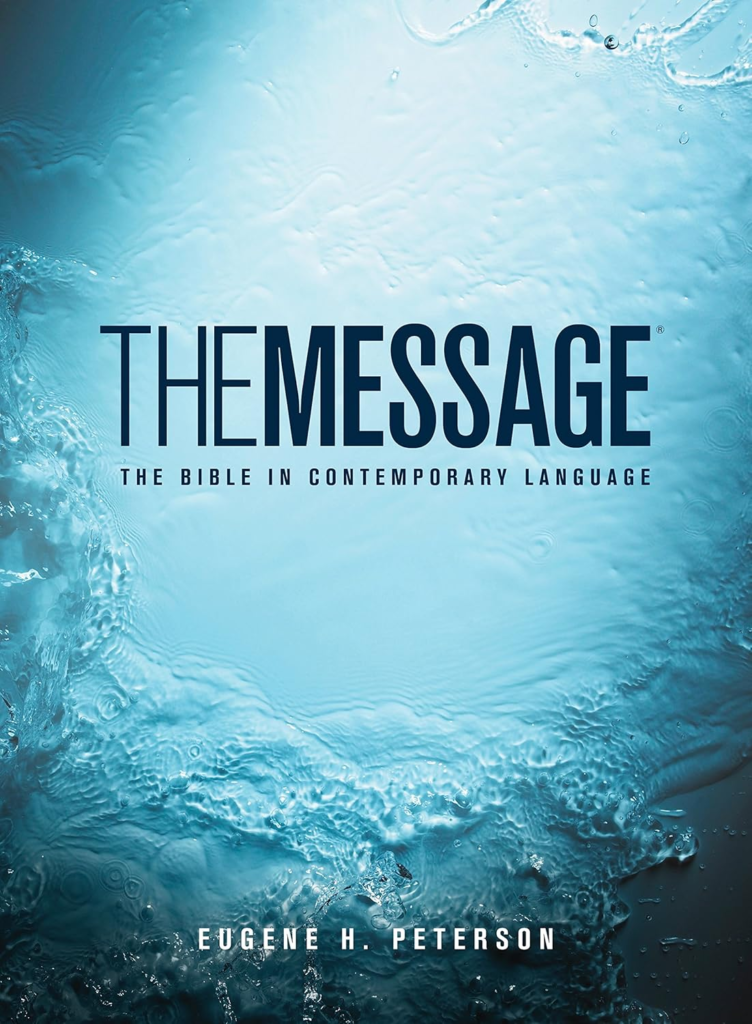
This translation works well for devotional reading and meditation, though it’s a paraphrase as opposed to a word-for-word translation.
The soft cover edition makes it easy to carry with you or keep on your nightstand for evening reading.
Total time: Immediate use once it arrives.
How easy to start: Very easy. Just open and read.
Best for: Daily devotional reading and making Scripture feel more relatable.
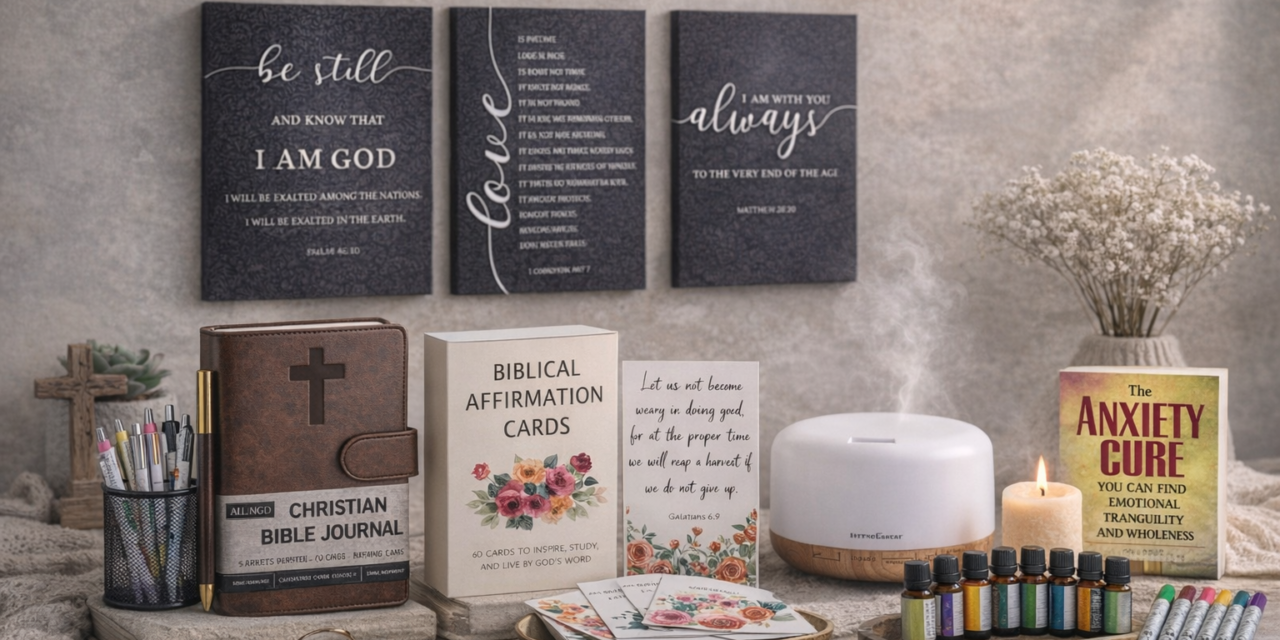
2. “The Anxiety Cure” by Archibald Hart
This book combines Christian faith with psychological insights about anxiety. Hart, a Christian psychologist, explains how anxiety works in your brain and body, then offers faith-based strategies to address it.
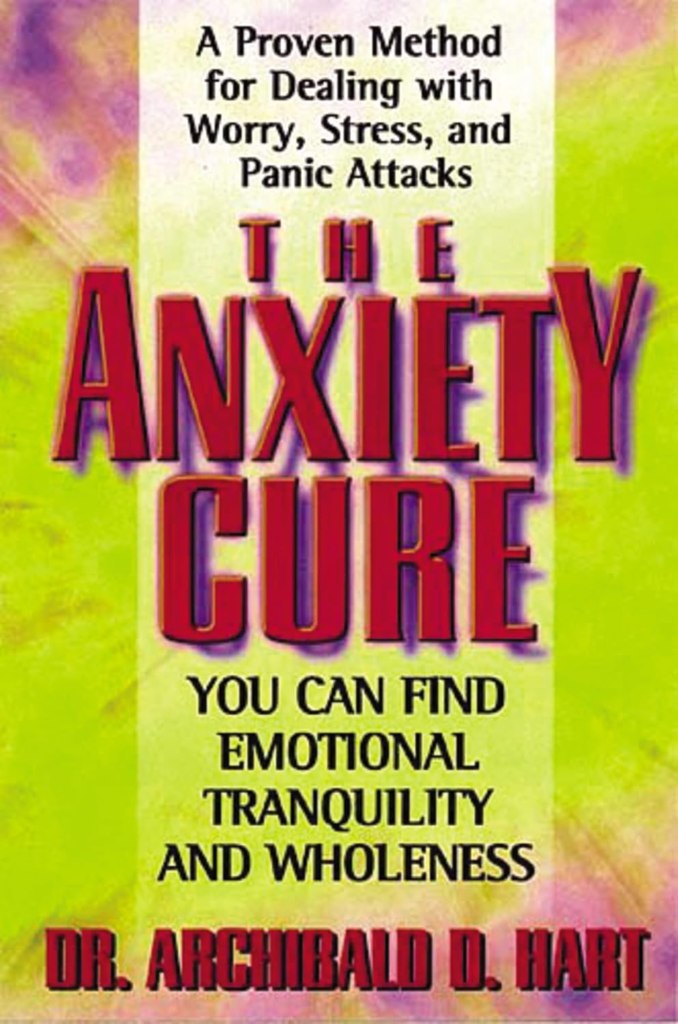
The book covers everything from understanding stress hormones to using prayer and Scripture to rewire anxious thought patterns.
Total time: Takes commitment to read and apply the concepts.
How easy to start: Moderate. Requires reading and reflection.
Best for: Understanding the science behind anxiety while learning biblical coping strategies.
3. “Jesus Calling” Daily Devotional by Sarah Young
This devotional presents Scripture-based reflections written as if Jesus is speaking directly to you. Each day’s reading is short, usually just one page, making it manageable even when you’re stressed and short on time.
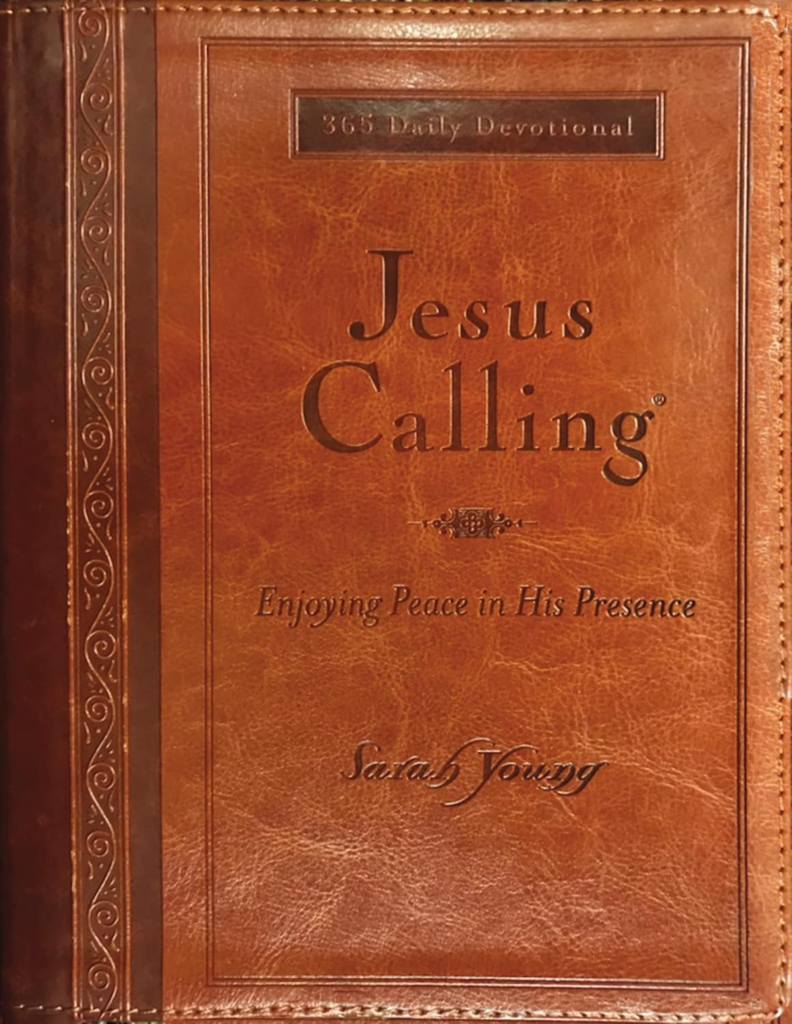
The devotional addresses common struggles including worry, fear and feeling overwhelmed.
More than 30 million copies have been sold, and many readers report that the daily readings help them start their day with a calmer mindset.
Total time: 5-10 minutes daily.
How easy to start: Very easy. Start with today’s date.
Best for: Creating a consistent morning routine that centers your thoughts.
Prayer and Meditation Tools
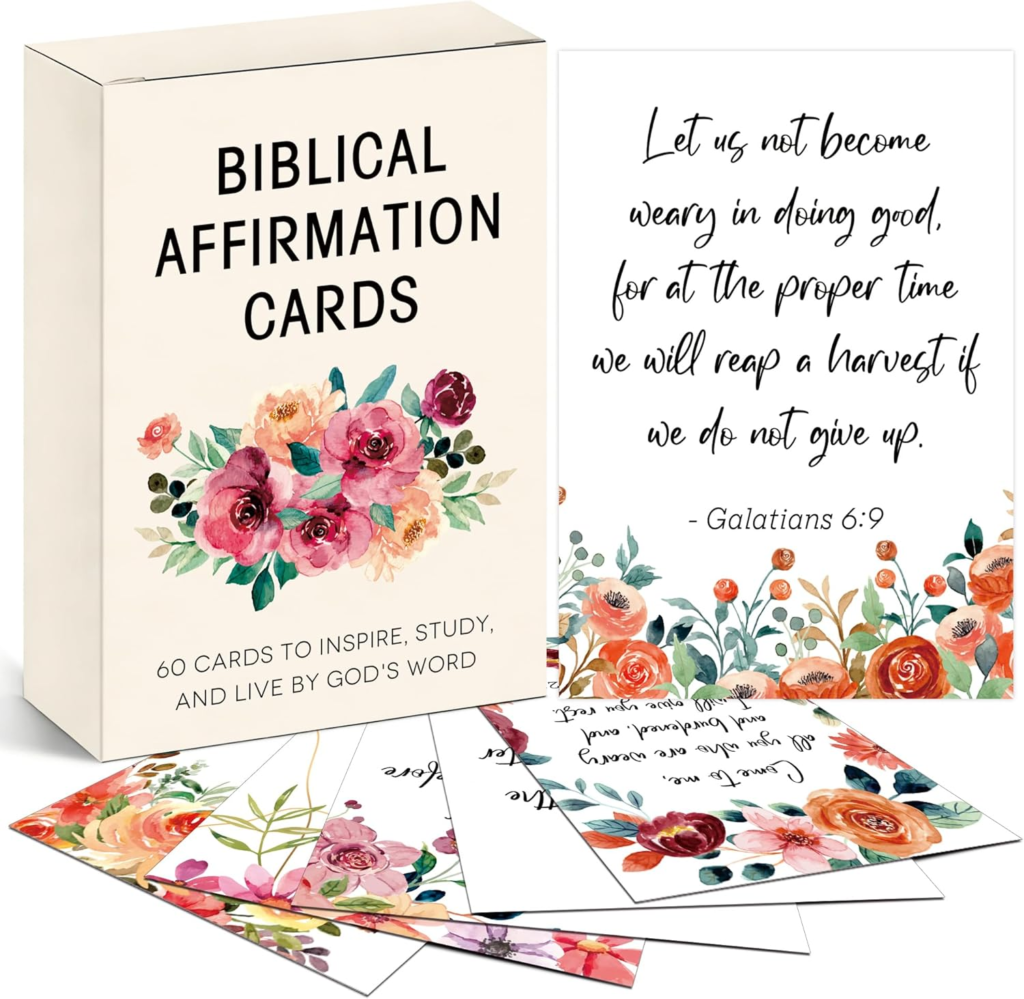
4. Scripture Memory Cards
These card sets contain carefully selected Bible verses about peace, anxiety and trusting God. You can keep them in your car, at your desk or in your pocket for quick reference when stress hits.
The repetition of reading and memorizing Scripture has been shown to help replace anxious thoughts with biblical truth.
Different card sets focus on different themes, so you can choose one specifically about stress and worry.
Total time: Ongoing practice builds the habit.
How easy to start: Easy. Pull out a card and read it.
Best for: Building a mental library of comforting Scripture you can recall anytime.
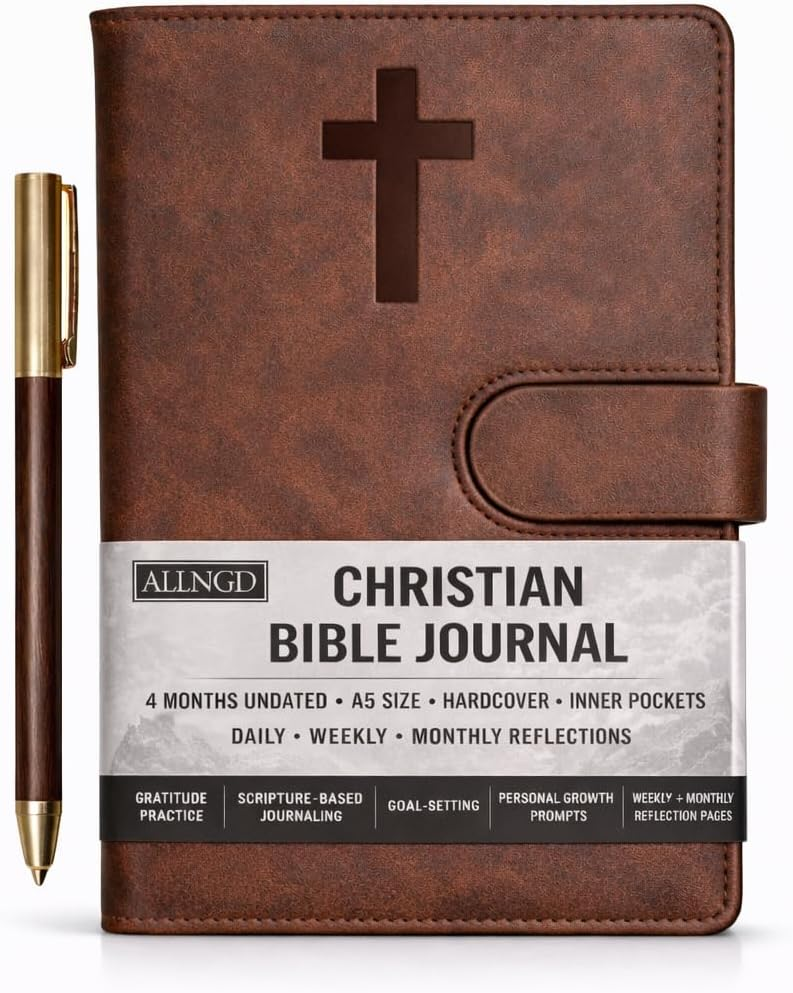
5. Leather Prayer Journal
A dedicated journal for prayer creates a record of your conversations with God and let’s you track how prayers are answered over time. Writing down worries often makes them feel less overwhelming, and the physical act of journaling can be calming in itself.
Look for journals with prompts or Scripture verses included if you want more structure.
Quality leather-bound journals feel substantial and can last for years.
Total time: As much or as little as you want to write.
How easy to start: Easy. Start with what’s on your mind today.
Best for: Processing emotions and creating a spiritual practice around stress.
Creating Sacred Space at Home
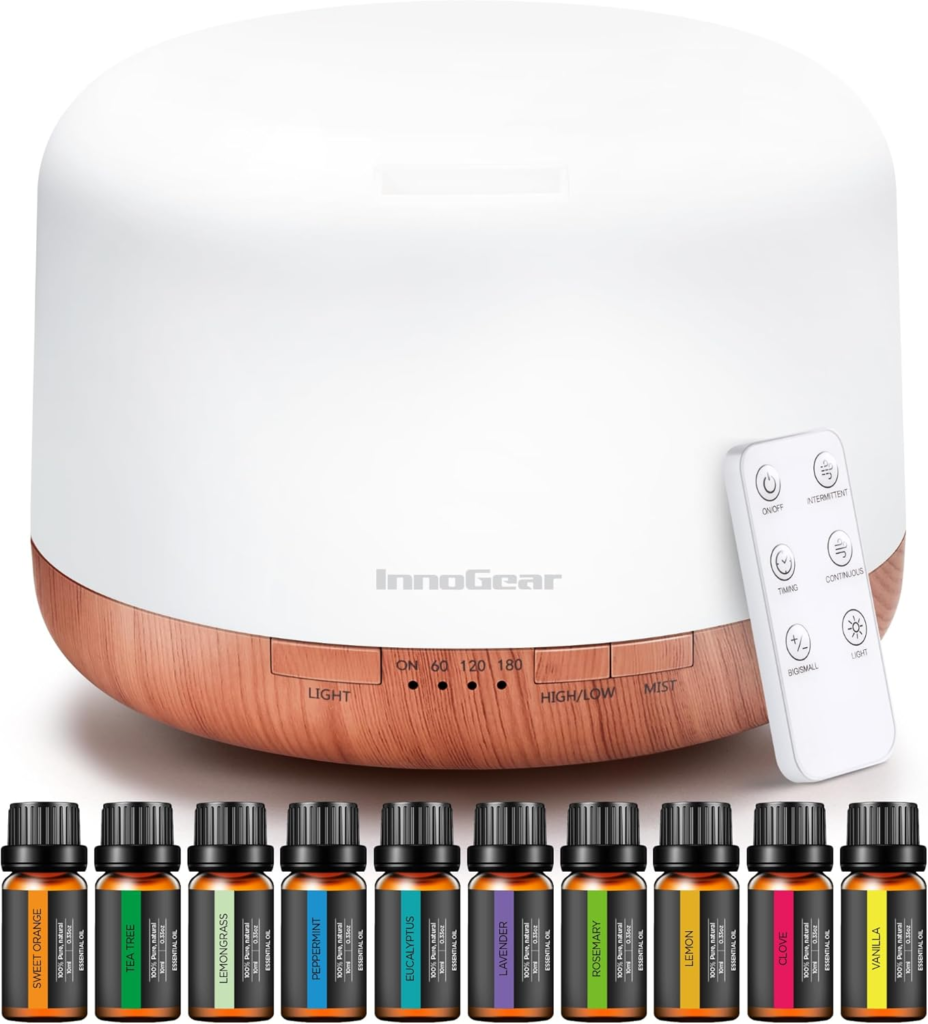
6. Essential Oil Diffuser Set
While not specifically Christian, aromatherapy complements prayer and meditation practices. Scents like lavender, frankincense and cedarwood have calming properties.
You can create a dedicated prayer corner in your home where you use the diffuser during your quiet time, making that space feel special and set apart.
The sensory experience of pleasant scents combined with prayer deepens your ability to relax.
Total time: A few minutes to set up, runs for hours.
How easy to start: Easy. Add water and oil, turn it on.
Best for: Creating a multi-sensory prayer and meditation environment.
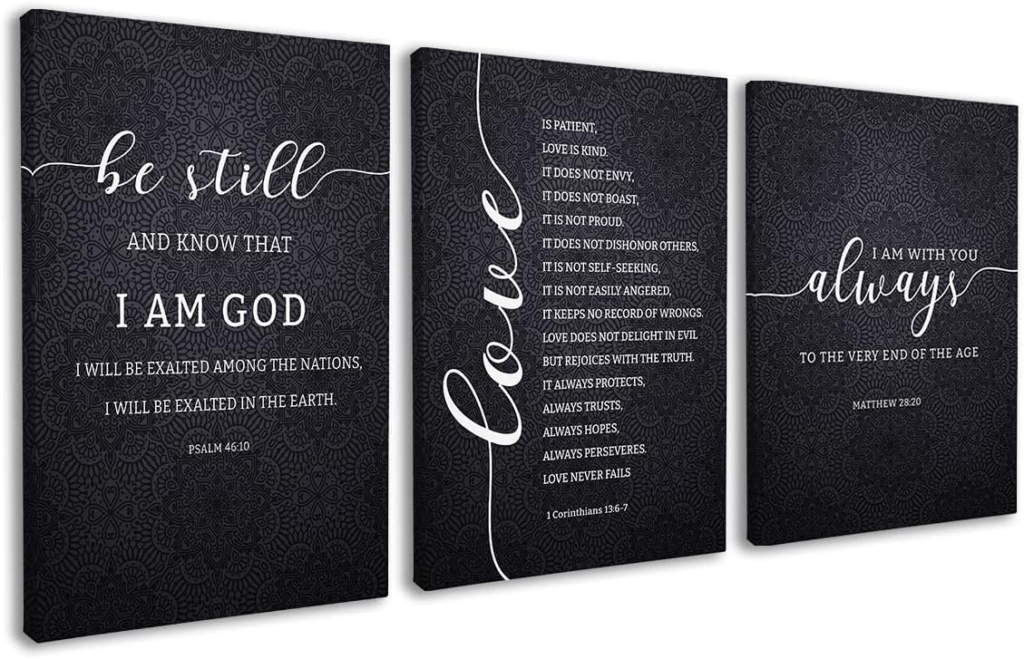
7. Scripture Wall Art
Visual reminders of biblical truth throughout your home reinforce God’s promises when stress hits. Canvas prints with verses like Psalm 46:10 (“Be still and know that I am God”) or Philippians 4:6-7 (about not being anxious) serve as anchor points during difficult moments.
Place them in spots where you tend to feel most stressed: bedroom, kitchen or home office.
Total time: Immediate impact once hung.
How easy to start: Very easy. Hang it up.
Best for: Creating visual cues that redirect your thoughts toward peace.
8. Prayer Blanket
A dedicated blanket or shawl for prayer creates a physical ritual around your quiet time with God. Wrapping yourself in it signals to your body and mind that you’re entering a time of peace and reflection.
Many prayer shawls come with specific prayers or blessings included.
The physical comfort of a soft blanket combined with prayer can be especially soothing during anxious moments.

Total time: Use whenever you pray or need comfort.
How easy to start: Very easy.
Best for: Creating a comforting ritual around prayer time.
Study and Reflection Tools
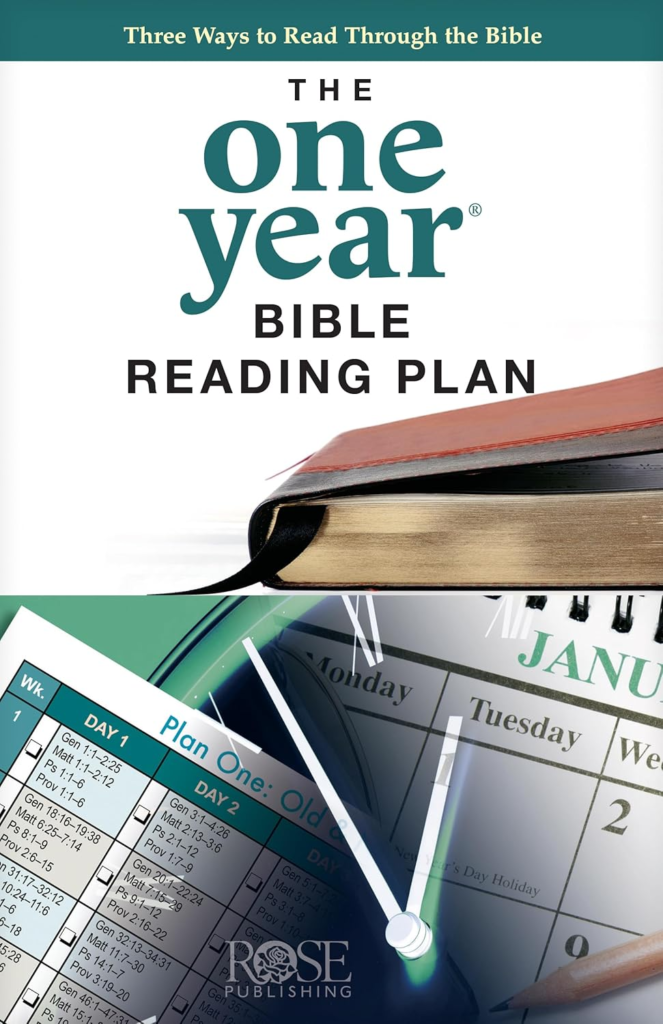
9. The One Year Bible (Daily Reading Plan)
This Bible organizes Scripture into 365 daily readings that take you through the entire Bible in a year. Each day includes portions from the Old Testament, New Testament, Psalms and Proverbs.
The structured approach removes decision-making about what to read and confirms consistent exposure to God’s Word.
Many people find that daily Scripture reading reduces their baseline stress levels over time.
Total time: About 15-20 minutes daily.
How easy to start: Easy. Start with today’s date.
Best for: Creating a consistent Bible reading habit without planning what to read.
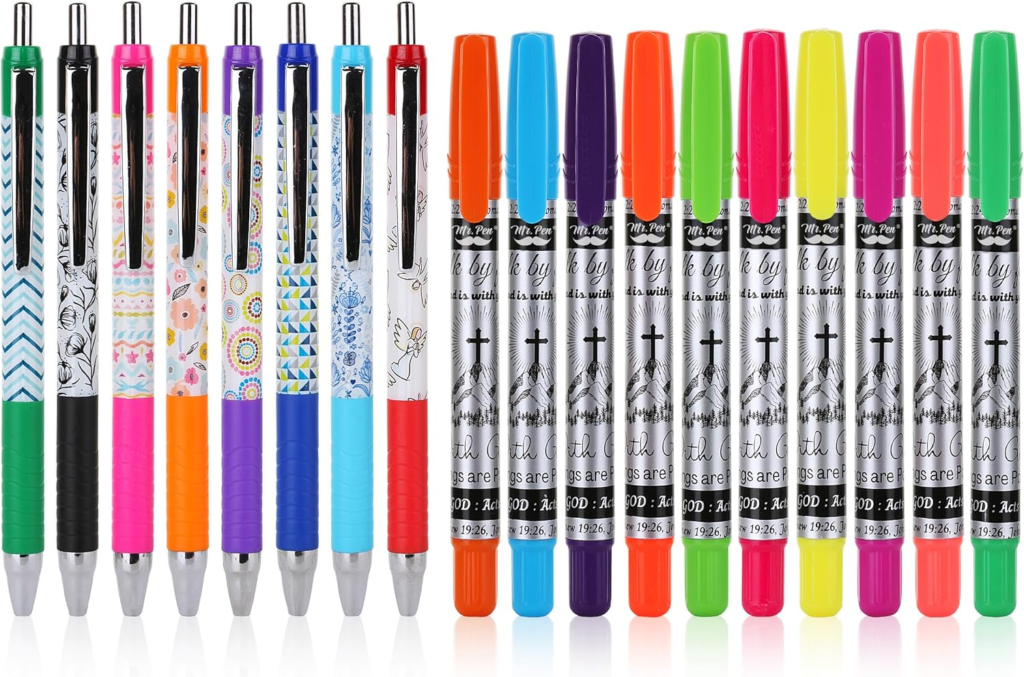
10. Bible Highlighting Kit
Engaging actively with Scripture through highlighting, underlining and note-taking helps you remember what you read and creates a visual record of meaningful passages. Many highlighting kits designed for Bibles use specific colors to mark different themes: yellow for joy, blue for peace, green for growth, etc.
The tactile practice keeps your mind engaged and focused.
Total time: Use during regular Bible reading.
How easy to start: Easy if you already read Scripture regularly.
Best for: Making Bible reading more interactive and memorable.
Choosing What Works for You
The most effective approach to faith-based stress management combines multiple tools as opposed to relying on just one. You might start your morning with a devotional, use Scripture cards during your lunch break, listen to worship music while cooking dinner, and journal before bed. Different tools work better for different situations and personality types.
If you prefer structured guidance, tools like devotionals, Bible reading plans and guided meditation apps work well. If you’re more creative or intuitive, journaling, coloring and music might resonate more.
The key is experimenting to find what helps you feel connected to God and genuinely calmer.
Start with one or two tools as opposed to trying to apply everything at once. Once those become habits, you can add more practices.
A devotional and a prayer journal form a solid foundation that most people can maintain even during busy seasons.
From there, you can build out with music, meditation, study tools or whatever else draws you closer to peace.
Budget matters too. You don’t need to purchase everything to experience stress relief through faith.
A Bible you already own, free Christian podcasts, worship music on YouTube and a simple notebook for journaling cost little or nothing.
The products listed here enhance your practice, but the foundation is simply turning your attention to God regularly.
My personal favorite from this list is the Jesus Calling devotional paired with a good prayer journal. The devotional takes less than ten minutes to read each morning and consistently redirects my thoughts toward God’s presence as opposed to my problems.
Writing in the journal afterward helps me process whatever is causing stress and creates a record of prayers and answers over time.
This combination takes maybe 15-20 minutes total but makes a noticeable difference in how I handle stress throughout the day. The routine itself becomes an anchor point, something stable and peaceful even when everything else feels chaotic.
If you’re just starting to integrate faith into your stress management, I’d recommend beginning with Jesus Calling and a simple prayer journal. Give yourself at least three weeks to establish the habit before deciding if it’s working.
Most stress management practices, whether faith-based or not, take consistent use before you notice significant changes.
After three weeks, you’ll have a better sense of whether this approach resonates with you and what other tools might enhance your practice.
Frequently Asked Questions
Does research actually support faith-based stress relief?
Yes. Multiple studies show that religious involvement and spiritual practices have measurable effects on stress and overall health.
Religious involvement has been linked to a 29% increase in life expectancy, and 80% of people with chronic conditions who use daily religious coping report it helps manage their symptoms.
Prayer and meditation on Scripture change your brain chemistry, increasing serotonin and dopamine while decreasing cortisol, the primary stress hormone. The combination of having a supportive faith community, engaging in regular spiritual practices and maintaining hope through belief in something larger than yourself all contribute to better stress management outcomes.
Can I use these tools if I also see a therapist or take medication?
Absolutely. Faith-based stress management and professional mental health care work together, not against each other.
Many Christian counselors specifically integrate biblical principles with evidence-based therapy approaches.
If you’re dealing with significant anxiety or depression, professional evaluation is wise. A mental health provider can decide if therapy, medication or other interventions might help alongside your spiritual practices.
Faith addresses your spiritual needs, while professional care addresses your mental health needs. Both are valuable and treating them as compatible as opposed to competing gives you the most finish support.
What if I’m too stressed to maintain a consistent practice?
This is common and understandable. When stress is at its highest, adding new routines can feel overwhelming.
Start incredibly small.
Just reading one Scripture card when you wake up takes thirty seconds. Just writing three sentences in a journal takes two minutes.
You don’t need to apply a finish spiritual routine immediately.
Pick the smallest possible version of one practice and do that until it feels automatic. Once that’s established, you can slowly add more if you want to.
Even tiny consistent practices provide more benefit than elaborate routines you can’t maintain. Give yourself permission to start small and build gradually.
How do I know which products are right for me?
Consider how you naturally tend to process stress and connect with God. If you’re someone who likes structure and plans, tools like devotionals, Bible reading plans and guided meditations work well.
If you’re more creative or expressive, journaling, coloring and music might resonate more.
If you learn by listening, audiobooks and podcasts make sense. If physical activity helps you decompress, a yoga mat for prayer and movement could be valuable.
You can also try one item from different categories to see what feels most natural and helpful.
There’s no wrong answer, just different preferences and approaches.
What if these tools don’t seem to be working?
Give any new practice at least three weeks of consistent use before evaluating its effectiveness. Stress management habits take time to show results.
If you’ve been consistent for several weeks and aren’t noticing any benefit, consider whether you might need a different approach or extra support.
Sometimes stress has roots in situations that need practical problem-solving, not just spiritual coping. Other times, professional counseling or medical intervention is necessary alongside spiritual practices.
Faith-based tools are powerful but not magic.
They work best as part of a broader approach to wellbeing that includes community support, healthy lifestyle habits and professional help when needed.
Should I feel guilty if prayer alone doesn’t eliminate my stress?
No. This misconception causes unnecessary shame and actually increases stress. Experiencing stress and anxiety doesn’t mean you lack faith or aren’t praying correctly.
Even biblical figures like David, Job and Jesus himself experienced deep distress and emotional struggle.
Prayer and faith provide comfort, perspective and hope, but they don’t eliminate difficult circumstances or instantly remove all emotional responses. Using tools beyond prayer alone, including therapy, medication, lifestyle changes and support from others, isn’t a sign of weak faith.
It’s a sign of wisdom and self-care.
God gave you a brain and body that respond to multiple forms of care, and using all available resources honors as opposed to contradicts your faith.
How do I explain faith-based stress management to family members who don’t share my beliefs?
Focus on the practical benefits and your personal experience as opposed to trying to convince others to adopt your approach. You can say something like, “I’ve found that reading Scripture and praying each morning helps me feel calmer throughout the day” without making claims about what others should do.
Most people respect that different approaches work for different people.
If someone asks questions, share openly about your experience, but avoid being preachy or implying that your way is the only valid option. Your genuine peace and reduced stress will often speak louder than any explanation.