The idea that Bible study should feel consistent, focused, and meaningful ~ but often doesn’t ~ can be quietly discouraging. And I’m not saying you don’t love God’s Word, but if your days are full, your mind feels scattered, or your energy comes in waves, sitting down with Scripture can sometimes feel harder than it used to. Because midlife brings a unique kind of complexity ~ you’re holding a lot: family transitions, emotional shifts, physical changes, questions about purpose… and somewhere in the middle of all that, you’re trying to stay spiritually grounded.
You may find yourself opening your Bible and not knowing where to start, or reading a passage and realizing you didn’t really take it in. And when someone says, “just spend more time in the Word,” it can feel frustrating when time and focus both feel limited. I totally understand that tension ~ you want depth, not pressure; connection, not another task on your list.
That’s why the goal in this season isn’t to study more ~ it’s to study differently, with gentleness, intention, and tools that support where you are right now.
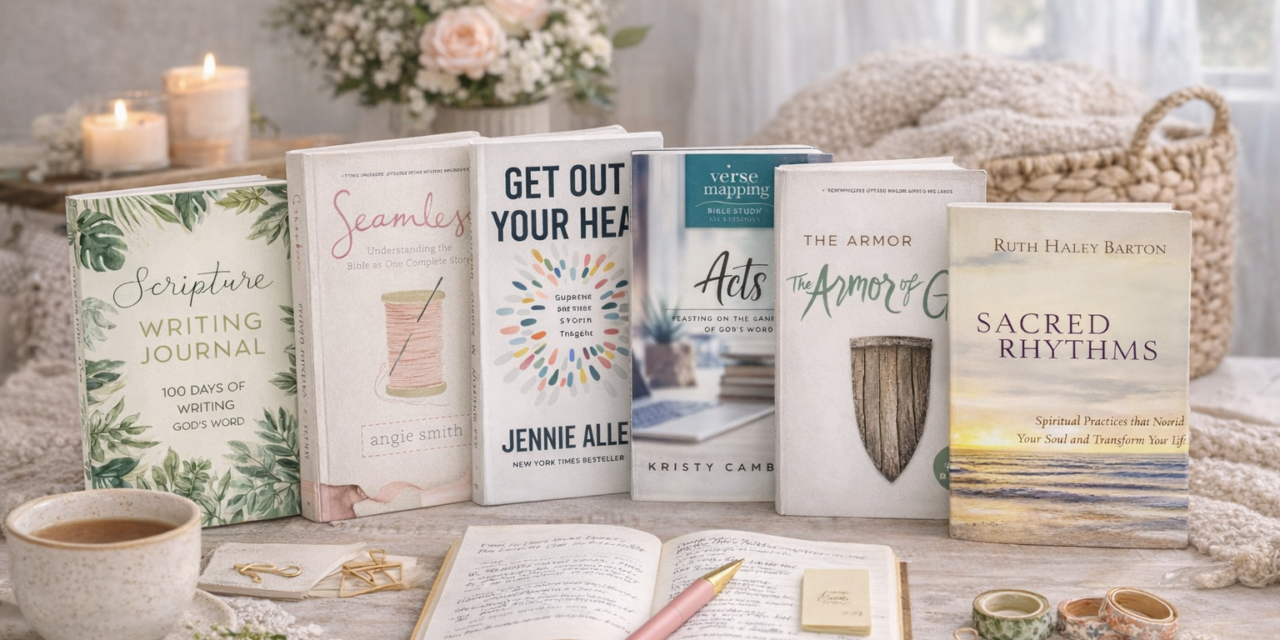
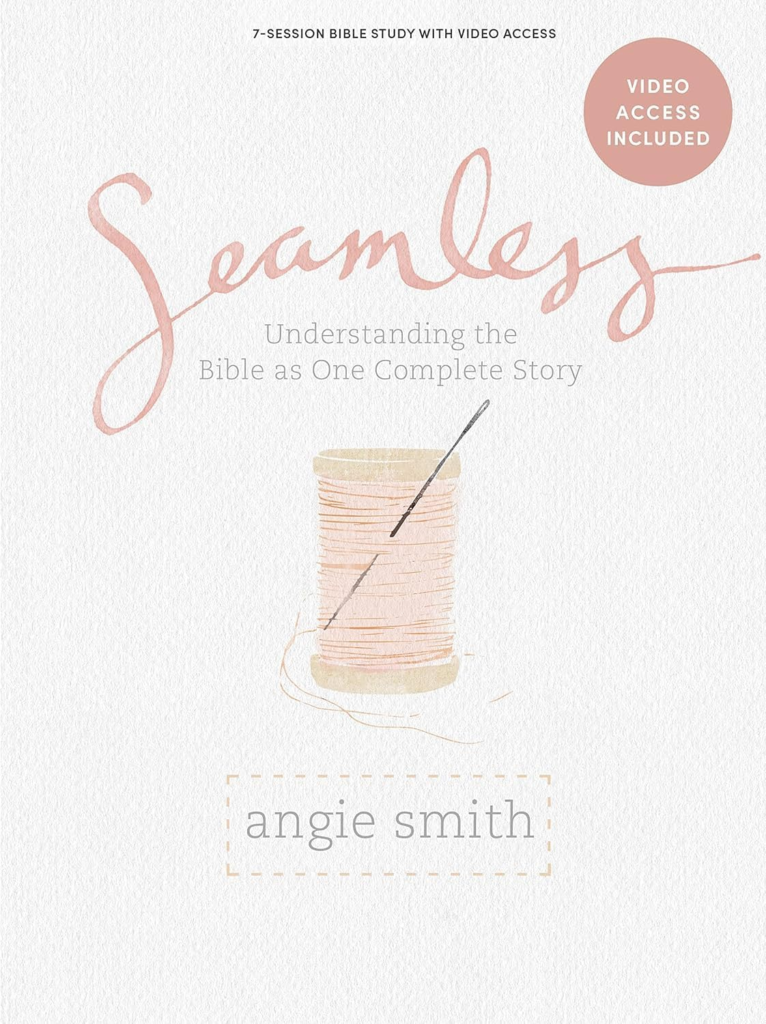
1. Seamless Bible Study by Angie Smith
This study helps you understand how the entire Bible fits together as one cohesive story. It’s especially helpful if you’ve read bits and pieces of Scripture but want a clearer big-picture understanding.
The structure is approachable without being overwhelming.
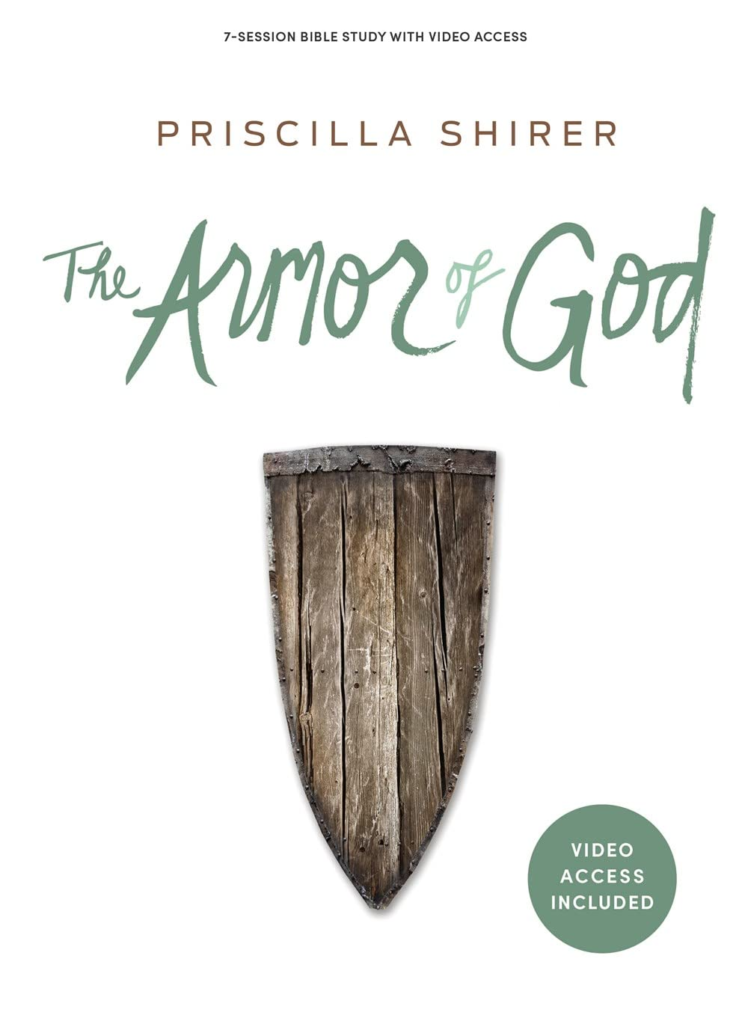
2. The Armor of God by Priscilla Shirer
A deeper, Scripture-rich study that explores spiritual strength and resilience. Shirer’s teaching style is engaging and practical, helping you apply biblical truth to everyday life.
Great for seasons where you feel spiritually stretched or challenged.
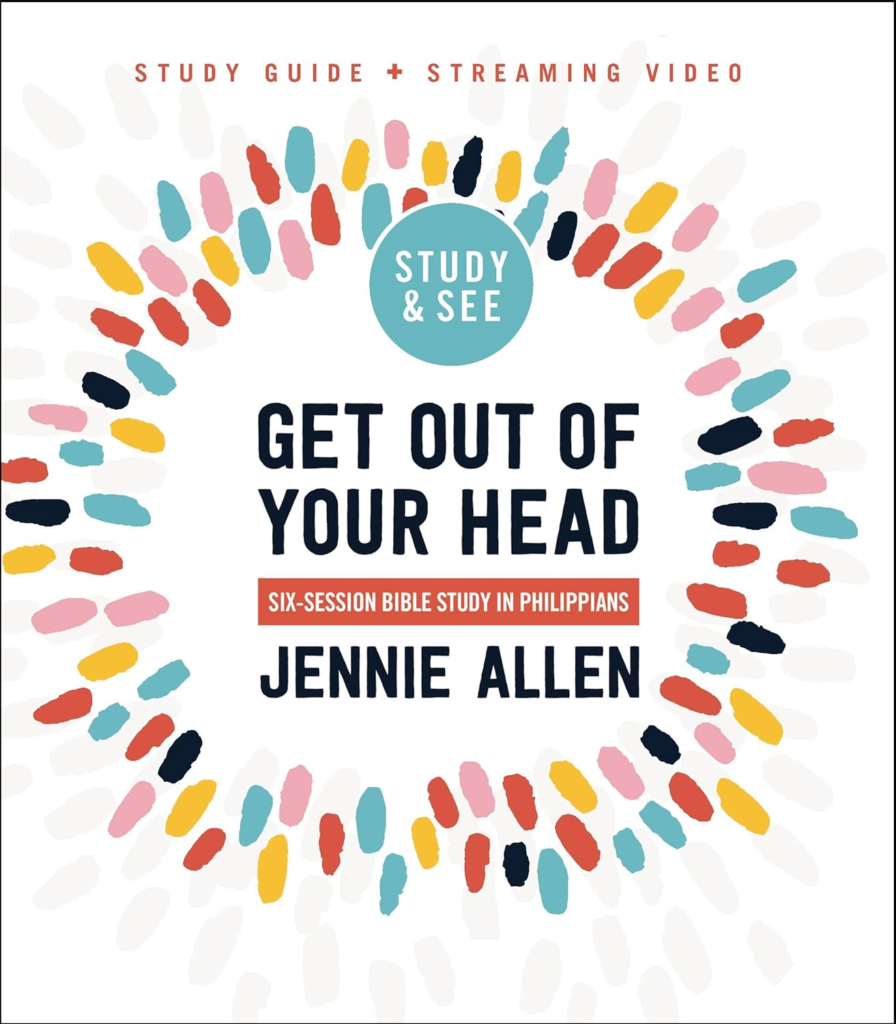
3. Get Out of Your Head Study Guide by Jennie Allen
This study focuses on thought patterns and renewing your mind through Scripture.
It’s especially helpful if midlife has brought increased worry, overthinking, or mental fatigue.
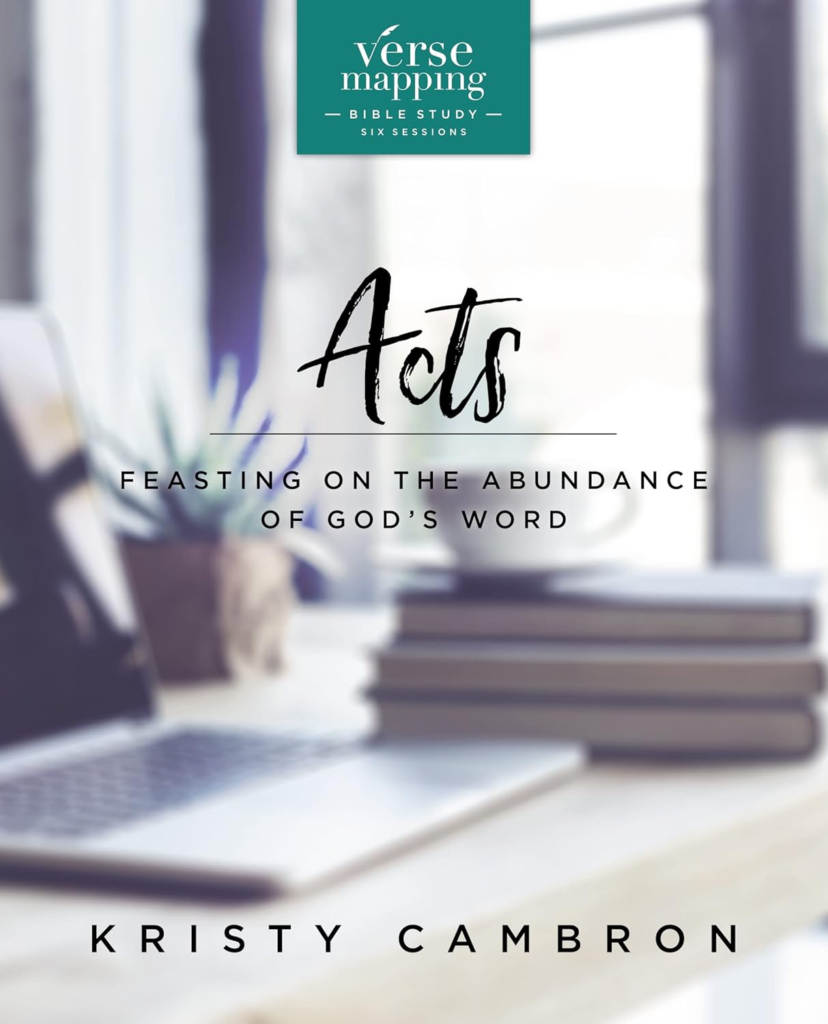
4. Verse Mapping Bible Study Guide
Verse mapping helps you take one passage and explore it in depth ~ looking at context, keywords, and meaning.
A great option if you want to go deeper without feeling overwhelmed.
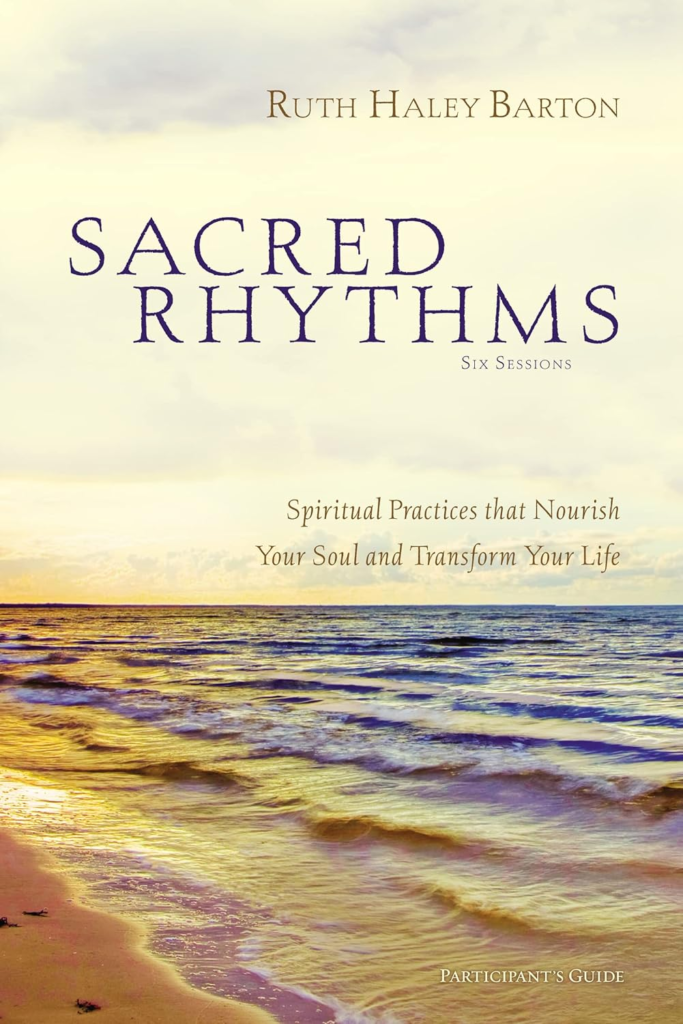
5. Sacred Rhythms by Ruth Haley Barton
While not a traditional Bible study, this book introduces spiritual practices that help you engage Scripture more meaningfully.
It’s especially helpful if you’re craving a slower, more reflective approach.
6. Scripture Writing Plan & Journal
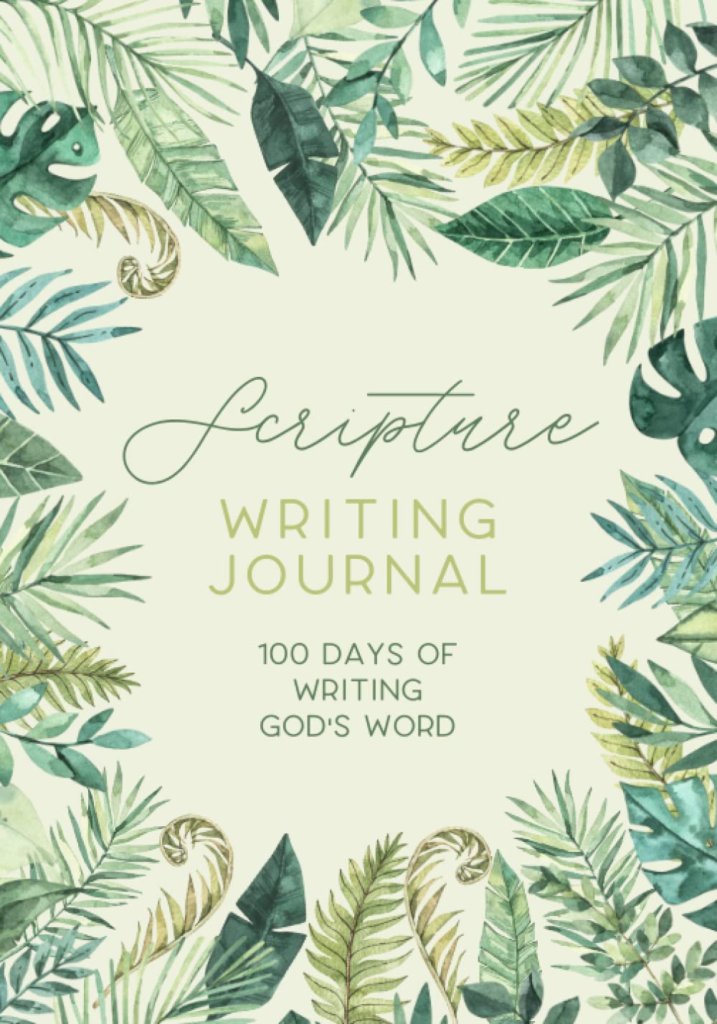
These journals guide you through writing out Scripture daily, helping you internalize God’s Word in a simple, grounding way.
Perfect for busy or mentally full seasons.
Next Steps
Choose a starting point based on your current season:
- If you feel overwhelmed → choose a simple journal or Scripture writing plan
- If you want structure → choose a guided study or SOAP journal
- If you want depth → try a verse mapping or in-depth study
Then keep it simple:
- Read one passage
- Write one observation
- Reflect on one takeaway
- Pray one honest prayer
That’s enough.
You don’t need long hours.
You don’t need perfect focus.
You just need a small, consistent rhythm.
Frequently Asked Questions
What is the best way to study the Bible in midlife?
Choose a method that fits your energy and schedule. Simplicity and consistency matter more than intensity.
What if I struggle to focus?
Try shorter passages, guided journals, or writing Scripture. These help anchor your attention.
Do I need a formal study plan?
Not necessarily. Tools can help, but the goal is connection ~ not completion.
How long should Bible study take?
Even 5–10 minutes can be meaningful when done with intention.
What if I’ve fallen out of the habit?
Start again ~ gently. There’s no need to catch up or make up for lost time.
If Bible study has felt harder in this season…
you’re not doing it wrong.
You may just need a new way to begin.
Find out our Recommended Notetaking Bibles for Women; visit: https://illuminatedresources.com/best-notetaking-bibles-for-women-what-to-look-for-in-a-notetaking-bible-midlife-friendly/