If you’ve ever highlighted a verse you needed ~ like, you were clinging to it ~ and then flipped the page only to find a neon shadow bleeding through… you know the particular kind of betrayal I’m talking about.
Bible paper is thin on purpose. It keeps the book readable and portable. But it also means a lot of “normal” highlighters behave like tiny paint rollers.
And when you’re already overwhelmed, the last thing you need is a messy page that makes studying feel louder.
What you want is simple:
- No-bleed tools that actually behave on thin pages
- A color-coding system that helps you find what you need fast
- A setup that reduces overwhelm instead of adding another “project”
That’s why the picks below lean heavily toward wax/gel/dry formats (they’re designed to sit on top of the page instead of soaking through). STAEDTLER, for example, specifically notes their wax/gel highlighters don’t bleed through paper—and their dry highlighter pencil is explicitly “no bleeding through thin paper… bible passages.”
Here’s a quick overview of what works best (and why)
If you want the most reliable “Bible-safe” experience, prioritize:
- Gel/wax twist-up highlighters (no-bleed by design)
- Dry highlighter pencils (precise + made for thin paper like Bible pages)
- Soft/translucent inks for aesthetics (great, but you may still get some ghosting depending on your Bible) — Mildliners are marketed as water- and bleed-resistant for Bible highlighting
Now let’s get into the best options.
Best Bible highlighters that don’t bleed (plus a few “test-first” favorites)
1. STAEDTLER Textsurfer Gel (twist-up wax/gel highlighter)
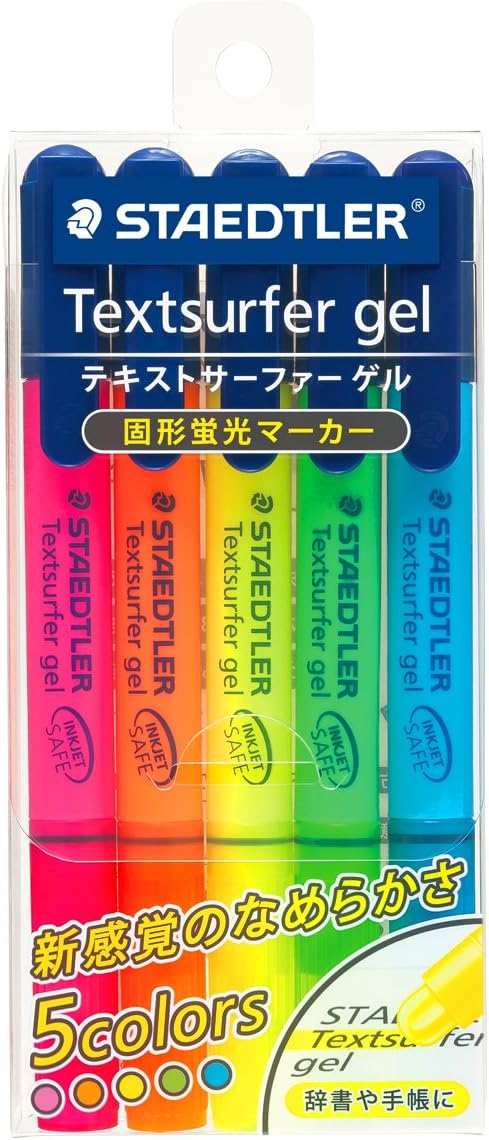
This is one of the most consistent options for thin pages because it’s a translucent wax lead, and STAEDTLER explicitly says it does not bleed through paper.
If you want “I don’t want to think about it, I just want it to work,” start here.
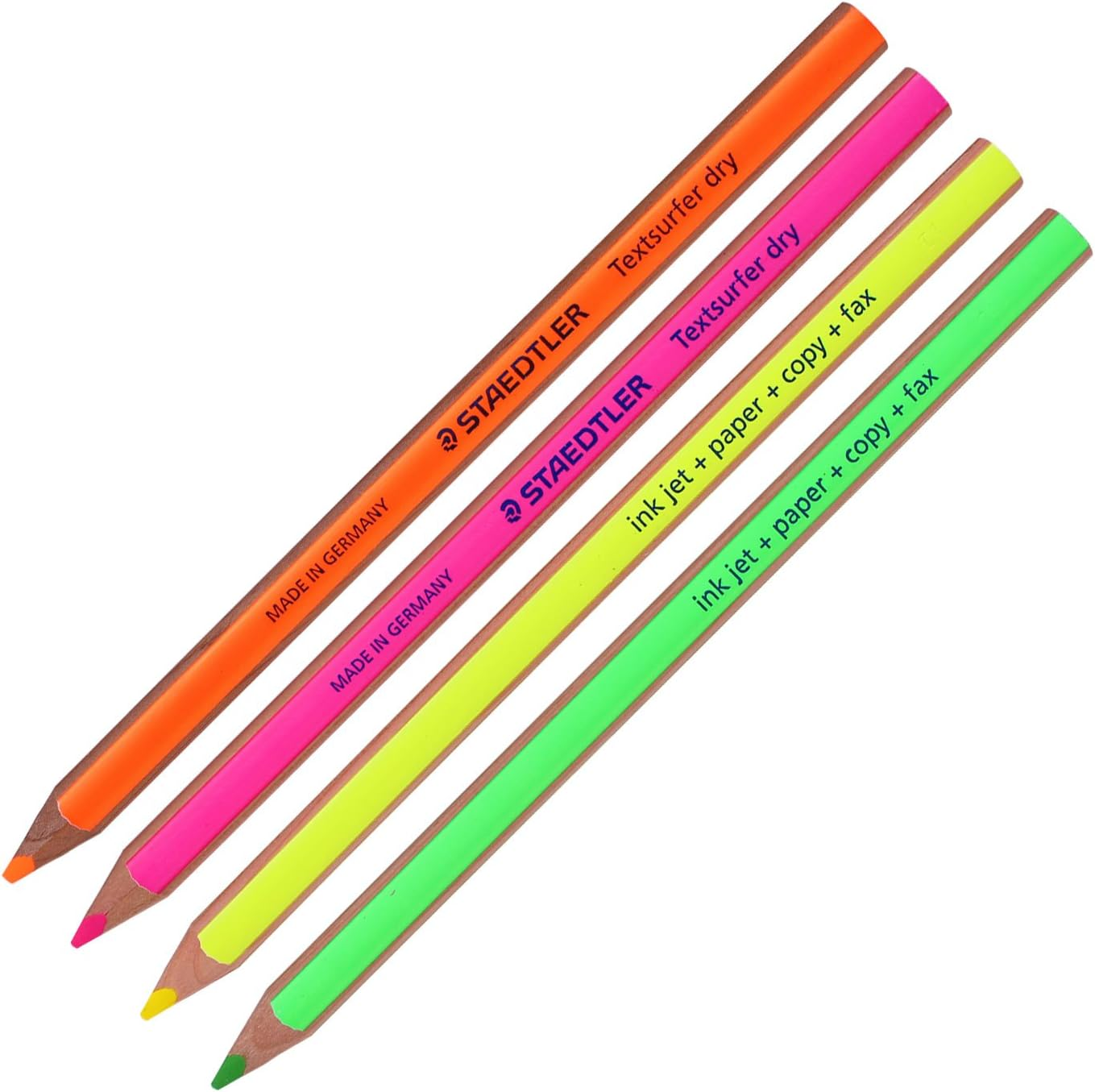
2. STAEDTLER Textsurfer Dry (highlighter pencil)
For precision and control, this is fantastic—especially if you underline phrases instead of swiping whole paragraphs. STAEDTLER explicitly describes it as no bleeding through thin paper… Bible passages.
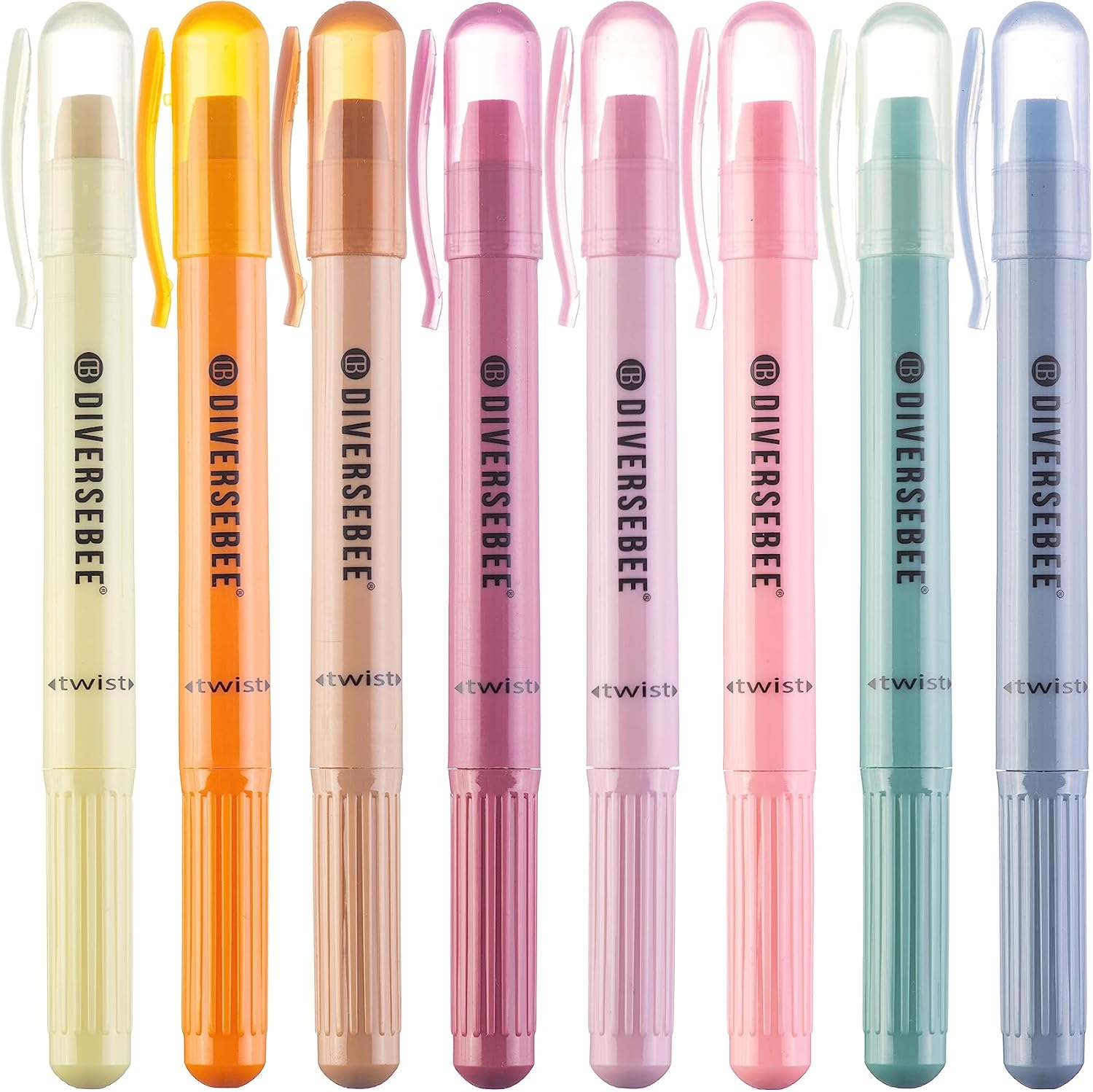
If you want an all-in-one set that’s geared toward Bible study (highlighters + pens), DiverseBee’s “no bleed” sets are designed for that use case—great for quick navigation + color coding.
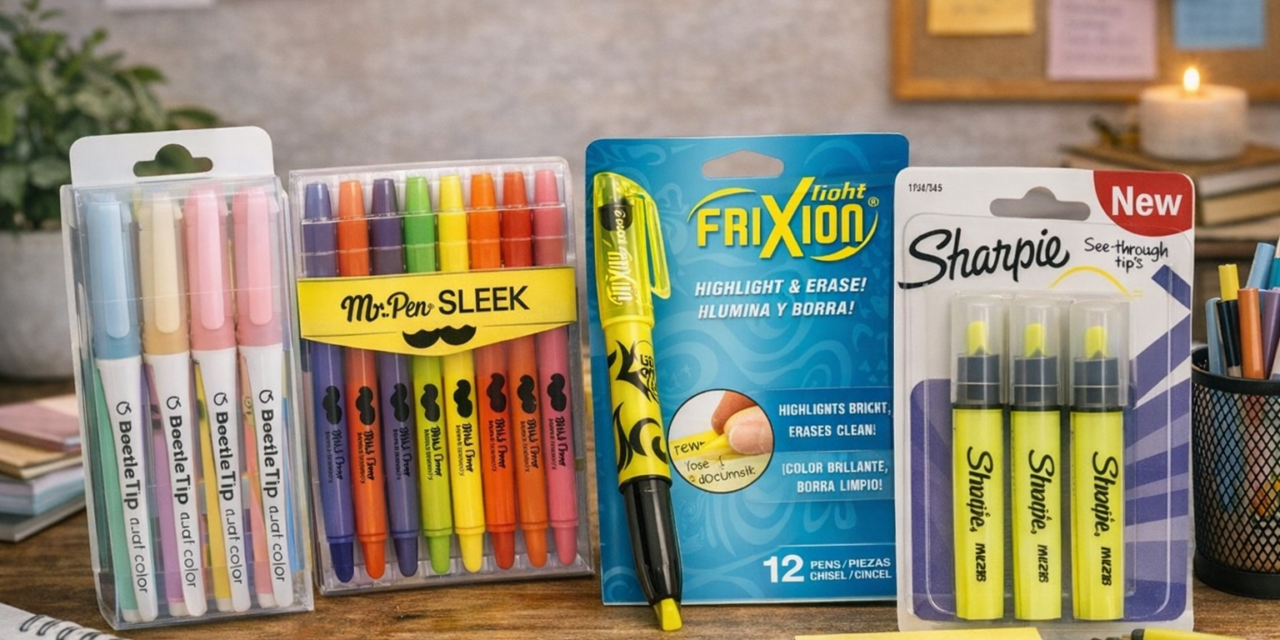
4. Mr. Pen No Bleed Gel Highlighters (budget-friendly gel option)
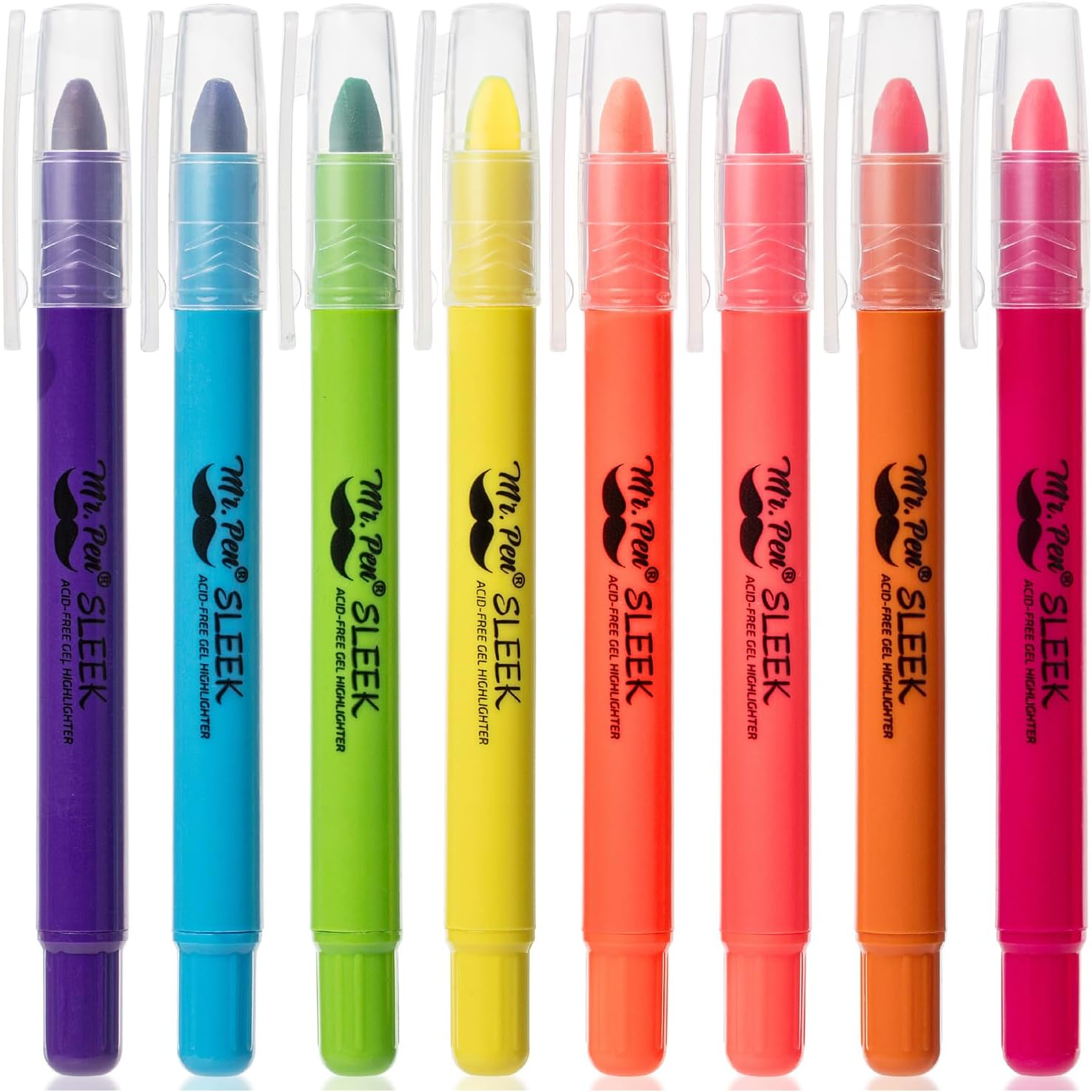
This is a solid “starter set” choice if you want gel-style highlighting without overthinking brands. Gel formats tend to be friendlier to thin pages than wet ink.
5. Sharpie Gel Stick Highlighters (bright, smooth, and less messy than liquid ink)
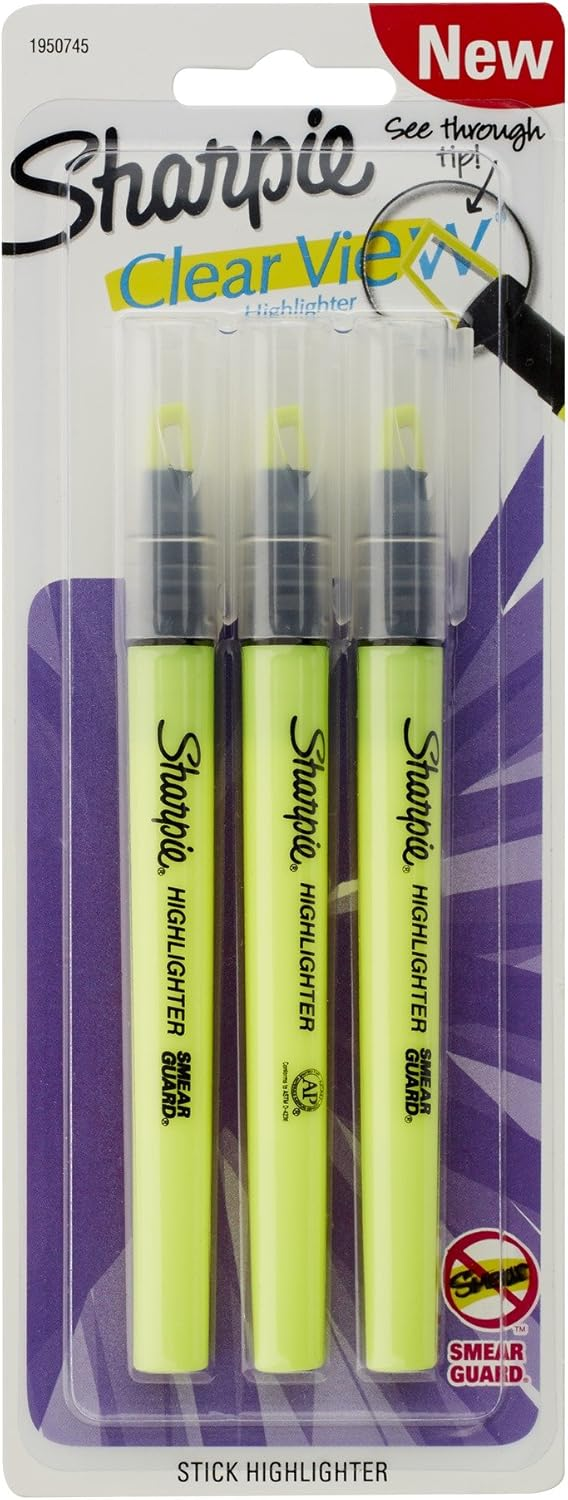
If you like a brighter highlight but still want a gel format (instead of wet ink), Sharpie’s gel sticks are a popular compromise. As always: test first on your exact Bible paper.
6. Zebra Mildliners (soft aesthetic, gentle color-coding)
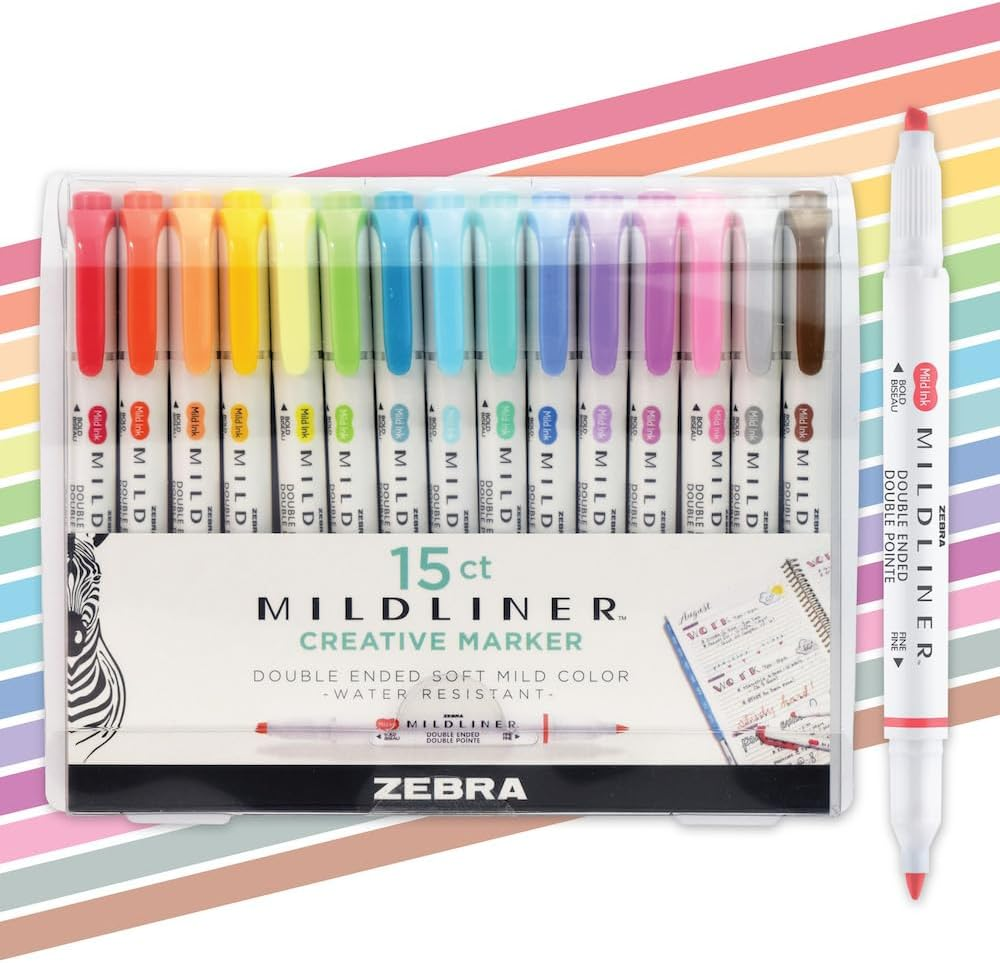
Mildliners are beloved because they’re calm-looking and readable. Zebra specifically markets Mildliners as water- and bleed-resistant and even calls out Bible highlighting.
Depending on your Bible paper, you may still see some “ghosting,” but they’re a great option if aesthetics help you stay consistent.
7. Pilot FriXion Light Erasable Highlighters (for “I might change my mind” people)
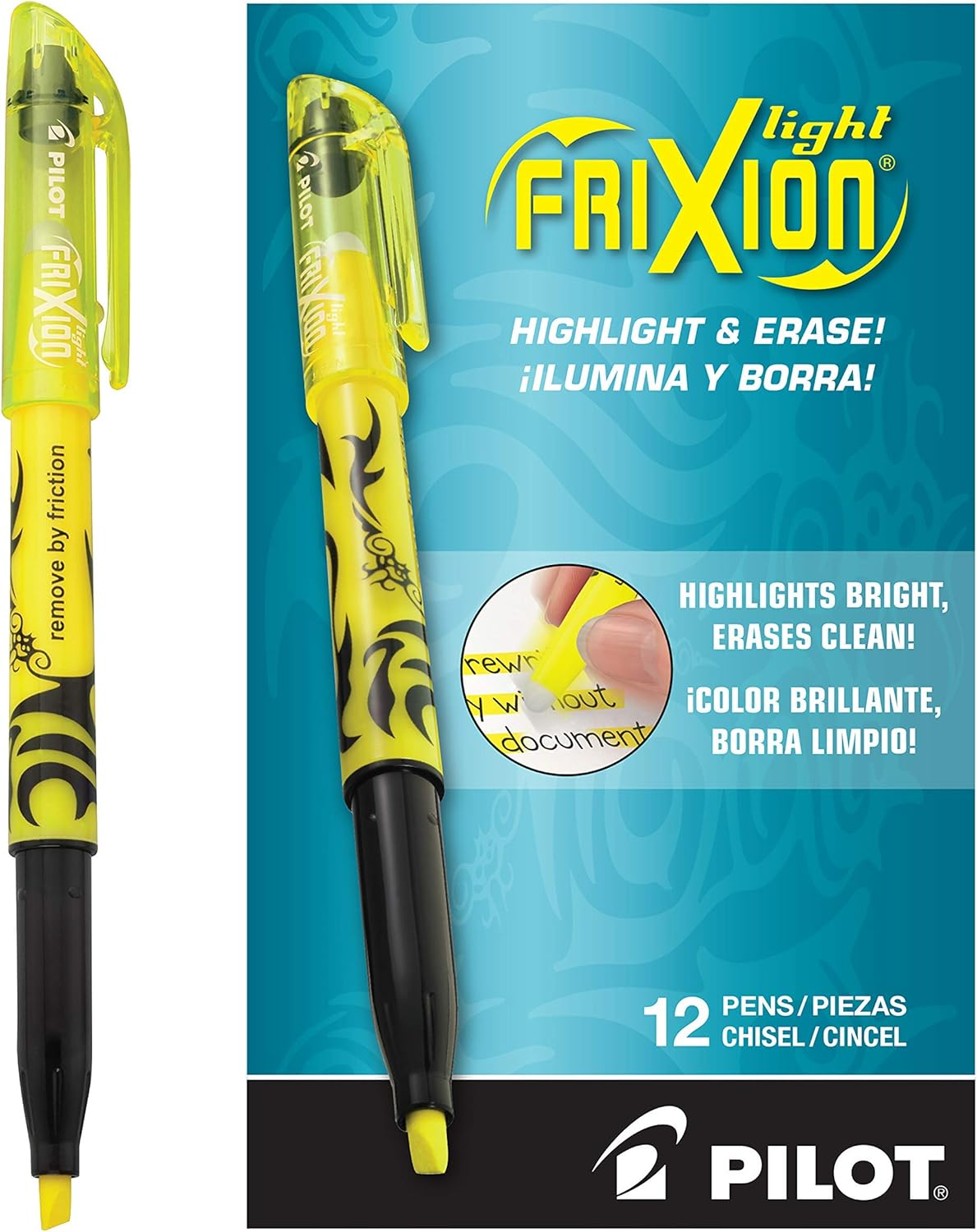
If highlighting feels too permanent, erasable highlighters can reduce the pressure. Just be gentle when erasing on thin pages.
8. Kokuyo Beetle Tip Dual-Color Highlighters (Mildliner alternative, soft + tidy)
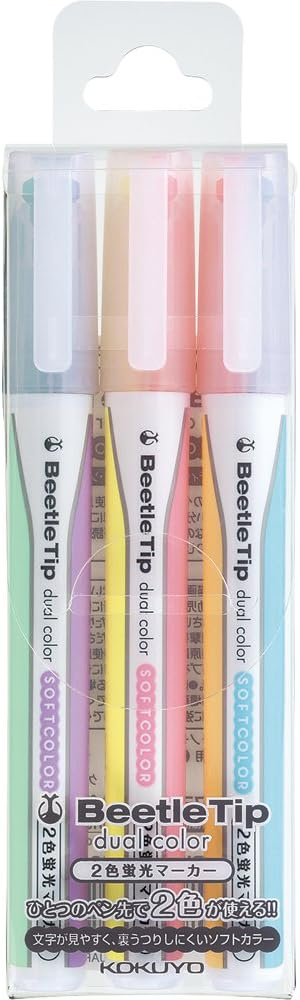
These are a great “aesthetic but organized” option ~ especially if you like softer color and clean lines. Not the most bulletproof for ultra-thin pages, so treat it as “test-first.”
9. Sharpie S-Note Creative Marker (marker/highlighter hybrid — test-first)
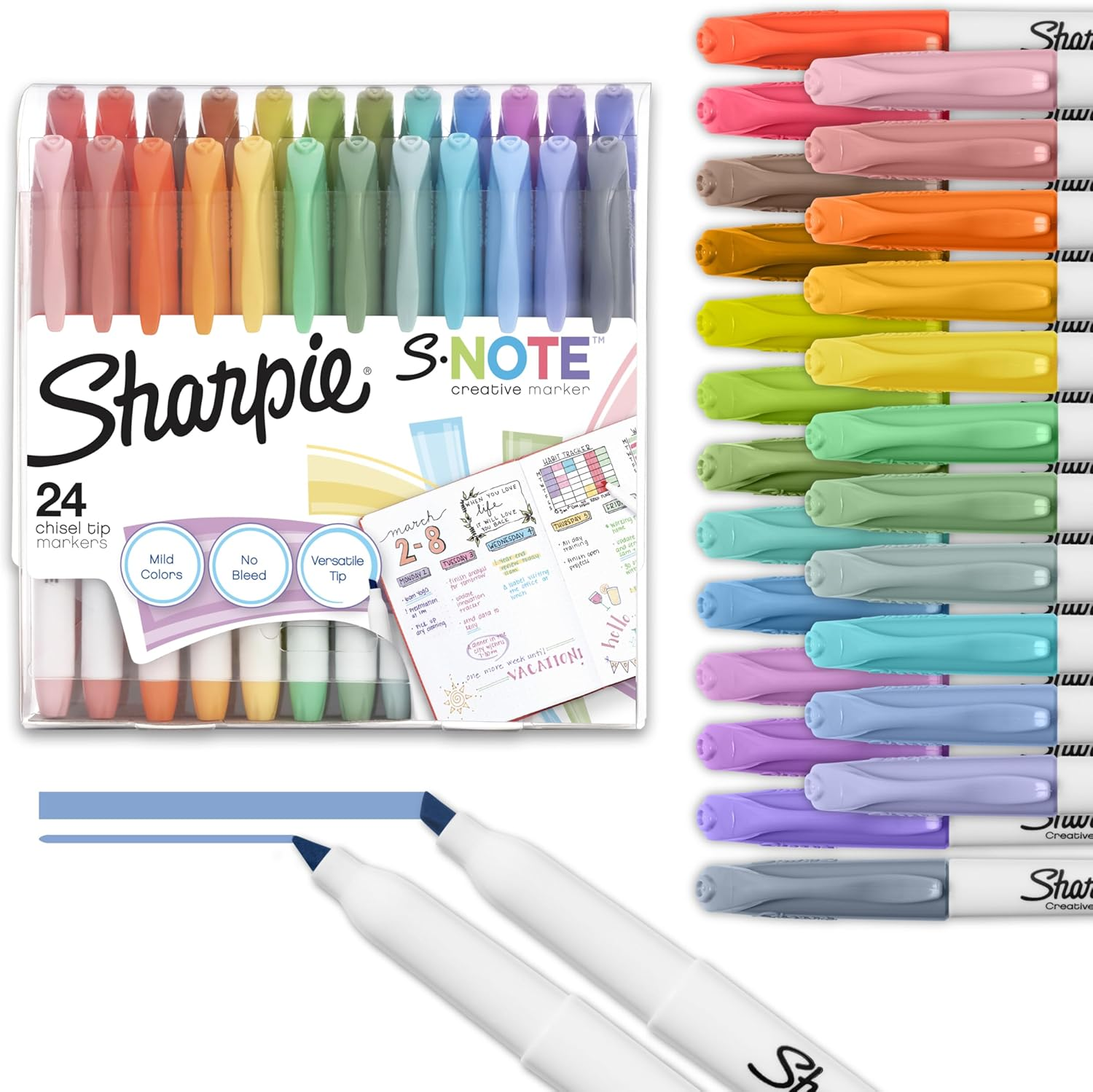
If you want something bolder for headings, margin labels, or study notes (not necessarily full-text highlighting), S-Note style markers can be fun. I’d keep these to margins/headers unless your Bible paper is thicker.
10. Mr. Pen Gel Highlighters (another gel-style set)
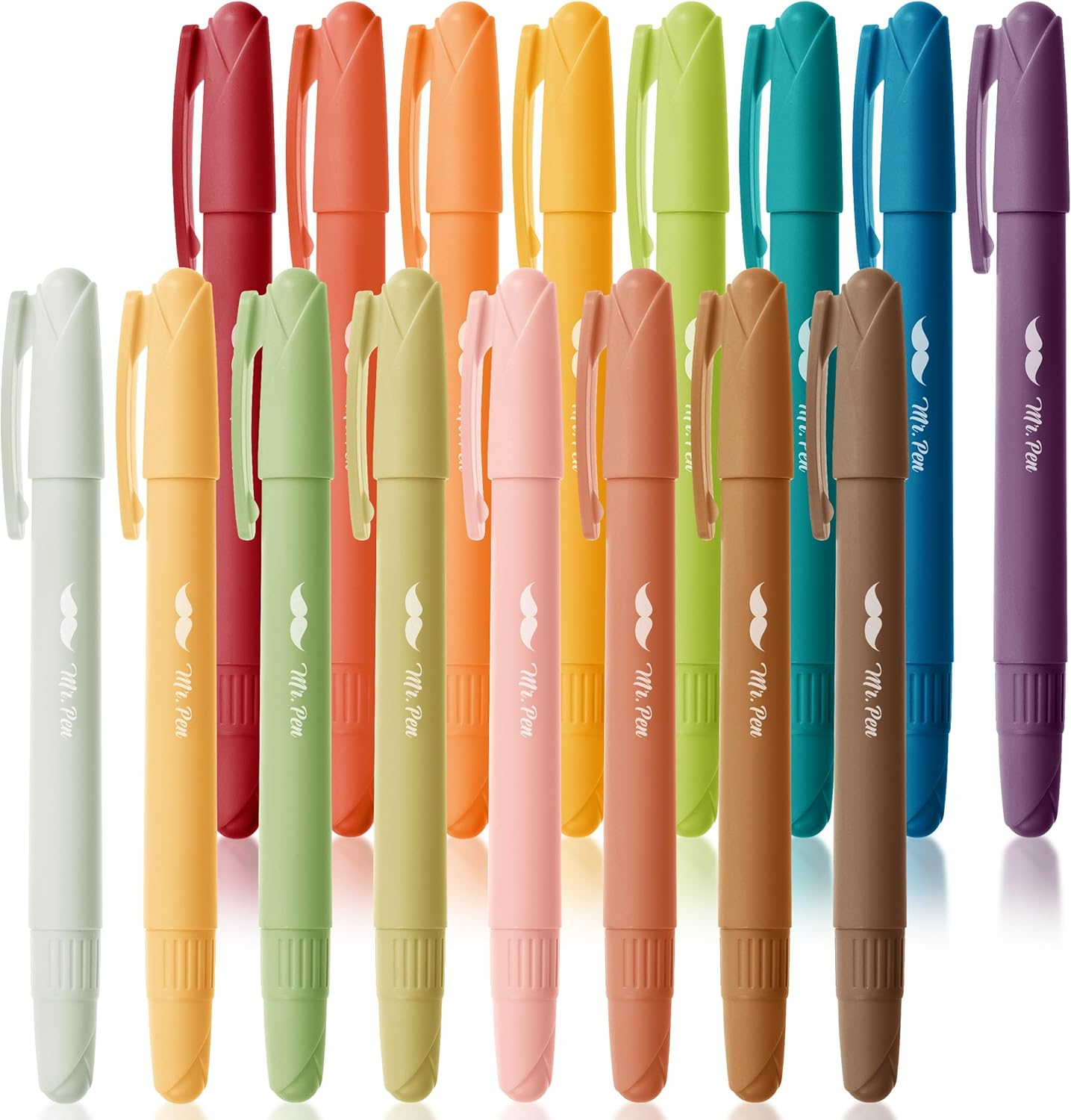
If you want multiple packs to compare colors/tips, a second gel option gives you variety while still staying in the “less likely to bleed than wet ink” lane.
Simple color-coding system for Bible study (reduces overwhelm)
Keep it small. The goal is quick navigation, not a rainbow takeover.
Use 5 colors:
- Yellow = God’s character (who God is)
- Pink = Promises (what God gives/assures)
- Blue = Peace & comfort (fear, anxiety, rest)
- Green = Wisdom & guidance (choices, relationships, next steps)
- Orange = Invitations/commands (what to do, how to live)
The “one-line rule” (the secret to staying consistent)
Highlight one line only per passage (one promise, one phrase, one anchor).
Over-highlighting is what makes pages feel chaotic and overwhelming.
How to test any highlighter on your Bible (60 seconds)
- Pick a low-stakes page (maps/concordance/back page).
- Highlight one line with normal pressure.
- Wait 10 seconds → rub lightly (smear test).
- Flip the page → check bleed/ghosting.
- Try again with a lighter hand (pressure matters more than people think).
If your Bible paper is very thin, start with gel/wax/dry styles first—they’re literally built to avoid bleed-through.
Next steps
If you want a simple “buy only two things” path:
- Most reliable combo: Textsurfer Gel + Textsurfer Dry (gel for highlighting, dry pencil for precision)
- Aesthetic combo: Mildliners + one gel set (soft color-coding + a “trustworthy” no-bleed option for thin pages)
Then set up your 5-color system and highlight one verse today. One line. One prayer in the margin. Done.
Frequently Asked Questions
What does “no-bleed” really mean with Bible paper?
Usually it means minimal bleed-through (no ink soaking to the back). You may still see ghosting on ultra-thin pages, depending on paper and pressure.
Are Mildliners truly Bible-safe?
Zebra markets Mildliners as water- and bleed-resistant and explicitly mentions Bible highlighting.
Still, different Bible editions vary a lot—so testing first is smart.
What’s the safest option for super thin Bible pages?
Dry highlighter pencils and gel/wax twist-up highlighters are the most consistently thin-page-friendly categories, and STAEDTLER explicitly calls out no bleed-through on paper / Bible passages for these styles.