The idea that you might be unintentionally deepening your own anxiety by white-knuckling through every overwhelming season alone can be hard to consider. And I’m not saying that’s definitely what’s happening in your situation.
Though if you’ve never explored faith-grounded resources beyond Sunday sermons and quick prayers, then it’s important to realize that you can’t always think your way out of anxiety spirals, but you can learn to redirect your mind toward God’s truth with practical tools alongside Scripture.
Taking a close look at your current coping patterns and past responses to stress could make you feel defensive, perhaps even frustrated, as the suggestion that your approach to managing overwhelm could be contributing to the exhaustion you feel may seem absurd.
But if you keep pushing through burnout alone and telling yourself that “real faith” means never needing help or admitting struggle, you’ll realize that you need to at least consider a different path if you ever want lasting peace instead of just temporary relief.
I totally get how ridiculous it feels when another well-meaning friend says “just pray more” while your chest tightens at 2 a.m. I mean, you’ve been praying, probably more desperately than they realize.
When you’ve tried all the surface fixes, some anxiety will still linger. And when you finally admit you need deeper support, reaching for a Christian counseling book might feel like admitting defeat, but that doesn’t mean struggling alone is strength.
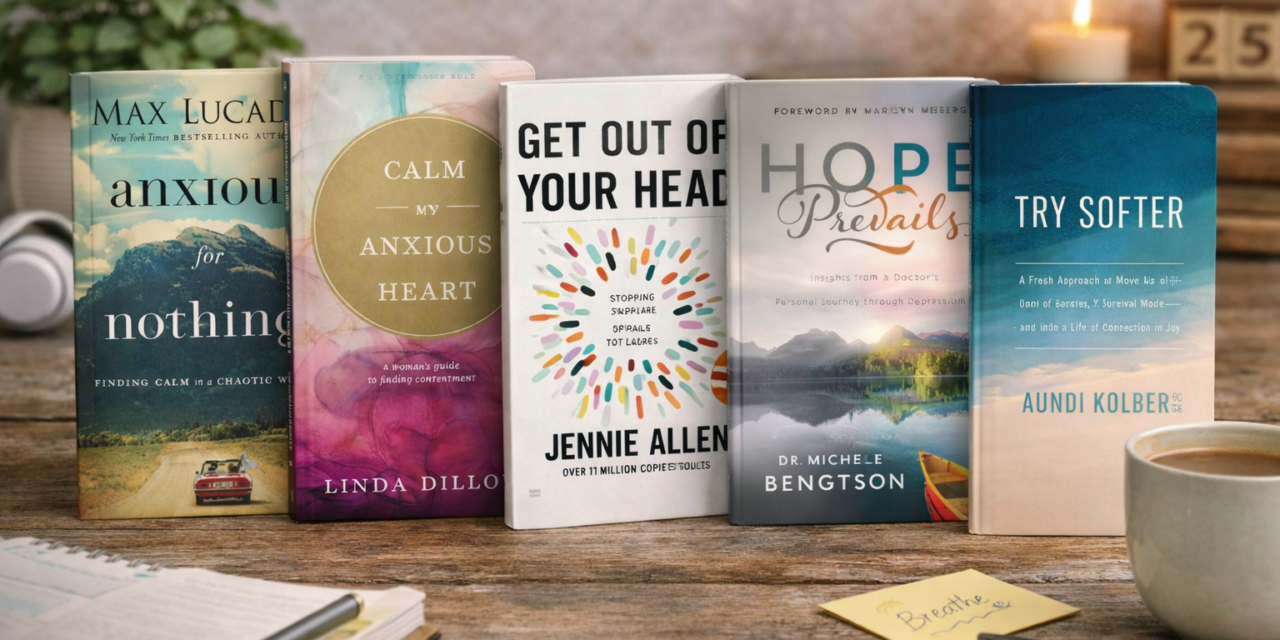
That’s actually a big reason why the books below aren’t organized as a one-size-fits-all prescription but rather as a spectrum ranging from gentle daily devotionals for those needing steady encouragement, to integrated biblical-and-emotional resources for building resilience, to deeper explorations of fear’s roots for chronic anxiety patterns.
Here’s a quick overview of how this collection works.
You’ll find devotional companions that offer bite-sized daily peace without overwhelming your schedule. You’ll find out about books that blend scriptural wisdom with trauma-informed insights or thought-renewal exercises, never replacing professional care but enriching your spiritual toolkit.
And you’ll see memoir-style journeys from authors who’ve walked through anxiety themselves, offering hope that doesn’t minimize your pain.
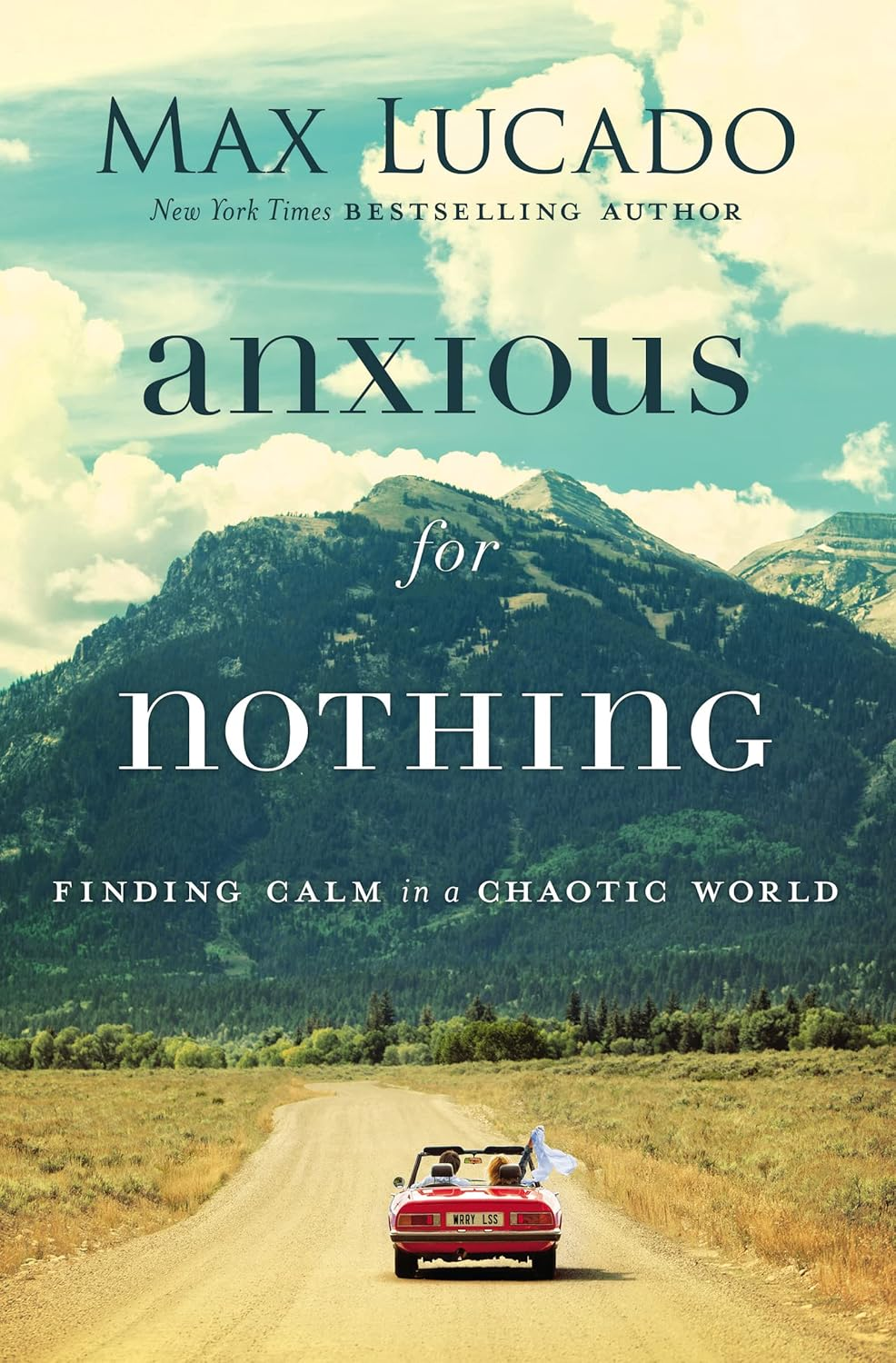
1. Anxious for Nothing by Max Lucado
Max Lucado unpacks Philippians 4:6-7 with his signature warmth, turning the passage into a practical prayer practice. He shares relatable stories about worry over adult children, finances, and health, then walks you through celebrating God’s goodness as an antidote to anxiety.
The short chapters suit midlife schedules, and Lucado never makes you feel guilty for struggling, just gently invited toward peace.
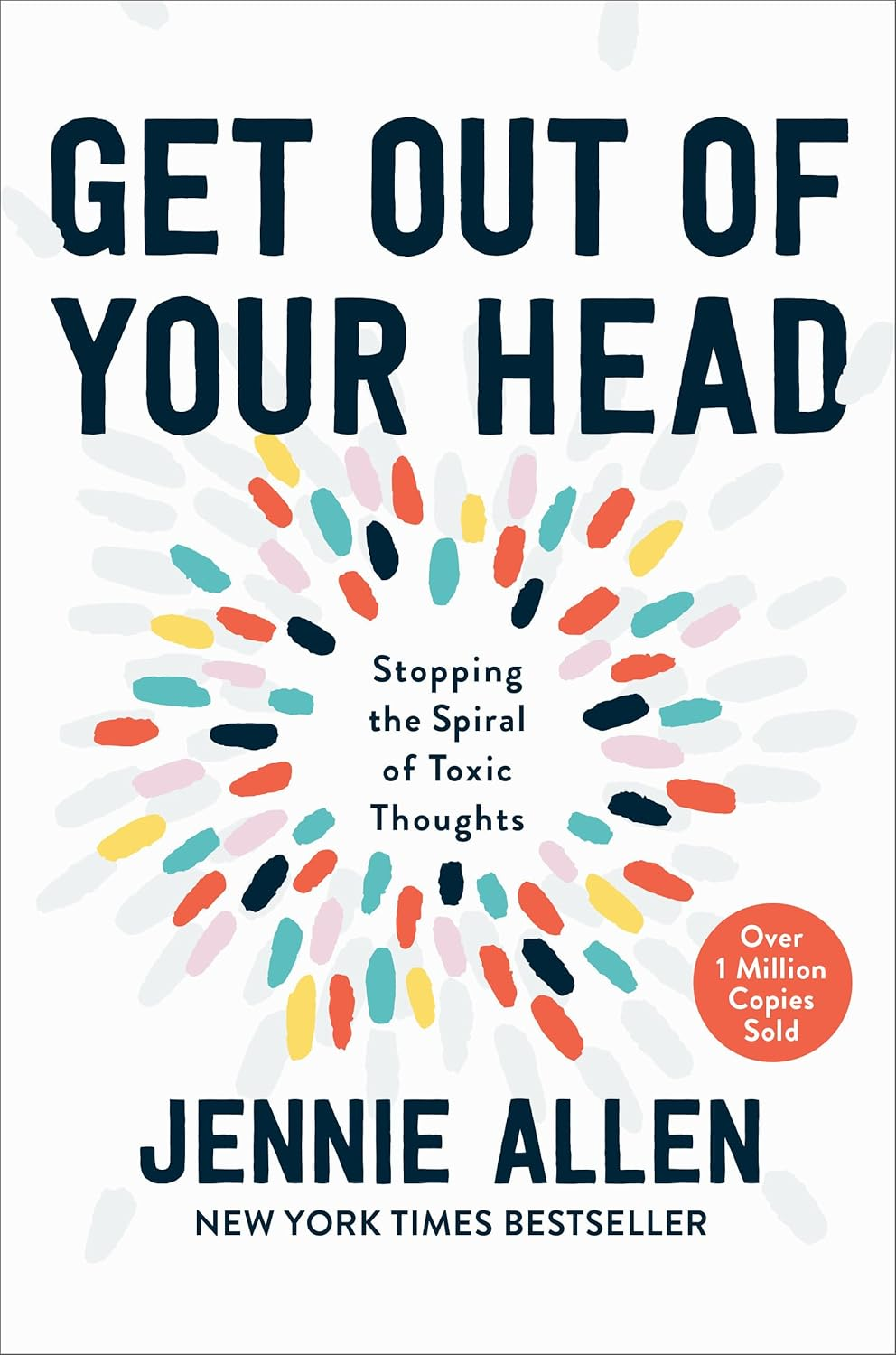
2. Get Out of Your Head by Jennie Allen
Jennie Allen knows what it’s like when your thoughts spiral into worst-case scenarios at bedtime. Drawing from 2 Corinthians 10:5 about taking thoughts captive, she shares how she broke free from mental loops that fueled her anxiety.
Each chapter includes a “declaration” to speak over yourself and questions for processing with friends or a journal.
Her vulnerability about midlife mom overwhelm makes this feel like coffee with someone who truly gets it.
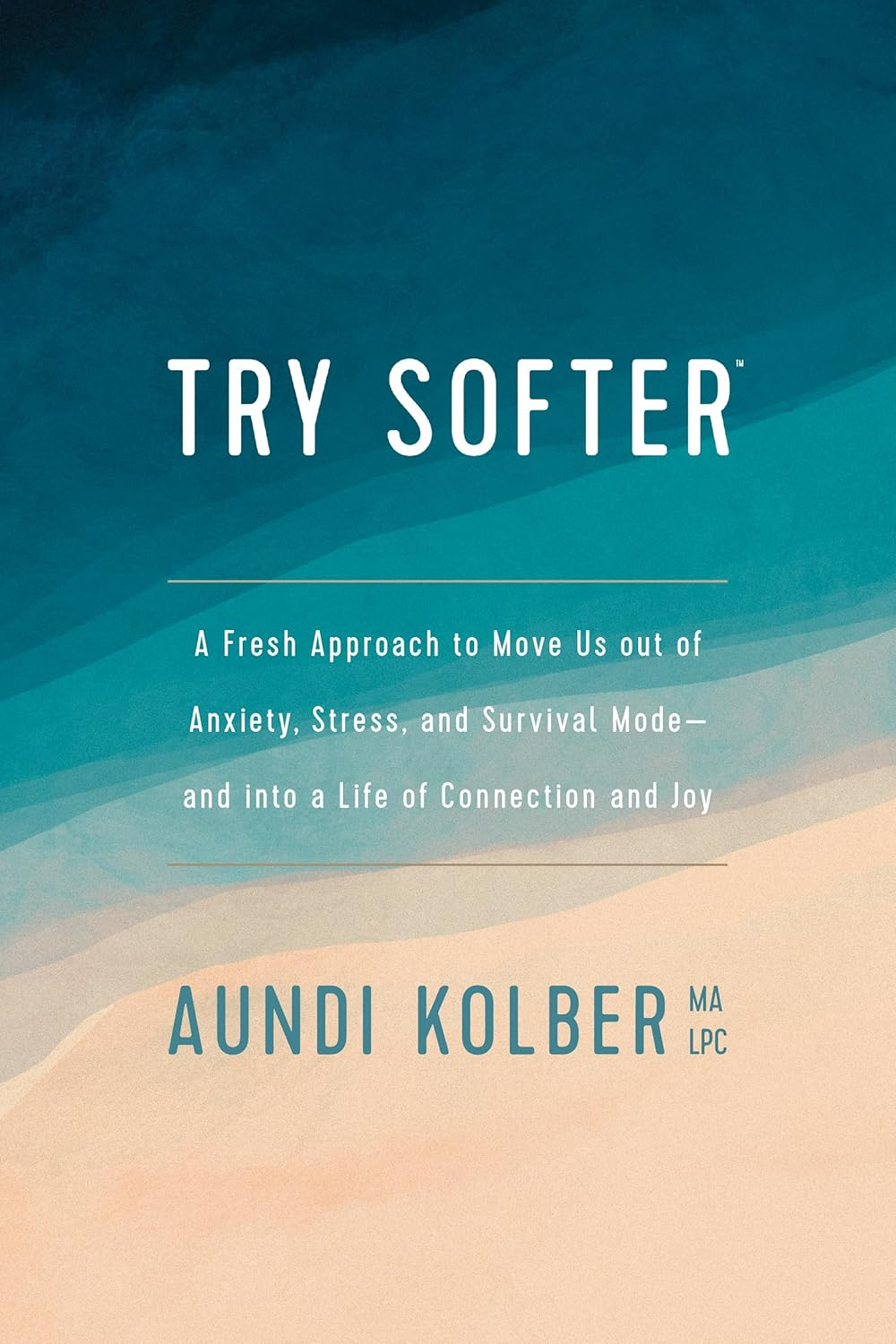
3. Try Softer by Aundi Kolber
Licensed therapist Aundi Kolber introduces trauma-informed compassion for those who’ve been told to just “try harder” their whole lives. She explains how your nervous system holds anxiety and offers body-based practices like noticing tension paired with Psalms, all rooted in Christ’s gentleness.
Midlife often brings accumulated stress, and Kolber’s approach helps you honor your body’s signals without shame, learning to rest in God’s acceptance as opposed to earn it.
-
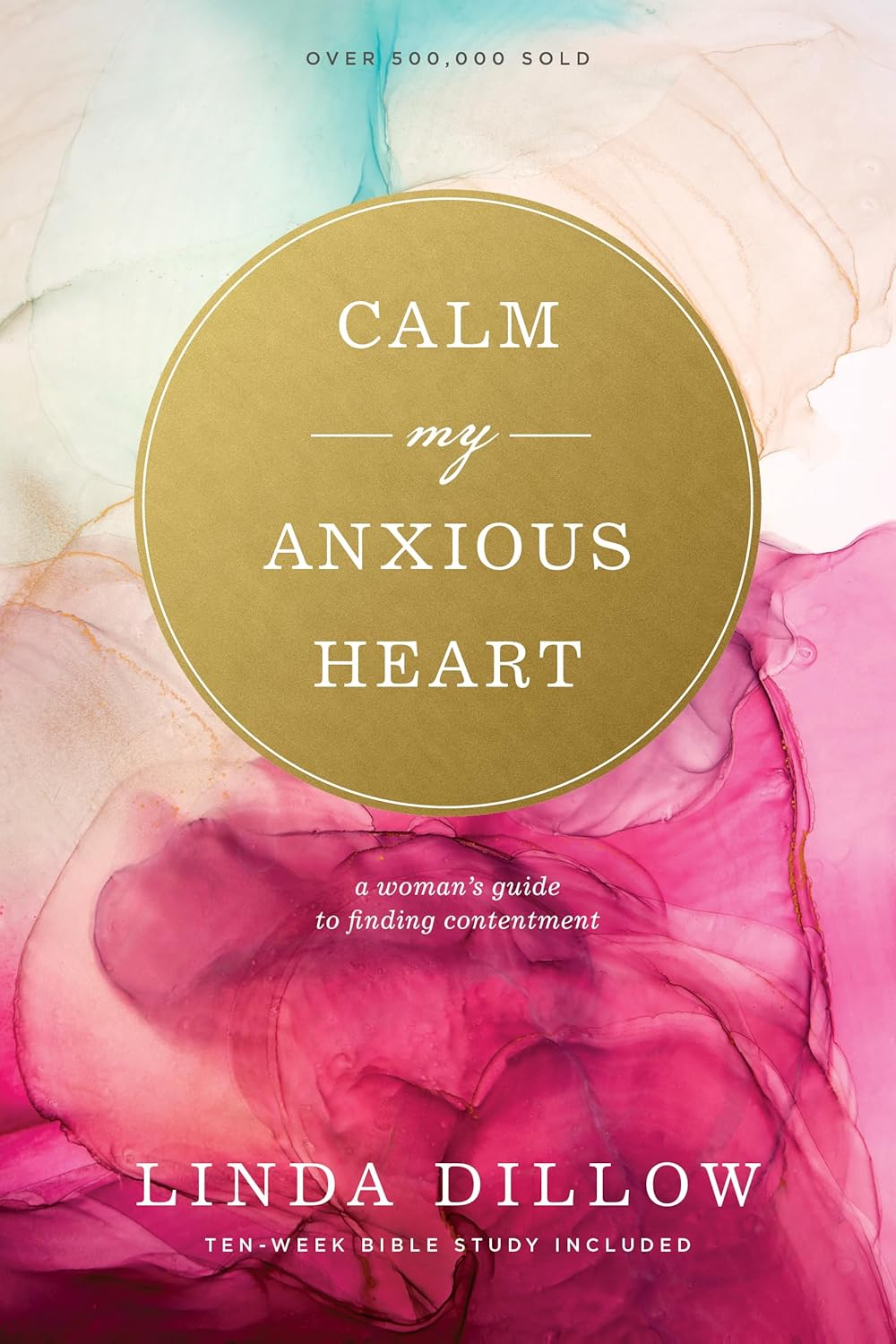
Calm My Anxious Heart by Linda Dillow
Linda Dillow’s classic helps women cultivate contentment when life doesn’t match expectations. She weaves stories of biblical women like Hannah with journaling exercises that shift your focus from circumstances to God’s character.
The chapters on comparison and control speak directly to midlife transitions like empty nests or career plateaus, inviting you to trade “what if” anxieties for “even if” trust in God’s faithfulness.
-
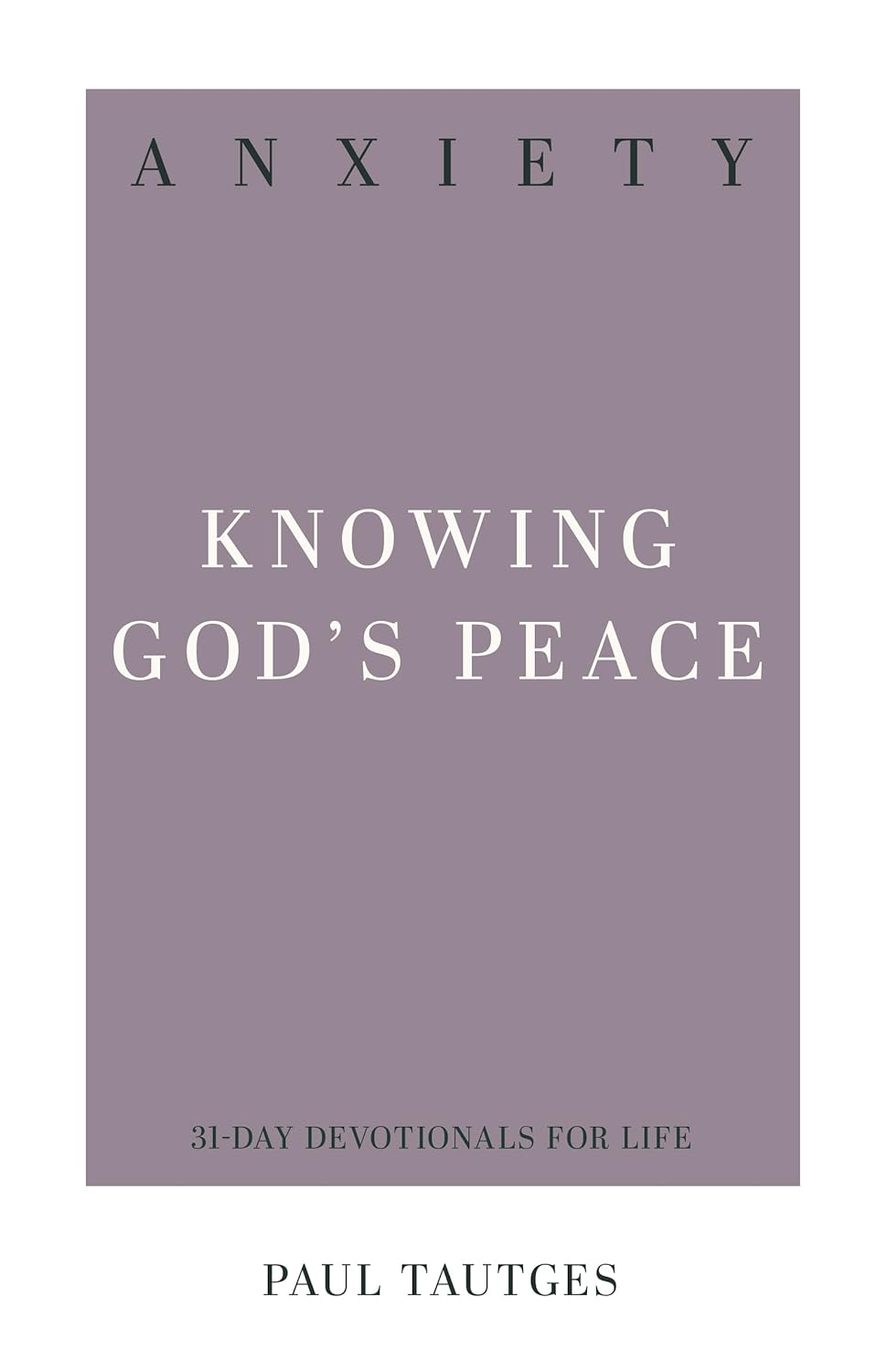
Anxiety: Knowing God’s Peace by Paul Tautges
This 31-day devotional provides daily Scripture, a short reflection, prayer, and journaling question focused on God’s sovereignty over your worries. Tautges addresses common midlife concerns like aging parents, adult children’s choices, and financial security.
The format suits busy mornings, building peace incrementally without demanding hours you don’t have.
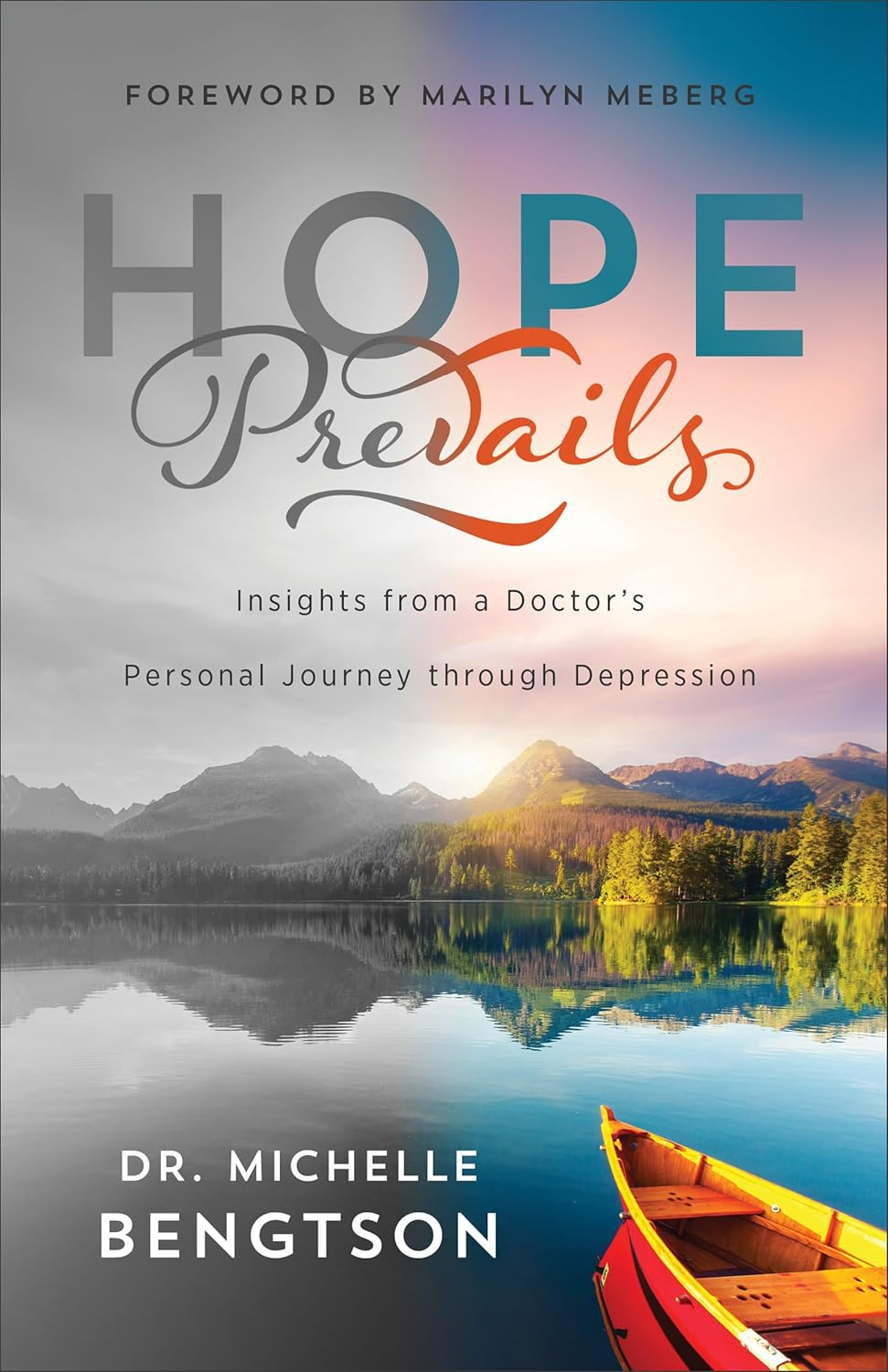
6. Hope Prevails by Dr. Michelle Bengtson
Neuropsychologist Dr. Michelle Bengtson writes from both professional expertise and personal battles with depression and anxiety. She pairs brain science with biblical truth in accessible language, offering charts that contrast lies anxiety tells with Scripture’s truth.
Each chapter closes with prayers and reflection questions.
For midlife exhaustion that feels endless, Bengtson’s testimony reminds you that dawn comes, and God walks with you through every dark hour.
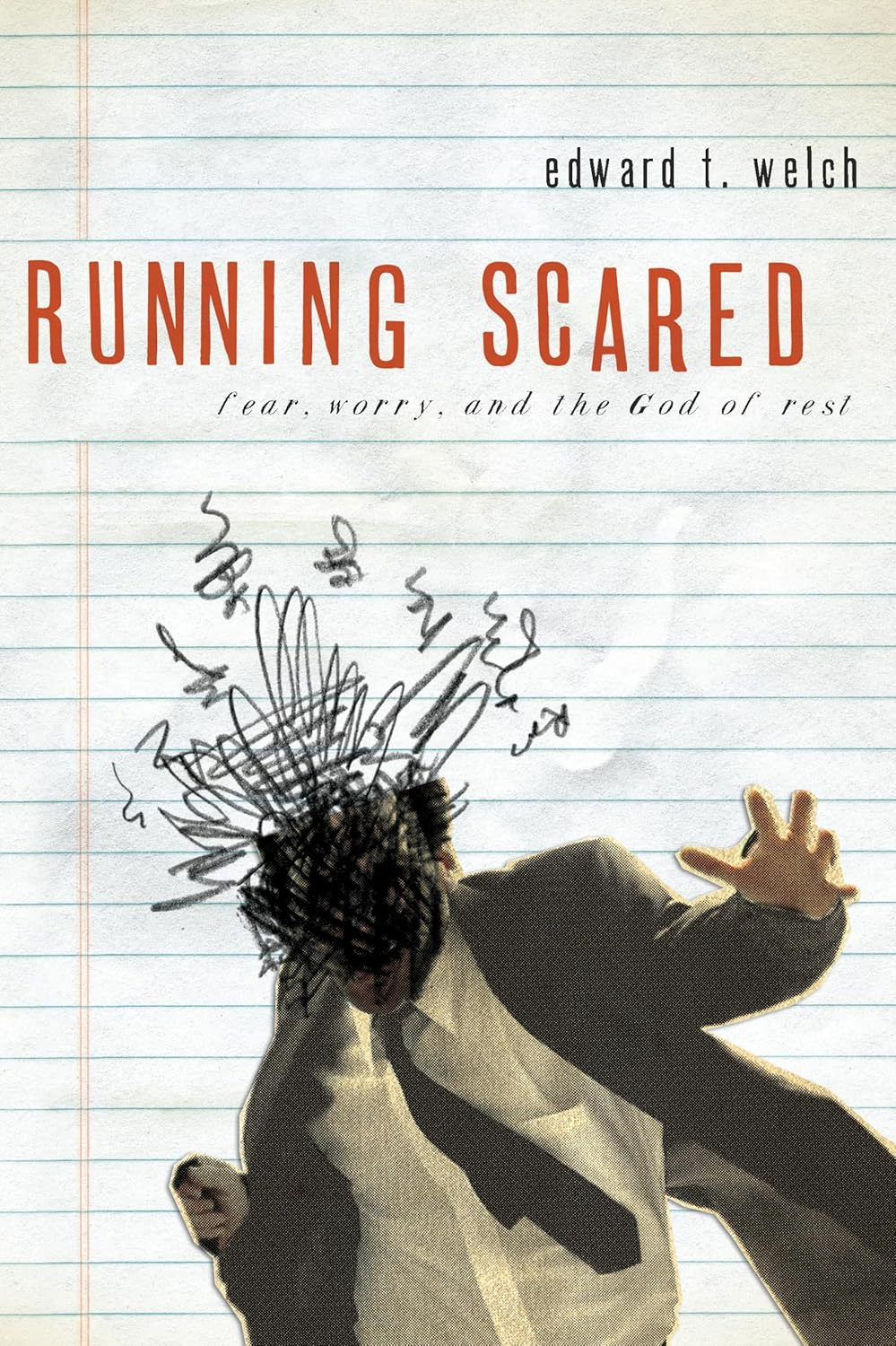
7. Running Scared by Edward T.
Welch, Biblical counselor Edward Welch explores fear’s many faces, from social anxiety to health worries to existential dread. He grounds you in God’s promises, especially Psalm 23’s imagery of the Shepherd who stays close in valleys.
Welch uses relatable midlife scenarios like financial insecurity and aging parent concerns, with questions that help you trace your specific fears back to deeper trust issues.
This builds lasting security as opposed to quick fixes.
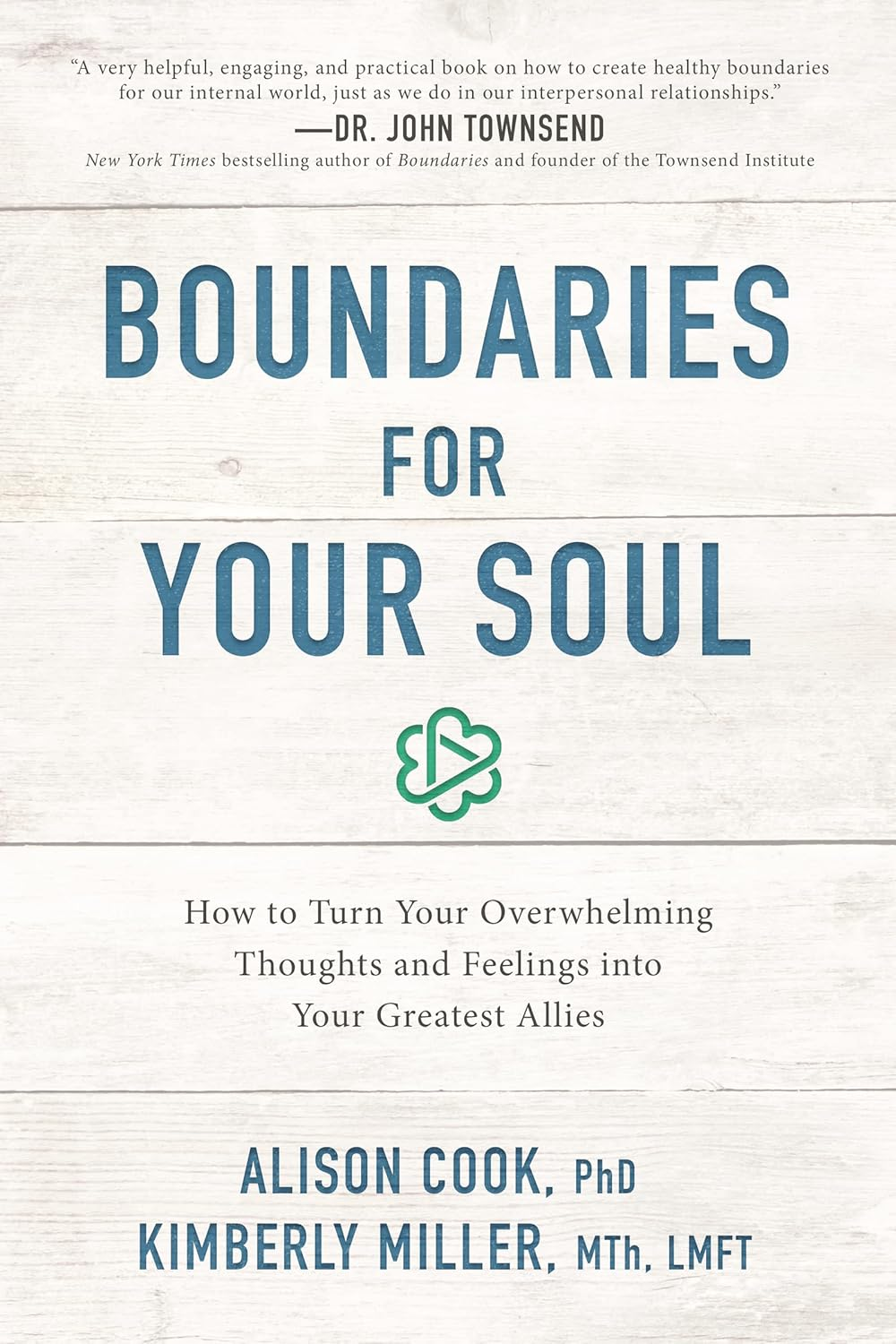
8. Boundaries for Your Soul by Alison Cook and Kimberly Miller
Therapists Cook and Miller adapt Internal Family Systems through a Christian lens, teaching you to recognize and befriend the anxious “parts” inside you as opposed to shame them. They guide you through dialogues with God about overwhelmed emotions, helping you lead your inner life with compassion.
This is especially helpful when midlife brings conflicting wants like wanting rest but feeling guilty for not achieving more.
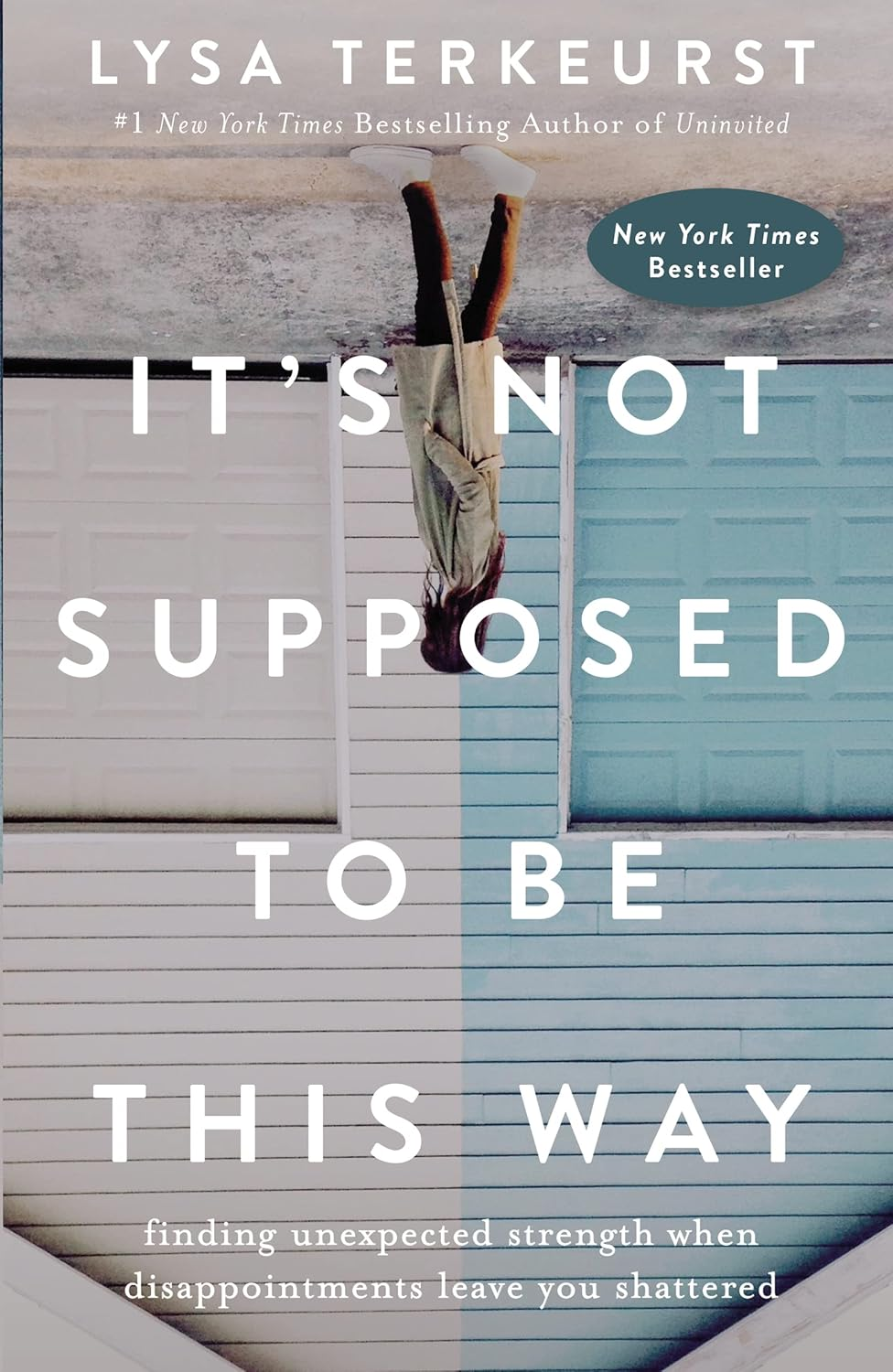
9. It’s Not Supposed to Be This Way by Lysa TerKeurst
Lysa TerKeurst processes profound disappointment after betrayal and loss, offering raw prayers for when life shatters your expectations. She doesn’t offer neat answers but walks with you through grief, pointing to God’s “not yet” promises.
Midlife often surfaces unmet dreams, health setbacks, or relational fractures.
TerKeurst’s honesty makes space for your sorrow while anchoring you in hope that God is still writing your story.
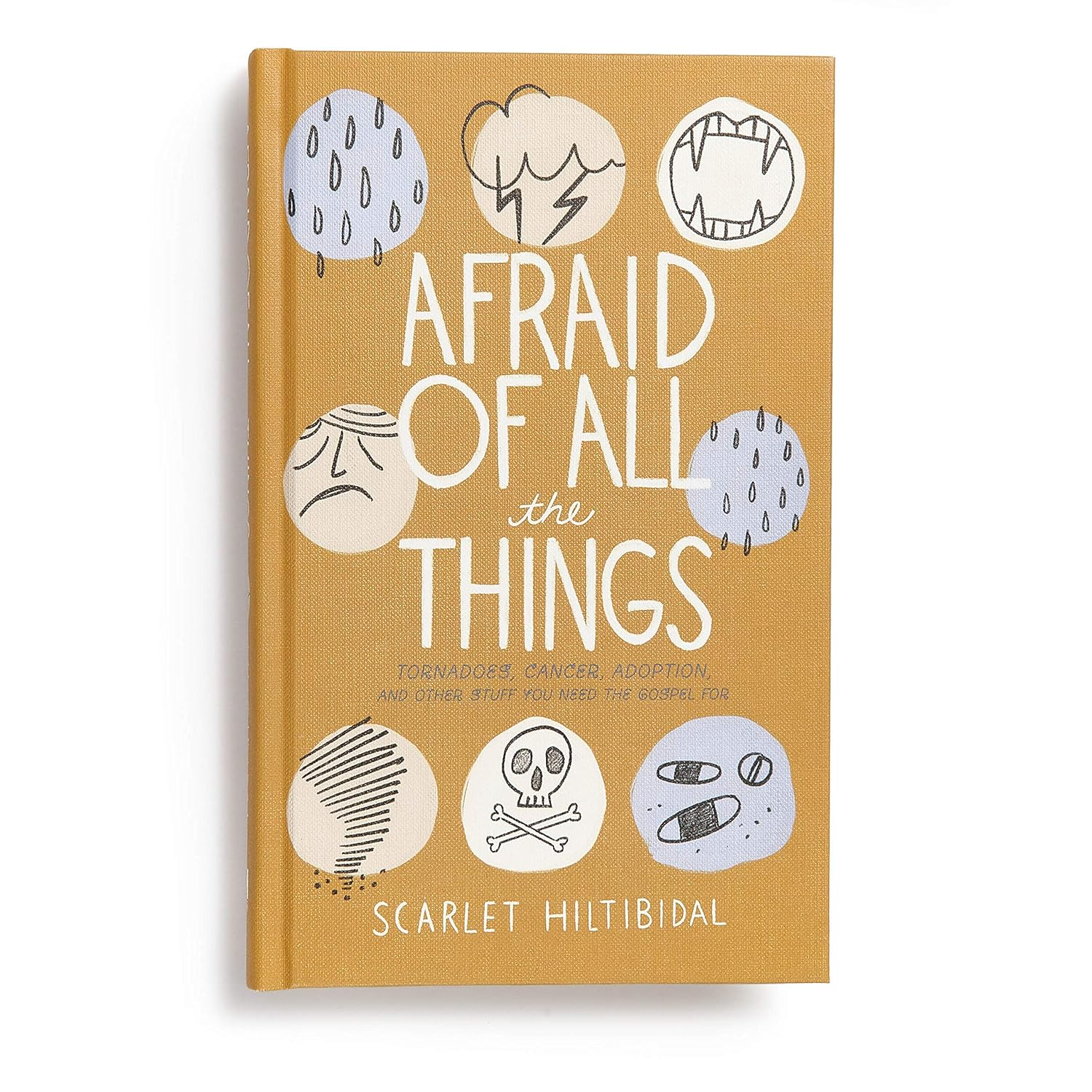
10. Afraid of All the Things by Scarlet Hiltibidal
Scarlet Hiltibidal combines humor with vulnerability as she traces her lifelong battle with fear, from childhood phobias to adult health anxiety. Short chapters make this perfect for tired evenings, and her witty observations lighten the weight of anxiety without minimizing it.
She shows how small acts of trust in Jesus accumulate into courage, making this relatable for midlife’s “what now?” moments when new fears emerge.
Next steps: Choose one book that addresses your specific struggle. If anxiety wakes you at night, grab a devotional like Anxious for Nothing or Spurgeon’s Sorrows for bedtime reading.
If toxic thoughts dominate, try Get Out of Your Head or Winning the War in Your Mind.
Read one chapter daily, journal a single takeaway, and share insights with a trusted friend or small group for accountability and encouragement. Pray Philippians 4:6-7 over your reading, asking God to meet you in the pages.
If anxiety persists or intensifies, please reach out for extra support. Talk with your pastor or a Christian counselor.
Websites like ChristianCounseling.com or Focus on the Family’s counseling line (1-855-771-HELP) can connect you with trained professionals.
These books offer spiritual encouragement and practical wisdom, but they don’t replace clinical care when needed.
Frequently Asked Questions
Where should someone new to Christian anxiety resources start?
Begin with shorter, accessible books like Anxious for Nothing by Max Lucado or the 31-day devotional Anxiety: Knowing God’s Peace by Paul Tautges. Both offer Scripture-rich content without overwhelming length or complexity.
Pair your reading with Philippians 4:4-9, reading it aloud each morning.
Starting small builds confidence and creates a sustainable habit as opposed to adding pressure.
Do these books work for men experiencing midlife anxiety?
Absolutely. While some titles like Calm My Anxious Heart target women specifically, books like Running Scared by Edward Welch, Winning the War in Your Mind by Craig Groeschel, and Get Your Life Back by John Eldredge address universal anxiety struggles and often include masculine perspectives on provision concerns, legacy questions, and identity beyond achievement.
The biblical truths apply across gender.
How do Christian counseling books differ from secular self-help for anxiety?
Christian resources anchor every practice in Christ’s sufficiency and Scripture’s authority as opposed to self-reliance or positive thinking alone. They address sin, spiritual warfare, and soul care alongside emotional health, viewing anxiety through an eternal lens.
This builds lasting transformation rooted in God’s character as opposed to circumstances or willpower, offering hope that transcends temporary relief.
Can you use these books alongside therapy or medication?
Yes, and authors like Dr. Michelle Bengtson and Matthew Stanford explicitly encourage integrating faith with professional mental health care. These books complement therapy by providing spiritual framework and biblical truth to process alongside clinical treatment.
They destigmatize getting help and affirm that medication or counseling doesn’t reflect weak faith but wise stewardship of your health.
Which books specifically address midlife burnout and exhaustion?
Try Softer by Aundi Kolber, Present Over Perfect by Shauna Niequist, and Get Your Life Back by John Eldredge focus on rest, boundaries, and releasing hustle culture. They offer grace-based practices that honor your body’s limits and soul’s need for sustainable rhythms.
All three confirm the unique pressures of midlife, juggling aging parents, launching kids, career demands, without quick fixes that add more burden.
Do any books help with anxiety stemming from church hurt or religious trauma?
The Lord is My Courage by K.J. Ramsey directly addresses spiritual abuse and anxiety, using Psalm 23 to guide you toward God’s safe tenderness.
It’s Not Supposed to Be This Way by Lysa TerKeurst also helps process disappointment and betrayal.
Both authors confirm the pain without minimizing it, gently reclaiming God’s true character when religious environments have distorted it.
How long until reading these books makes a difference in anxiety levels?
Change unfolds gradually. Many readers notice subtle shifts, like catching anxious thoughts sooner or experiencing calmer mornings, within two to three weeks of consistent reading and applying practices.
Deeper transformation often takes months as biblical truths renew ingrained thought patterns.
Pair reading with prayer, community discussion, and practical application for best results. These aren’t magic formulas but tools the Holy Spirit uses as you engage them faithfully.