

Midlife is often an unexpected turning point for many Christian women. Between the ages of 40 and 60, physical changes emerge that are rarely discussed openly, while responsibilities in family, career, and church life often intensify. Fatigue becomes more common, sleep quality declines, body composition shifts, and emotional resilience may feel harder to access than it once did.
This season frequently coincides with caring for aging parents, supporting children or young adults, navigating leadership roles at work, and continuing to serve faithfully in church and community. At the same time, the body begins to signal that it is operating under a new set of physiological rules.
Midlife does not represent decline by default. When understood and approached with wisdom, it can become a season of profound growth, clarity, and intentional wellness that honors both physical health and Christian faith. The foundation lies in understanding what is changing biologically, emotionally, and spiritually—and responding with stewardship rather than frustration or resignation.
What Is Happening in the Body After 40
During the 40s, ovarian production of estrogen and progesterone gradually declines. This transition, known as perimenopause, often spans 8 to 10 years and can be more symptomatic than menopause itself, which is defined as twelve consecutive months without a menstrual period.
Estrogen plays a role far beyond reproductive health. Its decline affects:
- Sleep architecture, contributing to difficulty falling asleep, frequent night waking, and early morning awakenings
- Fat distribution, often shifting weight toward the abdomen even without major changes in diet
- Neurotransmitter activity, influencing mood, anxiety levels, and cognitive clarity
- Metabolism, which naturally slows as muscle mass decreases with age unless actively maintained
- Joint and connective tissue health, increasing stiffness and discomfort
- Skin structure, as collagen production slows and elasticity decreases
Additional symptoms such as hot flashes, night sweats, heart palpitations, and irregular menstrual cycles can appear unexpectedly. These changes are not signs of failure or dysfunction. They reflect a physiological transition that requires adaptation and intentional care.
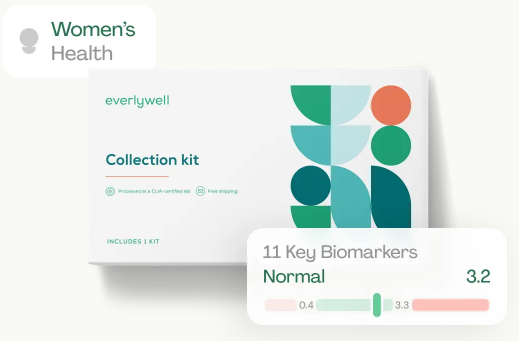
Recommended Product: Everlywell’s Women’s Health Test
The Spiritual Dimension of Physical Change
Christian faith provides a framework for understanding midlife wellness that extends beyond biology alone. First Corinthians 6:19–20 describes the body as a temple of the Holy Spirit, emphasizing stewardship rather than perfection or resistance to natural aging.
Midlife often brings greater clarity about priorities and calling. Concerns that dominated earlier decades—external validation, constant achievement, or comparison—often lose urgency. In their place come deeper questions about purpose, legacy, and faithfulness.
This clarity is a gift, but it requires physical and emotional capacity to act on it. Chronic exhaustion, unmanaged stress, and persistent discomfort can make spiritual attentiveness and faithful service far more difficult. Caring for physical health during midlife supports the ability to live out faith with strength, discernment, and intention.
Chronic Stress and Its Impact on Midlife Health
One of the most significant threats to wellness in midlife is chronic stress and nervous system dysregulation. The body’s stress response system is designed for short-term threats, activating cortisol and adrenaline to ensure survival. Ideally, this response resolves once the threat passes.
For many women in midlife, stress becomes continuous rather than episodic. Ongoing concerns about family, finances, health, work, relationships, and time pressure keep the nervous system in a prolonged state of activation. When this occurs, the body diverts resources away from hormone regulation, tissue repair, digestion, and immune function.
Common effects include:
- Difficulty losing weight despite healthy habits
- Poor sleep quality
- Digestive disturbances
- Increased inflammation and pain
- Mood instability and anxiety
Practices that signal safety to the nervous system are essential. Prayer, contemplative meditation, time in nature, gentle movement, deep breathing, supportive relationships, and true Sabbath rest all help restore balance and promote healing.
Nutrition That Supports Midlife Physiology
Midlife nutrition is most effective when it emphasizes nourishment rather than restriction.
Protein intake becomes increasingly important as estrogen declines and muscle maintenance becomes less efficient. Consuming approximately 25–30 grams of protein per meal helps preserve muscle mass, stabilize blood sugar, and support sustained energy.
Fiber intake supports digestion, blood sugar regulation, estrogen metabolism, and satiety. A daily intake of 25–35 grams from vegetables, fruits, legumes, whole grains, and seeds is beneficial.
Healthy fats are essential for brain health, hormone production, inflammation control, and nutrient absorption. Sources include fatty fish, olive oil, avocados, nuts, seeds, and omega-3-rich foods.
Phytoestrogen-containing foods, such as flaxseeds, legumes, and fermented soy products, may offer gentle hormonal support for some women as part of a balanced diet.
Blood sugar stability is critical for managing energy, mood, and fat storage. Regular meals that combine protein, fat, and fiber are more supportive than restrictive eating patterns or long fasting periods.
Hydration plays a role in fatigue, cognitive function, and symptom severity, particularly for those experiencing night sweats or hot flashes.
Movement That Builds Strength Without Burnout
Exercise during midlife benefits most from a shift in focus.
- Strength training supports muscle mass, bone density, metabolic health, and long-term independence. Two sessions per week targeting major muscle groups are sufficient for most women.
- Moderate cardiovascular activity, such as walking, swimming, cycling, or dancing, supports heart and brain health without excessive cortisol elevation.
- Flexibility and balance practices, including yoga or stretching, help maintain joint health and reduce injury risk.
- Daily movement, even outside structured exercise, improves circulation, digestion, mood, and sleep.
Consistency and enjoyment matter more than intensity. Sustainable movement patterns support long-term health far more effectively than extremes.
Sleep as a Foundation of Wellness
Sleep quality often declines during perimenopause due to hormonal shifts, night sweats, anxiety, and stress. Optimizing sleep requires both environmental support and addressing root causes.
Helpful strategies include maintaining a cool, dark, quiet bedroom; establishing a consistent wind-down routine; limiting evening stimulation; and protecting regular sleep and wake times.
When sleep disruption persists, addressing specific contributors—such as vasomotor symptoms, anxiety, pain, or nocturia—with a qualified healthcare provider is essential. Sleep is central to hormonal regulation, emotional processing, immune function, and spiritual resilience.
Aging, Appearance, and Perspective
Visible aging can feel particularly challenging in a culture that equates youth with worth. Changes in skin texture, pigmentation, and elasticity are natural consequences of time and hormonal shifts.
Caring for skin through gentle cleansing, moisturizing, sun protection, and evidence-based ingredients is a valid form of stewardship. The deeper work lies in separating self-care from cultural pressure to maintain youth at all costs.
Scripture consistently emphasizes character, faithfulness, and reverence for God over outward appearance. The visible signs of age reflect experience, endurance, and a life lived.
Common Barriers to Midlife Wellness
Several patterns frequently undermine progress:
- All-or-nothing thinking that disrupts consistency
- Comparison with others whose circumstances and biology differ
- Neglecting rest and spiritual practices while focusing exclusively on diet or exercise
- Delaying meaningful living until physical goals are achieved
- Enduring distressing symptoms without seeking appropriate support
Addressing symptoms through medical care, counseling, nutritional guidance, or physical therapy is not a lack of faith but an expression of stewardship.
Building a Sustainable Midlife Wellness Practice
Effective midlife wellness is built gradually:
- Focus on one or two manageable changes at a time
- Track habits and patterns rather than obsessing over outcomes
- Cultivate supportive community and shared practices
- Integrate faith with physical care through gratitude, prayer, and embodied worship
- Adjust expectations to reflect current reality rather than past capacity
- Celebrate improvements in energy, strength, sleep, and emotional stability
Key Takeaways
Midlife is a transition that calls for wisdom, compassion, and intention. Physical, emotional, and spiritual health are deeply interconnected, and addressing them together creates a more sustainable path forward.
Chronic stress undermines every aspect of wellness, making practices that restore safety and rest foundational. Nutrition, movement, sleep, and self-care are acts of stewardship, not vanity or self-indulgence.
Consistency matters more than perfection. Small, faithful choices practiced over time lead to lasting transformation.
Worth is rooted in Christ. This season offers deeper purpose, clearer priorities, and renewed intimacy with God—lived fully in the body as it is today.
Recommended Product: Everlywell’s Women’s Health Test