
There have been mornings when I’ve woken up carrying the previous day’s stress like a weighted blanket I forgot to take off. My mind races through yesterday’s unfinished conversations, tomorrow’s obligations, and a vague sense of spiritual disconnection that feels like static on a radio station.
That’s when I know I need a reset.
Peace needs daily cultivation through intentional practices that clear the clutter and reconnect you with what matters most. You don’t find it once and keep it forever.
You have to tend to it regularly, like watering a garden.
Understanding the Science Behind Spiritual Reset
Something real happens in your brain and body when you perform these rituals that goes beyond the purely mystical. Neuroscience research has shown that contemplative practices activate the parasympathetic nervous system, your body’s “rest and digest” mode, which directly counteracts the stress response.
When you engage in intentional spiritual practices, you’re literally rewiring neural pathways associated with anxiety and reactivity.
The fascinating part is how quickly this happens. Studies on brief mindfulness interventions show measurable changes in amygdala activity (the brain’s fear center) after just eight weeks of consistent practice.
Even single sessions produce immediate effects on heart rate variability and emotional state. You’re creating actual physiological shifts that support wellbeing, which means you’re actually becoming more peaceful at a biological level.
The concept of spiritual reset also addresses what psychologists call “cognitive load,” the mental burden of processing information, emotions, and stimuli throughout the day. Think of your consciousness like a computer’s RAM.
Throughout the day, you’re running multiple programs simultaneously: work tasks, relationship dynamics, worry about the future, regret about the past, and physical sensations demanding attention.
A spiritual reset essentially clears that RAM, closes unnecessary programs, and restores processing capacity for what truly needs your attention.
What makes these practices specifically spiritual as opposed to just relaxation techniques is the element of transcendence, connecting to something beyond your immediate concerns. Whether you frame this as God, universal consciousness, your higher self, or the interconnectedness of all beings, this shift in perspective creates what researchers call “self-transcendent experiences” that have measurably different effects on the brain compared to secular relaxation alone.
Creating Your Sacred Reset Environment
The environment where you perform your spiritual reset really does matter, and I’ve learned this through plenty of failed tries at meditating next to piles of laundry or trying to pray in a cluttered space that constantly reminds me of undone tasks. Your brain creates powerful associations between location and mental state, which is why you find it hard to relax in your office or why certain places instantly make you feel calm.
Start by designating a specific area in your home as your reset space. This doesn’t need to be an entire room.
A corner of your bedroom, a specific chair by a window, or even a particular spot in your backyard works perfectly.
The key is consistency.
When you return to the same location daily, you’re training your nervous system to begin shifting into a receptive state simply by being there.
Physical cleansing of this space serves both practical and symbolic purposes. I’ve found that wiping down surfaces with a mixture of sea salt dissolved in water (about a tablespoon per cup) with a few drops of florida water or essential oils creates an immediate sensory shift. The slight scent, the physical act of wiping, and the intention behind it all signal to your mind that this space is being prepared for something sacred. Some traditions attribute energetic properties to these substances, salt for purification, certain herbs for specific intentions, but even if you view this purely psychologically, the ritual itself creates meaning.
Remove items that pull your attention toward mundane concerns. That stack of bills, your phone with its notifications, the book you’ve been meaning to read all compete for mental space.
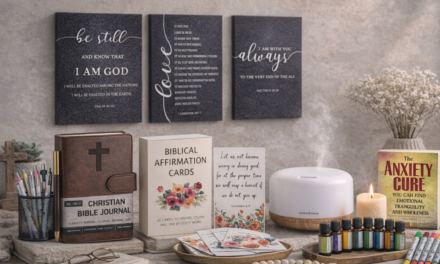
Replace them with objects that support your practice: a candle that you light only during reset time, a particular cushion, stones or crystals if that resonates with you, or images that evoke peace or connection.
Lighting matters more than you might think. Harsh overhead lights keep your brain in “daytime productivity” mode.
Softer light from candles, salt lamps, or dimmed side lighting signals transition.
I’ve noticed a genuine difference in how quickly I can settle into contemplative space depending on lighting alone. If you’re practicing in the morning, natural sunrise light works beautifully.
For evening resets, candlelight creates an immediate boundary between active day and reflective practice.
Sound environment deserves equal attention. Silence works for some people, but many find that soft background sound, whether frequency music (432Hz or 528Hz tracks are popular), nature sounds, instrumental worship music, or ambient meditation tracks, helps mask distracting environmental noise and creates an auditory container for your practice.
The key is choosing something that recedes into background as opposed to demanding attention.
The Spiritual Shower Ceremony
This practice has become one of my most powerful reset tools, especially during transitions or when I’m feeling particularly burdened by accumulated stress or negativity. It combines physical cleansing with intentional release in a way that engages your entire sensory system.
The full ceremony works best monthly or during significant transitions, though you can adapt shorter versions for weekly practice. Traditional timing aligns with lunar phases: new moons for setting intentions and initiating new patterns, full moons for releasing what no longer serves you.
There’s something psychologically powerful having these celestial timing markers, even if you don’t subscribe to lunar influence metaphysics.
It creates natural rhythm and milestone markers for reflection.
Begin by thoroughly cleaning your bathroom space itself. Wipe down surfaces, remove all non-essential items, clear the space of clutter.
This preparatory cleaning is actually the first phase of the ritual.
As you clean, set your intention for the ceremony. What are you releasing?
What are you inviting in?
I find it helpful to speak these intentions aloud, even if quietly.
Prepare your ritual bath or shower mixture before you begin. You’ll need containers (buckets or large bowls work well) filled with warm water. To each container, add ingredients aligned with your intention.
Common additions include Epsom salt (physically relaxing and traditionally associated with purification), fresh or dried herbs like rosemary, lavender, or basil, essential oils, and flower petals if available.
The specific ingredients matter less than your intention as you add them.
As you add each element, state what it represents. “This rosemary represents clarity and mental cleansing.” “This salt draws out heaviness and fatigue.” You’re creating a physical representation of your spiritual intention, which gives your mind something tangible to work with.
Let the mixture sit for at least fifteen minutes before using, allowing the herbs to infuse.
Before entering the shower or bath, take several deep breaths and consciously release the day’s accumulated tension. Some people find it helpful to actually physically shake their body, allowing muscles to relax and stagnant energy to move.
Step into your bathing space and first cleanse yourself normally with soap and water.
This initial washing represents the surface level cleaning, the obvious, physical layer.
Now comes the ceremonial portion. Take your first prepared bucket.
Hold it for a moment, reminding yourself of your intention.
Then slowly pour it over your body, starting at your crown and allowing the water to cascade down. As the water flows, visualize everything you’re releasing flowing away with it: anxiety, resentment, exhaustion, confusion, whatever you’ve named. Really see it in your mind’s eye, draining away and disappearing.
Repeat this with each prepared bucket, taking time between each one. There’s no rush here.
You might pour three buckets or seven, depending on how many intentions you’ve set.
Some practitioners speak words of release with each pour: “I release fear.” “I release the need for others’ approval.” “I release yesterday’s mistakes.”
After the final bucket, stand for a moment in the stillness. Notice how your body feels.
Often there’s a genuine sense of lightness or openness that’s quite physical.
Now shift to invitation.
What are you welcoming into this cleared space? “I invite peace.” “I welcome clarity.” “I accept divine guidance.” Speak these aloud as you mist yourself with florida water solution or simply clean water you’ve blessed with intention.
Step out and dry yourself with a clean towel that you’ve designated specifically for this purpose. The entire process from cleaning the space to stepping out might take 45 minutes to an hour.
Afterward, many people report feeling emotionally lighter, mentally clearer, and physically relaxed in a way that regular bathing doesn’t produce.
Building a Sustainable Daily Practice
The spiritual shower ceremony is powerful but not practical for daily use. Your daily reset needs to be sustainable, which means realistic regarding time, energy, and consistency.
I’ve watched so many people (including past versions of myself) create elaborate morning routines that look beautiful on paper but collapse within a week because they’re not actually sustainable.
Start with what I call the “five-minute foundation.” This is the absolute least that counts as a finish practice. When you’re rushed, overwhelmed, or just not feeling it, you can always do five minutes.
Here’s what that might look like: one minute of intentional breathing to transition from doing to being, two minutes of gratitude (mentally listing things you’re genuinely thankful for), one minute with a single spiritual text or verse, and one minute of prayer or intention setting for the day.
The specific content matters less than the structure and consistency. Your brain loves patterns.
When you practice at the same time, in the same place, following the same general structure, the practice becomes easier to start.
You’re reducing decision fatigue and leveraging habit formation as opposed to relying on motivation.
Morning practice offers the advantage of setting your day’s tone before external demands flood in. I’ve found there’s something protective when you start the day spiritually grounded. Challenges still come, but you meet them from a different place internally. However, if mornings are genuinely chaotic in your life, evening resets work beautifully for processing the day and releasing it before sleep.
The “bookend” approach works really well for maintaining connection throughout the day. Start with your morning reset and end with a brief evening one.
The evening version might be even simpler: reviewing the day with gratitude, acknowledging where you felt connected or disconnected, releasing what doesn’t need to carry into tomorrow, and setting an intention for restful sleep.
These bookends create a container for your day.
Between these anchors, mix brief reconnection moments. I’ve started thinking of these as “micro-resets”: thirty-second pauses where you simply close your eyes, take three deep breaths, and remember your morning intention.
Set reminders if needed. These prevent the gradual drift that happens when we go hours without conscious reconnection.
The One-Verse Meditation Practice
This technique has become absolutely central to my daily reset because it’s so portable and flexible. The basic concept works across traditions: choose one short spiritual text, verse, or teaching and carry it with you mentally throughout the day.
Christian practitioners might choose a single Bible verse.
Buddhist practitioners might work with a sutra excerpt. Those in other traditions might choose a passage from their sacred texts or even a meaningful quote from a spiritual teacher.
The selection process matters. Choose something that speaks to your current situation or spiritual growing edge.
If you’re struggling with anxiety, maybe it’s “Peace I leave with you, my peace I give you.” If you’re working on forgiveness, perhaps something addressing the release of resentment.
Don’t just grab something randomly. Let the text actually address what you’re carrying.
Write it down physically. Yes, you could save it in your phone, but there’s something regarding handwriting that deepens encoding.
I keep a small notebook specifically for this, writing the verse at the top of each day’s page.
Throughout the day, I can return to that page and see it again.
Make it visible in your environment. Write it on a sticky note on your bathroom mirror, set it as your phone’s lock screen, put it on your car’s dashboard.
These visual reminders prompt engagement throughout the day without requiring you to remember to remember.
The practice itself involves returning to these words repeatedly, but actually ruminating on them as opposed to just reading them.
What do they mean?
How do they apply to this specific moment? What would change if you really believed them?
This is contemplative reading as opposed to informational reading. You’re trying to let truth sink deeper as opposed to learn something new.
You’ll be surprised how often the specific verse you’ve chosen becomes relevant to unexpected situations during the day. Whether you attribute this to divine guidance, your reticular activating system (the brain’s attention filter), or coincidence, the practical effect is the same: you’ve created a through-line of spiritual awareness threading through your entire day.
Prayer Walks and Movement-Based Reset
I used to think spiritual practice required stillness: sitting quietly, being motionless, creating calm. And while that’s one valid approach, I’ve discovered that movement-based practices work better for certain temperaments and situations.
If you’re naturally kinesthetic, if you’ve been sitting all day, or if you’re feeling restless, trying to force stillness often creates more agitation as opposed to peace.
Prayer walking combines physical movement with spiritual focus in a way that feels natural and accessible. The basic practice is simple: walk with intention, bringing spiritual awareness to the experience.
This can happen in nature, around your neighborhood, or even pacing in your backyard.
The location matters less than your internal approach.
Start by setting an intention before you begin walking. What are you bringing to this walk?
Are you processing something specific, seeking guidance, expressing gratitude, or simply creating space for connection?
Name it clearly, either mentally or aloud.
As you walk, synchronize your breath with your steps if that feels natural. Some people pray with each step: right foot, “Thank you,” left foot, “For your presence.” Others use the walking itself as a form of prayer, believing that the intentional movement through space is itself a spiritual act.
Both approaches work.
Notice your surroundings with what I call “sacramental attention,” seeing the world as infused with meaning as opposed to as neutral scenery. That particular tree, the way light hits that building, the bird flying overhead become potentially carriers of significance or reminders of larger truths.
This doesn’t mean forcing symbolic meaning onto everything, but staying open to finding it.
Pray for what you see. Walk past your neighbor’s house and pray for their wellbeing.
Notice someone struggling with grocery bags and hold them in silent blessing.
See evidence of struggle (graffiti, litter, decay) and pray for healing of that space and situation. This practice keeps your prayer grounded in the real world as opposed to floating in abstractions.
Some people find it helpful to walk a maze pattern if you have access to one. The winding path serves as a physical metaphor for the spiritual process.
There’s only one path, but it winds back and forth, sometimes bringing you close to the center before leading you away again. Walking it becomes a moving meditation.
For those who prefer indoor movement, walking meditation works well. Choose a short path (even just ten feet), walk it very slowly with finish attention to the physical sensation of each step, turn at the end, and walk back.
The extreme slowness keeps your mind from wandering and anchors awareness in your body.
After ten minutes of this, you’ll feel remarkably present and centered.
People Also Asked
How long should a daily spiritual reset take?
A daily spiritual reset can be as short as five minutes or as long as an hour, depending on your schedule and needs. The most important factor is consistency as opposed to duration. Starting with a five-minute foundation that includes one minute of intentional breathing, two minutes of gratitude, one minute with a spiritual text, and one minute of prayer or intention setting creates a finish practice that fits into even the busiest mornings.
You can always expand this when you have more time, but having a minimum viable practice means you can maintain consistency regardless of circumstances.
What is a spiritual shower ceremony?
A spiritual shower ceremony is a monthly ritual that combines physical bathing with intentional release and renewal practices. You prepare water infused with ingredients like Epsom salt, herbs (rosemary, lavender, basil), essential oils, and flower petals, then pour these prepared buckets over your body while visualizing what you want to release flowing away with the water.
The ceremony typically takes 45 minutes to an hour and includes cleaning your bathroom space, setting clear intentions, performing a regular wash first, then the ceremonial pourings, and finishing by inviting in what you want to welcome.
Many practitioners align this with lunar phases, using new moons for setting intentions and full moons for release.
Can you do spiritual practices without being religious?
Spiritual reset practices work across belief systems and don’t need adherence to any specific religion. The core elements of creating a dedicated space, intentional breathing, reflection, gratitude, and connecting to something beyond your immediate concerns can be adapted to whatever framework resonates with you.
Whether you connect with nature, universal consciousness, your higher self, or a traditional conception of God, the physiological and psychological benefits of these practices stay consistent.
The key is finding practices that feel authentic to your own beliefs while maintaining the essential elements of consistency, intention, and transcendence.
How do you create a sacred space at home?
Creating a sacred space starts with designating a specific area in your home that you use consistently for your spiritual practice. This could be a corner of your bedroom, a chair by a window, or a spot in your backyard.
The location matters less than the consistency.
Clean this area regularly, ideally with intention using salt water or essential oils. Remove items that pull your attention toward mundane concerns like bills, phones, or to-do lists.
Add objects that support your practice such as candles you light only during reset time, cushions, meaningful images, or natural elements like stones or plants.
Pay attention to lighting, using softer sources like candles or dimmed lamps as opposed to harsh overhead lights.
What is prayer walking?
Prayer walking combines physical movement with spiritual focus by walking with clear intention while bringing awareness to your surroundings and internal state. You can practice this in nature, around your neighborhood, or even in your backyard.
Start by setting an intention for the walk, then move at a comfortable pace while synchronizing breath with steps if that feels natural.
Rather than rushing to a destination, you’re using the walking itself as a contemplative practice. This might include praying for people and places you pass, noticing your environment with heightened awareness, or simply allowing the rhythm of movement to create space for spiritual connection.
Prayer walking works especially well for people who find stillness difficult or who feel restless during seated meditation.
How often should you do a spiritual reset?
Daily spiritual resets form the foundation of a consistent practice, even if these are just five minutes each morning or evening. These daily touchpoints prevent the gradual drift that happens when you go too long without conscious reconnection.
Beyond daily practice, monthly resets aligned with lunar cycles or calendar months provide opportunities for deeper reflection and more intensive practices like the spiritual shower ceremony.
Seasonal transitions offer natural times for even longer reset experiences, perhaps half-day or full-day retreats where you step completely away from normal routines. Annual retreats of two to five days create space for transformation that’s difficult to access in shorter timeframes.
The combination of daily, monthly, seasonal, and annual practices creates a finish rhythm.
Key Takeaways
Your spiritual reset practice succeeds when it’s truly sustainable for your actual life as opposed to an idealized version. Start with five minutes you can genuinely commit to daily, building from there only as it becomes natural.
Create a dedicated space that signals sacred time through consistent location, lighting, and sensory cues. Physical environment shifts genuinely affect consciousness, making your reset space preparation an important first step as opposed to optional decoration.
The spiritual shower ceremony offers a powerful monthly intensive practice that combines physical sensation with intentional release and renewal, engaging your full sensory system in the reset process. Balance this with daily practices like one-verse meditation that need minimal time but maintain consistent connection throughout ordinary activities.
Movement-based approaches like prayer walking work especially well for kinesthetic processors or when you’re feeling restless, proving that spiritual practice doesn’t need forced stillness.
Expect and plan for obstacles including the perfection trap, spiritual dryness periods, environmental disruption, and psychological resistance. Build scaling into your practice from the beginning so you always have a viable option regardless of circumstances.
Embrace the reality that showing up matters more than feeling inspired, especially during the dry periods that are normal parts of any spiritual process.
Integration throughout your entire day through transitional awareness, regular micro-resets, and evening review changes spiritual practice from isolated activity to an underlying framework for living. The real measure of effective daily reset is how you move through the rest of your hours with greater presence, peace, and connection to what matters most.