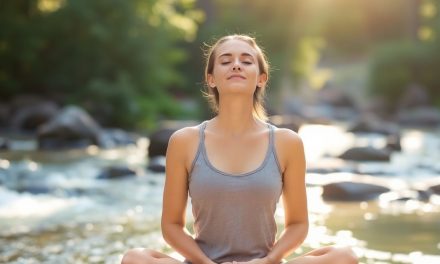

In our fast-paced world, slowing down can feel like swimming against the current. But embracing a slower pace of life offers profound benefits for our well-being, relationships, and overall satisfaction.
Let’s explore seven practical ways to incorporate more slowness and intention into our daily lives.
1. Mindful Mornings: Start Your Day with Intention
The way we begin our day sets the tone for everything that follows. Creating a mindful morning routine allows us to ease into the day with purpose and calm as opposed to immediately reacting to external demands.
Instead of reaching for your phone the moment you wake up, try giving yourself 15-30 minutes of quiet time. This could involve gentle stretching, meditation, journaling, or simply sitting with a cup of tea and watching the sunrise.
I’ve found that dedicating even just 15 minutes to a calm morning ritual dramatically improves my mood and productivity. It’s like giving myself a mental and emotional cushion before facing the world.
One practice I’ve adopted is keeping a gratitude journal by my bedside. Before getting out of bed, I jot down three things I’m grateful for.
This simple act helps me start the day with a positive mindset.
Setting an intention for the day provides direction and purpose. Your intention doesn’t need to be grandiose, it could be as simple as “I will take three deep breaths before responding to challenging situations” or “I will notice moments of beauty throughout my day.”
By creating space for reflection and intention-setting in the morning, you’re less likely to feel rushed and stressed as you tackle your responsibilities. You’re cultivating a mindset of presence and purpose that can carry you through the day.
2. Digital Detox: Unplug to Reconnect
Our constant connection to technology often keeps us in a state of high alert, making it difficult to slow down and be present. Implementing regular digital detoxes helps break this cycle and allows us to reconnect with ourselves and the world around us.
Start small by designating certain hours of the day as “phone-free” time. Use this time to engage in activities that don’t involve screens, such as reading a physical book, going for a walk, or having an uninterrupted conversation with a loved one.
As someone who used to be glued to my phone, I can attest to the profound impact of digital detoxes. Not only do they help you slow down, but they also improve your ability to focus and be present in the moment.
I started by turning off all notifications on my phone except for calls and messages from close family. This simple change reduced the constant urge to check my phone and allowed me to focus more on the task at hand.
Consider implementing a “tech sunset” in your home. An hour before bedtime, put away all electronic devices and engage in calming activities like reading, gentle stretching, or conversation with family members.
This practice helps you wind down and improves sleep quality by reducing exposure to blue light before bed.
Creating physical boundaries for technology use in your home can be helpful. For example, designate certain areas as “phone-free zones”, perhaps the dining table or bedroom.
This encourages more mindful use of technology and creates space for other activities and connections.
The goal isn’t to completely eliminate technology from your life, but to use it more intentionally. By creating periods of digital detox, you’re giving yourself the gift of presence and the opportunity to engage more fully with the world around you.
3. Mindful Eating: Savor Every Bite
Eating provides a perfect opportunity to practice mindfulness and slow down. In our rush to get through meals, we often miss out on the pleasure and nourishment that food can provide.
Practicing mindful eating involves slowing down and paying full attention to your meal.
Start by taking a moment before eating to appreciate the food in front of you. Think about where it came from, who prepared it, and how it will nourish your body.
This brief pause helps transition into a more mindful state for the meal.
As you eat, notice the colors, textures, and flavors of your food. Chew slowly and put your utensils down between bites.
This helps with digestion but allows you to truly enjoy your food and feel more satisfied with smaller portions.
I’ve found that mindful eating makes meals more enjoyable and helps me make healthier food choices naturally. When I’m fully present during a meal, I’m more likely to notice when I’m full and stop eating, as opposed to mindlessly overeating.
Try experimenting with eating in silence for one meal a week. While it might feel awkward at first, it can be a powerful way to tune into the sensory experience of eating and cultivate a deeper appreciation for your food.
Mindful eating extends beyond the act of consuming food. It involves being more conscious of our food choices, preparation methods, and the overall relationship we have with eating.
This might mean taking the time to cook meals from scratch, shopping at local farmers’ markets, or learning about the cultural significance of different cuisines.
By approaching eating with mindfulness, we transform a daily necessity into an opportunity for presence, gratitude, and connection.
4. Slow Movement: Exercise with Awareness
While high-intensity workouts have their place, incorporating slower forms of movement into your routine offers unique benefits for both body and mind. Practices like yoga, tai chi, or even slow walking meditation allow you to move with intention and connect deeply with your body.
These activities provide physical benefits like improved flexibility and balance, while also serving as moving meditations, helping to calm your mind and reduce stress.
Personally, adding a weekly yoga session to my exercise routine has improved my flexibility, balance, and overall sense of well-being. I’ve found that focusing on my breath and the subtle movements of my body during yoga helps me carry that mindfulness into other areas of my life.
Even when I’m not on the mat, I’m more aware of my posture, my breathing, and how my body feels throughout the day.
If you’re new to slow movement practices, start with a simple walking meditation. Find a quiet place to walk slowly, focusing on the sensation of your feet touching the ground with each step.
When your mind wanders (which it inevitably will), gently bring your attention back to the physical act of walking.
This practice can be done for just a few minutes and is a great way to incorporate mindfulness into your daily routine.
Another approach to slow movement is to bring more awareness to activities you already do. For example, if you enjoy swimming, try focusing on the sensation of the water against your skin, the rhythm of your breath, and the movement of your muscles.
This turns any form of exercise into a mindfulness practice.
The goal of slow movement isn’t to replace all other forms of exercise, but to complement them. By incorporating these mindful practices, you’re benefiting your physical health and cultivating a deeper sense of body awareness and presence.
5. Simplify Your Space: Less Clutter, More Calm
Our physical environment has a significant impact on our mental state. Cluttered spaces can lead to cluttered minds, making it difficult to slow down and relax.
Taking time to declutter and simplify your living and working spaces creates an environment that supports a slower, more intentional lifestyle.
Start small by choosing one area to declutter, like your desk or a single closet. As you go through items, ask yourself if each one brings you joy or serves a practical purpose.
If not, consider donating or discarding it.
I’ve noticed that when my space is organized and free of unnecessary items, I feel more relaxed and can focus better on what truly matters. It’s not about achieving perfect minimalism, but rather creating an environment that supports your well-being and priorities.
Creating designated spaces for different activities can also help you slow down and be more present. For example, set up a cozy reading nook with a comfortable chair and good lighting.
When you’re in this space, you’ll be more likely to focus on reading and less tempted to multitask or reach for your phone.
Consider the flow of your space and how it supports (or hinders) a slower pace of life. Are there areas that feel chaotic or stressful?
How might you rearrange or simplify them to create a sense of calm?
Simplifying your space extends beyond physical decluttering. It also involves simplifying your commitments and schedule.
Take a look at your calendar and consider which activities truly align with your values and priorities.
Learning to say no to non-essential commitments creates more space for the things that matter most.
Simplifying is an ongoing process, not a one-time event. Regularly reassess your space and belongings to confirm they continue to support the lifestyle you want to cultivate.
6. Practice the Art of Single-Tasking
In a world that glorifies multitasking, single-tasking can be a revolutionary act. Instead of trying to do many things at once, focus on one task at a time.
Give it your full attention before moving on to the next thing.
This approach improves the quality of your work and reduces stress and mental fatigue.
When I started practicing single-tasking, I was amazed at how much more effective and focused I became. It’s counterintuitive, but slowing down in this way actually helps you accomplish more.
One technique I use is the Pomodoro Method: I work on a single task for 25 minutes, then take a 5-minute break. This helps me stay focused and gives my brain regular rest periods.
During the 25-minute work sessions, I close unnecessary browser tabs, put my phone on silent, and commit to focusing solely on the task at hand.
To support your single-tasking efforts, try creating a daily priority list with no more than three main tasks. This forces you to identify what’s truly important and helps prevent the overwhelm that can come from a long to-do list.
This involves quality over quantity.
Single-tasking extends beyond work tasks. Apply this principle to your personal life as well.
When you’re having a conversation with someone, give them your full attention instead of checking your phone.
When you’re eating, focus on your meal as opposed to watching TV or scrolling through social media.
By practicing single-tasking, you’re improving your productivity and cultivating a deeper sense of presence in your daily life. You’re training your brain to focus and engage more fully with whatever you’re doing, which is a key component of living a slower, more intentional life.
7. Embrace the Importance of Pause
Throughout your day, incorporate brief moments of pause. These can be as short as a few deep breaths between tasks or as long as a 10-minute meditation break.
These pauses serve as reset buttons for your mind and body, helping you stay centered and calm amidst the busyness of life.
I like to set gentle reminders on my phone to take these pause moments throughout the day. It’s amazing how even a 30-second break can refresh your mind and help you refocus.
One of my favorite pause practices is the “3-3-3” technique: Take three deep breaths, name three things you can see, and move three parts of your body (like rotating your ankles, shoulders, and neck). This quick exercise grounds you in the present moment and can be done anywhere, anytime.
Another way to incorporate pauses is to create transition rituals between different activities. For example, after finishing a work task, take a moment to stand up, stretch, and take a few deep breaths before moving on to the next task.
This helps create a clear boundary between activities and allows your mind to reset.
Pauses also provide an opportunity for reflection. Use these moments to check in with yourself.
How are you feeling?
Are you holding tension anywhere in your body? What do you need in this moment?
This self-awareness can help you make adjustments throughout your day to support your well-being.
Taking pauses isn’t a waste of time, it’s an investment in your mental clarity, creativity, and overall well-being. By regularly stepping back from the constant flow of activity, you create space for insights, rejuvenation, and a deeper connection with yourself and your surroundings.
Cultivating a Slower Lifestyle
Embracing a slower pace of life is a practice that needs patience and persistence. It’s about making small, consistent changes that add up to a significant shift in how you experience your days.
Here are some extra tips to support your path towards a slower lifestyle:
- Practice patience: In a world of instant gratification, cultivating patience can be impressive.
Embrace waiting as an opportunity for mindfulness as opposed to a frustration.
- Engage in slow hobbies: Activities like gardening, knitting, or painting naturally encourage a slower pace and focused attention.
- Appreciate silence: Create pockets of silence in your day.
Turn off the radio while driving or sit in quiet reflection for a few minutes.
- Connect with nature: Spending time in nature inherently slows us down and helps us connect with the natural rhythms of life.
- Practice mindful communication: When interacting with others, focus on truly listening and being present as opposed to thinking about what you’ll say next.
- Embrace ‘slow travel’: When possible, choose slower modes of transportation and take time to deeply experience the places you visit.
- Cultivate gratitude: Regularly pausing to appreciate the good things in your life can help shift your focus from constant striving to present contentment.
Slowing down doesn’t mean becoming unproductive or giving up on your goals. Instead, it involves finding a more sustainable and enjoyable way to live and work.
By incorporating these practices into your daily routine, you’ll likely find that you feel more relaxed and content and more creative and effective in your endeavors.
Slowing down is a skill that takes practice. Be patient with yourself as you explore these new ways of being.
The benefits of a slower lifestyle, improved health, deeper relationships, and a more meaningful life, make it well worth the effort.
People Also Asked
How can I slow down my busy life?
Start by identifying your priorities and cutting out non-essential activities. Incorporate mindfulness practices like meditation or deep breathing into your daily routine.
Set boundaries around technology use and create dedicated time for rest and self-care.
What are the benefits of living a slower lifestyle?
A slower lifestyle can lead to reduced stress, improved mental health, better relationships, increased creativity, and a greater sense of overall well-being. It allows for more meaningful experiences and a deeper appreciation of life’s moments.
Is it possible to live slowly in a fast-paced world?
Yes, it’s possible to cultivate slowness even in a fast-paced environment. It involves making conscious choices about how you spend your time and energy, setting boundaries, and prioritizing activities that align with your values.
How can mindfulness help me slow down?
Mindfulness practices help you become more aware of the present moment, reducing the tendency to rush or worry about the future. Regular mindfulness practice can help you make more intentional choices about how you use your time and energy.
What is the ‘slow living’ movement?
The slow living movement encourages a cultural shift toward slowing down life’s pace. It emphasizes quality over quantity in all aspects of life, from food to work to relationships.
The movement promotes mindfulness, sustainability, and intentional living.
How can I practice mindful eating?
Start by eating without distractions like TV or phones. Pay attention to the flavors, textures, and smells of your food.
Chew slowly and put your utensils down between bites.
Take time to appreciate where your food came from and how it nourishes your body.
What are some slow hobbies I can try?
Gardening, knitting, painting, baking bread, pottery, and bird watching are all hobbies that naturally encourage a slower pace and focused attention. Choose activities that interest you and allow for a meditative, unhurried approach.
How can I create a morning routine that helps me slow down?
Start by waking up a bit earlier to give yourself unrushed time. Include activities like gentle stretching, meditation, journaling, or enjoying a cup of tea.
Avoid checking your phone or email first thing in the morning.
What is a digital detox and how can I do one?
A digital detox involves taking a break from digital devices and social media. Start small by designating certain hours as “phone-free” time.
Gradually increase the duration.
Use this time to engage in offline activities or connect face-to-face with loved ones.
How can slowing down improve my relationships?
Slowing down allows you to be more present and attentive in your interactions with others. It creates space for deeper conversations, active listening, and genuine connection.
This can lead to more meaningful and satisfying relationships.
Key Takeaways
- Start your day mindfully with a calm morning routine to set a positive tone.
- Regularly unplug from technology to reconnect with yourself and others.
- Practice mindful eating to fully enjoy and appreciate your meals.
- Incorporate slow, mindful movement into your exercise routine.
- Simplify your physical space to create a calm environment.
- Focus on one task at a time instead of multitasking.
- Take regular pauses throughout your day to reset and refocus.
- Be patient with yourself as you learn to embrace a slower pace of life.
- Remember that slowing down can actually increase your productivity and creativity.
- Cultivate gratitude to shift your focus from constant striving to present contentment.